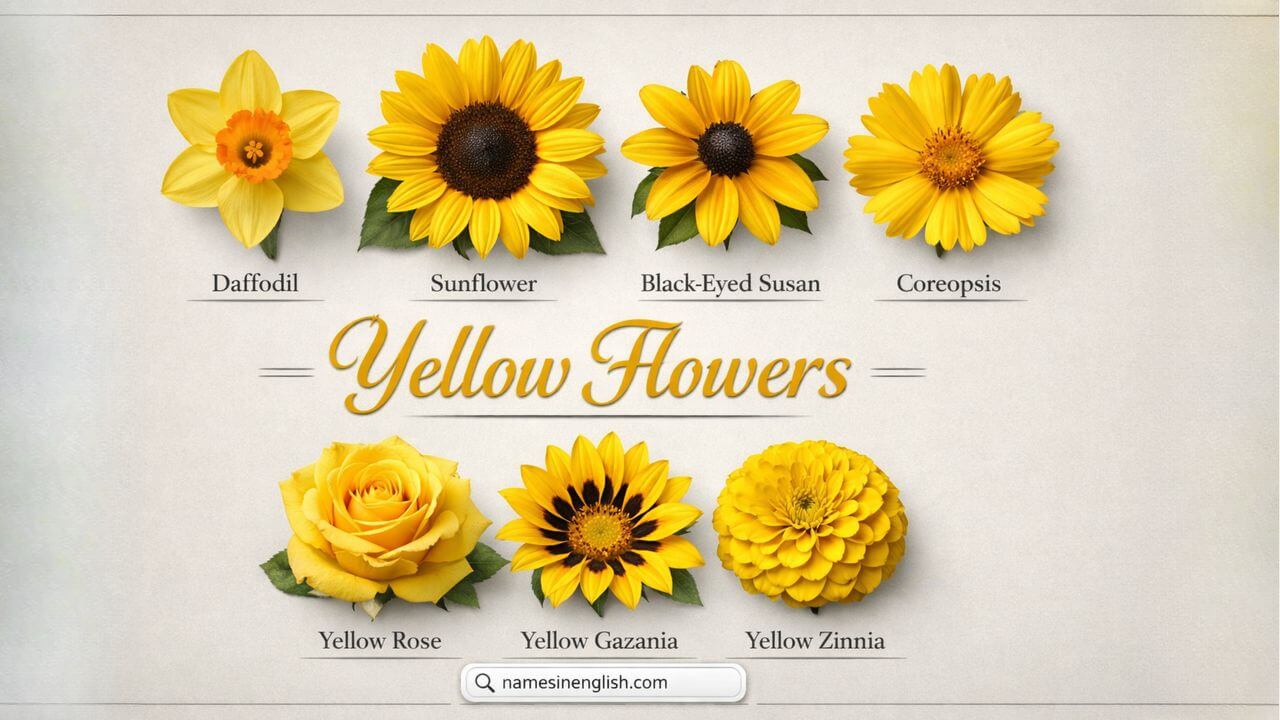

Whether you’re a gardening enthusiast, a flower lover, or an English learner, 40 Yellow Flowers: Names, Pictures & English Pronunciation is the perfect guide to explore some of the world’s brightest and most beautiful blooms. Yellow flowers are often linked with happiness, friendship, warmth, and positive energy, making them popular in gardens, bouquets, and special occasions. In this article, you’ll learn 40 stunning yellow flowers with their names, clear pictures, and easy English pronunciation to help you recognize, remember, and speak each flower’s name with confidence. Whether you’re learning vocabulary or looking for garden inspiration, this guide has everything you need in one place.
Yellow Flowers Quick Reference Table
| # | Common Name | Scientific Name | Pronunciation | Soil Requirements | USDA Hardiness Zone |
|---|---|---|---|---|---|
| 1 | Sunflower | Helianthus annuus | SUN-flow-er | Well-drained, fertile | 2–11 (Annual) |
| 2 | Marigold | Tagetes spp. | MAIR-ee-gold | Well-drained, average | 2-11 |
| 3 | Daffodil | Narcissus spp. | DAF-uh-dil | Well-drained, fertile | 3-8 |
| 4 | Black-Eyed Susan | Rudbeckia hirta | blak-eyed SOO-zuhn | Well-drained, average | 3-9 |
| 5 | Coreopsis | Coreopsis spp. | kor-ee-OP-sis | Well-drained, poor to average | 4-9 |
| 6 | Yellow Tulip | Tulipa spp. | YEL-oh TUL-ip | Well-drained, fertile | 3-8 |
| 7 | Begonia | Begonia x tuberhybrida | BEG-oh-nee-a | Rich, moist, well-drained | 9-11 |
| 8 | Yellow Rose | Rosa spp. | YEL-oh ROHZ | Well-drained, loamy | 5-10 |
| 9 | California Poppy | Eschscholzia californica | KAL-i-for-nee-uh POP-ee | Well-drained, sandy | 6-10 |
| 10 | St. John’s Wort | Hypericum perforatum | SAINT JAHNZ | Well-drained, adaptable | 3-8 |
| 11 | Pansy | Viola tricolor var. hortensis | PAN-zee | Rich, moist, well-drained | 4–9 |
| 12 | Goldenrod | Solidago spp. | GOLD-en-rod | Well-drained, adaptable | 3-9 |
| 13 | Yarrow | Achillea millefolium | YA-roh | Poor to average, well-drained | 3-9 |
| 14 | Craspedia | Craspedia globosa | kras-PEE-dee-a | Well-drained | 8-11 |
| 15 | Yellow Lily | Lilium spp. | LIL-ee-um | Rich, moist, well-drained | 4-9 |
| 16 | Gazania | Gazania rigens | ga-ZAH-nee-a | Well-drained, sandy | 8-11 |
| 17 | Ranunculus | Ranunculus asiaticus | ra-NUN-cu-lus | Rich, sandy, well-drained | 8-11 |
| 18 | Evening Primrose | Oenothera biennis | EE-ving PRIM-rohz | Well-drained, adaptable | 4-9 |
| 19 | Zinnia | Zinnia elegans | ZIN-ee-a | Average, well-drained | 2-11 |
| 20 | Lantana | Lantana camara | LAN-ta-na | Well-drained, adaptable | 8-11 |
| 21 | Freesia | Freesia spp. | FREE-zee-a | Sandy, well-drained | 9-10 |
| 22 | Dahlia | Dahlia spp. | DAHL-ee-a | Rich, moist, well-drained | 8-11 |
| 23 | Yellow Flag Iris | Iris pseudacorus | EYE-ris | Moist to wet | 5-9 |
| 24 | Gerbera Daisy | Gerbera jamesonii | JER-buh-ruh | Rich, well-drained | 8-11 |
| 25 | Snapdragon | Antirrhinum majus | SNAP-drag-on | Rich, well-drained | 7-10 |
| 26 | Chrysanthemum | Chrysanthemum morifolium | KRIS-an-the-mum | Fertile, well-drained | 5-9 |
| 27 | Buttercup | Ranunculus repens | BUT-er-cup | Moist, clay or loam | 4-9 |
| 28 | Jessamine | Gelsemium sempervirens | JES-a-min | Well-drained, adaptable | 7-10 |
| 29 | Witch Hazel | Hamamelis spp. | WITCH HAY-zul | Moist, acidic, well-drained | 3-8 |
| 30 | Calendula | Calendula officinalis | ka-LEN-du-la | Average, well-drained | 2-11 |
| 31 | Bird of Paradise | Strelitzia reginae | BURD of PAR-uh-dys | Rich, well-drained | 10-12 |
| 32 | Bulbine | Bulbine frutescens | BUL-bine | Sandy, well-drained | 9-11 |
| 33 | Leopard Plant | Ligularia spp. | LEP-urd PLANT | Rich, consistently moist | 4-8 |
| 34 | Tansy | Tanacetum vulgare | TAN-zee | Well-drained, adaptable | 4-8 |
| 35 | Yellow Daylily | Hemerocallis lilioasphodelus | DAY-lil-ee | Well-drained, adaptable | 3-9 |
| 36 | Canna Lily | Canna spp. | CAN-uh LIL-ee | Rich, moist, well-drained | 7-11 |
| 37 | Yellow Hyacinth | Hyacinthus orientalis | HIGH-a-sinth | Fertile, well-drained | 4-8 |
| 38 | Strawflower | Xerochrysum bracteatum | STRAW-flower | Poor to average, well-drained | 8-10 |
| 39 | Lady’s Mantle | Alchemilla mollis | LAD-eez MAN-tl | Moist, well-drained | 3-8 |
| 40 | Yellow Horned Poppy | Glaucium flavum | YEL-oh HORN-d POP-ee | Sandy, poor, well-drained | 5-9 |
USDA Hardiness Zones are directly researched from the official USDA Plant Hardiness Zone Database to ensure accurate planting guidance.
Meaning of Yellow Flowers
Yellow flowers are often connected with happiness, friendship, and hope. Their bright color reminds people of sunlight and warm days. Because of this, yellow flowers are commonly given as gifts to celebrate happy moments. People often give them to friends, family members, or someone who needs encouragement. In many cultures, yellow flowers represent positive energy and new beginnings. Seeing these bright blooms in nature can instantly make a place feel more welcoming and cheerful.
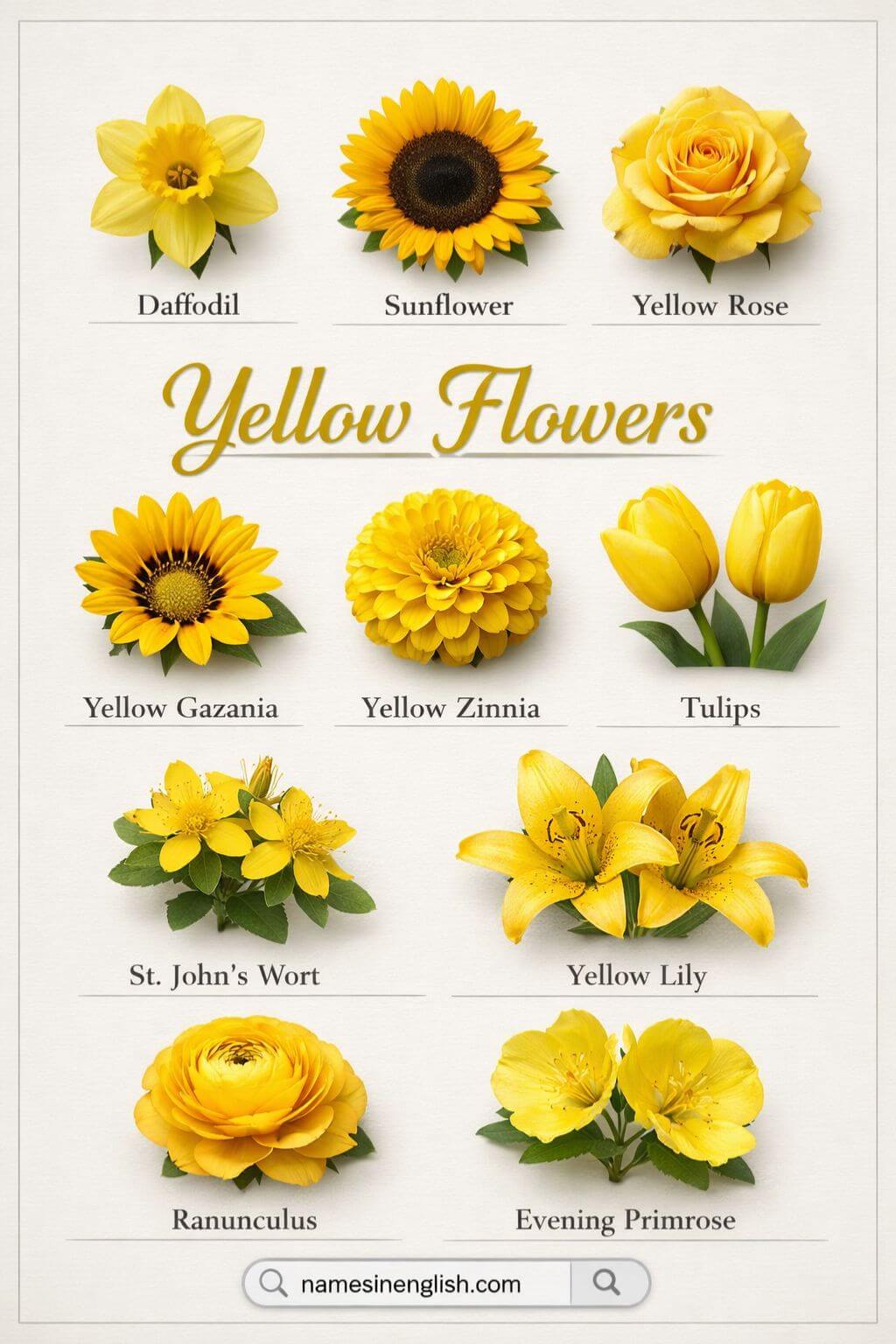
List of Yellow Flowers
Why Yellow Flowers Are So Popular
People love yellow flowers for many reasons. First, their bright color easily attracts attention in gardens and landscapes. Second, yellow flowers appear in many different shapes and sizes. Some are tall and large like sunflowers, while others are small and delicate like buttercups. Another reason is that many yellow flowers have interesting names with long histories. Some names come from ancient languages, while others describe the flower’s appearance or color. Learning these names helps us better understand the plants we see every day.
Your Guide to 40 Spectacular Yellow Flowers
Below is a list of 40 yellow flowers. Each entry includes the flower’s English name, pronunciation, and a simple explanation of the name. This makes it easier to recognize these flowers and understand why they are called by these names.
1. Sunflower (Helianthus annuus)
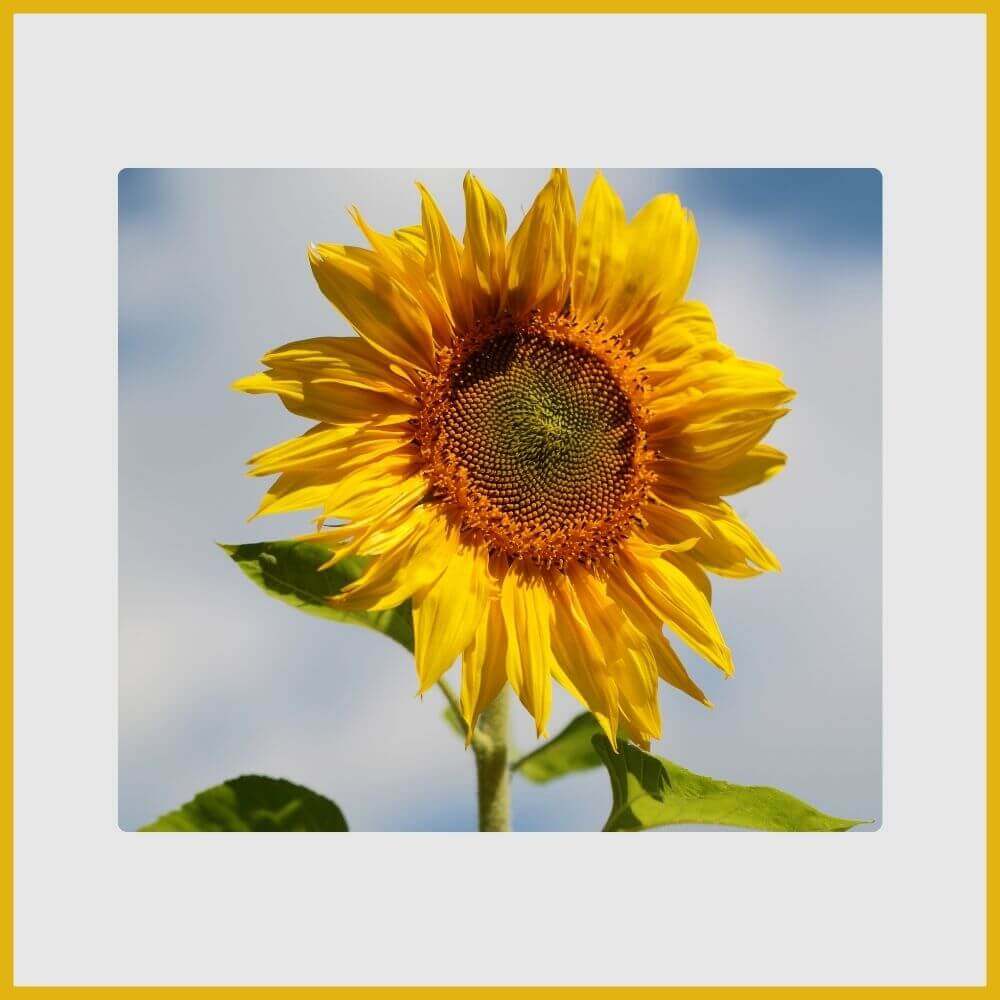
Pronunciation: SUN-flow-er
The name sunflower comes from the flower’s large round center and bright yellow petals, which together resemble the sun. Because of this strong visual similarity, people began describing the plant as a flower that looks like the sun.
You can read the full explanation in our detailed article about why the sunflower is named after the sun and where its name comes from.
2. Marigold (Tagetes spp.)
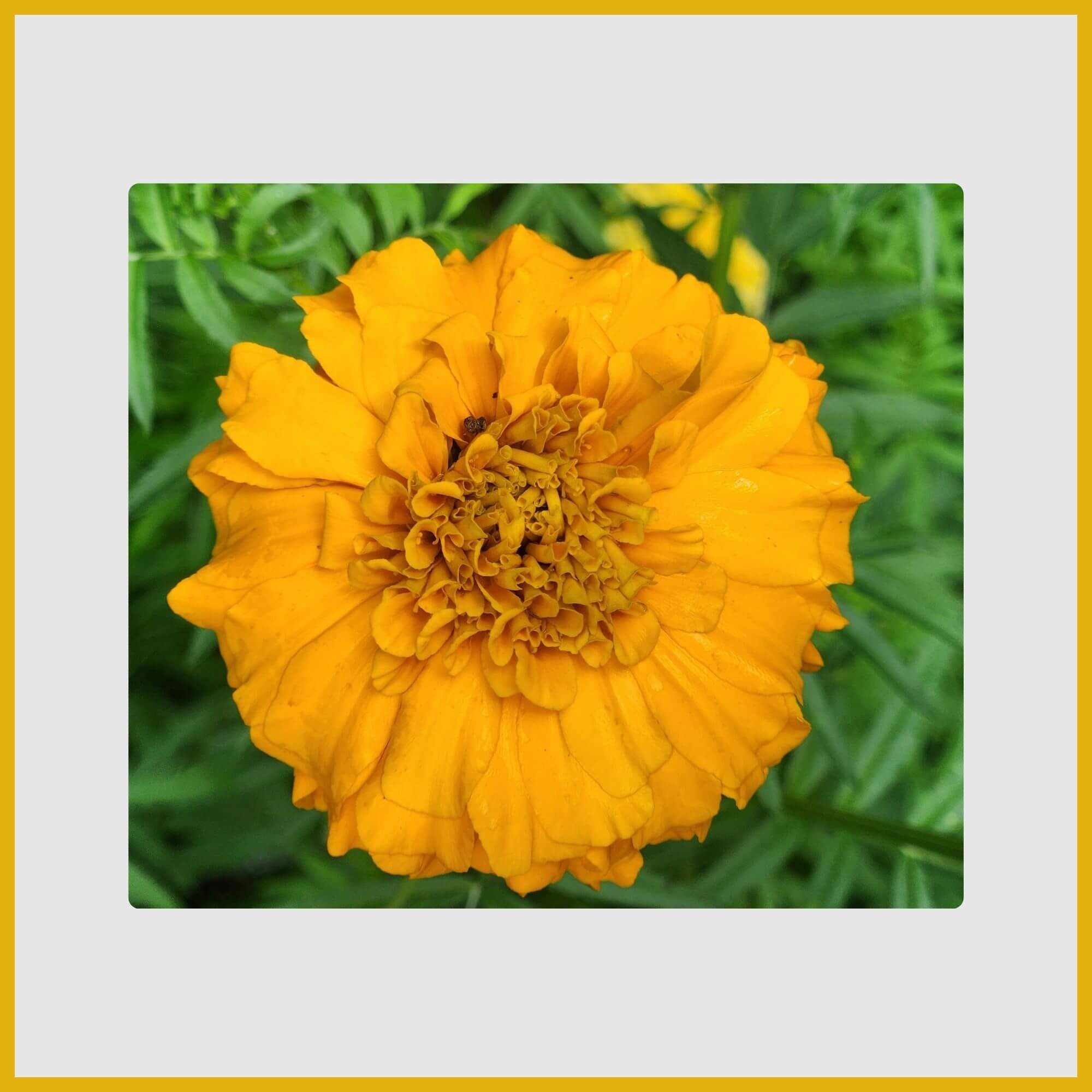
Pronunciation: MAIR-ee-gold
The name marigold comes from the phrase Mary’s gold. In medieval Europe, these bright yellow flowers were often used in religious celebrations dedicated to the Virgin Mary.
Because the flowers were golden in color, people compared them to gold. Over time the phrase Mary’s gold slowly changed in everyday speech. Eventually it became the single word marigold. The bright yellow and orange petals also helped the name become popular. The color reminded people of gold and sunlight, which matched the meaning of the name. Today marigolds are common garden flowers around the world. Even though people grow them for decoration, the historical name still reminds us of their connection to old European traditions.
3. Daffodil (Narcissus spp.)
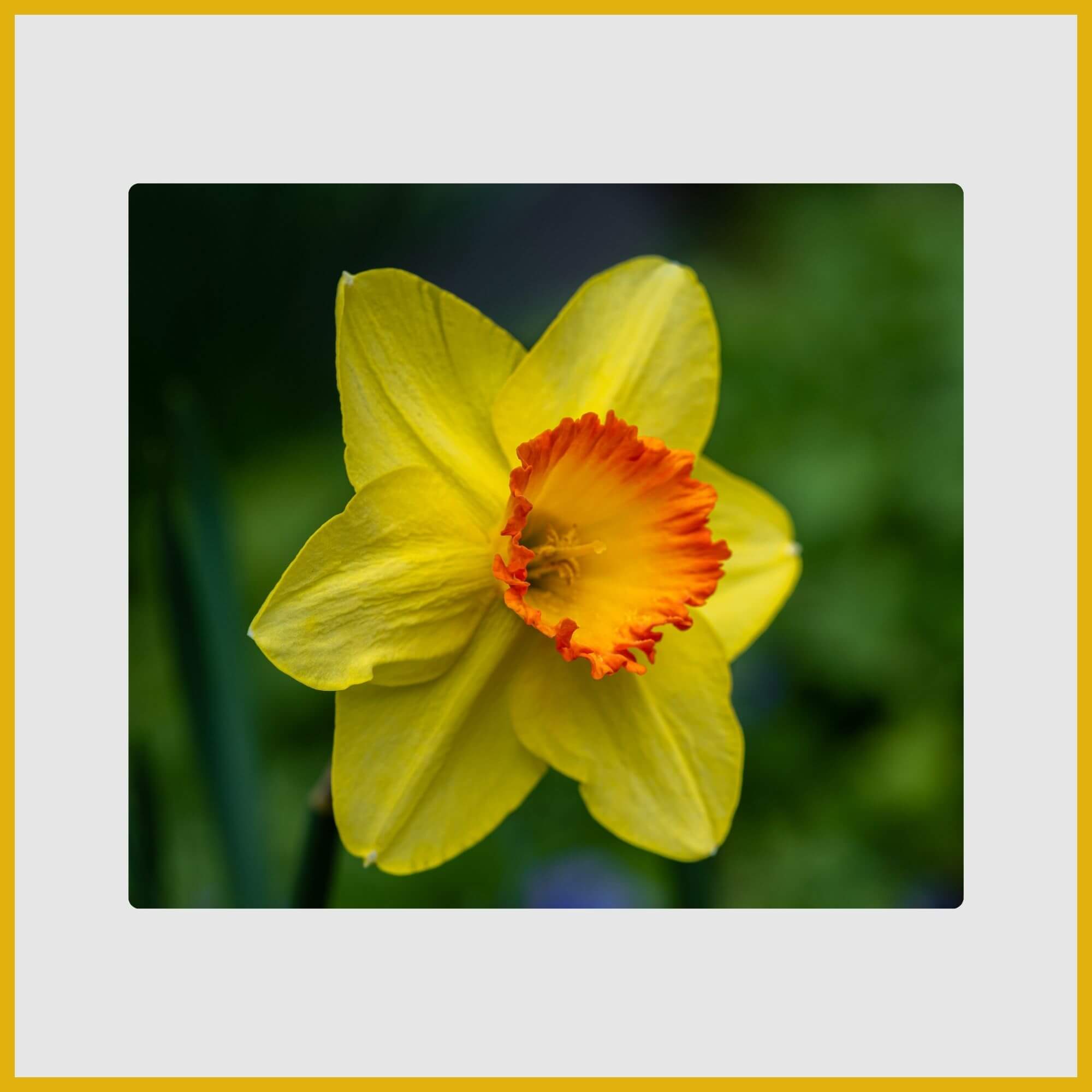
Pronunciation: DAF-uh-dil
The name daffodil has an interesting history. It developed from an older English word called affodell. This word was used many centuries ago for certain spring flowers.
Over time, the pronunciation of affodell slowly changed. People eventually began adding the letter d at the beginning of the word. This change happened naturally in spoken English. Because of this change, the modern name daffodil became common. Language often changes in this way as people simplify words while speaking.
Today the daffodil is strongly connected with spring. When people hear the name, they often think of the first yellow flowers appearing after winter.
4. Black-Eyed Susan (Rudbeckia hirta)
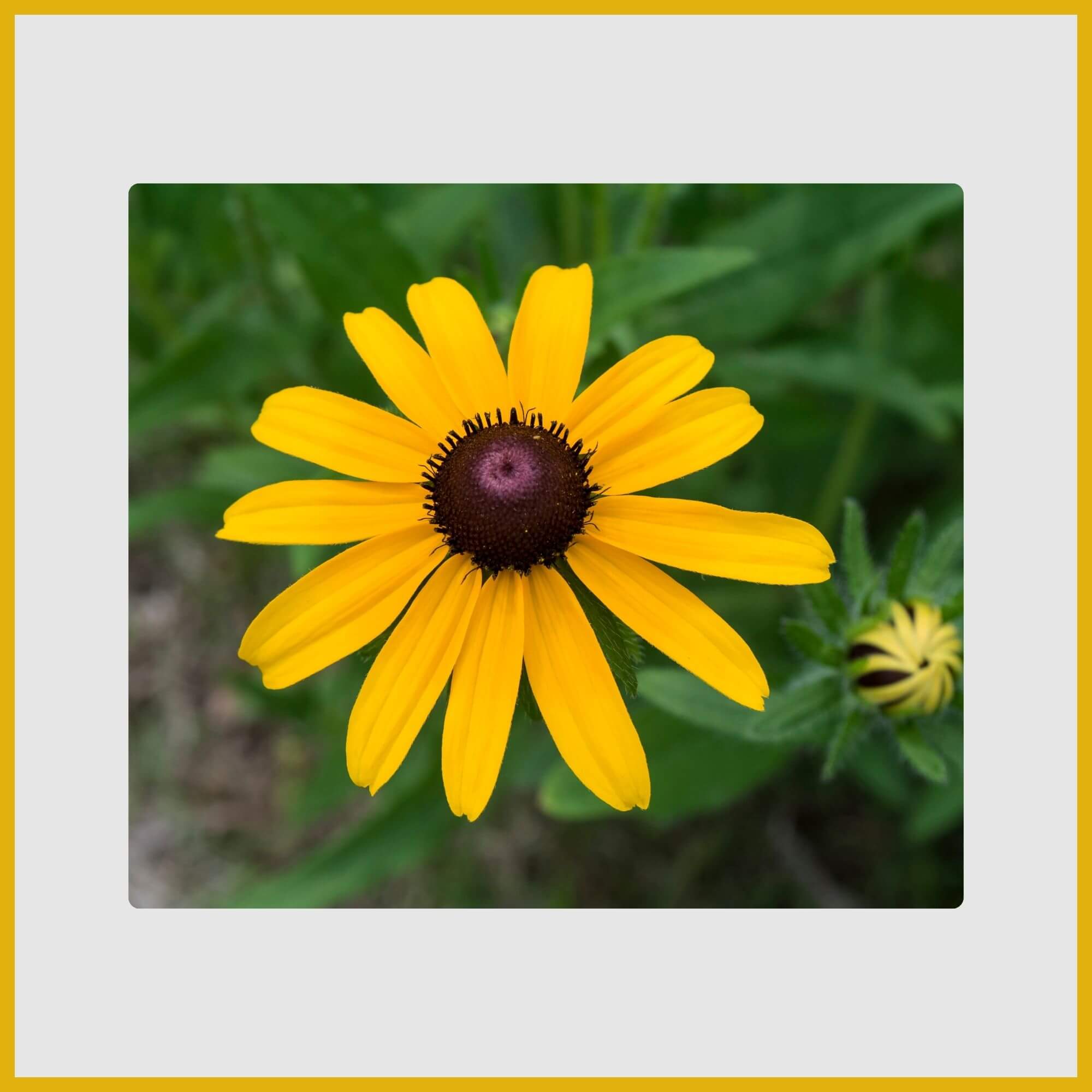
Pronunciation: blak-eyed SOO-zuhn
The name Black Eyed Susan describes the flower’s appearance. The center of the flower is very dark, almost black. It looks like a small eye in the middle of the petals. The outer petals are bright yellow, which creates a strong contrast with the dark center. This contrast made the flower easy to describe with a simple name. The name Susan comes from old English folk culture. In traditional songs and poems, Susan was a common female name used to represent a young woman.
Because of this cultural connection, the flower became known as Black Eyed Susan. The name mixes a physical description with a human name, which makes it memorable.
5. Coreopsis (Coreopsis spp.)
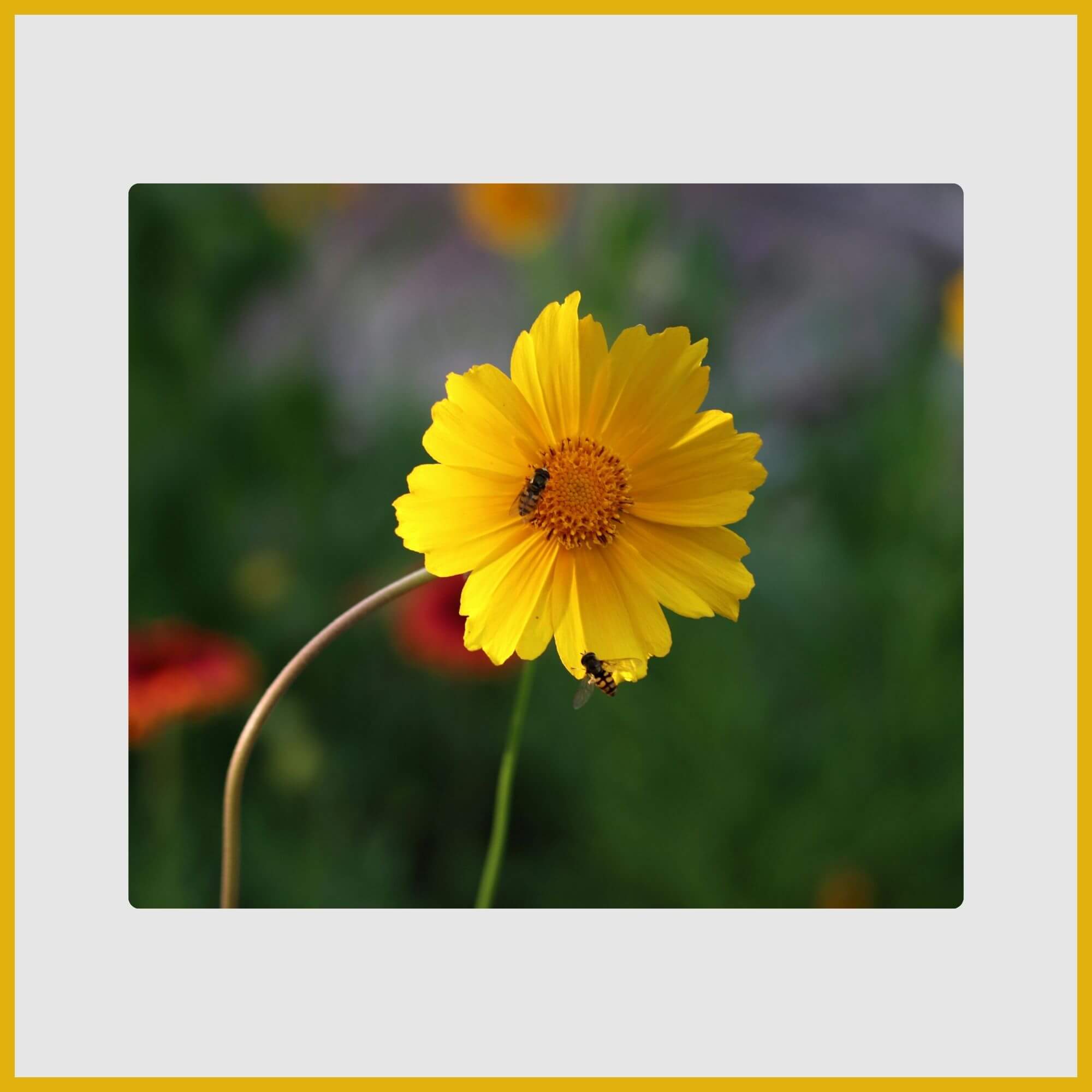
Pronunciation: kor-ee-OP-sis
The name coreopsis comes from the Greek language. It is made from two Greek words that describe the plant’s seeds. The word koris means bug or insect, and opsis means appearance or shape. When combined, the name describes something that looks like a small insect. This unusual name refers to the shape of the seeds. Botanists thought the seeds looked similar to tiny insects, which inspired the scientific name.
Even though the scientific name sounds complex, the flowers themselves are simple and bright. Their yellow petals make them easy to recognize in gardens and wild areas.
6. Yellow Tulip (Tulipa spp.)
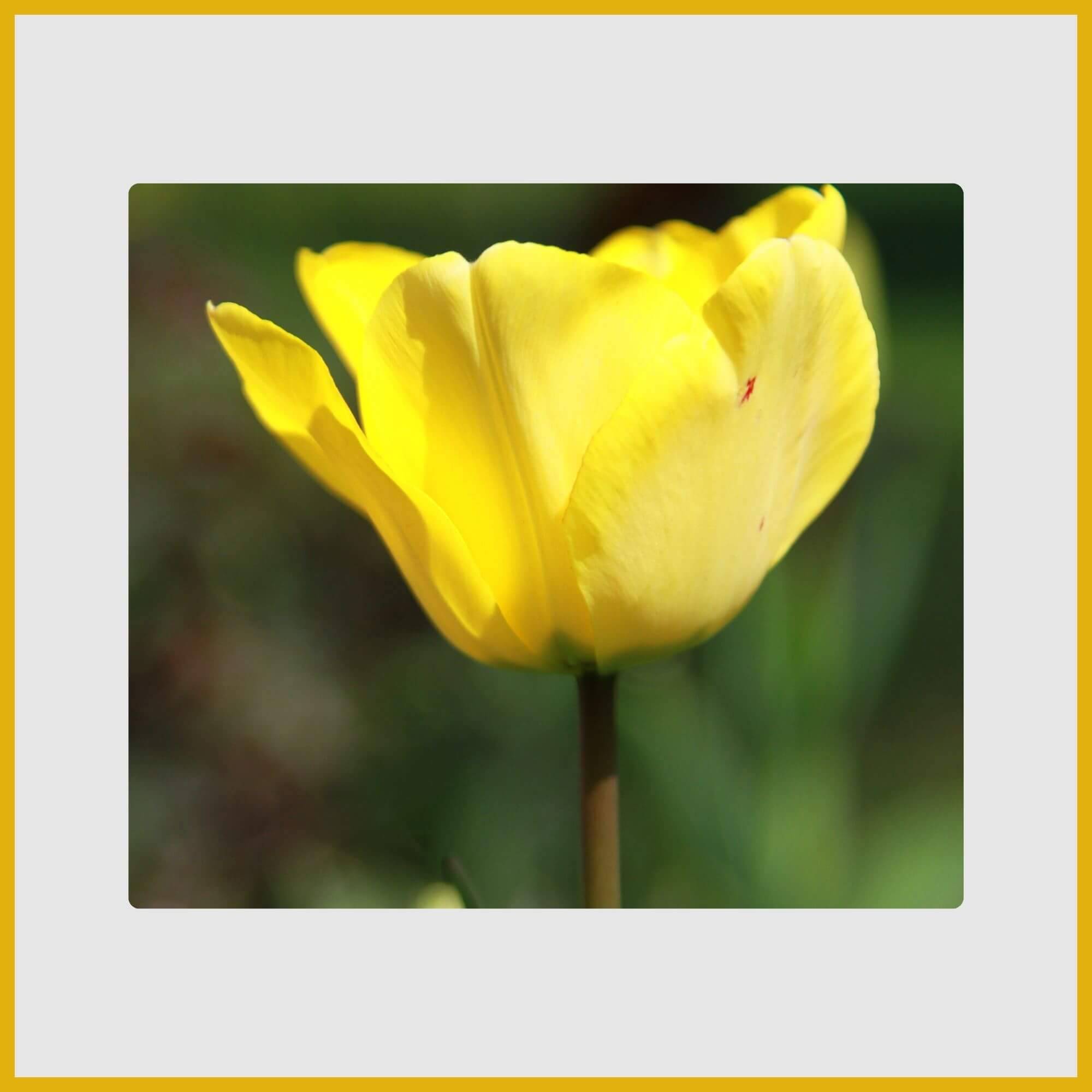
The name tulip has an interesting origin connected to clothing. It comes from a Persian word related to turban, the cloth head covering worn in parts of the Middle East. Early European travelers noticed that the flower’s shape looked similar to a folded turban. Because of this similarity, the name was gradually adopted for the plant.
The scientific name Tulipa also comes from this same idea. It reflects the flower’s smooth and curved shape.
Yellow tulips are especially associated with happiness and cheerful thoughts. Their bright color and simple shape make them one of the most recognizable spring flowers.
7. Begonia (Begonia x tuberhybrida)
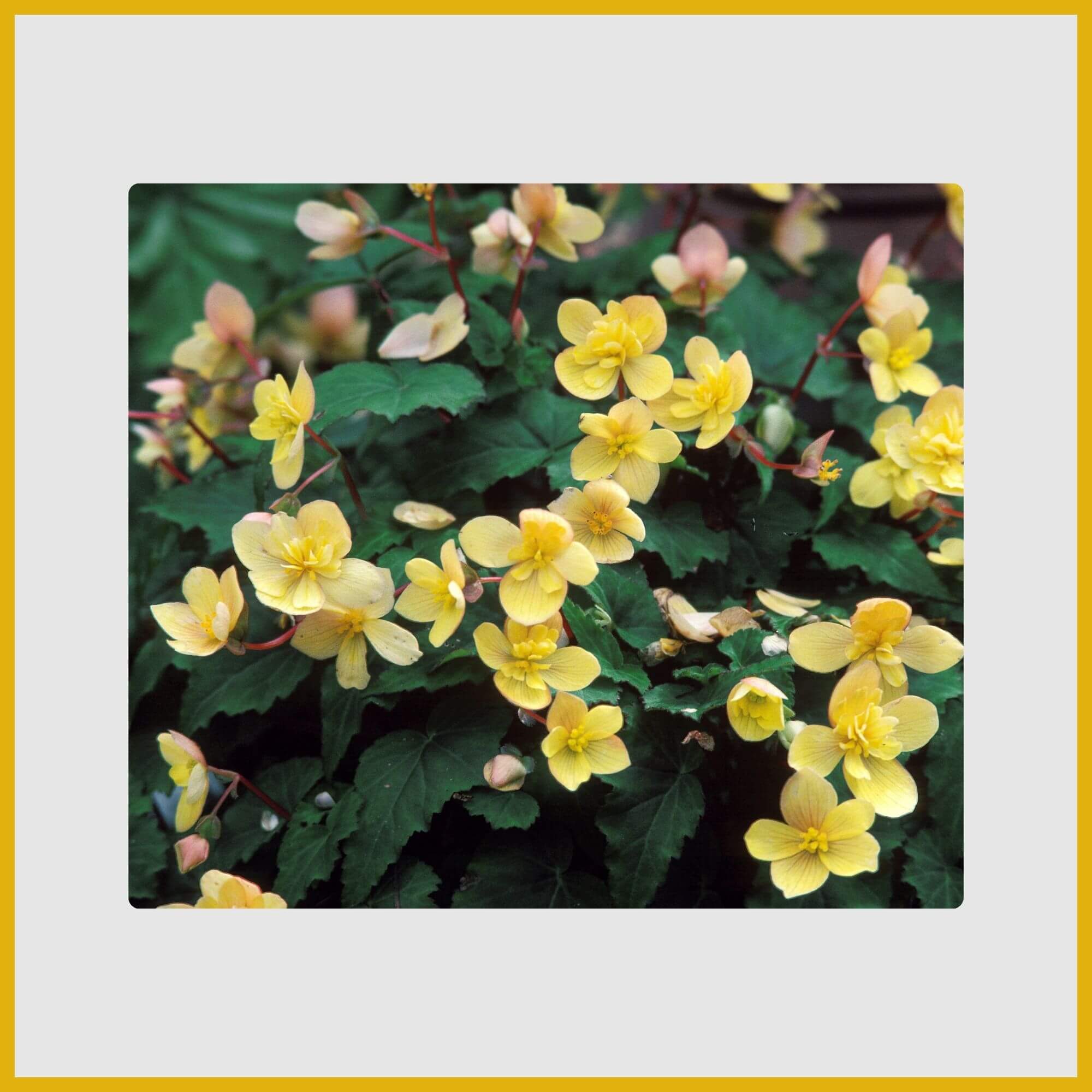
Pronunciation: buh-GOH-nee-uh
The name begonia comes from the name of a person. It was given in honor of Michel Bégon, a French official who supported botanical research. A French botanist named Charles Plumier named the plant after Bégon in the 1600s. This was a common tradition in science, where plants were named to honor important people. Because of this, the word begonia does not describe the flower’s shape or color. Instead it remembers the person who helped support the study of plants.
Today begonias are popular decorative flowers. Even though many people grow them in gardens and pots, their name still reflects this historical connection.
8. Yellow Rose (Rosa spp.)
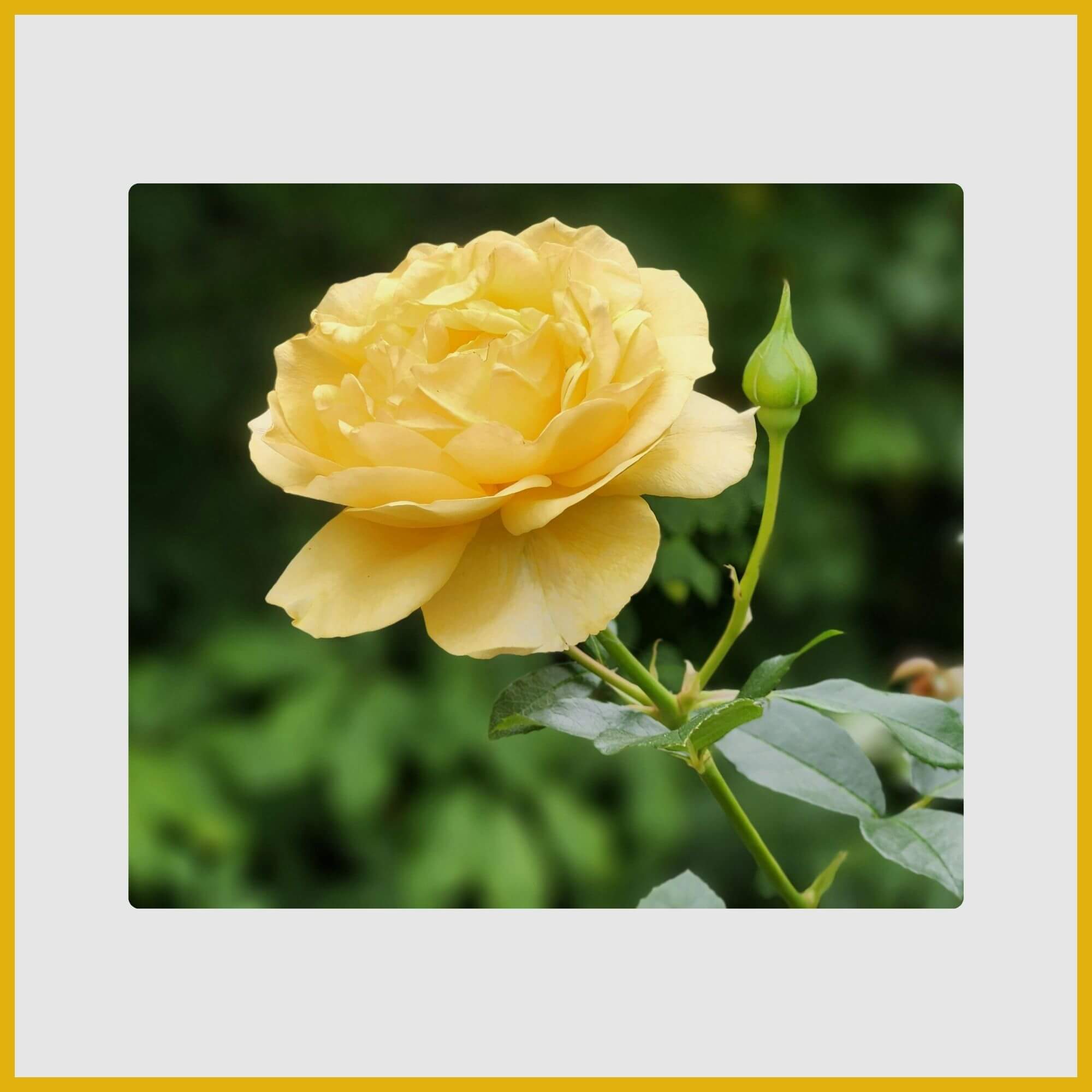
Pronunciation: ROHZ
The name rose comes from very old languages. It developed from the Latin word rosa, which was used in ancient Rome to describe these flowers. Over time the Latin word passed into many European languages. Eventually it became the English word rose. Yellow roses are a special variation of the rose family. Their color is often connected with friendship, joy, and warm feelings.
Because roses have been admired for thousands of years, their name has remained very stable across cultures and languages.
9. California Poppy (Eschscholzia californica)
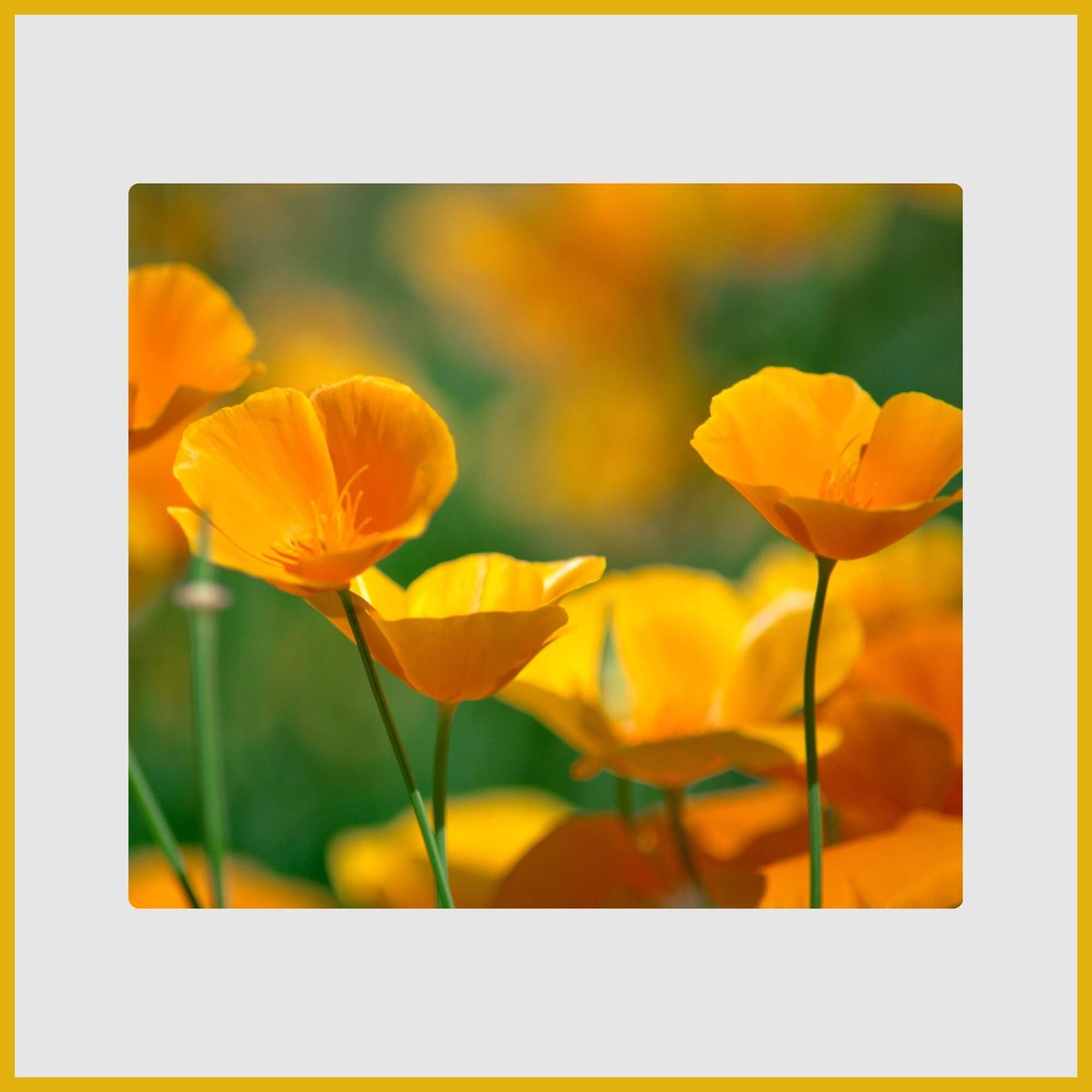
Pronunciation: puh-pee
The name poppy comes from the Latin word papaver, which referred to plants in the poppy family. The English word developed from older European forms of the same idea. The full name California poppy tells us where the flower is strongly associated. It grows widely in the state of California and became its official state flower. The scientific name Eschscholzia honors a Russian-German botanist named Johann Friedrich von Eschscholtz. Scientists often name plants after researchers who helped study them.
The bright orange or yellow petals make this flower very noticeable in fields and hills. Because of its beauty, it has become one of the most famous wildflowers in North America. Its also state flower of California.
10. St. John’s Wort (Hypericum perforatum)
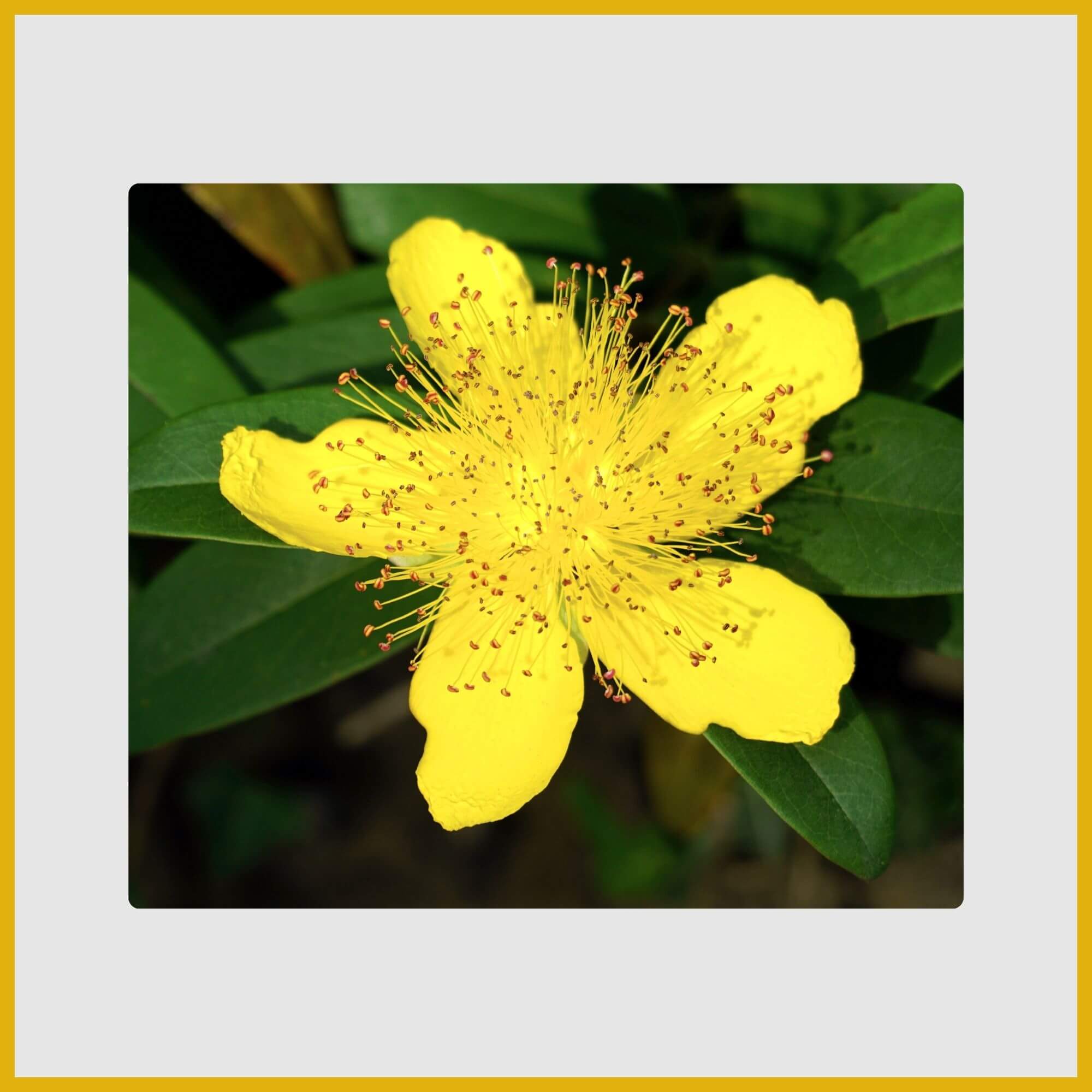
Pronunciation: SAINT JAHNZ
The name St. John’s Wort has a historical meaning. The plant was traditionally harvested around the time of the feast day of Saint John the Baptist in June. The word wort is an old English word that simply means plant or herb. Many old plant names used this word.
Because of this tradition, the plant became known as St. John’s Wort, meaning the herb associated with Saint John’s Day. Today the plant is known both for its yellow flowers and for its traditional herbal uses. However, the historical name still reflects the time of year when people collected it.
11. Pansy (Viola tricolor var. hortensis)
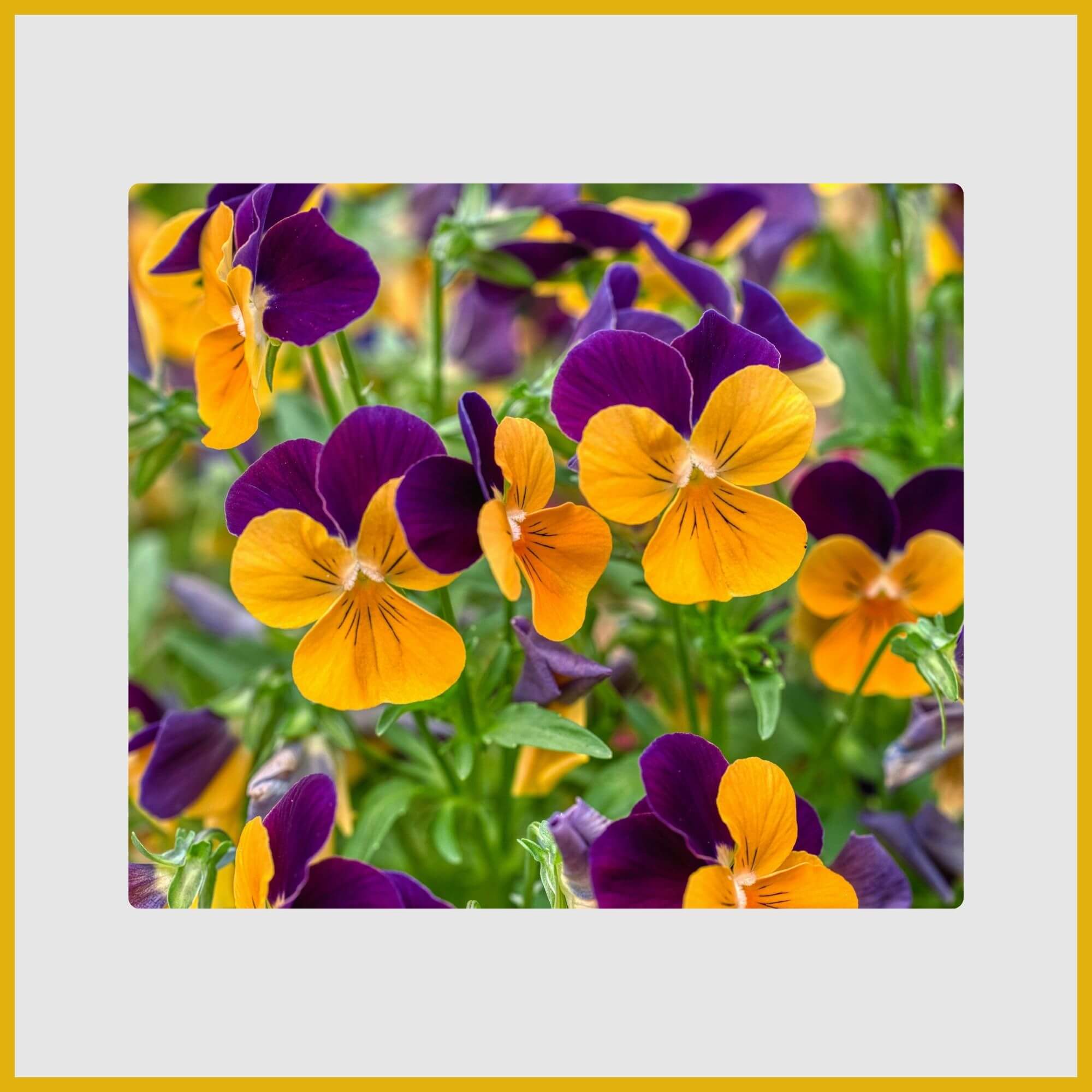
Pronunciation: PAN-zee
Pansies are easy to recognize because of the unique patterns on their petals that often look like small faces. These soft markings give the flower a friendly and expressive appearance, which is one reason it has remained popular in gardens for centuries. The name pansy comes from the French word pensée, which means “thought.” In the language of flowers, pansies became connected with remembrance and thoughtful feelings.
Pansies bloom best in cooler weather, so they are commonly seen in early spring and autumn gardens. Their delicate yet colorful flowers make them a favorite choice for borders, containers, and window boxes.
12. Goldenrod (Solidago spp.)
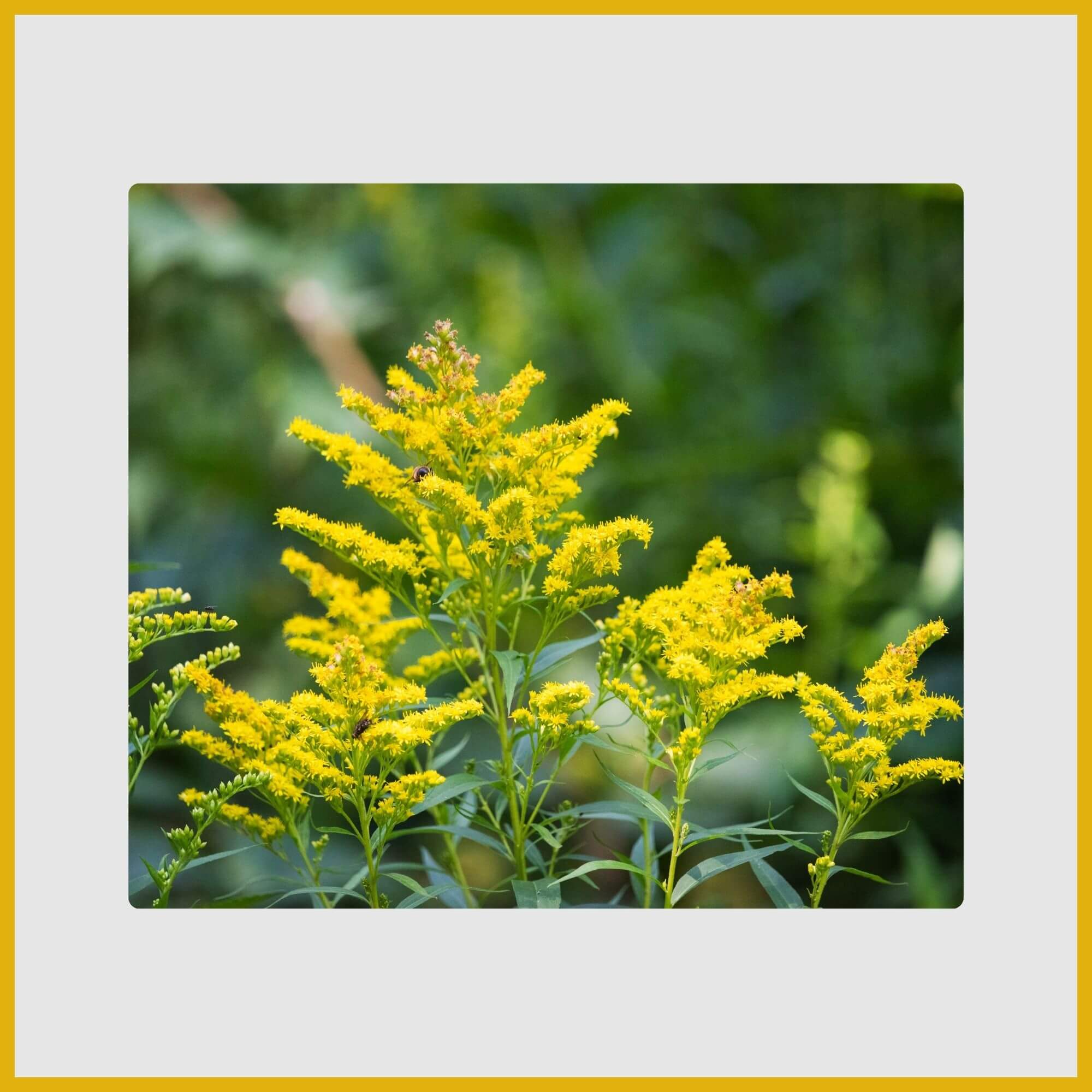
Pronunciation: GOHL-duhn-rod
Goldenrod is named for its tall stems covered in clusters of small golden-yellow flowers. When these plants bloom together in fields or along roadsides, they create bright waves of yellow that stand out strongly in late summer landscapes.
The word goldenrod is very literal: “golden” refers to the flower color, while “rod” describes the long upright stem on which the flowers grow. Goldenrod often gets blamed for seasonal allergies, but the real cause is usually ragweed that blooms at the same time. In nature, goldenrod actually plays an important role by providing nectar and pollen for many insects.
13. Yarrow (Achillea millefolium)
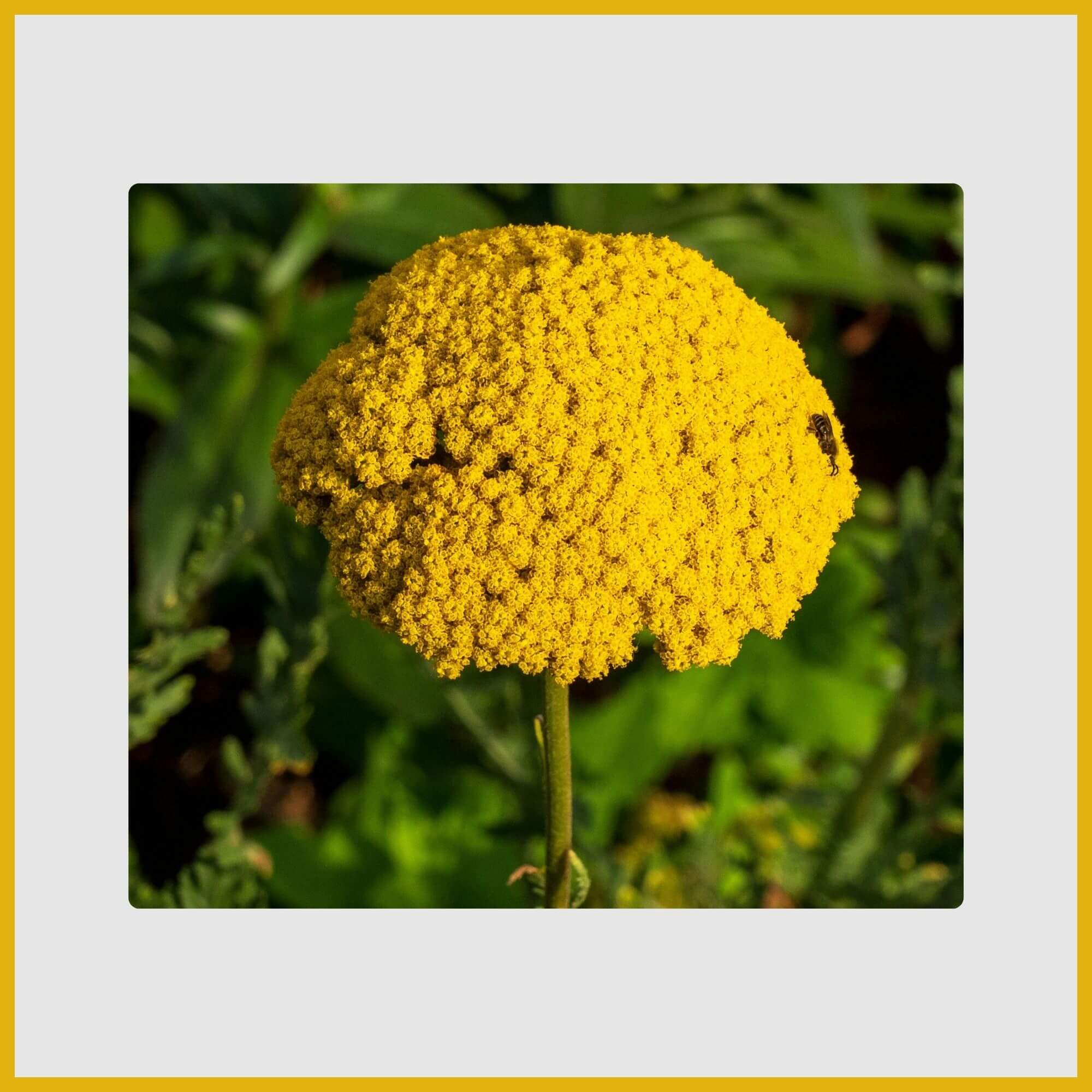
Pronunciation: YAR-oh
Yarrow produces clusters of tiny flowers that grow together in flat-topped groups. From a distance, these clusters can look like small clouds of yellow floating above the plant’s delicate, feathery leaves. The scientific name Achillea is connected to the ancient Greek hero Achilles. According to legend, the plant was used to help treat wounds during battles.
For centuries, yarrow has been known as a hardy wildflower that grows easily in many environments. Its ability to survive dry conditions has made it a common sight in meadows and natural landscapes.
14. Craspedia (Craspedia globosa)
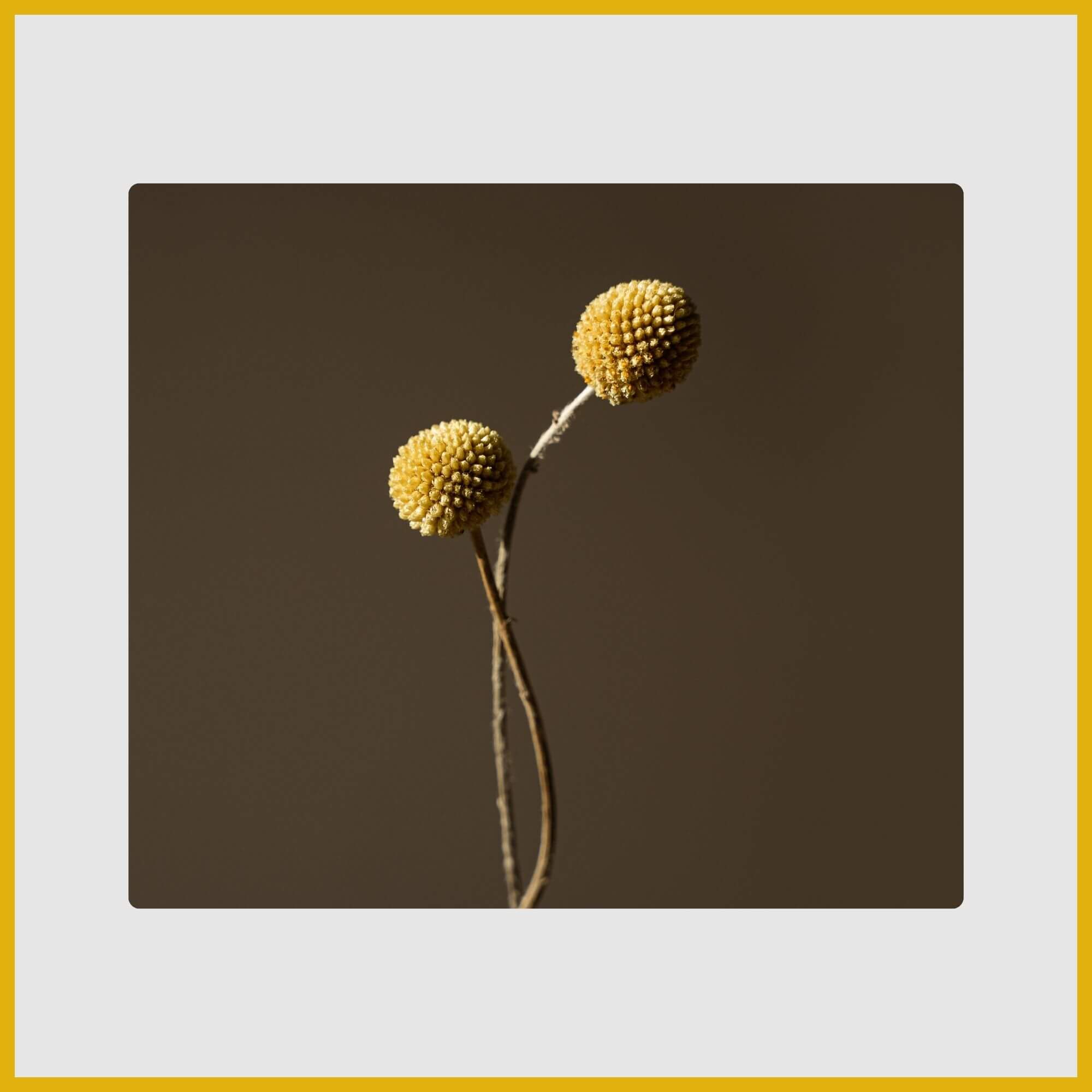
Pronunciation: kras-PEE-dee-uh
Craspedia is famous for its unusual shape. Each flower forms a small, perfectly round yellow ball that sits on top of a long, thin stem. Because of this distinctive appearance, the plant is often called “Billy Buttons.” Unlike many flowers that have visible petals, the round ball is actually made up of many tiny individual flowers packed closely together. These bright yellow spheres are especially popular in floral arrangements because they keep their shape even when dried. Their simple form gives bouquets a modern and playful look.
15. Lilium (Lilium spp.)
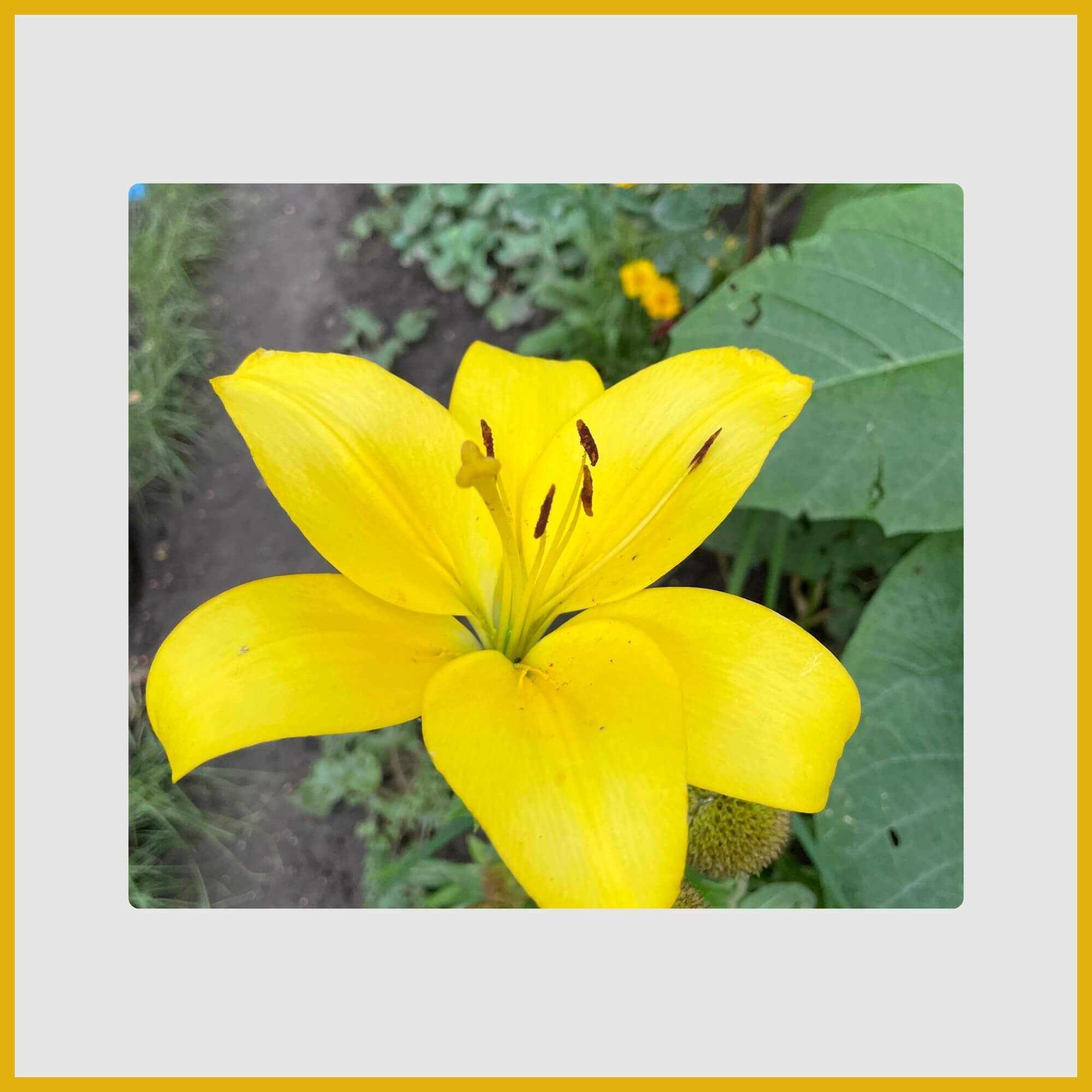
Pronunciation: LIL-ee-um
The word lilium is the Latin name for lilies, one of the most recognizable flower groups in the world. Many lily varieties produce large trumpet-shaped blooms that open outward with striking elegance. Yellow lilies are especially admired for their warm color and dramatic size. When they bloom, their wide petals and tall stems create a strong visual presence in gardens and flower beds.
Lilies have been symbols of beauty and purity in many cultures. Their graceful structure and strong fragrance have made them popular in art, ceremonies, and decorative plantings for centuries.
16. Gazania (Gazania rigens)
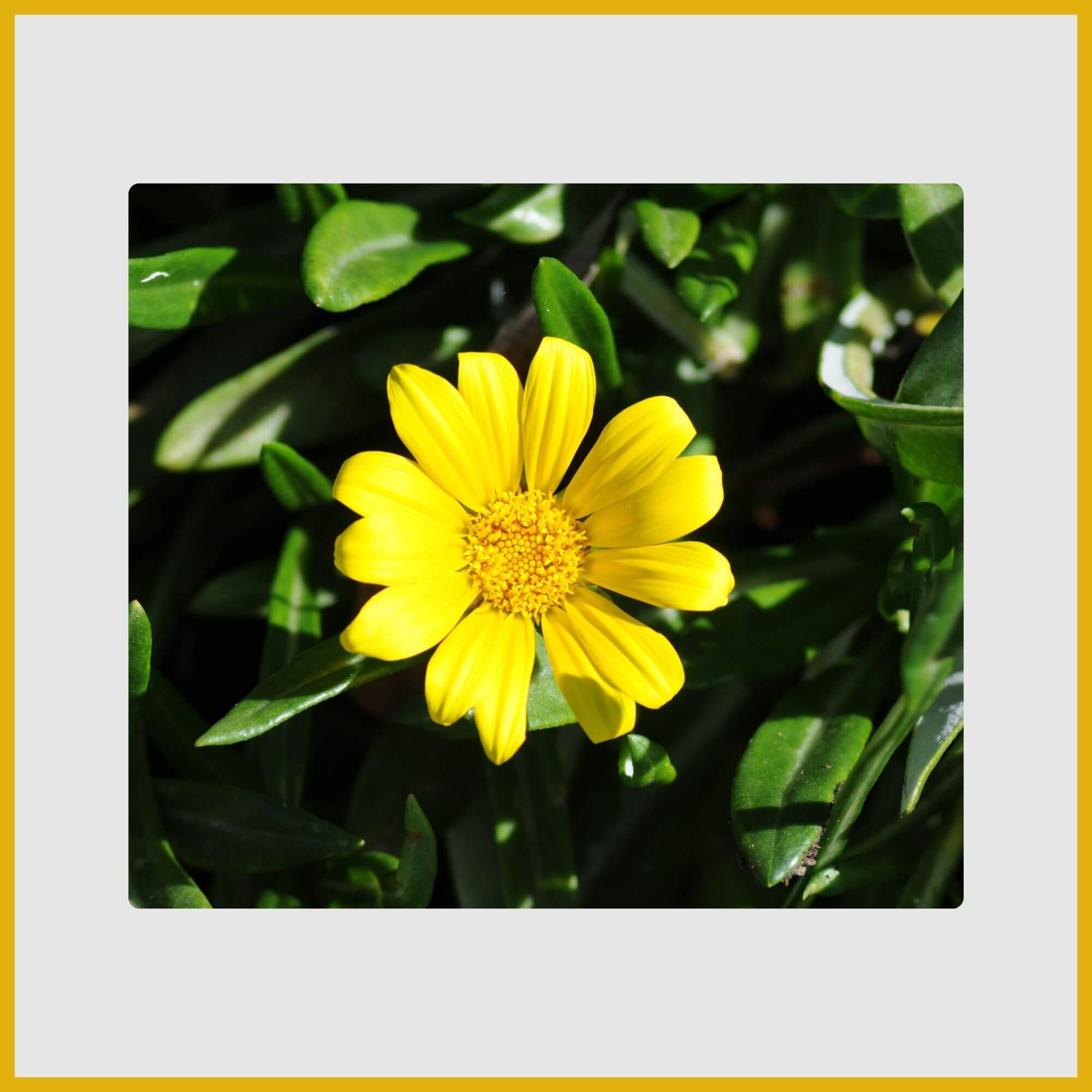
Pronunciation: guh-ZAY-nee-uh
Gazania flowers are known for their bold colors and striking patterns. The petals often display bright yellow shades mixed with darker markings that radiate from the center like sunbursts. The plant is native to southern Africa and thrives in sunny environments. Because it tolerates heat and dry soil very well, it is often planted in warm regions where other flowers struggle. Gazania blooms usually open during bright daylight and close again in the evening or cloudy weather. This behavior helps protect the delicate inner parts of the flower.
17. Ranunculus (Ranunculus asiaticus)
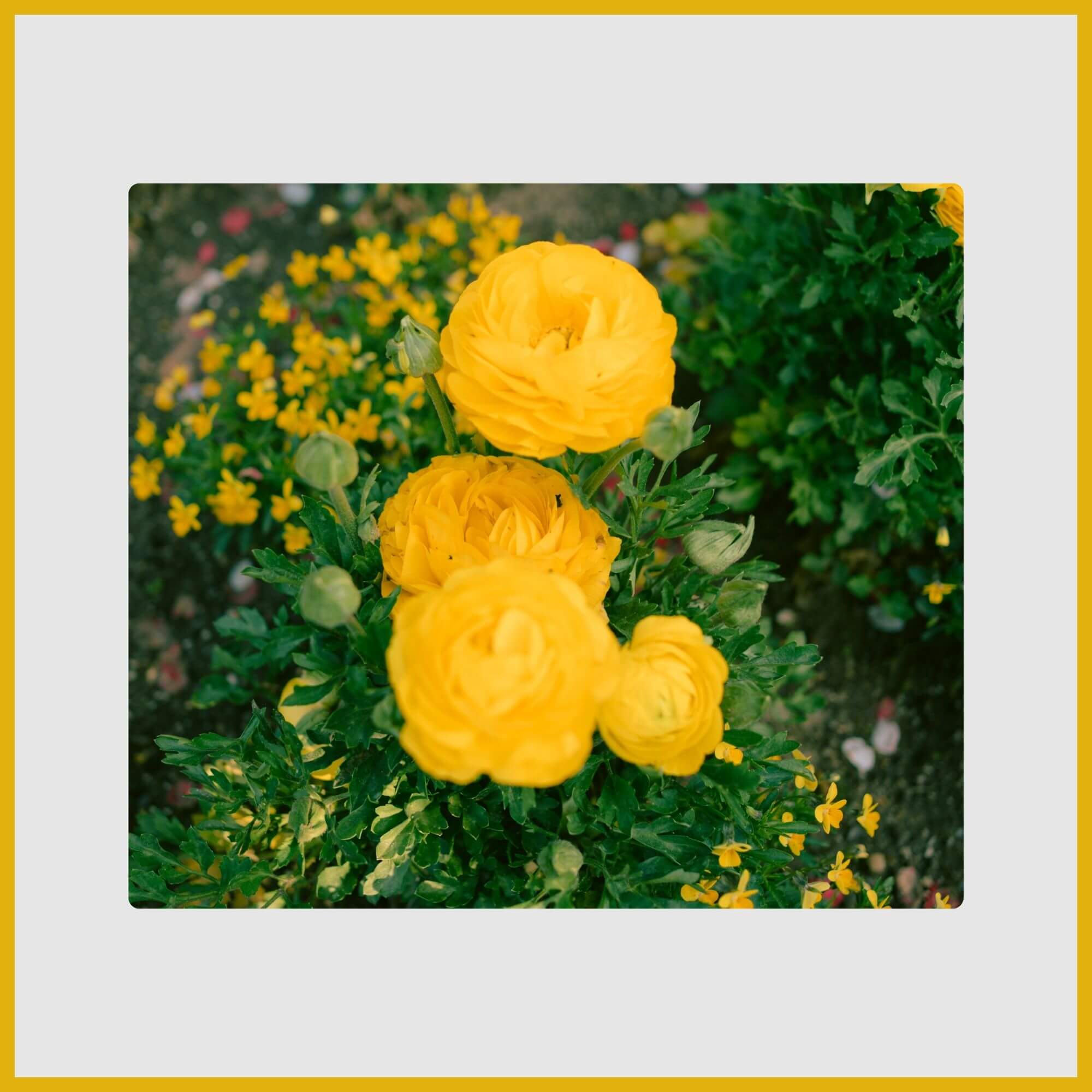
Pronunciation: ran-UN-kyuh-lus
Ranunculus flowers are admired for their many thin petals arranged in tight layers. These petals form a shape that often resembles a small rose, giving the flower a soft and elegant appearance.
The name ranunculus comes from Latin and means “little frog.” The plant received this unusual name because many wild species grow in moist environments such as marshes or near water. In spring gardens, ranunculus flowers are valued for their bright colors and delicate texture. They are also widely used in bouquets because their layered petals create a full and luxurious look.
18. Evening Primrose (Oenothera biennis)
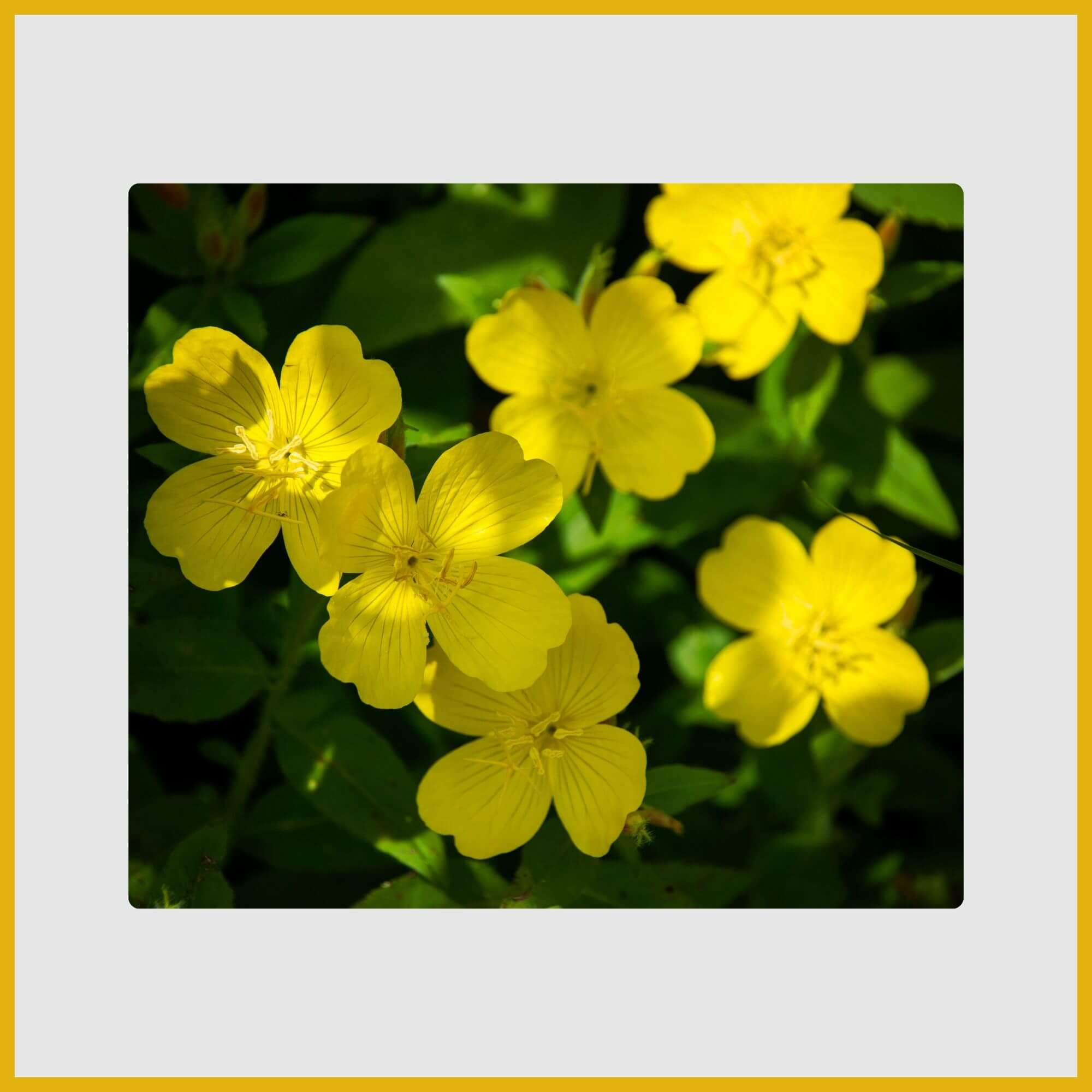
Pronunciation: EE-ven-ing PRIM-rohz
Evening primrose has a special blooming habit that makes it different from many other flowers. Its yellow blossoms often open in the evening as the sun begins to set. The plant’s name reflects this unique timing. The word evening refers to the time when the flowers open, while primrose connects it with other similar-looking wildflowers.
Because the flowers open at night, they attract moths and other nocturnal pollinators. This makes evening primrose an interesting plant to observe in natural habitats.
19. Zinnia (Zinnia elegans)
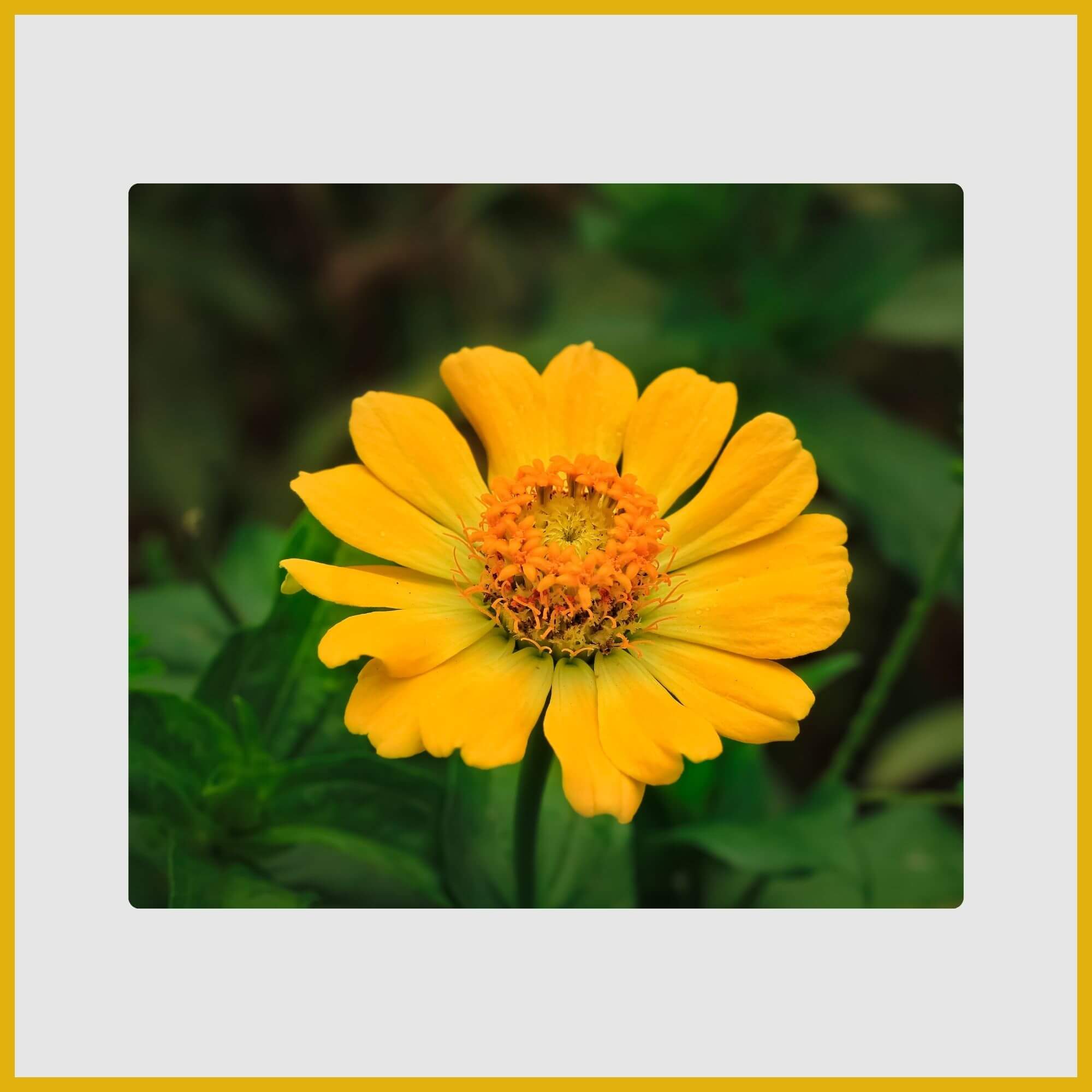
Pronunciation: ZIN-ee-uh
Zinnias are bright, cheerful flowers that come in many colors, including vivid shades of yellow. Their round flower heads and clearly shaped petals give them a neat and organized appearance. The flower is named after the German botanist Johann Gottfried Zinn, who studied and documented many plant species during the 18th century.
Zinnias are widely loved because they grow quickly and bloom for a long time during warm months. Their colorful flowers are also known to attract butterflies.
20. Lantana (Lantana camara)
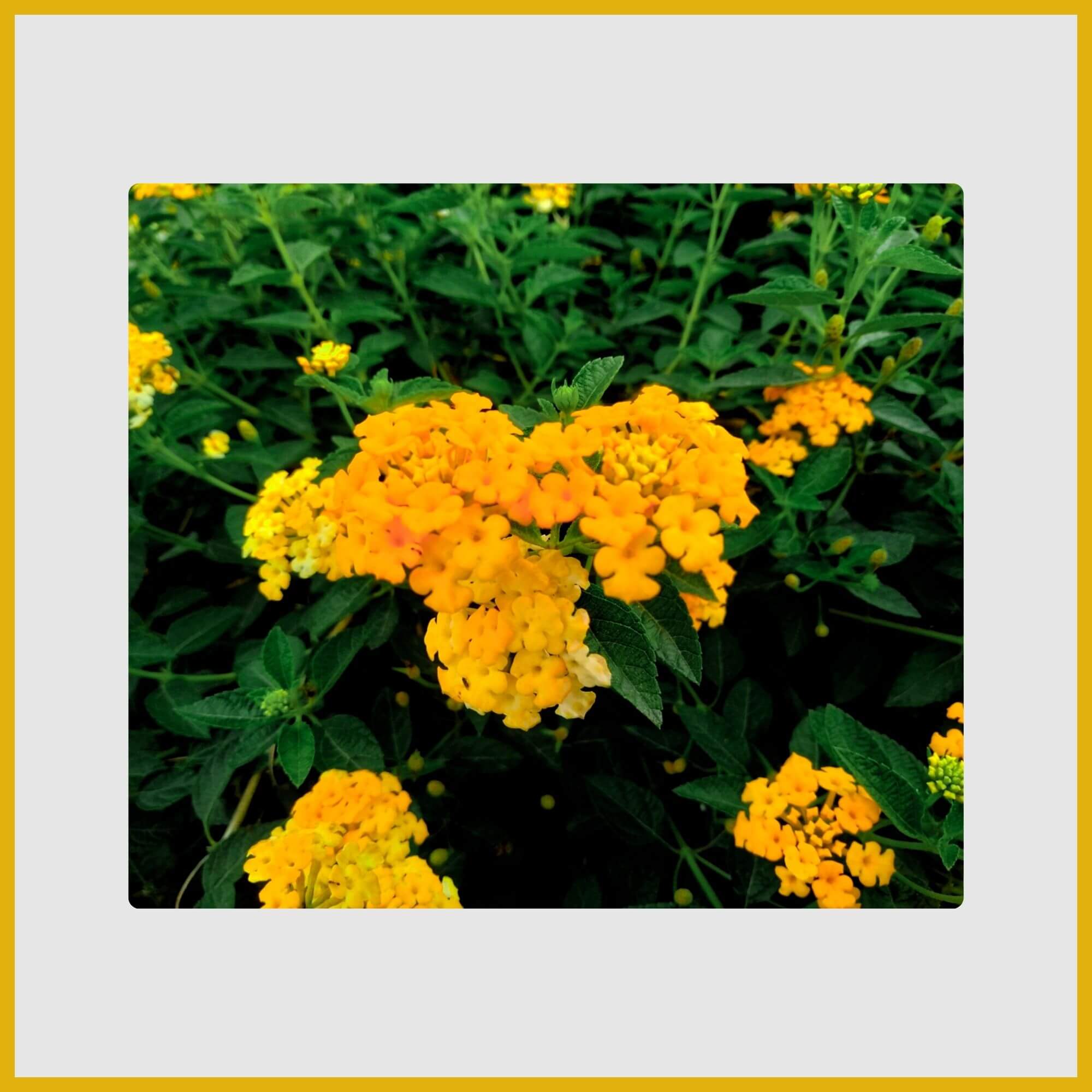
Pronunciation: lan-TAN-uh
Lantana flowers grow in small clusters where many tiny blooms form a rounded group. Each cluster can contain several colors, and yellow is often one of the most noticeable shades. The plant is native to tropical regions and is well known for thriving in hot, sunny environments. Because of its toughness, it is commonly used in landscapes where strong sunlight and dry conditions are common.
Butterflies are especially attracted to lantana flowers because of their nectar-rich blooms, making the plant a lively addition to gardens.
21. Freesia (Freesia spp.)
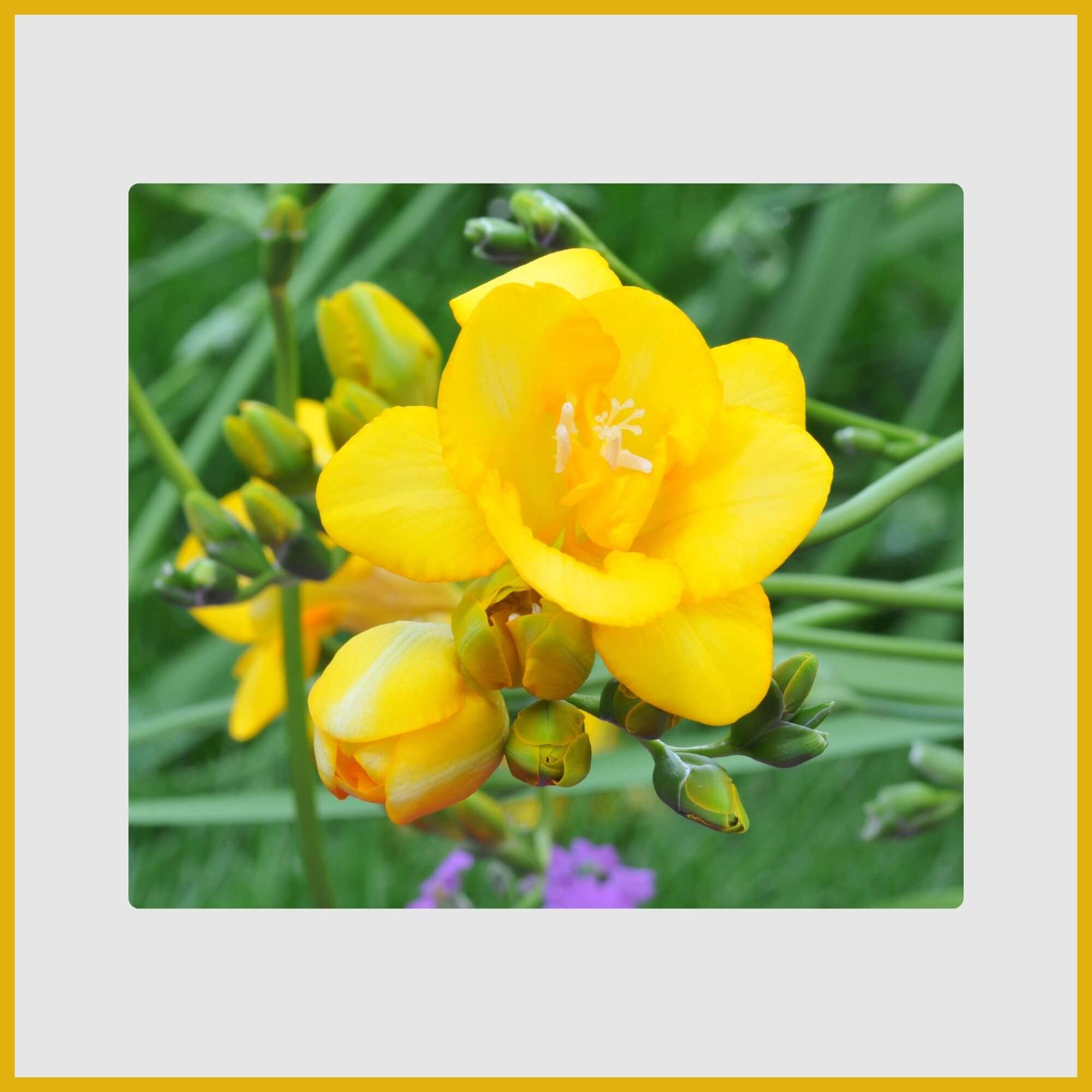
Pronunciation: FREE-zee-uh
Freesias are instantly recognizable for their elegant, trumpet-shaped blooms that grow along one side of a slender stalk. Beyond their beauty, they are prized for a heady, sweet fragrance, making them favorites in bouquets and perfume-making. The flowers often signal spring and renewal, and their delicate appearance belies the plant’s resilience in sunny, well-drained soil. Corms can be lifted and stored, allowing gardeners to enjoy them year after year.
Freesias are available in a variety of yellow shades, from soft buttery tones to vibrant, sun-bright hues, adding a cheerful accent to gardens and indoor arrangements alike.
22. Dahlia (Dahlia spp.)
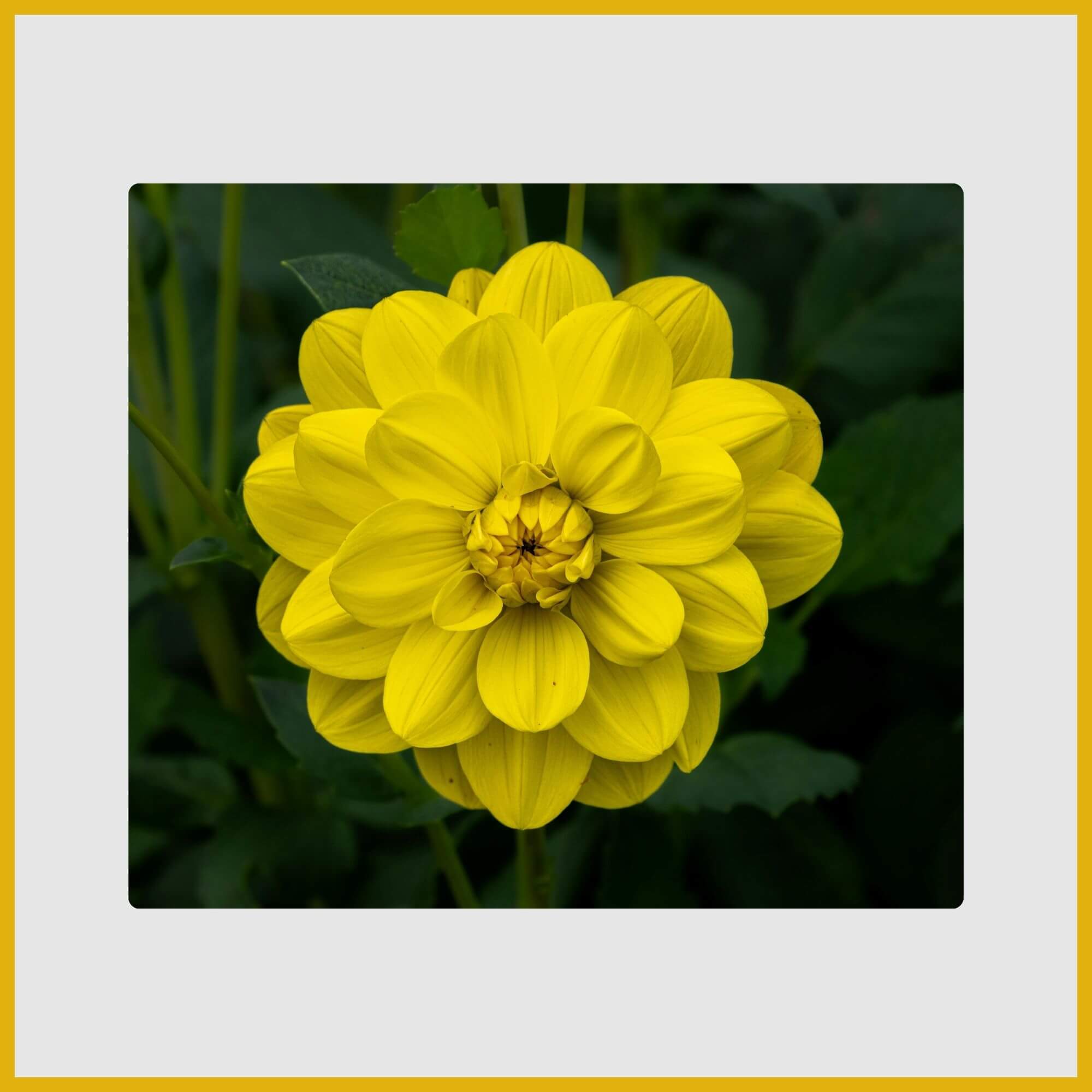
Pronunciation: DAH-lee-uh
Yellow dahlias are showstoppers in any garden. Their petals range from tiny pom-poms to huge, dinner-plate sizes, offering endless variety and drama. Late summer to autumn is their peak season, turning garden beds into a rainbow of textures and shapes. Originally from Mexico, dahlias have a rich history and were even cultivated by the Aztecs. Their layered, almost sculptural petals make them a favorite in flower competitions and professional floral design.
With well-drained soil and full sun, dahlias reward gardeners with long-lasting blooms that continue until the first frost. The yellow varieties bring warmth and brightness, perfect for bold visual statements.
23. Iris (Iris pseudacorus)
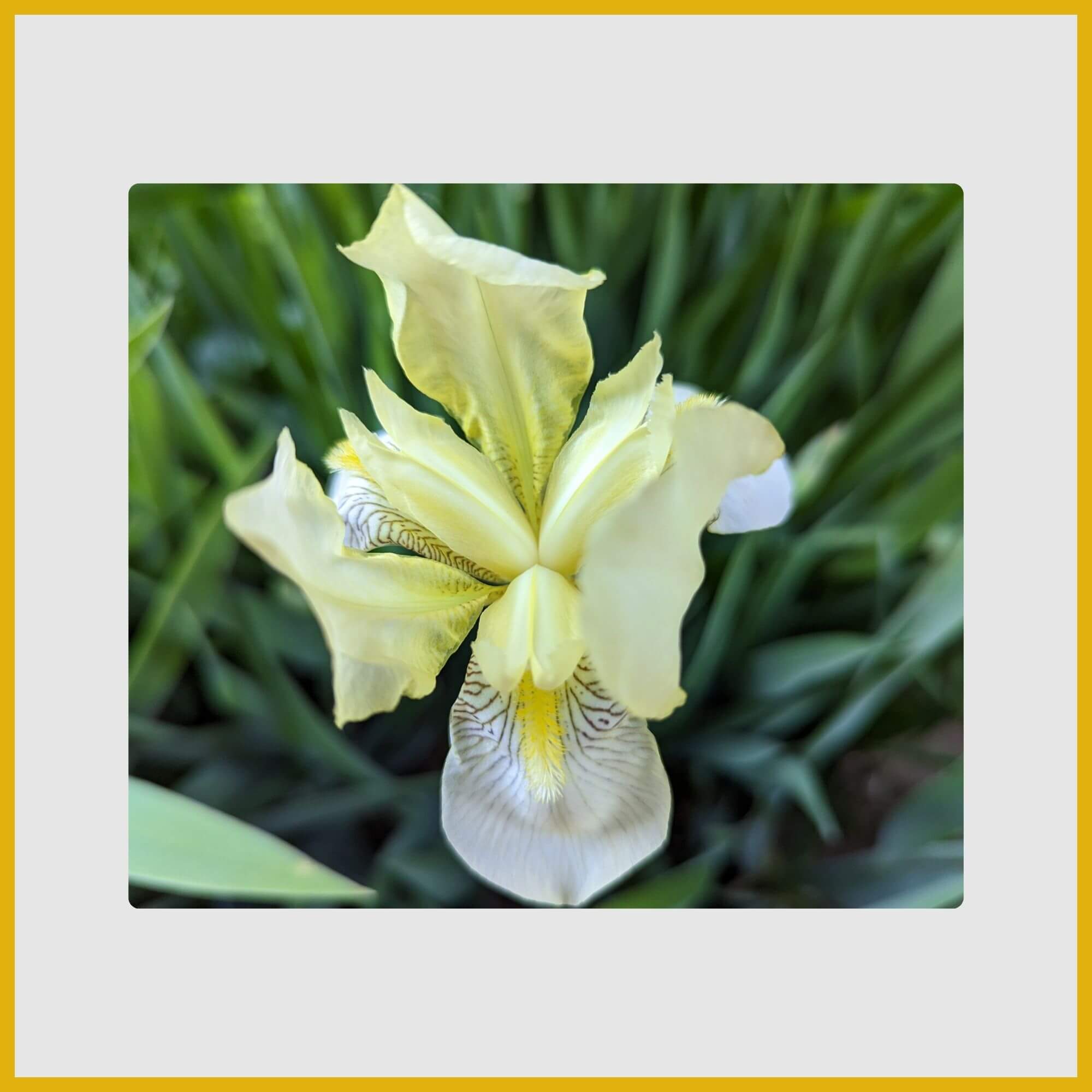
Pronunciation: EYE-ris
The Yellow Flag Iris is a water-loving plant often found along pond edges or in wet meadows. Its tall, sword-like leaves and bright yellow flowers create a striking vertical accent in moist landscapes.
Its name reflects the flower’s beauty and regal presence. Iris means rainbow in Greek, highlighting the diversity of colors in the genus, though this species specializes in golden yellow. A robust and hardy perennial, it thrives in consistently moist soil and is an excellent choice for naturalized areas, wetlands, or garden water features. Its cheerful blooms contrast beautifully with greenery.
But keep in mind this plant is considered highly invasive in many parts of North America.
24. Gerbera Daisy (Gerbera jamesonii)
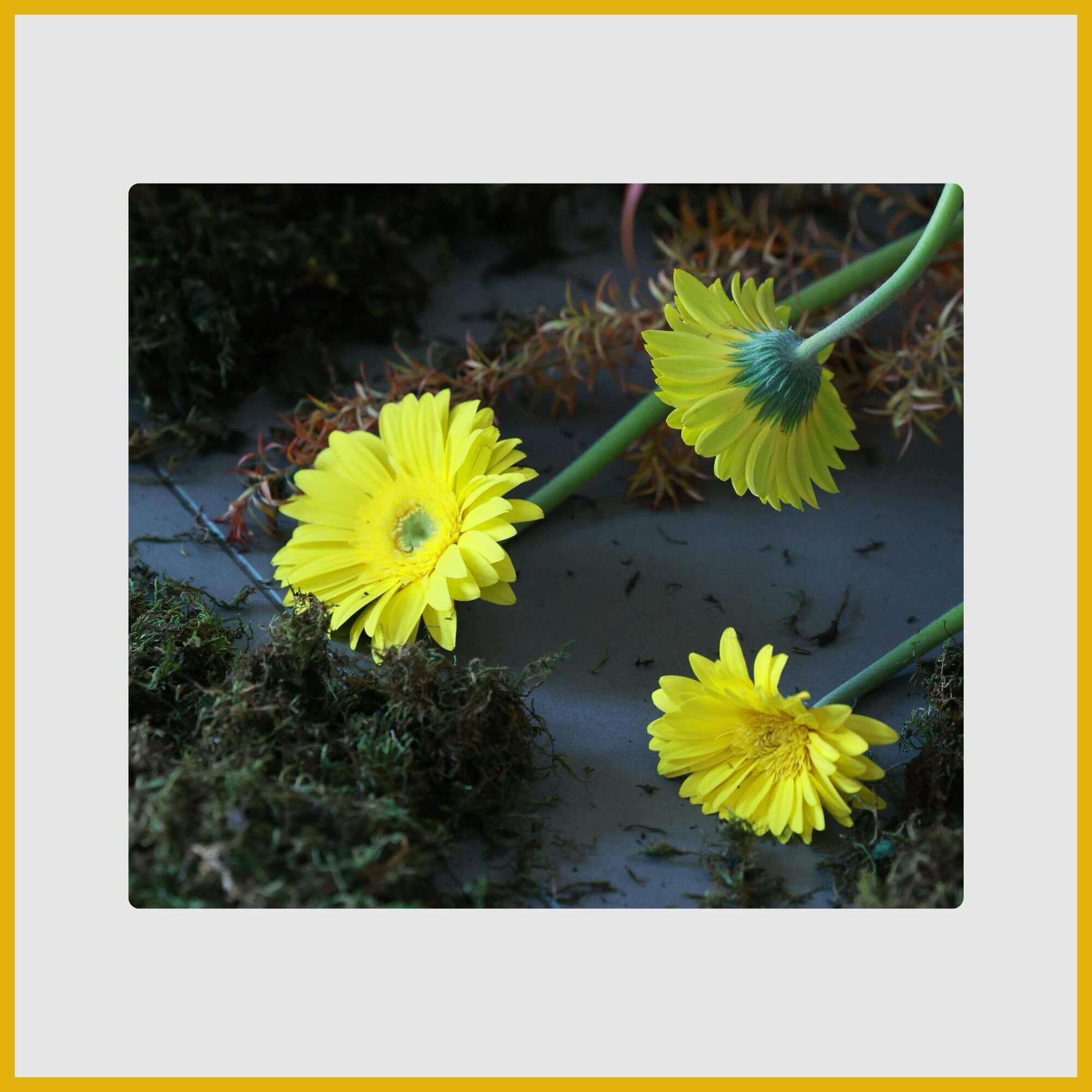
Pronunciation: GER-buh-ruh DAY-zee
Gerberas are bold, graphic flowers with wide, daisy-like faces that make them instantly noticeable. Strong, leafless stems elevate the blooms, making them ideal for cutting and creating bright, modern floral arrangements. They are native to South Africa and have been cultivated worldwide for their vibrant color palette. Yellow Gerberas stand out in gardens and bouquets for their sunny, cheerful look.
These flowers perform well in rich, well-drained soil and full sun to partial shade, bringing a burst of happiness wherever they grow.
25. Snapdragon (Antirrhinum majus)
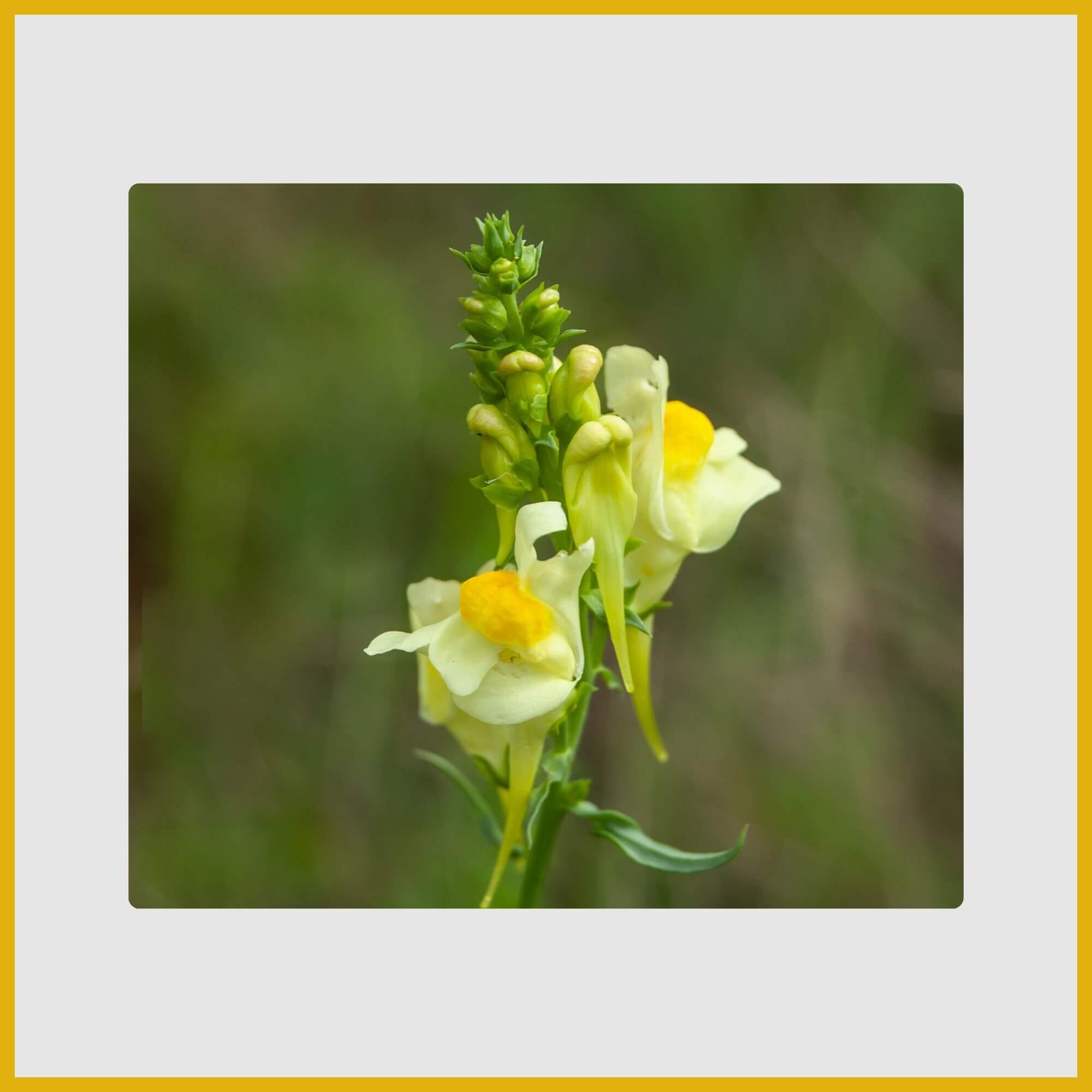
Pronunciation: SNAP-drag-un
Snapdragons earn their name from the unique shape of their tubular flowers. When squeezed gently, the blooms snap open like a dragon’s mouth, delighting children and gardeners alike. They add height and structure to borders, and their cool-weather preference makes them excellent for spring and fall planting. Colors can vary widely, but yellow snapdragons bring a sunny glow to any garden bed.
These hardy flowers thrive in well-drained, fertile soil and are versatile in garden design, from pots to long flower borders.
26. Chrysanthemum (Chrysanthemum morifolium)
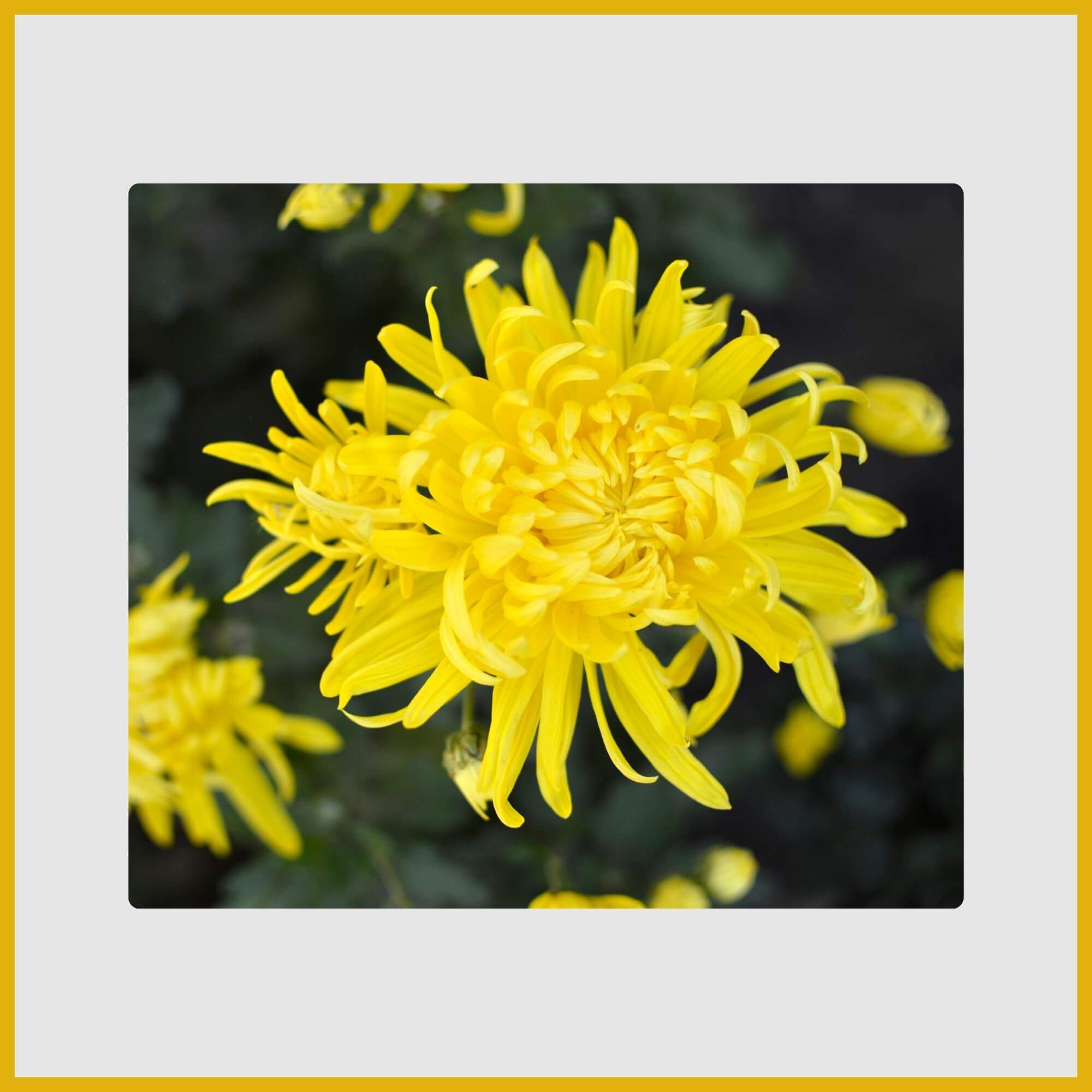
Pronunciation: kris-an-THE-mum
Mums are iconic autumn flowers, forming dense, cushion-like mounds covered with blooms. Yellow varieties are cheerful and abundant, often dominating late-season flower shows and home gardens.
The name comes from Greek words meaning “gold” and “flower,” a fitting tribute to their radiant colors. Chrysanthemums are deeply symbolic in many cultures, representing longevity and joy. Well-drained, fertile soil and full sun encourage prolific blooming, making mums perfect for seasonal displays, cut flowers, and ornamental landscaping.
27. Buttercup (Ranunculus repens)
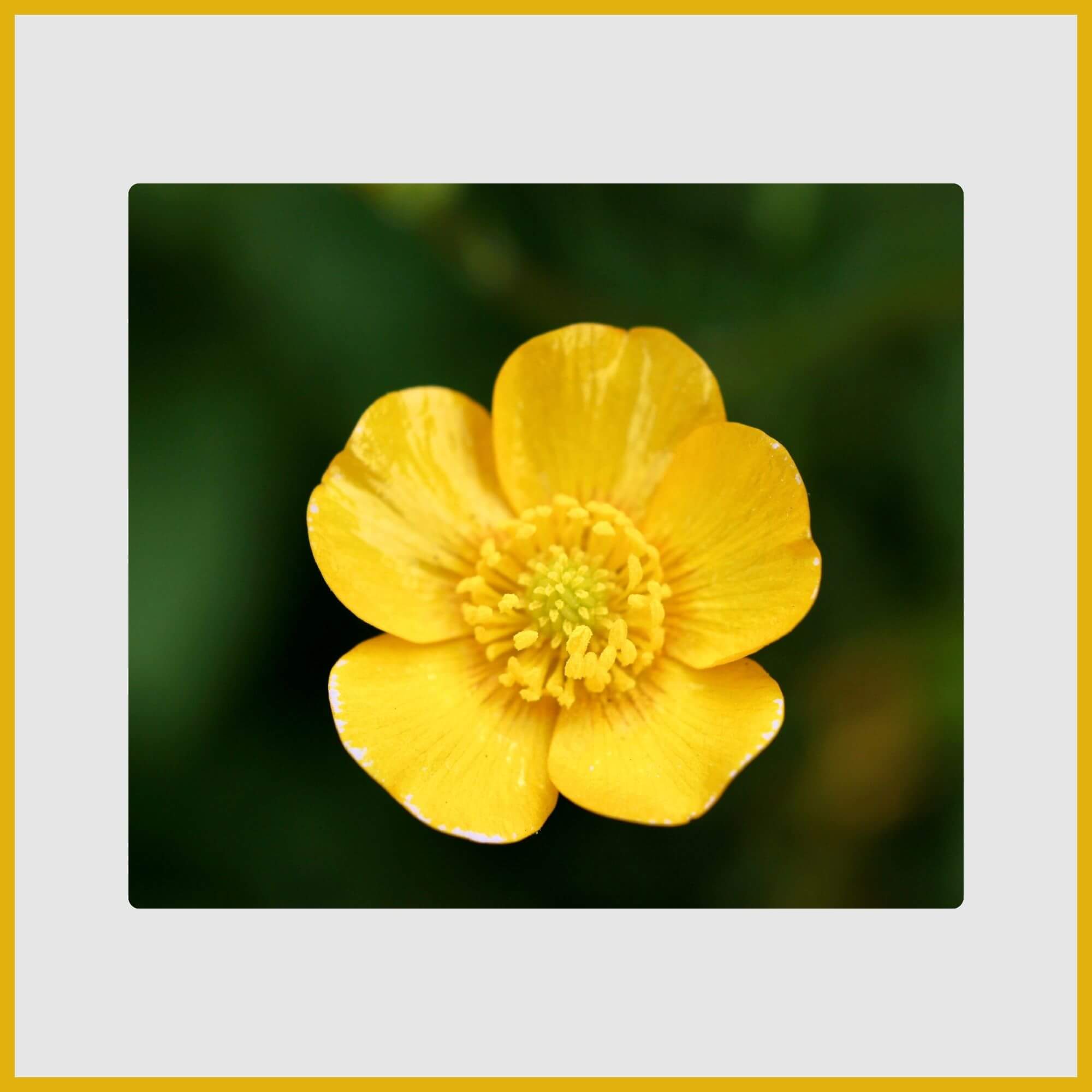
Pronunciation: BUT-er-kuhp
Buttercups are small yet captivating wildflowers, instantly recognizable for their glossy yellow petals that catch sunlight. They carpet meadows and lawns in spring, bringing brightness to early-season landscapes. Despite their delicate appearance, they are resilient and spread quickly. Their common name likely comes from the buttery sheen of their petals, which has inspired poets and artists alike.
They flourish in moist clay or loam soil and are a cheerful, almost whimsical addition to natural gardens or wildflower borders.
28. Jessamine (Gelsemium sempervirens)
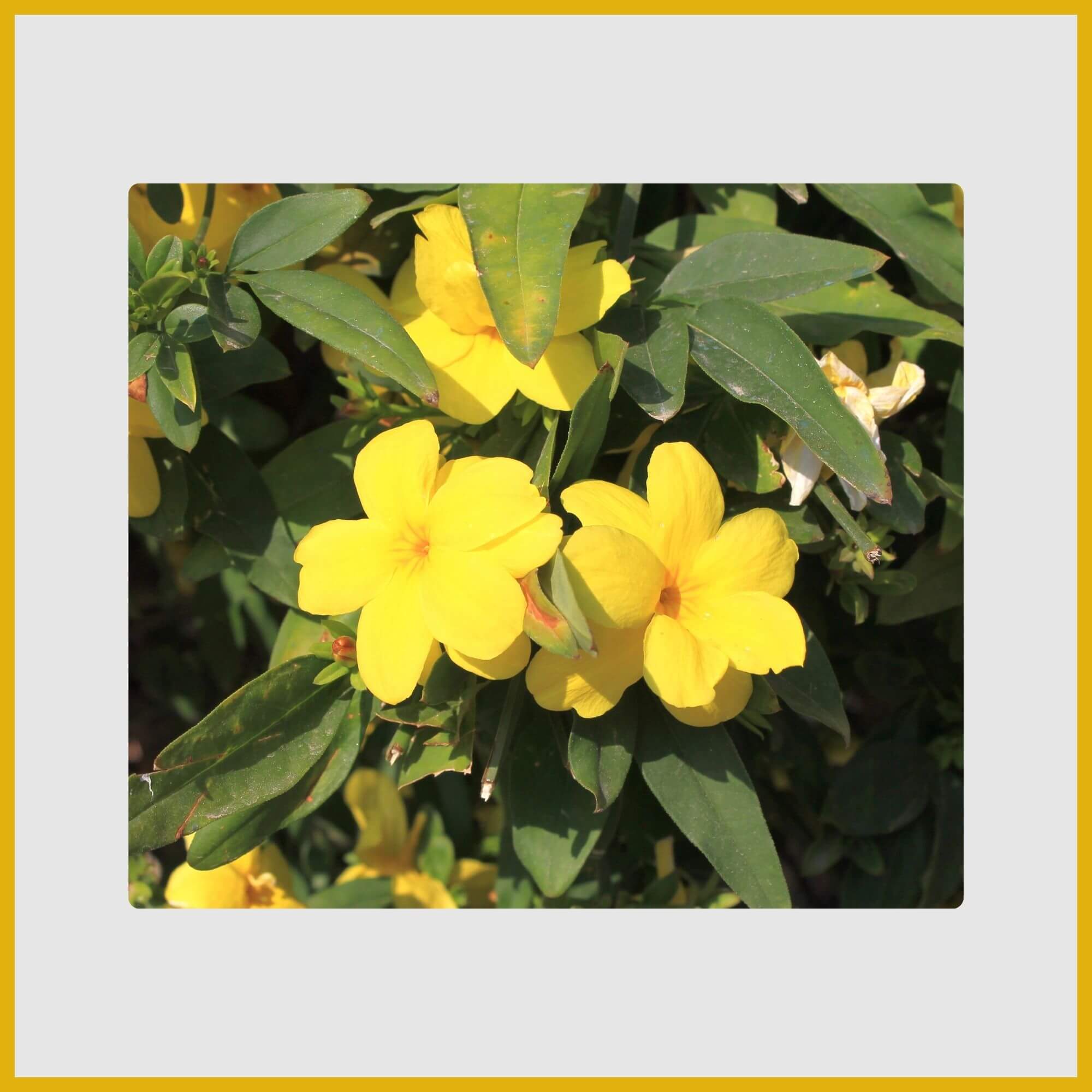
Pronunciation: JES-uh-meen
Carolina Jessamine is a vigorous, evergreen climbing vine. In early spring, it produces trumpet-shaped yellow flowers that emit a soft, sweet fragrance. The blooms create a cascade of golden beauty along trellises, fences, and walls. The plant is highly ornamental but also poisonous, reminding gardeners to handle it with care. Its name reflects the classic jasmine-like flowers, even though it belongs to a separate genus.
Well-drained, adaptable soil and full sun to partial shade help this plant thrive. Its early flowering period makes it a herald of spring in warmer climates.
29. Witch Hazel (Hamamelis spp.)
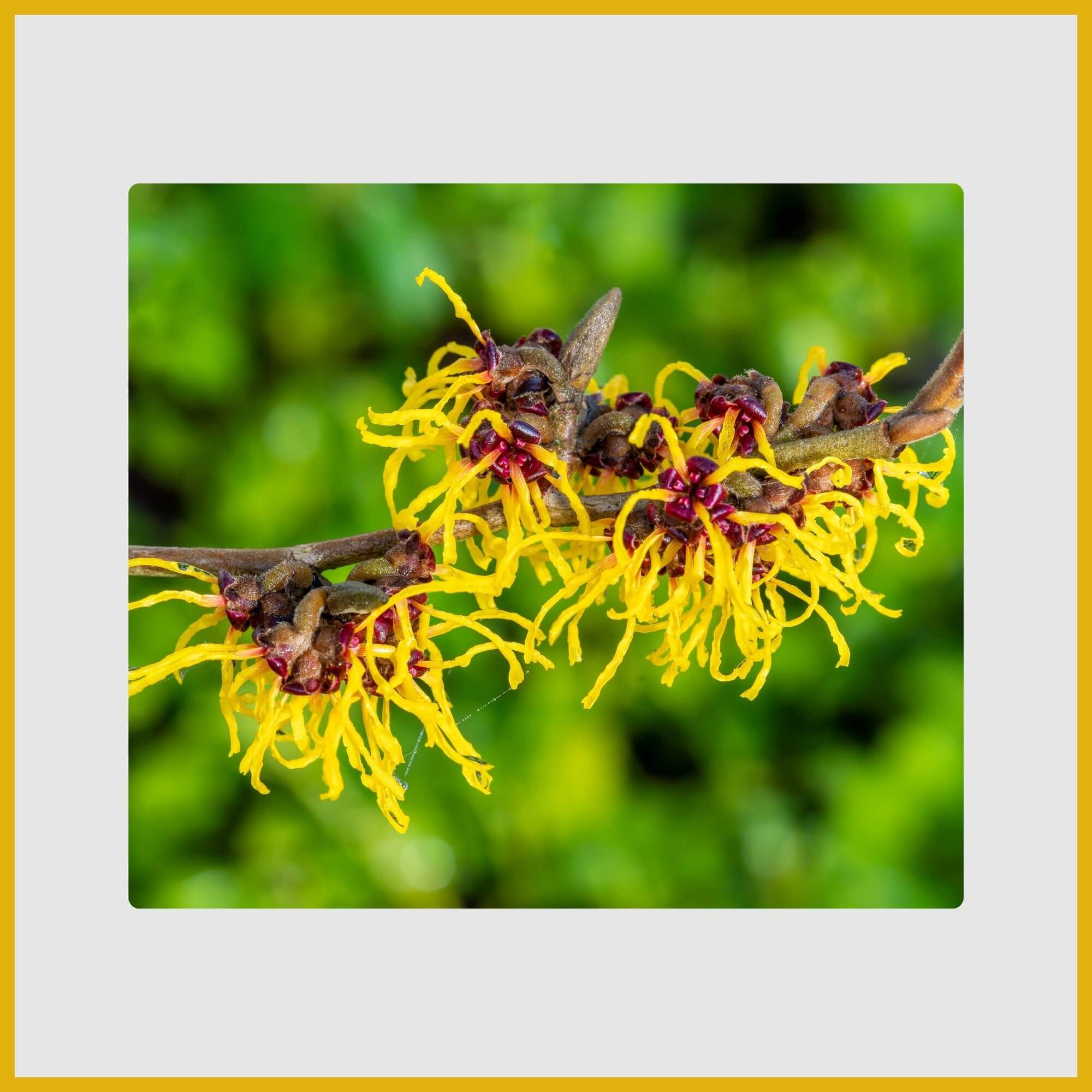
Pronunciation: WICH HAY-zul
Witch Hazel is a winter garden gem, with spidery yellow flowers that appear on bare branches when most plants are dormant. Some varieties even bloom through snow, creating a magical display. The unusual flower shape and winter bloom period give it a special charm, attracting attention when gardens might otherwise look bare. Its name comes from old English words suggesting a magical or protective plant.
It prefers acidic, moist, well-drained soil and is often grown as a large shrub or small tree, adding structure and early-season interest to landscapes.
30. Calendula (Calendula officinalis)
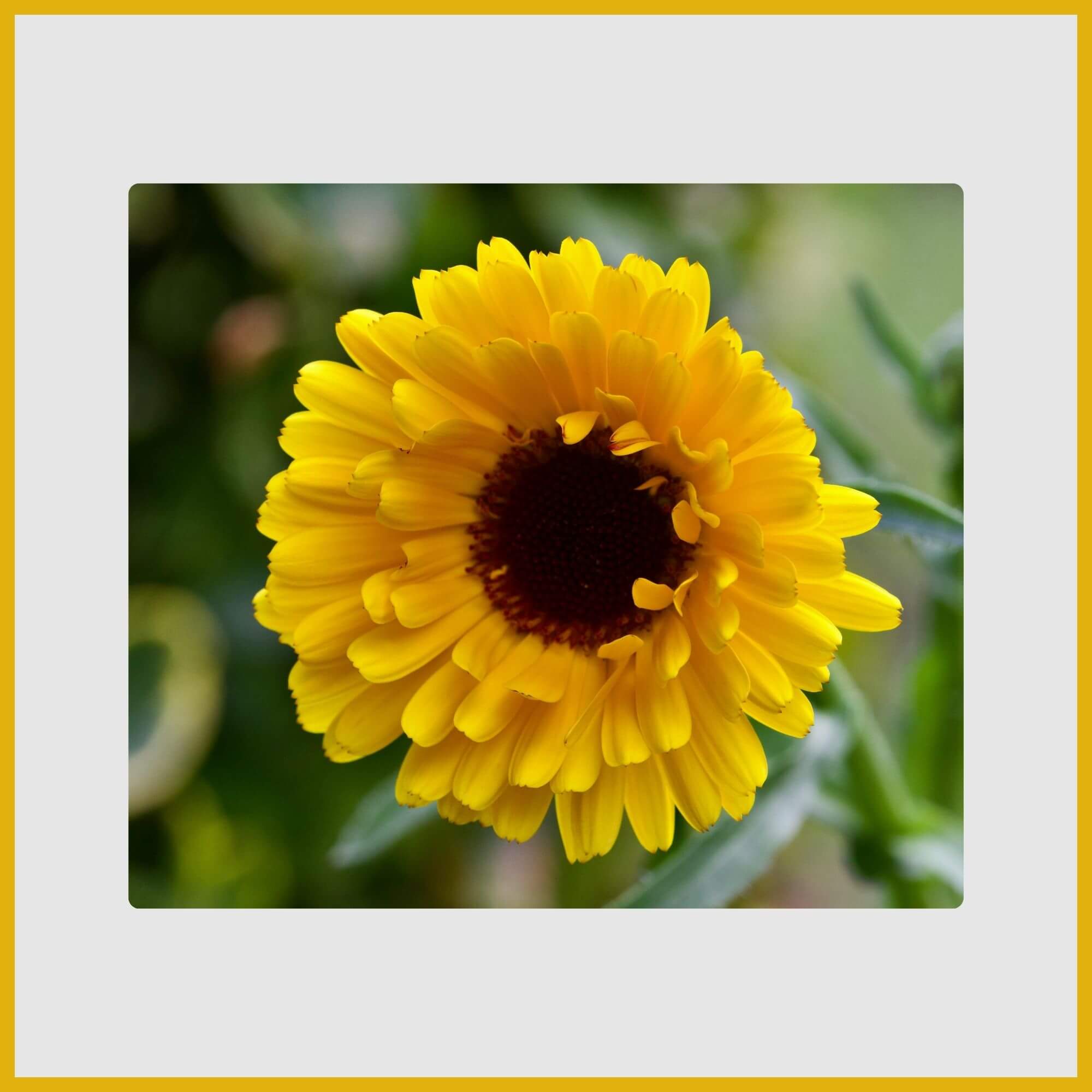
Pronunciation: kuh-LEN-juh-luh
Calendula, or pot marigold, is a bright, golden flower with both ornamental and medicinal uses. Its edible petals have a slightly peppery taste and are used in cooking, teas, and soothing salves. The name is derived from the Latin calendae, meaning “little calendar,” because it blooms over many months, from spring until frost. This versatile flower thrives in average, well-drained soil and full sun to partial shade, making it a favorite for gardens, home remedies, and culinary applications.
31. Bird of Paradise (Strelitzia reginae)
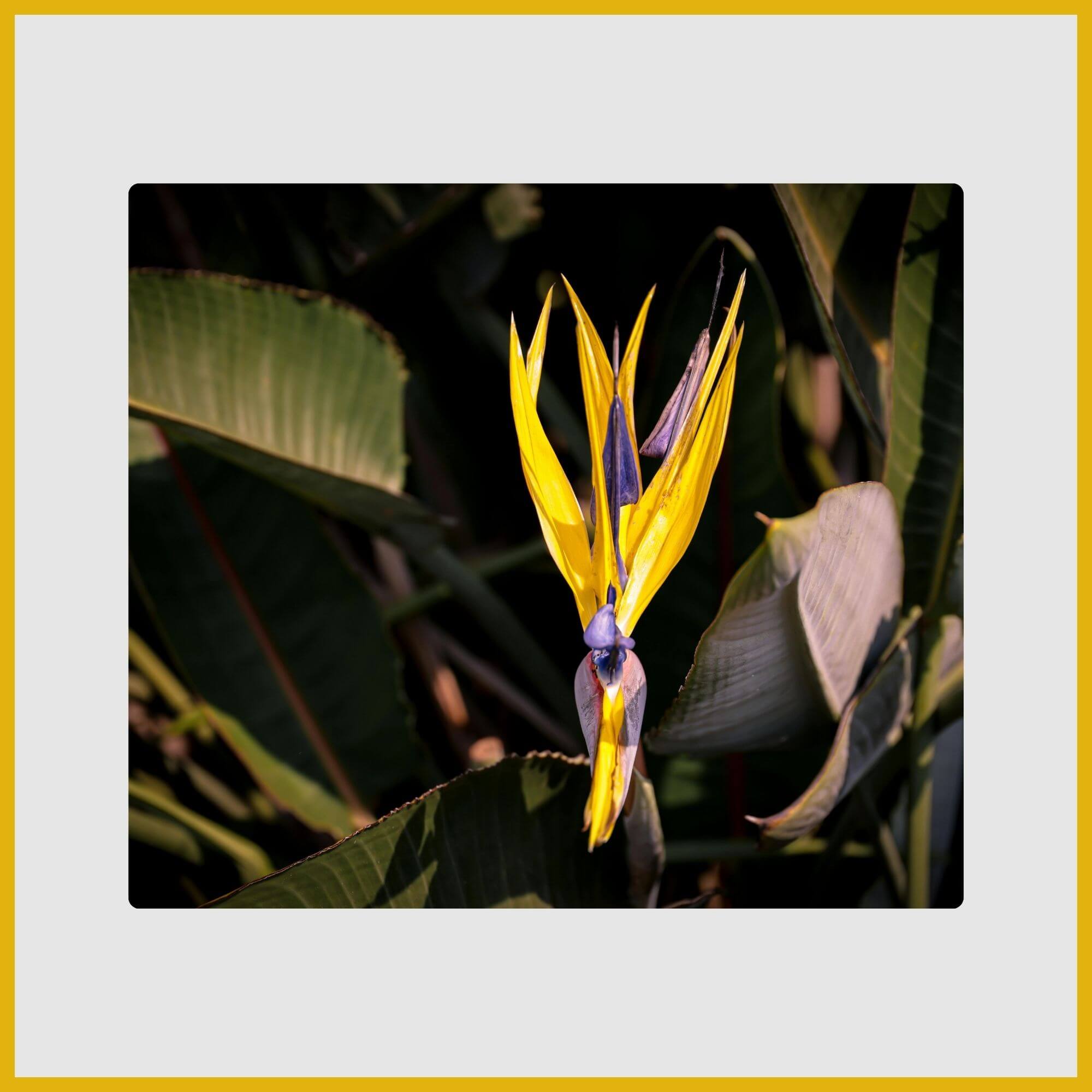
Pronunciation: BURD of PAR-uh-dys
The Bird of Paradise is more like a tropical sculpture than a typical flower. Its bright yellow and deep blue petals open like a bird taking flight, instantly drawing attention wherever it grows.
It’s a sun-loving plant that thrives in rich, well-drained soil. In tropical climates, it can bloom almost year-round, rewarding gardeners with striking, exotic blooms. Its architectural shape makes it a favorite for bold landscaping and container displays. Beyond its visual appeal, the Bird of Paradise symbolizes joy, paradise, and freedom, reflecting its tropical origins and flamboyant appearance.
32. Bulbine (Bulbine frutescens)
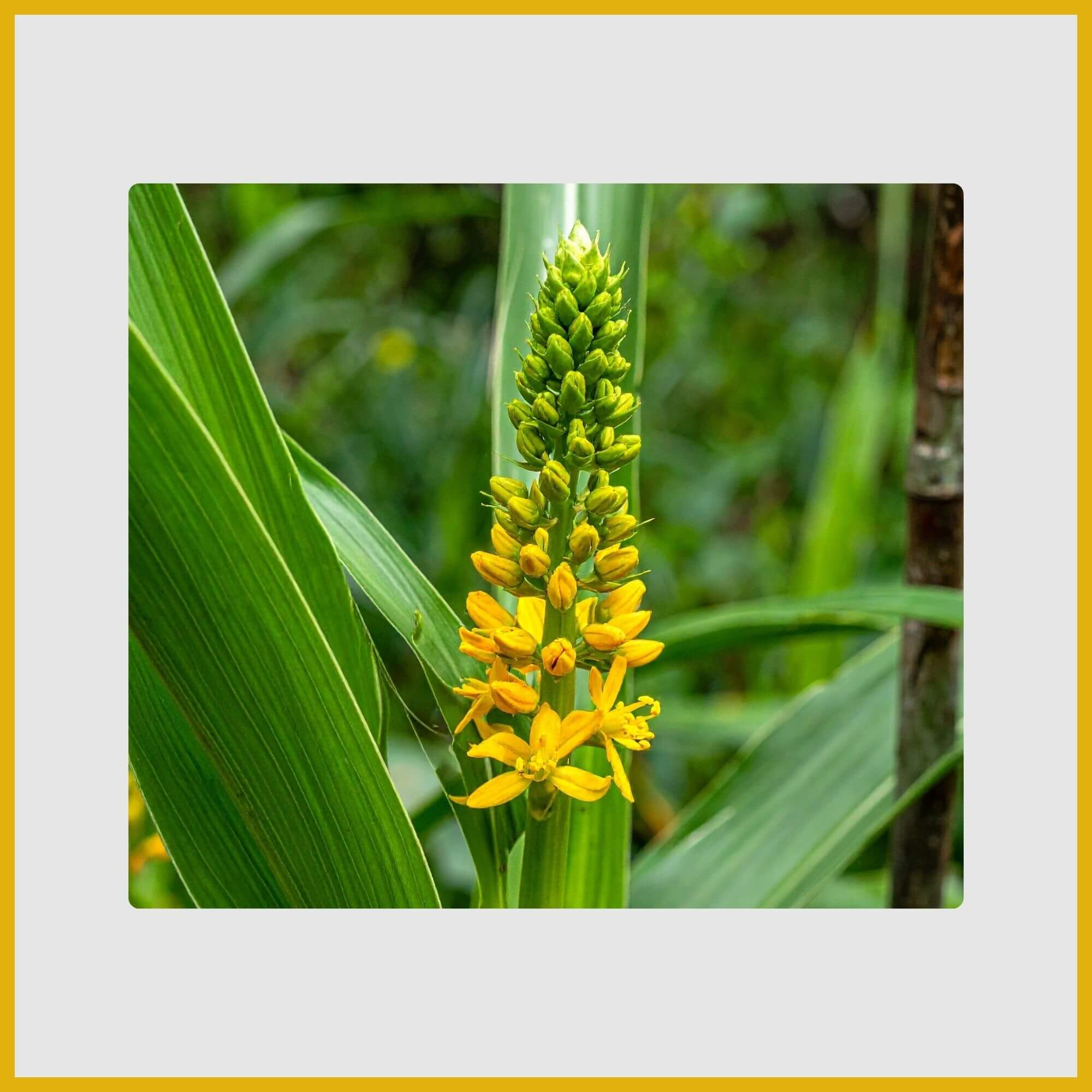
Pronunciation: BUL-bine
Bulbine is the perfect flower for hot, dry gardens. This hardy succulent produces star-shaped yellow flowers along tall spikes, creating a cheerful and long-lasting display. It’s almost carefree, needing very little maintenance beyond well-drained soil and full sun. Bulbine also attracts pollinators like bees and butterflies, making it beneficial for biodiversity. Because it blooms from spring to fall, it provides constant color in arid landscapes, rock gardens, or sunny borders. Its bright yellow flowers stand out beautifully against its fleshy green foliage.
33. Leopard Plant (Ligularia spp.)
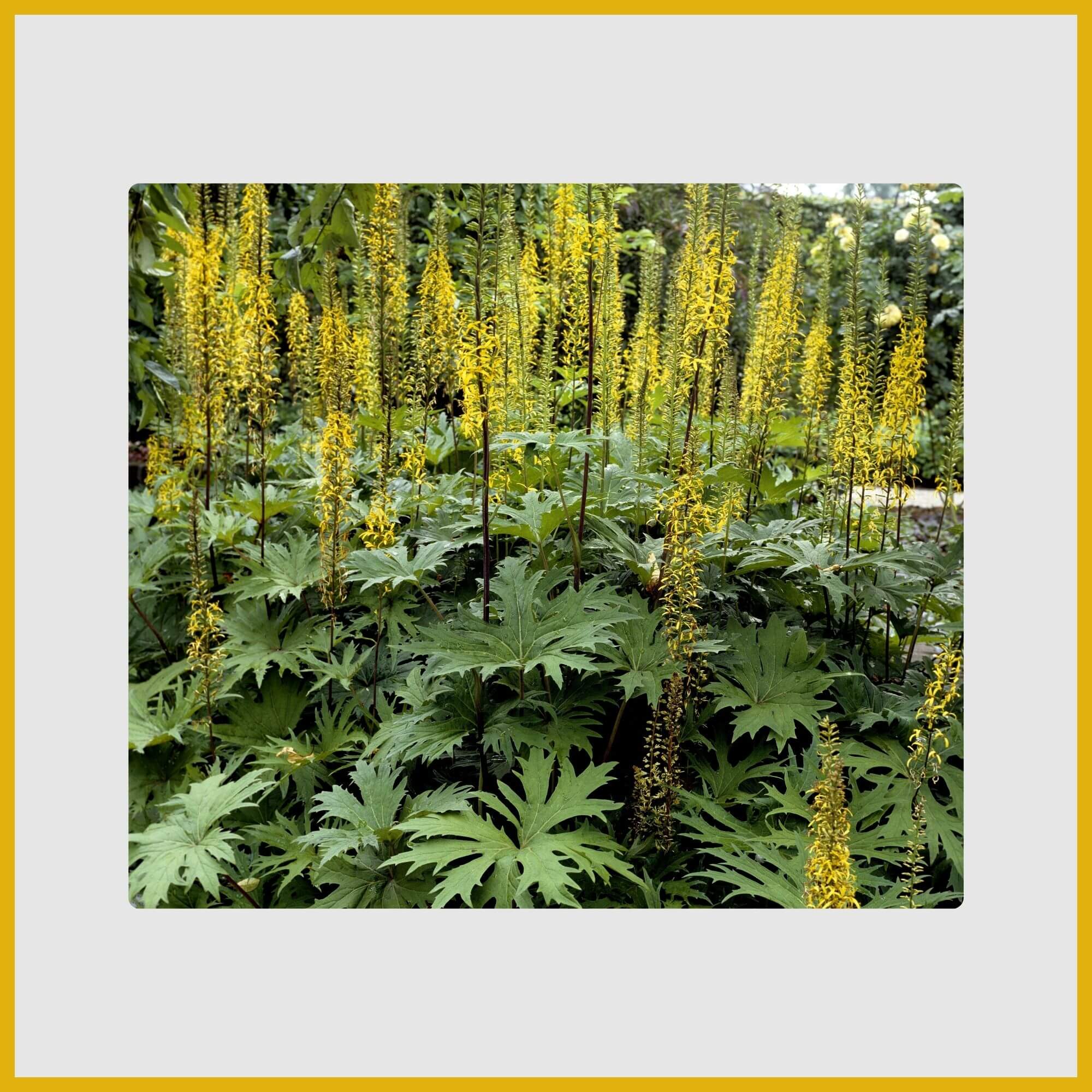
Pronunciation: LEP-urd PLANT
Leopard plants are as much about foliage as flowers. Their large, jagged, or rounded leaves dominate shady spots, while clusters of yellow daisy-like blooms rise above the greenery, creating a striking contrast. They prefer consistently moist, rich soil and partial to full shade, making them perfect for woodland gardens or water-edge plantings. Their dramatic leaves and bright flowers provide a tropical feel even in cooler climates.
This plant combines texture and color, proving that some flowers make an impact not just by petals, but through their overall structure and presence.
34. Tansy (Tanacetum vulgare)
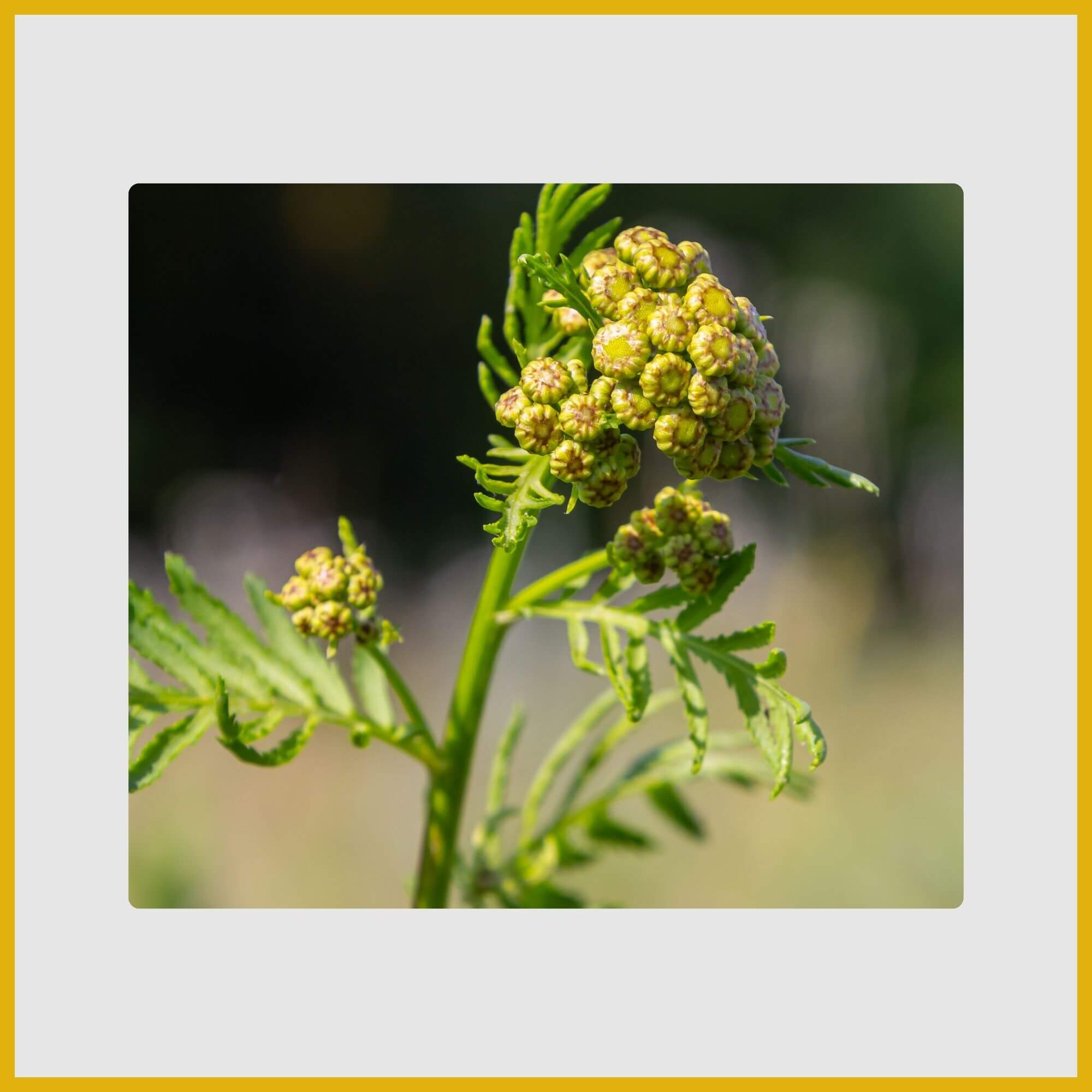
Pronunciation: TAN-zee
Tansy has been a familiar plant for centuries, appreciated for its button-like yellow flowers and ferny, aromatic foliage. Historically, it was used for culinary and medicinal purposes, though today it’s mostly ornamental.
This adaptable perennial can thrive in various soil types and prefers full sun to partial shade. It spreads easily, so gardeners often manage it to prevent invasiveness. The bright yellow flowers bloom in summer, adding a pop of color to wildflower meadows or naturalized garden areas, while the fern-like leaves give texture and interest.
35. Yellow Daylily (Hemerocallis lilioasphodelus)
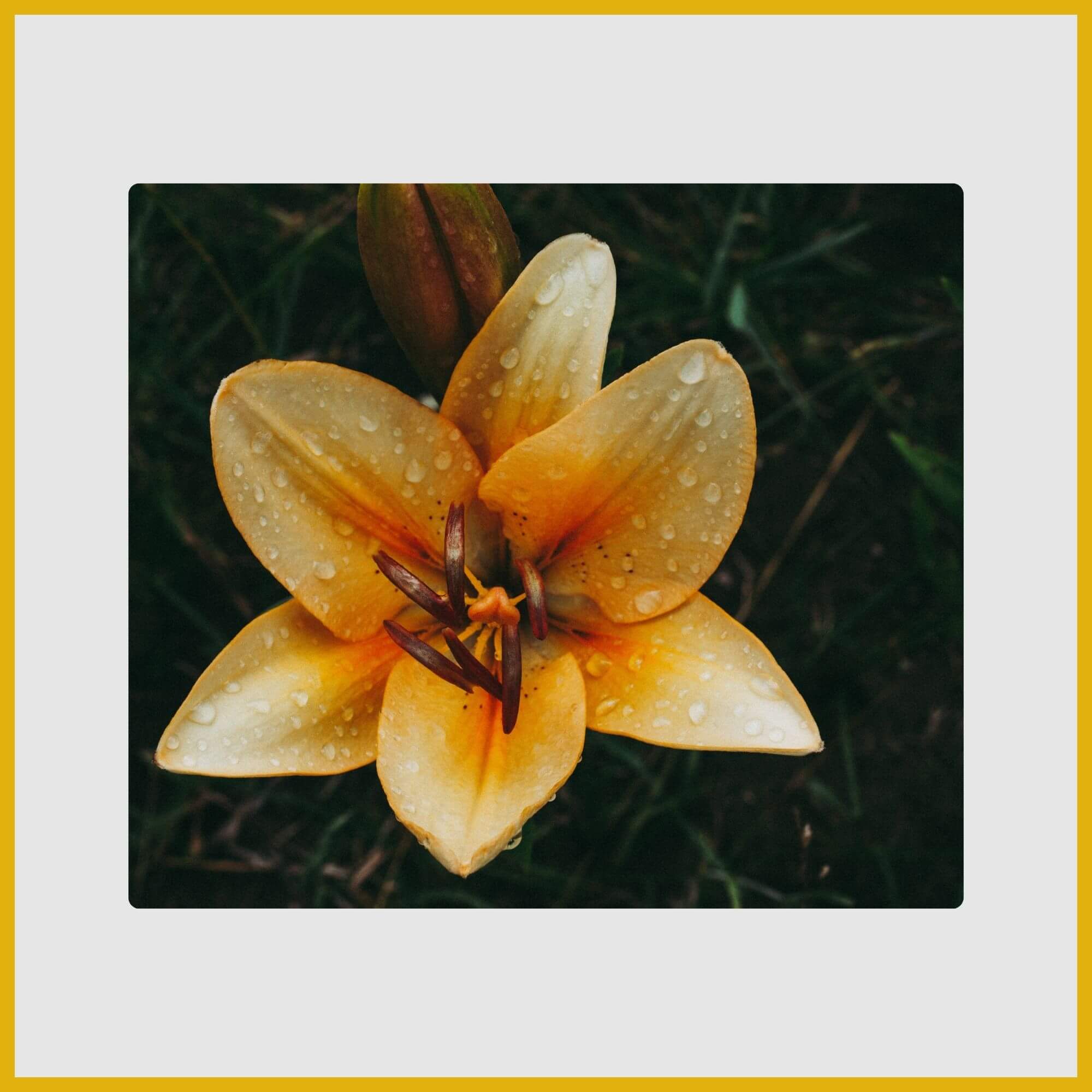
Pronunciation: DAY-lil-ee
The Lemon Lily, or Yellow Daylily, is famous for its trumpet-shaped flowers and delicate fragrance. Each bloom lasts only a single day, but plants produce many, creating a continuous display in early summer.
Daylilies are low-maintenance, thriving in adaptable, well-drained soil and partial to full sun. Their prolific blooms and cheerful yellow color brighten borders, cottage gardens, and mixed flower beds. These lilies are old favorites, valued not only for beauty but also for edible flowers in certain culinary traditions, making them versatile in both gardens and kitchens.
36. Canna Lily (Canna spp.)
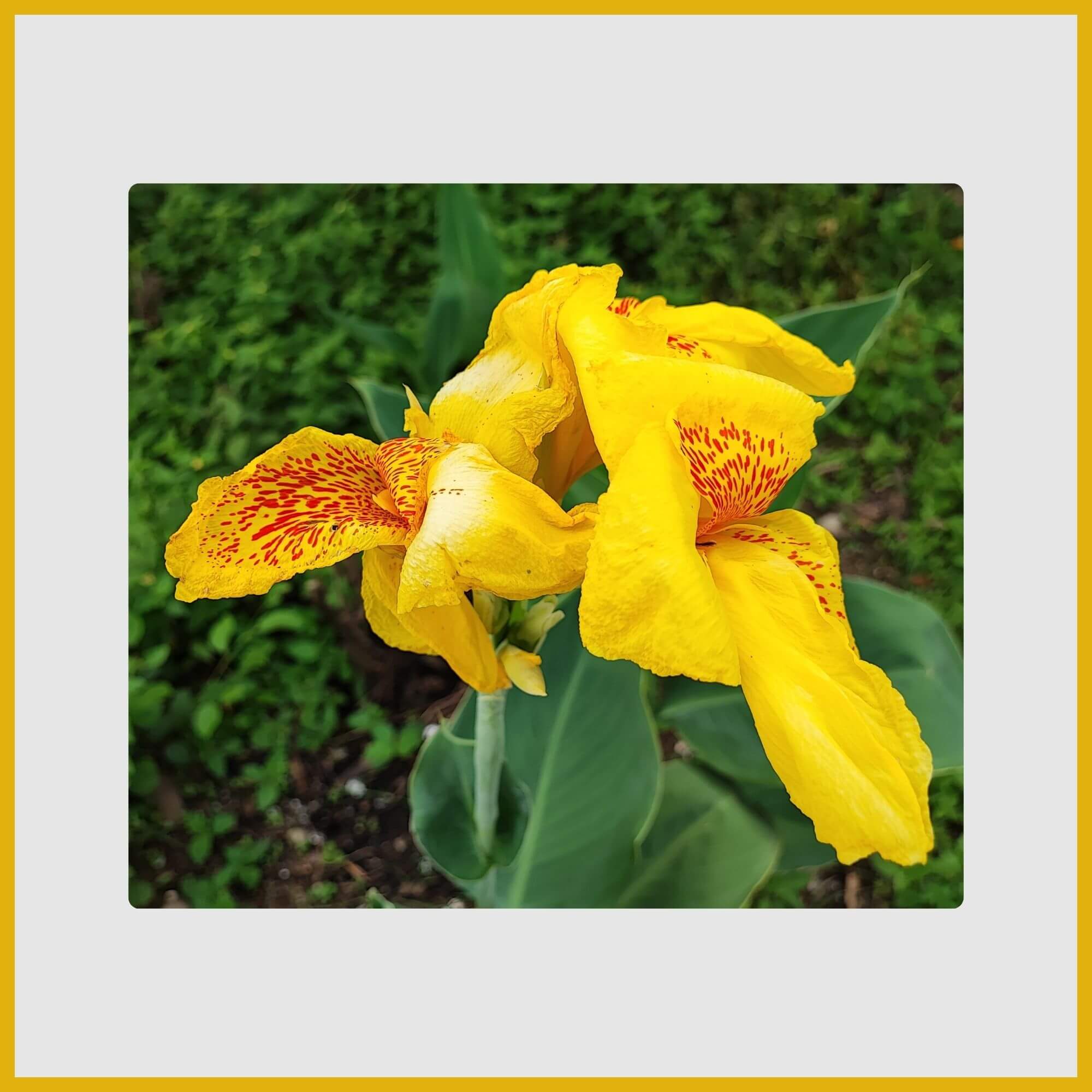
Pronunciation: CAN-uh LIL-ee
Cannas bring a tropical vibe to temperate gardens. With lush, banana-like leaves and dramatic flower spikes, yellow varieties can dominate a sunny corner, providing bold architectural interest.
They thrive in rich, moist soil under full sun and bloom from summer into fall. Rhizomes can be lifted in colder climates to survive winter, ensuring their return each year.
Cannas are striking in mixed borders, containers, or near water features, offering not just color but also height and texture to garden designs.
37. Yellow Hyacinth (Hyacinthus orientalis)
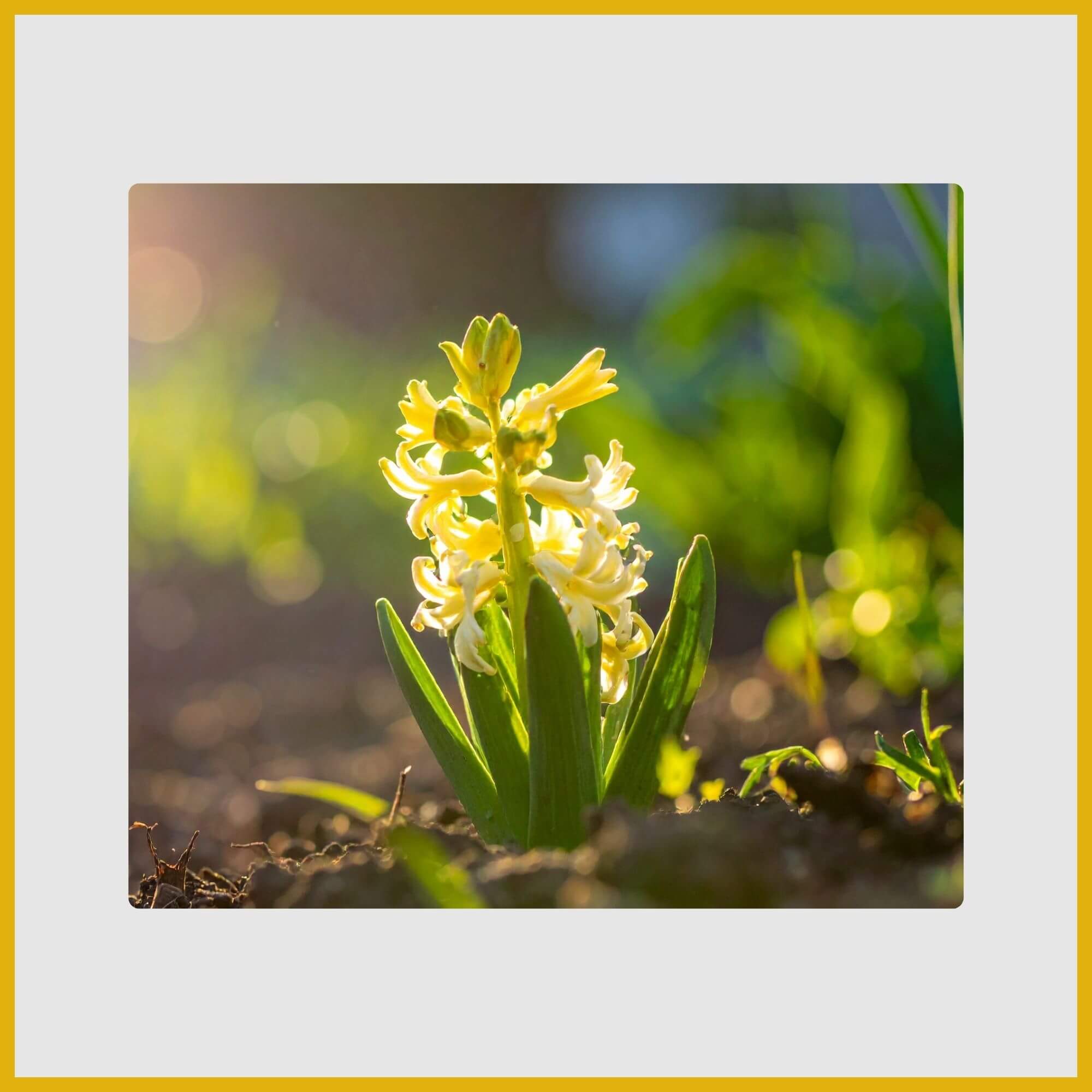
Pronunciation: HIGH-a-sinth
Hyacinths are beloved for their tightly packed, star-shaped flowers and heady fragrance. Yellow varieties stand out in spring gardens, bringing warmth and cheer after winter. They are easy to force indoors in pots, creating bright, fragrant displays in early spring. Well-drained, fertile soil and partial sun encourage strong growth and multiple blooms.
Hyacinths symbolize playfulness and constancy, making them a favorite in both formal gardens and casual home plantings.
38. Strawflower (Xerochrysum bracteatum)
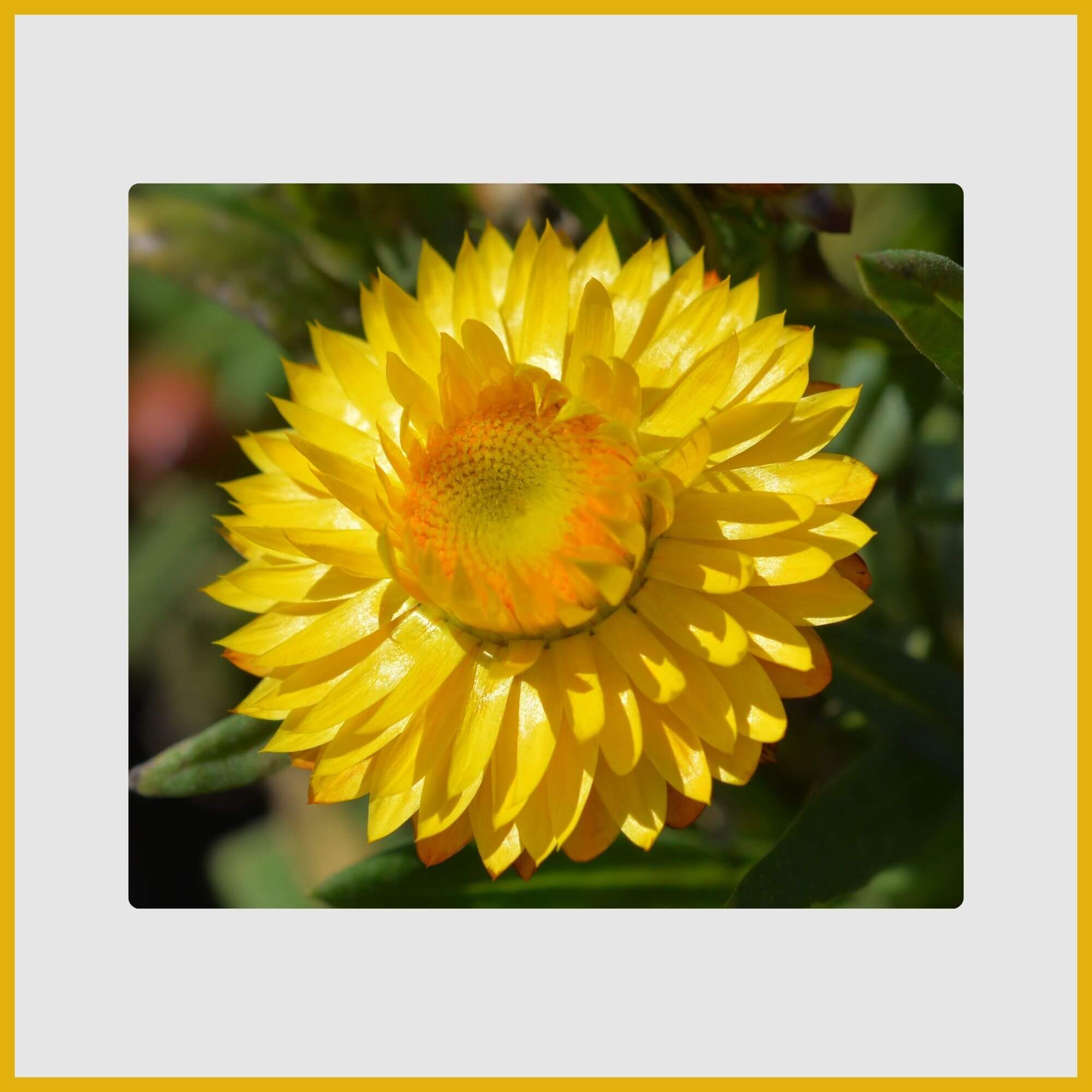
Pronunciation: STRAW-flower
Strawflowers are extraordinary because they are everlasting. Their papery petals hold color and shape even when dried, making them perfect for crafts, wreaths, and winter arrangements. They thrive in full sun and poor to average soil, producing cheerful yellow blooms on long stems. Summer to fall is their peak flowering season, providing persistent brightness.
These blooms are ideal for gardeners who love cutting flowers and drying them, offering both beauty and practicality.
39. Lady’s Mantle (Alchemilla mollis)
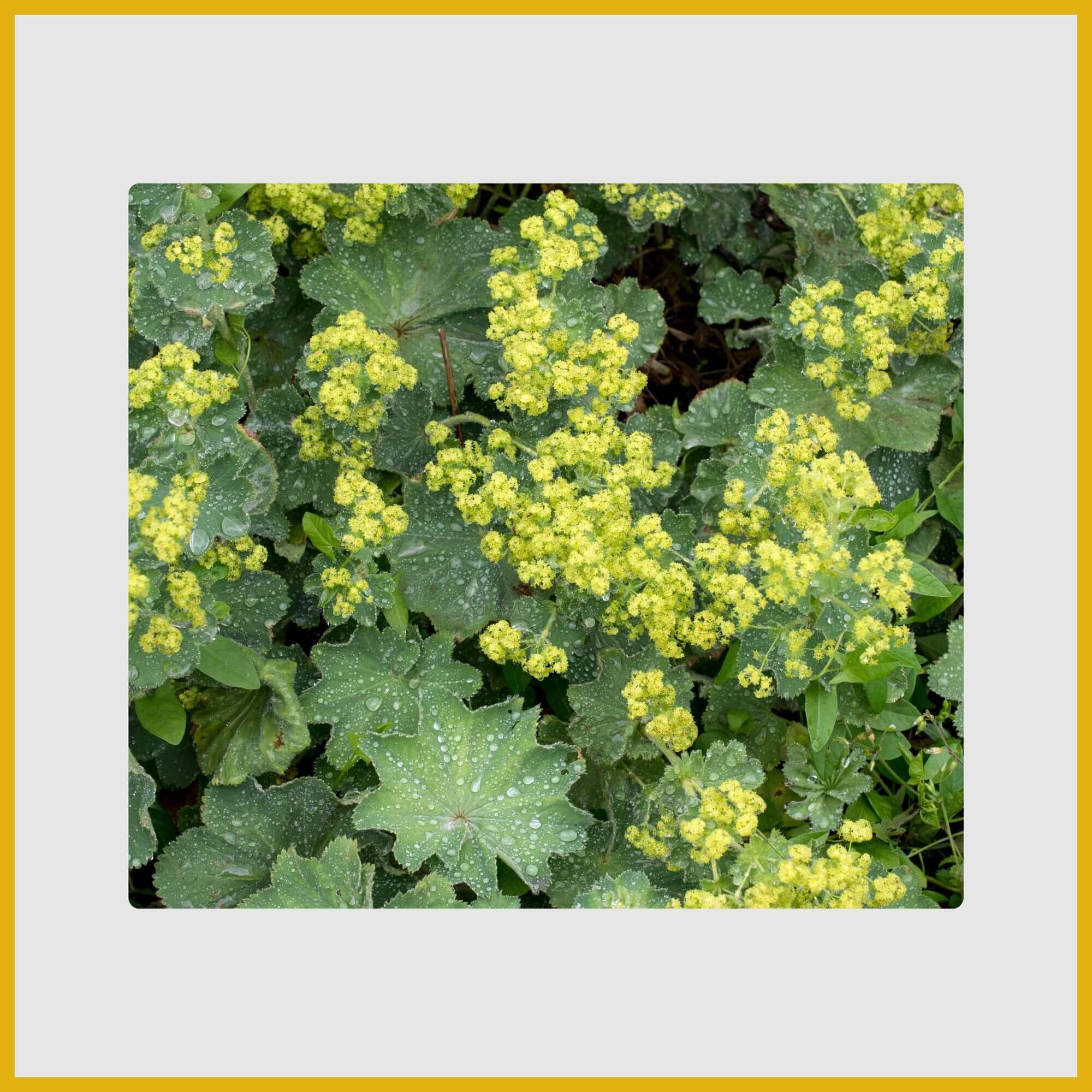
Pronunciation: LAD-eez MAN-tl
Lady’s Mantle is cherished more for its soft, velvety leaves than its tiny chartreuse-yellow flowers. The cupped foliage captures raindrops and morning dew like sparkling jewels. Partial shade and moist, well-drained soil suit this plant best, making it perfect for shaded borders or cottage gardens. The subtle yellow flowers appear in late spring to early summer, adding a delicate accent.
This plant combines texture, foliage, and understated blooms, creating a serene and romantic garden aesthetic.
40. Yellow Horned Poppy (Glaucium flavum)
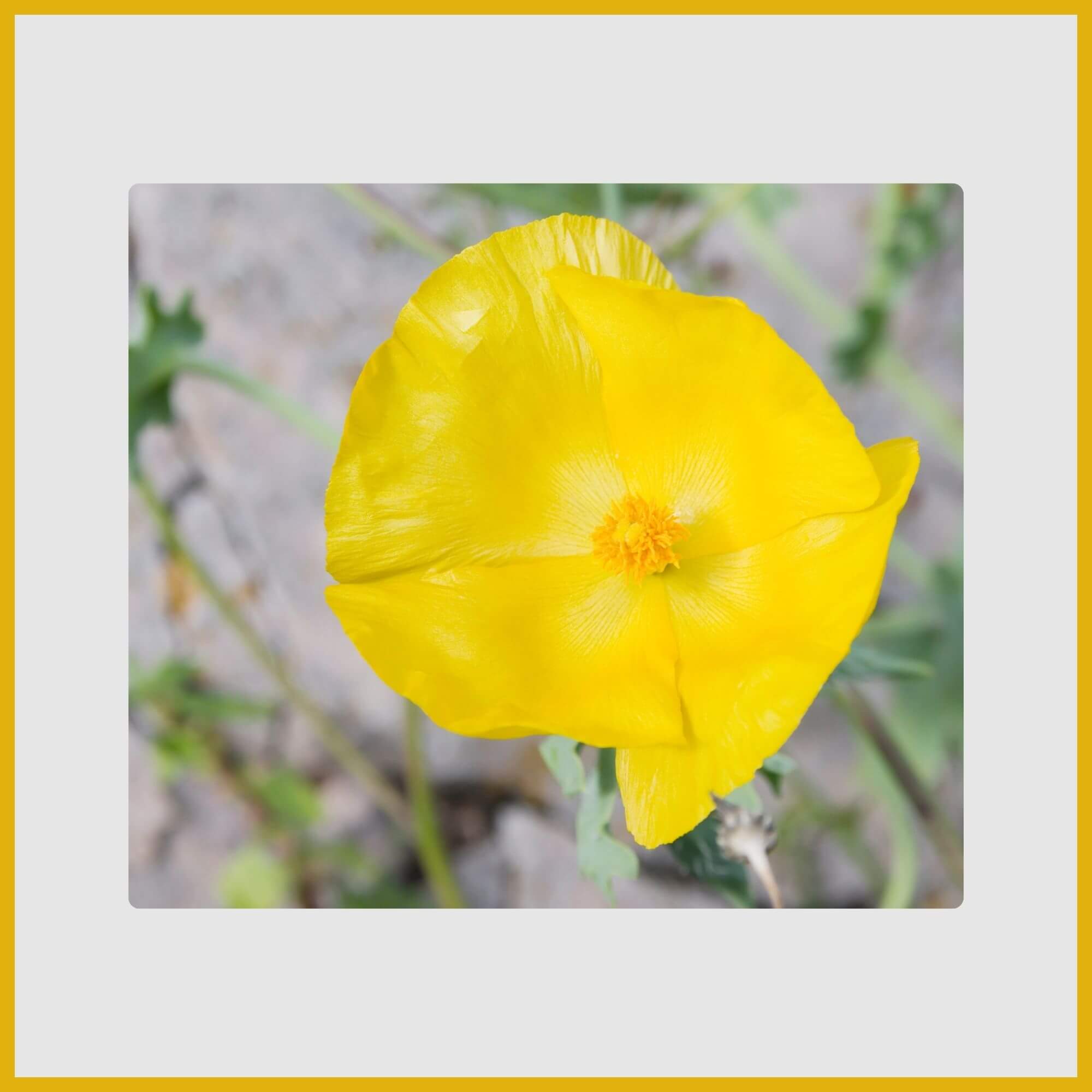
Pronunciation: YEL-oh HORN-d POP-ee
The Yellow Horned Poppy is a dramatic coastal plant. Its papery yellow flowers give way to long, curved seedpods, and silvery foliage contrasts beautifully with sandy soils.
It thrives in full sun and poor, well-drained soil, making it perfect for seaside gardens or challenging spots where other plants struggle. Summer is when its vibrant blooms stand out against the rugged coastal landscape.
This flower is a symbol of resilience, thriving where many plants cannot, and offers a unique texture and form to any garden design.
Key Takeaways About Yellow Flowers
- Celebrate the Seasons: From spring’s Daffodils and Tulips to summer’s Coreopsis and Daylilies, and finally fall’s Goldenrod and Sunflowers, yellow flowers offer a long season of cheerful blooms.
- Know Their Names: Each flower has a story behind its name, whether it’s tied to history, mythology, or appearance. Learning these helps you identify and remember them more easily.
- Sun-Loving Blooms: Most yellow flowers, like Sunflowers and Marigolds, thrive in sunlight, which enhances their bright, iconic color.
- Simple Yet Stunning: Many yellow flowers, such as Coreopsis and Yarrow, flourish in ordinary, well-drained soil-no elaborate care needed.
- Support Nature: Flowers like Goldenrod, Lantana, and Zinnia are more than pretty-they attract bees, butterflies, and pollinators, connecting your knowledge of names to nature itself.
FAQs About Yellow Flowers
What are some yellow flower names?
Sunflower, Daffodil, Marigold, Black-Eyed Susan, Coreopsis, Tulip, Rose, and many more.
What flowers are gold color?
Marigolds, Goldenrod, Chrysanthemums, and Calendulas have a golden hue symbolizing joy and friendship.
Which yellow flower means love?
Daffodils and Yellow Roses can symbolize affection, admiration, or subtle love.
Which flower means 'I love you'?
Yellow Roses and Daffodils express friendship and gentle admiration rather than romantic love.
Are yellow flowers lucky?
Sunflowers and Marigolds are considered lucky, bringing happiness and positive energy.
Is yellow flower for friendship?
Yes, Yellow Roses, Sunflowers, and Coreopsis represent friendship and warm feelings.
What yellow flowers represent hope?
Daffodils are widely known as symbols of hope, renewal, and new beginnings.
What color flower means best friend?
Yellow flowers like Sunflowers and Yellow Roses symbolize loyalty and friendship.
Do yellow flowers represent jealousy?
Some historical meanings link yellow flowers to jealousy, but today they mostly symbolize happiness.
What flower means rejection?
Yellow carnations or roses can sometimes indicate rejection or platonic feelings.
What yellow flowers mean royalty?
Golden Chrysanthemums and Marigolds are associated with royalty, wealth, and respect.
Do yellow flowers mean 'sorry'?
Certain Yellow Roses or Daffodils can convey apology but mostly symbolize friendship.
Conclusion
Yellow flowers brighten landscapes, gardens, and even bouquets from early winter Witch Hazel to late-frost Marigolds. Their names tell stories-some rooted in history, some in culture, and some in their unique appearance. Whether you’re discovering a new favorite or learning to pronounce and remember these blooms, this guide makes yellow flowers easy to recognize, understand, and enjoy.
Explore More Flower Collections:
- 30 Red Flowers with Names and Interesting Facts
- 18+ Flowering Trees with Pink Blossoms
- 23 Brown Flowers with Names and Pictures
Each of these guides is packed with pictures and the stories behind nature’s most beautiful blooms.