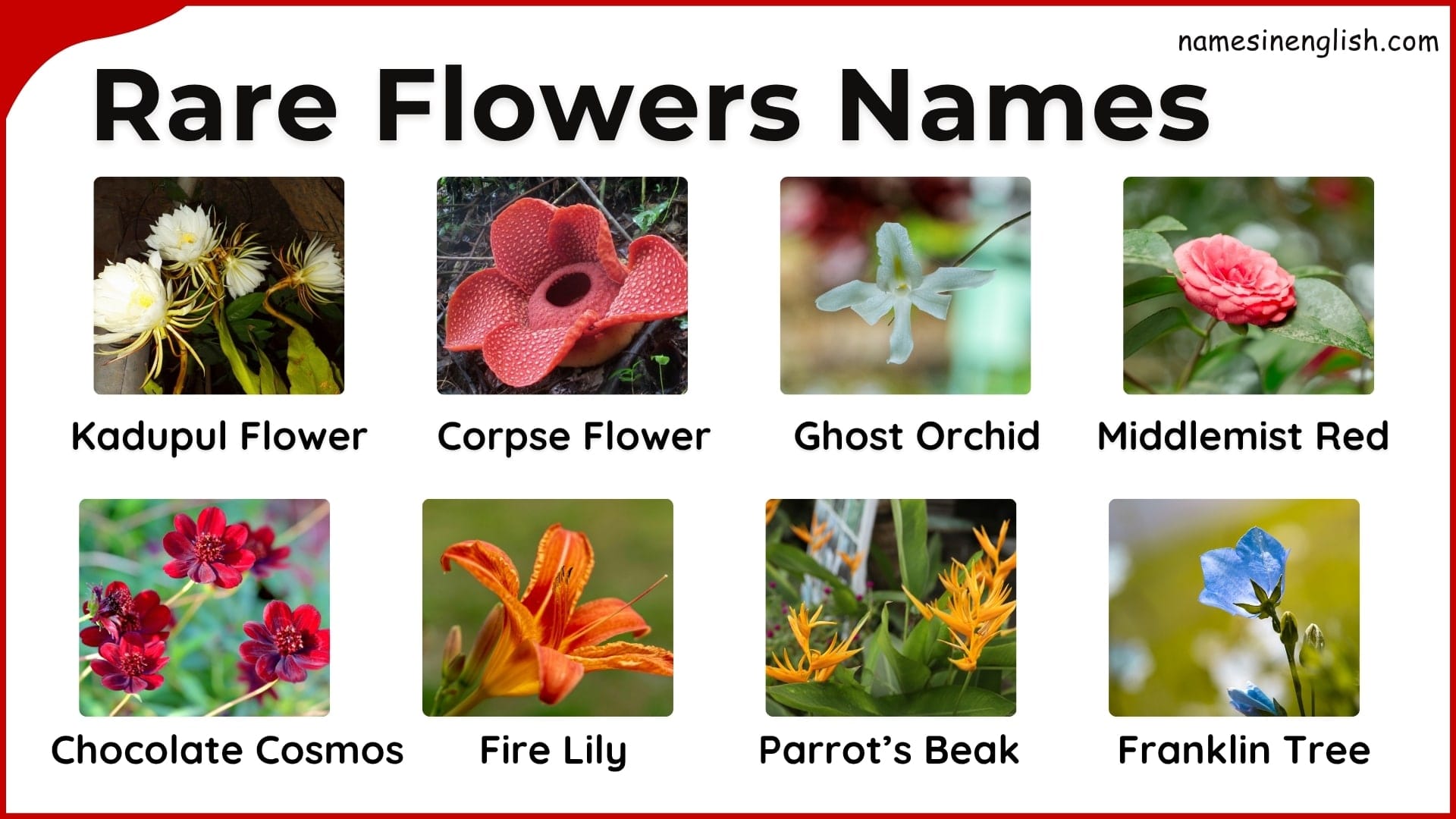

The natural world hides extraordinary botanical wonders that most people never encounter. In this guide, you’ll explore 25 rare flowers with names and their pictures, showcasing blooms that are elusive, endangered, and scientifically fascinating. From flowers that bloom for only a few hours to those that smell like rotting flesh, each example reveals how evolution, geography, and survival shape nature’s most unusual creations.
Beyond beauty, these rare flowers also highlight why plant conservation matters. Many survive today only through careful protection by botanists and conservationists. Learning their names and stories helps preserve them for future generations.
25 Rare Flowers Names and Pictures
Kadupul Flower (Epiphyllum oxypetalum)
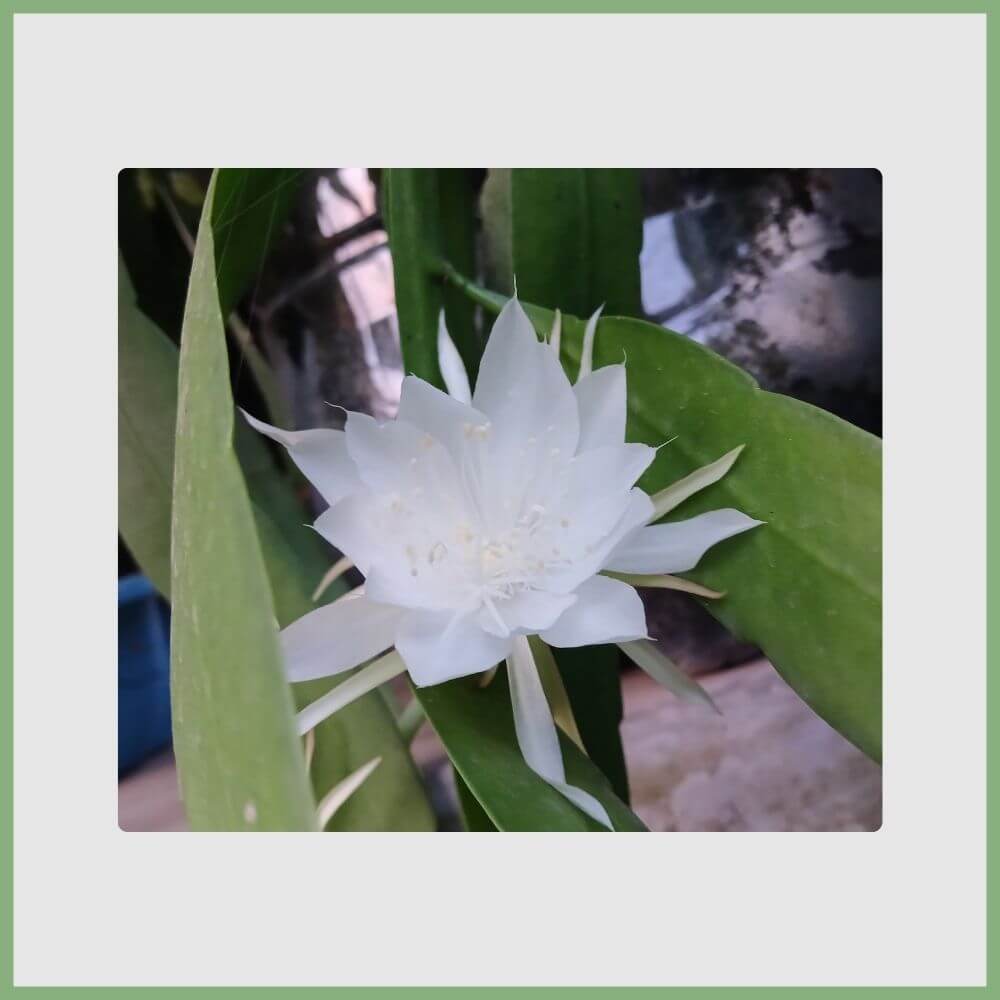
Known as the Queen of the Night, the Kadupul flower blooms only after sunset and wilts before sunrise. Native to Sri Lanka, it cannot be picked without immediately dying, which is why it is considered priceless. In Buddhist culture, it is believed to be a divine offering. Its intense floral fragrance fills the air for just a few magical hours before the bloom collapses.
Corpse Flower (Amorphophallus titanum)
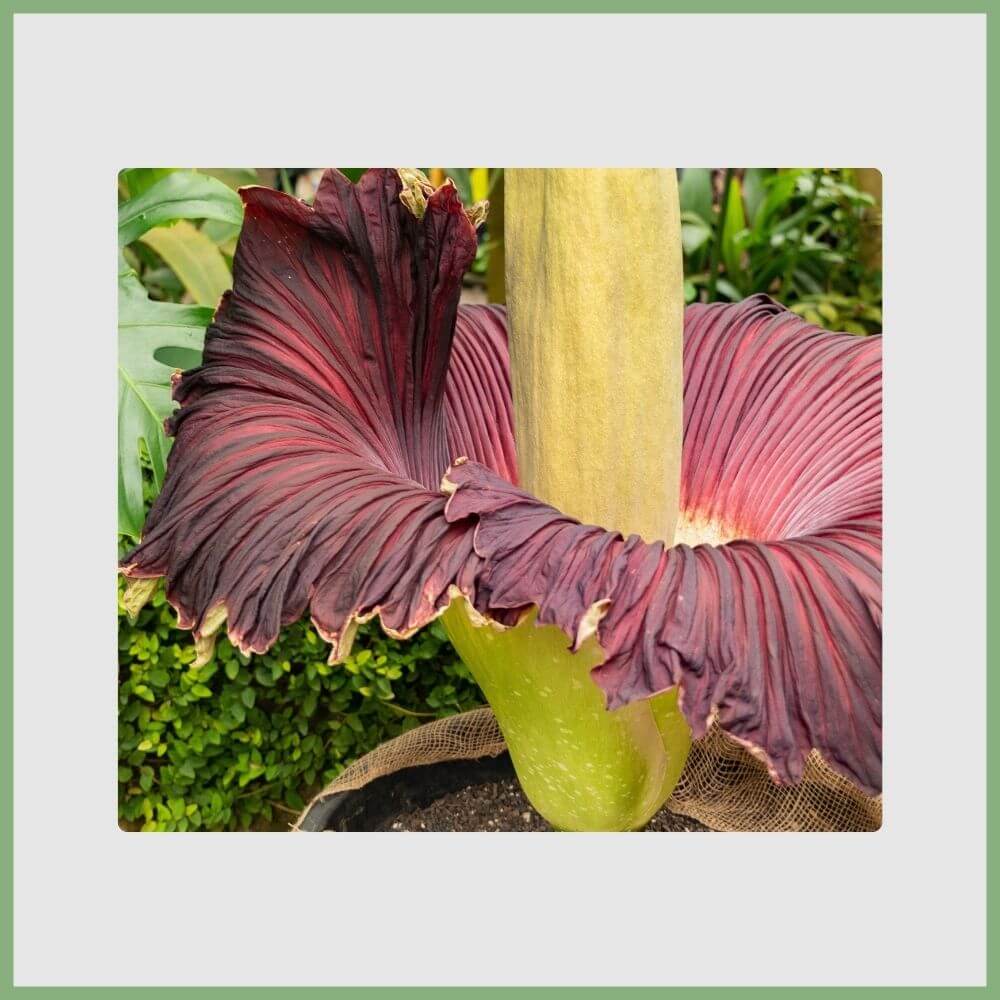
Famous for its overpowering odor of decaying flesh, the Corpse Flower attracts pollinators like carrion beetles. It can grow over 10 feet tall and may take 7–10 years to bloom. When it finally flowers, the event lasts only 24–48 hours. Botanical gardens worldwide announce blooms that draw massive crowds despite the smell.
Ghost Plant (Monotropa uniflora)
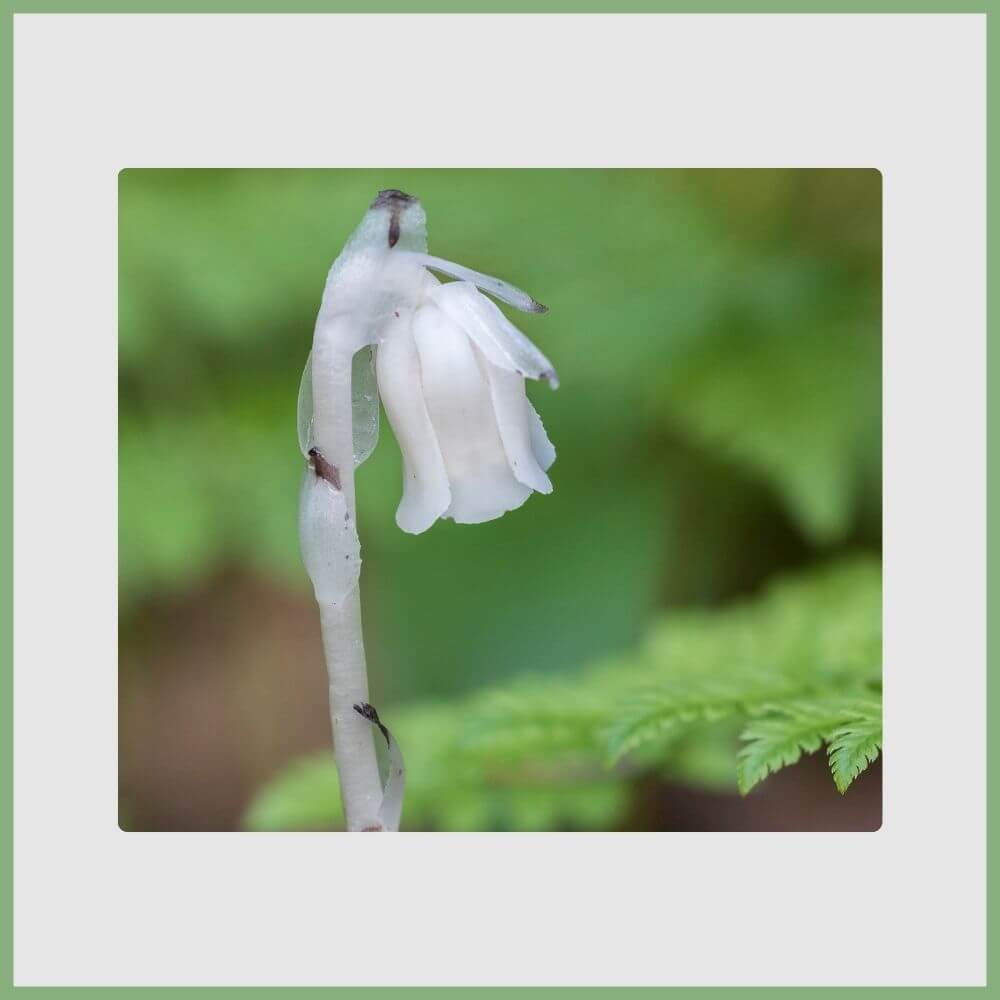
The Ghost Plant appears translucent white because it lacks chlorophyll. Instead of photosynthesis, it survives by drawing nutrients from fungi connected to tree roots. It emerges briefly from forest floors, often disappearing within days. Its glowing appearance in dark forests gives it an almost supernatural presence.
Parrot’s Beak (Lotus berthelotii)
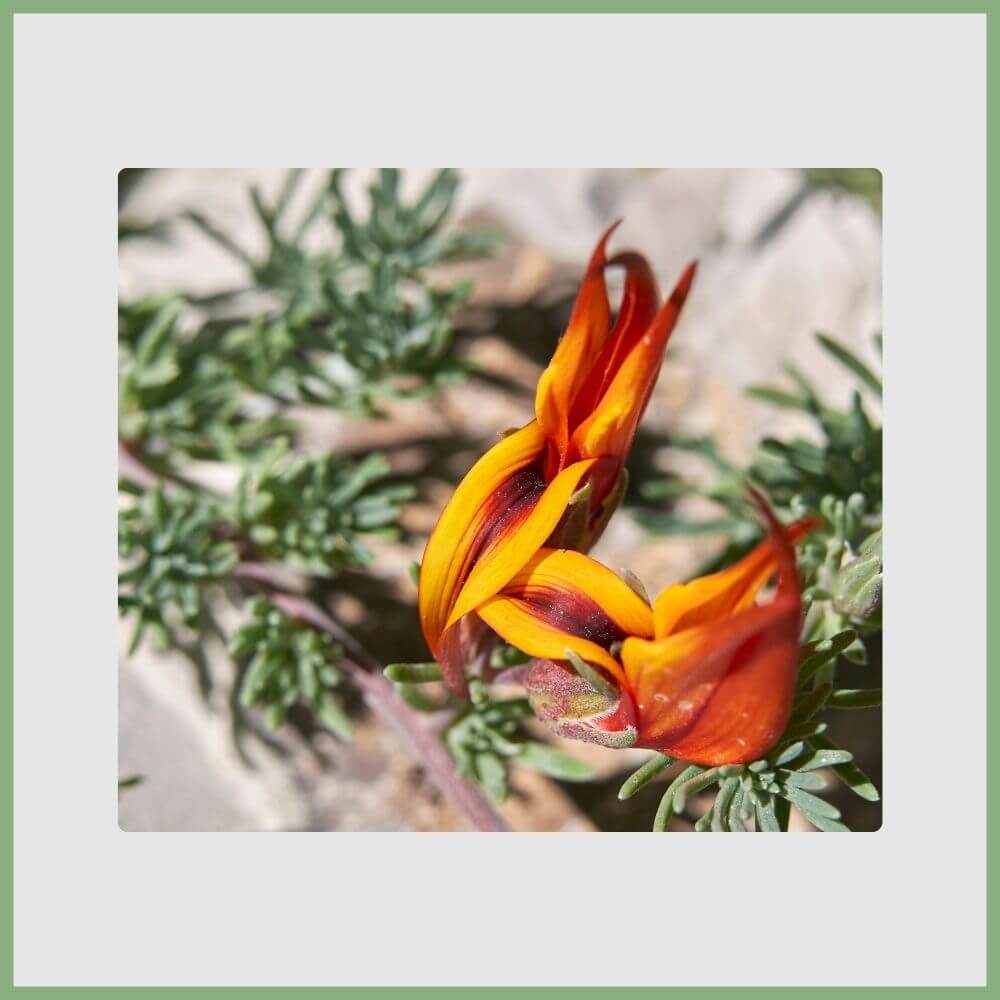
Native to the Canary Islands, this flower resembles a bright orange-red parrot’s beak. It is believed to be extinct in the wild due to the loss of its original pollinators. Today, it survives mainly in botanical collections. Its cascading growth creates striking visual displays despite its fragile conservation status.
Franklin Tree Flower (Franklinia alatamaha)
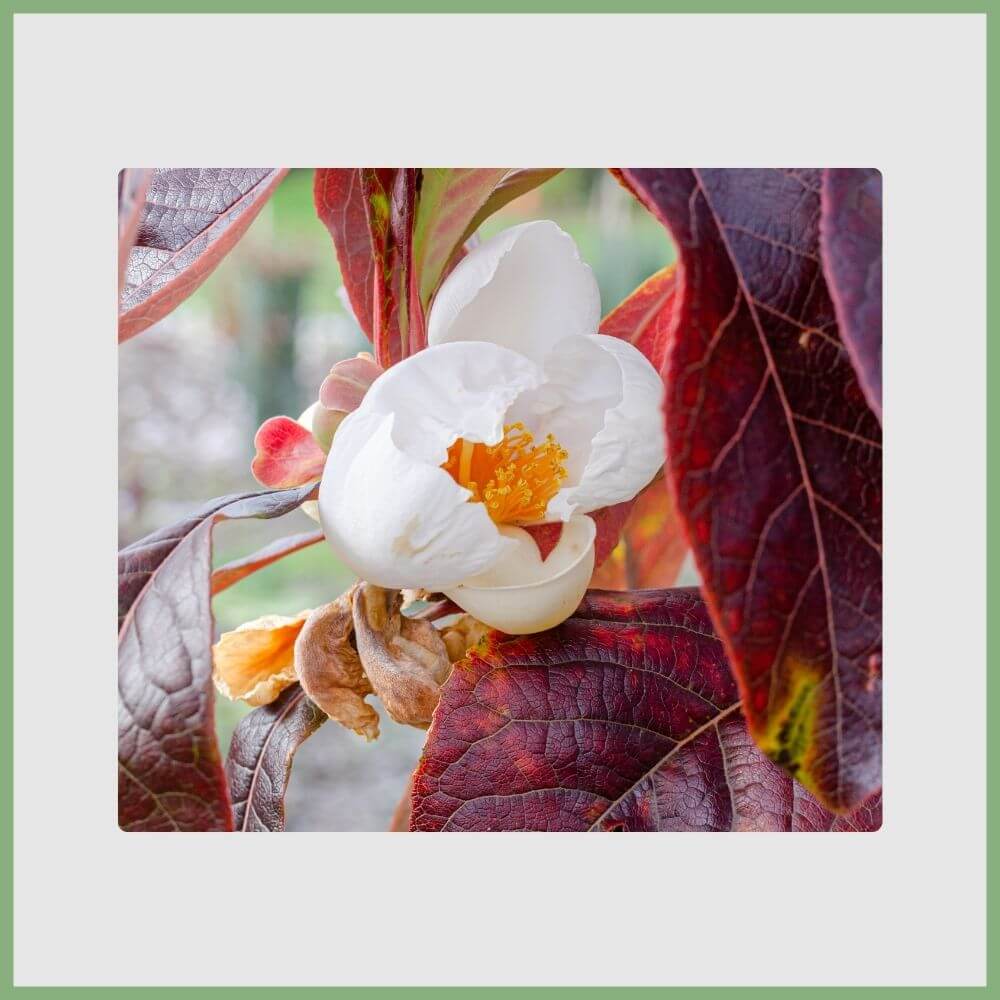
Discovered in Georgia in 1765, this species has been extinct in the wild since 1803. Every living Franklin Tree today descends from seeds collected by early botanists. Its white flowers and golden centers bloom in late summer, followed by vivid red foliage. The cause of its disappearance remains a mystery.
Gibraltar Campion (Silene tomentosa)
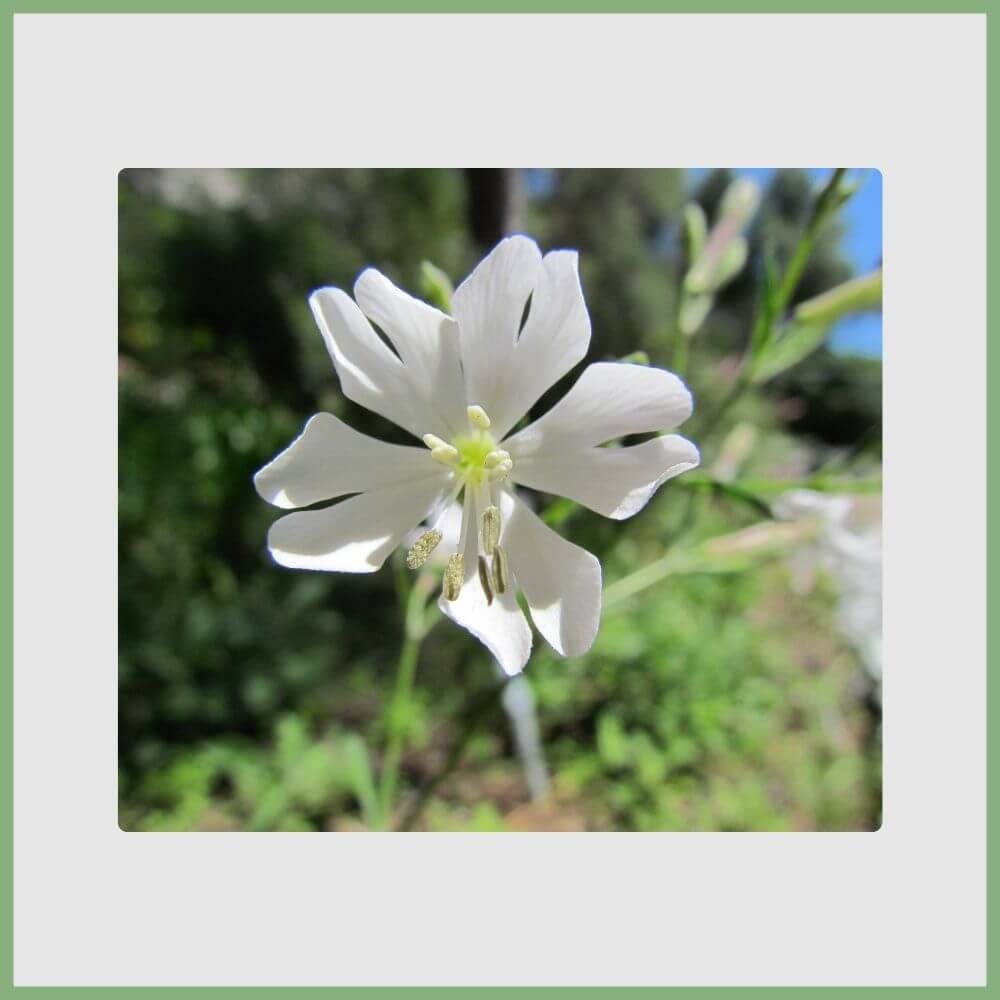
image by Bart Van Thienen lisenced Creative Commons Attribution-Share Alike 3.0 Unported Image source : https://commons.wikimedia.org
Declared extinct in 1992, this white-pink flowered plant was rediscovered two years later growing on Gibraltar’s cliffs. Seeds were rescued and propagated, making it a conservation success story. Despite its recovery, it remains critically endangered and carefully protected.
Blue Vanda Orchid (Vanda coerulea)
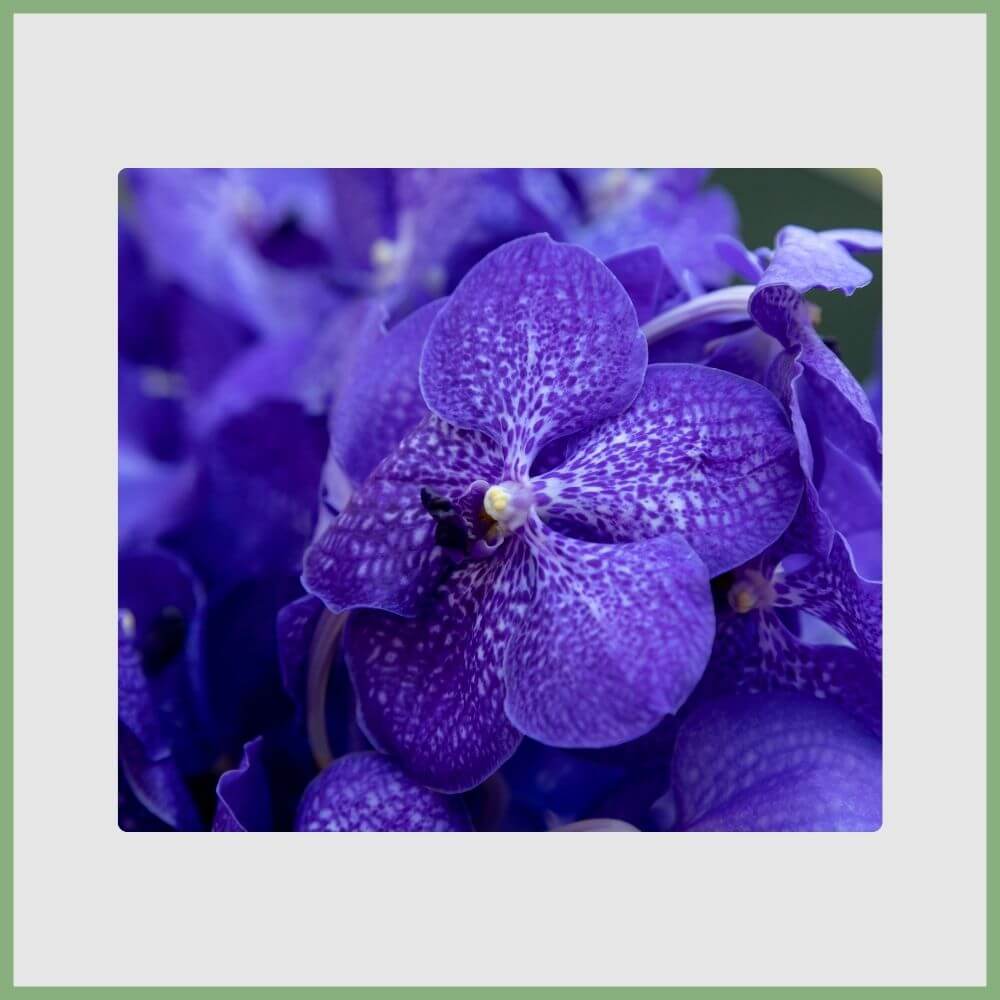
One of the few naturally blue flowers in existence, the Blue Vanda Orchid grows in Himalayan forests. Its tessellated blue-and-white petals can last up to six weeks. Overharvesting has pushed it toward extinction in the wild. Cultivating it requires precise humidity and temperature control.
Corpse Lily (Rafflesia arnoldii)
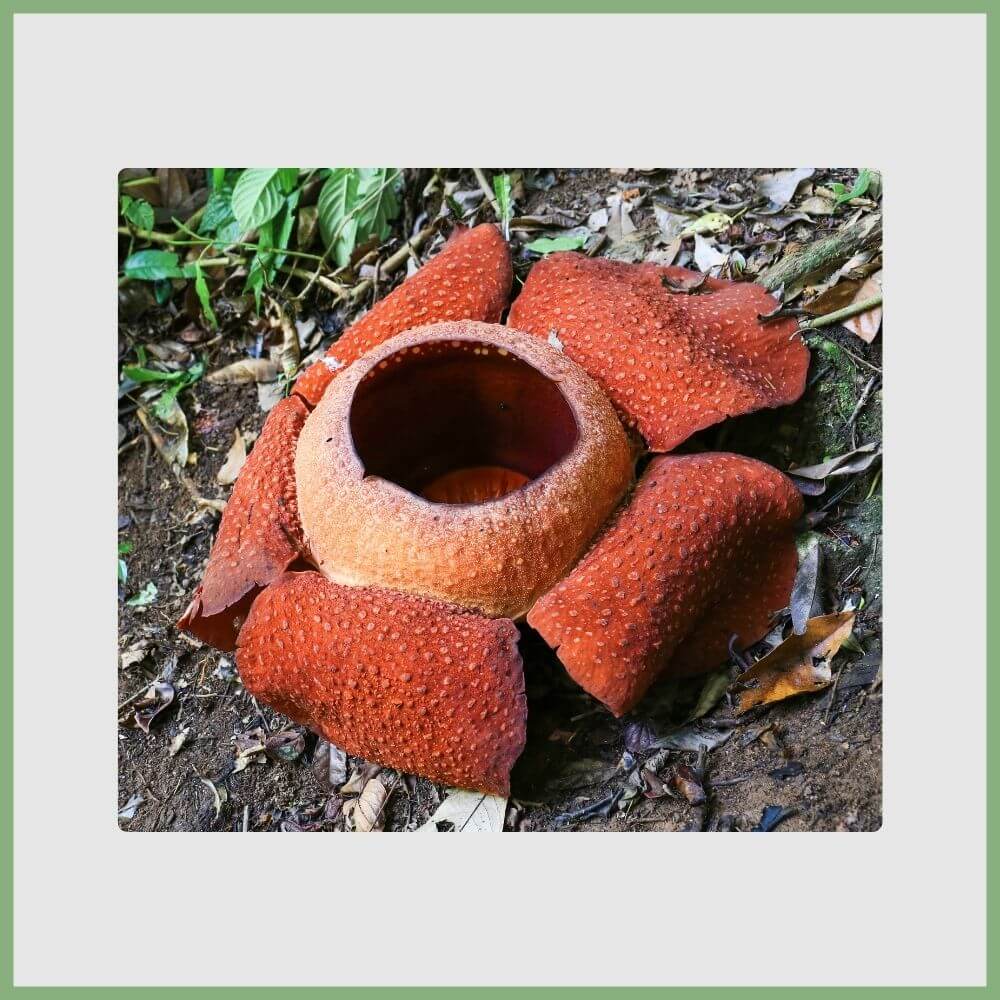
This parasitic flower produces the largest single bloom on Earth, reaching three feet across. It emits a strong odor of rotting meat to attract flies. The plant has no leaves, roots, or stems and survives entirely inside host vines. Its bloom lasts less than a week.
Black Bat Flower (Tacca chantrieri)
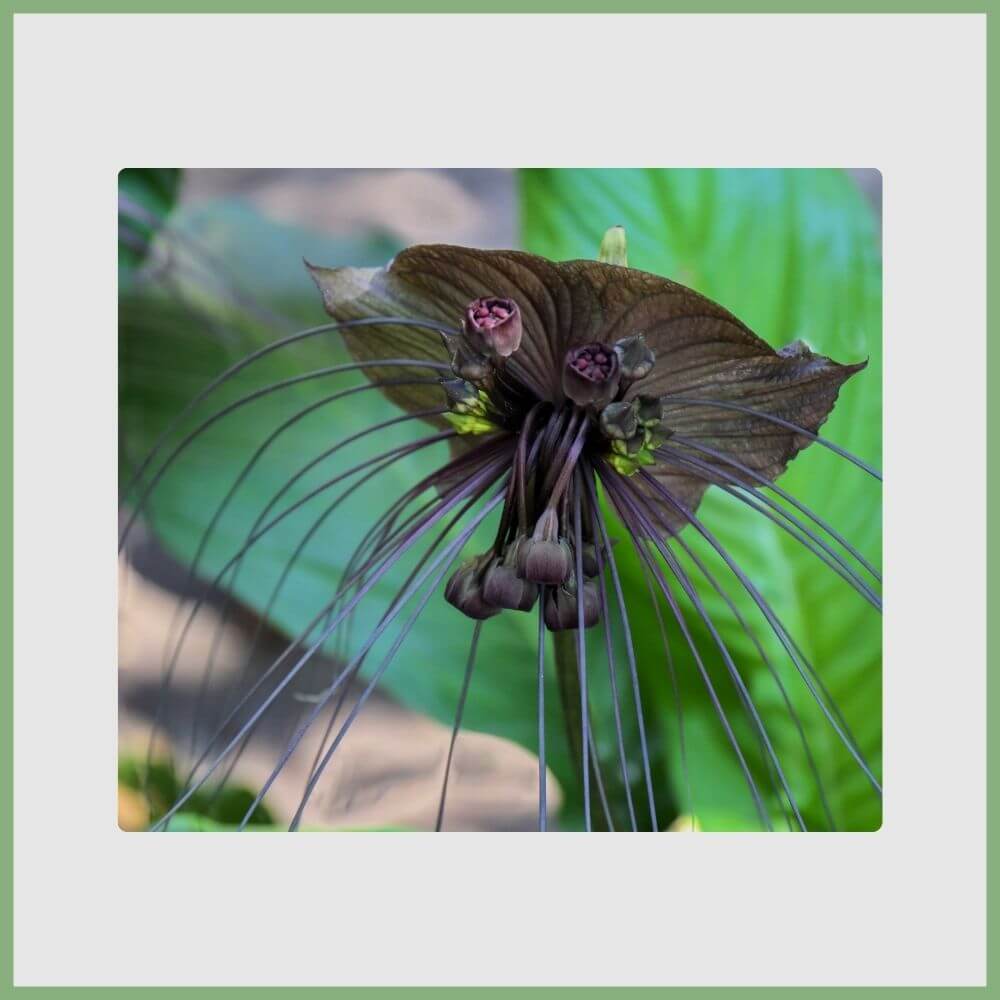
With dark petals and long whisker-like filaments, the Black Bat Flower resembles a bat in flight. Native to Southeast Asia, it thrives in deep jungle shade. While popular among collectors, it is difficult to grow outside tropical environments.
Blue Puya (Puya berteroniana)
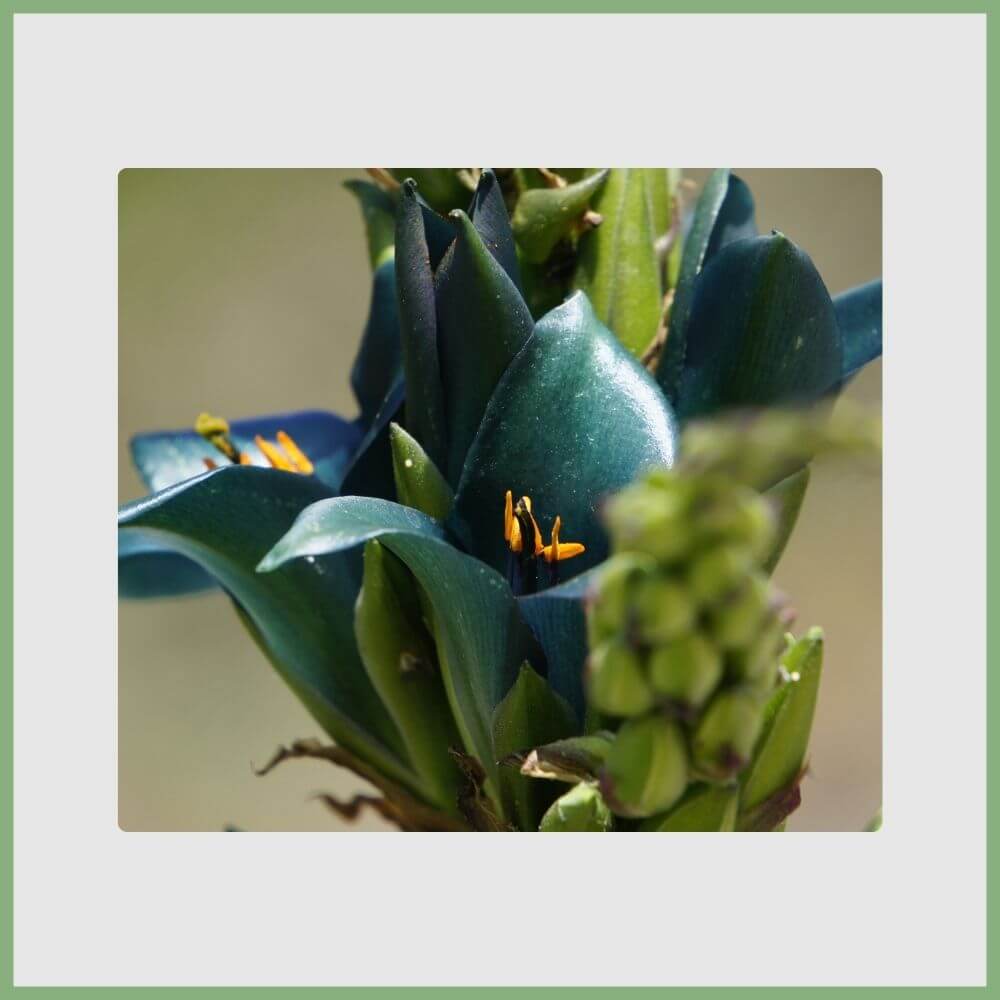
This Chilean native produces striking electric-blue flowers on tall spikes. It can take 15–20 years to bloom, after which the plant dies. Sharp spines protect it from grazing animals. Each bloom is a once-in-a-lifetime event.
Juliet Rose (Rosa ‘Juliet’)
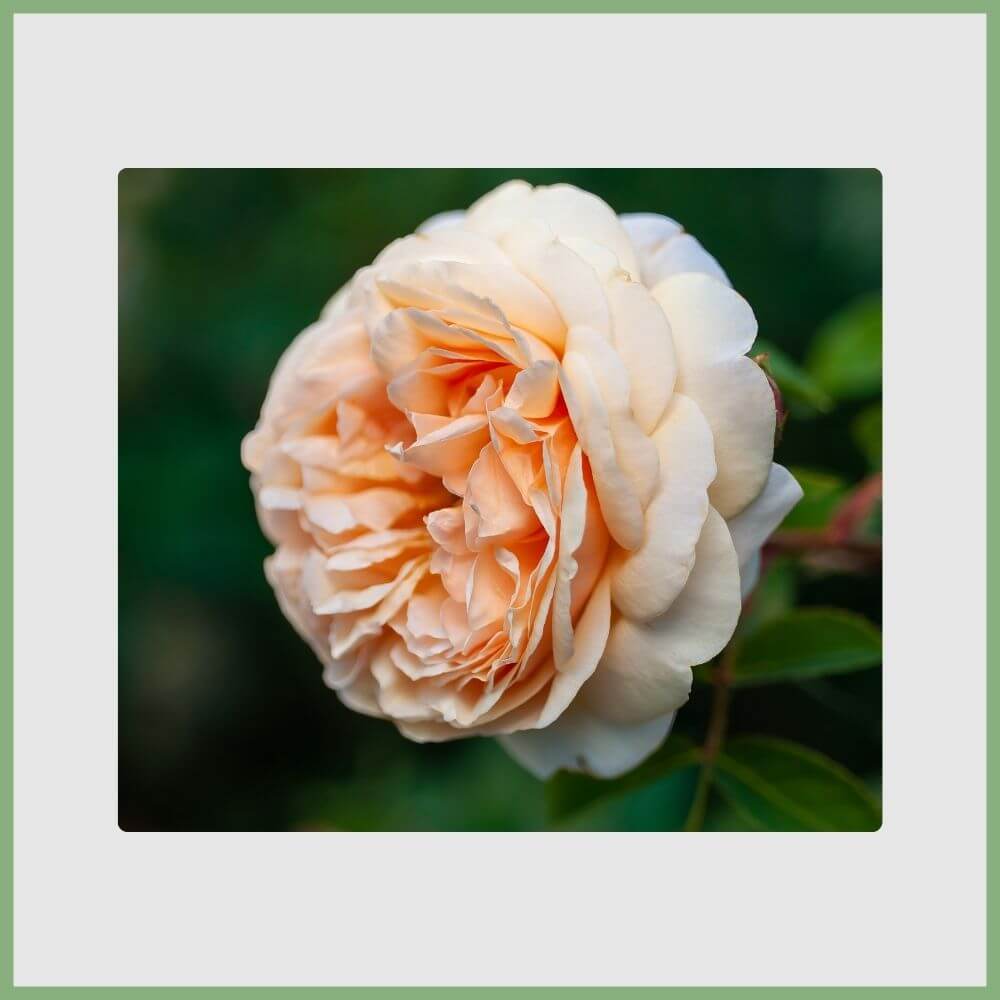
Developed over 15 years at a cost of $5 million, the Juliet Rose debuted in 2006. Its peach-toned petals form a perfect rosette with up to 90 layers. Often called the world’s most expensive rose, it is prized for luxury weddings and special occasions.
Sea Poison Tree Flower (Barringtonia asiatica)
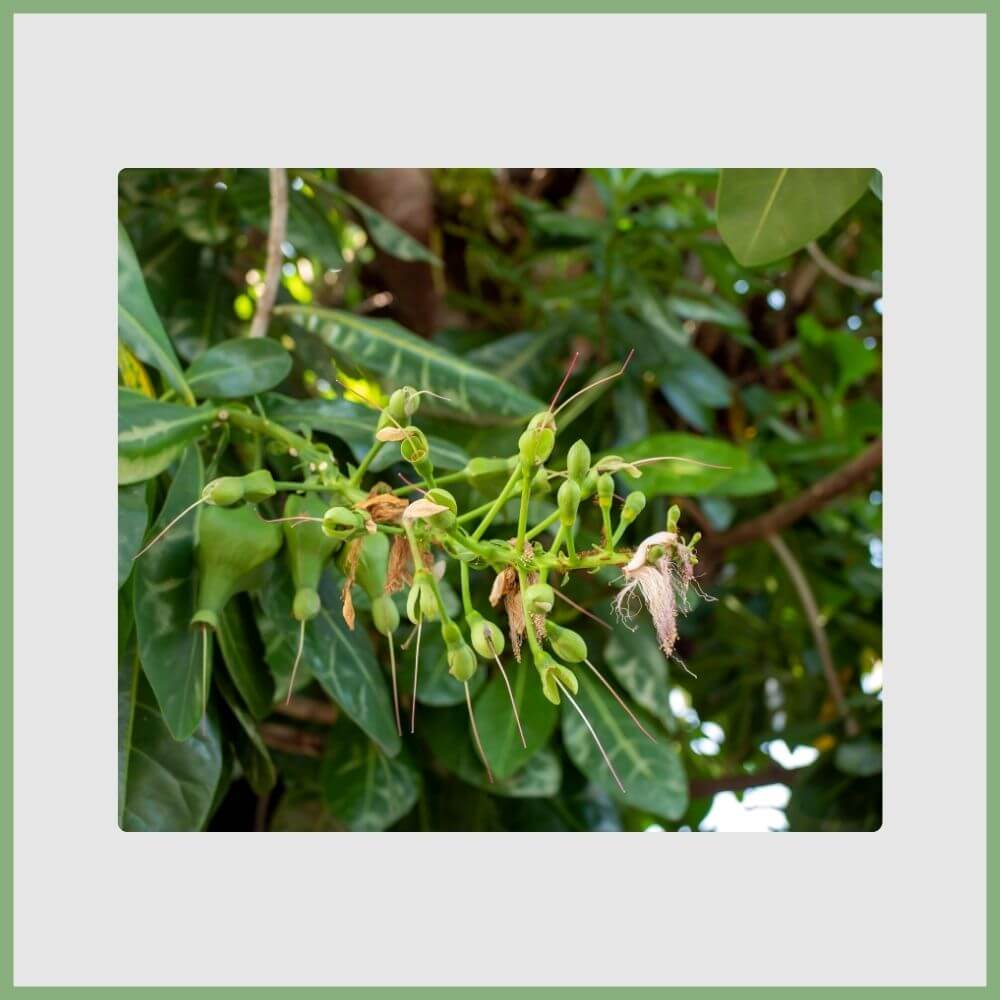
This coastal tree blooms at night, producing pompom-like flowers with long pink-tipped stamens. Despite its beauty, all parts of the tree are toxic. Its floating fruits allow it to spread across tropical shorelines worldwide.
Lady Slipper Orchid (Cypripedium calceolus)
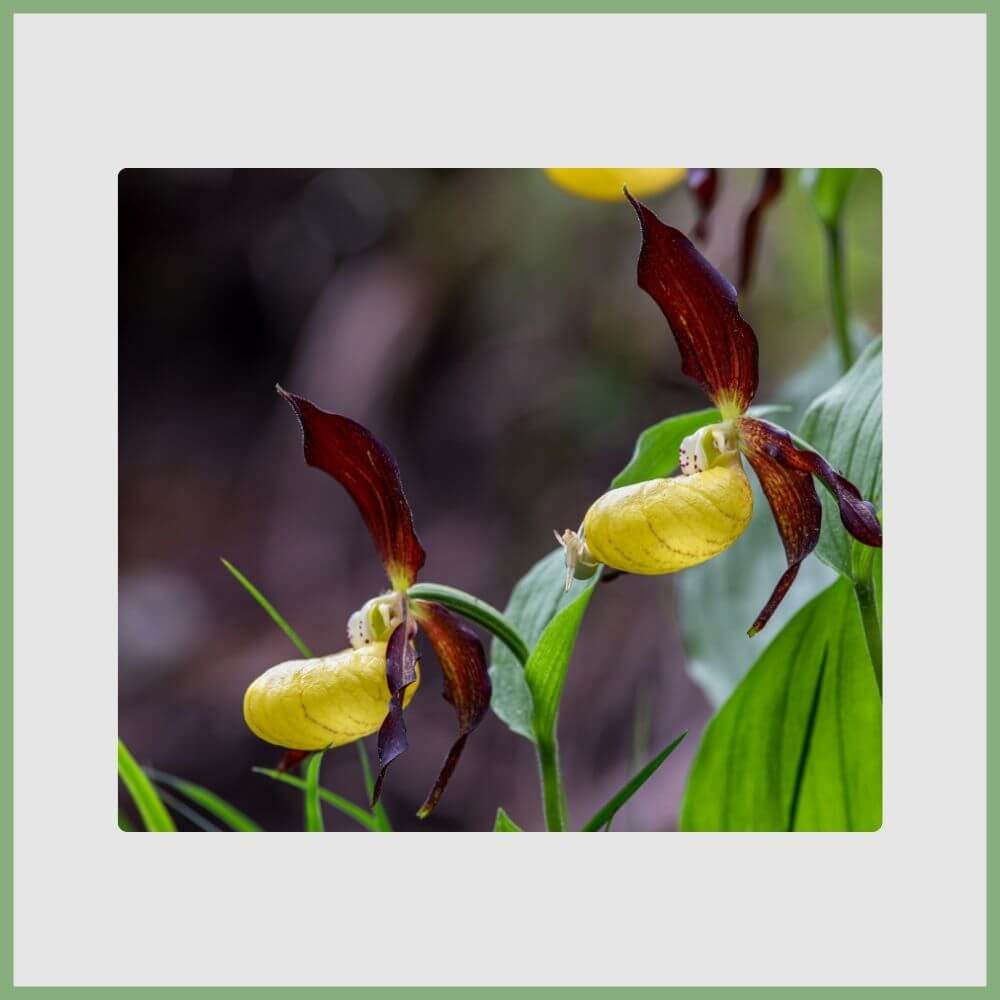
This long-lived orchid can take decades to flower and live over a century. Its pouch-shaped bloom traps insects for pollination. Due to poaching, wild locations are kept secret. Some populations are monitored around the clock.
Snowdonia Hawkweed (Hieracium snowdoniense)
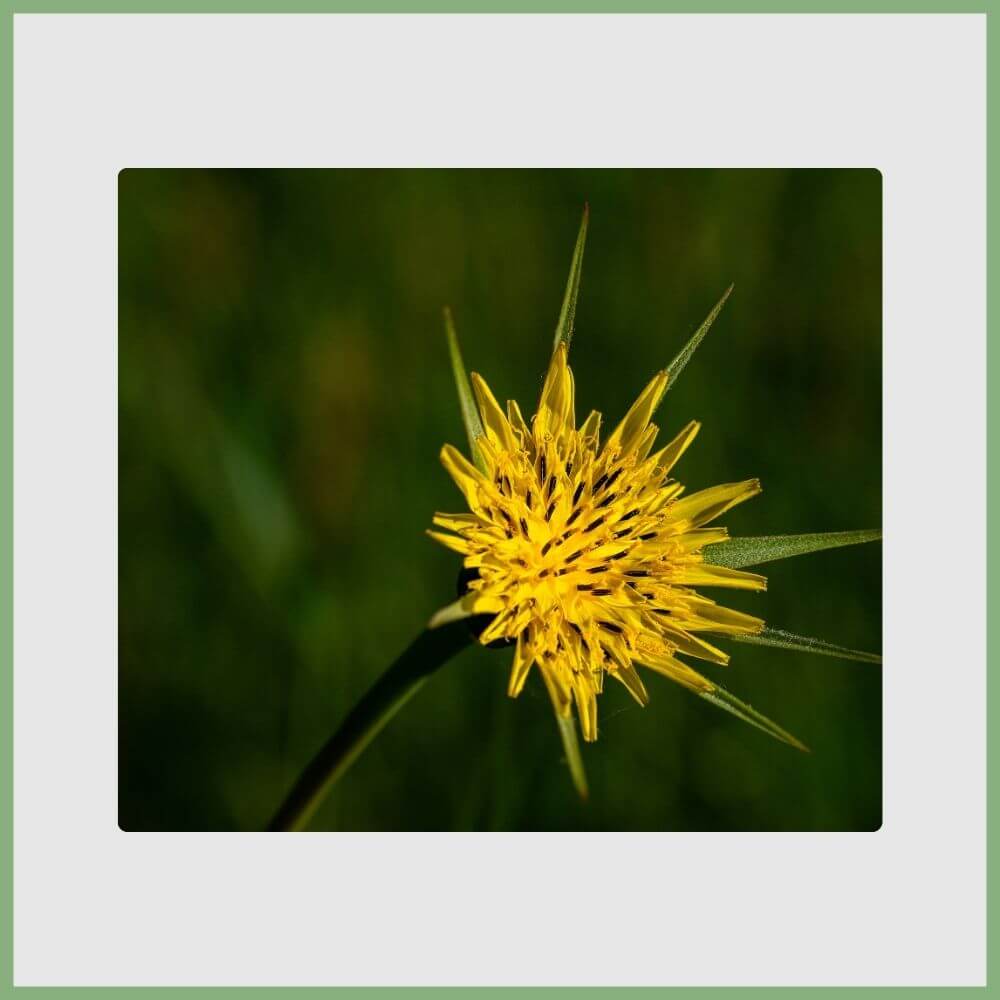
Once believed extinct, this Welsh flower was rediscovered in 2002. Genetic testing confirmed it as a unique species found nowhere else. Conservation programs have since propagated it, though it remains extremely rare.
Chilean Bellflower (Lapageria rosea)
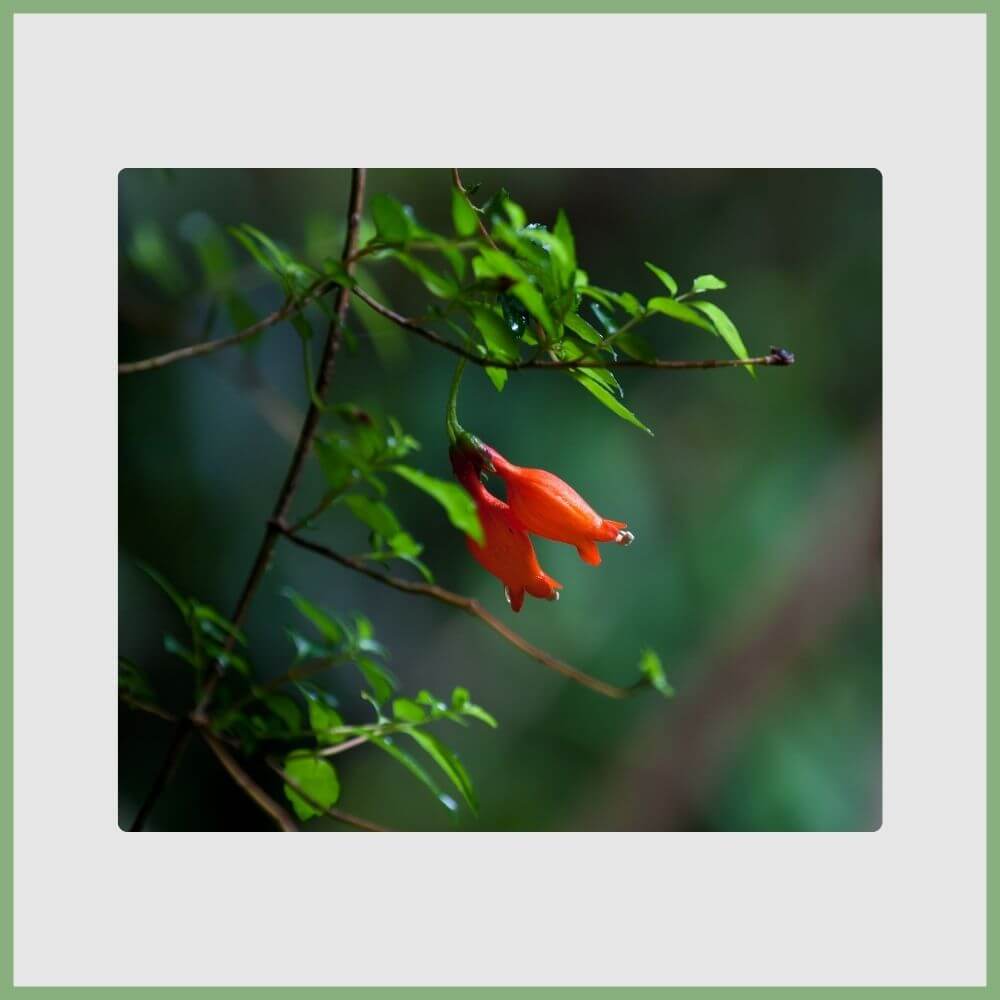
Chile’s national flower features waxy, bell-shaped blooms that last for weeks. It grows slowly in temperate rainforests and requires specific conditions. Habitat loss has made wild specimens increasingly rare.
Monkey Orchid (Dracula simia)
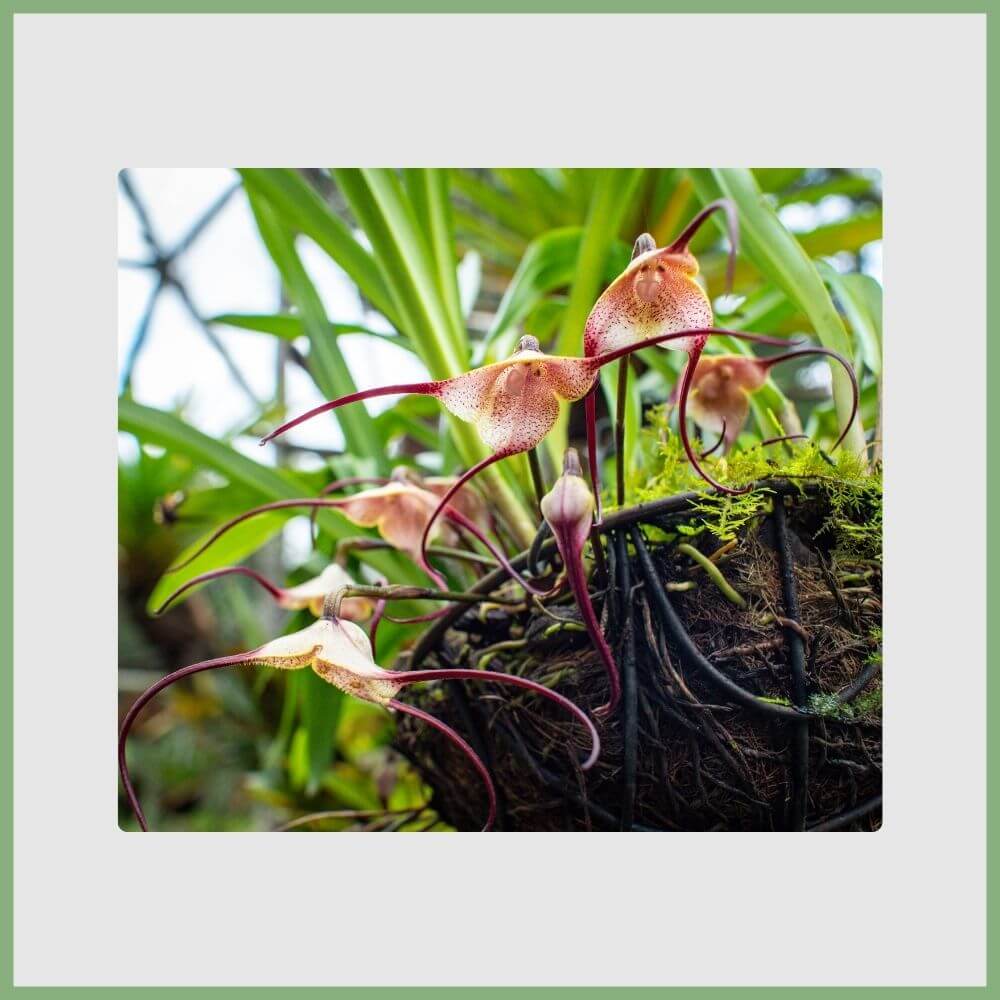
Named for its uncanny monkey-face appearance, this orchid grows in Andean cloud forests. It emits a citrus-like fragrance and thrives only at high elevations. Cool temperatures and constant humidity are essential for survival.
Kokia Cookei
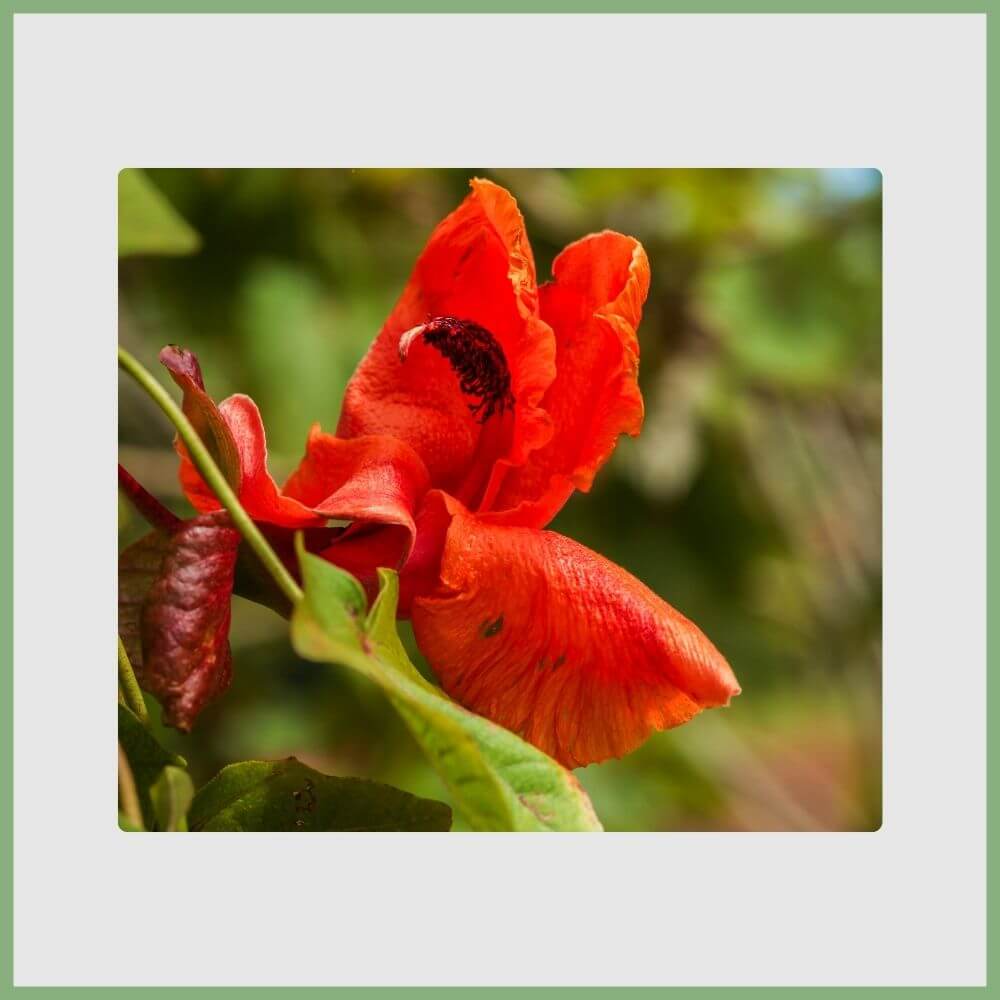
Once reduced to a single surviving tree, this Hawaiian species narrowly escaped extinction through grafting. Its red flowers evolved to attract now-extinct birds. Fewer than 100 specimens exist today.
White Egret Orchid (Habenaria radiata)
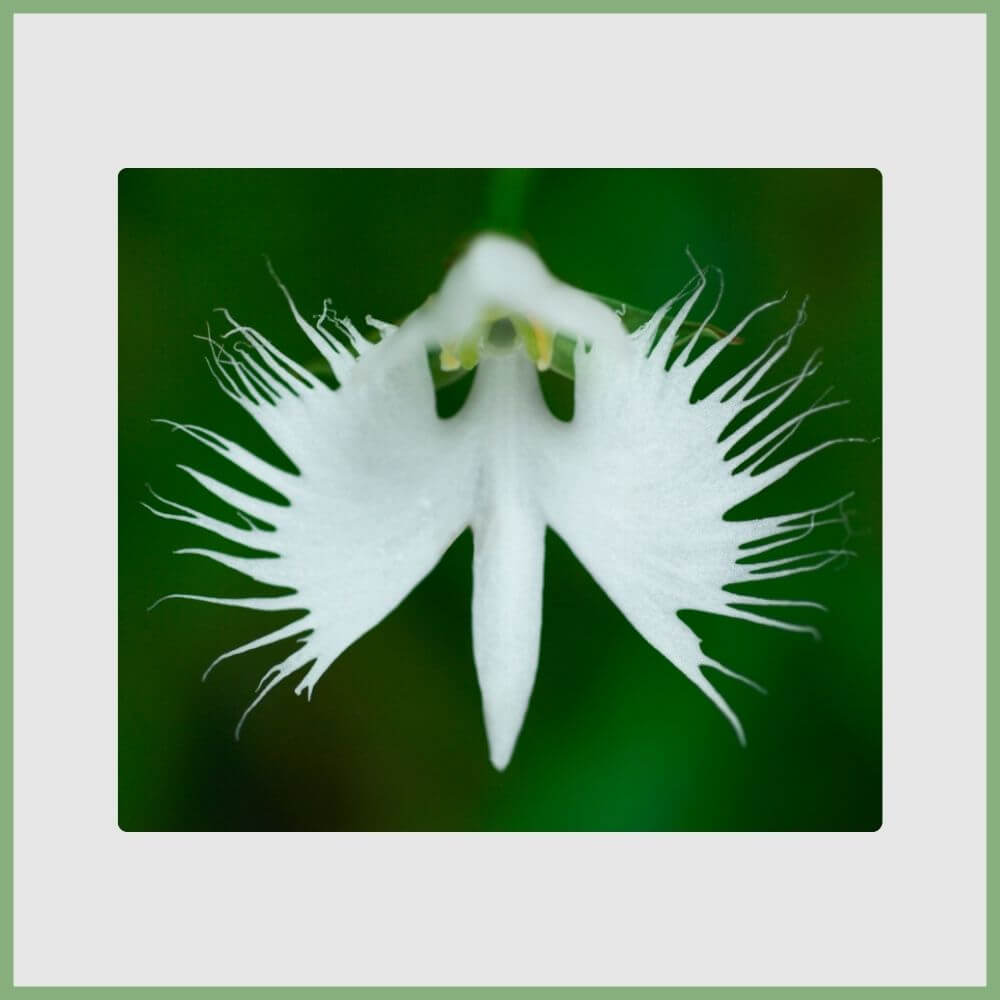
This Japanese orchid resembles a flying white egret with its fringed petals. Once common in wetlands, it has declined due to habitat destruction. It holds deep cultural significance in Japan.
Queen of the Andes (Puya raimondii)
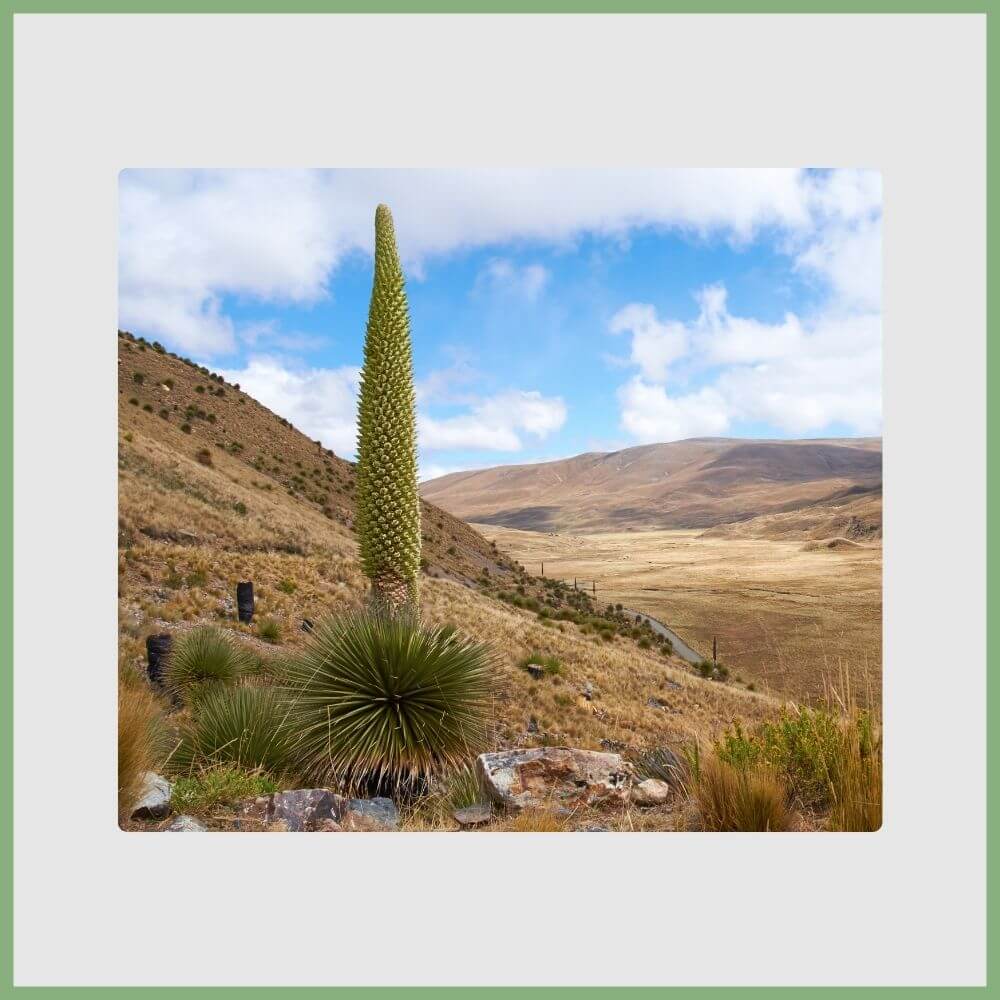
The largest flowering plant in the world, it blooms once after 80–100 years, then dies. Its towering flower spike can reach 30 feet tall. Climate change threatens its high-altitude habitat.
Rose Campion (Silene coronaria)
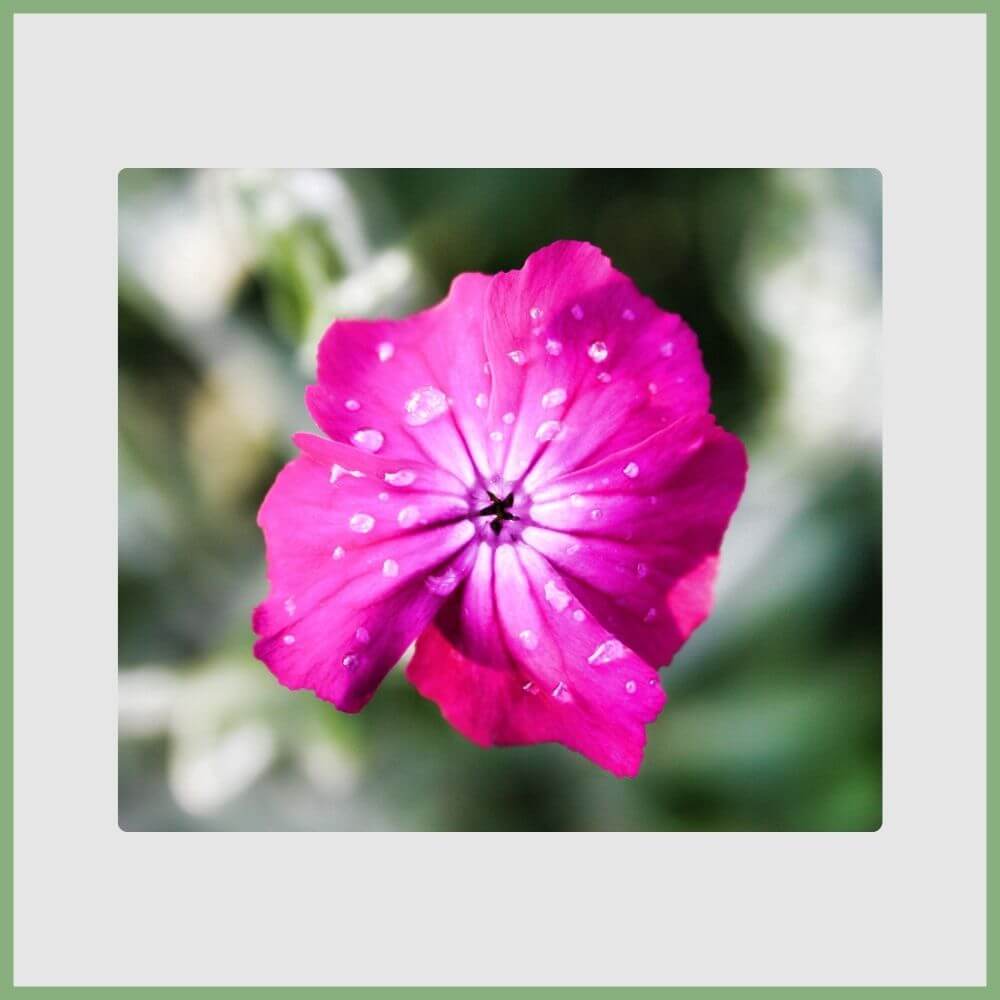
Known for vivid pink blooms and silvery foliage, this flower thrives in rocky soils. Though not critically endangered, it remains uncommon in the wild. Its woolly leaves conserve moisture efficiently.
The World’s Top 5 Rarest Flowers
Here are five beautiful rarest flowers that stand out for their stunning appearance and remarkable uniqueness:
Jade Vine (Strongylodon macrobotrys)
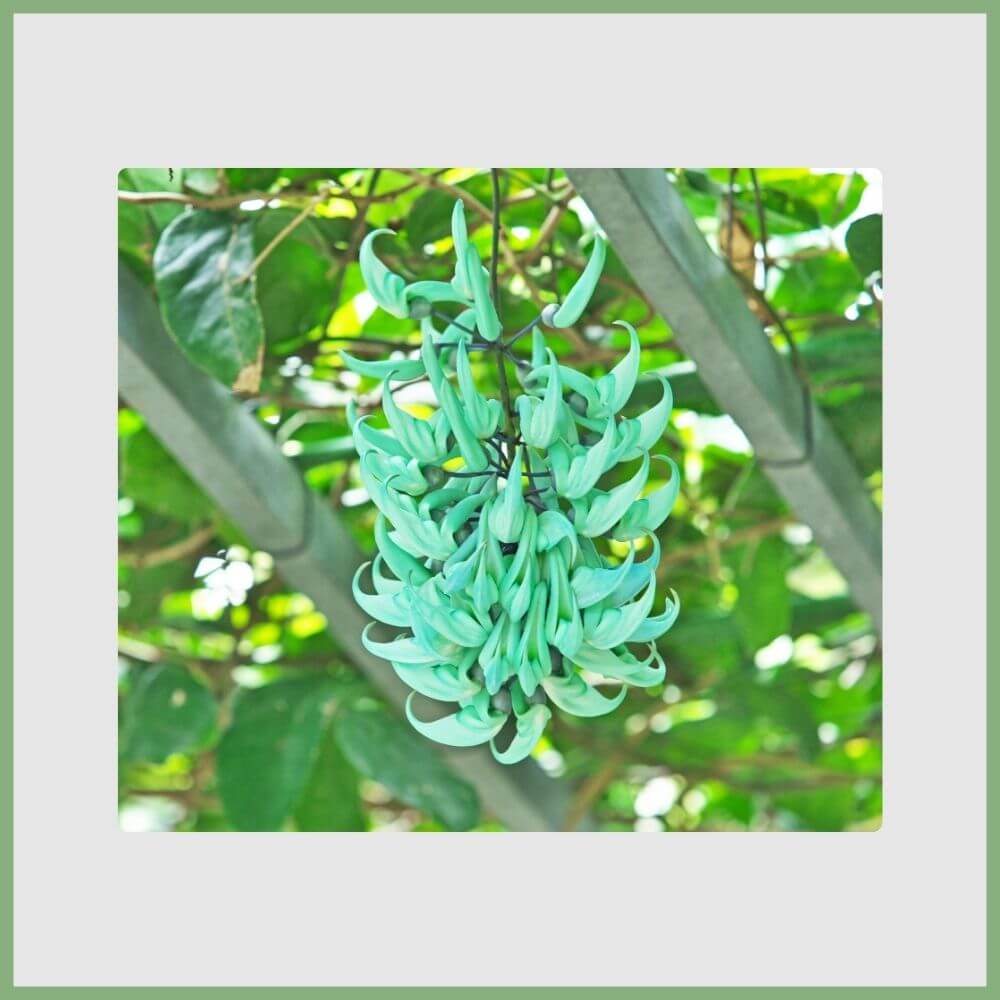
This vibrant turquoise marvel creates a surreal waterfall of claw-shaped blossoms that glow with an almost otherworldly light. Native to the Philippines, it depends on bats for pollination but faces severe habitat loss. Its unique color makes it a prized subject for photographers and botanical enthusiasts alike.
- Cascading clusters can reach up to three feet long, creating a dazzling display.
- Its bright turquoise color is caused by rare pigments unique in the plant world.
- Critically endangered due to deforestation of Philippine rainforests.
Ghost Orchid (Dendrophylax lindenii)
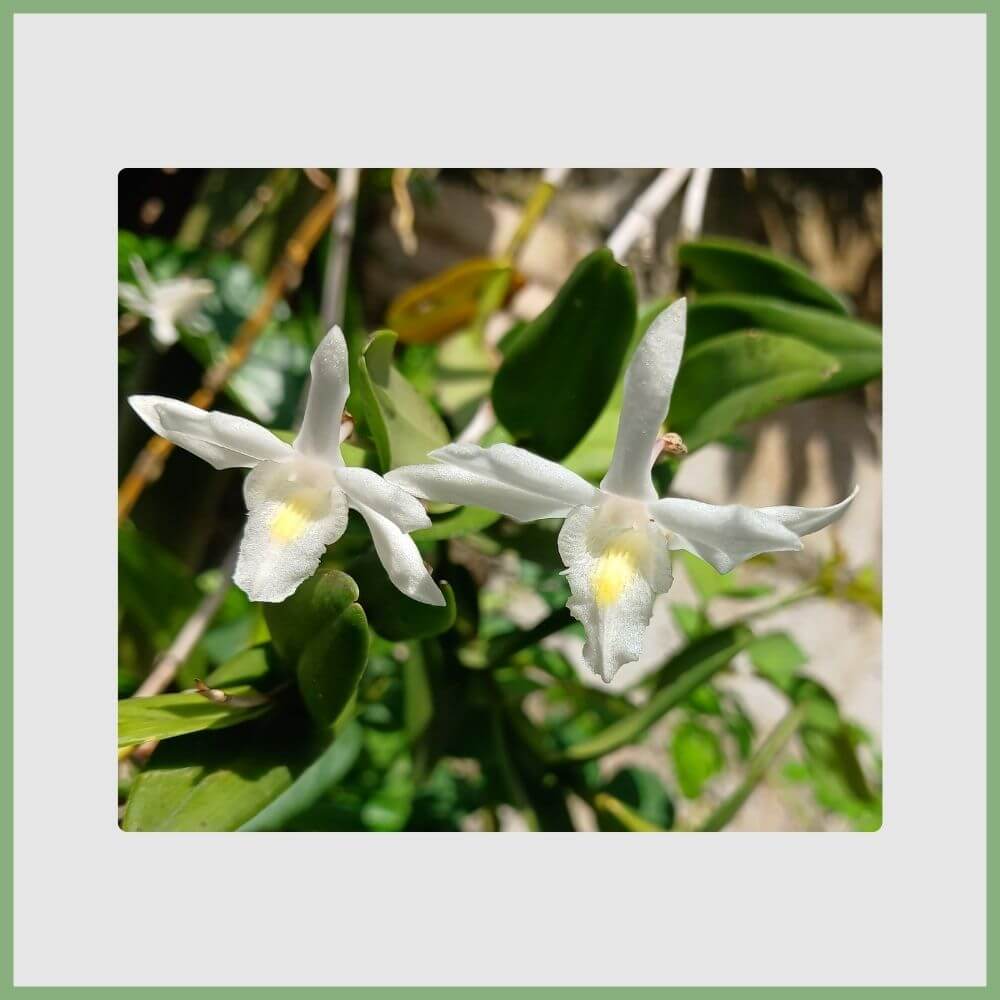
Floating ethereally without leaves, this ghostly white orchid seems to hover mid-air in Florida’s swamps. Blooming unpredictably after years of dormancy, it’s a legend among orchid collectors. Its rare night fragrance attracts only one pollinator. The giant sphinx moth.
- Appears leafless, making it look like a floating apparition.
- Blooms can be absent for years, making sightings incredibly rare.
- Pollinated exclusively by a single moth species, adding to its fragility.
Middlemist Red (Camellia japonica ‘Middlemist’s Red’)
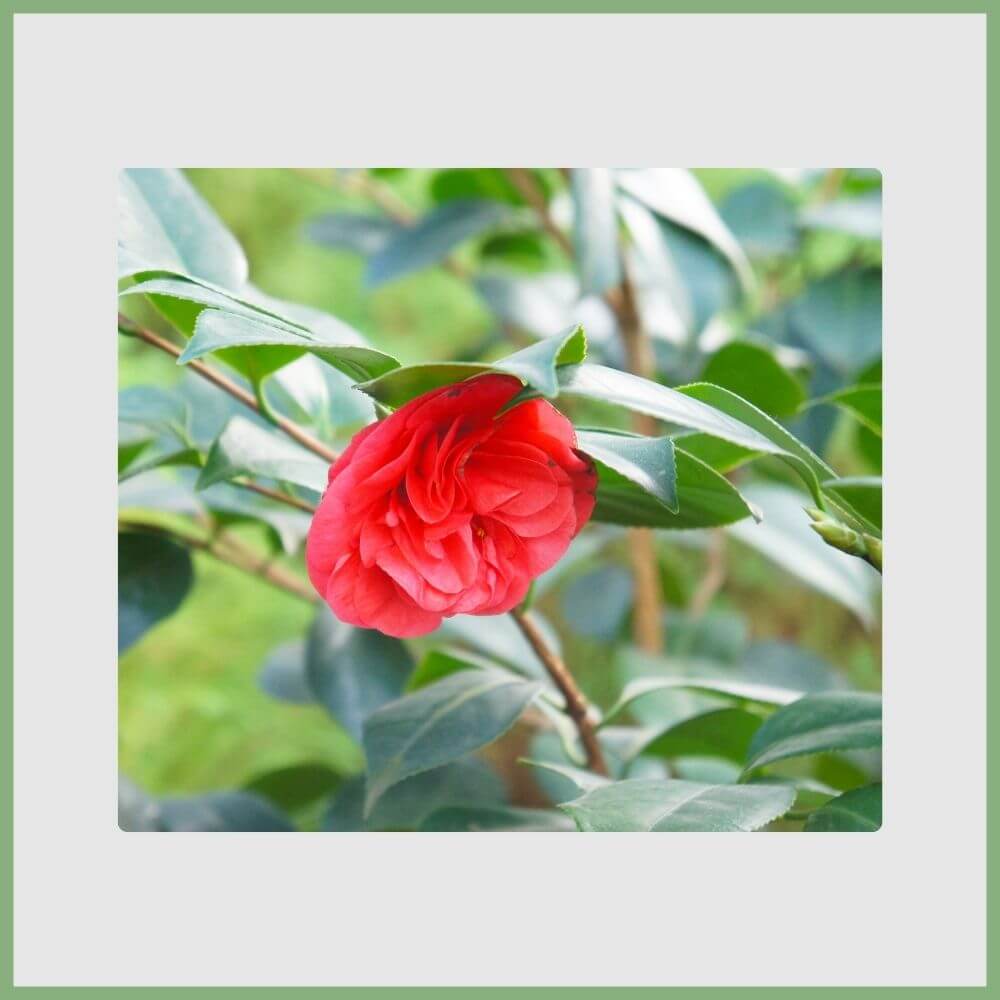
With only two known plants in existence, this flower is literally rarer than most precious gems. Its lush, deep pink blooms are perfectly layered and a living link to botanical history. Once native to China, it survives today only in two protected gardens.
- Only two plants known worldwide, making it the rarest flower on Earth.
- Each bloom has intricate layers of delicate petals unmatched in beauty.
- Represents an irreplaceable piece of botanical heritage and conservation.
Fire Lily (Gloriosa superba)
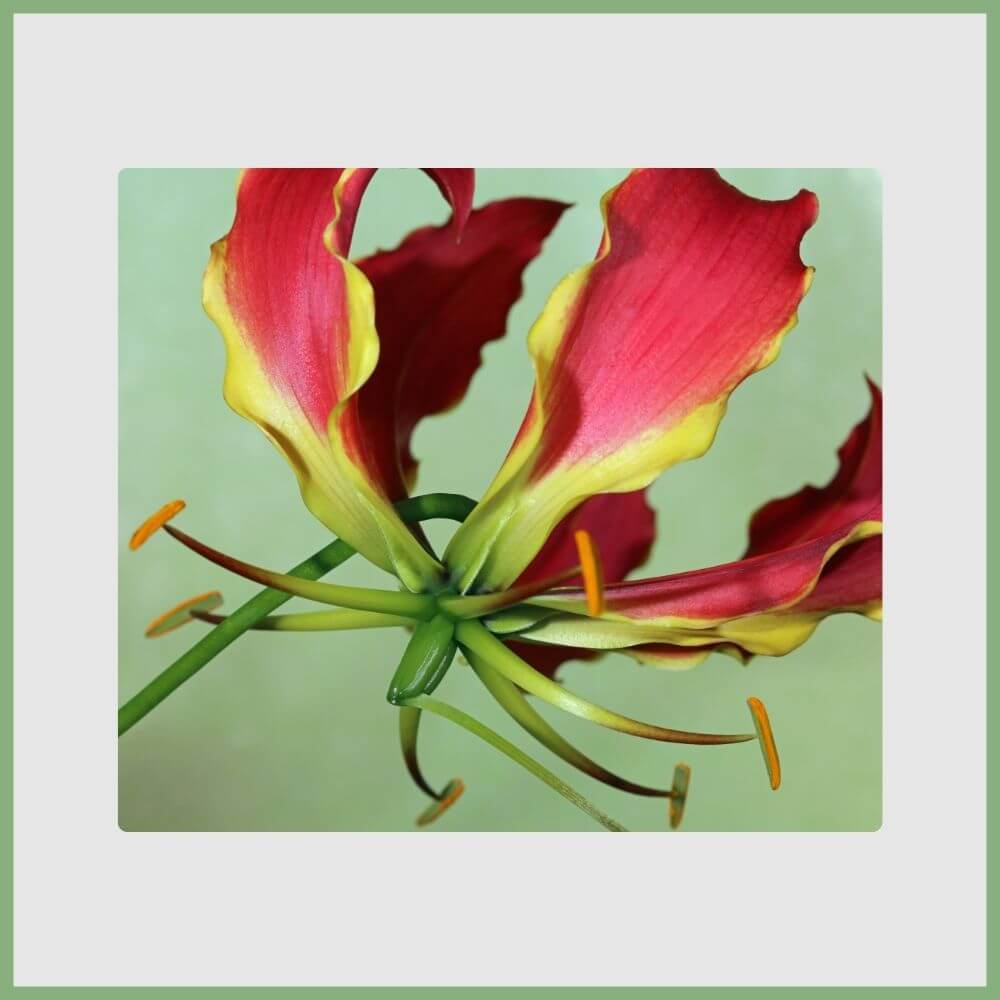
This fiery bloom boasts curling petals in striking reds and yellows that shift color as they mature. Native to Africa and Asia, it climbs with specialized tendrils and carries potent toxins. Despite its danger, it holds deep cultural significance, especially as Zimbabwe’s national flower.
- Dramatic, flame-like petals change color as the flower ages.
- Highly toxic but celebrated for cultural and symbolic reasons.
- Uses tendrils to climb up to six feet, thriving in tropical environments.
Chocolate Cosmos (Cosmos atrosanguineus)
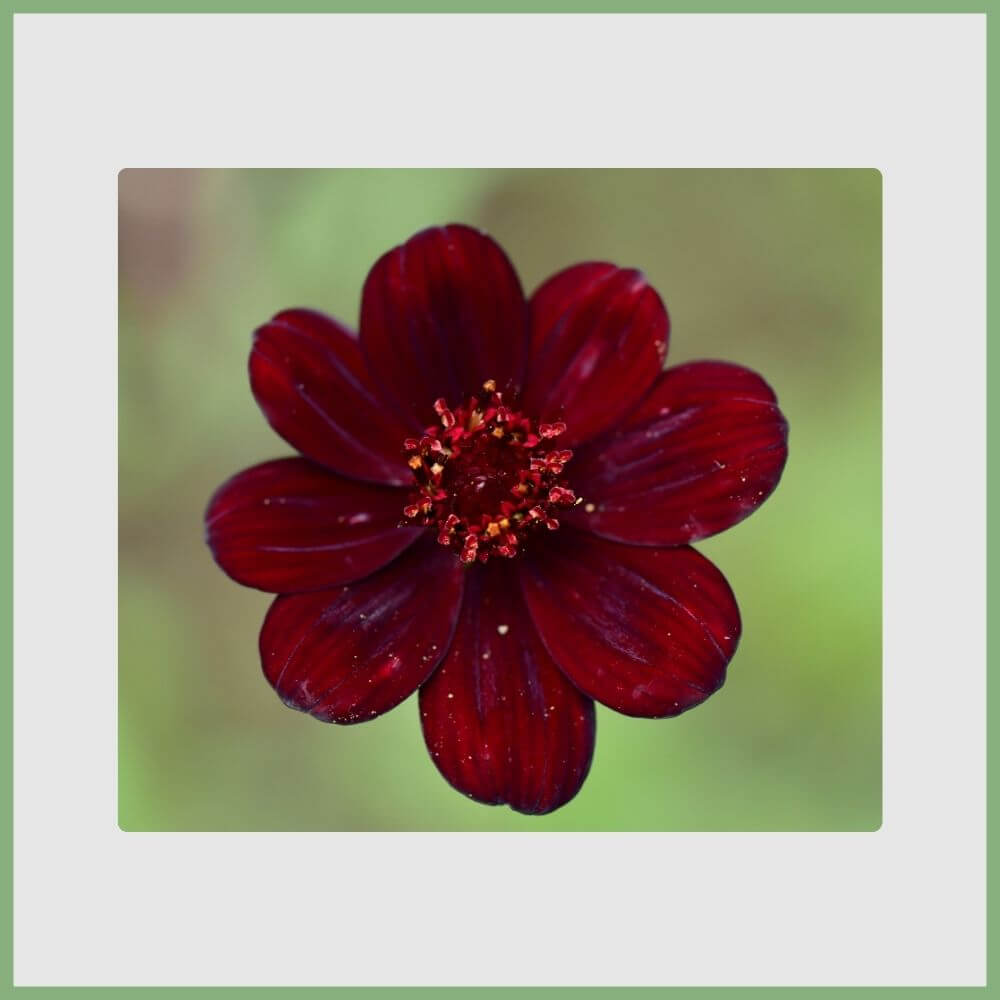
With velvety deep maroon petals and an intoxicating chocolate scent, this flower delights multiple senses. Extinct in the wild since the 1800s, all existing plants descend from a single sterile clone. Gardeners prize it for its elegance and rare aromatic charm.
- Unique chocolate fragrance intensifies on warm, sunny days.
- Completely extinct in the wild; all plants are sterile clones.
- Combines striking color with a sensory experience unlike any other flower.
FAQs About Rare Flowers
What is the single most rare flower?
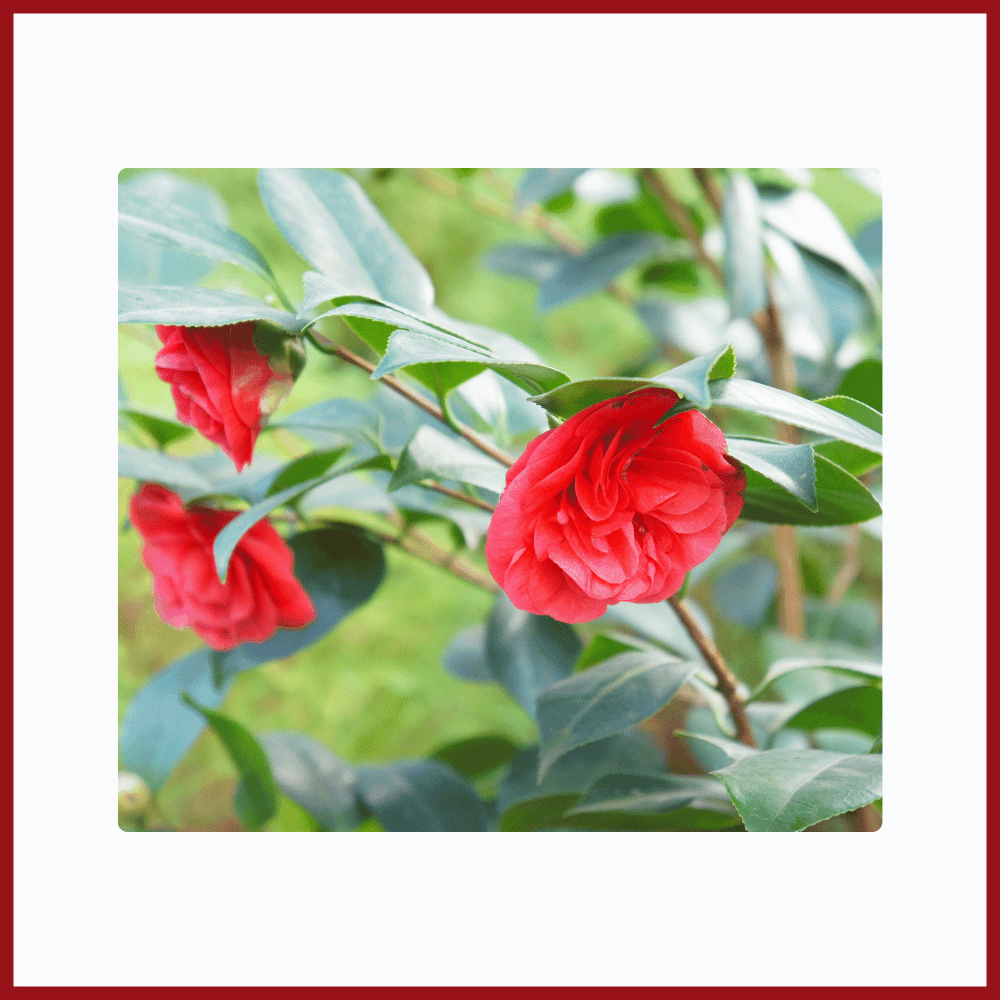
The Middlemist Red (Camellia japonica 'Middlemist's Red') is known as the rarest flower in the world, with only two known plants surviving today. Its deep pink blooms are a living botanical treasure, making it incredibly precious and nearly impossible to find. This extreme rarity highlights the urgent need for plant conservation worldwide.
What is name of a unique flower?
The Ghost Orchid stands out with its truly unique name, inspired by its ethereal, floating white appearance and leafless form. It is extremely rare and blooms unpredictably, often hidden deep within swamps. Its mysterious look and elusive nature have made it a legend among orchid enthusiasts.
What are luxury flowers?
Luxury flowers like the Juliet Rose, Orchid, and Lily of the Valley are prized for their rarity, exquisite fragrance, and high market value. These flowers often require special care or have limited growing conditions, adding to their exclusivity. They are favorites in upscale floral arrangements and luxury events due to their elegance and symbolism.
A flower is considered rare when it grows only in very specific habitats, has a limited blooming period, or when very few specimens remain in existence. Factors like habitat loss, climate change, and overharvesting contribute to their rarity. Such flowers often need protection efforts to ensure they do not disappear entirely.
Which flower blooms only once in a lifetime?
The Queen of the Andes (Puya raimondii) is an extraordinary flower that blooms only once after 80 to 100 years of growth before dying. This rare event produces a massive flower spike with thousands of blossoms, making it a breathtaking and unique spectacle. Its long lifespan and one-time bloom emphasize the plant’s remarkable survival strategy.
Which flower is called the Queen of the Night?
The Kadupul Flower earns the title “Queen of the Night” because it blooms only during the nighttime hours and wilts before dawn. Its delicate, fragrant white petals last just a few hours, making it one of the most fleeting and enchanting flowers. This rare nocturnal blooming adds to its mystical and highly valued nature.
Winding-Up
Exploring these 25 rare flowers with their names and unique shaped pictures reveals how fragile and extraordinary plant life can be. Many of these species exist today only because of careful human intervention. By learning their names and stories, you help keep awareness alive and support global conservation efforts.
👉 If you enjoyed learning about rare flowers, don’t miss our other detailed guides:
- 🌿 Names of Medicinal Trees and Their Benefits – Discover 30 powerful healing trees used in traditional medicine and modern remedies.
- 🌸 18+ Flowering Trees with Pink Flowers – Explore the most charming pink-flowering trees that color spring landscapes.
- 🌼 23 Brown Flowers with Names and Pictures – Learn about the most unusual and earthy-toned blooms that bring elegance to any garden.
Each of these guides expands your botanical knowledge and helps you appreciate how diverse and fascinating the plant world truly is.