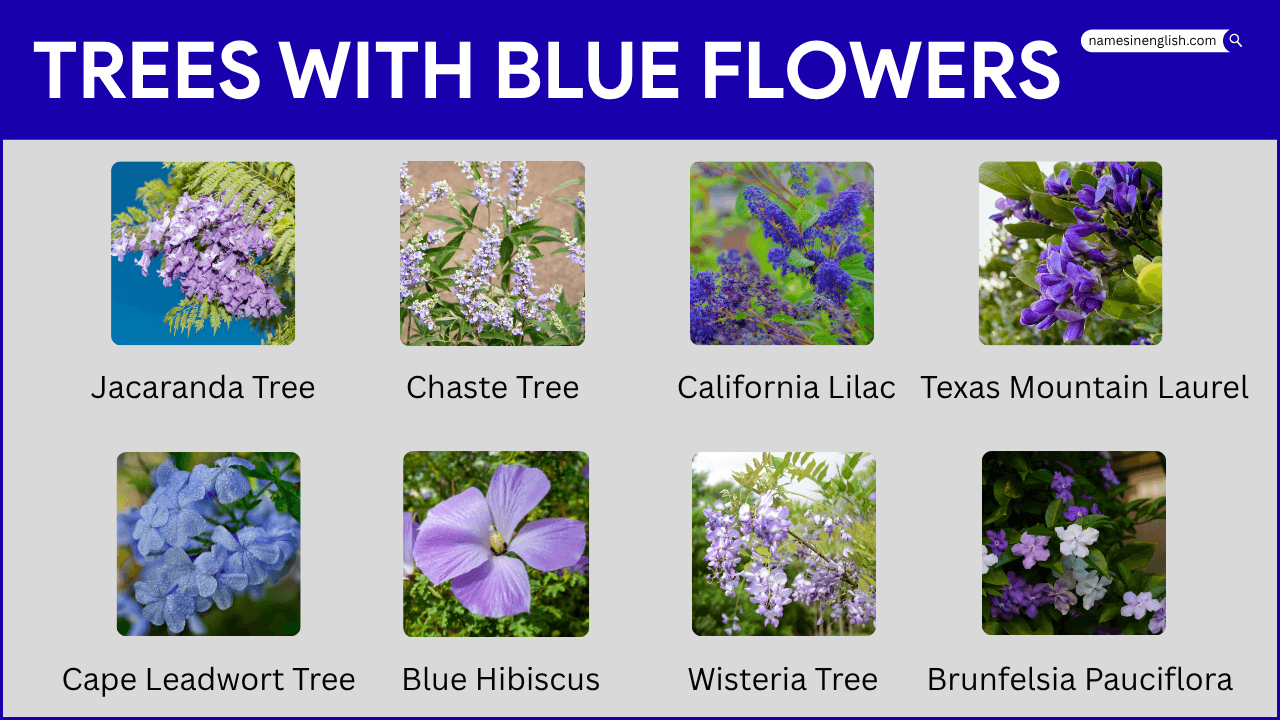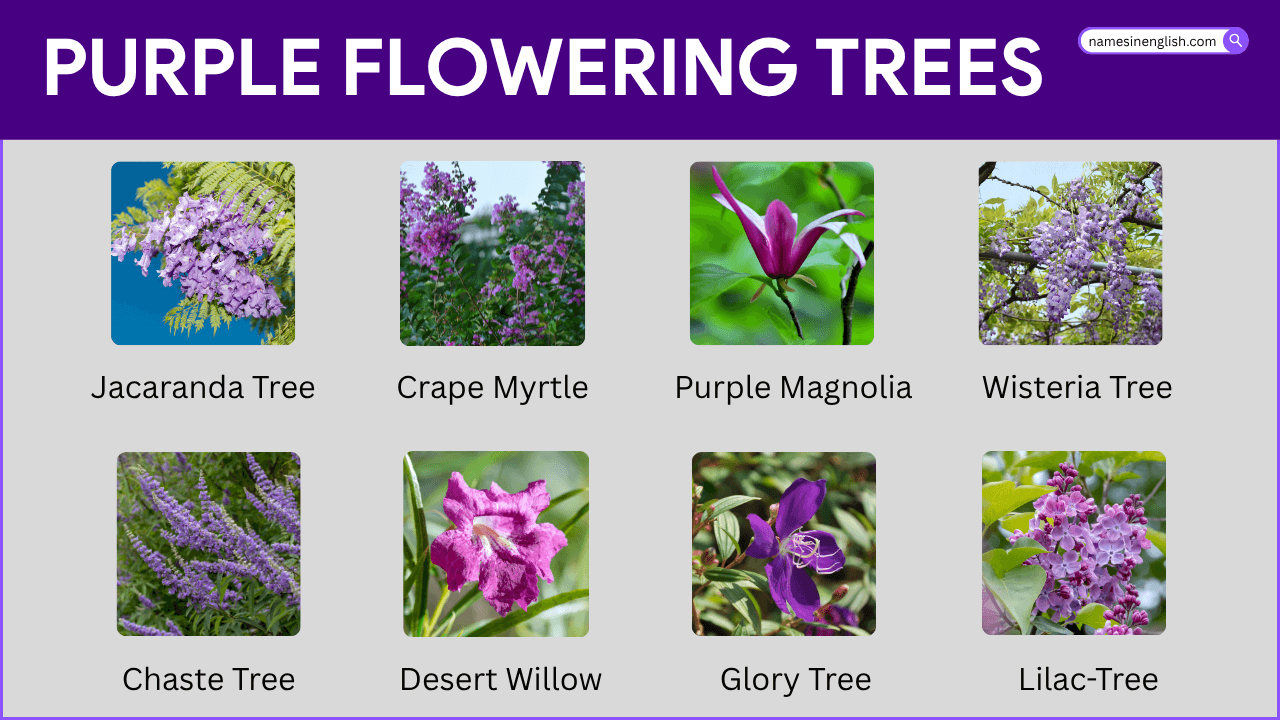
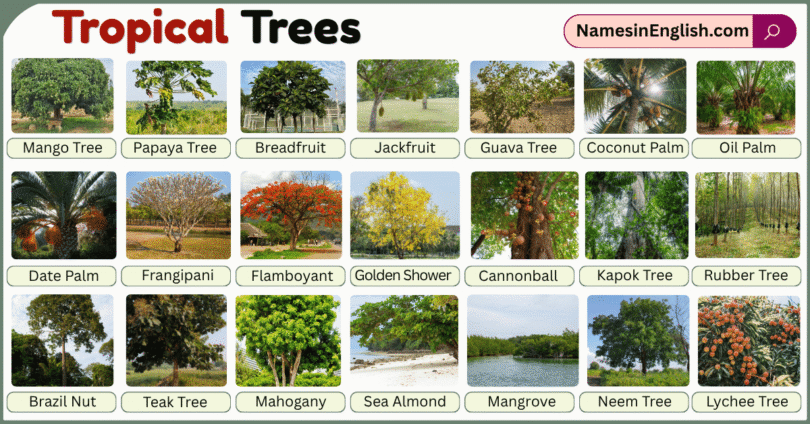

Tropical trees are fascinating plants that grow mainly in warm regions where temperatures remain high for most of the year. They include coconut palms, mango trees, banana plants, rubber trees, mahogany, teak, and cacao trees, each having different leaves, fruits, flowers, and uses. Learning the names of tropical trees is a useful way to improve English vocabulary while discovering plants commonly found in tropical environments. In this article, you will learn tropical tree names in English with clear pictures, helping kids, students, teachers, gardeners, nature lovers, and English learners easily identify, understand, remember, and use these tree names with confidence.
What Are Tropical Trees?
Tropical trees are trees that naturally grow in warm regions, especially near the Equator. They thrive in climates with high temperatures and, in many areas, plenty of rainfall and humidity. Tropical trees include many different species, such as mango, teak, kapok, and rubber trees. Some produce fruits or flowers, while others provide timber, shade, food, or habitats for wildlife.
It is important to understand that “tropical tree” is mainly an ecological or climate-based description, not a single scientific plant group. Tropical trees belong to many different plant families and genera.
Main Categories of Tropical Trees
Tropical trees can be grouped in several practical ways. These categories can overlap because one tree may provide more than one product or function.
| Category | Examples |
|---|---|
| Fruit trees | Mango, papaya, breadfruit |
| Nut trees | Coconut, Brazil nut |
| Flowering trees | Frangipani, flamboyant |
| Timber trees | Teak, mahogany |
| Palm trees | Coconut palm, oil palm |
| Shade trees | Rain tree, mango |
| Coastal trees | Coconut, sea almond |
| Rainforest trees | Kapok, rubber tree |
Tropical Fruit Trees
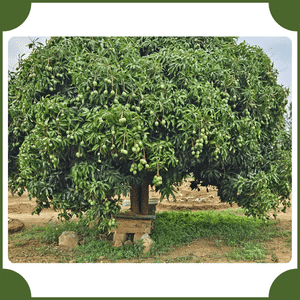
Mango Tree
The mango tree is a popular tropical fruit tree with dense green leaves. It produces sweet, juicy mangoes and grows well in warm tropical and subtropical regions.
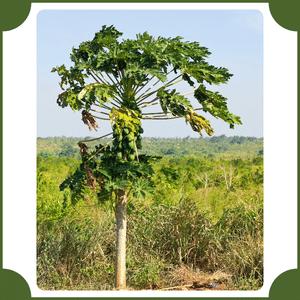
Papaya Tree
The papaya tree is a tropical plant with large leaves and soft, colorful fruits. Its ripe papayas usually have orange or yellow flesh and a sweet flavor.
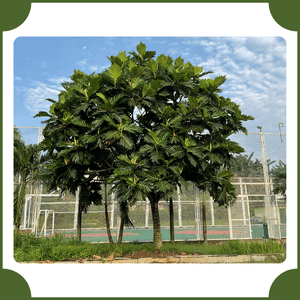
Breadfruit Tree
The breadfruit tree produces large, starchy fruits that can be boiled, baked, fried, or roasted. It is an important food source in many tropical communities.
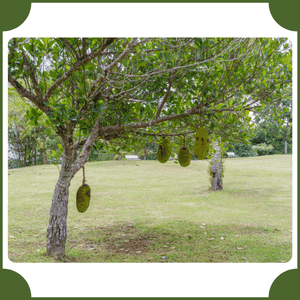
Jackfruit Tree
The jackfruit tree produces huge fruits that grow directly from its trunk and branches. Its sweet sections are eaten fresh, while young jackfruit is used in savory dishes.
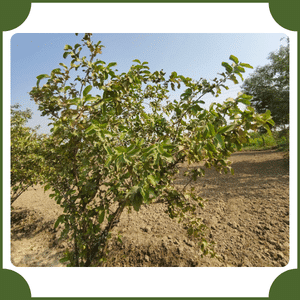
Guava Tree
The guava tree is a small tropical tree with fragrant flowers and delicious fruits. Guavas may have white, pink, or yellow flesh and a pleasant aroma.
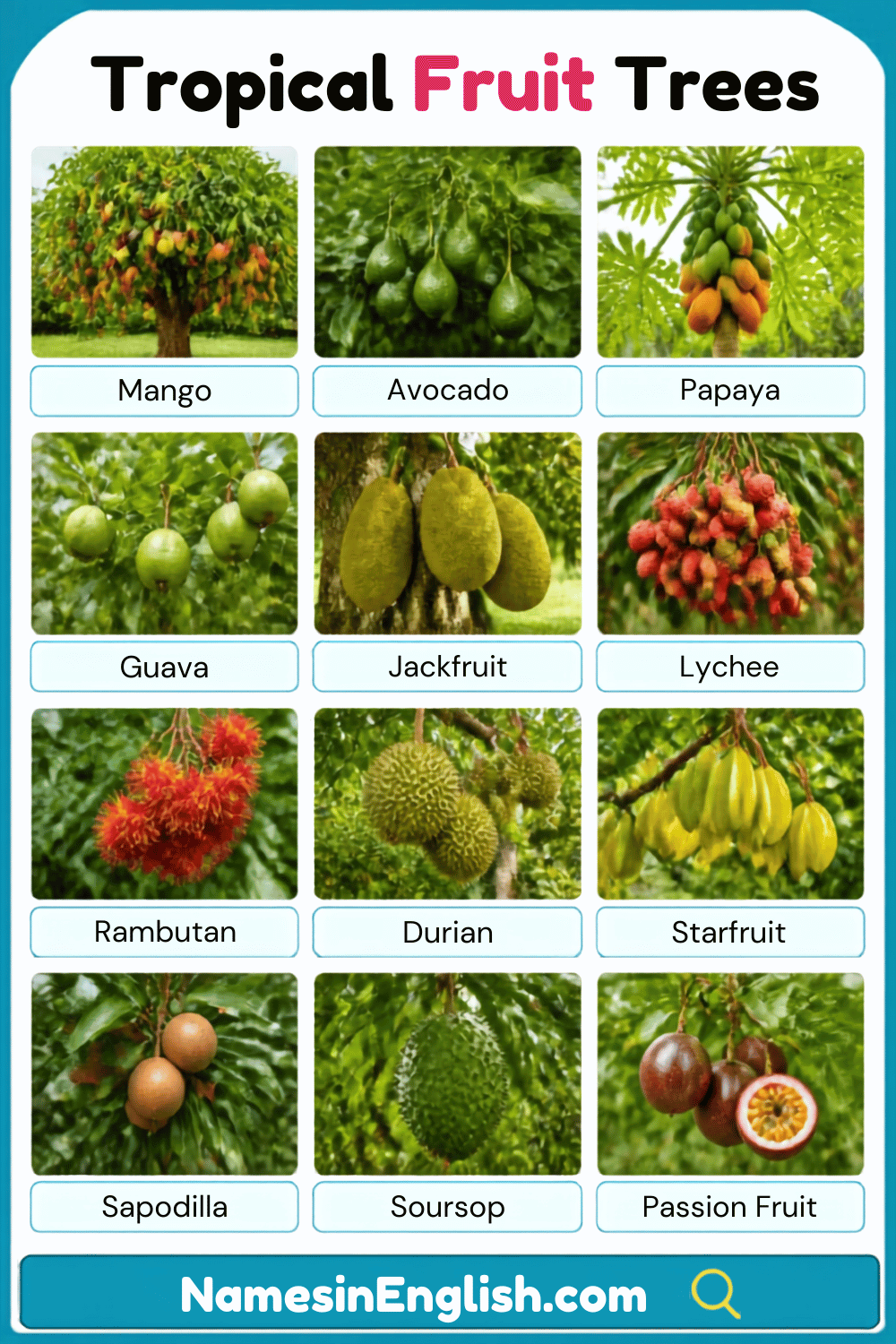
Tropical Fruit Trees
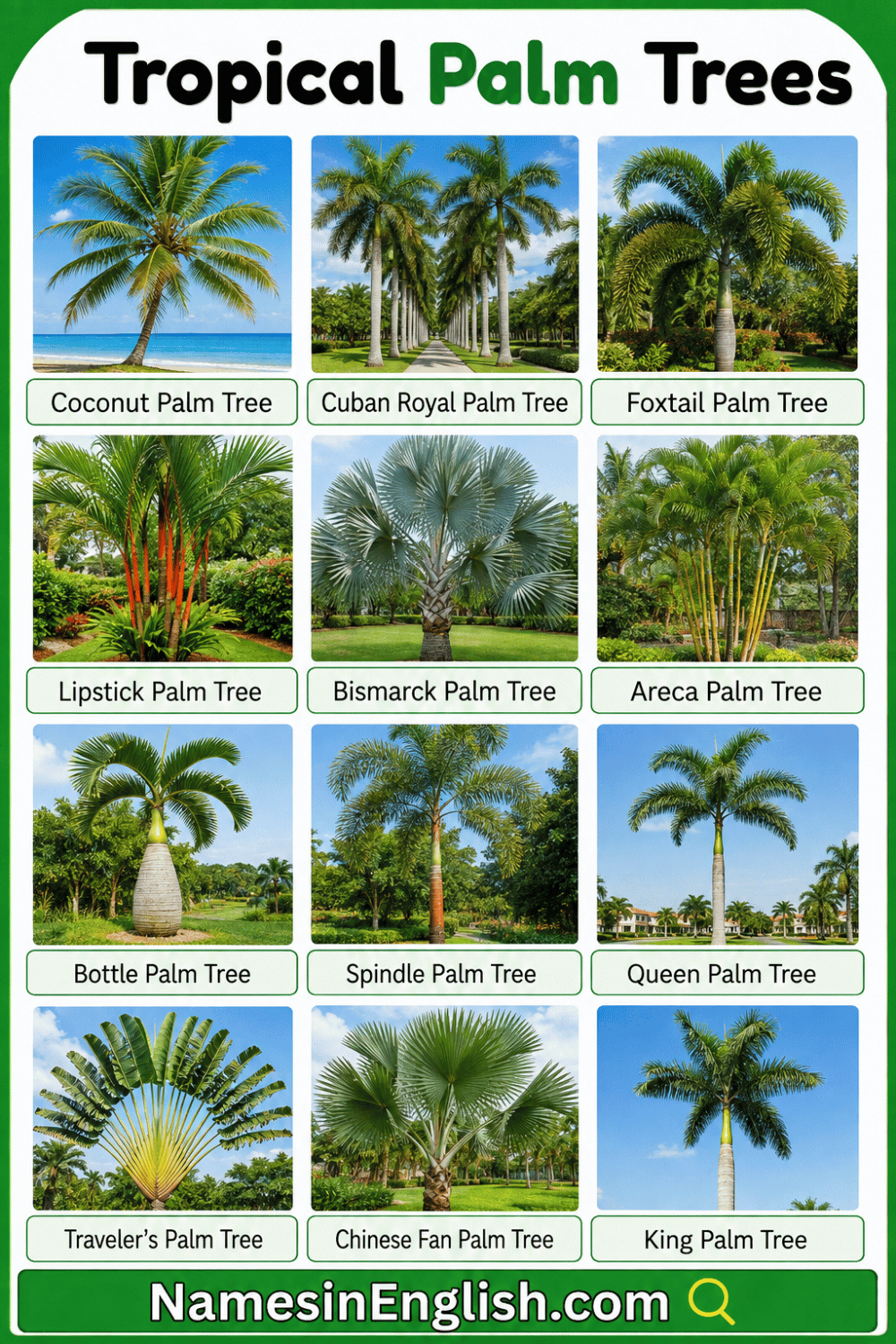
Tropical Palm Trees
Coconut Palm
The coconut palm is one of the most recognizable tropical plants. It produces coconuts and is strongly associated with tropical beaches and coastal landscapes. Coconuts provide water, flesh, milk, oil, and coir fiber. Palms are not closely related to ordinary broadleaf trees, although many are commonly called trees.
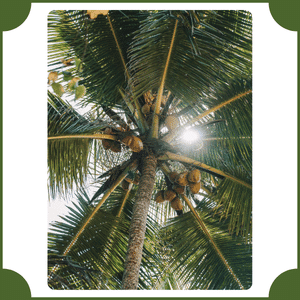
Oil Palm
The African oil palm is a tropical palm native to parts of West and Central Africa. It has a stout trunk, large compound leaves, and clusters of reddish fruits. These fruits are processed to produce palm oil, which is used in cooking, cosmetics, soaps, and many everyday products.
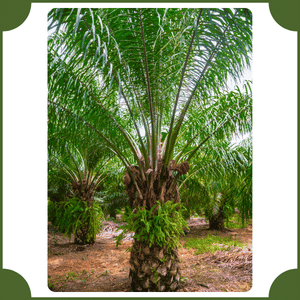
Date Palm
The date palm is a tall palm famous for producing sweet, nutritious dates. It grows especially well in hot, dry regions and is often planted near oases and farms. Although associated with warm climates, it is not limited to humid tropical rainforests and can tolerate desert conditions.
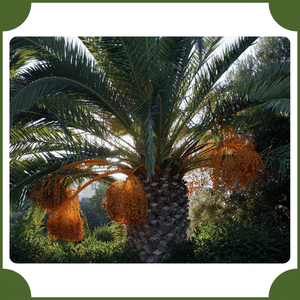
Tropical Palm Trees
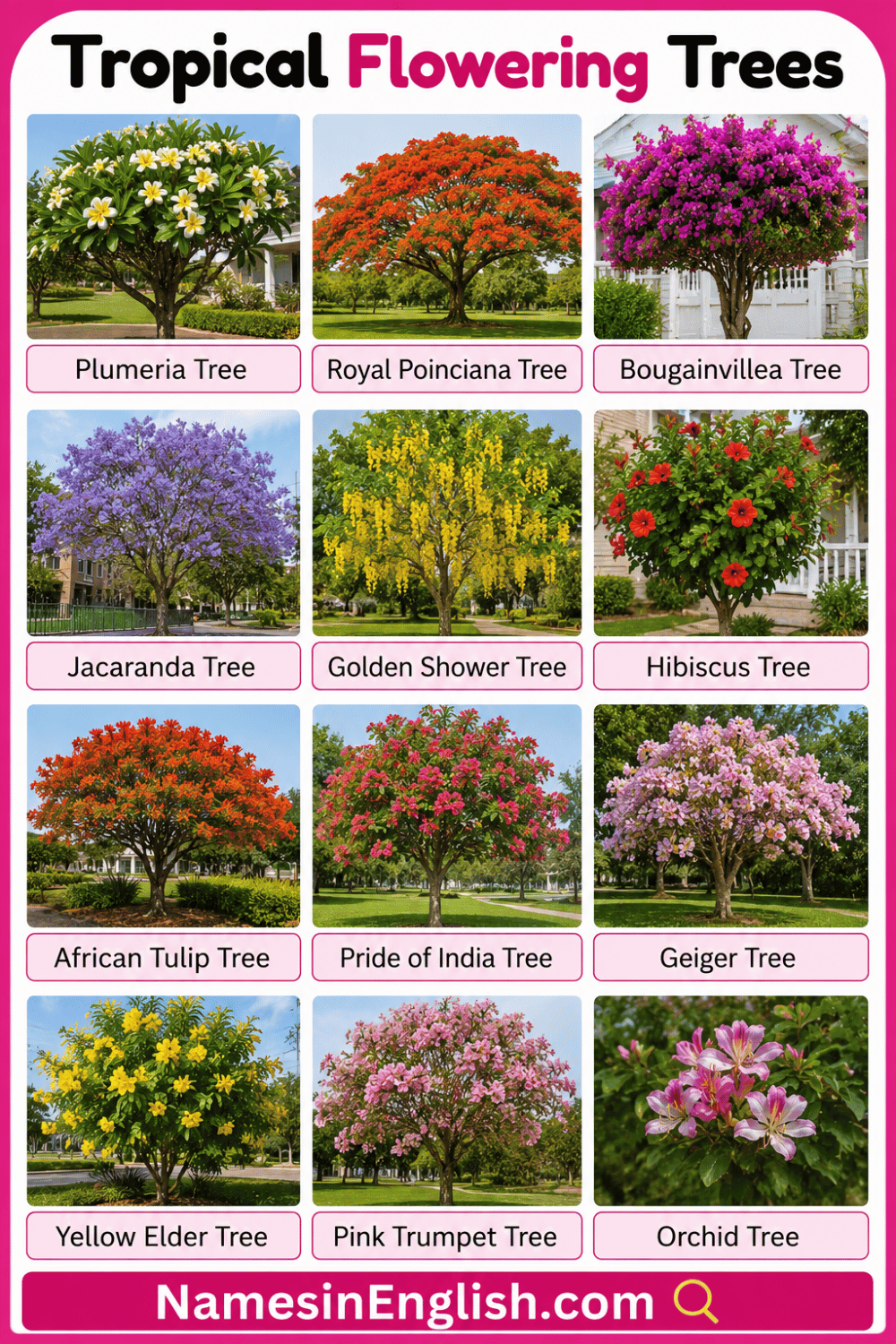
Tropical Flowering Trees
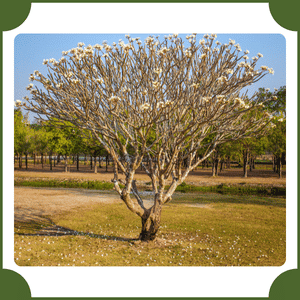
Frangipani Tree
Frangipani trees are tropical flowering trees admired for their fragrant, colorful blossoms. They grow well in warm climates, gardens, parks, and coastal landscapes, attracting butterflies and adding beauty to outdoor spaces.
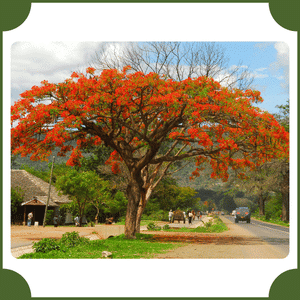
Flamboyant Tree
Flamboyant trees are spectacular tropical trees with broad, spreading crowns and brilliant red or orange flowers. They provide generous shade and are commonly planted along streets, in parks, gardens, and public spaces.
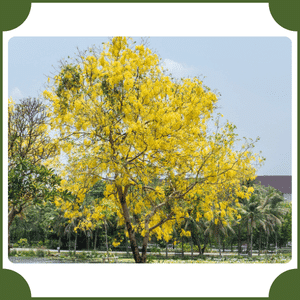
Golden Shower Tree
Golden shower trees produce long, hanging clusters of bright yellow flowers that create a beautiful display. They thrive in tropical and subtropical climates and are popular ornamental trees for gardens and roadsides.
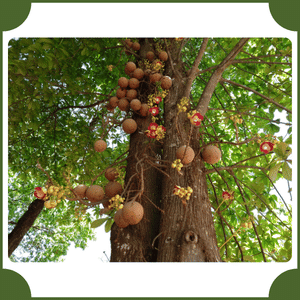
Cannonball Tree
Cannonball trees are unusual tropical trees with fragrant flowers and large, round fruits growing directly from trunks and branches. Their distinctive appearance makes them fascinating ornamental plants in tropical gardens and parks.
Tropical Flowering Trees
Tropical Rainforest Trees
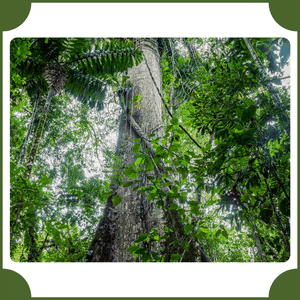
Kapok Tree
The kapok tree is a giant tropical rainforest tree with buttress roots. Its seed pods contain silky fibers traditionally used for stuffing pillows and mattresses.
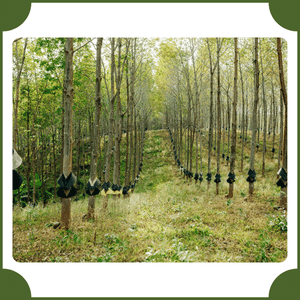
Rubber Tree
The rubber tree is a tropical Amazonian tree that produces latex. This milky liquid is processed into natural rubber for tires, gloves, footwear, and equipment.
Brazil Nut Tree
The Brazil nut tree is a tall Amazon rainforest tree producing nutritious seeds. Its fruits support wildlife, local communities, sustainable harvesting, and forest conservation efforts.
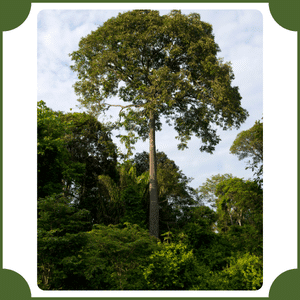
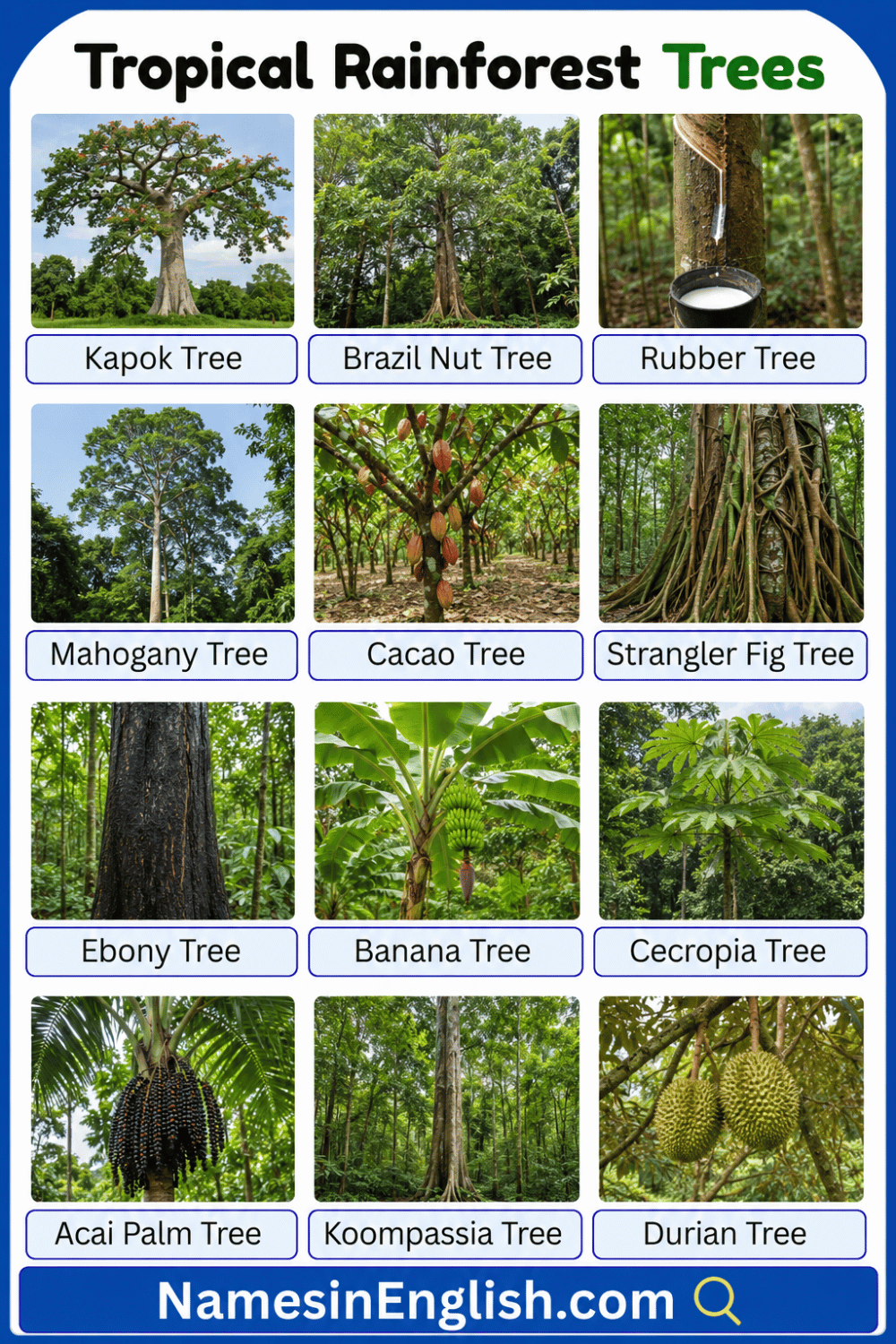
Tropical Rainforest Trees
Tropical Timber Trees
Teak Tree
The teak tree produces strong, durable, water-resistant hardwood. Its attractive timber is commonly used for furniture, flooring, doors, boats, outdoor structures, and decorative products worldwide.
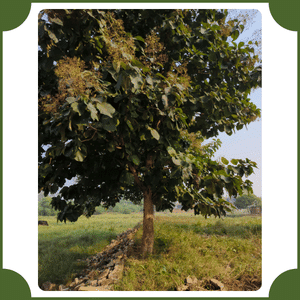
Mahogany Tree
The mahogany tree is a tropical hardwood species valued for its reddish-brown color, strength, and smooth texture. Its timber is used for furniture and instruments.
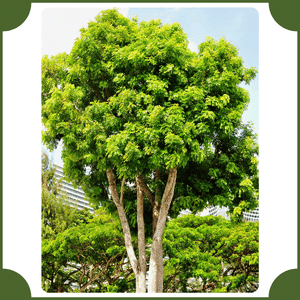
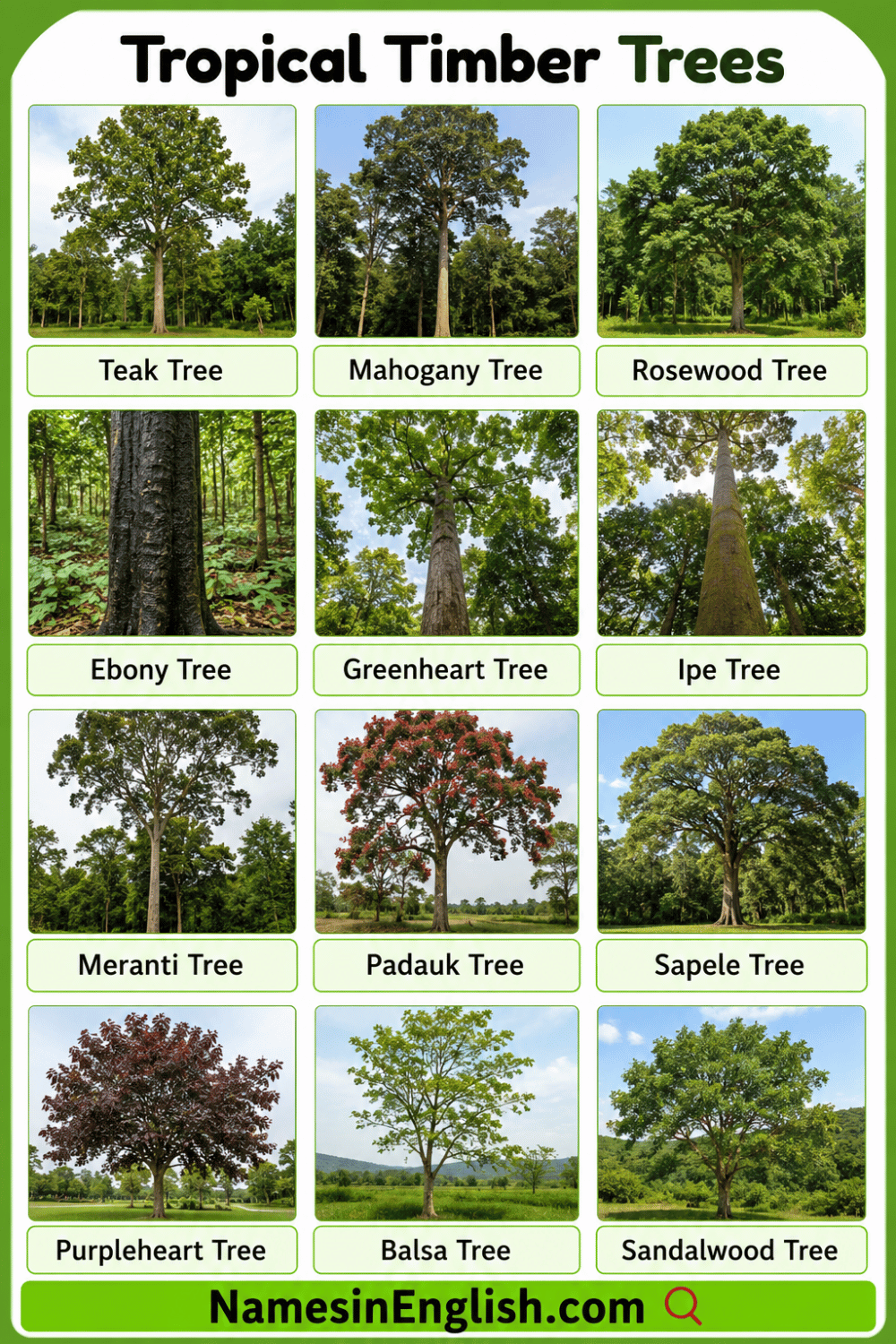
Tropical Timber Trees
Tropical Coastal Trees
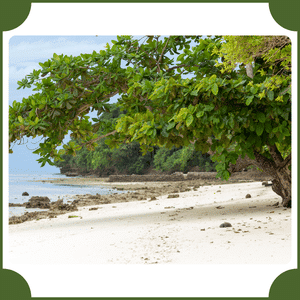
Sea Almond Tree
The sea almond is a tropical coastal tree with broad leaves and a spreading crown. It provides shade and produces fruits containing edible almond-like seeds.
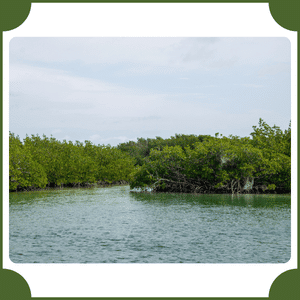
Mangrove Trees
Mangroves are tropical coastal trees and shrubs adapted to salty, muddy environments. Their special roots stabilize shorelines, reduce erosion, store carbon, and shelter aquatic wildlife.
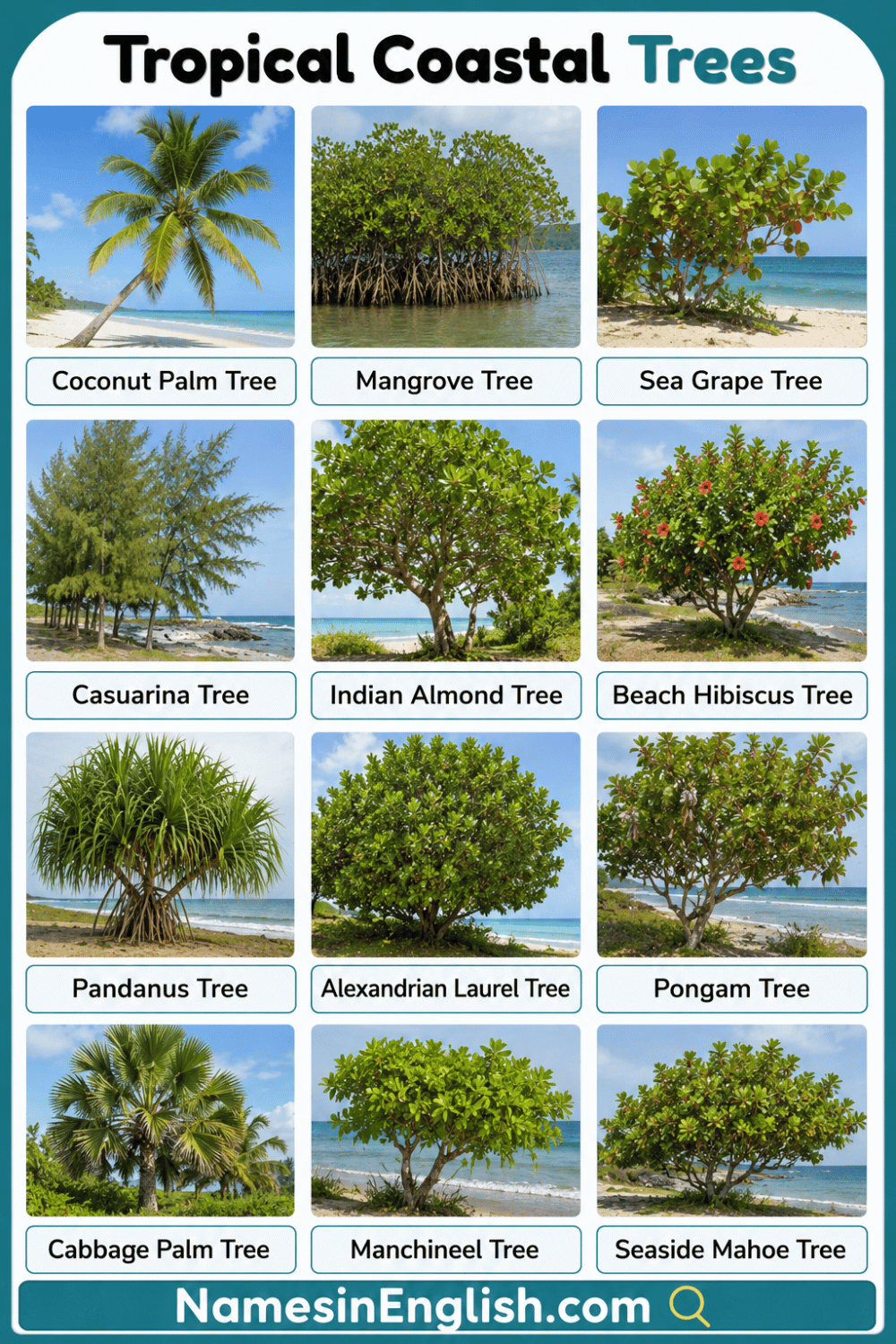
Tropical Coastal Trees
Tropical Trees vs. Temperate Trees
The difference between tropical and temperate trees is mainly related to climate and natural growing regions, not simply appearance.
| Feature | Tropical Trees | Temperate Trees |
|---|---|---|
| Typical climate | Warm | Often has greater seasonal temperature changes |
| Common regions | Near and within tropical zones | Middle and higher latitudes |
| Seasons | Often wet/dry rather than four strong seasons | Often spring, summer, autumn, winter |
| Leaves | Many evergreen species, but exceptions exist | Many deciduous species, plus evergreens |
| Diversity | Often very high in tropical forests | Varies by region |
| Examples | Mango, teak, kapok | Oak, maple, birch |
Important Parts of a Tropical Tree
Roots
Roots hold the tree in place and absorb water and minerals. Tropical trees growing in shallow soil may develop wide surface roots or large buttress roots.
Trunk
The trunk is the main supporting stem of a woody tree. It transports water and nutrients between the roots and leaves.
Bark
Bark protects the trunk and branches from damage, pests, and water loss. Latex, cinnamon, and some traditional materials are obtained from bark or tissues near it.
Branches
Branches hold leaves, flowers, and fruits. Their arrangement helps form the tree’s crown.
Crown or Canopy
The crown is the upper part of an individual tree, including its branches and leaves. A forest canopy is the leafy layer created by the crowns of many trees.
Leaves
Leaves use sunlight to make food through photosynthesis. Tropical leaves vary from the huge leaves of a banana plant to the tiny leaflets of a rain tree.
Flowers
Flowers contain the reproductive structures of flowering plants. They may be pollinated by insects, birds, bats, or other animals.
Fruits and Seeds
A fruit develops from a flower’s ovary and usually contains seeds. Fruits help protect seeds and may encourage animals to carry them to new locations.
Interesting Facts About Tropical Trees
- Tropical trees are not one scientific group. They belong to many different plant families.
- Papaya is commonly called a tree but is botanically a large herbaceous plant.
- Palms are monocots, making them different from most familiar broadleaf trees.
- Some rainforest trees develop buttress roots near the base of the trunk.
- Mangroves include multiple plant species, rather than one particular tree.
- The jackfruit is produced by a tree, and the fruit can grow directly from the trunk and major branches.
- Cacao trees produce pods, and the seeds inside those pods are processed to make cocoa and chocolate products.
- Not all tropical trees are evergreen. Some lose their leaves during dry periods.
Frequently Asked Questions About Tropical Trees
What is a tropical tree?
A tropical tree is a tree that naturally grows in, or is well adapted to, warm tropical climates. Tropical trees occur in many different plant families.
What are the most common tropical trees?
Commonly recognized examples include mango, coconut palm, guava, jackfruit, breadfruit, rubber, teak, kapok, and frangipani.
Are all tropical trees evergreen?
No. Many are evergreen, but some tropical trees are deciduous and lose their leaves during seasonal dry periods.
Is a coconut tree really a tree?
A coconut palm is commonly called a coconut tree, but botanically it is a palm, not a typical broadleaf tree. It belongs to the palm family, Arecaceae.
Is papaya a tree?
Papaya is commonly called a papaya tree, but botanically it is a large herbaceous plant rather than a true woody tree.
Where do tropical trees grow?
They mainly grow in warm tropical and subtropical regions, including parts of South and Southeast Asia, Africa, Central and South America, northern Australia, and many tropical islands.
Which tropical trees produce fruit?
Many do. Examples include mango, guava, jackfruit, breadfruit, coconut palm, tamarind, avocado, star fruit, and cacao.
Why are tropical trees important?
Tropical trees provide food, timber, shade, habitat, and other useful resources. Tropical forests also support extremely diverse ecosystems and contribute to important environmental processes.
Conclusion
Tropical trees are a fascinating and diverse group of plants found mainly in warm regions around the world. In this guide, you learned the names of tropical trees in English, including mango, coconut palm, papaya, jackfruit, teak, rubber, kapok, frangipani, and many others. You also learned about their scientific names, categories, parts, features, uses, fruits, flowers, and rainforest adaptations. Most importantly, you learned that “tropical tree” is a broad climate-based term rather than a single scientific classification. These English names and simple descriptions can help kids, beginners, and ESL learners build useful vocabulary while discovering the amazing diversity of tropical plants.
Learn More Helpful Articles