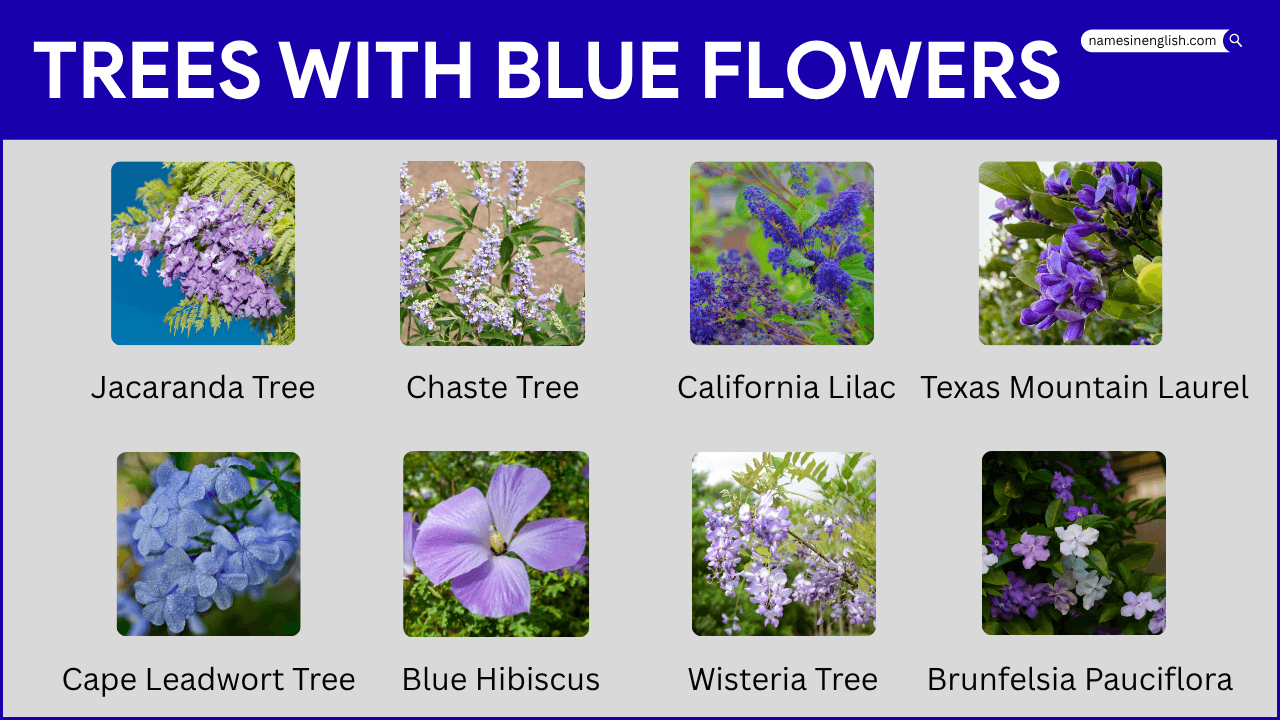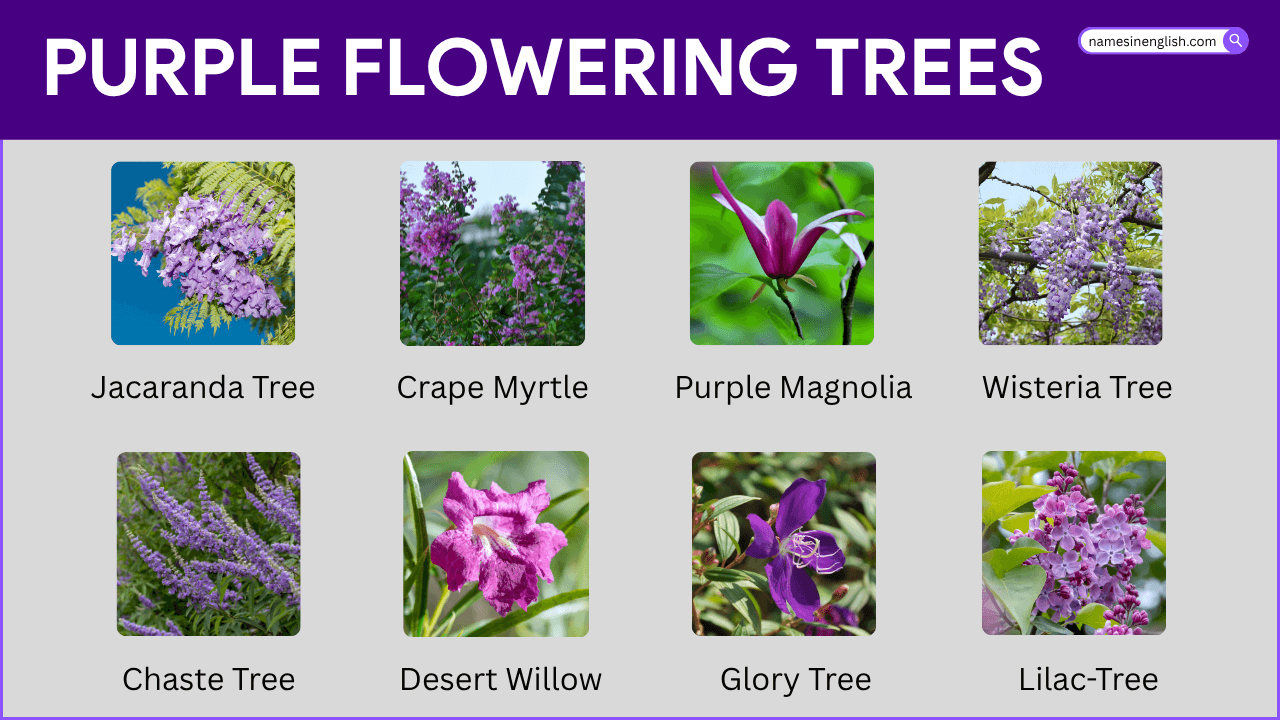
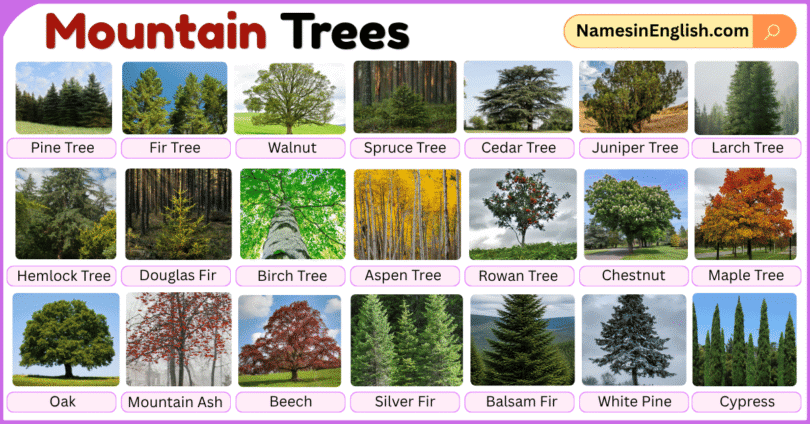

Mountain trees are trees that grow naturally in hilly and high-elevation regions where temperatures are often cooler and the land may be steep, rocky, snowy, or windy. Common examples include pine, fir, spruce, cedar, juniper, birch, aspen, hemlock, and larch. Learning mountain trees with names in English helps ESL learners improve nature vocabulary, spelling, reading, and descriptive English. These trees differ by altitude, climate, leaf type, and region. In this article, you will learn common mountain tree names, their main features, major types, habitats, useful vocabulary, and simple example sentences for everyday English.
What Are Mountain Trees?
Mountain trees are trees that grow in mountainous or high-elevation environments and are adapted to conditions such as cold temperatures, strong winds, snow, rocky soil, and shorter growing seasons.
Not every mountain has the same trees. The exact species depend on:
- Elevation
- Temperature
- Rainfall
- Latitude
- Soil
- Slope direction
- Local climate
- Geographical region
At lower mountain elevations, broadleaf trees may be common, while higher elevations often support conifers such as pine, fir, and spruce.
Mountain Trees with Names in English
Mountain trees include many evergreen, deciduous, coniferous, and broadleaf species adapted to elevated areas. Learning their English names helps students identify common trees and understand their basic features, habitats, and growing conditions.
| Mountain Tree Name | Common Type | Main Feature |
|---|---|---|
| Pine | Evergreen Conifer | Needle-like leaves |
| Fir | Evergreen Conifer | Flat needles |
| Spruce | Evergreen Conifer | Stiff needles and cones |
| Cedar | Evergreen Conifer | Aromatic wood |
| Juniper | Evergreen Conifer | Scale-like or needle-like leaves |
| Larch | Deciduous Conifer | Loses needles seasonally |
| Hemlock | Evergreen Conifer | Drooping branch tips |
| Douglas Fir | Evergreen Conifer | Tall mountain tree |
| Birch | Deciduous Broadleaf | Light-colored bark |
| Aspen | Deciduous Broadleaf | Trembling leaves |
| Rowan | Deciduous Broadleaf | Colorful berries |
| Maple | Mostly Deciduous | Broad leaves |
| Oak | Deciduous/Evergreen | Produces acorns |
| Beech | Deciduous Broadleaf | Smooth bark |
| Mountain Ash | Deciduous Broadleaf | Red or orange fruits |
| Yew | Evergreen Conifer | Dense foliage |
| Cypress | Evergreen Conifer | Scale-like leaves |
| Silver Fir | Evergreen Conifer | Pale undersides of needles |
| Balsam Fir | Evergreen Conifer | Fragrant foliage |
| Himalayan Cedar | Evergreen Conifer | Drooping branches |
| Blue Spruce | Evergreen Conifer | Blue-green needles |
| White Pine | Evergreen Conifer | Long soft needles |
| Scots Pine | Evergreen Conifer | Orange-brown upper bark |
| Bristlecone Pine | Evergreen Conifer | Extremely long-lived |
| Limber Pine | Evergreen Conifer | Flexible branches |
| Lodgepole Pine | Evergreen Conifer | Straight narrow form |
| Stone Pine | Evergreen Conifer | Produces edible seeds in some species |
| Mountain Hemlock | Evergreen Conifer | Grows in snowy mountains |
| Alpine Larch | Deciduous Conifer | High-elevation conifer |
| Subalpine Fir | Evergreen Conifer | Narrow crown |
| Engelmann Spruce | Evergreen Conifer | High mountain conifer |
| Himalayan Birch | Deciduous Broadleaf | Pale peeling bark |
| Mountain Alder | Deciduous Broadleaf | Often grows near streams |
| Rhododendron Tree | Evergreen/Deciduous | Mountain flowers |
| Magnolia | Broadleaf Tree | Large flowers |
| Walnut | Deciduous Broadleaf | Nuts and hardwood |
| Chestnut | Deciduous Broadleaf | Edible nuts |
| Poplar | Deciduous Broadleaf | Fast growth |
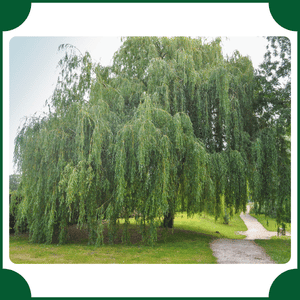
| Willow | Deciduous Broadleaf | Often grows near water |
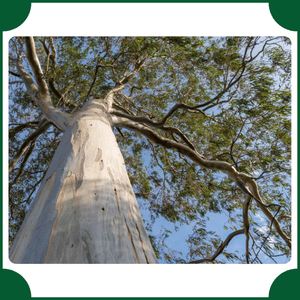
| Eucalyptus | Mostly Evergreen | Some species grow in mountains |
Pine
Pine is an evergreen conifer with needle-like leaves and woody cones. Many pine species grow well on cool mountain slopes, rocky soils, and high elevations.
Fir
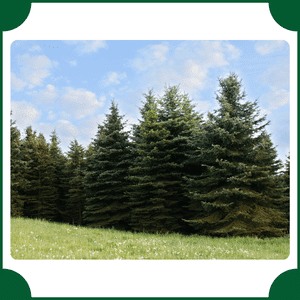
Fir is a tall evergreen conifer with flat needles and upright cones. Different fir species commonly grow in cool mountain forests across Europe, Asia, and North America.
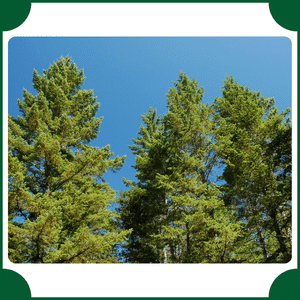
Spruce
Spruce is an evergreen conifer recognized by its sharp needles and hanging cones. Many species thrive in cold mountain forests and tolerate snowy and harsh climates.
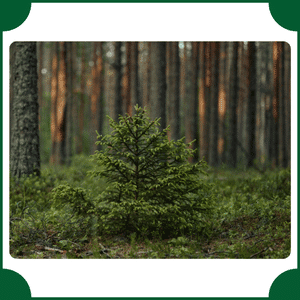
Cedar
Cedar is a large evergreen conifer with aromatic wood and needle-like leaves arranged in clusters. True cedars naturally occur mainly in mountainous regions around the Mediterranean and Himalayas.
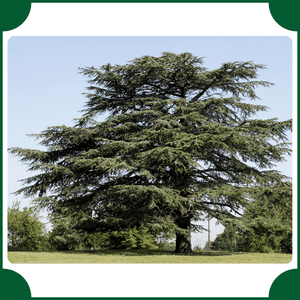
Juniper
Juniper is an evergreen tree or shrub with needle-like or scale-like leaves and berry-like cones. Many species grow on dry, rocky mountain slopes and exposed areas.
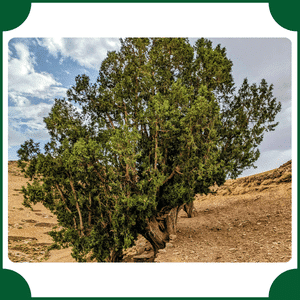
Larch
Larch is an unusual deciduous conifer that loses its needles in autumn. It grows mainly in cool northern and mountainous regions and produces small woody cones.
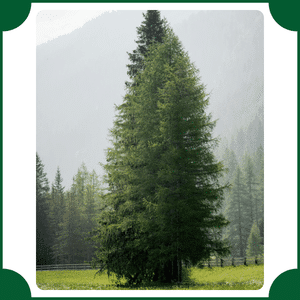
Hemlock
Hemlock is an evergreen conifer with short, flat needles and small hanging cones. Several species grow naturally in cool, moist mountain forests of Asia and North America.
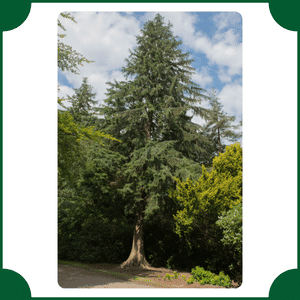
Douglas Fir
Douglas fir is a tall evergreen conifer native to western North America. It has soft, flat needles and distinctive cones with three-pointed bracts between the scales.
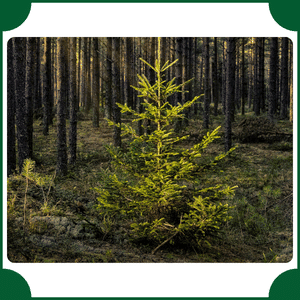
Birch
Birch is a deciduous tree often recognized by its pale or peeling bark. Several species grow in cool mountain regions and tolerate cold temperatures and poor soils.
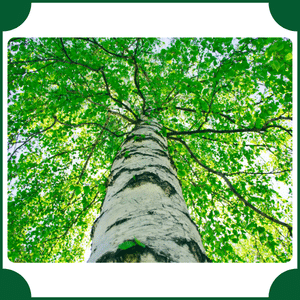
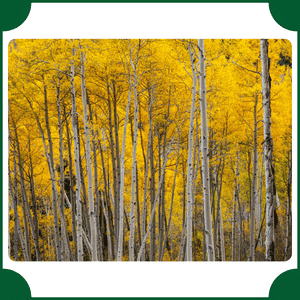
Aspen
Aspen is a deciduous tree known for leaves that flutter easily in the wind. It commonly grows in cool upland and mountain regions and can form large colonies.
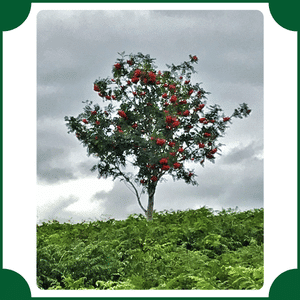
Rowan
Rowan is a small deciduous tree with compound leaves, white flowers, and clusters of red or orange fruits. It commonly grows in cool upland and mountainous areas.
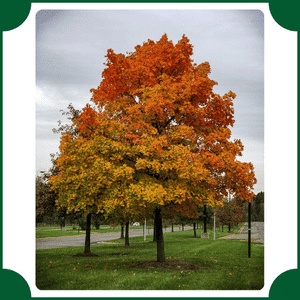
Maple
Maple is a deciduous tree known for its distinctive leaves and colorful autumn foliage. Some maple species naturally grow in mountain forests, valleys, and cool upland regions.
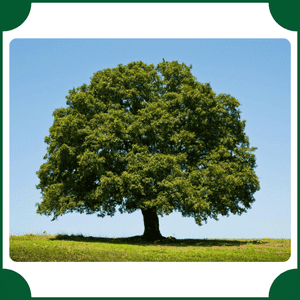
Oak
Oak is a strong deciduous or evergreen tree that produces acorns. Numerous oak species occur in mountain forests, particularly at lower and middle elevations with suitable climates.
Beech
Beech is a broadleaf deciduous tree with smooth bark and simple leaves. Some species form extensive forests on cool, moist mountain slopes in temperate regions.
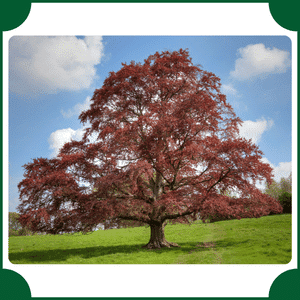
Mountain Ash
Mountain ash, also called rowan in many regions, is a small deciduous tree with compound leaves and colorful berries. It grows naturally in cool mountainous environments.
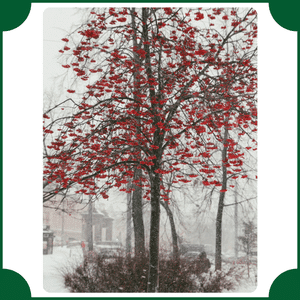
Yew
Yew is an evergreen conifer with flat, dark green needles and red, fleshy seed coverings. Some species grow in mountainous forests and tolerate shade and cool conditions.
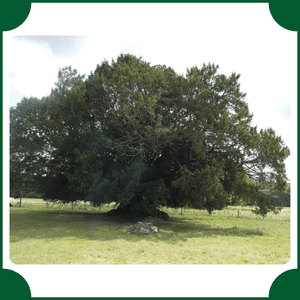
Cypress
Cypress is an evergreen conifer with scale-like leaves and rounded woody cones. Certain species grow naturally in mountainous regions, particularly in warm temperate and Mediterranean climates.
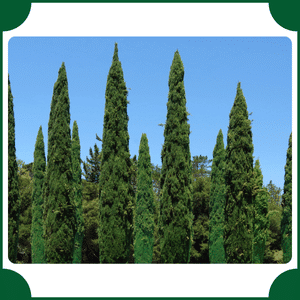
Silver Fir
Silver fir is a large evergreen conifer native to European mountains. It has flat, dark green needles with pale undersides and grows best in cool, moist forests.
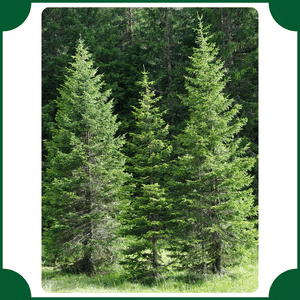
Balsam Fir
Balsam fir is a fragrant evergreen conifer native to North America. It has flat needles, upright cones, and commonly grows in cool forests and mountainous areas.
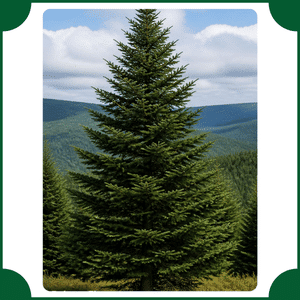
Himalayan Cedar
Himalayan cedar, or deodar cedar, is a large evergreen conifer native to the western Himalayas. It has drooping branches, needle clusters, and aromatic, durable wood.
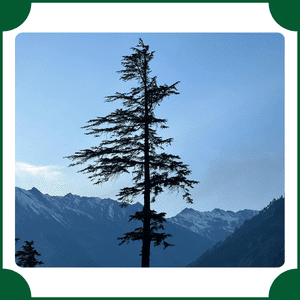
Blue Spruce
Blue spruce is an evergreen conifer native to the Rocky Mountains of North America. It is recognized by its stiff, sharp needles with blue-green or silvery coloring.
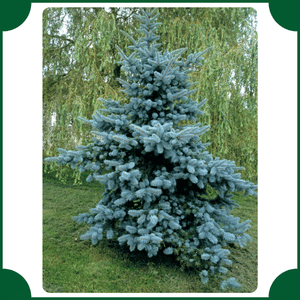
White Pine
White pine is a tall evergreen conifer with long, soft needles arranged in bundles. Some white pine species grow naturally in cool forests and mountainous regions.
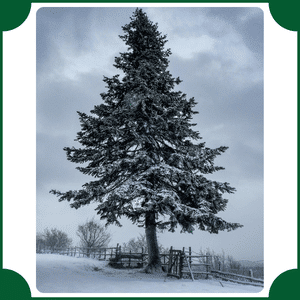
Scots Pine
Scots pine is an evergreen conifer with paired needles and distinctive orange-brown upper bark. It grows across Europe and Asia, including many upland and mountainous environments.
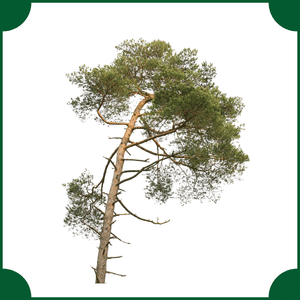
Bristlecone Pine
Bristlecone pine is a slow-growing mountain conifer famous for exceptional longevity. It survives at high elevations in dry, rocky environments with cold temperatures and strong winds.
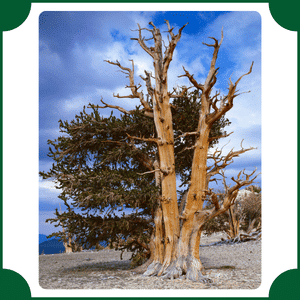
Limber Pine
Limber pine is a flexible-branched evergreen conifer native to western North America. It grows on rocky mountain slopes and can survive cold, windy, high-elevation conditions.
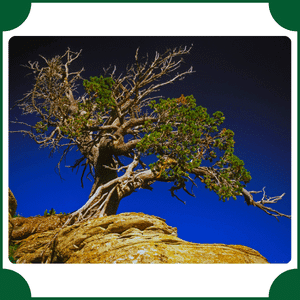
Lodgepole Pine
Lodgepole pine is a slender evergreen conifer native to western North America. It commonly forms dense forests in mountainous regions and grows successfully in cold, relatively poor soils.
Stone Pine
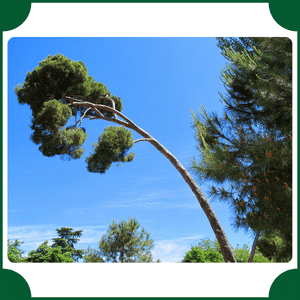
Stone pine is an evergreen conifer known for its broad, umbrella-shaped crown and edible pine nuts. It mainly grows in Mediterranean regions, including some hilly and mountainous areas.

Mountain Hemlock
Mountain hemlock is an evergreen conifer native to western North America. It grows at high elevations in snowy mountain forests and has short needles and small cones.
Alpine Larch
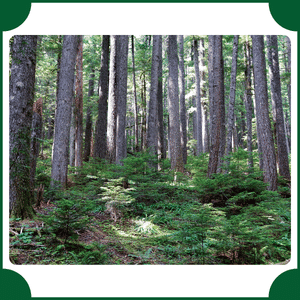
Alpine larch is a deciduous conifer native to high mountains of western North America. Its soft needles turn golden in autumn before falling during the winter season.
Subalpine Fir
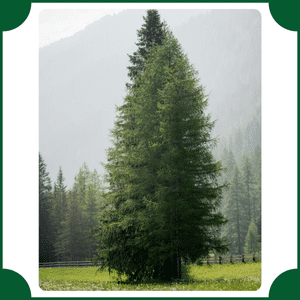
Subalpine fir is a narrow, spire-shaped evergreen conifer of western North American mountains. It grows at high elevations where winters are long, cold, and snowy.
Engelmann Spruce
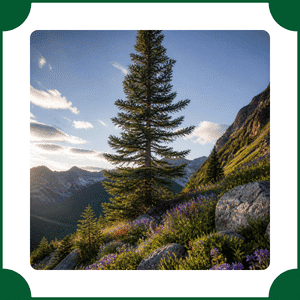
Engelmann spruce is a tall evergreen conifer native to western North American mountains. It commonly grows at high elevations in cool forests with snowy winters and short summers.
Himalayan Birch
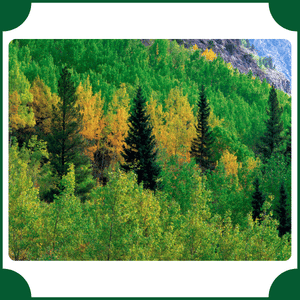
Himalayan birch is a deciduous mountain tree famous for its striking white, peeling bark. It naturally grows at high elevations across the Himalayan region of Asia.
Mountain Alder
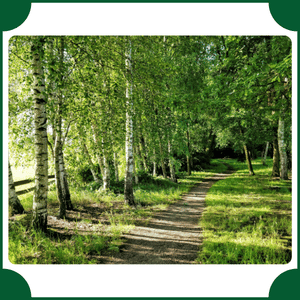
Mountain alder is a deciduous shrub or small tree commonly found beside mountain streams and wet slopes. It helps stabilize soil and tolerates cool, moist conditions.
Rhododendron Tree
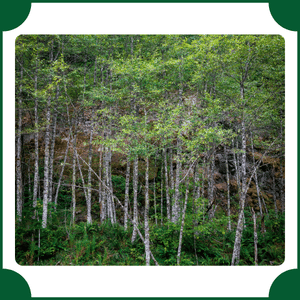
Tree rhododendrons are woody evergreen plants with attractive clusters of colorful flowers. Several species grow naturally in Himalayan and other Asian mountain forests at considerable elevations.
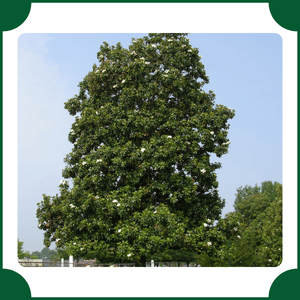
Magnolia
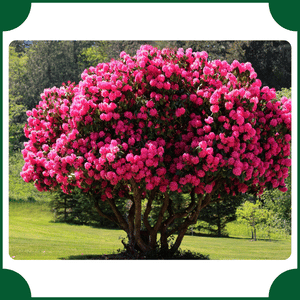
Magnolia is a flowering tree or shrub known for its large, fragrant flowers. Some species naturally occur in mountain forests, particularly across temperate and subtropical parts of Asia.
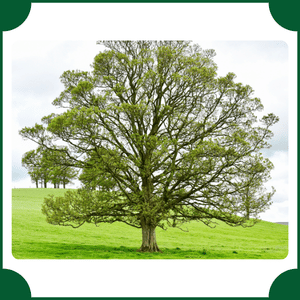
Walnut
Walnut is a deciduous tree valued for its edible nuts and strong timber. Certain species grow successfully in mountain valleys and slopes with suitable soil and moisture.
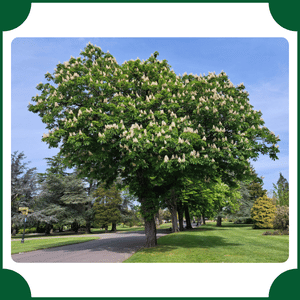
Chestnut
Chestnut is a deciduous tree that produces edible nuts inside spiny husks. Several species grow in temperate mountain forests and prefer well-drained soils with adequate rainfall.
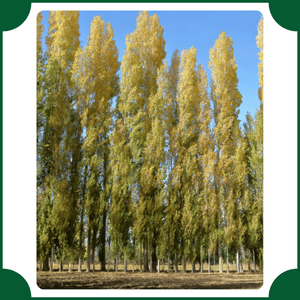
Poplar
Poplar is a fast-growing deciduous tree with broad leaves and lightweight wood. Different species occur in mountain valleys, riverbanks, and cool upland areas around the world.
Willow
Willow is a deciduous tree or shrub commonly associated with moist soil. Mountain species often grow beside streams, rivers, wetlands, and other cool, water-rich environments.
Eucalyptus
Eucalyptus includes many evergreen trees native mainly to Australia. Some species are adapted to cool mountain environments and are recognized by aromatic leaves and distinctive bark.
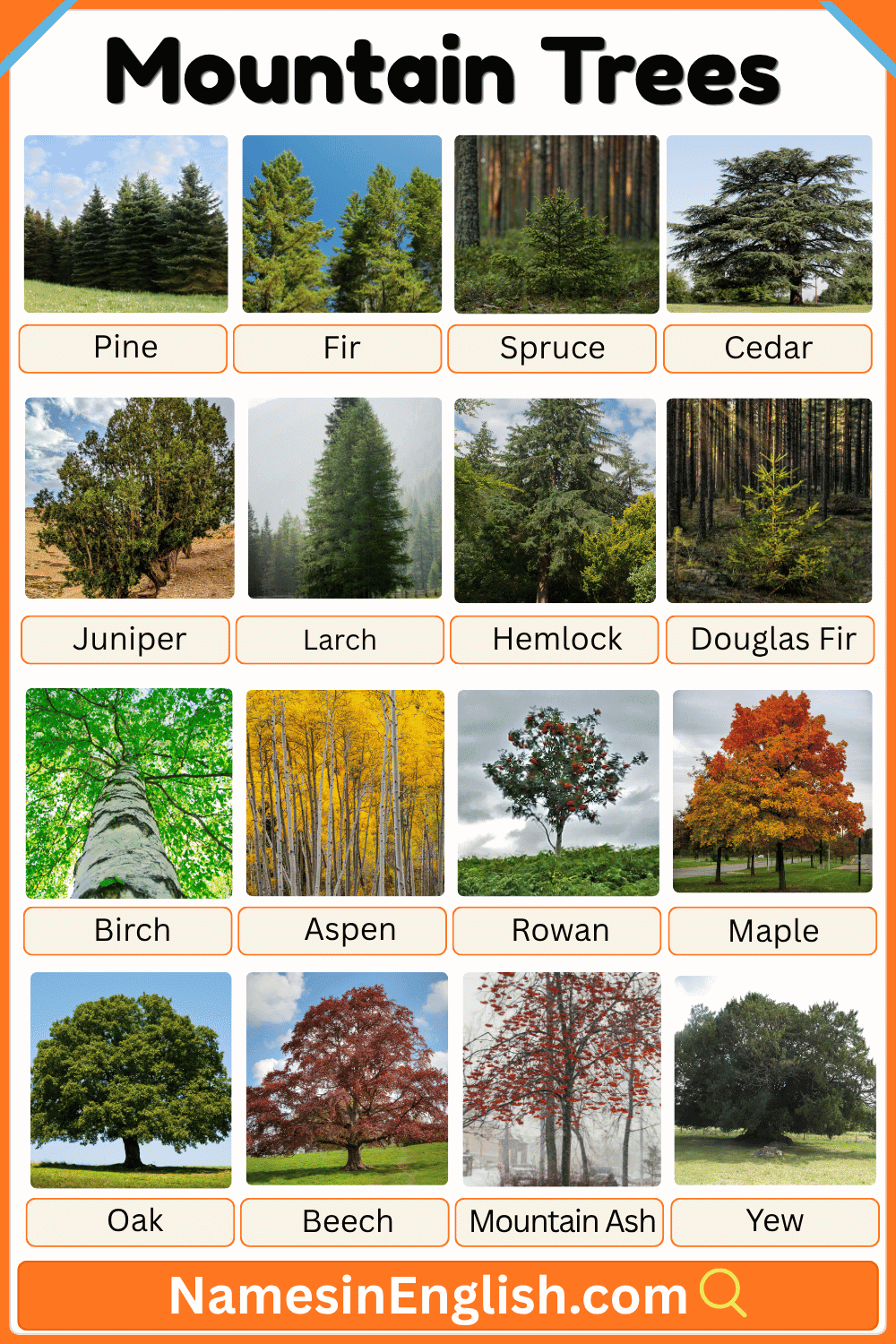
Mountain trees names and pictures
Types of Mountain Trees
Mountain trees can be grouped according to their leaf type, growing altitude, climate, and geographical region, helping learners understand their characteristics, natural habitats, growing conditions, and distribution around the world.
Evergreen Mountain Trees
Evergreen mountain trees keep their living leaves or needles throughout the year, allowing them to stay green during different seasons, including the cold and snowy winter months.
Common examples include:
- Pine
- Fir
- Spruce
- Cedar
- Juniper
- Hemlock
- Yew
- Cypress
- Douglas Fir
- Mountain Hemlock
- Subalpine Fir
Evergreen conifers are especially common at higher elevations.
Deciduous Mountain Trees
Deciduous mountain trees lose their leaves during a particular season, usually autumn or winter, and grow new leaves when warmer and more favorable growing conditions return.
Examples include:
- Birch
- Aspen
- Rowan
- Maple
- Beech
- Oak
- Poplar
- Willow
- Himalayan Birch
These trees are often more common at lower and middle mountain elevations.
Coniferous Mountain Trees
Coniferous mountain trees produce seeds in cones and usually have needle-like or scale-like leaves, helping many species survive cold temperatures, strong winds, snow, and challenging mountain conditions.
Common examples include:
- Pine
- Fir
- Spruce
- Cedar
- Juniper
- Hemlock
- Larch
- Yew
- Cypress
- Douglas Fir
Most are evergreen, but larch is a deciduous conifer.
Broadleaf Mountain Trees
Broadleaf mountain trees usually have wide, flat leaves that capture sunlight efficiently. They include both deciduous and evergreen species adapted to different mountain climates, elevations, and growing conditions.
Examples include:
- Birch
- Aspen
- Rowan
- Maple
- Oak
- Beech
- Walnut
- Chestnut
- Poplar
- Willow
The exact species depend strongly on elevation and region.
High Altitude Mountain Trees
High-altitude trees grow near the upper limit of tree growth, where they survive low temperatures, strong winds, heavy snow, rocky soils, and short growing seasons in mountainous regions.
Common examples include:
- Bristlecone Pine
- Subalpine Fir
- Mountain Hemlock
- Engelmann Spruce
- Alpine Larch
- Whitebark Pine
- Himalayan Birch
- Juniper
These trees often grow slowly because of:
- Cold temperatures
- Strong winds
- Snow
- Thin soils
- Short growing seasons
Mountain Trees Near the Tree Line
The tree line is the upper or outer limit beyond which trees cannot grow upright and continuously because environmental conditions are too severe.
Near the tree line, trees may become:
- Short
- Twisted
- Slow-growing
- Wind-shaped
- Widely spaced
Examples include high-elevation pines, firs, spruces, junipers, and larches.
Mountain Trees of the Himalayas
The Himalayas contain many different tree species because elevation changes create several climate zones.
Common examples include:
- Himalayan Cedar
- Blue Pine
- Chir Pine
- Himalayan Fir
- Himalayan Spruce
- Himalayan Birch
- Juniper
- Oak
- Rhododendron
- Walnut
Lower elevations may support broadleaf trees, while higher areas often contain conifers.
Mountain Trees of North America
Common mountain trees in North America include:
- Douglas Fir
- Engelmann Spruce
- Subalpine Fir
- Lodgepole Pine
- Limber Pine
- Bristlecone Pine
- Whitebark Pine
- Mountain Hemlock
- Aspen
- Blue Spruce
Different mountain ranges support different combinations of these species.
Mountain Trees of Europe
European mountain regions commonly contain:
- Scots Pine
- Norway Spruce
- Silver Fir
- European Larch
- Mountain Pine
- Beech
- Rowan
- Birch
- Swiss Stone Pine
The Alps, Carpathians, and other mountain systems contain distinct vegetation zones.
Mountain Trees of Asia
Mountain forests across Asia include:
- Himalayan Cedar
- Himalayan Fir
- Himalayan Spruce
- Blue Pine
- Japanese Cedar
- Korean Pine
- Birch
- Juniper
- Oak
- Rhododendron Trees
Species vary greatly from the Himalayas to Siberia, China, Korea, and Japan.
Mountain Trees by Elevation
| Elevation Zone | Typical Tree Types |
|---|---|
| Lower Mountain | Oak, Maple, Chestnut, Pine |
| Middle Mountain | Cedar, Fir, Pine, Birch |
| Upper Mountain | Spruce, Fir, Larch, Juniper |
| Near Tree Line | Dwarf Pine, Juniper, Birch, Larch |
These are general patterns only. Actual vegetation zones vary with latitude and climate.
Mountain Trees with Needle Like Leaves
Many mountain conifers have narrow needles.
Examples include:
- Pine
- Fir
- Spruce
- Larch
- Hemlock
- Yew
- Douglas Fir
Needle-like leaves can reduce water loss and help many species survive cold or dry environments.
Mountain Trees with Broad Leaves
Broadleaf mountain trees include:
- Birch
- Aspen
- Maple
- Oak
- Beech
- Rowan
- Poplar
- Willow
- Chestnut
These species are more common where conditions are less extreme.
Mountain Trees with Cones
| Tree | Cone Feature |
|---|---|
| Pine | Woody cones |
| Fir | Upright cones |
| Spruce | Hanging cones |
| Larch | Small woody cones |
| Douglas Fir | Hanging cones with distinctive bracts |
| Hemlock | Small hanging cones |
| Cedar | Upright barrel-shaped cones |
Cone shape can help identify conifer species.
Mountain Trees with Colorful Autumn Leaves
Some mountain deciduous trees produce bright autumn colors.
Examples include:
- Aspen
- Maple
- Birch
- Rowan
- Beech
- Oak
Their leaves may turn:
- Yellow
- Orange
- Red
- Bronze
- Brown
Aspens are especially known for bright yellow autumn foliage.
Mountain Trees with Edible Nuts or Seeds
Some mountain trees produce edible nuts or seeds.
Examples include:
- Walnut
- Chestnut
- Stone Pine
- Korean Pine
- Some Oaks after proper processing
Not every seed or nut found on a mountain tree is safe to eat, so correct identification is essential.
Parts of a Mountain Tree in English
| Tree Part | Meaning |
|---|---|
| Root | Anchors the tree and absorbs water |
| Trunk | Main woody stem |
| Bark | Protective outer covering |
| Branch | Woody extension from the trunk |
| Twig | Small branch |
| Needle | Narrow leaf of many conifers |
| Leaf | Plant organ used mainly for photosynthesis |
| Crown | Upper part of the tree |
| Cone | Reproductive structure of many conifers |
| Seed | Structure that can form a new plant |
| Bud | Young developing shoot or flower |
| Resin | Sticky substance produced by some trees |
Mountain Tree vs. Forest Tree
A mountain tree is associated mainly with mountainous or high-elevation habitats.
A forest tree is any tree that commonly grows as part of a forest ecosystem.
A tree can belong to both groups.
For example, spruce can be both a mountain tree and a forest tree.
Mountain Tree vs. Alpine Plant
Mountain trees and alpine plants are not the same.
Mountain trees can grow in forested mountain zones.
True alpine plants usually grow above the natural tree line, where conditions are too harsh for normal upright trees.
Above the tree line, vegetation is more likely to include:
- Low shrubs
- Grasses
- Mosses
- Lichens
- Small flowering plants
Why Do Many Mountain Trees Have Needle Like Leaves?
Many high-elevation conifers have narrow needles because this leaf shape can help reduce water loss and withstand cold, wind, and snow.
Needles also often have:
- Waxy surfaces
- Small exposed surface area
- Tough tissues
These features can help the tree survive harsh mountain conditions.
How Mountain Trees Survive Cold Weather
Mountain trees use several adaptations to survive difficult conditions.
These may include:
- Narrow needle-like leaves
- Thick bark
- Flexible branches
- Conical crowns
- Deep or spreading roots
- Slow growth
- Seasonal dormancy
- Protective resins
Not every mountain species uses all of these adaptations.
Why Are Many Mountain Trees Cone Shaped?
Many conifers have a narrow or conical crown. This shape can help snow slide off branches instead of accumulating heavily. It can also reduce damage from strong mountain winds. However, crown shape varies by species and growing conditions.
Importance of Mountain Trees
Mountain trees play important ecological roles.
They can:
- Stabilize mountain soils
- Reduce erosion
- Store carbon
- Provide wildlife habitat
- Influence water flow
- Slow runoff
- Protect slopes
- Form mountain forests
- Provide timber and other materials
- Support biodiversity
Their roots are especially important on steep slopes because they help hold soil in place.
Interesting Facts About Mountain Trees
Bristlecone pines are among the longest-lived individual trees known.
Some mountain trees grow in extremely harsh environments where strong winds cause them to become short and twisted.
Larches are unusual mountain conifers because they lose their needles in autumn.
The natural tree line becomes lower in colder regions and higher in warmer regions.
Mountain forests can change dramatically over a relatively short vertical distance because temperature decreases with elevation.
Conclusion
Learning mountain trees with names in English helps ESL learners build useful vocabulary related to nature, forests, climate, geography, and the environment. Common examples include pine, fir, spruce, cedar, juniper, larch, hemlock, birch, aspen, and Douglas fir, while high-altitude examples include bristlecone pine, subalpine fir, Engelmann spruce, mountain hemlock, and Himalayan birch. Mountain trees may be evergreen or deciduous, coniferous or broadleaf, and their distribution changes with elevation and climate. By learning their names, features, habitats, adaptations, and example sentences, students can use mountain-tree vocabulary more accurately in speaking, writing, classroom activities, environmental studies, and English exams.

40 Mountain Trees with Pictures and names in English
Learn More Helpful Articles