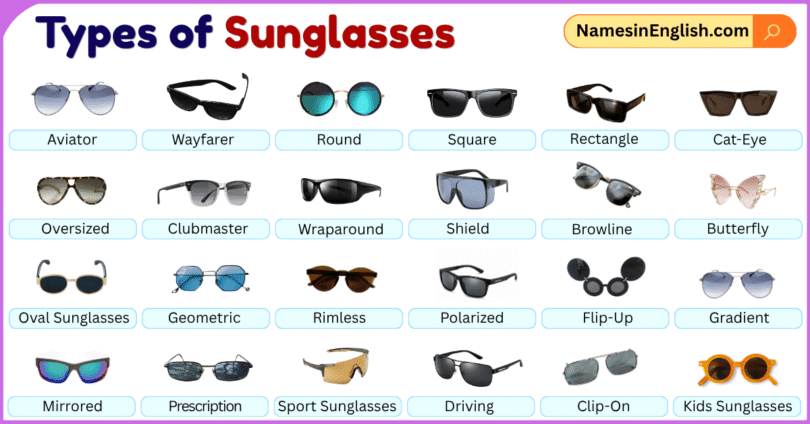

Sunglasses are popular eyewear accessories used to protect the eyes from bright sunlight and harmful ultraviolet (UV) rays while adding style and comfort. They come in many designs, including aviator, wayfarer, round, cat-eye, oversized, square, and wraparound styles, each offering a different shape, appearance, and purpose. Learning the names of different types of sunglasses is a useful way to improve Knowledge about the sunglasses while becoming familiar with common eyewear styles. In this article, you will learn sunglasses names in English with clear pictures, helping students, teachers, shoppers, travelers, beginners, and English learners easily identify, understand, remember, and use these names with confidence.
What Are Sunglasses?
Sunglasses are glasses with tinted, darkened, or specially treated lenses that reduce bright visible light and may protect the eyes from ultraviolet rays.
A good pair of sunglasses should provide suitable UV protection, regardless of how dark the lenses appear. Dark lenses alone do not necessarily mean better protection.
Sunglasses are commonly worn:
- Outdoors
- While driving
- At the beach
- During sports
- While traveling
- In snowy environments
- For fashion
- For reducing glare
Types of Sunglasses with Names
| Sunglasses Type | Main Feature | Common Use |
|---|---|---|
| Aviator Sunglasses | Large teardrop-shaped lenses | Casual wear, driving |
| Wayfarer Sunglasses | Thick frame with angled shape | Everyday fashion |
| Round Sunglasses | Circular lenses | Fashion, casual wear |
| Square Sunglasses | Square-shaped lenses | Everyday wear |
| Rectangle Sunglasses | Wider than they are tall | Casual and formal style |
| Cat-Eye Sunglasses | Raised outer corners | Fashion |
| Oversized Sunglasses | Extra-large lenses | Fashion, broad coverage |
| Clubmaster Sunglasses | Heavy upper frame | Retro fashion |
| Wraparound Sunglasses | Curved around the face | Sports, cycling |
| Shield Sunglasses | One large continuous lens | Sports, fashion |
| Browline Sunglasses | Thick upper frame | Classic style |
| Butterfly Sunglasses | Wide, wing-like shape | Fashion |
| Oval Sunglasses | Soft oval lenses | Casual fashion |
| Geometric Sunglasses | Angular or unusual shapes | Modern fashion |
| Rimless Sunglasses | Little or no visible frame | Minimal style |
| Semi-Rimless Sunglasses | Partial frame around lenses | Lightweight style |
| Polarized Sunglasses | Reduce reflected glare | Driving, fishing |
| Photochromic Sunglasses | Darken in bright light | Outdoor use |
| Gradient Sunglasses | Darker at top, lighter below | Driving, fashion |
| Mirrored Sunglasses | Reflective outer coating | Sports, bright conditions |
| Prescription Sunglasses | Correct vision and block light | Everyday outdoor use |
| Sport Sunglasses | Secure, performance-oriented design | Running, cycling |
| Driving Sunglasses | Designed for visual comfort on roads | Driving |
| Clip-On Sunglasses | Attach to regular glasses | Convenient outdoor use |
| Flip-Up Sunglasses | Tinted lenses flip upward | Versatile use |
| Glacier Sunglasses | Strong side protection | Snow, mountains |
| Kids’ Sunglasses | Small, child-sized frames | Eye protection for children |
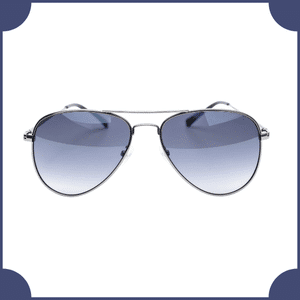
Aviator Sunglasses
Aviator sunglasses feature large, slightly teardrop-shaped lenses and thin frames. Originally designed for pilots, they are now a popular eyewear style available in many variations.
Wayfarer Sunglasses
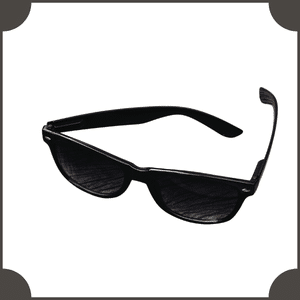
Wayfarer sunglasses feature distinctive trapezoidal frames, often made from thicker plastic. Their versatile, casual design makes them a popular choice for everyday wear.
Round Sunglasses
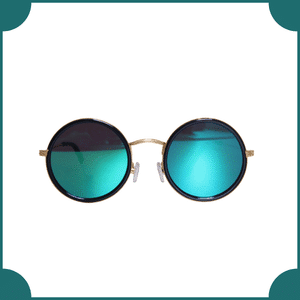
Round sunglasses feature circular or nearly circular lenses with various frame designs. Their distinctive shape is commonly associated with retro, artistic, and vintage-inspired fashion.
Square Sunglasses
Square sunglasses feature relatively straight sides and defined corners, creating a structured appearance. They are available in different sizes, including compact and oversized designs.
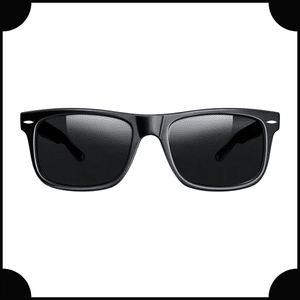
Rectangle Sunglasses
Rectangle sunglasses feature horizontally elongated lenses with straight, clean lines. Their simple shape creates a modern appearance and works well with fashionable or sporty frames.
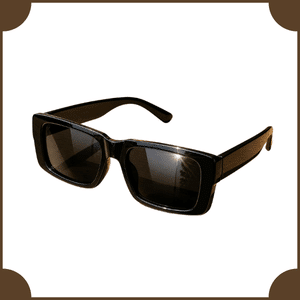
Cat-Eye Sunglasses
Cat-eye sunglasses feature outer corners that curve or rise upward, creating a distinctive feline-inspired shape. They are strongly associated with retro and fashionable eyewear.
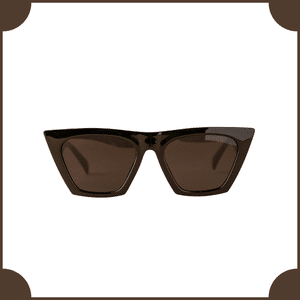
Oversized Sunglasses
Oversized sunglasses feature larger lenses and frames than standard eyewear. They are primarily fashionable, while lens quality and verified UV protection determine actual eye protection.
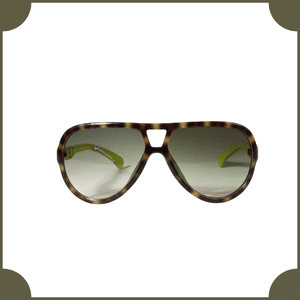
Clubmaster Sunglasses
Clubmaster sunglasses feature a prominent upper frame with a thinner lower section. Their browline-inspired construction gives them a distinctive classic appearance associated with retro fashion.
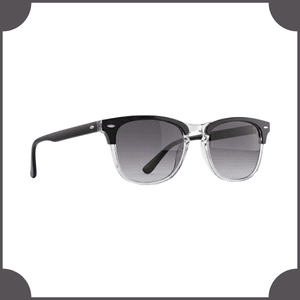
Wraparound Sunglasses
Wraparound sunglasses curve around the sides of the face, helping reduce peripheral exposure to sunlight, wind, dust, and glare during various outdoor activities.
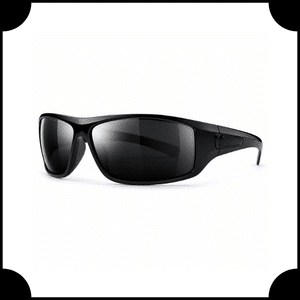
Shield Sunglasses
Shield sunglasses typically feature one large continuous lens extending across the face. Their broad coverage provides a wide field of view and distinctive appearance.
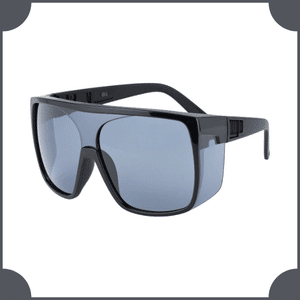
Browline Sunglasses
Browline sunglasses feature a prominent upper frame following the eyebrow line, while the lower frame remains thinner. This construction creates a classic, structured appearance.
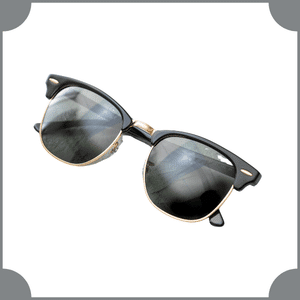
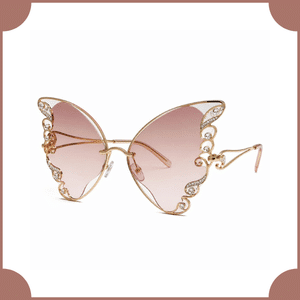
Butterfly Sunglasses
Butterfly sunglasses feature large lenses that widen toward the outer edges, resembling butterfly wings. Their dramatic shape is primarily associated with fashionable, statement-making eyewear.
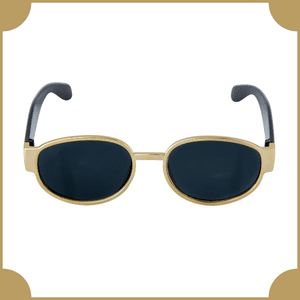
Oval Sunglasses
Oval sunglasses feature softly curved lenses that are wider horizontally than vertically. Their shape falls between round and elongated designs, creating a subtle retro appearance.
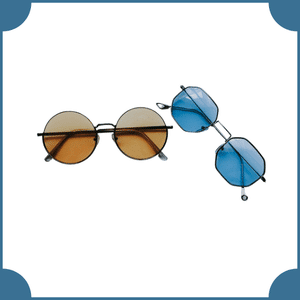
Geometric Sunglasses
Geometric sunglasses feature unconventional angular lens shapes rather than traditional rounded or rectangular designs. Their distinctive construction is mainly associated with contemporary and experimental fashion.
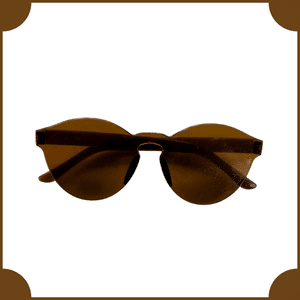
Rimless Sunglasses
Rimless sunglasses feature lenses attached directly to the bridge and temples without a surrounding frame. Their minimal construction creates a lightweight, subtle, and modern appearance.
Semi-Rimless Sunglasses
Semi-rimless sunglasses feature frames surrounding only part of each lens, commonly along the upper edge. Their exposed lower section creates a lightweight, contemporary appearance.
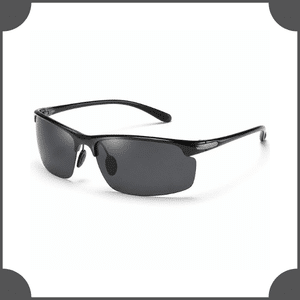
Polarized Sunglasses
Polarized sunglasses contain specialized filters that reduce intense reflected glare from surfaces. Polarization improves visual comfort, but it does not automatically indicate adequate ultraviolet protection.
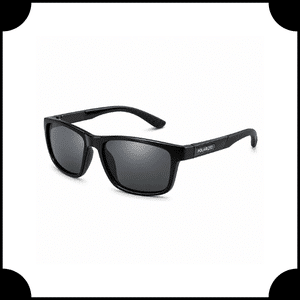
Mirrored Sunglasses
Mirrored sunglasses feature reflective coatings on the outer lens surfaces that reflect incoming visible light. They provide a distinctive appearance and are popular for bright conditions.
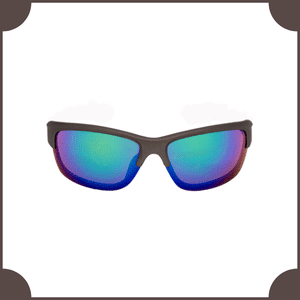
Gradient Sunglasses
Gradient sunglasses feature lenses that gradually transition from darker shades at the top to lighter shades below. This design balances sunlight reduction with clearer lower vision.
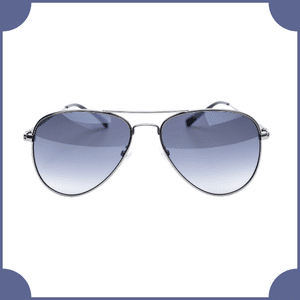
Double-Gradient Sunglasses
Double-gradient sunglasses feature lenses that are darker at both the top and bottom, while the middle remains lighter. This design reduces light from multiple directions.
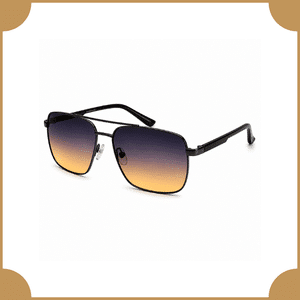
Photochromic Sunglasses
Photochromic sunglasses use lenses that automatically darken under suitable ultraviolet exposure and become lighter when exposure decreases. Their performance can vary inside vehicles because windshields filter UV.
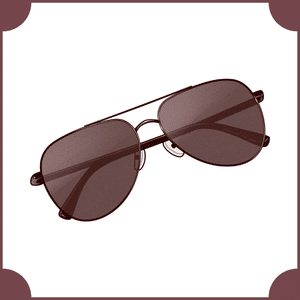
Prescription Sunglasses
Prescription sunglasses combine corrective lenses with sun-filtering properties to address refractive needs such as nearsightedness, farsightedness, or astigmatism. Appropriate UV protection remains important outdoors.
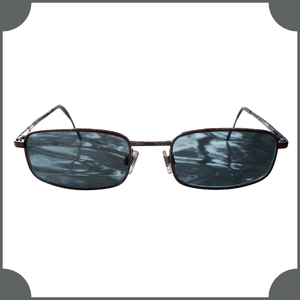
Sports Sunglasses
Sports sunglasses are designed for active movement, commonly featuring lightweight construction, secure fitting, curved lenses, non-slip components, impact resistance, and broad visual coverage.
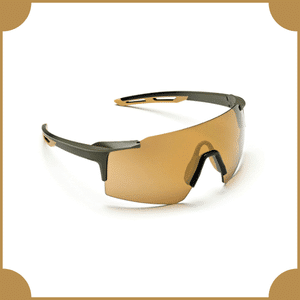
Driving Sunglasses
Driving sunglasses reduce bright sunlight and glare while maintaining clear vision. Polarized lenses can reduce reflected glare, although extremely dark lenses are unsuitable for poor visibility.
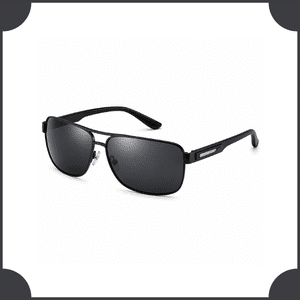
Cycling Sunglasses
Cycling sunglasses commonly feature curved frames and large lenses designed to protect eyes from sunlight, wind, dust, insects, and airborne particles during cycling activities.
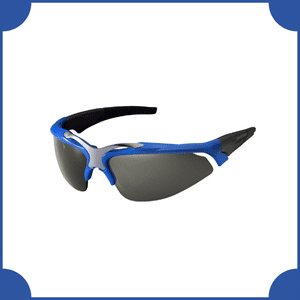
Running Sunglasses
Running sunglasses are designed to remain comfortable and secure during continuous movement. Lightweight frames, curved lenses, and non-slip components help maintain stability while running.
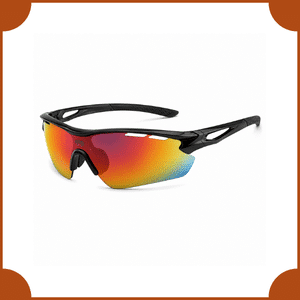
Fishing Sunglasses
Fishing sunglasses commonly use polarized lenses to reduce strong glare reflected from water. Lower glare can improve visual comfort and visibility across the water’s surface.
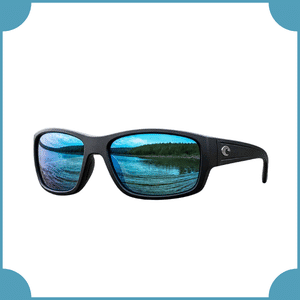
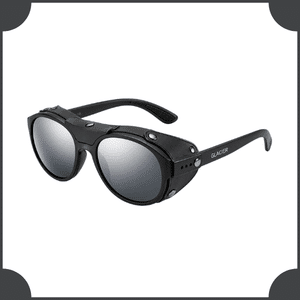
Glacier Sunglasses
Glacier sunglasses are designed for extremely bright snowy and high-altitude environments. They commonly provide strong UV protection, dark lenses, secure frames, and side coverage.
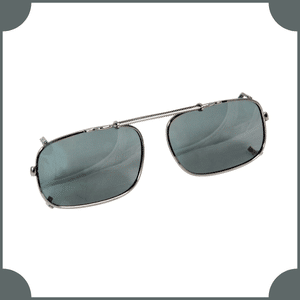
Clip-On Sunglasses
Clip-on sunglasses are tinted lenses designed to attach over prescription glasses. They allow wearers to retain their corrective lenses while adding sunlight filtering when needed.
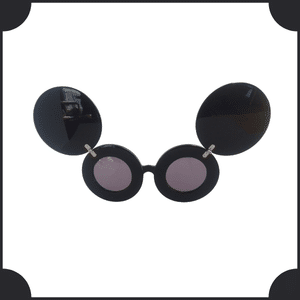
Flip-Up Sunglasses
Flip-up sunglasses feature tinted lenses that can be raised while underlying corrective lenses remain positioned normally. They are convenient when frequently moving between bright and shaded environments.
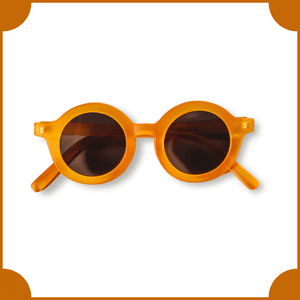
Kids’ Sunglasses
Kids’ sunglasses are designed with smaller dimensions and child-friendly materials. Quality children’s eyewear should fit comfortably and provide verified UV protection rather than simply dark lenses.
Types of Sunglasses by Frame Shape
Sunglasses are often named according to the shape of their frames and lenses.
| Shape | Main Appearance |
|---|---|
| Round | Circular |
| Oval | Soft elongated curve |
| Square | Four strong corners |
| Rectangle | Wide and narrow |
| Cat-Eye | Raised outer corners |
| Aviator | Teardrop-shaped |
| Butterfly | Wide outward shape |
| Wayfarer | Angled trapezoidal style |
| Geometric | Multi-sided |
| Shield | Large continuous lens |
Types of Sunglasses by Lens Technology
Lens technology can affect glare reduction, light transmission, visual comfort, and appearance.
| Lens Type | Main Feature |
|---|---|
| Polarized | Reduces reflected glare |
| Mirrored | Reflects some visible light |
| Gradient | Dark at top, lighter below |
| Double Gradient | Dark at top and bottom |
| Photochromic | Changes tint with light conditions |
| Prescription | Corrects vision |
| UV-Blocking | Filters ultraviolet radiation |
| Anti-Reflective | Reduces certain reflections |
| Interchangeable | Allows different lenses to be fitted |
Types of Sunglasses by Lens Color
Lens color affects appearance and may influence how colors and contrast are perceived.
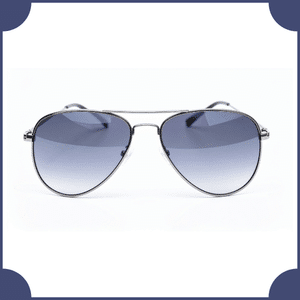
Gray Lenses
Gray lenses reduce overall brightness while generally preserving natural color balance. They are widely used for everyday outdoor wear.
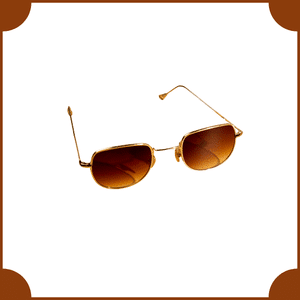
Brown Lenses
Brown or amber lenses can increase perceived contrast in some environments. They are commonly used for driving and outdoor activities.
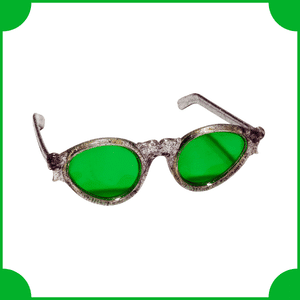
Green Lenses
Green lenses reduce brightness while generally maintaining relatively balanced color perception.
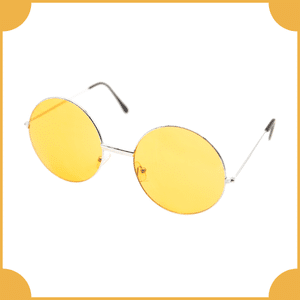
Yellow Lenses
Yellow or gold lenses can increase contrast in some low-light conditions, but they are generally not suitable for strong sunlight unless they also provide sufficient visible-light reduction.
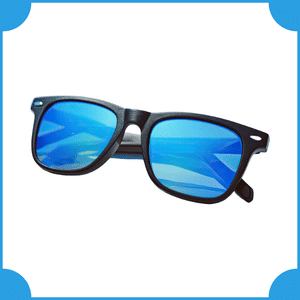
Blue Lenses
Blue lenses are commonly selected for fashion, although some specialized sports lenses also use blue-related tints or coatings.
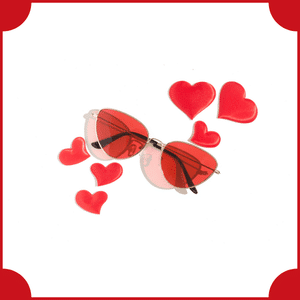
Rose and Red Lenses
Rose-colored lenses can alter contrast and are used in some sports and fashion eyewear.
Lens Color vs. UV Protection
Lens color and darkness do not guarantee UV protection. Choose sunglasses labeled with 100% UVA and UVB protection or UV400, regardless of their fashionable color or appearance.
What Does UV400 Mean?
UV400 generally means that the lenses are designed to block ultraviolet radiation with wavelengths up to approximately 400 nanometers, covering UVA and UVB ranges. This is an important feature when sunglasses are intended for sun protection.
Polarized vs. Non-Polarized Sunglasses
| Polarized Sunglasses | Non-Polarized Sunglasses |
|---|---|
| Reduce reflected glare | Mainly reduce brightness |
| Useful near water and roads | Suitable for general use |
| Can improve visual comfort | Do not specifically filter polarized glare |
| May affect visibility of some screens | Usually easier to use with displays |
| UV protection must still be checked | UV protection must still be checked |
Mirrored vs. Polarized Sunglasses
Mirrored and polarized sunglasses are also different. A mirrored lens has a reflective coating that reduces some visible light entering the lens. A polarized lens uses a filter that reduces certain horizontally reflected glare.
Parts of Sunglasses in English
| Part | Meaning |
|---|---|
| Lens | Transparent or tinted part you look through |
| Frame | Structure holding the lenses |
| Bridge | Part connecting the two lenses over the nose |
| Nose Pads | Small supports resting on the nose |
| Temple | Side arm extending toward the ears |
| Temple Tip | End section resting behind the ear |
| Hinge | Joint allowing the temples to fold |
| Rim | Frame surrounding a lens |
| Brow Bar | Bar above the lenses on some styles |
| Nose Bridge | Central area resting over the nose |
Sunglasses vs. Goggles
Sunglasses and goggles are different forms of eyewear. Sunglasses usually have open sides and temples that rest over the ears. Goggles generally fit more closely around the eyes and may use a strap. Goggles are commonly used for used for swimming, skiing, laboratory work, industrial protection, and motorsports.
How to Choose Sunglasses
When choosing sunglasses, consider both eye protection and comfort rather than appearance alone. Important factors include UV protection, comfortable fit, lens quality, suitable darkness, frame size, eye coverage, intended activity, polarization, prescription needs, and durability.
Which Sunglasses Are Best for Driving?
For daytime driving, choose sunglasses that reduce bright sunlight and glare while keeping road signs, signals, pedestrians, and vehicles clearly visible without making vision excessively dark.
Which Sunglasses Are Best for Sports?
Sports sunglasses should be lightweight, secure, comfortable, impact-resistant, and provide adequate eye coverage. Wraparound designs are common because they help protect against sunlight, wind, dust, and airborne debris.
Which Sunglasses Are Best for the Beach?
For beach use, choose sunglasses with reliable UV protection and broad coverage to reduce exposure from direct sunlight and reflected glare from water and sand.
Common Mistakes When Buying Sunglasses
- One common mistake is assuming that darker lenses automatically provide stronger UV protection. They do not.
- Another mistake is buying sunglasses based entirely on frame style without checking lens quality and UV protection.
- People may also confuse polarization with UV protection. Polarization reduces glare, while UV filtering protects against ultraviolet radiation.
- Proper fit is also important. Sunglasses that are too loose, too tight, or too narrow can become uncomfortable during extended wear.
Popular Types of Sunglasses for Men and Women
Most sunglasses styles are not technically restricted to one gender. Frame choice mainly depends on personal preference, fit, face proportions, activity, and fashion style.
Popular styles include:
- Aviator
- Wayfarer
- Round
- Square
- Rectangle
- Cat-Eye
- Oversized
- Clubmaster
- Shield
- Wraparound
Frequently Asked Questions About Types of Sunglasses
What are the main types of sunglasses?
Common types include aviator, wayfarer, round, square, rectangle, cat-eye, oversized, clubmaster, wraparound, shield, polarized, mirrored, gradient, and sports sunglasses.
What are polarized sunglasses?
Polarized sunglasses use a special filter to reduce strong reflected glare from surfaces such as roads, water, and snow.
Are polarized sunglasses better than normal sunglasses?
They can be more comfortable in situations with strong reflected glare, but they are not automatically better for every activity. UV protection should still be checked separately.
What are aviator sunglasses?
Aviator sunglasses commonly have thin metal frames and large teardrop-shaped lenses.
What are cat-eye sunglasses?
Cat-eye sunglasses have frames with outer corners that rise upward, creating a distinctive fashion shape.
What are mirrored sunglasses?
Mirrored sunglasses have a reflective coating on the outer surface of their lenses.
What are photochromic sunglasses?
Photochromic lenses change tint according to exposure to certain light and UV conditions, becoming darker outdoors and lighter when UV exposure decreases.
Are dark sunglasses always safer?
No. Lens darkness alone does not show how much UV radiation is blocked. Sunglasses should have verified UV protection.
Can prescription glasses also be sunglasses?
Yes. Prescription sunglasses combine corrective lenses with tinting and sun protection.
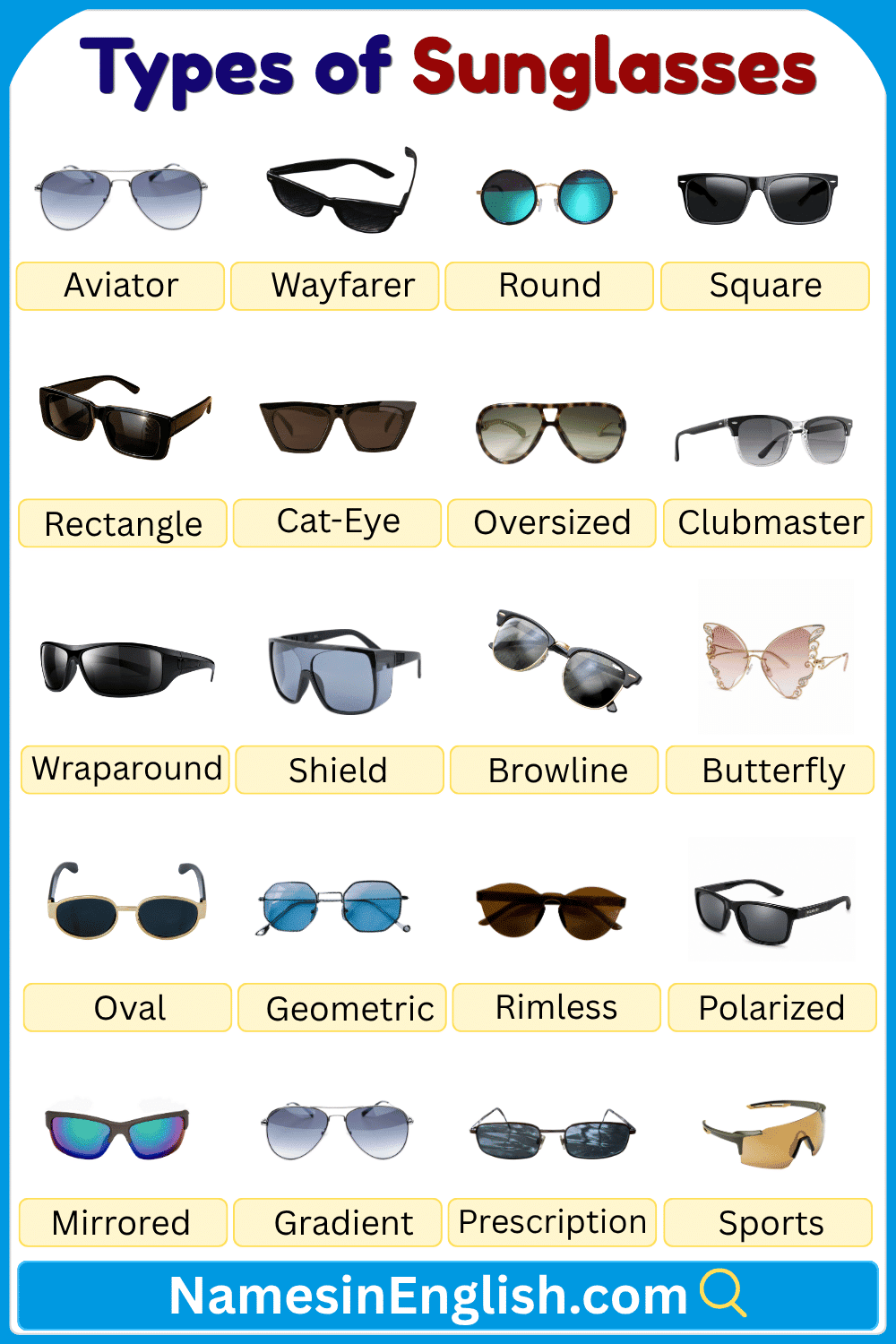
Types of Sunglasses with Names and Pictures
Conclusion
Learning the types of sunglasses helps ESL learners understand useful vocabulary related to eyewear, fashion, shapes, sports, driving, and eye protection. Common styles include aviator, wayfarer, round, square, rectangle, cat-eye, oversized, clubmaster, wraparound, and shield sunglasses, while lens types include polarized, mirrored, gradient, photochromic, and prescription lenses. Understanding the difference between frame style, lens color, polarization, and UV protection is especially important because these terms describe different features. By learning their names, parts, uses, and example sentences, students can use sunglasses vocabulary confidently in daily conversations, descriptive writing, shopping, classroom activities, and English exams.
Learn More Helpful Articles