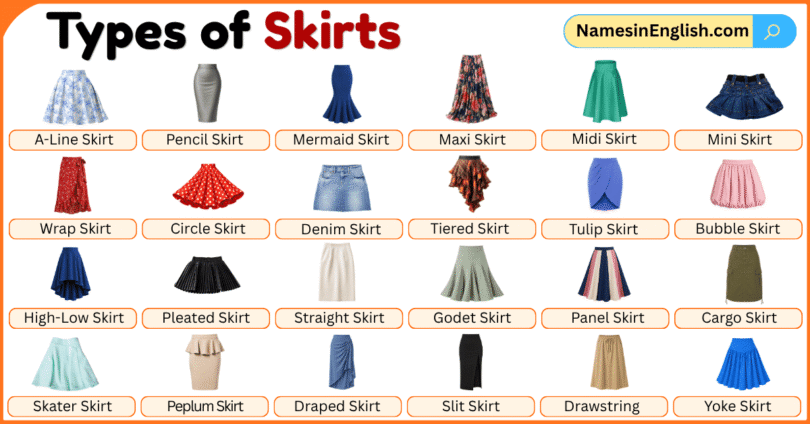

Skirts are a versatile part of fashion, available in many lengths, shapes, fabrics, and styles to suit different occasions and personal preferences. With so many options, choosing the right style can sometimes feel confusing. In this guide to different types of skirts with pictures and names, you’ll learn popular skirt styles, learn what makes each one unique, and understand where and when they are commonly worn. Whether you are looking for a skirt for everyday wear, work, a party, or a special occasion, this article will help you easily recognize and choose the right style.
Table of Contents
ToggleWhat Is a Skirt?
A skirt is a garment worn around the waist or hips that extends downward over the legs without separate sections for each leg. Skirts come in different lengths, shapes, and styles and can be made from various fabrics.
Common Types of Skirts with Pictures
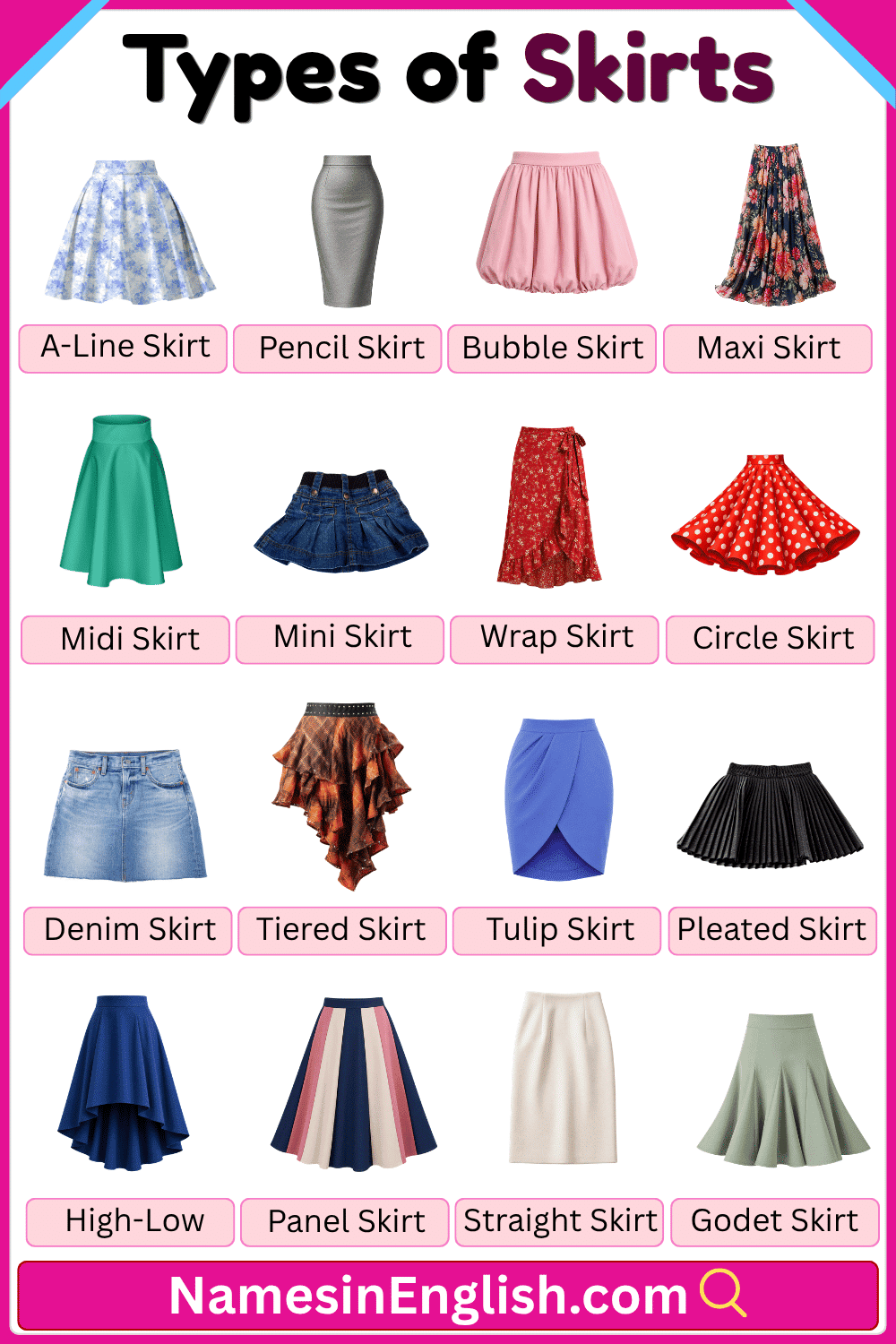
The following table introduces some of the most useful types of skirts and their basic meanings.
| Skirt Name | Feature |
|---|---|
| A-Line Skirt | A skirt that is narrower at the waist and wider at the bottom |
| Pencil Skirt | A narrow, fitted skirt with a straight shape |
| Pleated Skirt | A skirt made with folded sections called pleats |
| Maxi Skirt | A long skirt that usually reaches the ankles or lower legs |
| Midi Skirt | A skirt that usually falls between the knee and ankle |
| Mini Skirt | A short skirt with a hem well above the knee |
| Wrap Skirt | A skirt formed by wrapping fabric around the body |
| Circle Skirt | A full skirt made from a circular or near-circular piece of fabric |
| Denim Skirt | A skirt made primarily from denim |
| Tiered Skirt | A skirt constructed with several horizontal fabric sections |
| Tulip Skirt | A skirt shaped to resemble the form of a tulip |
| Bubble Skirt | A skirt with a rounded, puffed lower shape |
| Asymmetrical Skirt | A skirt with an uneven hemline |
| High-Low Skirt | A skirt shorter at the front and longer at the back |
| Mermaid Skirt | A fitted skirt that flares toward the bottom |
| Straight Skirt | A skirt that falls relatively straight from the hips |
| Godet Skirt | A skirt containing inserted fabric panels that create extra flare |
| Panel Skirt | A skirt constructed from several vertical fabric panels |
| Ruffle Skirt | A skirt decorated or constructed with gathered fabric frills |
| Layered Skirt | A skirt with two or more visible layers |
Types of Skirts by Shape and Design
Many skirt names describe the shape or construction of the garment. These terms are especially useful when talking about fashion and shopping.
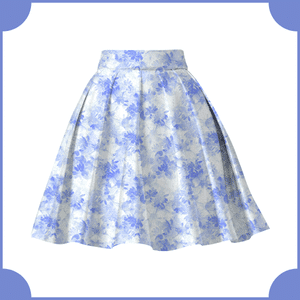
A-Line Skirt
An A-line skirt fits around the waist and gradually widens toward the hem, creating an A-shaped silhouette. It comes in mini, midi, and maxi lengths.
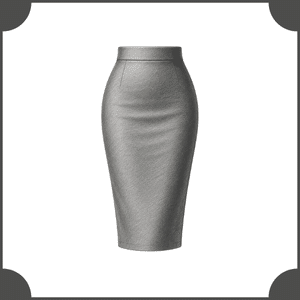
Pencil Skirt
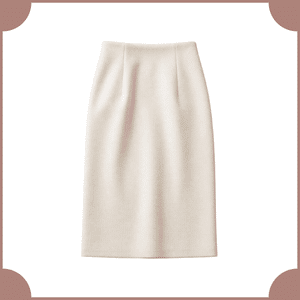
A pencil skirt is a fitted, narrow skirt that follows the hips and legs. It is often worn for business, formal, or smart outfits.
Straight Skirt
A straight skirt hangs in a mostly straight line from the hips to the hem. It offers a simple, clean shape and is less tapered than a pencil skirt.
Pleated Skirt
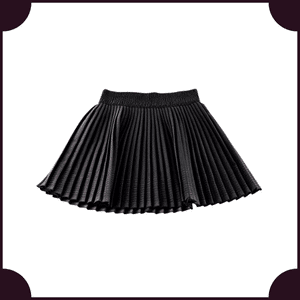
A pleated skirt features folded fabric called pleats, adding shape and movement. Common styles include knife, box, inverted, and accordion pleats. School uniforms often use them.
Circle Skirt
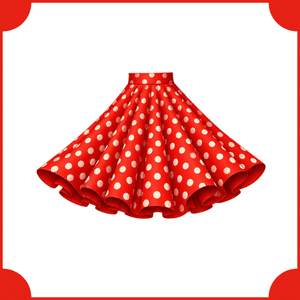
A circle skirt is cut from a circular or near-circular piece of fabric. It fits around the waist and creates a wide, flowing hem. This skirt has considerable fullness, while half-circle and quarter-circle versions use less fabric and create less flare.
Wrap Skirt
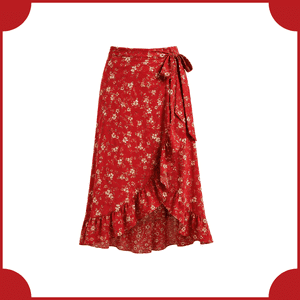
A wrap skirt uses overlapping fabric that wraps around the waist or hips. It is usually secured with ties, buttons, snaps, or another fastening.
Tiered Skirt
A tiered skirt consists of horizontal sections or tiers joined together. The lower sections are often wider or gathered, creating additional volume.
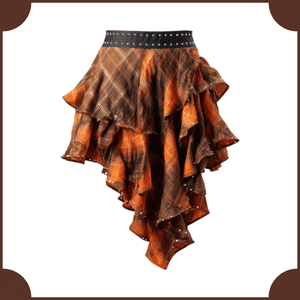
Panel Skirt
A panel skirt is constructed by sewing together several vertical pieces of fabric called panels. The number and shape of the panels influence how the skirt fits and falls.
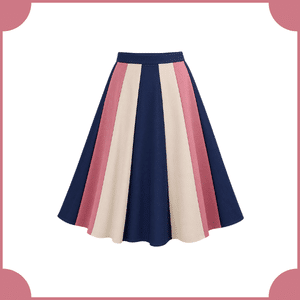
Godet Skirt
A godet skirt contains triangular or wedge-shaped pieces of fabric called godets inserted into seams or slits. These inserts give the lower part of the skirt more width and movement.
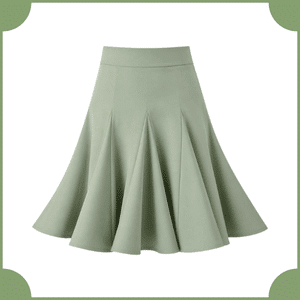
Tulip Skirt
A tulip skirt usually has extra volume around the hips and a narrower shape toward the lower part, creating an outline inspired by a tulip flower.
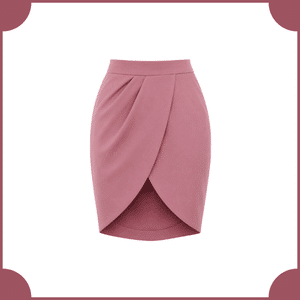
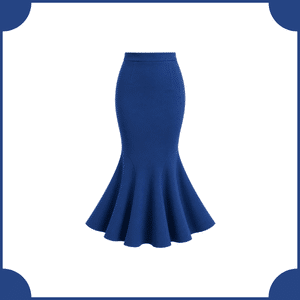
Mermaid Skirt
A mermaid skirt is fitted through much of its upper portion and then becomes wider toward the hem. This creates a silhouette similar to a mermaid tail.
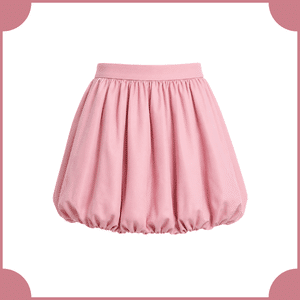
Bubble Skirt
A bubble skirt has a rounded, puffed silhouette. Its outer fabric is usually gathered or attached inward near the hem to produce the characteristic bubble shape.
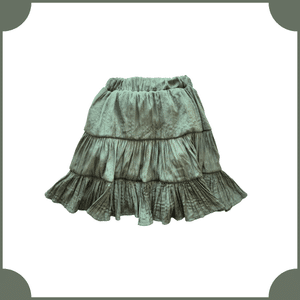
Ruffle Skirt
A ruffle skirt features one or more ruffles. A ruffle is a strip of gathered or pleated fabric used to create a decorative, wavy effect.
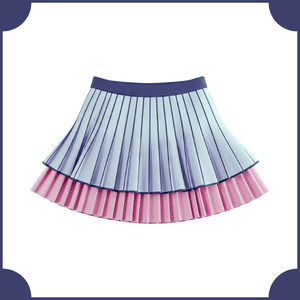
Layered Skirt
A layered skirt has multiple visible layers of fabric. The layers may be equal or different in length and can create additional volume, movement, or decorative detail.
Types of Skirts by Length
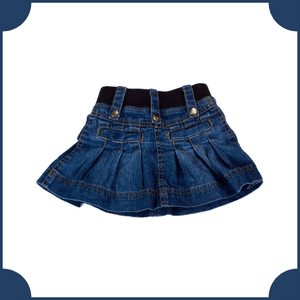
Mini Skirt
A mini skirt has a hemline well above the knee. Mini skirts come in numerous designs, including denim, pleated, A-line, and fitted styles.
Midi Skirt
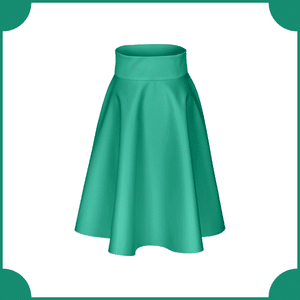
A midi skirt falls somewhere between the knee and ankle, often around the mid-calf region. Midi describes length rather than shape. Therefore, a skirt can be a pleated midi skirt, pencil midi skirt, or A-line midi skirt.
Maxi Skirt
A maxi skirt is a long skirt, generally reaching the ankle or lower leg. Maxi skirts may be fitted, loose, pleated, tiered, or flowing.

Types of Skirts by Hemline
A skirt’s hemline is its lower edge. Some skirt styles are primarily identified by the shape or position of this edge.
Asymmetrical Skirt
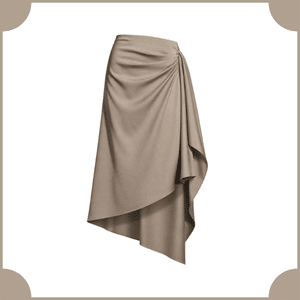
An asymmetrical skirt has a hemline that is intentionally uneven. One side or section may be longer than another.
High-Low Skirt
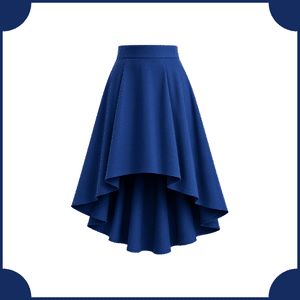
A high-low skirt is a specific asymmetrical design. Its front is generally shorter, while its back is longer. Therefore, high-low skirts are asymmetrical skirts, but not every asymmetrical skirt is necessarily high-low.
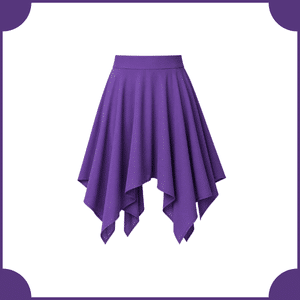
Handkerchief Skirt
A handkerchief skirt has a hem that hangs into several uneven or pointed sections. These points can give the lower edge a flowing, handkerchief-like appearance.
Types of Skirts by Material
Some everyday skirt names describe the main fabric or material rather than the garment’s shape.
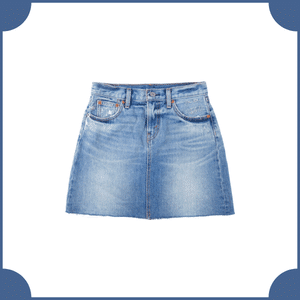
Denim Skirt
A denim skirt is made primarily from denim, the sturdy fabric commonly associated with jeans. Denim skirts are available in mini, midi, maxi, pencil, and A-line designs.
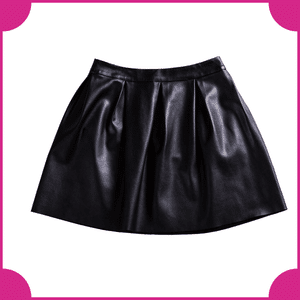
Leather Skirt
A leather skirt is made from leather. Similar-looking skirts may instead be made from faux leather, an artificial material designed to resemble leather.
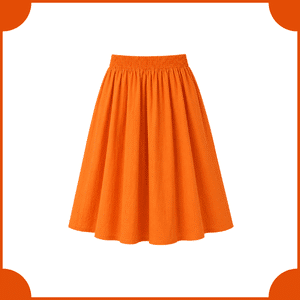
Cotton Skirt
A cotton skirt is made wholly or partly from cotton fabric. Cotton is widely used for casual clothing and can appear in many different skirt designs.
Linen Skirt
A linen skirt is made wholly or partly from linen, a textile produced from flax fibers. Linen skirts are especially associated with lightweight warm-weather clothing.

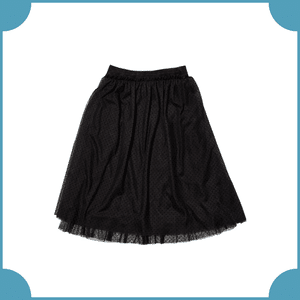
Tulle Skirt
A tulle skirt uses tulle, a lightweight net-like fabric. It may contain several layers to produce extra volume. Tulle is also strongly associated with ballet tutus, although not every tulle skirt is a tutu.
Common Types of Skirts with Pictures
Other Popular Skirt Types
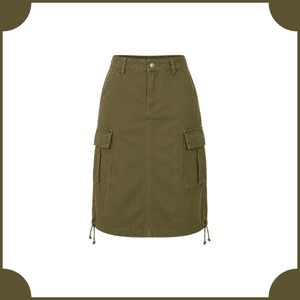
Cargo Skirt
A practical skirt featuring large utility pockets, often made from durable fabric. It combines casual style with useful storage and a relaxed everyday appearance.
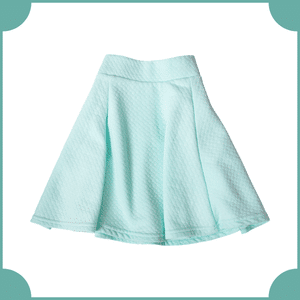
Skater Skirt
A fitted-waist skirt that flares outward toward the hem, creating a playful shape. Its flowing design allows comfortable movement and suits casual outfits.
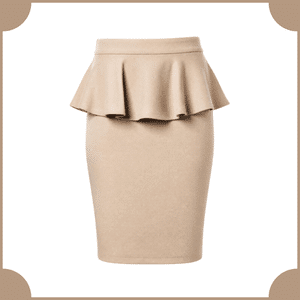
Peplum Skirt
A skirt featuring an additional flared or ruffled fabric section around the waist or hips. This detail creates a decorative, structured, and feminine silhouette.
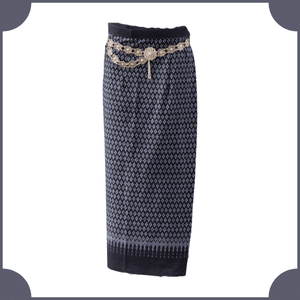
Sarong Skirt
A wrap-style skirt inspired by traditional sarongs, usually created by folding or tying fabric around the waist. It offers comfort and an adjustable fit.
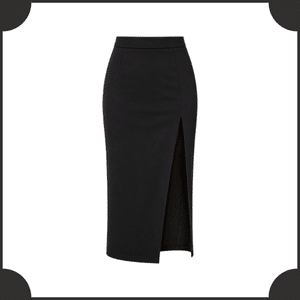
Slit Skirt
A skirt designed with an opening along the front, side, or back. The slit adds movement, visual interest, and sometimes makes walking easier.
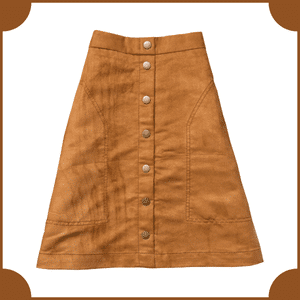
Button-Front Skirt
A skirt featuring a visible row of buttons running down the front. The buttons provide decorative detail while giving the garment a distinctive appearance.
Drawstring Skirt
A skirt with a drawstring waistband that allows the wearer to tighten or loosen the fit. It is comfortable, adjustable, and commonly worn casually.
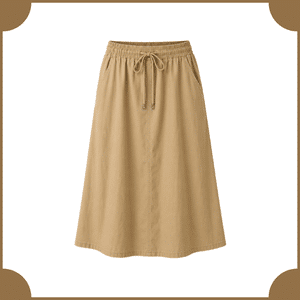
Elastic-Waist Skirt
A skirt with elastic incorporated into its waistband, allowing it to stretch comfortably around the waist. It provides flexibility and an easy, relaxed fit.
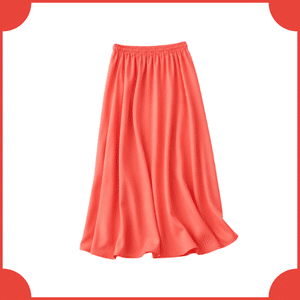
Yoke Skirt
A skirt featuring a fitted upper section called a yoke, which connects the waistband to the main skirt. This construction provides structure and shape.
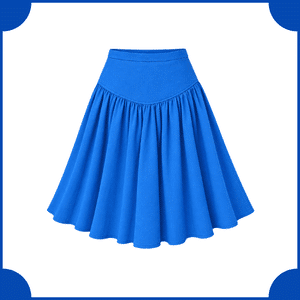
Draped Skirt
A skirt designed with fabric arranged into soft folds or gathers, creating a flowing draped appearance. Its relaxed structure gives outfits an elegant look.
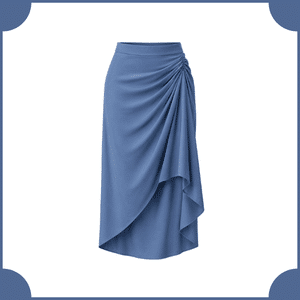
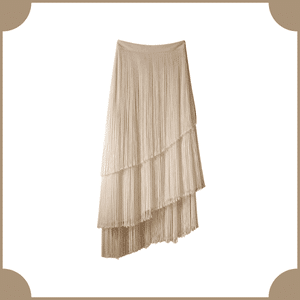
Fringe Skirt
A skirt decorated with hanging strips of fabric, thread, or other materials along its surface or hem. Fringe creates movement and a playful appearance.
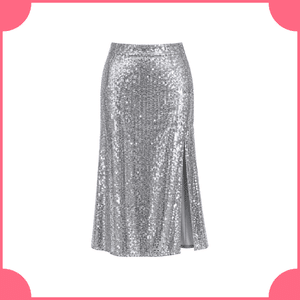
Sequin Skirt
A skirt decorated with numerous small, shiny sequins attached to the fabric. It creates a glamorous appearance and is often worn for parties or events.
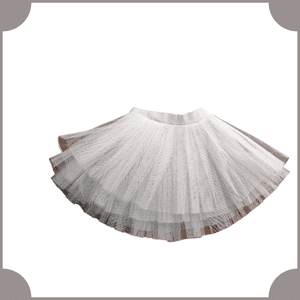
Tutu
A short ballet skirt traditionally made from multiple layers of lightweight tulle. It creates a stiff, airy shape and is strongly associated with ballet performances.
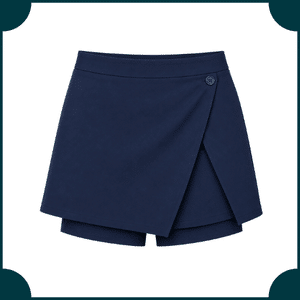
Skort
A garment combining the appearance of a skirt with shorts underneath. Skorts provide skirt-like styling while offering additional coverage and freedom of movement.
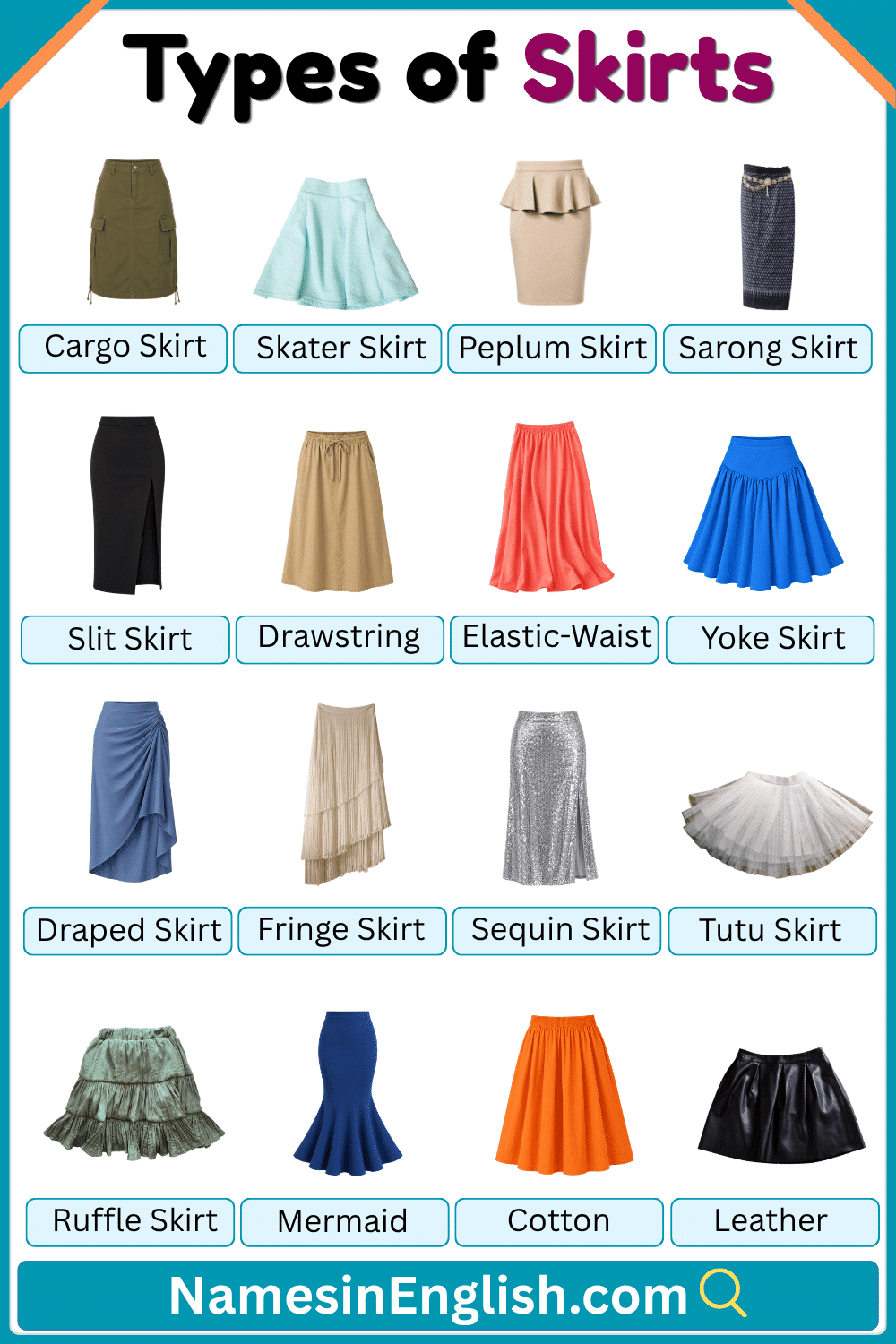
Popular Skirt Types with Pictures and Names
Important Parts of a Skirt
- Waistband
The band around the top of the skirt. - Hem
The finished lower edge of the skirt. - Hemline
The position or shape of the skirt’s lower edge. - Pleat
A fold formed in the fabric. - Panel
A separate section of fabric used in the skirt’s construction. - Seam
A line where pieces of fabric are sewn together. - Lining
An inner layer of fabric. - Slit
An opening in the skirt. - Pocket
A small fabric compartment for carrying items. - Zipper
A fastening used to open and close the skirt. - Yoke
A fitted structural section, often near the waist or hips. - Ruffle
A gathered or pleated decorative strip of fabric.
FAQs About Types of Skirts
What are the most common types of skirts?
Common types include A-line, pencil, pleated, mini, midi, maxi, wrap, circle, straight, tiered, denim, and asymmetrical skirts.
What are the main skirt lengths?
Common length terms include micro, mini, knee-length, midi, maxi, and floor-length. These terms are approximate rather than universally fixed measurements.
What is an A-line skirt?
An A-line skirt is narrower near the waist and becomes progressively wider toward the hem, creating an A-like silhouette.
What is the difference between a mini and midi skirt?
A mini skirt ends well above the knee, while a midi skirt extends below the knee and usually ends before the ankle.
What type of skirt has folds?
A pleated skirt has intentional fabric folds called pleats. Knife, box, inverted, and accordion pleats are common examples.
What is a long skirt called?
A long skirt reaching toward the ankle or lower leg is commonly called a maxi skirt. A garment extending all the way to approximately floor level may also be described as floor-length.
Can one skirt have more than one name?
Yes. Different names can describe different features. For example, a garment could be a pleated denim midi skirt because it is pleated, made from denim, and midi-length.
Is a skort a type of skirt?
A skort is a hybrid garment that combines features of a skirt and shorts. It may look like a skirt while having built-in shorts or separate leg sections underneath.
Conclusion
Learning the types of skirts helps learners understand clothing vocabulary and describe garments more accurately in English. Important skirt names include A-line, pencil, pleated, circle, wrap, mini, midi, maxi, tiered, straight, denim, and asymmetrical skirts.
You have also learned that skirt names can describe different characteristics, including shape, length, construction, material, and hemline. Understanding these categories makes it easier to talk about clothes, understand product descriptions, shop in English, and build a stronger everyday fashion vocabulary.