
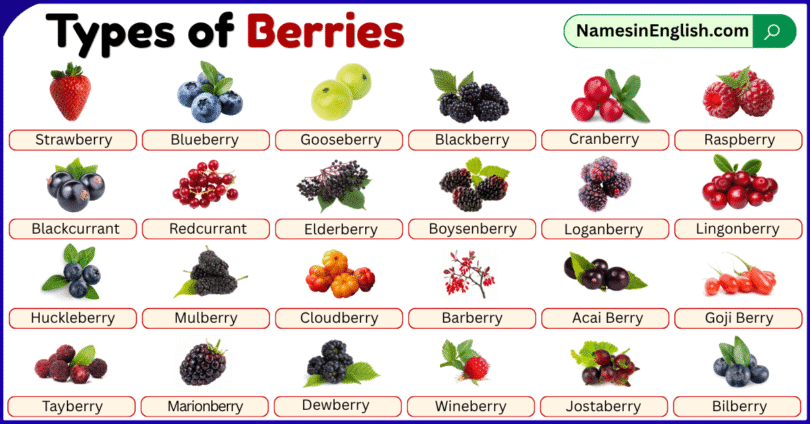

Berries are small, juicy fruits known for their beautiful colors and sweet, tart, or slightly sour flavors. From strawberries and blueberries to cranberries and gooseberries, different types of berries are enjoyed fresh and used in smoothies, jams, desserts, sauces, and many everyday foods. Learning their names is especially useful for kids, beginners, and English learners who want to improve their fruit vocabulary. In this article, you will learn types of berries with pictures and names in English, along with their colors, tastes, key features, common uses, and simple examples to help you recognize and remember them easily.
What Are Berries?
In everyday English, a berry is usually a small, juicy fruit that may be sweet, sour, or tart. Many familiar berries have soft flesh and are brightly colored.
However, botanists use the word berry differently. A true botanical berry develops from a single flower with one ovary, and its fleshy fruit usually contains seeds inside. Because of this scientific rule, some fruits called berries in everyday language are not true berries.
For example:
- Blueberry – a botanical berry
- Cranberry – a botanical berry
- Grape – botanically a berry
- Banana – botanically a berry
- Strawberry – not a botanical berry
- Raspberry – not a botanical berry
- Blackberry – not a botanical berry
This difference is important when learning about the types of berries.
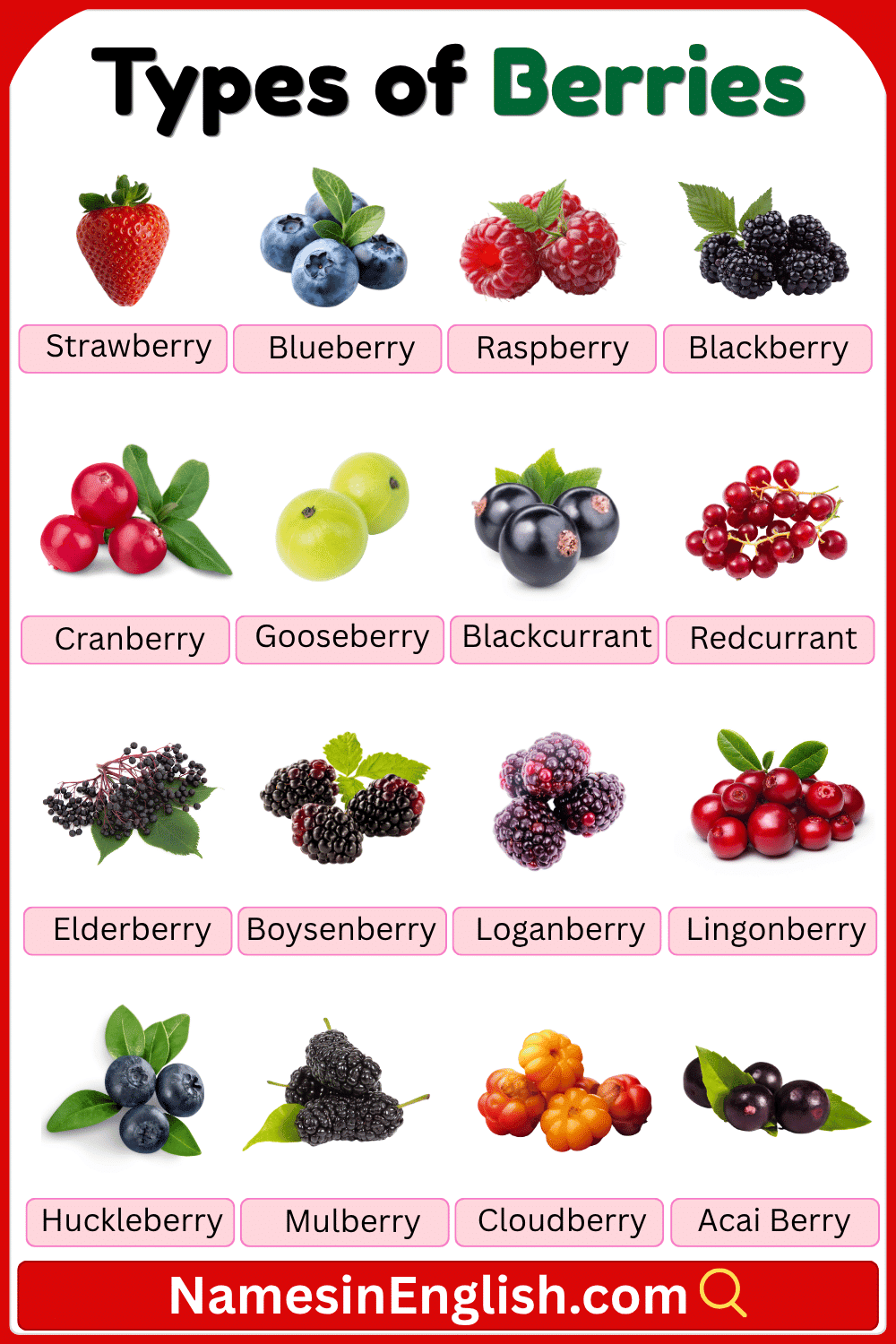
Common Types of Berries with Names
The following are some common and useful berry names in English.
| Berry Name | Typical Color | Taste |
|---|---|---|
| Strawberry | Red | Sweet to slightly tart |
| Blueberry | Blue to blue-purple | Sweet to mildly tart |
| Raspberry | Usually red | Sweet-tart |
| Blackberry | Dark purple-black | Sweet-tart |
| Cranberry | Red | Tart |
| Gooseberry | Green, yellow, red, or purple | Tart to sweet |
| Blackcurrant | Dark purple-black | Strong and tart |
| Redcurrant | Bright red | Tart |
| White Currant | Pale yellow-white | Mild and sweet-tart |
| Elderberry | Purple-black | Tart |
| Boysenberry | Dark red-purple | Sweet-tart |
| Loganberry | Deep red | Tart |
| Lingonberry | Red | Tart |
| Huckleberry | Blue, purple, or black | Sweet-tart |
| Mulberry | Red, purple-black, or white | Sweet |
| Cloudberry | Golden-orange | Sweet-tart |
| Salmonberry | Yellow-orange to red | Mildly sweet-tart |
| Serviceberry | Purple-blue | Sweet |
| Acai Berry | Deep purple | Earthy, slightly tart |
| Goji Berry | Orange-red | Mildly sweet-tart |
Popular Types of Berries and Their Meanings
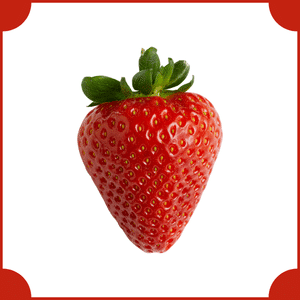
Strawberry
A strawberry is a sweet, juicy red fruit with tiny seeds outside. It is commonly eaten fresh and used in jams, desserts, smoothies, and cakes.
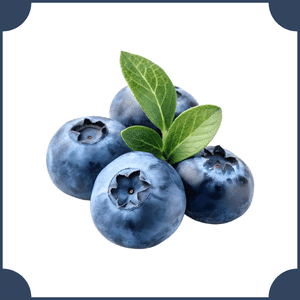
Blueberry
A blueberry is a small, round, blue-purple fruit with soft flesh and a sweet-tart taste. It is popular in smoothies, muffins, cereals, and desserts.
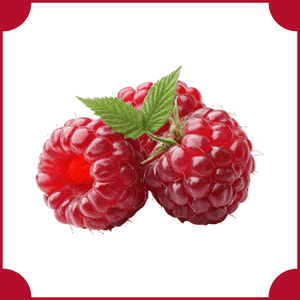
Raspberry
A raspberry is a soft, juicy fruit made of many small sections called drupelets. It is usually red and has a pleasantly sweet and tart taste.
Blackberry
A blackberry is a soft, dark purple-black fruit made of many small drupelets. It has a sweet-tart flavor and is popular in jams, pies, and desserts.
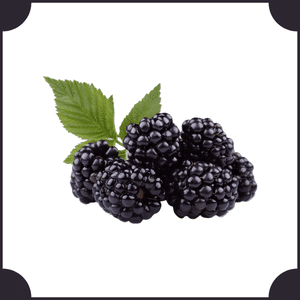
Cranberry
A cranberry is a small, round, bright-red berry with a sharp, tart taste. It is commonly used for juices, sauces, dried snacks, and baked foods.
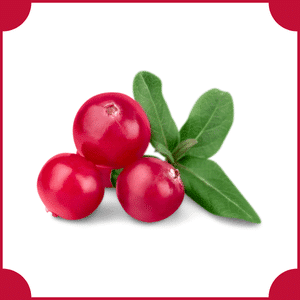
Gooseberry
A gooseberry is a small, round fruit that may be green, yellow, red, or purple. It has a sweet-tart taste and is used in jams and pies.
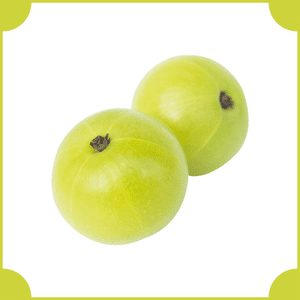
Blackcurrant
A blackcurrant is a small, dark purple-black berry that grows in clusters. It has a strong, tart flavor and is commonly used in juices, jams, and syrups.
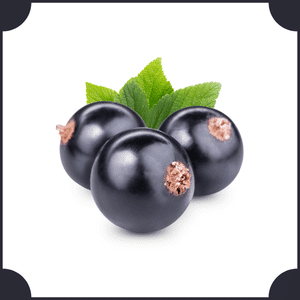
Redcurrant
A redcurrant is a small, shiny, bright-red berry that grows in clusters. It has a tart flavor and is often used in jellies, sauces, and desserts.
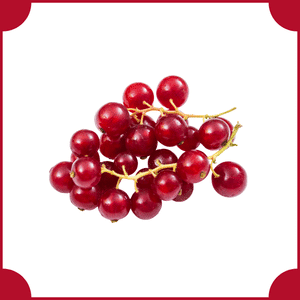
Elderberry
An elderberry is a small, dark purple-black fruit that grows in clusters on elder plants. Edible elderberries are commonly cooked and used in syrups, jams, and drinks.
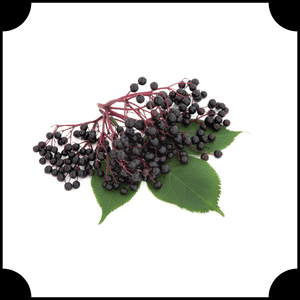
Mulberry
A mulberry is a soft, sweet fruit that grows on mulberry trees. Depending on its variety, it may be white, red, purple, or almost black when ripe.
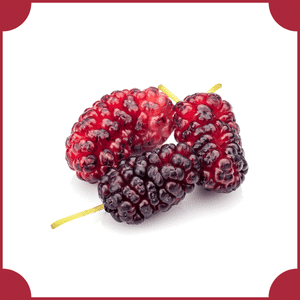
Boysenberry
A boysenberry is a large, juicy, reddish-purple bramble fruit related to raspberries and blackberries. It has a sweet-tart flavor and is used in jams and desserts.
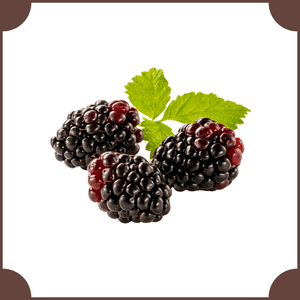
Loganberry
A loganberry is an elongated, dark-red hybrid bramble fruit related to raspberries and blackberries. It has a tart flavor and is commonly used in jams and pies.
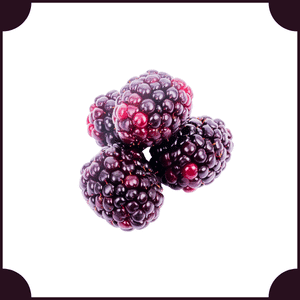
Lingonberry
A lingonberry is a small, bright-red berry that grows on low evergreen plants. It has a tart flavor and is commonly used in sauces, jams, and preserves.
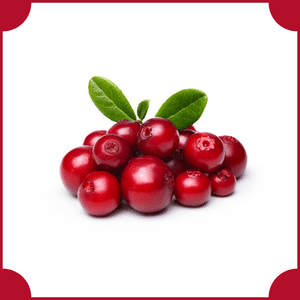
Huckleberry
A huckleberry is a small fruit that may be blue, purple, red, or black. Edible varieties have a sweet-tart flavor and are used in pies and jams.
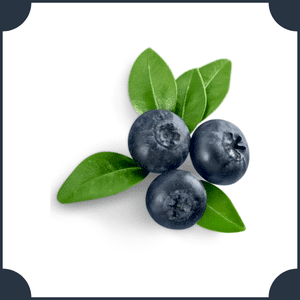
Cloudberry
A cloudberry is a soft, golden-orange fruit related to raspberries. It grows mainly in cool northern regions and has a distinctive sweet-tart flavor when fully ripe.
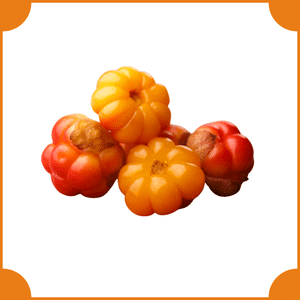
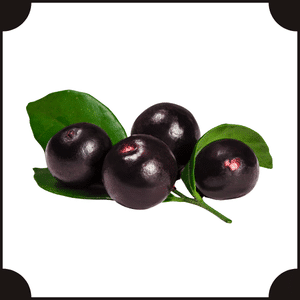
Acai Berry
An acai berry is a small, deep-purple fruit from the açaí palm of South America. It is commonly processed into pulp for smoothies, drinks, and acai bowls.
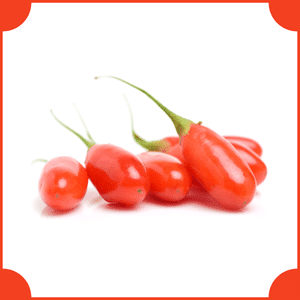
Goji Berry
A goji berry is a small, orange-red fruit also called wolfberry. It has a mildly sweet-tart taste and is commonly eaten dried or added to different dishes.
Types of Berries by Color
Color is an easy way for children and ESL learners to recognize and describe different berries. Remember that colors can vary between species, varieties, and stages of ripeness.
| Color Group | Examples |
|---|---|
| Red berries | Strawberry, cranberry, redcurrant, lingonberry |
| Blue berries | Blueberry, some huckleberries |
| Black or dark purple berries | Blackberry, blackcurrant, elderberry, acai |
| Orange or golden berries | Cloudberry, salmonberry |
| Green berries | Some gooseberries |
| White or pale berries | White currant, some mulberries |
Types of Berries by Plant Group
Berry names used in cooking and everyday English include fruits from several different plant groups.
Bramble Fruits
Bramble fruits are produced by plants in the genus Rubus. Many consist of numerous tiny drupelets joined together.
Common examples include:
- Raspberry
- Blackberry
- Boysenberry
- Loganberry
- Cloudberry
- Salmonberry
These fruits are generally classified botanically as aggregate fruits, not true berries.
Currants and Gooseberries
Currants and gooseberries belong to the genus Ribes.
Examples include:
- Blackcurrant
- Redcurrant
- White currant
- Gooseberry
Their fruits are botanical berries.
Heath-Family Berries
Several familiar fruits belong to the plant family Ericaceae, commonly called the heath family.
Examples include:
- Blueberry
- Cranberry
- Lingonberry
- Some huckleberries
Many of these plants prefer acidic growing conditions.
Hybrid Bramble Fruits
Some familiar berry names belong to cultivated hybrids involving different Rubus plants.
Examples include:
- Boysenberry
- Loganberry
- Tayberry
Their exact parentage and breeding history can be complex, so they are best understood as hybrid bramble fruits rather than separate botanical berry categories.
Main Parts of a Berry Fruit
The exact structure varies among different fruits, but a simple botanical berry commonly includes these basic parts:
- Skin – the outer protective layer
- Flesh – the soft or juicy internal portion
- Seeds – structures capable of developing into new plants after successful reproduction
- Fruit stalk – connects the fruit to the plant
In botanical terminology, the fruit wall is called the pericarp. It develops from the ovary wall and may be divided into outer, middle, and inner layers.
Aggregate fruits such as raspberries have a different structure because they consist of many small individual fruit units.
Fresh, Frozen, and Dried Berries
Berries are available in several forms.
Fresh Berries
Fresh berries are eaten without drying or freezing. Examples include fresh strawberries, blueberries, raspberries, and blackberries.
They are commonly added to:
- Fruit salads
- Yogurt
- Breakfast cereals
- Desserts
- Smoothies
Frozen Berries
Frozen berries are useful when fresh berries are unavailable or out of season. They work particularly well in smoothies, sauces, baking, and cooked desserts.
Dried Berries
Some fruits sold as dried berries have much of their water removed. Examples include dried cranberries, goji berries, and dried blueberries.
Check packaged products if ingredients matter to you, because some commercially dried fruits contain added sugar or other ingredients.
Frequently Asked Questions About Types of Berries
What are the most common types of berries?
Common types include strawberries, blueberries, raspberries, blackberries, cranberries, gooseberries, currants, and mulberries. Availability varies by country and season.
Is a strawberry a true berry?
No. Botanically, a strawberry is an aggregate accessory fruit. In cooking and everyday English, however, it is commonly called a berry.
Is a blueberry a true berry?
Yes. A blueberry meets the botanical criteria for a true berry.
Are raspberries and blackberries true berries?
No. They are aggregate fruits made of many small drupelets.
Which berries are red?
Common red berries and berry-like fruits include strawberries, cranberries, redcurrants, lingonberries, and red raspberries.
What is the difference between a berry and a fruit?
A fruit is a broad botanical structure that develops from the flower’s ovary, sometimes with additional flower tissues. A botanical berry is one particular type of fleshy fruit. Therefore, all true berries are fruits, but not all fruits are berries.
Can all wild berries be eaten?
No. Some wild berry-like fruits are poisonous or otherwise unsafe. Never eat an unidentified wild fruit.
What is the plural of berry?
The plural of berry is berries. For example: I ate one berry and She ate five berries.
Conclusion
Learning the types of berries is a useful way to build English fruit vocabulary while also learning basic plant science. Common names include strawberries, blueberries, raspberries, blackberries, cranberries, gooseberries, currants, mulberries, and many others. Learners can describe them by their color, taste, size, texture, and uses.
Common Types of Berries with Names and Pictures
Learn More Helpful Articles