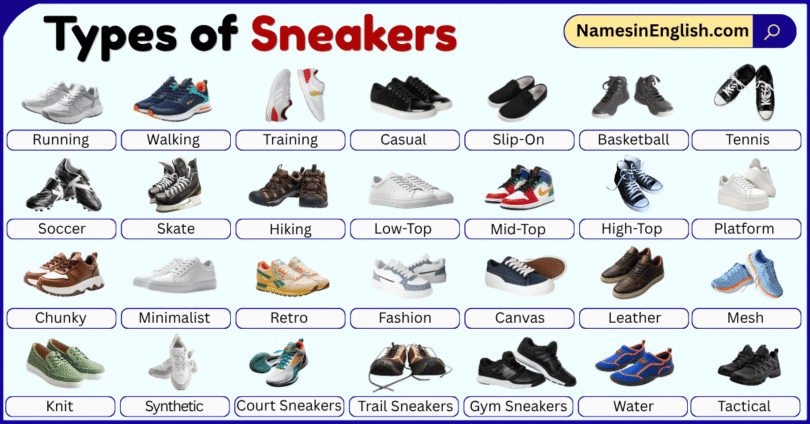

Sneakers are popular shoes designed for comfort, casual wear, sports, exercise, and different everyday activities. They come in many styles, including low-top, high-top, running, walking, basketball, tennis, slip-on, and platform sneakers, each offering different features, designs, and uses. Learning the different types of sneakers is a useful way to improve English vocabulary while becoming familiar with common footwear styles. In this article, you will learn sneaker names in English with clear pictures and simple explanations, helping kids, students, shoppers, travelers, beginners, and English learners easily identify, understand, compare, remember, and use these footwear names with confidence.
What Are Sneakers?
Sneakers are soft, comfortable shoes with flexible uppers and rubber or rubber-like soles, commonly worn for sports, exercise, walking, and casual everyday activities.
The word sneakers is especially common in American English. In British English, similar footwear may be called trainers, while other regions may use terms such as sports shoes or athletic shoes.
Not every sneaker is made for sport. Some are designed mainly for fashion, lifestyle wear, comfort, or casual use.
Basic Types of Sneakers
Running Sneakers
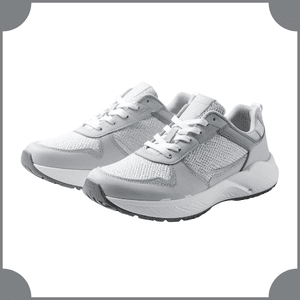
Running sneakers are designed for running and jogging, featuring cushioning, flexibility, breathable materials, and supportive soles that help provide comfort during repeated foot movements.
Walking Sneakers
Walking sneakers are designed for comfortable everyday walking, offering cushioning, stability, flexibility, and support for activities such as shopping, traveling, exercising, and commuting.
Training Sneakers
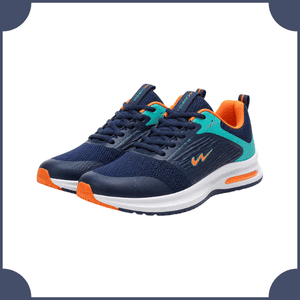
Training sneakers are versatile athletic shoes designed for gym workouts and exercise, providing stability, flexibility, traction, and support for movements in different directions.
Casual Sneakers
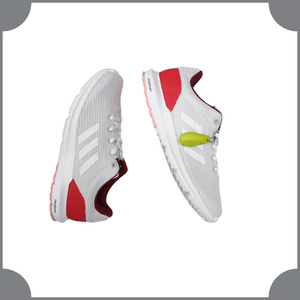
Casual sneakers are designed for everyday wear rather than sports, combining comfort and style with versatile designs suitable for jeans, trousers, shorts, and casual outfits.
Slip-On Sneakers
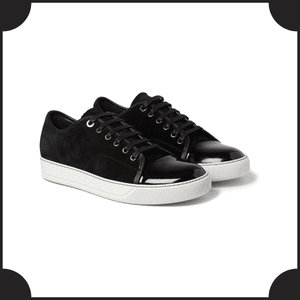
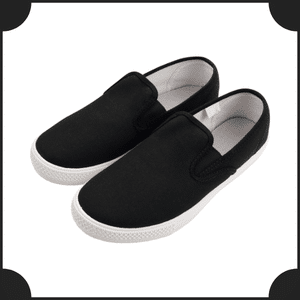
Slip-on sneakers are easy-to-wear shoes without traditional laces, often featuring flexible materials or elastic panels that provide convenient fitting, comfort, and secure everyday movement.
Types of Sneakers for Sports
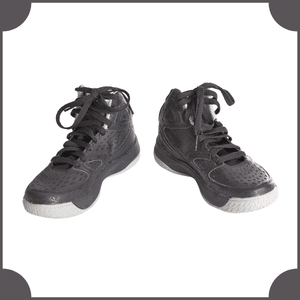
Basketball Sneakers
Basketball sneakers are designed for basketball, providing cushioning, stability, traction, and support for jumping, landing, stopping, and quickly changing direction during fast-paced games.
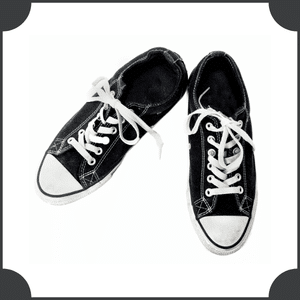
Tennis Sneakers
Tennis sneakers are designed for court play, offering traction, stability, and support for quick side-to-side movements, sudden stops, and frequent changes of direction.
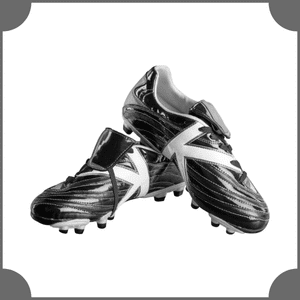
Soccer Sneakers
Soccer sneakers, commonly called football boots, are designed for playing soccer, with different outsole patterns available for natural grass, artificial surfaces, and indoor courts.
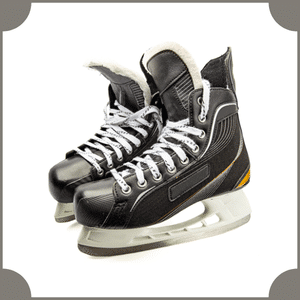
Skate Sneakers
Skate sneakers are designed for skateboarding, featuring durable uppers, flat soles, and supportive construction that provide stability, board control, and protection during skating activities.
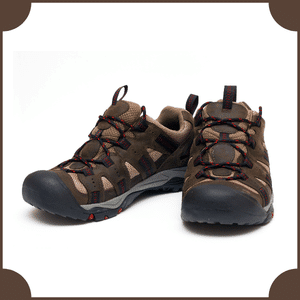
Hiking Sneakers
Hiking sneakers are lightweight outdoor footwear designed for trails, offering comfortable cushioning, reliable grip, flexibility, and moderate protection for walking on easier hiking routes.
Types of Sneakers by Shoe Height
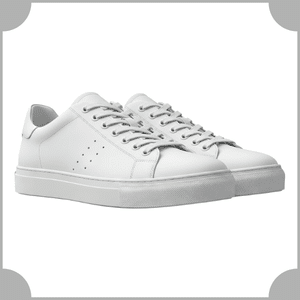
Low-Top Sneakers
Low-top sneakers have uppers that stay below the ankle, providing freedom of movement and making them popular for running, casual wear, tennis, and everyday activities.
Mid-Top Sneakers
Mid-top sneakers extend slightly above the ankle while maintaining flexibility, offering a balance between ankle coverage, movement, comfort, and support for sports or casual wear.

High-Top Sneakers
High-top sneakers feature uppers extending above the ankle, providing greater coverage and support while remaining popular for basketball, streetwear, fashion, and everyday casual outfits.

Types of Sneakers by Style
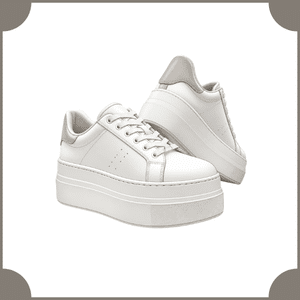
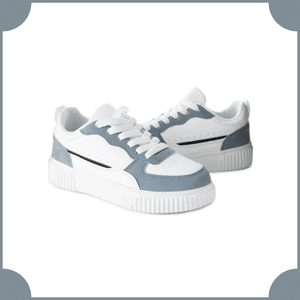
Platform Sneakers
Platform sneakers feature noticeably thick soles that add extra height. They are mainly popular as fashionable footwear and come in various casual styles.
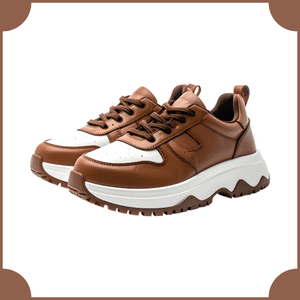
Chunky Sneakers
Chunky sneakers have thick, bulky soles and a visually heavy design. Often called dad sneakers, they are popular for fashionable casual and streetwear outfits.
Minimalist Sneakers
Minimalist sneakers feature simple designs and streamlined construction, often with less cushioning or lower profiles. They can describe both appearance and footwear construction styles.
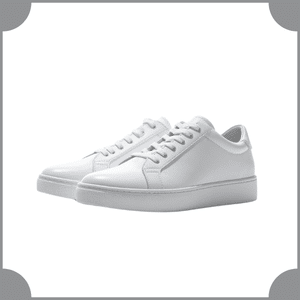
Retro Sneakers
Retro sneakers are modern shoes inspired by older designs, using classic shapes, colors, logos, and styling associated with previous decades and vintage fashion.
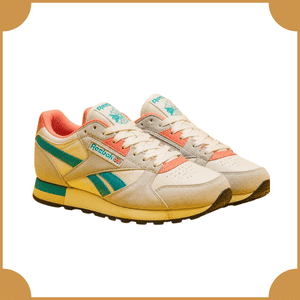
Fashion Sneakers
Fashion sneakers focus primarily on appearance and lifestyle wear rather than athletic performance, often featuring unique colors, materials, decorative details, and distinctive shapes.
Types of Sneakers by Material
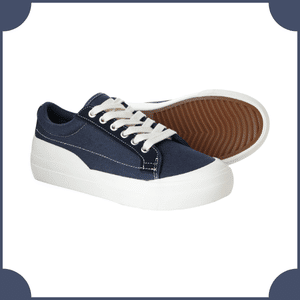
Canvas Sneakers
Canvas sneakers use woven canvas fabric for their uppers, making them lightweight, breathable, and comfortable footwear commonly chosen for everyday wear, school, and casual outfits.
Leather Sneakers
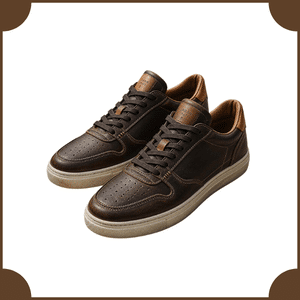
Leather sneakers feature natural leather uppers that can provide a smooth, polished, or textured appearance, making them suitable for casual outfits and lifestyle footwear.
Mesh Sneakers
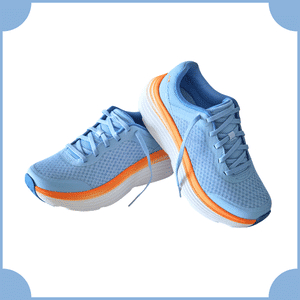
Mesh sneakers use breathable, net-like textile uppers that allow airflow, making them especially suitable for athletic activities such as running, walking, workouts, and warm weather.
Knit Sneakers
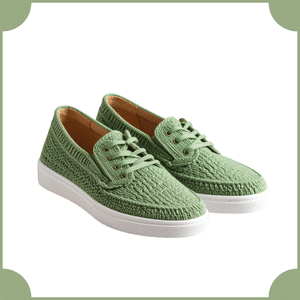
Knit sneakers feature knitted textile uppers that provide a flexible, soft, and comfortable fit, making them suitable for walking, casual wear, and everyday lifestyle activities.
Synthetic Sneakers
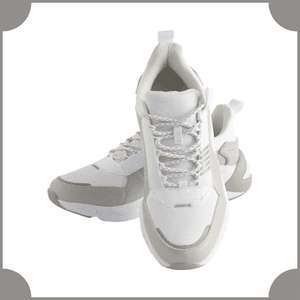
Synthetic sneakers use man-made materials for their uppers, which can offer durability, flexibility, easy cleaning, and various finishes for athletic or casual footwear.
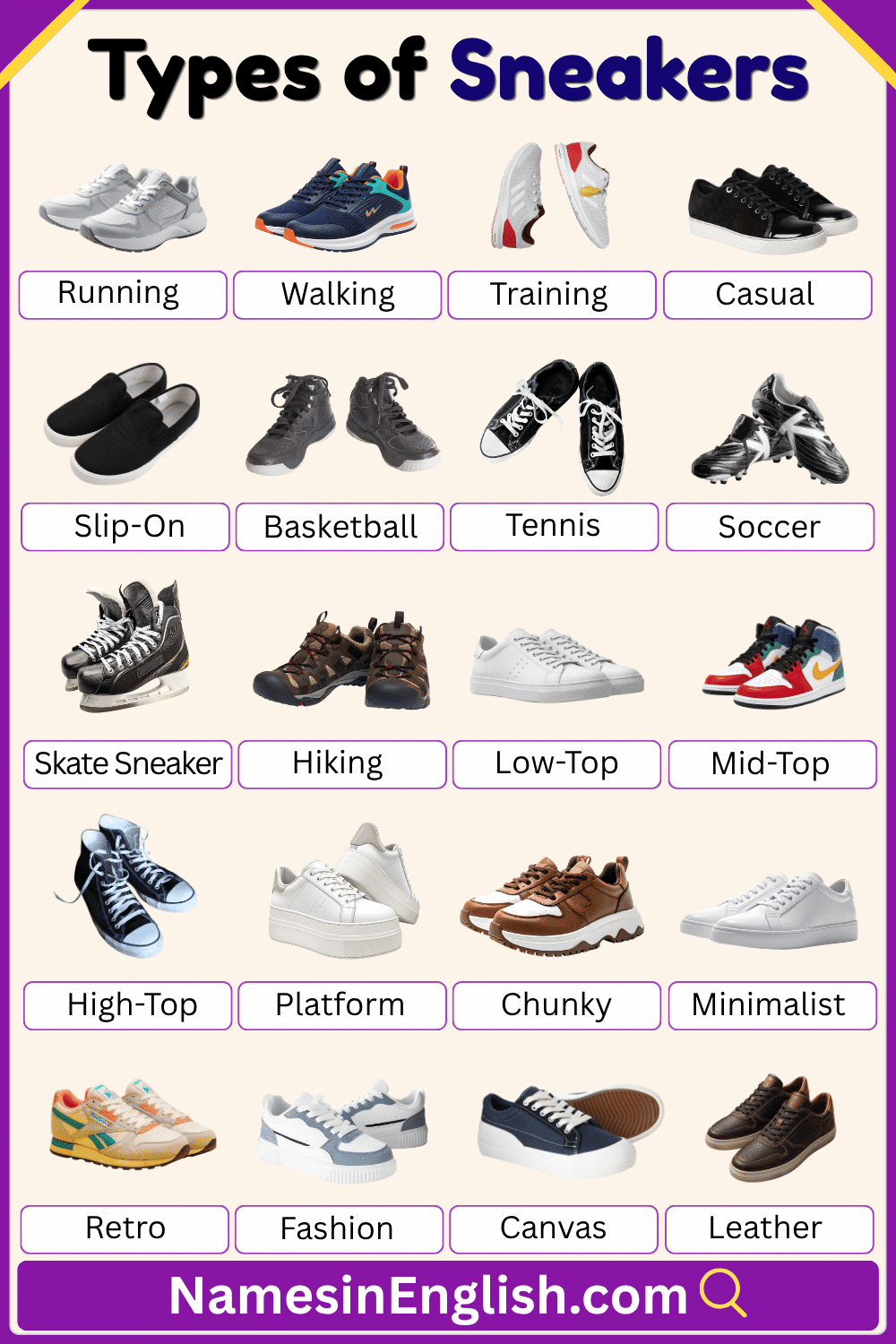
Types of Sneakers with Names and Pictures
Important Parts of a Sneaker
Knowing the parts of a sneaker can also improve your English vocabulary.
| Sneaker Part | Simple Meaning |
|---|---|
| Upper | The part covering the top and sides of the foot |
| Toe box | The front area where your toes sit |
| Heel | The back part of the shoe |
| Tongue | The piece under the laces |
| Laces | Strings used to tighten the shoe |
| Eyelets | Small openings where the laces pass |
| Collar | The area around the opening of the shoe |
| Insole | The removable or fixed layer inside the shoe |
| Midsole | The layer between the upper/outsole that often provides cushioning |
| Outsole | The bottom part that contacts the ground |
| Heel counter | A structure that helps support the heel area |
| Tread | The pattern on the bottom of the outsole |
How Are Sneakers Different?
Not all sneakers are designed in the same way. Their features can change depending on their purpose.
Cushioning
Cushioning refers to materials and construction that help reduce the feeling of impact and improve comfort. Running sneakers often emphasize cushioning, although the amount and design vary between models.
Traction
Traction is the grip between the outsole and the surface. Shoes for tennis, hiking, and other activities may use outsole patterns designed for particular surfaces.
Flexibility
Flexibility describes how easily a shoe bends. Some sneakers are designed to bend easily, while others prioritize stability.
Stability
Stability refers to how well the shoe helps provide a secure platform for the foot during movement. Training and court shoes may place particular emphasis on stability because many activities involve quick changes in direction.
Breathability
Breathability describes how easily air can move through the shoe’s upper. Materials such as mesh are commonly used when airflow is an important design goal.
How to Choose the Right Type of Sneakers
Choosing the right type of sneakers depends on how you plan to use them. First, consider your activity, because running, walking, basketball, tennis, hiking, and everyday wear may require different shoe designs. Next, make sure the sneakers fit properly by giving your toes enough room to move while keeping your heel comfortably secure. You should also think about the surface where you will wear them, such as roads, tracks, indoor courts, grass, or trails. Finally, consider the material. Mesh can provide good airflow, leather offers a different look and feel, while canvas is a common choice for casual sneakers.
Frequently Asked Questions About Types of Sneakers
What are the main types of sneakers?
The main types include running sneakers, walking sneakers, training sneakers, casual sneakers, basketball sneakers, tennis sneakers, skate sneakers, hiking sneakers, slip-on sneakers, and fashion sneakers.
What type of sneakers are best for running?
Running sneakers are designed specifically for running and usually focus on cushioning, comfort, and movement.
What is the difference between sneakers and trainers?
In many contexts, sneakers and trainers refer to similar footwear. “Sneakers” is especially common in American English, while “trainers” is common in British English.
What are high-top sneakers?
High-top sneakers have an upper that extends above the ankle. They are commonly seen in basketball-inspired footwear and fashion sneakers.
What are low-top sneakers?
Low-top sneakers have a shorter upper that does not extend above the ankle. They are common in running, casual, and everyday footwear.
Are all sneakers made for sports?
No. Some sneakers are designed for sports, while others are mainly made for casual wear, fashion, school, travel, or everyday activities.
What are slip-on sneakers?
Slip-on sneakers are shoes designed to be put on without traditional shoelace tying. They are popular because they are quick and convenient to wear.
Can one sneaker belong to more than one type?
Yes. A sneaker can have several characteristics at the same time. For example, one shoe can be a high-top, leather, retro, casual sneaker.
Conclusion
There are many types of sneakers, and each type can have a different purpose, shape, material, and design. Running sneakers are made for running, training sneakers are suitable for many workouts, basketball and tennis shoes are designed for their respective sports, while casual, retro, chunky, and platform sneakers are popular for everyday fashion. Understanding these categories also makes sneaker-related English vocabulary easier to learn. When choosing a pair, consider the activity, surface, fit, comfort, and construction rather than focusing only on appearance. With these basic categories, you can easily understand and describe the most common sneaker styles in English.
Learn More Helpful Articles