
Animals

Thailand National Animal with Name and Picture

Thailand National Animal with Name and Picture
Written by Operra Jerry

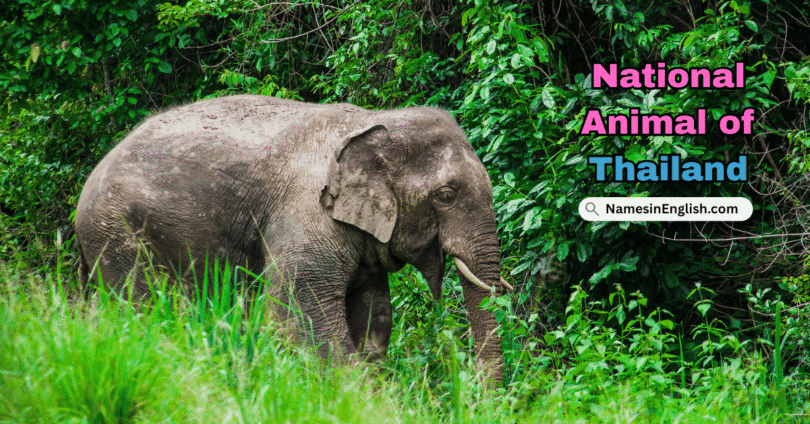
The Thailand National Animal is the majestic Thai Elephant (Chang), a powerful symbol of the country’s history, culture, and national pride. For centuries, this gentle giant has played an important role in Thai society, from serving alongside kings to representing wisdom, strength, and good fortune. In this article, you’ll discover why the Thailand National Animal is so special, its history, habitat, diet, cultural significance, conservation status, and fascinating facts that make it one of the world’s most respected national symbols.

What Is the National Animal of Thailand?

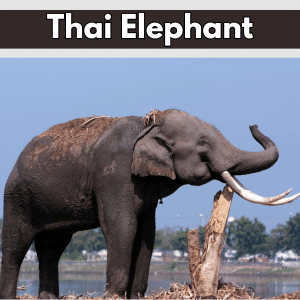
The Thai Elephant (Elephas maximus indicus), a subspecies of the Asian elephant, is widely recognized as the national animal of Thailand. It represents strength, wisdom, loyalty, prosperity, and royal power. Among Thai people, elephants are considered sacred animals and have been closely associated with the monarchy, Buddhism, and national identity for hundreds of years.
What Is the National Animal of Thailand

History of the Thai Elephant

The Thai elephant has been part of Thailand’s history for thousands of years, helping with transportation, farming, logging, and warfare. It was also closely associated with the Thai monarchy, especially the sacred white elephant. Today, it remains a proud symbol of the nation’s heritage.

When Was the Thai Elephant Declared the National Animal?

The Thai elephant was officially declared the national animal of Thailand on 26 October 2001 by the Office of the Prime Minister. It was chosen to honor its historical role in Thai society, the monarchy, and Buddhist culture. Since then, the elephant has remained one of Thailand’s most respected national symbols.

Symbolic Meaning of the Thai Elephant

The Thai elephant symbolizes strength, wisdom, loyalty, prosperity, and good fortune. It is also a symbol of royal power and national unity. In Thai culture, elephants are respected as sacred animals that represent peace and dignity.

Scientific Name and Classification

  • Common Name: Thai Elephant
  • Local Name: Chang (ช้าง)
  • Scientific Name: Elephas maximus indicus
  • Kingdom: Animalia
  • Phylum: Chordata
  • Class: Mammalia
  • Order: Proboscidea
  • Family: Elephantidae
  • Genus: Elephas
  • Species: Elephas maximus
  • Subspecies: Elephas maximus indicus
  • Conservation Status: Endangered

Physical Characteristics

The Thai elephant is a large mammal with a grey body, a long muscular trunk, broad ears, and thick legs. Adult males may have long curved tusks, while females usually have small or no visible tusks. They can grow up to 3.5 metres tall and weigh around 5,000 kilograms.

Where Does Thai elephant live?

Thai elephants live mainly in tropical forests, national parks, and wildlife sanctuaries across Thailand. They prefer evergreen and deciduous forests with plenty of food and water. Most wild elephants now survive in protected conservation areas.

What Does the Thailand National Animal Eat?

The Thai elephant is a herbivore that feeds on grasses, bamboo, leaves, tree bark, fruits, and roots. An adult elephant spends many hours each day searching for food. It also drinks large amounts of water to stay healthy.

Baby Thai Elephant

A baby Thai elephant is called a calf and weighs around 90–120 kilograms at birth. Calves stay close to their mothers for protection and drink milk for up to two years. They gradually learn survival skills from the rest of the herd.

Behaviour and Intelligence

Thai elephants are highly intelligent animals with excellent memory and strong social bonds. They communicate using sounds, touch, body language, and low-frequency vibrations. They also work together to protect young calves and solve problems.

Cultural and Religious Importance

The Thai elephant is deeply connected to Thailand’s culture, Buddhism, and royal traditions. White elephants are considered sacred and have long been associated with Thai kings. Elephants also appear in festivals, temples, artwork, and traditional ceremonies.

Educational Importance

The Thai elephant teaches people about wildlife conservation, biodiversity, and environmental protection. It helps students understand the importance of preserving endangered species. Learning about elephants also promotes respect for nature and cultural heritage.

Tourism Importance

The Thai elephant is one of Thailand’s biggest tourist attractions, drawing visitors from around the world. Ethical elephant sanctuaries offer opportunities to observe and learn about these gentle giants responsibly. Elephant-related tourism also supports local communities and conservation efforts.

Conservation Status of Thai Elephant

The Thai elephant is listed as Endangered due to habitat loss, deforestation, and human-wildlife conflict. Conservation programmes and protected reserves help safeguard wild elephant populations. Ethical tourism also supports their long-term survival.

Interesting Facts About Thailand’s National Animal

  • The Thai elephant is a subspecies of the Asian elephant.
  • “Chang” means elephant in Thai.
  • White elephants are considered sacred rather than truly white.
  • Elephants have one of the longest pregnancies among mammals—about 22 months.
  • Their trunks contain thousands of muscles, making them incredibly strong and flexible.
  • Elephants can recognise themselves in mirrors, a sign of advanced intelligence.
  • Female elephants usually live in close family groups led by an older matriarch.
  • Wild elephants can walk long distances in search of food and water.
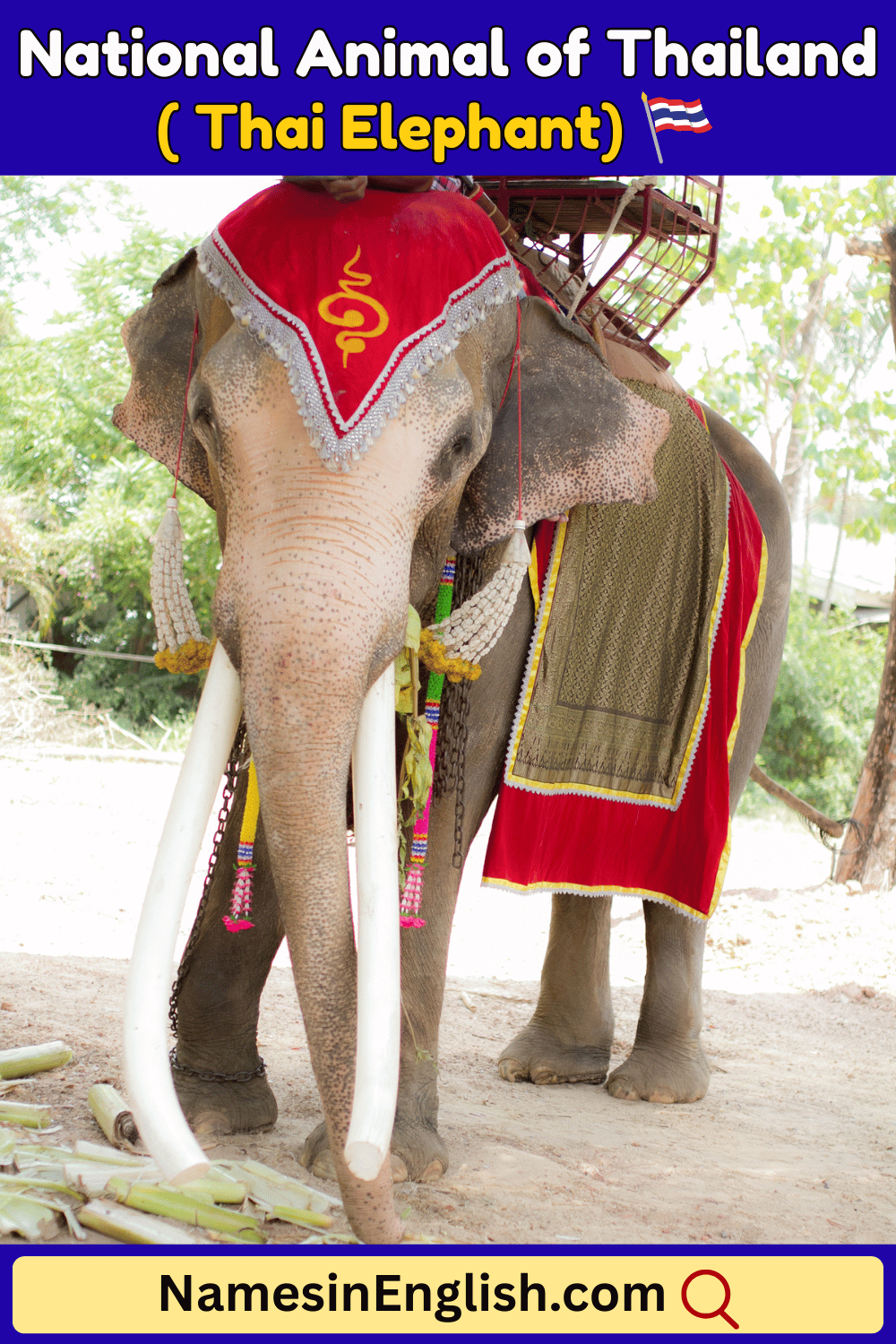
Name of National Animal of Thailand

Name of National Animal of Thailand


Learn More Helpful Articles

About the author

Operra Jerry

Leave a Comment