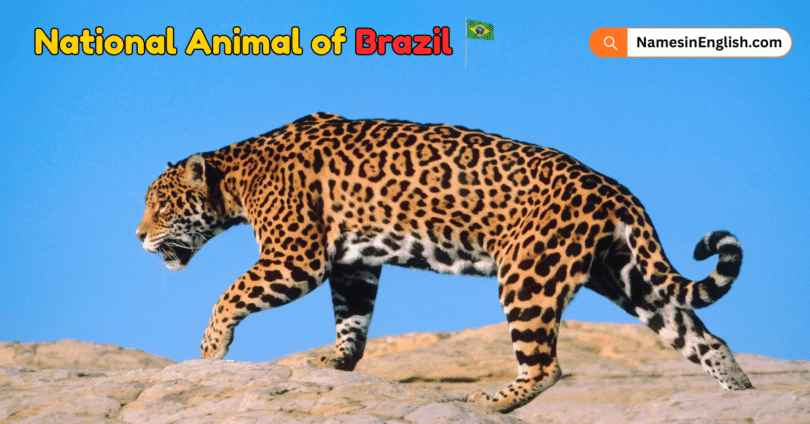

For readers looking to learn about Brazil’s most iconic wildlife symbol, the National Animal of Brazil is a fascinating topic. The jaguar, a powerful and majestic big cat, represents strength, courage, and the incredible biodiversity of Brazil’s forests and wetlands. Understanding this remarkable animal helps us appreciate the country’s natural heritage and the importance of wildlife conservation. In this article, you will learn the jaguar’s history, physical characteristics, habitat, symbolic meaning, cultural significance, and why it is so closely associated with Brazil.
Table of Contents
ToggleWhat Is the National Animal of Brazil?
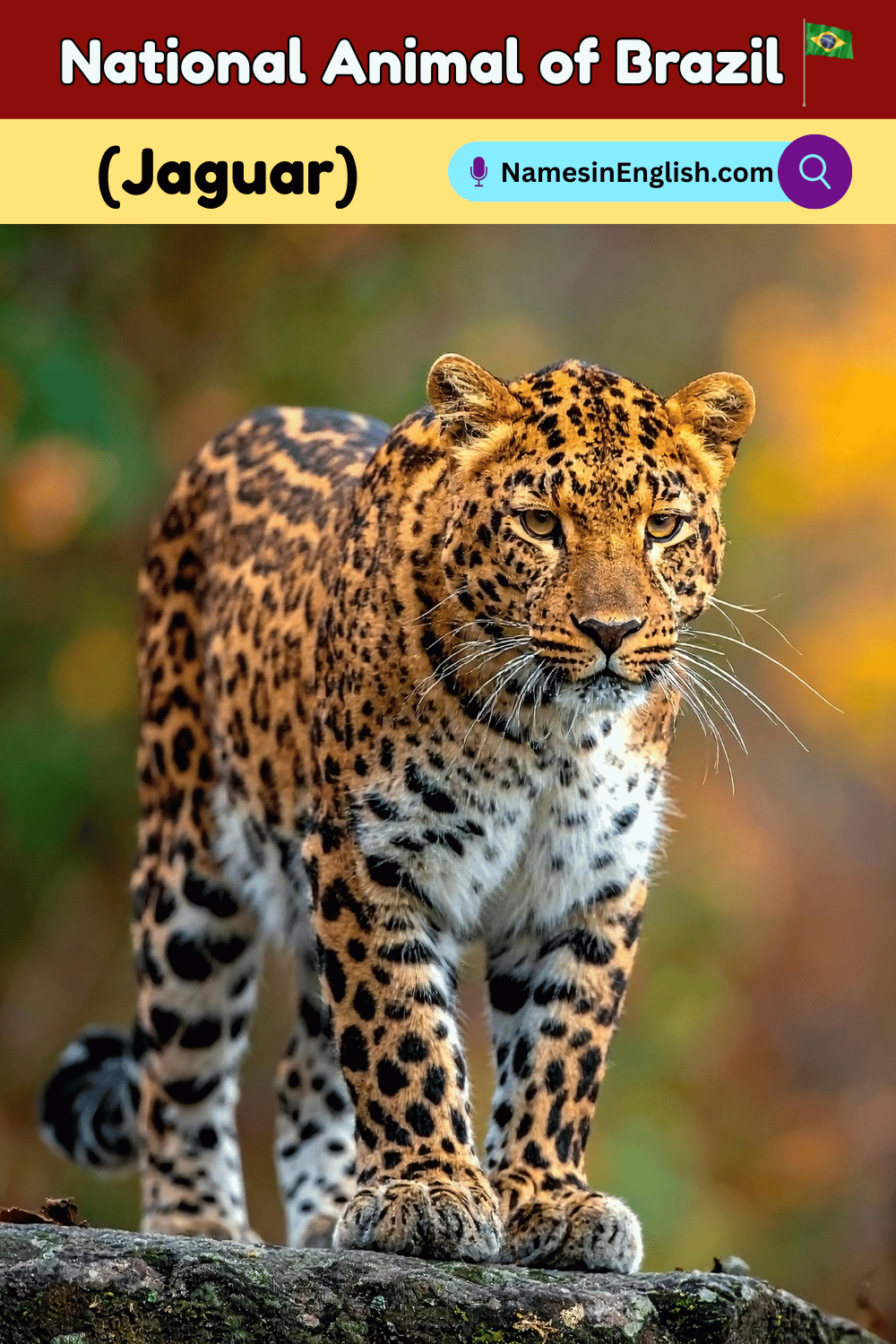
The national animal of Brazil is the Jaguar (Panthera onca). It is the largest feline species in South America and the third-largest cat in the world after the tiger and lion. Jaguars are known for their incredible strength, powerful bite, and excellent swimming abilities.
History of the Jaguar as Brazil’s National Animal
Indigenous Cultural Symbol
Long before modern Brazil existed, indigenous tribes admired the jaguar for its strength, courage, and hunting skills. It was often seen as a sacred animal and a powerful spiritual symbol.
Connection to Brazil’s Wildlife
The jaguar became closely linked with Brazil because of its large population in the Amazon Rainforest and Pantanal wetlands. Its presence reflected the country’s rich biodiversity and natural beauty.
Recognition as a National Symbol
Although there is no specific federal law officially declaring the jaguar as Brazil’s national animal, it is widely recognized around the world as the animal symbol of Brazil because of its cultural and environmental importance.
Commonly Associated With Brazil
During the 20th century, the jaguar gained popularity as a national wildlife emblem in books, tourism campaigns, conservation projects, and educational materials. It became one of the most recognizable symbols of Brazilian nature.
Symbolic Meaning of the Jaguar
Strength and Power
The jaguar is known for its muscular build and powerful bite. It symbolizes physical strength, resilience, and the ability to overcome challenges.
Courage and Fearlessness
As a top predator, the jaguar faces dangers with confidence and determination. It represents bravery, fearlessness, and leadership.
Connection to Nature
The jaguar reflects Brazil’s rich wildlife and diverse ecosystems. It symbolizes harmony between people and the natural world.
Protection and Guardianship
Many indigenous cultures viewed the jaguar as a protector of forests and sacred lands. It is often associated with guardianship and spiritual protection.
Independence and Confidence
Jaguars are solitary animals that rely on their own skills to survive. This makes them a symbol of independence, self-reliance, and confidence.
Cultural Importance of Jaguar in Brazil
The jaguar holds a special place in Brazilian culture and has been respected by indigenous communities for centuries. It appears in folklore, traditional art, and stories, symbolizing strength, courage, and a deep connection to nature.
How Does a Jaguar Look Like?
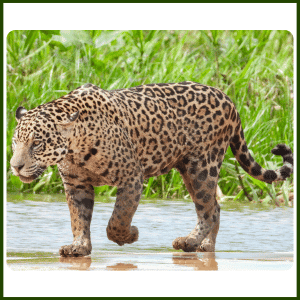
- Large and muscular wild cat.
- Golden-yellow coat with black rosette spots.
- Broad head and powerful jaws.
- Strong legs and large paws.
- Short tail compared to other big cats.
- Bright yellow or amber eyes.
- Compact, powerful body built for hunting.
Adult jaguars typically weigh between 45 and 120 kilograms and can reach up to 1.9 meters in length.
Scientific Name and Classification
- Scientific Name: Panthera onca
- Kingdom: Animalia
- Phylum: Chordata
- Class: Mammalia
- Order: Carnivora
- Family: Felidae
- Genus: Panthera
- Species: Panthera onca
What do jaguars eat?
Jaguars are carnivores and skilled hunters. They have one of the strongest bites among all big cats, allowing them to hunt a wide variety of animals. Common Foods are Deer, Capybaras, Wild pigs, Fish, Turtles, Caimans, Birds, and Small mammals. Unlike many other cats, jaguars are excellent swimmers and often hunt in water.
Habitat and Distribution
Brazil is home to one of the largest jaguar populations in the world. Jaguars can be found in: The Amazon Rainforest, The Pantanal Wetlands, Atlantic Forest regions, and Grasslands and river basins. The Pantanal is often considered one of the best places on Earth to observe jaguars in their natural habitat.
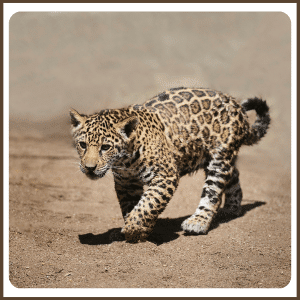
What is a Baby Jaguar Called?
A baby jaguar is called a cub. Female jaguars usually give birth to one to four cubs. The cubs stay with their mother for up to two years, learning important survival and hunting skills before becoming independent.
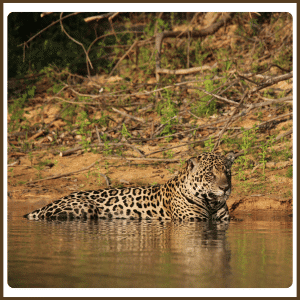
Are jaguars good swimmers?
Yes, jaguars are excellent swimmers and are more comfortable in water than most other big cats. They often swim across rivers and lakes and even hunt fish, turtles, and caimans in the water.
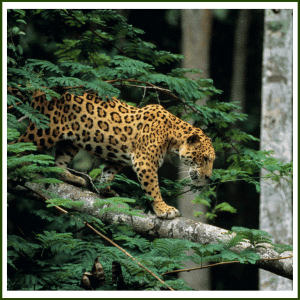
Do jaguars climb trees?
Yes, jaguars can climb trees very well. They often climb to rest, observe their surroundings, or hunt prey from an elevated position.
Educational Importance of Jaguar
The jaguar helps students learn about wildlife, ecosystems, and biodiversity. Studying this animal also raises awareness about conservation and the importance of protecting natural habitats.
Environmental Importance of Jaguar
As an apex predator, the jaguar helps maintain balance in ecosystems by controlling prey populations. Its presence is also an indicator of a healthy environment and thriving biodiversity.
Tourism Importance in Brazil
The jaguar attracts wildlife enthusiasts, photographers, and nature lovers from around the world to Brazil. Popular destinations such as the Pantanal offer opportunities to observe this magnificent animal in its natural habitat.
Conservation Status of Jaguar
The jaguar is currently classified as Near Threatened due to habitat loss, deforestation, and human-wildlife conflicts. Conservation programs across Brazil are working to protect jaguar populations and preserve their natural habitats.
Interesting Facts About the Jaguar
- The jaguar is the largest cat in the Americas.
- It can swim better than most other big cats.
- Jaguars have one of the strongest bites of any feline.
- Their spotted coat pattern is unique to each individual.
- They can climb trees and move silently through dense forests.
- Ancient indigenous peoples often regarded the jaguar as a sacred animal.
- The Pantanal in Brazil is one of the best places in the world to see wild jaguars.
Name of National Animal of Brazil
Learn More Helpful Articles