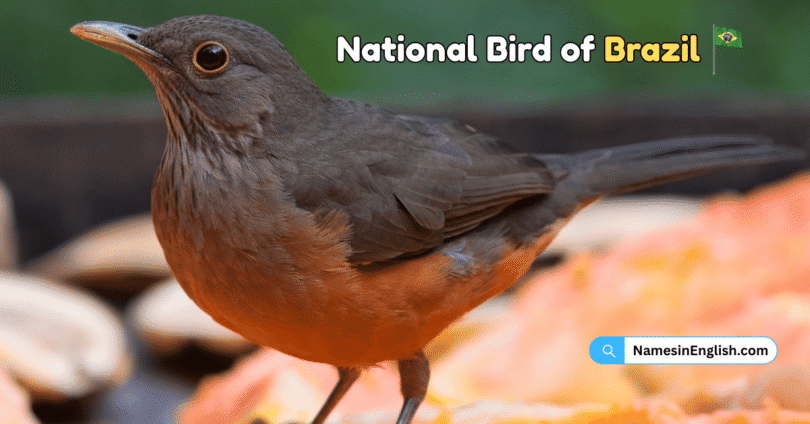

Birds are often chosen as national symbols because they reflect a country’s natural beauty, culture, and identity. The National Bird of Brazil, the Rufous-bellied Thrush (Turdus rufiventris), is famous for its melodious song and strong connection to Brazilian life. This beloved bird can be found across much of the country and has inspired generations through music, literature, and folklore. In this article, you’ll learn the name, appearance, history, symbolic meaning, habitat, diet, cultural importance, and fascinating facts about the National Bird of Brazil.
What Is the National Bird of Brazil?
The Rufous-bellied Thrush is a medium-sized bird belonging to the thrush family. Officially designated as a national symbol in 2002 It is native to South America and is especially common throughout Brazil, where it can be found in forests, gardens, parks, and urban areas.
History Rufous-bellied Thrush of in Brazil
Early Presence in Brazil
The Rufous-bellied Thrush has lived in Brazil for centuries and is native to much of the country. Its ability to thrive in different habitats made it a familiar bird to generations of Brazilians.
Recognition in Brazilian Culture
Over time, the bird became famous for its beautiful and melodious song. Brazilian poets, writers, and musicians often mentioned it in their works, strengthening its cultural importance.
Growing National Symbolism
As Brazil developed its national identity, the Rufous-bellied Thrush came to represent the country’s natural beauty. Its widespread presence helped it become a symbol recognized by people across all regions.
Official National Bird Status
The Rufous-bellied Thrush (Turdus rufiventris) was officially selected as the National Bird of Brazil in 2002.
Modern-Day Importance
Today, the Rufous-bellied Thrush remains one of Brazil’s most beloved birds. It continues to symbolize nature, heritage, and the rich biodiversity of the country.
Symbolic Meaning of Rufous-bellied Thrush
Physical Characteristics
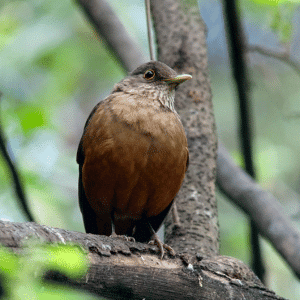
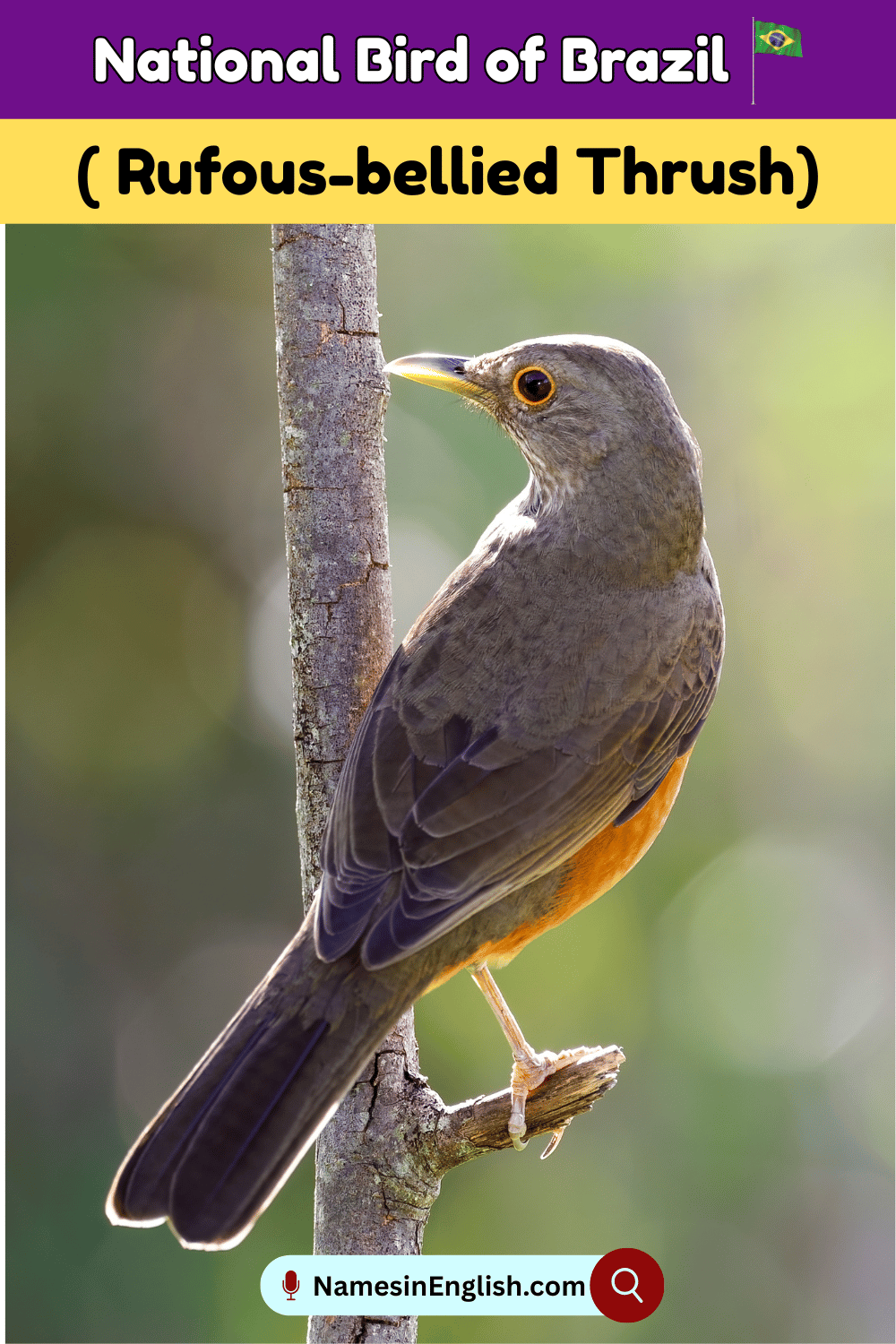
The Rufous-bellied Thrush has a simple yet attractive appearance.
Key Features
- Length of about 23–25 cm (9–10 inches)
- Distinctive orange or reddish-brown belly
- Brownish-gray back and wings
- Yellow beak
- Dark eyes with a gentle expression
- Strong and melodious singing ability
Although it may not have the bright colors of tropical parrots, its elegant appearance and voice make it highly admired.
Scientific Name and Classification
The Rufous-bellied Thrush is scientifically known as Turdus rufiventris. It belongs to the thrush family and is one of the most common songbirds found in Brazil.
Classification
- Scientific Name: Turdus rufiventris
- Common Name: Rufous-bellied Thrush
- Kingdom: Animalia
- Phylum: Chordata
- Class: Aves
- Order: Passeriformes
- Family: Turdidae
- Genus: Turdus
- Species: Turdus rufiventris
Habitat and Distribution
The Rufous-bellied Thrush is found across much of Brazil and neighboring South American countries. This bird thrives in a variety of environments, including: Forest edges, Woodlands, Parks, Gardens, Agricultural areas, and Urban neighborhoods. Its ability to adapt to human environments has helped it remain one of the most familiar birds in Brazil.
What Does the Rufous-bellied Thrush Eat?
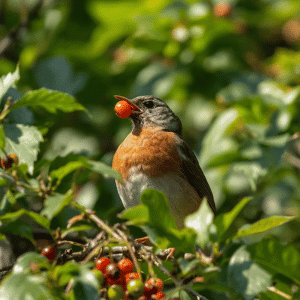
The Rufous-bellied Thrush is an omnivorous bird with a varied diet. Common Foods are Fruits and berries, Earthworms, Insects, Beetles, Small invertebrates, and Seeds. The bird often searches for food on the ground, using its sharp eyesight to locate worms and insects hidden beneath leaves.
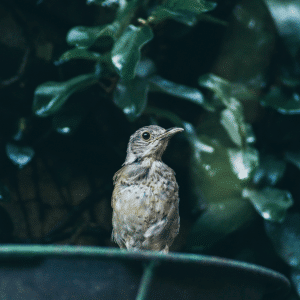
Rufous-bellied Thrush Baby
A baby Rufous-bellied Thrush is called a chick or nestling. The female typically lays two to four eggs in a carefully built nest made from grass, mud, and plant material. Both parents help protect and care for the young birds until they are ready to fly and find food independently.
Environmental Importance in Brazil
This bird helps maintain healthy ecosystems by spreading seeds after eating fruits. It also contributes to natural pest control by feeding on insects and other small invertebrates.
Educational Value of Rufous-bellied Thrush
The Rufous-bellied Thrush is commonly used in environmental education programs across Brazil. It helps students learn about bird conservation, biodiversity, and the importance of protecting native wildlife.
Tourism Value of Rufous-bellied Thrush
Birdwatchers and nature enthusiasts enjoy observing the Rufous-bellied Thrush in parks, gardens, and forests. Its distinctive song and widespread presence make it a popular species for wildlife tourism.
Conservation Status of Rufous-bellied Thrush
The Rufous-bellied Thrush is currently classified as Least Concern by the International Union for Conservation of Nature. Although its population is stable, protecting natural habitats remains important for its long-term survival.
Interesting Facts About the Rufous-bellied Thrush
- The Rufous-bellied Thrush is known as the “Sabiá-laranjeira” in Brazil.
- It was officially chosen as the National Bird of Brazil because of its cultural importance and popularity.
- Its song is often heard at sunrise and is considered one of the most beautiful bird calls in Brazil.
- The bird appears in famous Brazilian poems, songs, and folklore.
- It adapts well to both natural forests and busy urban environments.
- Its cheerful song has made it a symbol of hope, renewal, and the beauty of Brazilian nature.
Name of National Bird of Brazil
Learn More Helpful Articles