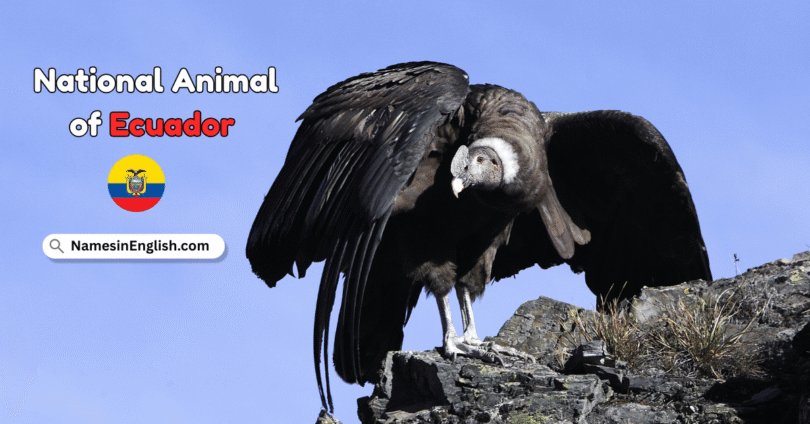

The National Animal of Ecuador is the magnificent Andean Condor, a bird known for its impressive size, powerful flight, and deep cultural significance. As one of the largest flying birds in the world, the condor symbolizes freedom, strength, and the rich natural heritage of Ecuador. Understanding this national symbol helps us appreciate the country’s wildlife, history, and commitment to conservation. In this article, you’ll learn the Andean Condor’s history, symbolic meaning, habitat, diet, lifespan, conservation status, and fascinating facts that make it an enduring icon of Ecuador.
What Is the National Animal of Ecuador?
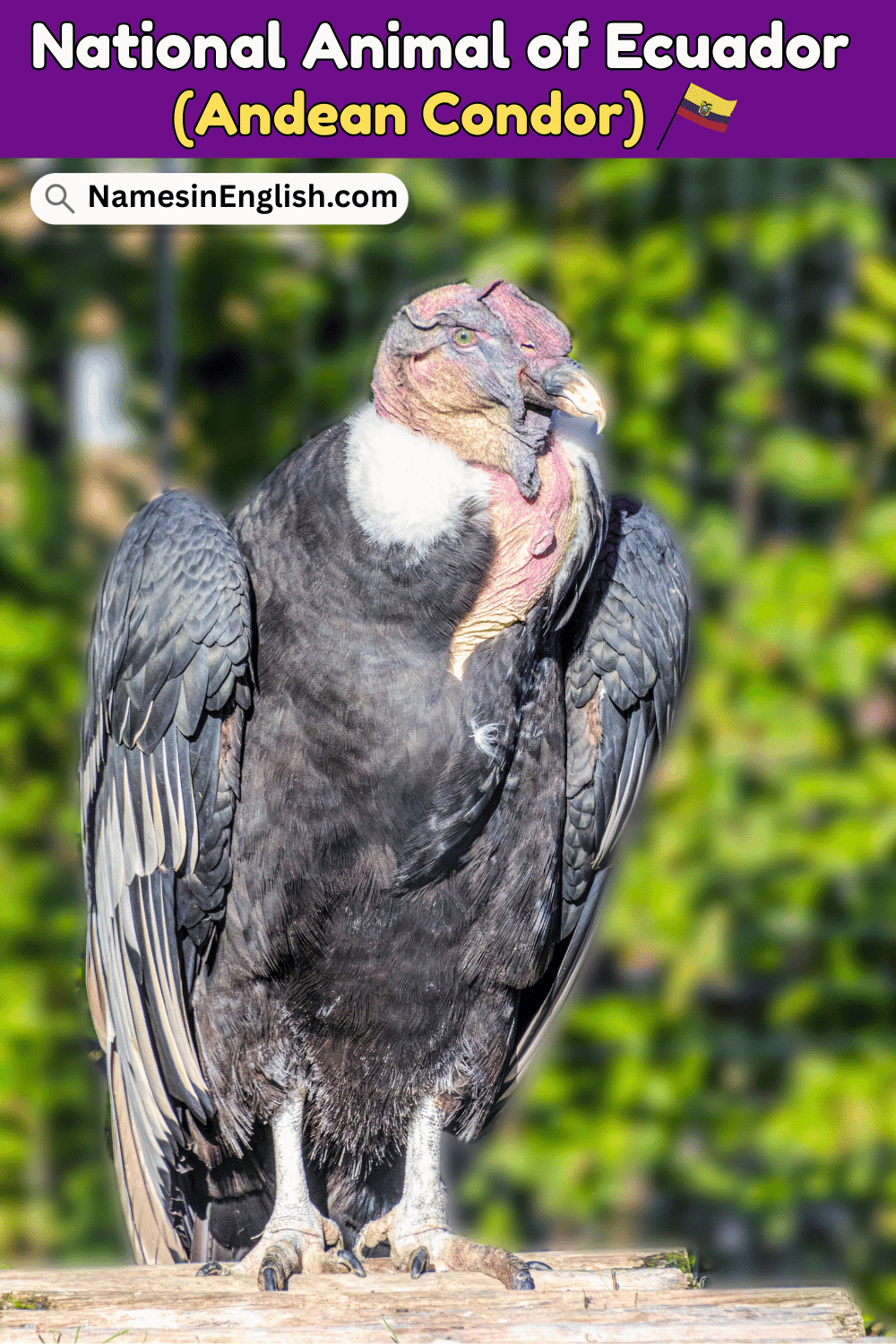
The national animal of Ecuador is the Andean Condor (Vultur gryphus). It is a large South American bird belonging to the New World vulture family. The Andean Condor is recognized for its enormous wingspan, distinctive black plumage, and white collar of feathers around its neck.
History of the Andean Condor
Indigenous Beliefs and Traditions
For centuries, indigenous peoples of the Andes regarded the Andean Condor as a sacred bird. They believed it acted as a messenger between the earth and the spiritual world.
Symbol of the Andes
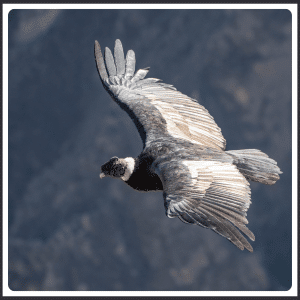
The condor became a powerful symbol of the Andes Mountains because of its ability to soar at great heights. Its strength and freedom inspired respect among local communities.
National Recognition
As Ecuador developed its national identity, the Andean Condor was chosen as a national symbol. The bird reflected the country’s natural beauty, heritage, and connection to the Andes.
Cultural Significance
The Andean Condor appears in Ecuadorian folklore, art, and traditional stories. It continues to represent courage, wisdom, and national pride throughout the country.
Modern-Day Importance
Today, the Andean Condor remains one of Ecuador’s most treasured national symbols. Conservation efforts help protect the species and preserve its cultural legacy for future generations.
Symbolic Meaning of the Andean Condor
Symbol of Freedom
The Andean Condor flies high above the Andes Mountains with remarkable ease. Its soaring flight represents freedom, independence, and the ability to rise above challenges.
Symbol of Strength
As one of the largest flying birds in the world, the condor symbolizes power and resilience. Its impressive size and endurance make it a respected national emblem.
Connection Between Earth and Sky
Many indigenous cultures believed the condor connected the physical world with the spiritual realm. It was seen as a sacred messenger between humans and the heavens.
Symbol of Wisdom
The condor’s long lifespan and majestic presence have made it a symbol of wisdom and experience. It is often associated with guidance and knowledge.
National Pride and Heritage
The Andean Condor reflects Ecuador’s natural beauty and cultural traditions. It serves as a reminder of the country’s rich Andean heritage and national identity.
Scientific Name and Classification
- Common Name: Andean Condor
- Scientific Name: Vultur gryphus
- Kingdom: Animalia
- Phylum: Chordata
- Class: Aves
- Order: Cathartiformes
- Family: Cathartidae
- Genus: Vultur
- Species: Vultur gryphus
- Type: New World Vulture
Physical Characteristics of Andean Condor
The Andean Condor is one of the largest flying birds on Earth.
Key Features
- Wingspan of up to 3.3 meters (10.8 feet)
- Shiny black feathers with a white neck collar
- Bald head that helps maintain cleanliness while feeding
- Powerful wings designed for long-distance soaring
- Males are generally larger than females
Its ability to glide for hours without flapping its wings makes it one of nature’s most efficient flyers.
Habitat and Distribution
The Andean Condor primarily inhabits the Andes Mountains of South America. In Ecuador, it can be found in High-altitude mountain regions, Rocky cliffs, Open grasslands, and Protected national parks and reserves. The bird prefers areas where rising air currents help it soar effortlessly while searching for food.
What Does the Andean Condor Eat?
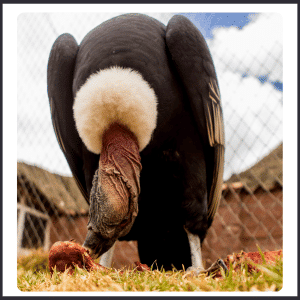
The Andean Condor is a scavenger, meaning it feeds mainly on dead animals rather than hunting live prey. Common Foods are Deer carcasses, Cattle remains, Wild mammals, and Other large animal carcasses. By consuming dead animals, condors help keep ecosystems clean and reduce the spread of disease.
Baby Andean Condor
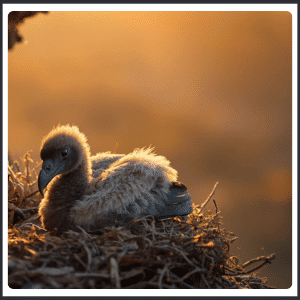
A baby Andean Condor is called a chick. Female condors usually lay a single egg every one to two years. Both parents share responsibility for incubating the egg and caring for the chick. Young condors remain dependent on their parents for many months, making reproduction a slow process. This slow breeding rate is one reason why conservation efforts are so important.
Life Span of Andean Condor
The Andean Condor has a long lifespan, often living up to 50–70 years in the wild. In captivity, with proper care, it can sometimes live even longer.
Environmental Importance
The Andean Condor plays a vital role in maintaining a healthy ecosystem by feeding on animal carcasses. This natural cleaning process helps prevent the spread of diseases and keeps the environment balanced. As a scavenger, the condor contributes significantly to the health of mountain ecosystems.
Educational Value
The Andean Condor helps students and researchers learn about wildlife conservation, ecology, and biodiversity. It serves as an excellent example of the importance of protecting endangered species and natural habitats. Educational programs often use the condor to raise environmental awareness.
Tourism Value
The Andean Condor attracts birdwatchers, photographers, and nature enthusiasts from around the world. Visitors travel to Ecuador’s mountains and national parks for a chance to see this majestic bird in flight. Its presence supports ecotourism and promotes appreciation for Ecuador’s natural heritage.
Conservation Status and Present-Day Challenges
Although the Andean Condor remains a national symbol, it faces several threats.
Main Threats
- Habitat loss
- Illegal hunting
- Poisoning
- Human disturbance
- Reduced food availability
Conservation organizations and government agencies work together to protect condor populations through habitat preservation, monitoring programs, and public education initiatives.
Interesting Facts About Andean Condor
- The Andean Condor has one of the largest wingspans of any flying bird.
- It can soar for hours without flapping its wings.
- Some condors can live for more than 50 years.
- It is one of the most recognizable symbols of the Andes Mountains.
- The bird plays an important role in South American folklore and mythology.
Name of National Animal of Ecuador
Learn More Helpful Articles