
The Tennessee State Animal is an important symbol of the state’s rich wildlife, natural beauty, and cultural heritage. It represents the unique animals that are closely connected to Tennessee’s history and environment. Learning about the official state animal is a fun way to expand your English vocabulary while exploring interesting facts about nature. In this article, you will learn Tennessee State Animal with its name and picture, along with simple information that is easy to understand. This guide is perfect for students, teachers, children, and wildlife enthusiasts who want to learn through clear explanations and engaging visuals.
What Is the Tennessee State Animal?
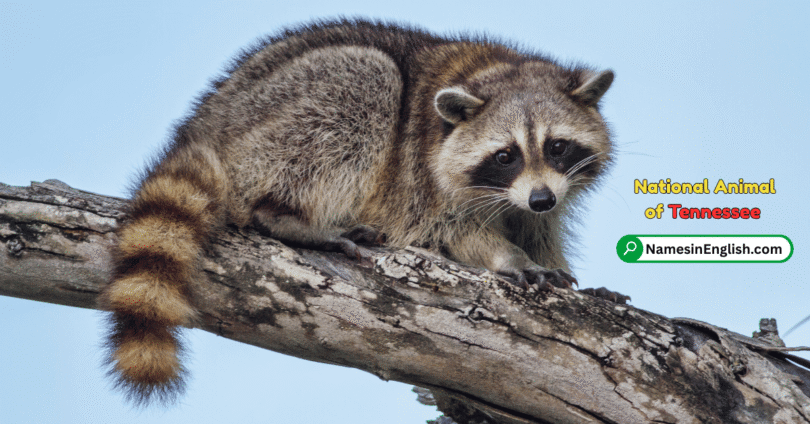
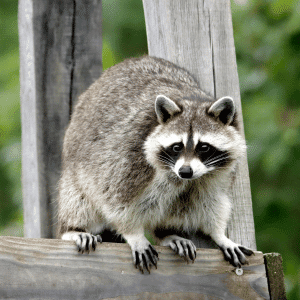
The raccoon (Procyon lotor) is the official state wild animal of Tennessee. It belongs to the Procyonidae family and is native to North America. Raccoons are medium-sized mammals recognized by their grayish fur, ringed tail, dexterous front paws, and characteristic dark markings around the eyes. They are highly adaptable and can live in a wide range of habitats.
Why Was the Raccoon Chosen as Tennessee’s State Animal?
The raccoon was chosen as Tennessee’s state wild animal because it is a native and widely recognized part of the state’s wildlife. Its adaptability, intelligence, and presence across Tennessee make it a fitting symbol of the state’s natural environment. Tennessee officially designated the raccoon as its state wild animal in 1971.
History of Raccoons in Tennessee
Raccoons have been part of Tennessee’s natural landscape for centuries, living in forests, wetlands, and areas near rivers and streams. Native communities and later settlers encountered these adaptable mammals throughout the region. Their widespread presence eventually contributed to their recognition as an important symbol of Tennessee wildlife.
What Does the Tennessee State Animal Eat?
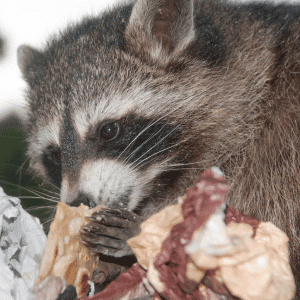
Raccoons are omnivores with a flexible diet that changes according to season and available food. They eat fruits, nuts, insects, crayfish, frogs, fish, eggs, and other small animals. This varied diet helps them survive in many different habitats across Tennessee.
Where Do Raccoons Live in Tennessee?
Raccoons can be found throughout Tennessee in forests, wetlands, farmland, riverbanks, and areas close to streams and lakes. They often choose places that provide food, water, and natural shelter. Raccoons can also adapt to suburban and urban environments when suitable resources are available.
How Do Raccoons Behave?
Raccoons are intelligent, curious, and highly adaptable mammals that are generally most active at night. They are excellent climbers and swimmers and use their sensitive front paws to explore objects and handle food. Most raccoons live alone, although mothers stay with their young while they are growing.
What Is a Baby Raccoon Called?
A baby raccoon is called a kit and usually remains with its mother during the early stages of life. The mother provides food, protection, and guidance while the kits develop essential survival skills. As they grow, young raccoons gradually learn to climb, search for food, and navigate their surroundings.
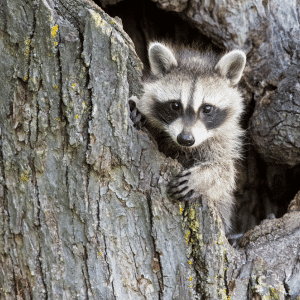
Life Span of a Racoon
A raccoon can live for several years in the wild, although many do not reach their maximum potential lifespan because of predators, disease, accidents, and human-related dangers. Under favorable conditions, some wild raccoons can live well beyond five years. Raccoons living under human care may survive considerably longer.
Are Raccoons Important to Tennessee’s Wildlife?
Raccoons play a role in Tennessee’s ecosystems as both predators and prey within local food webs. Their varied diet allows them to interact with insects, aquatic animals, plants, and small wildlife. They also provide food for larger predators, particularly when they are young.
Educational Value
The raccoon provides an excellent example for teaching students about animal adaptation, behavior, food chains, and native wildlife. Its ability to survive in different environments helps demonstrate how animals respond to changes in their surroundings. Learning about Tennessee’s state animal can also encourage greater appreciation for local biodiversity.
Economic Value
Raccoons contribute indirectly to Tennessee’s economy through wildlife-related education, nature activities, photography, and outdoor recreation. Healthy natural environments that support wildlife can also benefit communities that depend on outdoor tourism. However, raccoons can sometimes create costs when they enter buildings, damage property, or come into conflict with people.
Tourism Value
Tennessee’s diverse wildlife adds to the appeal of its forests, parks, rivers, and other natural areas for visitors. Raccoons are among the recognizable animals that tourists may encounter while exploring the state’s natural landscapes. Wildlife watching and nature photography can make encounters with native species an enjoyable part of outdoor tourism.
Conservation Status of raccoon
Raccoons are widespread across North America and are not currently considered a species facing a broad conservation crisis. Their adaptability allows them to survive in forests as well as human-developed areas. Even so, responsible wildlife management and protecting natural habitats remain important for maintaining healthy raccoon populations in Tennessee.
Interesting Facts About the raccoon
- Tennessee’s state wild animal is the raccoon.
- Its scientific name is Procyon lotor.
- Raccoons are omnivorous mammals.
- They are generally most active at night.
- Their famous facial mask helps make them one of North America’s most recognizable mammals.
- Raccoons are strong climbers and capable swimmers.
- Their front paws are highly sensitive and useful for handling food and objects.
- A baby raccoon is called a kit.
- Raccoons are highly adaptable and can survive in many different habitats.
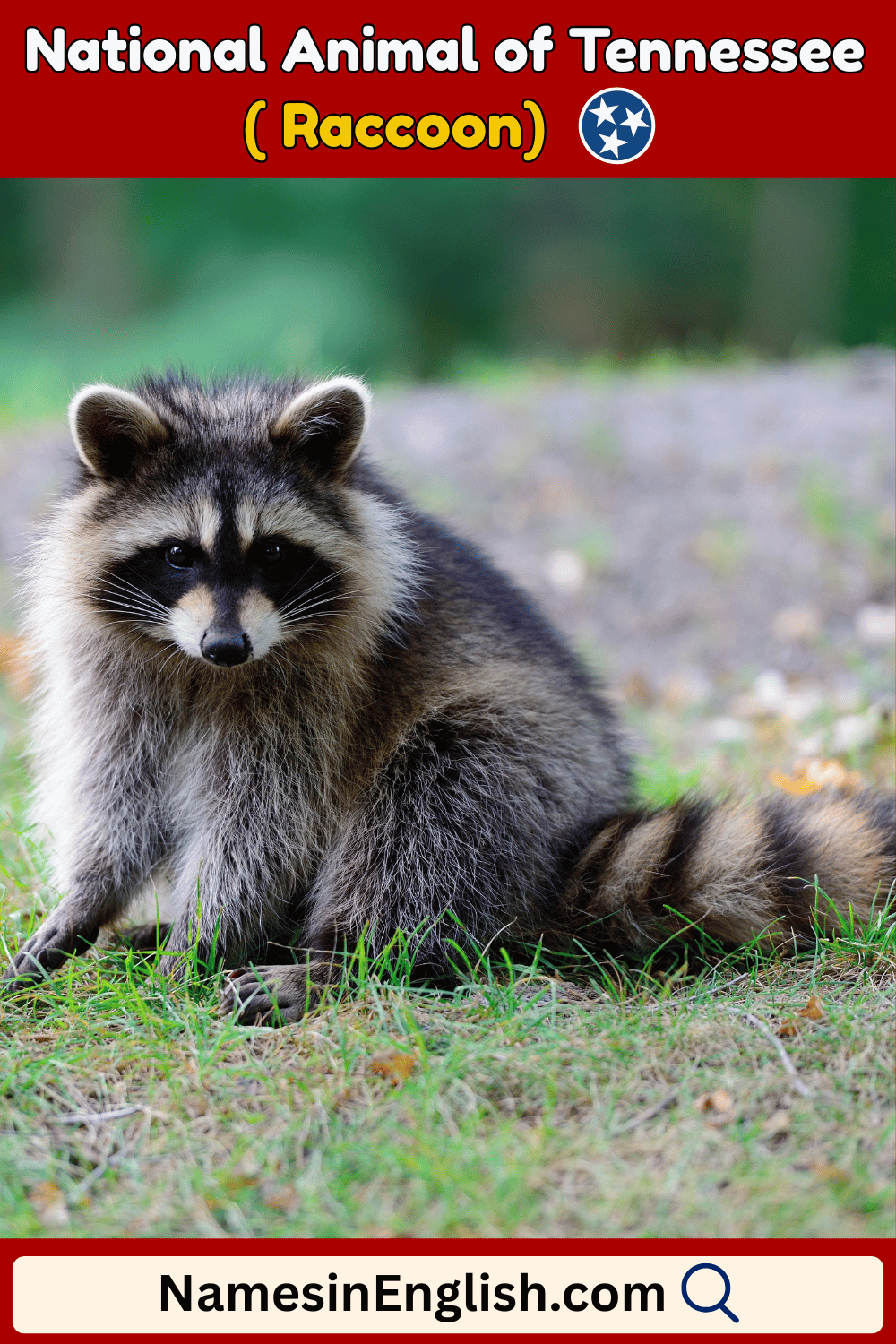
Name of National Animal of Tennessee
Learn More Helpful Articles