
The Mayflower Massachusetts State Flower is a small, beautiful wildflower that has been an important symbol of Massachusetts for many years. With its delicate pink and white blossoms and sweet fragrance, it represents hope, perseverance, and the arrival of spring. In this article, you’ll learn the meaning of the Mayflower Massachusetts State Flower, its history, unique features, growing habitat, and the reasons it remains a beloved emblem of Massachusetts. Whether you’re a student, a flower enthusiast, or simply curious, this guide will provide clear and useful information in an easy-to-read format.
What Is the Massachusetts State Flower?
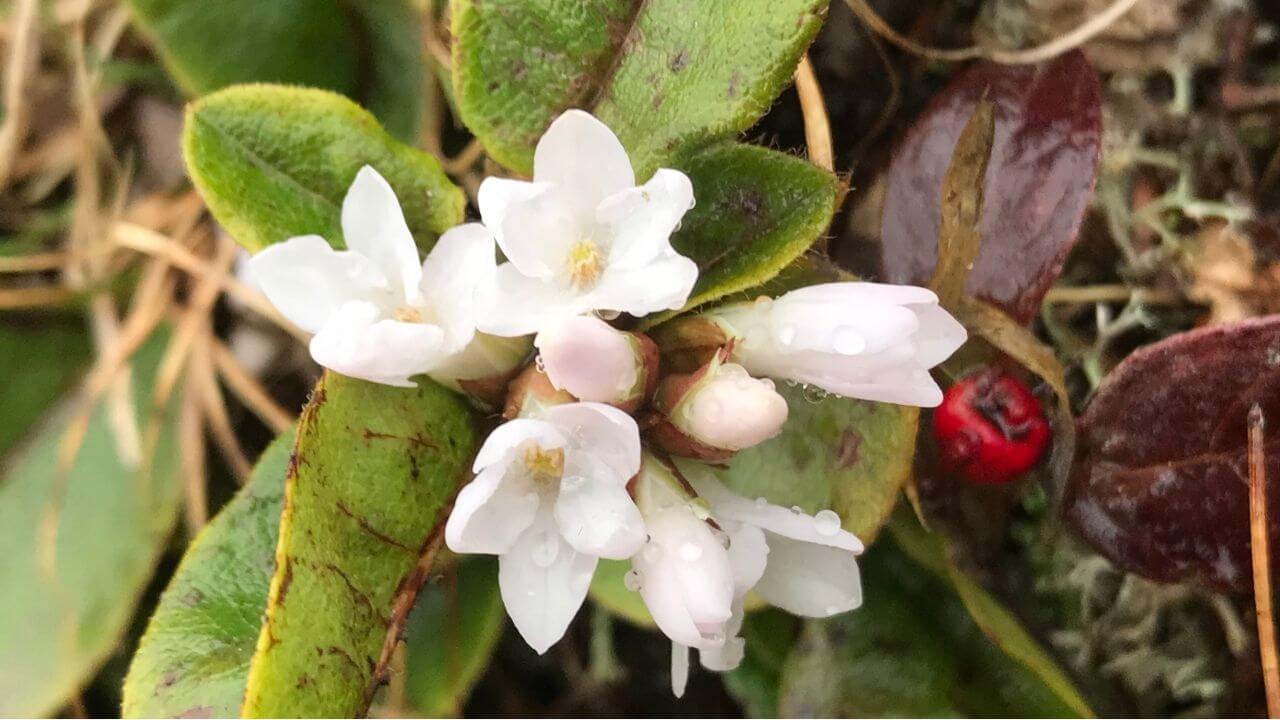
The Massachusetts State Flower is the Mayflower, a low-growing evergreen plant known scientifically as Epigaea repens. The state officially adopted it in 1918. This flower is cherished for its gentle pink or white blooms and sweet scent. It represents strength, hope, and renewal, which are qualities the people of Massachusetts deeply value.
Massachusetts State Flower Meaning
The Mayflower’s meaning is closely tied to the history and spirit of Massachusetts. People often connect it with perseverance because it blooms in early spring, even in cold and rocky soil. Its soft flowers remind many residents of new beginnings after long winters.
The flower also carries cultural meaning. It appears in stories about early settlers, Native communities, and the land itself. Some families in Massachusetts grew up seeing this plant on woodland walks, while others learned about it in school as part of state history lessons.
Early American History and Native Uses
Long before it became a state symbol, the Mayflower was known among Indigenous peoples. Native communities used it for traditional remedies because of its pleasant fragrance and evergreen leaves. When settlers arrived, they noticed this early-blooming plant during their first hard springs in New England. With time, the Mayflower came to represent their survival and connection to the new land.
Why the Mayflower Became the Massachusetts State Flower
The Mayflower earned its title because of its deep historical ties to the region. Residents felt it was a natural representation of Massachusetts identity. It symbolized endurance, purity, and the state’s early roots. Lawmakers chose it to honor those qualities and to celebrate a plant that has grown naturally throughout the state for centuries.
How the Mayflower Looks
The Mayflower is small but very recognizable once you know what to look for. It has leathery green leaves that stay on the plant year-round. The flowers appear close to the ground and bloom in soft shades of pale pink or white. Many people notice its sweet fragrance before they even see the plant. It grows in clusters and spreads slowly along the forest floor. Sandy or rocky soil suits it well, especially in areas with shade and pine trees.
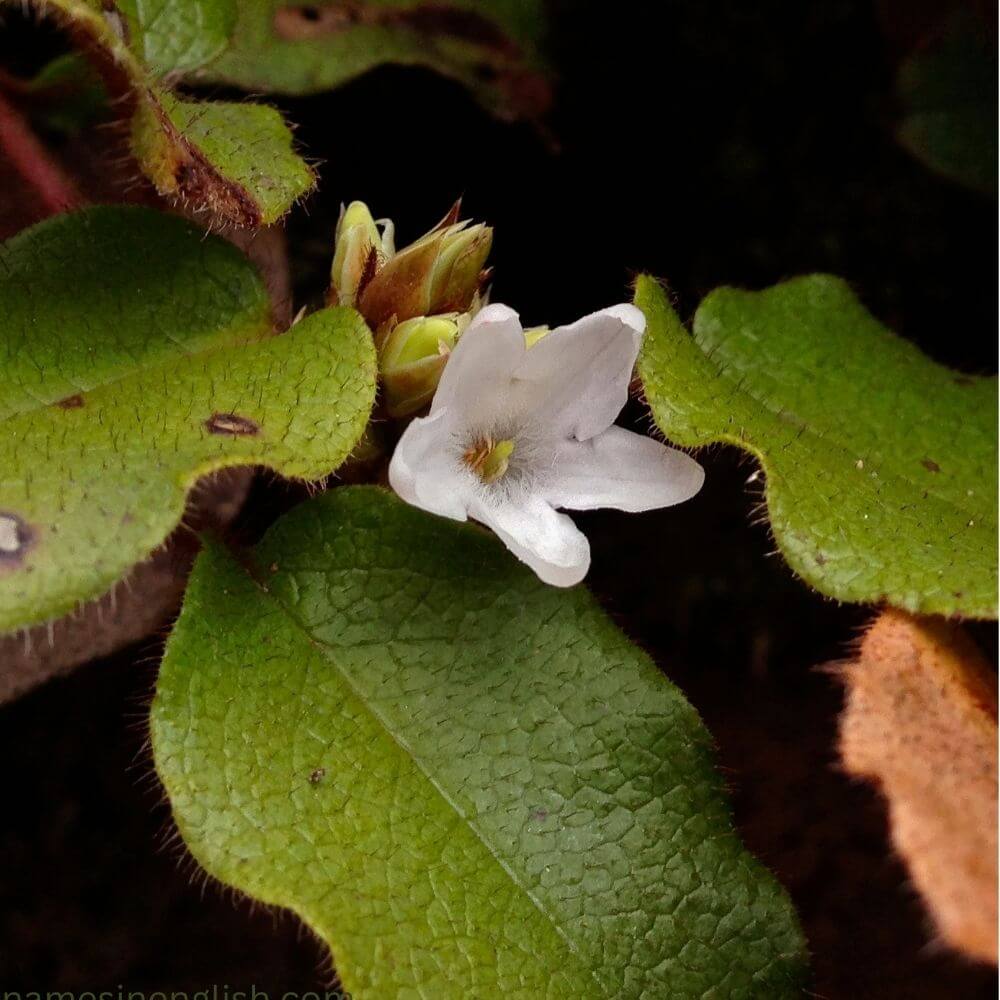
Epigaea repens (Trailing arbutus) – Source: Wikimedia Commons LicensedunderCC BY 1.0 – Author: Fritzflohrreynolds Image Link: https://commons.wikimedia.org/wiki/File:Epigaea_repens_-_Trailing_arbutus_2.jpg
How to Identify the Mayflower in the Wild
You can identify the Mayflower by checking for these features:
- Low vines spreading close to the ground
- Evergreen leaves with a slightly rough texture
- Clusters of small star-shaped flowers
- Gentle sweet smell especially in early spring
If you see these growing together along a forest path, you’re likely looking at the Massachusetts State Flower.
Mayflower Facts Every Massachusetts Resident Should Know
A few facts help place the Mayflower within the larger group of state symbols that celebrate Massachusetts.
- The Massachusetts state bird is the Black-Capped Chickadee. People often mention the state flower and bird together when teaching children about state symbols.
- The Massachusetts state tree is the American Elm, another symbol tied to the region’s history.
- The Massachusetts state dog is the Boston Terrier, a friendly and iconic companion. The official state animal is the Right Whale.
- The Mayflower is protected in many areas because it’s slow growing and sensitive to disturbance, and it is illegal to pick or possess it from public land.
- This flower prefers pine forests and cool, shaded ground, which is why many locals come across it during nature walks.
These facts create a stronger connection between the Mayflower and the state’s identity.
Mayflower Symbolism in Modern Culture
The Mayflower still inspires many people today. Some choose a Mayflower tattoo to represent hope, resilience, or their love for New England. Students often draw the Mayflower for school projects because it appears in lessons about the early colonies and state history.
Artists enjoy sketching or painting the flower for its soft color and simple shape. It also appears in craft projects and state-themed souvenirs.
How to Grow Mayflower in Gardens or at Home
Growing Mayflower takes patience, but many gardeners enjoy the challenge. The plant prefers cool shade and soil with natural organic material. People often place it near pine trees or shaded garden corners. Consistent moisture helps, although the soil should not stay soggy.
It grows slowly, so gardeners usually start with a small plant rather than seeds. Once it settles into the right spot, it spreads gently and can live for many years.
Where the Massachusetts State Flower Grows Today
The Mayflower still grows naturally in woodlands across Massachusetts and other parts of New England. Many conservation groups protect its habitat because it does not recover quickly when disturbed.
Visitors can find it in state parks, forest trails, and areas with sandy or rocky soil. Some of the best sightings happen in early spring when the flowers begin to open.
Key Takeaways About the Massachusetts State Flower
- The Mayflower became the Massachusetts State Flower in 1918
- It symbolizes hope, resilience, and new beginnings
- Its history connects Indigenous communities and early settlers
- The plant grows low to the ground with evergreen leaves and fragrant pink or white blooms
- It remains an important part of Massachusetts culture and identity
Conclusion
The Mayflower is more than a wildflower. It carries the story of Massachusetts, from its earliest communities to the present day. Anyone interested in local nature, state history, or simple spring beauty will enjoy learning about it. Want to explore more about state and national flowers, flower colors, or parts of a flower? See how other states picked their official flowers and learn flower basics in my recent articles:
Flower Parts Labeled with Their Names and Functions
Learn about the different parts of a flower and what each part does.State Flower of Alabama | Camellia
Discover why the Camellia was chosen as Alabama’s state flower.National Flower of Korea | Mugunghwa Flower
Explore the beauty and symbolism of Korea’s national flower.