
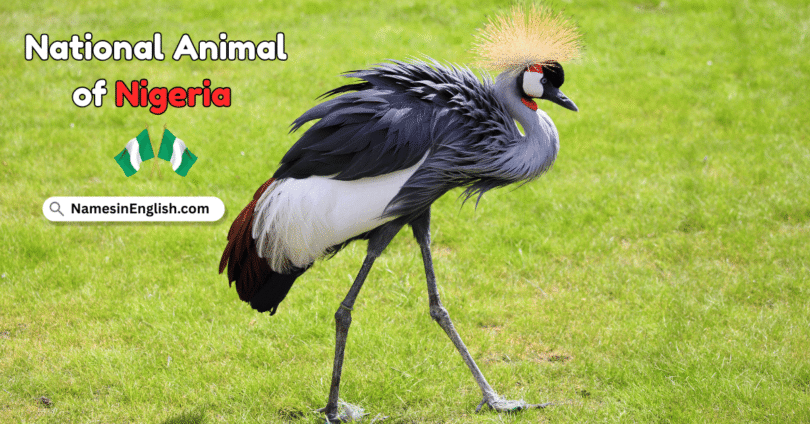

The National Animal of Nigeria is the magnificent Black Crowned Crane, a bird admired for its elegant appearance, golden crown of feathers, and deep cultural significance. As one of Nigeria’s most important national symbols, it represents peace, dignity, and the country’s rich natural heritage. Learning about the National Animal of Nigeria helps us better understand Nigeria’s wildlife, culture, and commitment to conservation. In this article, you will learn the Black Crowned Crane’s history, symbolic meaning, habitat, diet, importance, and fascinating facts that make it a treasured emblem of the nation.
What Is the National Animal of Nigeria?
The Black Crowned Crane is a large bird species native to Africa and is officially recognized as the national animal of Nigeria. It belongs to the crane family and is admired for its distinctive golden crown, long legs, and elegant movements.
History of the Black Crowned Crane
Ancient Presence in Africa
The Black Crowned Crane has lived in the wetlands and savannas of West and Central Africa for thousands of years. It has long been a part of the region’s natural ecosystems and cultural traditions.
Traditional Significance
For centuries, local communities admired the crane for its beauty, graceful movements, and peaceful nature. It often appeared in folklore and was regarded as a symbol of harmony and prosperity.
Adoption as a National Symbol
Nigeria recognized the Black Crowned Crane as an important national symbol due to its elegance and cultural value. The bird was later featured on the national coat of arms, representing dignity and national pride.
Conservation History
As wetland habitats declined, Black Crowned Crane populations began to face challenges from habitat loss and human activities. Conservation programs were introduced to protect the species and preserve its natural environment.
Symbolic Meaning of the Black Crowned Crane
Symbol of Peace
The Black Crowned Crane is widely regarded as a symbol of peace due to its calm nature and graceful behavior. Its presence reflects harmony and peaceful coexistence. This symbolism makes it an important national emblem.
Symbol of Dignity and Grace
The bird’s elegant appearance and proud posture represent dignity, honor, and self-respect. Its striking golden crown further enhances its image of nobility. These qualities reflect values admired in Nigerian society.
Symbol of National Pride
As a featured element on Nigeria’s coat of arms, the Black Crowned Crane symbolizes national unity and pride. It represents the country’s rich wildlife heritage and cultural identity. The bird serves as a reminder of Nigeria’s natural beauty and strength.
Scientific Name and Classification
- Common Name: Black Crowned Crane
- Scientific Name: Balearica pavonina
- Kingdom: Animalia
- Phylum: Chordata
- Class: Aves
- Order: Gruiformes
- Family: Gruidae
- Genus: Balearica
- Species: Balearica pavonina
Physical Characteristics of the Black Crowned Crane
The bird is easily recognized by:
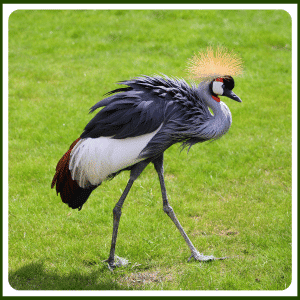
- A crown of stiff golden feathers on its head
- Black and gray body plumage
- White wings with chestnut and gold markings
- Bright red throat pouch
- Long black legs
- White cheeks with red patches
An adult Black Crowned Crane typically stands about 100 to 110 centimeters tall and has a wingspan reaching nearly two meters.
What Does the Black Crowned Crane Eat?
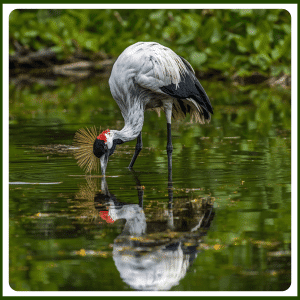
The Black Crowned Crane is an omnivore, meaning it consumes both plant and animal matter. Its diet includes Seeds, Grains, Grass shoots, Insects, Small fish, Frogs, Snails, and Crustaceans.
Where Does the Black Crowned Crane Live?
The Black Crowned Crane lives mainly in the wetlands, floodplains, grasslands, and savannas of West and Central Africa, including Nigeria. It prefers areas with shallow water and abundant vegetation where food is easily available. The bird is commonly found near rivers, marshes, and agricultural fields.
Baby Black Crowned Crane
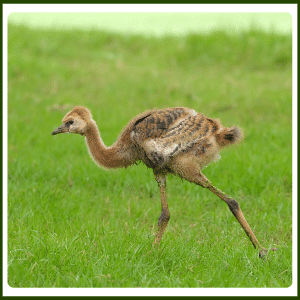
A baby Black Crowned Crane is called a chick. The female usually lays two to five eggs in a nest built among wetland vegetation. Both parents help incubate the eggs and protect the young after hatching. The chicks are covered with soft brown feathers and can walk and follow their parents shortly after birth. They gradually learn feeding and survival skills under parental care.
Environmental Importance
The Black Crowned Crane helps maintain ecological balance by feeding on insects and other small organisms. Its presence indicates healthy wetland ecosystems, making it an important environmental indicator. Protecting this bird also helps conserve the wetlands and wildlife that share its habitat.
Educational Value
The Black Crowned Crane provides valuable opportunities for learning about wildlife, biodiversity, and conservation. Students and researchers study its behavior, habitat, and role in wetland ecosystems. It also helps raise public awareness about the importance of protecting endangered species.
Tourism Relevance
The Black Crowned Crane attracts birdwatchers, wildlife photographers, and nature enthusiasts to Nigeria. Its unique appearance and graceful movements make it a popular attraction in natural reserves and wetlands. This contributes to ecotourism and promotes appreciation of Nigeria’s diverse wildlife.
Conservation Status of Black Crowned Crane
The Black Crowned Crane faces several threats in the wild.
Major Threats
- Wetland destruction
- Habitat loss
- Illegal capture for trade
- Agricultural expansion
- Environmental pollution
Conservation organizations and government agencies are working to protect the species through habitat preservation and public awareness initiatives.
Interesting Facts About the Black Crowned Crane
- It is the only crane species that can perch in trees.
- Its golden crown consists of stiff, bristle-like feathers.
- The bird performs elaborate courtship dances.
- It is one of the most recognizable birds in Africa.
- The Black Crowned Crane appears on Nigeria’s national coat of arms.
- Both parents actively care for their chicks.
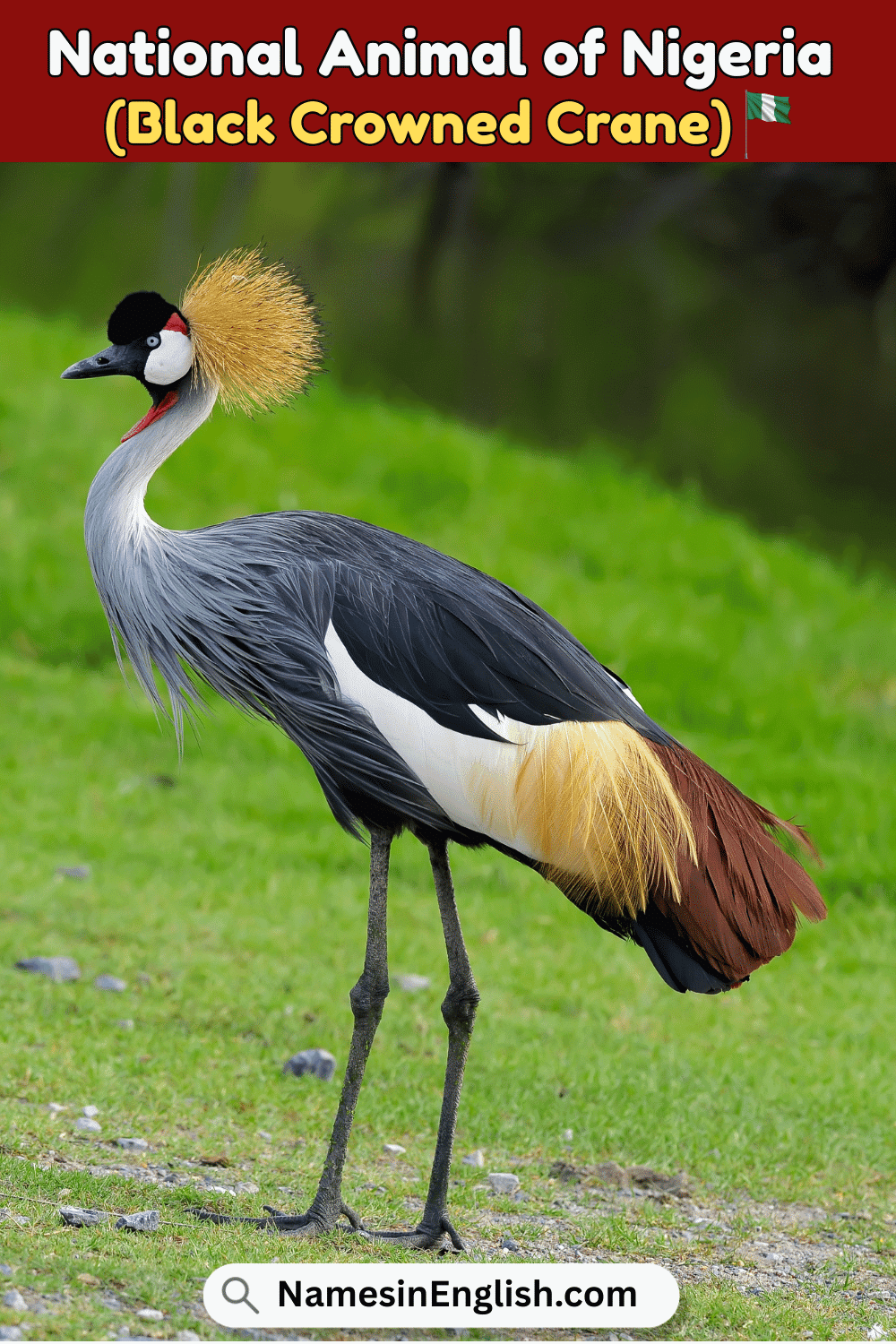
Name of National Animal of Nigeria
Learn More Helpful Articles