
In Hungary, The national flower blooms not just in gardens but also in tradition and pride. It’s a living symbol of the country’s history, culture, and natural heritage. If you’re a traveler curious about Hungarian traditions or a student diving into botany, this guide will take you through the flower’s meaning, stunning visuals, and why it continues to inspire pride today.
What Is the National Flower of Hungary?
The national flower of Hungary is the Tulipán, commonly known in English as the tulip. This elegant flower, known for its bright, cup-shaped petals, thrives in Hungary’s temperate climate and has been embraced as a symbol of the nation since the 18th century. The tulip’s simple yet vibrant beauty made it an ideal emblem, connecting Hungary’s agricultural roots with its cultural identity.
Meaning of Hungary’s National Flower
Beyond its visual charm, the tulip embodies the Hungarian people’s enduring connection to the land and their history. It is often linked with themes of rebirth and the celebration of life, echoing Hungary’s journey through centuries of change. In festivals, the tulip is worn as a badge of national pride and unity, making it a unifying symbol across generations.
Stunning Pictures of The Tulip
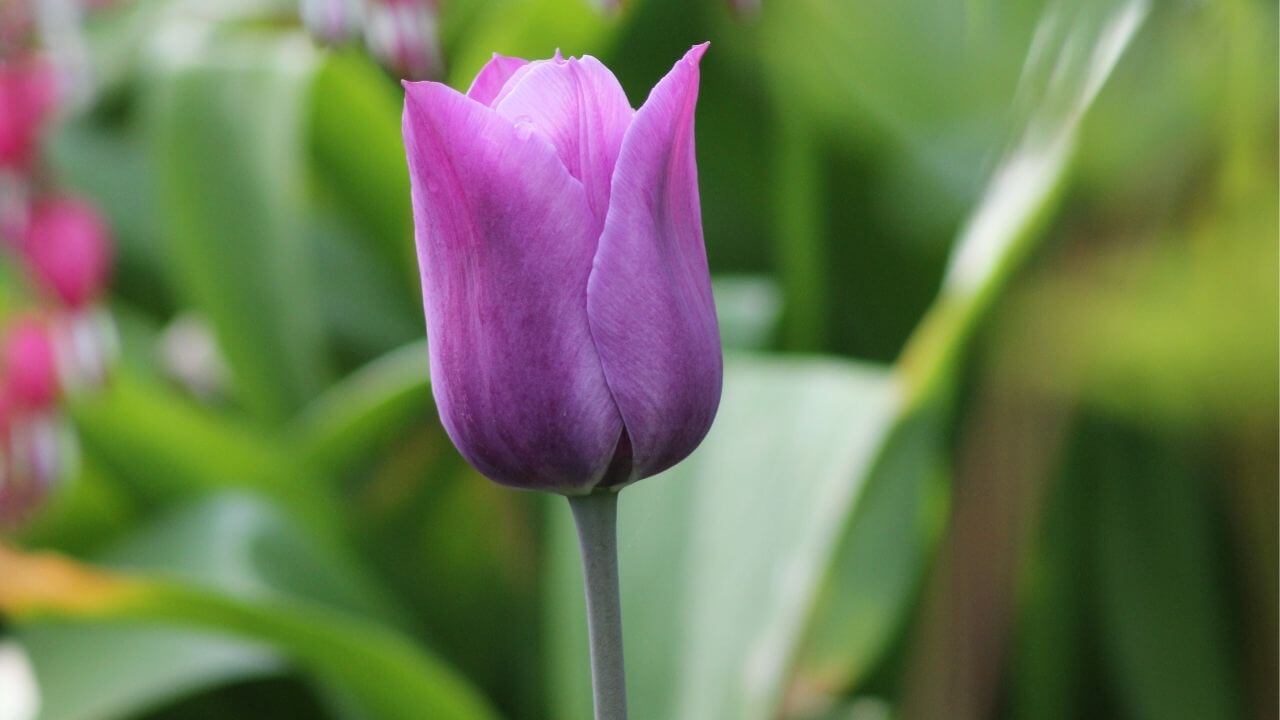
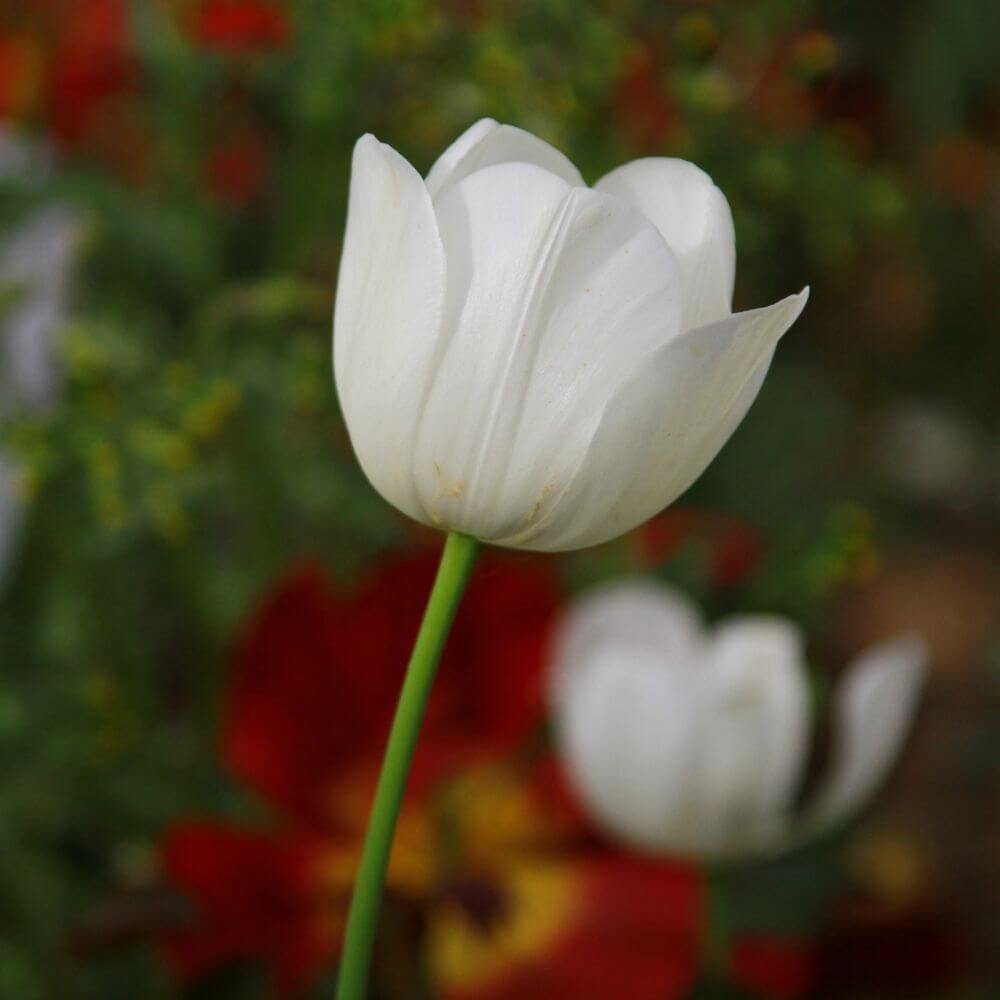
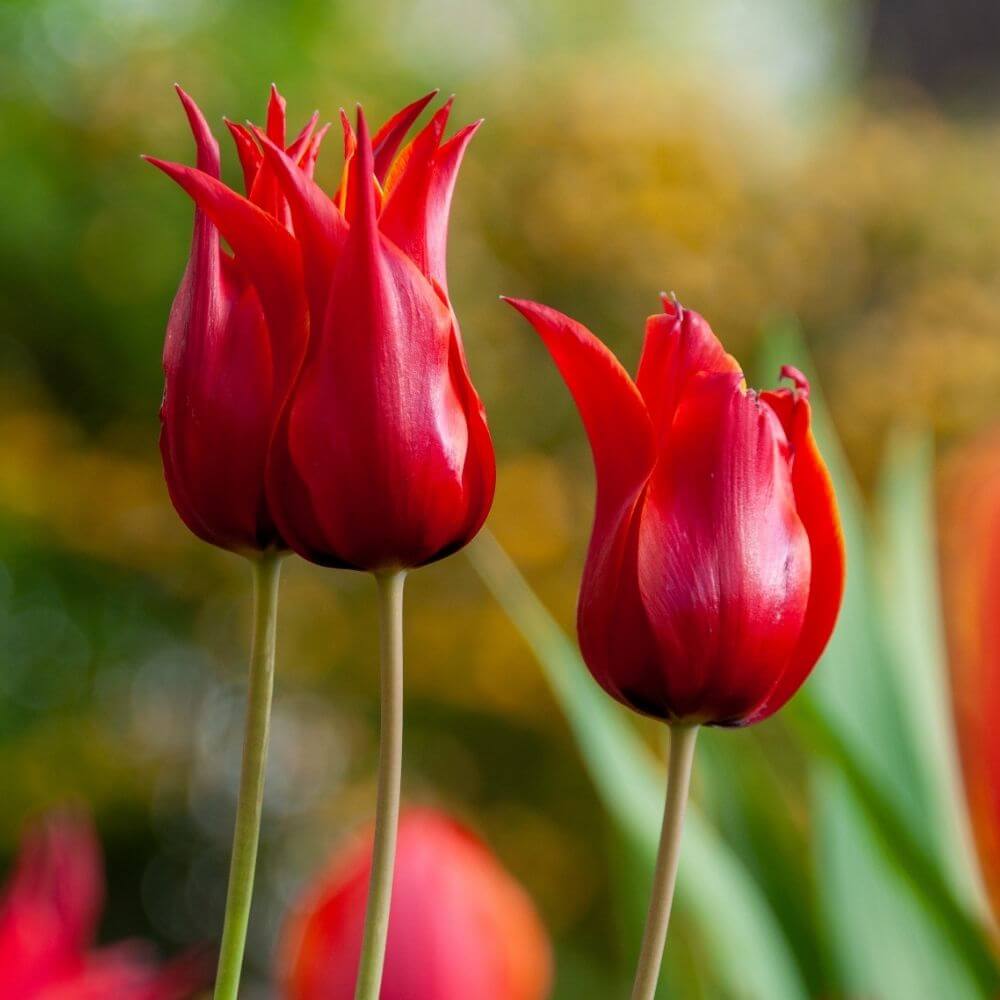
The tulip’s appeal lies in its variety of colors. From deep reds and oranges to soft yellows and whites. It naturally blooms in spring, carpeting fields and gardens across Hungary with a vivid splash of color. You’ll find it in botanical gardens, traditional folk art, and festivals where it is celebrated in all its glory. Its simple shape has also inspired countless painters and poets, making it a cultural icon as much as a natural wonder.
Yellow Tulip

White Tulip
Red Tulip
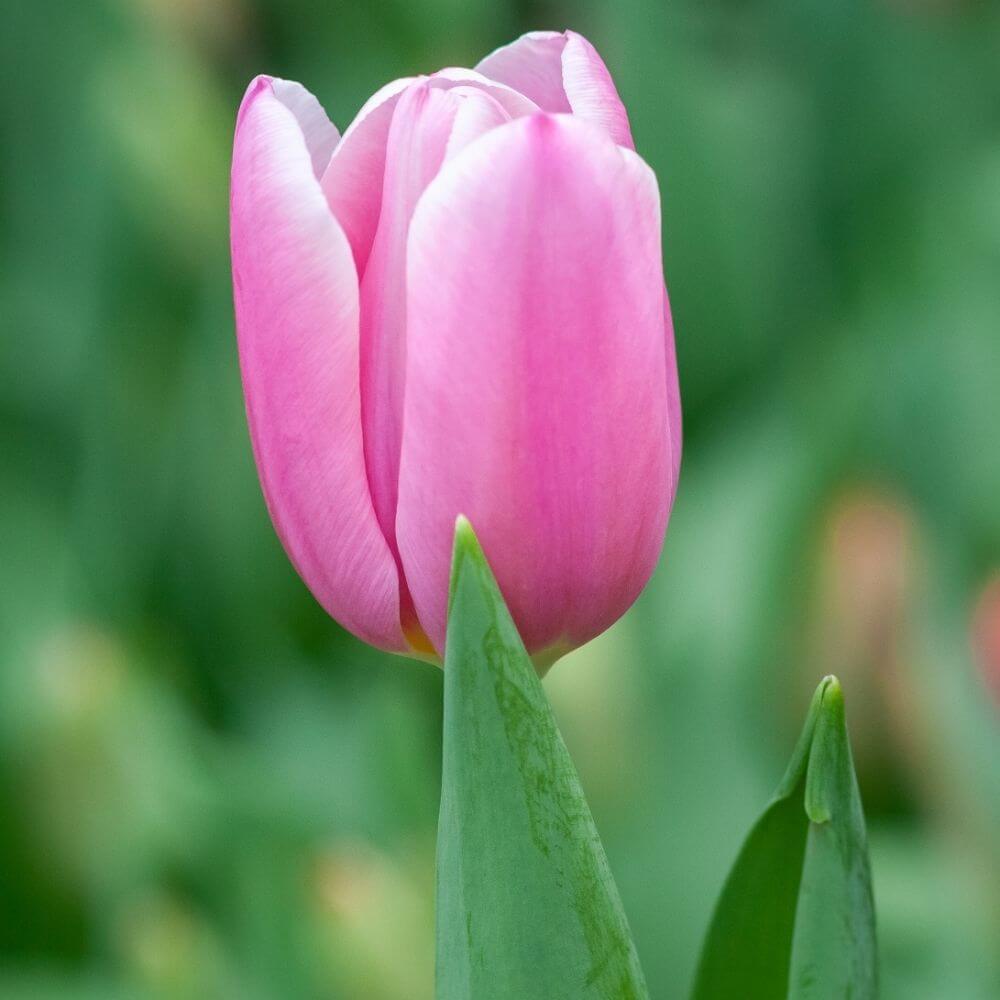
Pink Tulip
How Can You Grow Tulips
- Choose the right bulbs: Select firm, healthy tulip bulbs from a trusted source.
- Plant in well-drained soil: Tulips hate soggy roots, so pick a spot with good drainage and plenty of sunlight.
- Plant in fall: Tulip bulbs need cold soil to bloom, so plant them 6-8 inches deep about 6 weeks before the first frost.
- Water moderately: Keep the soil moist but not wet after planting; once shoots appear, water only if the weather is dry.
- Care after blooming: Remove spent flowers but leave the foliage until it yellows to help the bulb store energy for next year.
Follow these simple steps, and your tulips will reward you with vibrant spring blooms. If you want you can Read Detailed Guide on Growing Tulips
The Symbolism Behind Hungary’s National Flower
In Hungarian folklore, the tulip is more than just a pretty plant. It represents renewal, beauty, and the fleeting nature of life. Historically, the tulip was a favorite motif in Hungarian embroidery and folk art, symbolizing vitality and hope during times of hardship. The flower’s bright colors evoke the spirit of resilience and optimism. A trait Hungarians hold dear, especially given their rich and often turbulent history.
A Lesser-Known Fact About Tulips of Hungary
While the tulip is widely admired, few know that Hungary’s tulip varieties include several native species unique to the Carpathian Basin. These local tulips are not just ornamental but play a role in maintaining the region’s biodiversity. Recent environmental efforts aim to protect these wild tulip species from habitat loss due to urban expansion and climate change. A cause close to the hearts of Hungarian conservationists.
Conservation Efforts and Modern Relevance
Organizations in Hungary actively work to preserve the natural habitats where these native tulips grow. For instance, the Hortobágy National Park includes protected zones where wild tulips flourish without interference. Local communities organize educational programs encouraging respect for native flora. These efforts underline the tulip’s status not only as a cultural symbol but also as a vital part of Hungary’s ecological heritage.
The Hungarian Tulip Festivals
If you want to see the tulip in its full glory, plan a visit during spring when festivals celebrating the bloom are held in cities like Debrecen and Budapest. The Hungarian Tulip Festivals are highlight, featuring floral displays, folk dances, and crafts inspired by the flower’s motifs. Nature lovers can also explore countryside reserves where native tulips bloom freely, offering a serene glimpse into Hungary’s natural beauty.
FAQs About National Flower of Hungary
Is Hungary known for tulips?
Yes, Hungary is closely associated with tulips, especially since the tulip is the country’s national flower. Tulips have been part of Hungarian culture, art, and festivals for centuries.
What is the national flower of Hungary?
The national flower of Hungary is the tulip, admired for its vibrant colors and symbolic meaning tied to Hungarian heritage and natural beauty.
What is the meaning behind Hungary’s national flower?
Hungary’s tulip symbolizes renewal, beauty, and resilience. It reflects the country’s cultural identity and is widely featured in folk art and celebrations.
Are there native tulip species unique to Hungary?
Yes, Hungary is home to several native tulip species found in the Carpathian Basin, which are important for regional biodiversity and are protected in natural reserves.
How is the national flower of Hungary celebrated today?
The tulip is celebrated through annual festivals, such as the Hungarian Tulip Festival, and is featured in cultural events, art, and conservation efforts across the country.
Celebrating Hungary Through Its National Flower
Hungary’s tulip is not just simply a flower. it’s a vibrant emblem of the nation’s spirit and natural charm. From its cultural symbolism to its ecological importance, the tulip invites us to appreciate Hungary’s rich heritage in bloom. I encourage you to explore more about flowers and national flowers of different countries.