
The National Animal of Vietnam is the Water Buffalo, a powerful and hardworking animal that has been an important part of Vietnamese life for centuries. More than just a farm animal, the water buffalo symbolizes strength, perseverance, prosperity, and the country’s rich agricultural heritage. Understanding Vietnam’s national animal helps us appreciate the culture, traditions, and rural lifestyle that have shaped the nation. In this article, you will learn about the Water Buffalo’s history, symbolic meaning, scientific classification, habitat, cultural importance, and why it remains one of Vietnam’s most respected national symbols today.
What Is the National Animal of Vietnam?
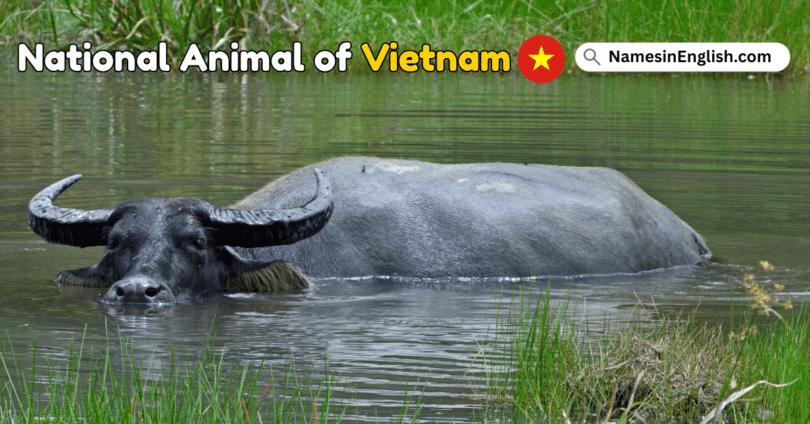
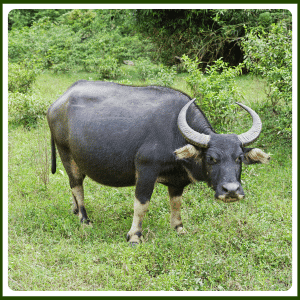
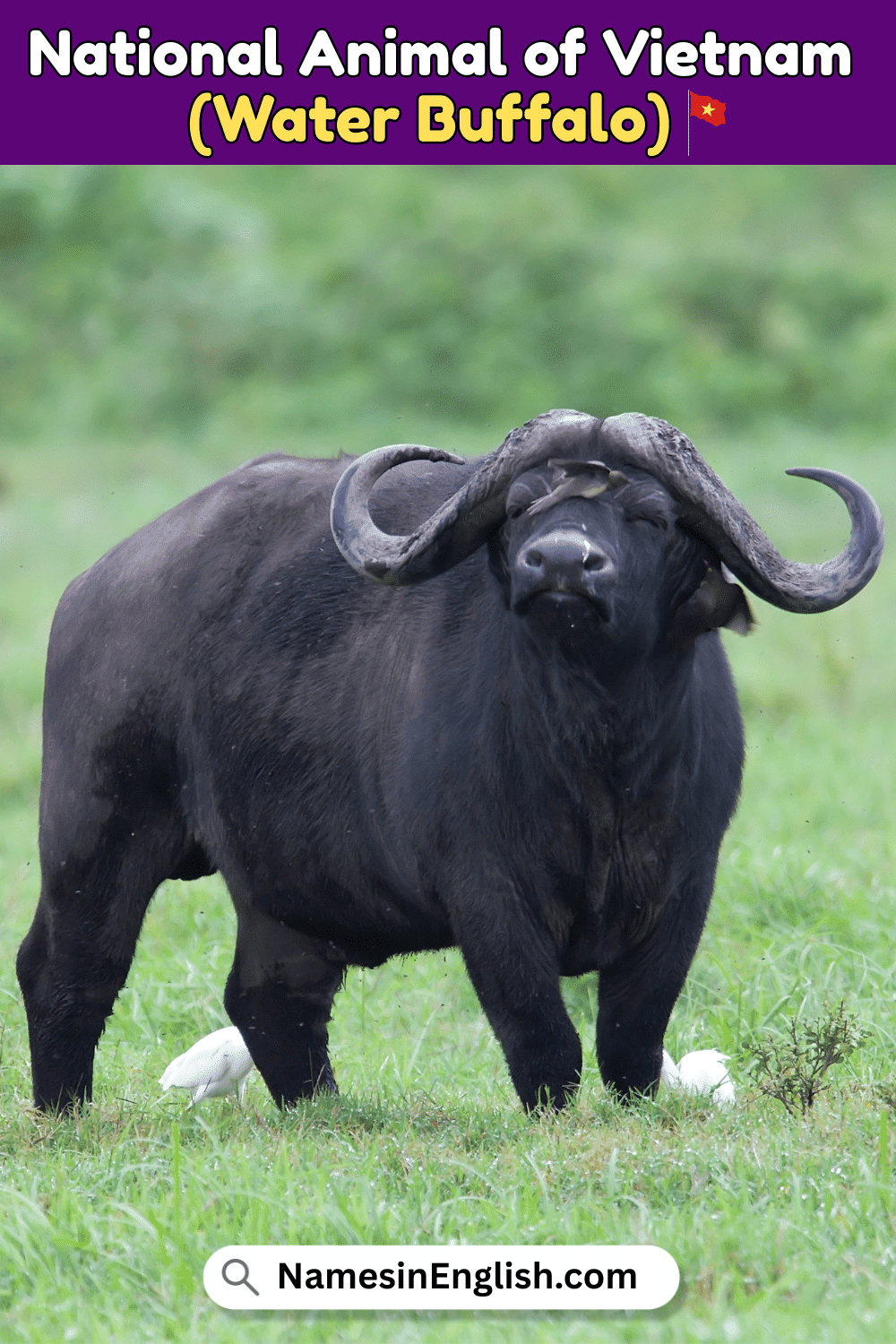
The national animal of Vietnam is the Water Buffalo (Bubalus bubalis). It is one of the most important domesticated animals in the country and has played a vital role in Vietnamese farming communities for thousands of years.
Why Was the Water Buffalo Chosen as Vietnam’s National Animal?
The water buffalo was chosen because it reflects many of the values associated with Vietnamese culture and history.
Symbol of Hard Work
Water buffaloes are known for their strength and ability to work long hours in difficult conditions. They represent the hardworking spirit of the Vietnamese people.
Agricultural Importance
Vietnam has a long history of rice cultivation. The water buffalo has been essential in helping farmers grow crops and sustain communities.
Cultural Heritage
The animal appears in Vietnamese literature, folk songs, paintings, festivals, and traditional stories, making it a symbol of national identity.
Symbolic Meaning of the Water Buffalo
Hard Work and Diligence
The water buffalo symbolizes hard work and dedication. Its long history of helping farmers in rice fields reflects the strong work ethic of the Vietnamese people.
Strength and Endurance
With its powerful build and ability to work in challenging conditions, the water buffalo represents physical strength, resilience, and perseverance.
Prosperity and Abundance
Traditionally, owning a water buffalo was a sign of wealth and agricultural success. It symbolizes prosperity, food security, and a stable livelihood.
Harmony with Nature
The water buffalo reflects the close relationship between people and the natural environment. It highlights the importance of living and working in balance with nature.
Cultural Importance of the Water Buffalo
The water buffalo occupies a unique position in Vietnamese culture.
Traditional Festivals
Several local festivals feature buffalo-related activities, including ceremonial events and traditional celebrations that honor agriculture and farming communities.
Folklore and Art
The animal frequently appears in folk paintings, poems, songs, and stories. It is often portrayed alongside farmers and rural landscapes.
Symbol of Prosperity
Owning a healthy buffalo was historically considered a sign of wealth and stability for farming families.
Scientific Name and Classification of the Water Buffalo
- Common Name: Water Buffalo
- Scientific Name: Bubalus bubalis
- Kingdom: Animalia
- Phylum: Chordata
- Class: Mammalia
- Order: Artiodactyla
- Family: Bovidae
- Genus: Bubalus
- Species: Bubalus bubalis
Physical Characteristics of the Water Buffalo
The water buffalo is a large and powerful animal with distinctive features.
- Strong and muscular body
- Large curved horns
- Thick dark-gray or black skin
- Broad chest and sturdy legs
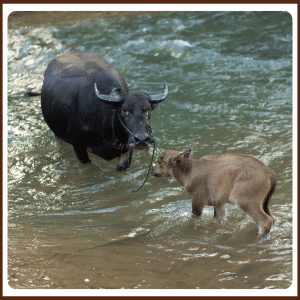
- Excellent swimming ability
Adult water buffaloes can weigh between 300 and 1,200 kilograms depending on breed and age.
Habitat and Distribution
Water buffaloes are widely distributed throughout Vietnam, especially in rural and agricultural regions. They thrive in Rice paddies, Wetlands, River valleys, Floodplains, and Grasslands. These environments provide abundant water and vegetation, which are essential for their survival and comfort.
What Does the Water Buffalo Eat?
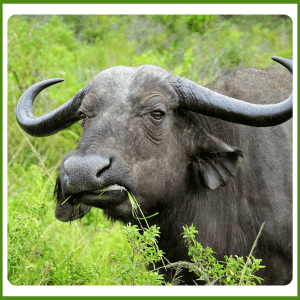
Water buffaloes are herbivores and mainly feed on plant-based foods. Their diet includes Grass, Rice straw, Aquatic plants, Leaves, Hay, and Agricultural crop residues. Their ability to consume coarse vegetation makes them well-suited to rural farming environments.
What Is a Baby Water Buffalo Called?
A baby water buffalo is called a calf. Buffalo calves usually stay close to their mothers during the early stages of life. They gradually begin eating grass while continuing to nurse for several months.
Environmental Importance
Water buffaloes contribute to rural ecosystems in several ways. They help manage vegetation, support traditional farming practices, and provide natural manure that improves soil fertility. Sustainable buffalo farming can also reduce reliance on heavy machinery in some agricultural areas.
Educational Importance
The water buffalo helps students learn about Vietnam’s agricultural history and rural traditions. It demonstrates the important role animals play in food production and farming. It also teaches the value of hard work, responsibility, and sustainable living.
Tourism Value
The water buffalo is a popular symbol of Vietnam’s countryside and attracts many visitors to rural areas. Tourists often enjoy seeing buffaloes in rice fields and learning about traditional farming practices. Its presence adds authenticity to Vietnam’s cultural and eco-tourism experiences.
Conservation Status
The domestic water buffalo is not currently considered endangered and remains widely distributed. However, preserving traditional breeds is important for maintaining genetic diversity. Conservation efforts focus on sustainable breeding and protecting agricultural heritage.
Interesting Facts About Water Buffalo
- The water buffalo is often called the “friend of the farmer.”
- It can spend hours cooling itself in water or mud.
- Water buffaloes are excellent swimmers.
- They have been used in Vietnamese agriculture for thousands of years.
- The animal is featured in many traditional Vietnamese artworks and stories.
- It symbolizes strength, patience, and resilience.
Name of National Animal of Vietnam
Learn More Helpful Articles