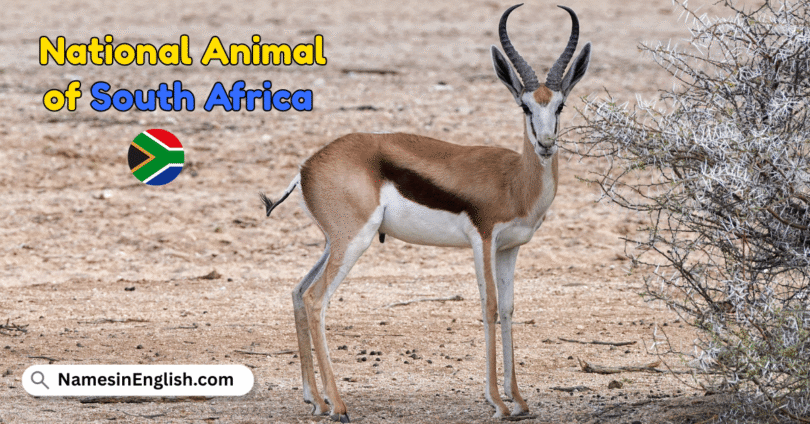

South Africa is famous for its incredible wildlife, breathtaking landscapes, and rich natural heritage. Among its many national symbols, the National Animal of South Africa is the Springbok, a graceful antelope known for its remarkable speed, agility, and unique jumping ability. This iconic animal represents strength, freedom, and national pride, making it an important part of South African culture and identity. In this article, you’ll learn the Springbok’s history, symbolic meaning, habitat, diet, cultural significance, environmental importance, and fascinating facts that make it one of Africa’s most admired animals.
What Is the National Animal of South Africa?
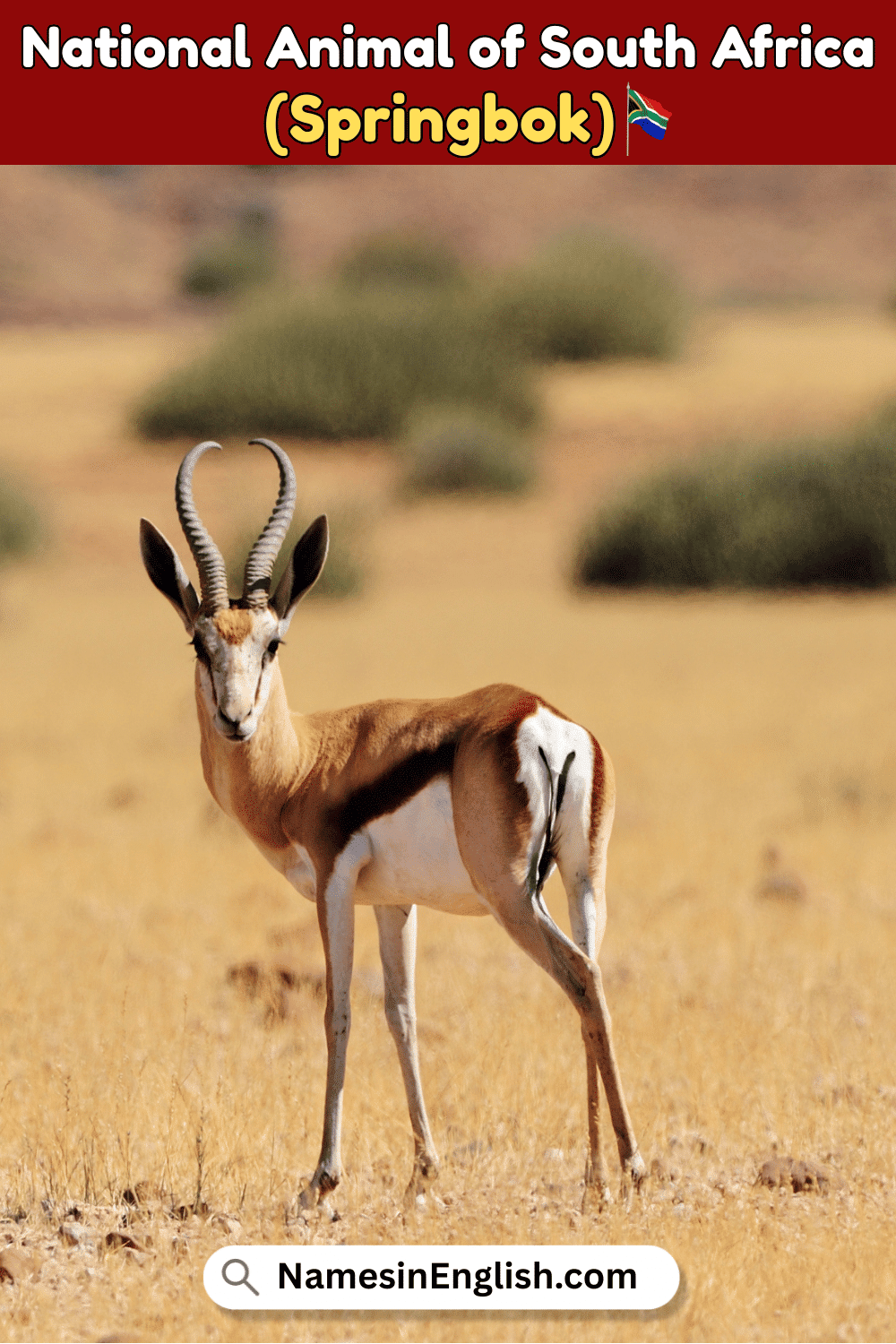
The national animal of South Africa is the Springbok (Antidorcas marsupialis), a medium-sized antelope native to southern Africa. It is famous for its remarkable agility and its ability to leap high into the air while running, a behavior known as “pronking.”
Historical Background of Springbok in South Africa
Early Presence in Southern Africa
The Springbok has lived in the grasslands and semi-arid regions of southern Africa for thousands of years. It became one of the most common and recognizable antelope species in the region.
Importance to Indigenous Communities
For centuries, indigenous peoples valued the Springbok as a source of food and materials. The animal also appeared in local traditions and stories, reflecting its importance in everyday life.
Symbol of the South African Landscape
During the colonial era, the Springbok became closely associated with the country’s vast open plains. Its beauty, speed, and adaptability made it a symbol of South Africa’s natural heritage.
Adoption as a National Symbol
The Springbok was gradually adopted as a national symbol because it represents strength, resilience, and freedom. Its strong connection to South Africa made it an ideal emblem of national identity.
Role in South African Sports
In the early 20th century, the Springbok became the emblem of South Africa’s national rugby teams. The nickname “Springboks” gained international recognition and became a source of national pride.
Physical Characteristics of the Springbok
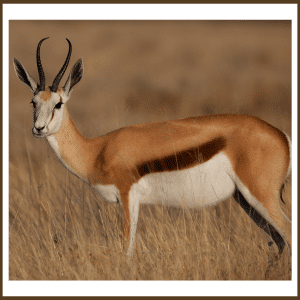
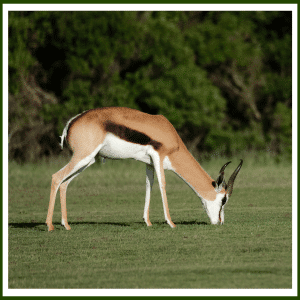
The Springbok is a slender and elegant antelope with distinctive markings.
Appearance
- Light brown coat with a white underside
- Dark stripe running along each side of the body
- Long, pointed ears
- Curved horns on both males and females
- Height of about 70 to 90 centimeters at the shoulder
Speed
The Springbok is one of Africa’s fastest animals and can reach speeds of up to 88 km/h (55 mph), helping it escape predators.
What Does the Springbok Eat?
The Springbok is a herbivore and survives on a variety of plant materials. Its diet includes Grasses, Shrubs, Leaves, Wild flowers, and Succulent plants. One of its remarkable adaptations is the ability to survive for long periods with very little water by obtaining moisture from the plants it eats.
Habitat and Distribution
Springboks are found mainly in South Africa, Namibia, Botswana, and Southwestern Angola. They thrive in open grasslands, semi-desert regions, and dry plains where they can move freely and spot predators from a distance.
Baby Springbok
A baby Springbok is called a calf. Female Springboks usually give birth to one calf after a gestation period of about six months. Newborn calves can stand and move shortly after birth, helping them avoid predators in the wild.
Conservation Status of Springbok
The Springbok is currently classified as Least Concern by conservation authorities. Its population remains stable across much of its natural range. However, conservation efforts remain important to protect habitats and ensure that future generations can continue to enjoy this iconic species.
Interesting Facts About the Springbok
- It Can Perform Extraordinary Jumps
- It Is Extremely Fast
- Both Sexes Have Horns
- It Can Survive in Dry Areas
Name of National Animal of South Africa
Learn More Helpful Articles