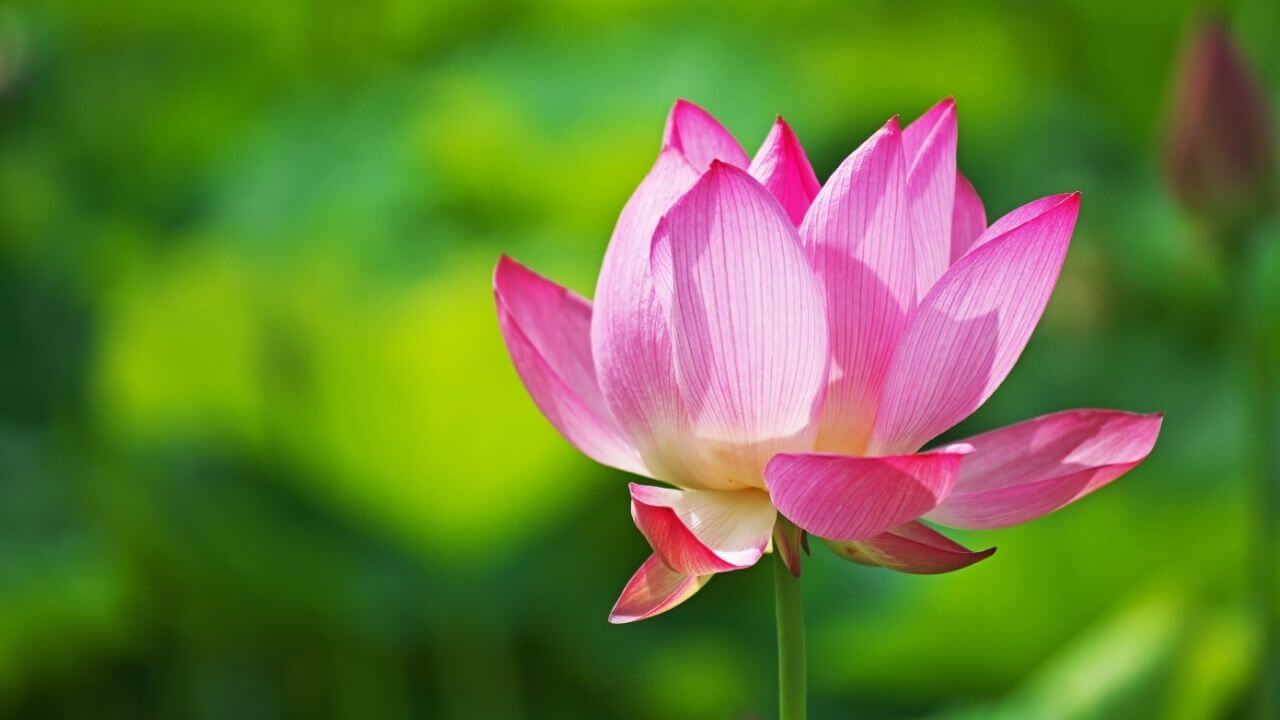

The Vietnam National Flower is widely recognized as the beautiful lotus, a flower admired for its purity, resilience, and deep cultural meaning. Growing gracefully from muddy waters into a stunning bloom, the lotus has become a powerful symbol of strength, hope, and spiritual beauty in Vietnamese tradition. But is the lotus officially the national flower of Vietnam, or is it simply a popular belief? In this article, you’ll learn whether the Vietnam National Flower is a myth or a fact, explore the history behind its national status, learn about its symbolism, and see why this remarkable flower continues to hold a special place in the hearts of the Vietnamese people.
Lotus as Vietnam’s National Flower: Myth or Fact?
You may have heard countless times that the lotus is Vietnam’s national flower. This belief is widespread, especially among locals and tourists alike. But is this officially true? The answer is not as straightforward as it seems.
Officially, Vietnam does not have a formally declared national flower. The lotus is often considered the national flower in cultural and popular contexts, but there’s no government decree naming it as such. This gray area leads to the common myth that the lotus is Vietnam’s official flower when, in fact, it holds a more symbolic and cultural position rather than a legal one.
So, while the lotus is deeply revered and widely embraced as a symbol of Vietnam, the statement “Lotus is the national flower of Vietnam” remains partly a myth, based on tradition rather than formal recognition.
What Is the National Flower of Vietnam?
Since there is no formal declaration, some argue that Vietnam simply doesn’t have an official national flower. Instead, the lotus is recognized as the “people’s flower,” symbolizing purity, optimism, and resilience. It’s a flower that grows beautifully even in muddy waters, which resonates deeply with the Vietnamese spirit.
In short, the lotus functions as the national flower in the hearts and minds of many Vietnamese, even if it lacks official paperwork. This distinction is important for understanding both the cultural and factual sides of the story.
The Lotus Flower in Vietnamese Culture
The lotus flower holds special meaning in Vietnam beyond just being a “flower.” It symbolizes purity and enlightenment, mainly because it blooms unstained from muddy waters. It’s often linked to Buddhist beliefs, where the lotus represents spiritual awakening.
Artists frequently feature the lotus in paintings and crafts, and it appears in Vietnamese poetry and folk songs. Festivals like the Lotus Festival celebrate this flower’s beauty and cultural importance every year.
Because of its strong cultural presence, many Vietnamese feel proud to call the lotus their national flower, regardless of official status.
Botanical Profile of the Lotus
The lotus (scientific name Nelumbo nucifera) is an aquatic plant known for its large, round leaves and stunning flowers that bloom above the water’s surface. Native to Asia, it thrives in ponds, lakes, and slow-moving rivers. The lotus is admired not only for its beauty but also for its unique ability to grow in muddy water while remaining clean and untouched by dirt. This remarkable trait is part of why it symbolizes purity and resilience in many cultures, including Vietnam’s.
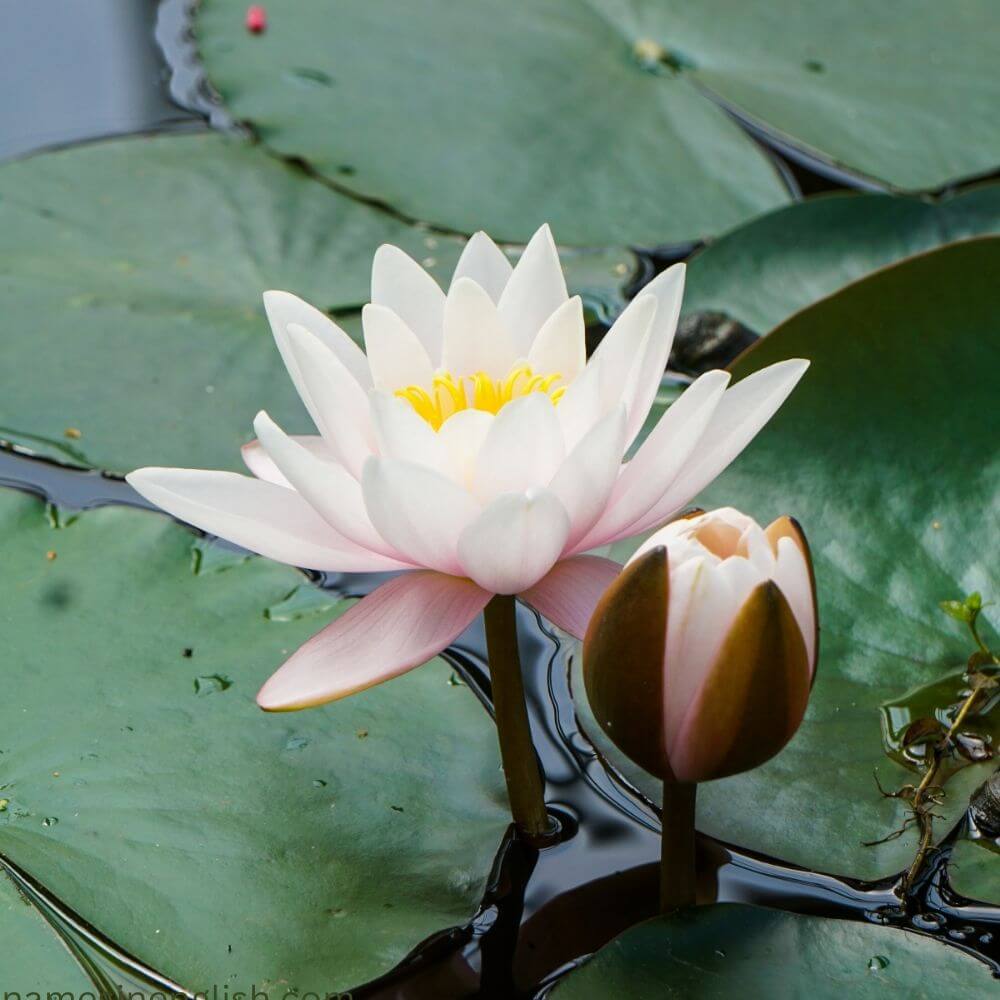
Comparing the National Flower of Vietnam and India
An interesting twist is that India also names the lotus as its national flower. This shared symbolism sometimes causes confusion, especially online, where people mix facts from both countries.
However, the lotus carries different meanings in each culture. In India, it is linked deeply to Hindu mythology and national identity. In Vietnam, its significance is more connected to purity, resilience, and Buddhism.
This overlap fuels the myth that Vietnam’s lotus is “copied” or “borrowed” from India, but the reality is that the lotus is a universal symbol valued independently by both nations.
National Flower of Vietnam Meaning
Today, the lotus flower remains popular in modern Vietnamese culture. You’ll see it in tattoo designs, where many choose the lotus for its meaning of purity and growth through adversity. Businesses and tourism boards also use the lotus as a branding symbol to attract visitors and celebrate Vietnam’s heritage.
Even without official status, the lotus influences daily life and modern aesthetics deeply.
Other National Symbols of Vietnam
To broaden the picture, here are some other official national symbols of Vietnam:
- National Animal of Vietnam: The water buffalo, representing hard work and prosperity.
- Vietnam National Bird: The golden-winged laughingthrush, known for its beauty and unique call.
- National Tree of Vietnam: The bamboo tree, symbolizing strength and flexibility.
These symbols collectively reflect the Vietnamese identity and complement the cultural role of the lotus flower.
Key Takeaways About Vietnam’s National Flower
- The lotus is not officially Vietnam’s national flower but is widely accepted culturally as such.
- It symbolizes purity, resilience, and spiritual awakening in Vietnamese culture.
- Confusion exists partly due to India also having the lotus as its national flower.
- Vietnam’s official national symbols include the water buffalo (animal), golden-winged laughingthrush (bird), and bamboo tree (tree).
- The lotus’s popularity continues in tattoos, art, and branding, reflecting modern Vietnamese identity.
Conclusion
Whether myth or fact, the lotus flower is undeniably a cherished symbol of Vietnam. While it may not hold official status, its place in Vietnamese hearts, art, and tradition is unquestionable. Exploring these national symbols helps us appreciate the richness and depth of Vietnam’s identity beyond labels.
If you enjoyed learning about Vietnam’s national flower and other symbols, you might also like to explore more about flowers and their meanings from around the world. Check out these helpful guides to deepen your knowledge:
Mayflower – Massachusetts State Flower Meaning & Picture
Discover the story behind the delicate and fragrant Mayflower, Massachusetts’ official state flower, and what it symbolizes.Flower Parts Labeled with Their Names and Functions
Learn about the different parts of a flower with clear labels and explanations. Perfect for anyone curious about how flowers grow and function.National Flower of India: The Magnificent Lotus and Its Cultural Significance
Explore the beauty and history of the Camellia, the beloved state flower of Alabama, and why it holds special meaning.