
Animals move in different ways, and some animals are known for their very slow speed. These slow animals often move carefully and calmly as they search for food, climb trees, or travel through their natural habitats. Even though they are not fast, they have special abilities that help them survive in the wild. Learning about the slowest animals is interesting for kids because it shows how unique and diverse the animal world is. In this article, children will learn 30 of the slowest animals with their names in English and pictures, helping them learn new vocabulary in a fun and easy way.
Table of Contents
ToggleWhat Defines the Slowest Animals?
Slow animals are species that move at very low speeds due to their body structure, energy needs, or survival strategy. Many of them rely on camouflage, protective shells, or low metabolism instead of speed.
Key traits of slow animals:
- Low movement speed
- Energy-saving lifestyle
- Strong defense mechanisms
- Adaptation to specific environments
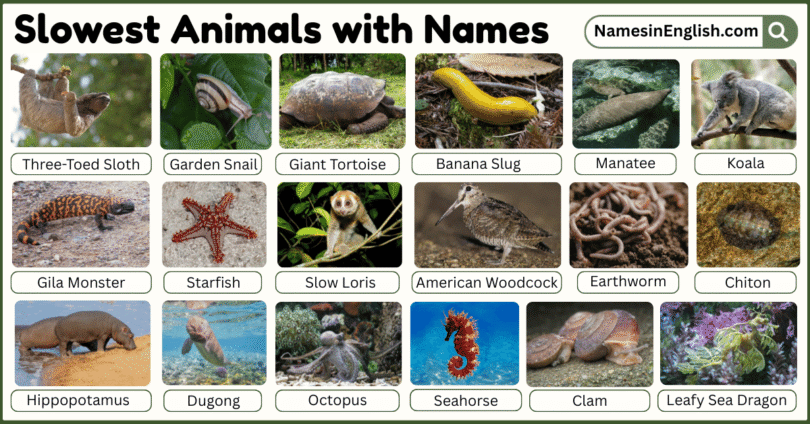
List of 30 Slowest Animals with Names in English
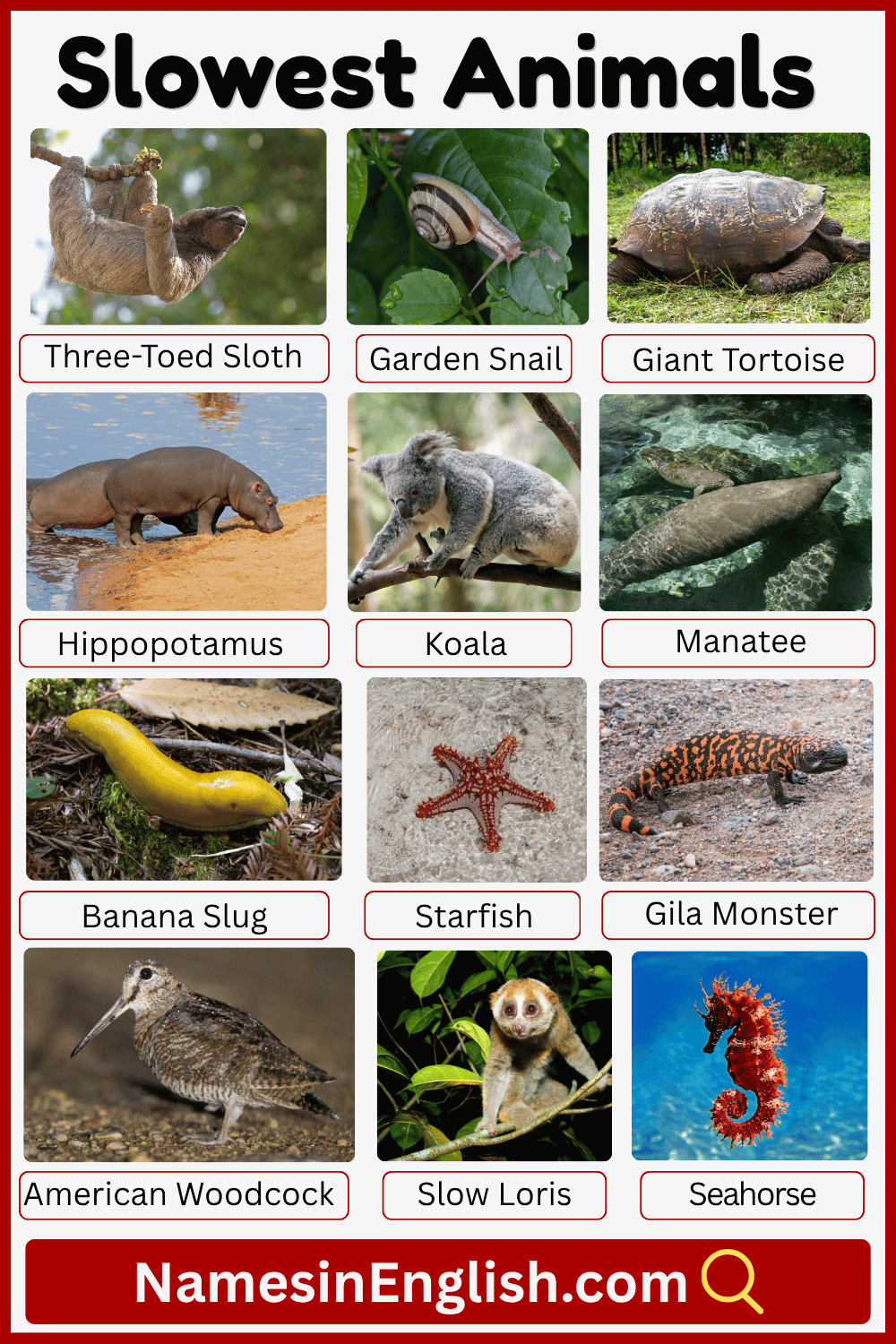
- Three-Toed Sloth
- Garden Snail
- Giant Tortoise
- Koala
- Manatee
- Starfish
- Seahorse
- Banana Slug
- Slow Loris
- American Woodcock
- Coral
- Sea Anemone
- Gila Monster
- Hippopotamus
- Limpet
- Earthworm
- Box Turtle
- Chiton
- Dugong
- Barnacle
- Leafy Sea Dragon
- Snailfish
- Octopus
- Clam
- Spiny Lobster
- Tardigrade
- Flatworm
- Sea Cucumber
- Hedgehog
- Sloth Bear
Slow Animals with Names in English with Pictures
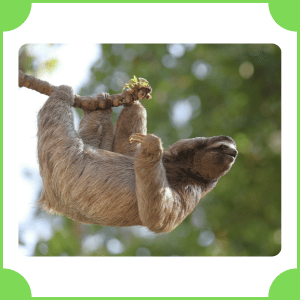
- Three-Toed Sloth
Three-Toed Sloth is a slow-moving mammal found in the rainforests of South America. It has long limbs, curved claws, and a small face. It spends most of its life hanging in trees and moves very slowly to save energy.

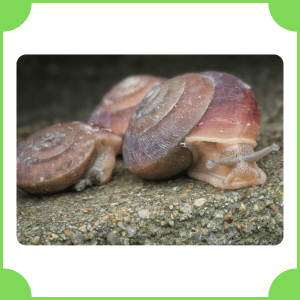
- Garden Snail
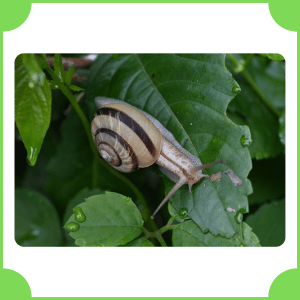
Garden Snail is a small land animal with a soft body and a spiral shell on its back. It is commonly found in gardens and moist places. It moves extremely slowly by gliding on a slimy trail.

- Giant Tortoise
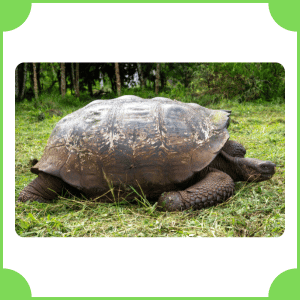
Giant Tortoise is a large reptile known for its heavy shell and long lifespan. It lives on islands like the Galápagos. Its slow walking speed is due to its size and weight, but it is very strong.

- Koala
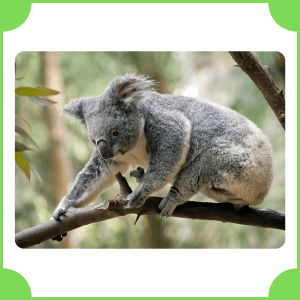
Koala is a tree-dwelling mammal found in Australia. It has thick grey fur and a round face. It moves slowly and spends most of its time sleeping or eating eucalyptus leaves, which provide very low energy.

- Manatee
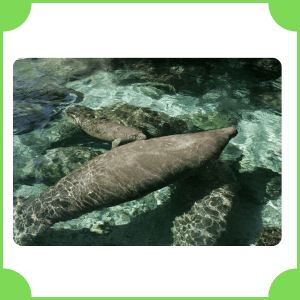
Manatee is a large, gentle marine mammal often called a sea cow. It lives in warm coastal waters and rivers. It moves slowly while swimming and feeds mainly on underwater plants and vegetation.

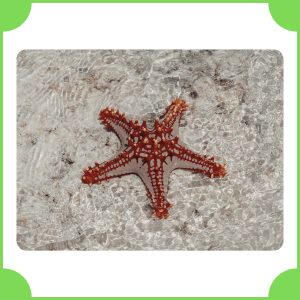
- Starfish
Starfish is a sea animal with a star-shaped body and multiple arms. It lives on the ocean floor and moves very slowly using tiny tube feet. It is known for its ability to regrow lost arms.

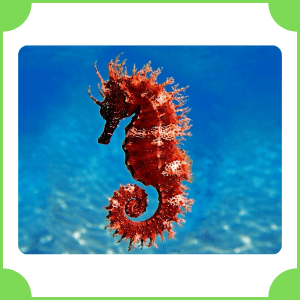
- Seahorse
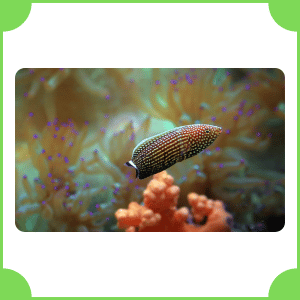
Seahorse is a small fish with a horse-like head and curled tail. It lives in shallow ocean waters and moves slowly by fluttering its fins. It often stays still to blend with plants and avoid predators.

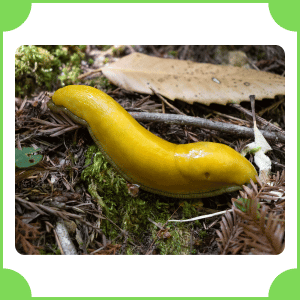
- Banana Slug
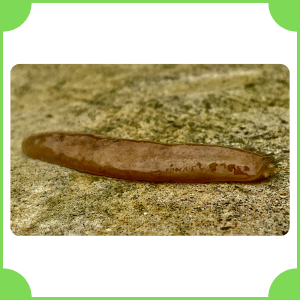
Banana Slug is a soft-bodied land animal known for its bright yellow color. It lives in damp forests and moves slowly on a layer of slime. It plays an important role in breaking down organic matter.

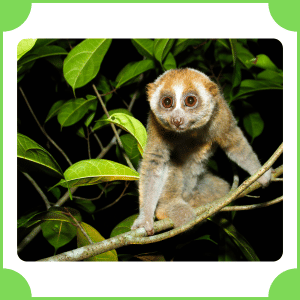
- Slow Loris
Slow Loris is a small primate found in Asian forests. It has large eyes and a soft body. It moves very slowly and carefully at night, using strong hands to grip branches while searching for food.

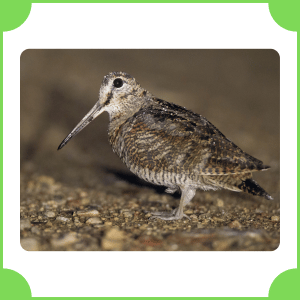
- American Woodcock
American Woodcock is a small bird found in forests and wetlands of North America. It has a round body and long beak. It flies slowly compared to other birds and feeds mainly on worms in the soil.

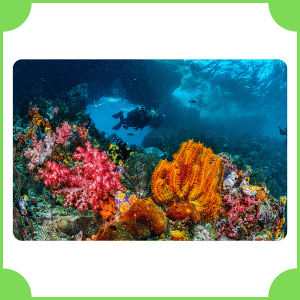
- Coral
Coral is a marine organism that forms large underwater structures called reefs. It stays fixed in one place and does not move. It provides shelter for many sea creatures and plays a key role in ocean life.

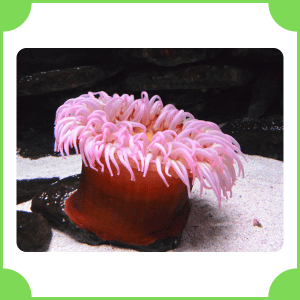
- Sea Anemone
Sea Anemone is a soft-bodied marine animal that looks like a flower. It attaches itself to rocks on the ocean floor. It moves very little and uses its tentacles to catch small fish and food.

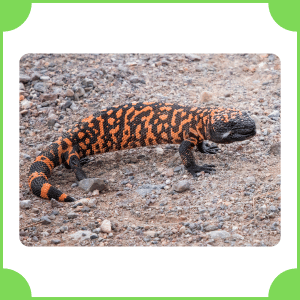
- Gila Monster
Gila Monster is a slow-moving lizard found in desert regions of the United States and Mexico. It has a thick body and rough skin. It moves slowly but has a strong bite and stores fat for survival.

- Hippopotamus
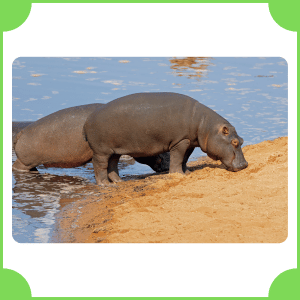
Hippopotamus is a large animal that lives in rivers and lakes in Africa. It has a heavy body and short legs. It moves slowly in water but can walk on land, mostly staying calm during the day.

- Limpet
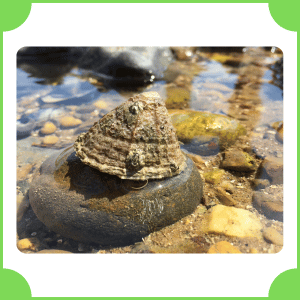
Limpet is a small marine animal with a cone-shaped shell. It lives on rocks near the sea and moves very slowly. It uses a strong foot to stick tightly to surfaces and protect itself from waves.

- Earthworm
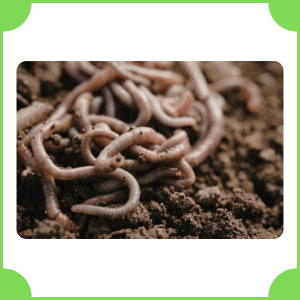
Earthworm is a soft, long-bodied animal that lives in soil. It has no legs and moves slowly by contracting its body. It improves soil quality by breaking down organic material and mixing nutrients.

- Box Turtle
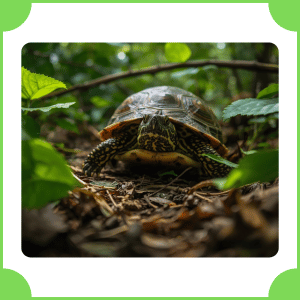
Box Turtle is a small land reptile with a hard shell that can fully close. It lives in forests and grasslands. It moves slowly and uses its shell as protection from danger and harsh weather.

- Chiton
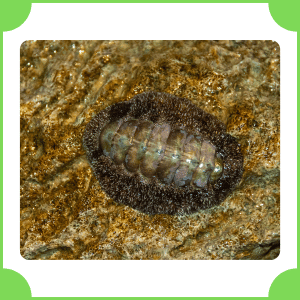
Chiton is a marine animal with a flat body covered by eight hard plates. It lives on rocky shores and moves slowly using its foot. It feeds on algae and stays attached to surfaces most of the time.

- Dugong
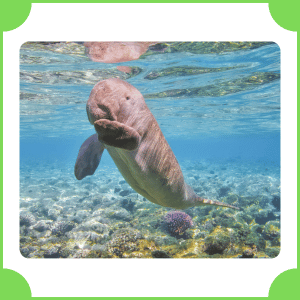
Dugong is a large marine mammal closely related to manatees. It lives in warm coastal waters and feeds on seagrass. It moves slowly while swimming and spends most of its time grazing underwater plants.

- Barnacle
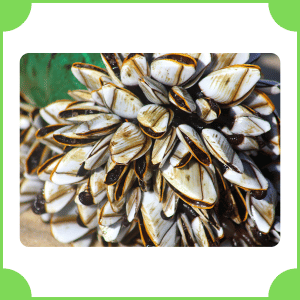
Barnacle is a small marine animal that attaches itself permanently to rocks, ships, or shells. It has a hard outer covering and does not move once fixed. It feeds by filtering tiny particles from water.

- Leafy Sea Dragon
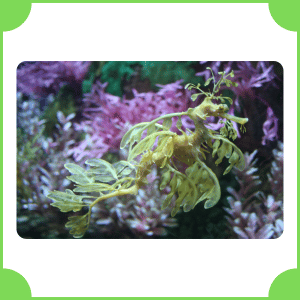
Leafy Sea Dragon is a unique fish found in Australian waters. It has leaf-like structures on its body for camouflage. It moves very slowly and drifts with ocean currents to avoid being noticed.

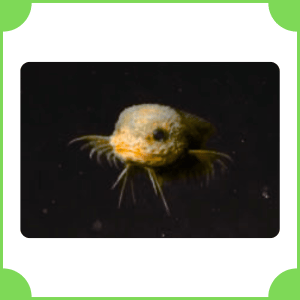
- Snailfish
Snailfish is a soft-bodied fish found in deep ocean waters. It has a jelly-like body and moves slowly due to low pressure environments. It is adapted to survive in extreme depths of the sea.

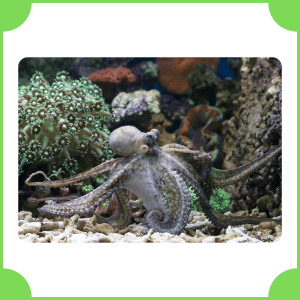
- Octopus
Octopus is a sea animal with eight arms and a soft body. It usually moves slowly by crawling on the ocean floor. It is intelligent and can change color to hide from predators or catch prey.

- Clam
Clam is a marine animal with two hard shells that open and close. It lives buried in sand or mud. It moves very little and feeds by filtering small food particles from the surrounding water.

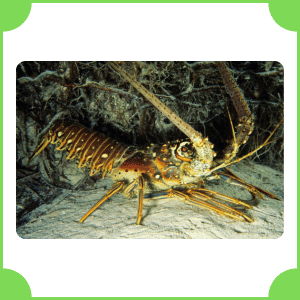
- Spiny Lobster
Spiny Lobster is a marine animal with a hard outer shell and long antennae. It lives in ocean waters and moves slowly along the sea floor. It is known for its strong body and protective spines.

- Tardigrade
Tardigrade is a microscopic animal also known as a water bear. It has a small, rounded body and moves very slowly. It can survive extreme conditions like heat, cold, and lack of water.

- Flatworm
Flatworm is a simple, soft-bodied animal with a flat shape. It lives in water or moist environments. It moves slowly by gliding on surfaces and has a basic body structure without complex organs.

- Sea Cucumber
Sea Cucumber is a soft marine animal with a long, tube-shaped body. It lives on the ocean floor and moves very slowly. It feeds by taking in sand and extracting tiny food particles.

- Hedgehog
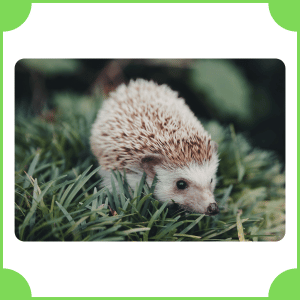
Hedgehog is a small mammal covered with sharp spines on its back. It lives in forests and gardens. It moves slowly and curls into a ball to protect itself from predators and danger.

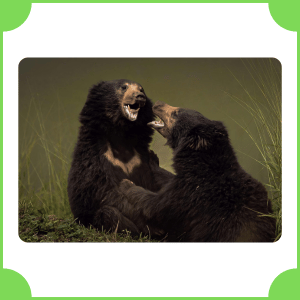
- Sloth Bear
Sloth Bear is a medium-sized bear found in forests of South Asia. It has shaggy fur and long claws. It moves slowly compared to other bears and mainly feeds on insects like termites and ants.

Slow Animals with Names in English with Pictures
Why These Animals Are Slow
Natural Adaptation
Many slow animals survive through camouflage and protection, not speed. For example, the Three-Toed Sloth blends into trees, making it hard for predators to notice.
Low Energy Lifestyle
Animals like the Koala and Manatee conserve energy by moving slowly and resting for long periods.
Body Structure
Heavy shells, such as those of the Giant Tortoise, limit movement but provide strong protection.
Importance of Slow Animals in Nature
The slow animals play vital roles in ecosystems:
- Soil health: Earthworms improve soil quality
- Ocean balance: Coral and sea cucumbers maintain marine ecosystems
- Plant growth: Slow herbivores help control vegetation