
What is the National Bird of Netherlands?
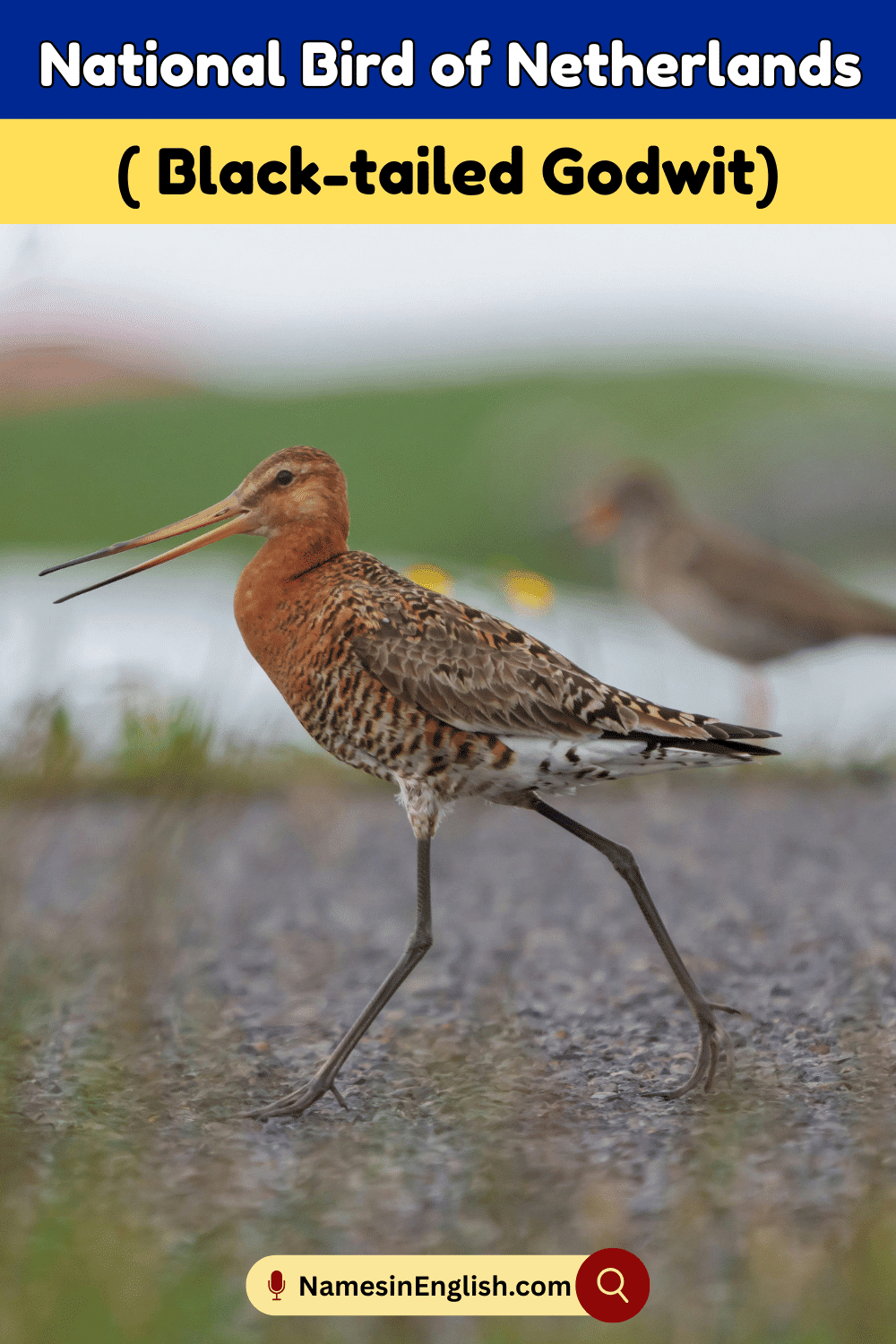
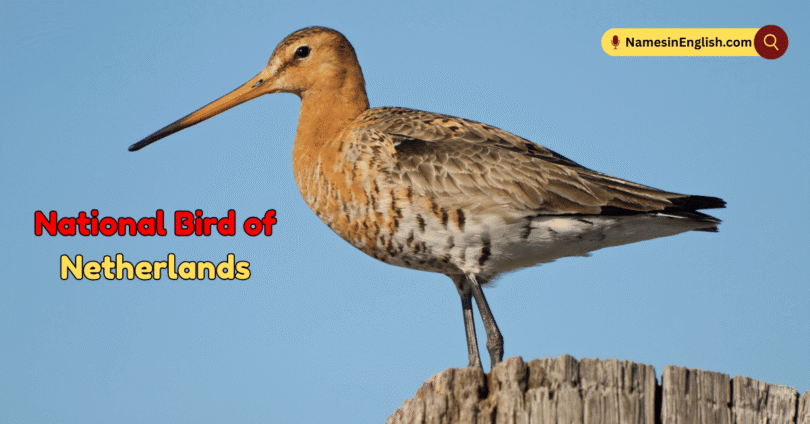
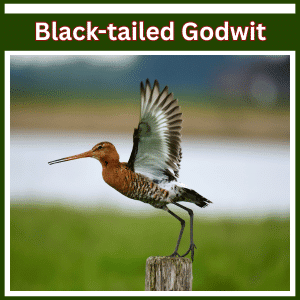
The national bird of the Netherlands is the Black-tailed Godwit (scientific name: Limosa limosa). It belongs to the family of wading birds and is commonly found in wetlands, grasslands, and marshy fields. In Dutch, it is called “Grutto”, a sound that closely resembles its call.
Historical Background of the National Bird of Netherlands
Early Recognition in Dutch Nature
The Black-tailed Godwit has been present in Dutch wetlands for centuries and is deeply tied to the country’s traditional meadow landscapes. Early farmers and naturalists often observed it as a common breeding bird in lowland grass fields.
Connection with Traditional Farming
Historically, the bird thrived in low-intensity dairy farming systems where grasslands were wet and undisturbed. This close relationship between farming and nature allowed its population to remain stable for a long time.
Rise as a National Symbol
In modern times, the bird gained symbolic importance due to its strong association with Dutch identity and countryside heritage. Conservation groups and citizens began promoting it as the unofficial national bird of the Netherlands.
Impact of Agricultural Changes
After the mid-20th century, industrial farming practices led to habitat loss and declining populations. This shift highlighted the bird as a symbol of environmental concern and the need for sustainable land use in the Netherlands.
Symbolic Meaning of the National Bird of Netherlands
Symbol of Dutch Wetlands
The Black-tailed Godwit represents the rich wetland ecosystems of the Netherlands. It reflects the country’s deep connection with water, grasslands, and natural landscapes.
Symbol of Agricultural Heritage
This bird is closely linked with traditional Dutch farming practices. It symbolizes harmony between agriculture and nature in rural Dutch life.
Symbol of Environmental Awareness
In modern times, it has become a strong symbol of conservation efforts. It highlights the importance of protecting biodiversity and restoring natural habitats.
Symbol of National Identity
The Black-tailed Godwit is widely seen as a cultural icon in the Netherlands. It reflects pride in nature and the country’s commitment to preserving its ecological heritage.
Cultural Importance of Black-tailed Godwit
The Black-tailed Godwit holds a special place in Dutch culture as a symbol of rural life and natural beauty. It is widely respected in countryside traditions and often appears in environmental art and local storytelling.
Physical Characteristics of the Black-tailed Godwit
The Black-tailed Godwit is admired for its graceful appearance and distinctive features.
Main characteristics:
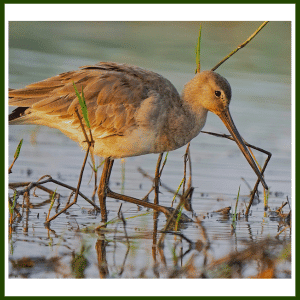
- Long legs adapted for wading in water
- Long straight bill used for probing soil
- Rusty-orange chest during breeding season
- Black-and-white wing pattern in flight
- Elegant, slender body built for long migrations
What does Black-tailed Godwit eat?
The Black tailed Godwit has a simple but effective feeding habit. It mainly feeds on organisms found in wet soil and shallow water. Its diet includes: Earthworms, Insects and larvae, Small aquatic invertebrates and Occasionally seeds and plant matter.
Breeding and Life Cycle
The breeding behavior of the Black-tailed Godwit is closely tied to Dutch farmland ecosystems.
- Breeding season: March to June
- Nesting style: Ground nests hidden in tall grass
- Eggs: Usually 3 to 4 per clutch
- Chicks: Precocial (able to walk shortly after hatching)
Farmers in the Netherlands often cooperate with conservation groups to protect nesting sites, as modern agriculture has reduced safe breeding areas.