Flowers State

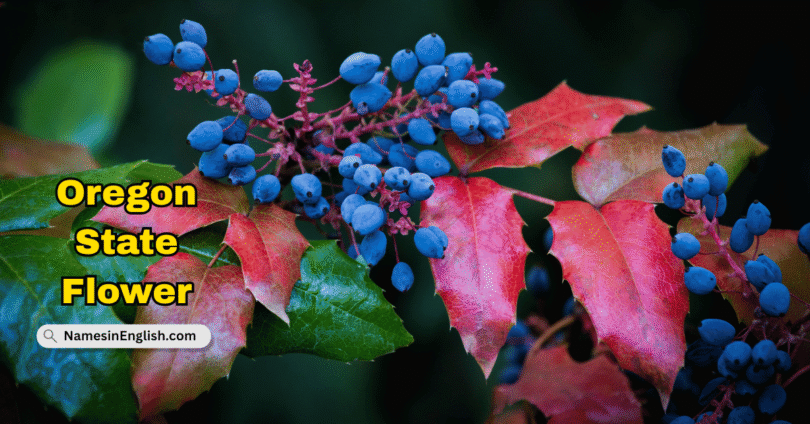
Oregon State Flower with Name and Picture

Oregon State Flower with Name and Picture

Every U.S. state has an official flower that represents its natural beauty, heritage, and unique identity. The Oregon state flower is an important symbol that reflects the state’s rich natural environment and colorful landscapes. Learning about state flowers is a great way to improve your English vocabulary while discovering interesting facts about American history and nature. In this article, you will learn the Oregon State Flower with Name, along with simple information about its appearance, habitat, meaning, and significance. This guide is written in easy English, making it perfect for students, beginners, and anyone interested in learning about state symbols.

What Is the Oregon State Flower?

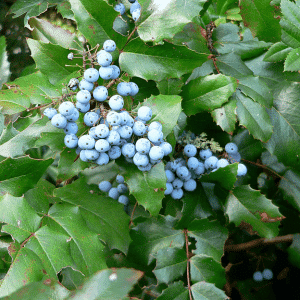
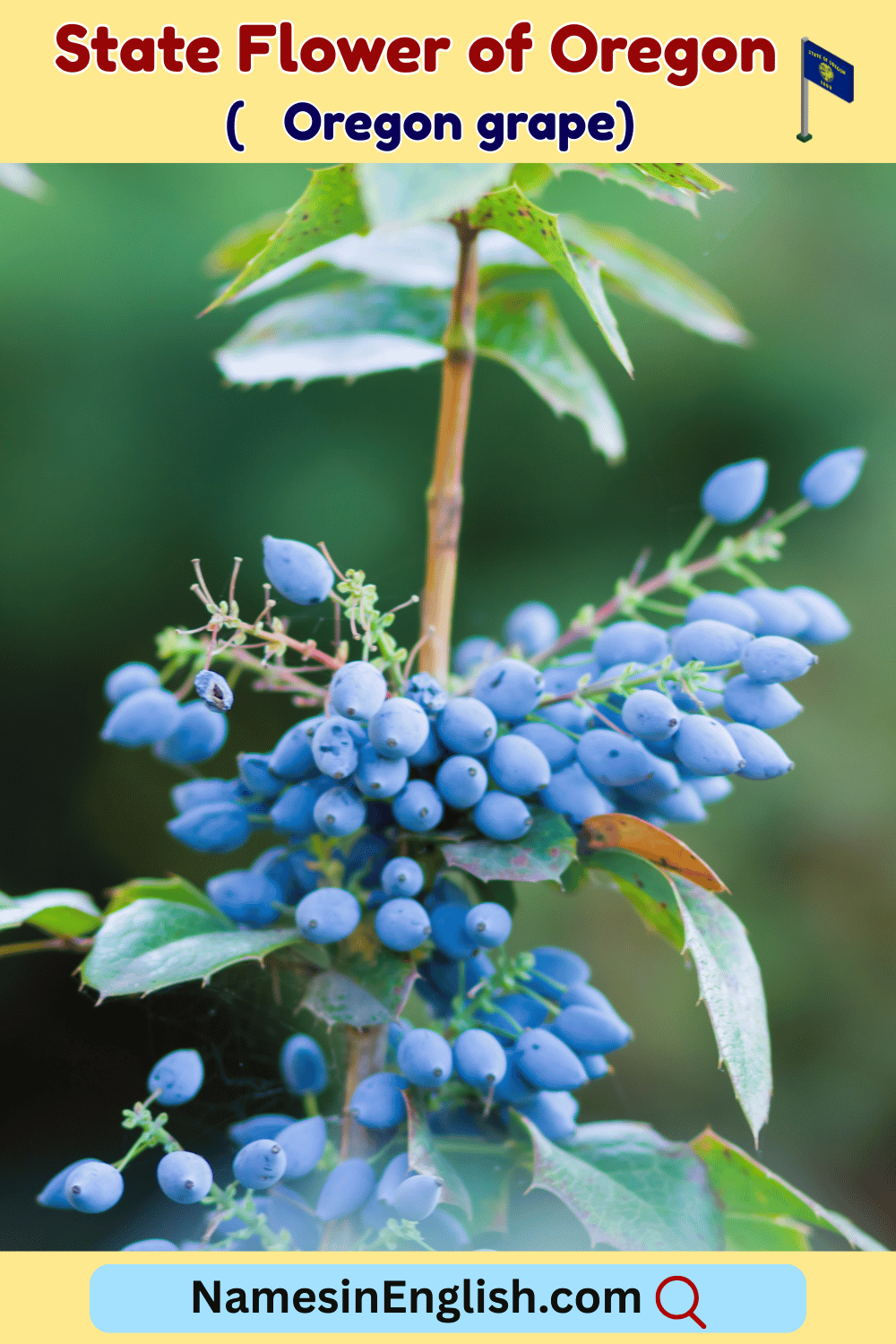
The Oregon State Flower is the Oregon grape, scientifically known as Mahonia aquifolium. Despite its common name, it is not a true grape. The name comes from its clusters of small blue berries, which resemble grapes. This evergreen shrub belongs to the barberry family (Berberidaceae) and is native to western North America. It thrives in forests, hillsides, and mountain regions, making it one of Oregon’s most recognizable native plants.
What Is the Oregon State Flower

History of the Oregon State Flower

The Oregon grape was officially designated as the Oregon State Flower in 1899, making it one of the state’s earliest official symbols. It was selected because it is native to Oregon and grows widely across its forests and hillsides. Since then, it has remained an enduring emblem of the state’s natural beauty and heritage.

Why Was the Oregon Grape Chosen?

The Oregon grape was chosen because it is a hardy native plant that thrives throughout much of the state. Its bright yellow spring flowers and evergreen leaves make it attractive in every season. It also supports local wildlife, reflecting Oregon’s strong connection to nature.

Symbolic Meaning of the Oregon State Flower

The Oregon State Flower symbolizes resilience, renewal, and the beauty of Oregon’s natural landscapes. Its evergreen foliage represents strength and endurance throughout the changing seasons. The plant also reflects the state’s commitment to preserving its native environment.

Scientific Name and Classification

  • Common Name: Oregon Grape
  • Scientific Name: Mahonia aquifolium
  • Kingdom: Plantae
  • Clade: Angiosperms
  • Order: Ranunculales
  • Family: Berberidaceae (Barberry Family)
  • Genus: Mahonia
  • Species: Mahonia aquifolium

What Does the Oregon State Flower Look Like?

The Oregon grape features clusters of small, bright yellow flowers that bloom in early spring. Its glossy, holly-like leaves remain green year-round and often turn reddish-purple in colder months. After flowering, it produces blue-purple berries that resemble small grapes.

Where Does the Oregon Grape Grow?

The Oregon grape grows naturally throughout Oregon and other parts of the Pacific Northwest. It is commonly found in forests, woodlands, mountain slopes, and along hiking trails. The plant prefers well-drained soil and thrives in both partial shade and sunny locations.

Blooming Season

The Oregon grape typically blooms from March through May, depending on the local climate and elevation. Its fragrant yellow flowers are among the first signs of spring in many parts of Oregon. These early blooms provide an important food source for bees and other pollinators.

Growing Conditions

Water: Requires regular watering when young, but becomes drought-tolerant once established.
Soil: Grows best in well-drained, slightly acidic to neutral soil rich in organic matter.
Sunlight: Prefers partial shade but can also grow in full sun if the soil stays moist.
Temperature: Thrives in cool to mild climates and tolerates cold winters common in the Pacific Northwest.
USDA Hardiness Zones: Grows well in Zones 5–9.
Maintenance: Low-maintenance plant that needs only occasional pruning after flowering to maintain its shape.

How to Grow Oregon Grape at Home

Gardeners appreciate Oregon grape because it is attractive and relatively easy to maintain.

  • Plant in well-drained soil.
  • Choose partial shade for best results.
  • Water regularly during the first growing season.
  • Apply mulch to help retain moisture.
  • Prune lightly after flowering if needed.
  • Avoid overly wet soil.

Once established, the plant requires minimal care.

Traditional and Medicinal Uses

For centuries, Indigenous peoples used the Oregon grape for both food and traditional medicine. The tart berries were eaten or made into preserves, while the roots and bark were valued for their herbal properties. Today, the plant is still recognized for its historical and cultural importance.

Environmental Importance

The Oregon grape plays an essential role in supporting healthy ecosystems across the Pacific Northwest. Its flowers attract pollinators, while its berries provide food for birds and small mammals. As a native species, it also helps maintain biodiversity and healthy natural habitats.

Educational Value

The Oregon State Flower is often included in school lessons about state symbols, native plants, and local ecosystems. It helps students understand the importance of conserving Oregon’s natural heritage. Botanical gardens and nature programs also use it as an educational example of native wildlife-friendly plants.

Tourism Appeal

Visitors to Oregon frequently see the Oregon grape while exploring parks, forests, and scenic hiking trails. Its colorful flowers and evergreen foliage make it a favorite subject for nature photography. The plant enhances the state’s outdoor attractions and showcases the beauty of Oregon’s native landscapes.

Interesting Facts About the Oregon grape Flower

  • The Oregon grape became the state flower in 1899.
  • It is not related to true grapevines.
  • The berries naturally grow in grape-like clusters.
  • Its evergreen leaves often turn reddish-purple during cold weather.
  • The plant supports many native pollinators.
  • Birds help spread its seeds by eating the berries.
  • It is one of the Pacific Northwest’s most recognizable native shrubs.
  • Oregon grape is widely used in native landscaping projects.
Name of State Flower of Oregon

Name of State Flower of Oregon


Learn More Helpful Articles
About the author

ch.ammar.tech@gmail.com

Ammar is a content researcher and vocabulary expert focused on explaining the world in English. The work covers flowers, plants, cultural symbols, and different types of everyday things, written in simple language to help readers name and understand what they see

Leave a Comment