Flowers State

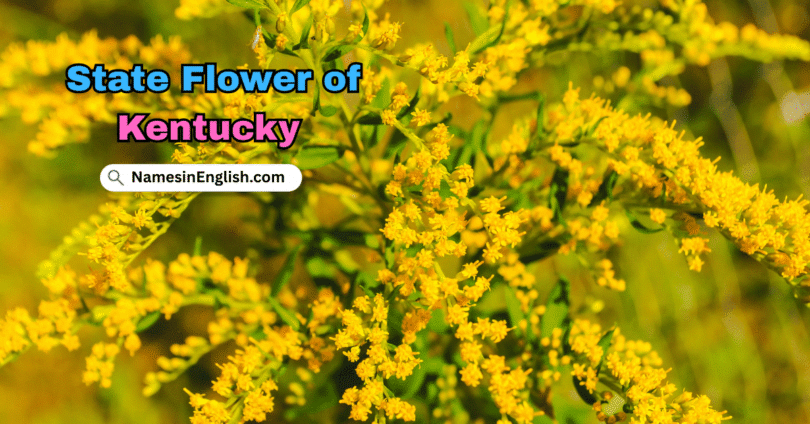
Kentucky State Flower with Name and Picture

Kentucky State Flower with Name and Picture

Every U.S. state has an official flower that represents its natural beauty, history, and cultural heritage. These flowers are chosen for their unique connection to the state and often reflect its rich natural environment. Learning about the Kentucky State Flower with Name and Picture is a great way to expand your English vocabulary while discovering interesting facts about Kentucky’s official floral symbol. In this article, you will learn the name of the Kentucky state flower, see its picture, and explore simple information about its appearance, significance, and interesting facts.

What Is the Kentucky State Flower?

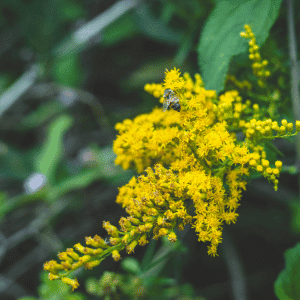
Goldenrod is a perennial flowering plant belonging to the Aster family (Asteraceae). There are more than 100 species of Goldenrod found across North America, but Giant Goldenrod (Solidago gigantea) is commonly recognized as Kentucky’s official state flower.
What Is the Kentucky State Flower

History of the Kentucky State Flower

Goldenrod was officially named the Kentucky state flower in 1926 because it was one of the state’s most common and recognizable native wildflowers. Its bright yellow blooms had long been admired across Kentucky’s fields, meadows, and countryside. By choosing Goldenrod, Kentucky honored a plant that reflects the state’s natural beauty, resilience, and rich botanical heritage.

Why Was Goldenrod Chosen as Kentucky’s State Flower?

Goldenrod was selected because it grows naturally throughout Kentucky and thrives in many different environments. Its cheerful golden flowers brighten the landscape each year and represent the state’s strong connection to nature. The plant also supports pollinators, making it both a beautiful and environmentally valuable symbol for Kentucky.

Symbolism of the Kentucky State Flower

The Goldenrod symbolizes strength, hope, prosperity, resilience, and happiness. Its bright yellow blossoms are often seen as a sign of warmth, optimism, and the beauty of the changing seasons. As Kentucky’s state flower, it represents the state’s enduring spirit and appreciation for its native landscapes.

Scientific Name and Classification

  • Common Name: Goldenrod
  • Scientific Name: Solidago gigantea
  • Family: Asteraceae (Daisy Family)
  • Plant Type: Perennial Wildflower
  • Native To: North America
  • Flower Color: Bright Yellow
  • Blooming Season: Late Summer to Early Fall (August–October)

What Does the Kentucky State Flower Look Like?

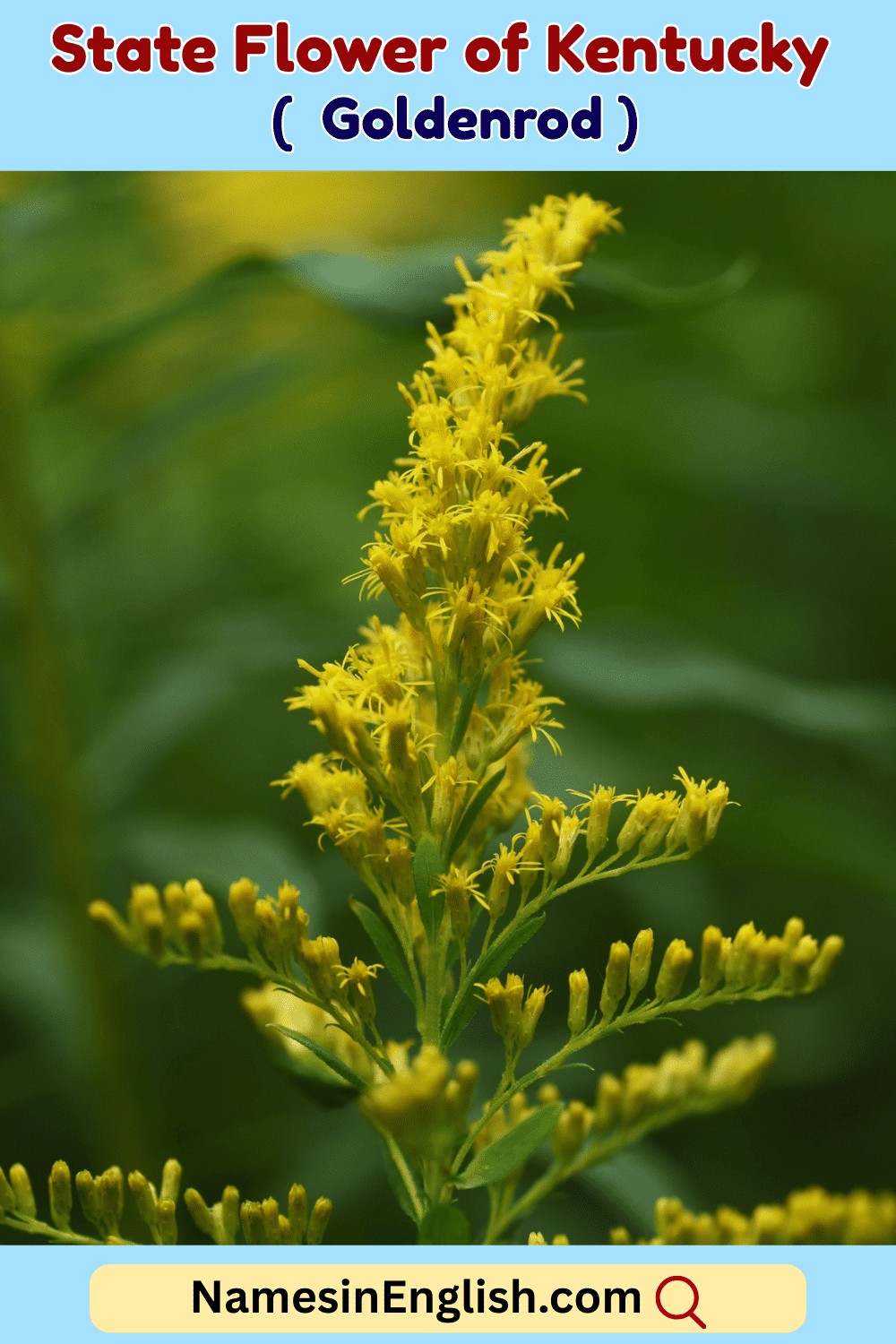
Goldenrod is a tall, upright wildflower with slender green stems and long, narrow leaves. Its most striking feature is the clusters of small, bright yellow flowers that grow in graceful, arching sprays near the top of the plant. When in full bloom, the golden blossoms create a vibrant display that lights up fields, meadows, and roadsides across Kentucky during late summer and early fall.

Where Does Goldenrod Grow?

Goldenrod grows throughout Kentucky in meadows, prairies, open fields, roadsides, woodland edges, and grasslands. It prefers sunny locations with well-drained soil but can also adapt to a variety of growing conditions. As a native wildflower, it is commonly found across much of North America.

Blooming Season

Goldenrod blooms from late summer to early fall, usually between August and October. During this time, its tall stems become covered with clusters of bright yellow flowers that stand out in natural landscapes. The late blooming period provides an important source of nectar for pollinators before winter arrives.

Growing Conditions

Water: Water regularly while the plant is becoming established, then only during long dry periods.
Soil & Nutrients: Grows best in well-drained soil and does not require rich soil or frequent fertilizing.
Light: Prefers full sun and needs at least 6 hours of direct sunlight each day for the best blooms.
Mulching: Apply a light layer of mulch to help retain moisture and reduce weed growth around the plant.
Space & Shelter: Plant with enough space for good air circulation in an open, sunny location protected from overcrowding.

Importance for Wildlife

Goldenrod plays a vital role in supporting wildlife by providing nectar and pollen for bees, butterflies, moths, and other beneficial insects. Many birds also feed on its seeds after the flowering season ends. Because it blooms late in the year, it helps sustain pollinators when fewer flowers are available.

Environmental Importance

Goldenrod contributes to healthy ecosystems by supporting biodiversity and providing food for many pollinating insects. Its deep root system helps reduce soil erosion while improving soil stability in natural habitats. As a native plant, it also supports ecological balance and encourages the growth of healthy wildlife populations.

Tourism Value

Goldenrod adds vibrant yellow color to Kentucky’s countryside, making parks, nature reserves, and scenic drives especially attractive during late summer and early fall. Nature lovers, photographers, and wildflower enthusiasts often visit these areas to enjoy the seasonal display. Its beauty also helps promote eco-tourism and encourages appreciation of Kentucky’s native plants and natural landscapes.

Interesting Facts About the Kentucky State Flower

  • Goldenrod became Kentucky’s official state flower in 1926.
  • More than 100 species of Goldenrod grow across North America.
  • Its scientific name, Solidago, comes from a Latin word meaning “to make whole.”
  • Goldenrod blooms when many other flowers have finished for the year.
  • It attracts dozens of pollinator species.
  • The plant is highly drought tolerant after becoming established.
  • Goldenrod has been used in traditional herbal practices for centuries.
  • It is often planted in pollinator and native wildflower gardens.
Name of State Flower of Kentucky

Name of State Flower of Kentucky


Learn More Helpful Articles
About the author

ch.ammar.tech@gmail.com

Ammar is a content researcher and vocabulary expert focused on explaining the world in English. The work covers flowers, plants, cultural symbols, and different types of everyday things, written in simple language to help readers name and understand what they see

Leave a Comment