Flowers State

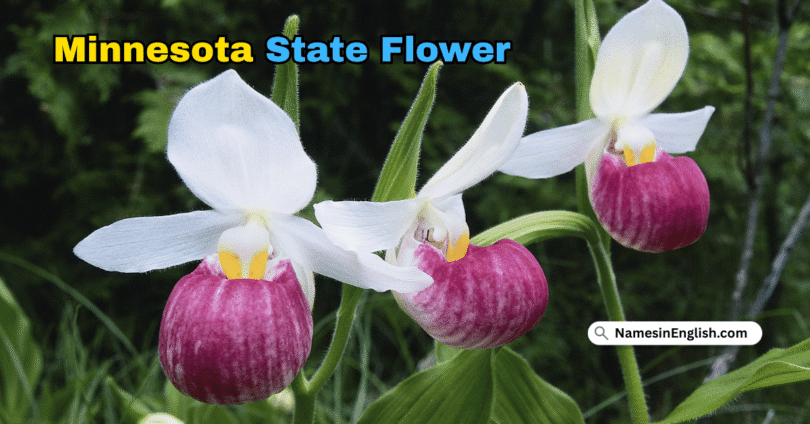
Minnesota State Flower with Name and Picture

Minnesota State Flower with Name and Picture

The Minnesota State Flower is the beautiful Pink and White Lady’s Slipper, a rare native orchid known for its striking pink-and-white blooms and unique slipper-shaped flower. It has been an official symbol of Minnesota since 1902 and represents the state’s rich natural heritage and commitment to conservation. Learning about the Minnesota State Flower helps you understand Minnesota’s history, wildlife, and the importance of protecting native plants. In this article, you’ll learn its name, history, symbolic meaning, appearance, habitat, blooming season, interesting facts, and why this remarkable wildflower continues to be one of Minnesota’s most treasured natural symbols.

What Is the Minnesota State Flower?

The Minnesota State Flower is the Pink and White Lady’s Slipper (Cypripedium reginae), a native wild orchid known for its large white petals and bright pink pouch-shaped bloom. This elegant flower belongs to the orchid family and naturally grows in cool, moist habitats across Minnesota. Although it looks delicate, it is a long-lived perennial that can survive for decades when left undisturbed.
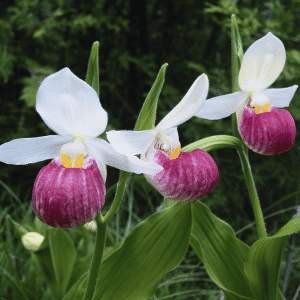
What Is the Minnesota State Flower

History of the Minnesota State Flower
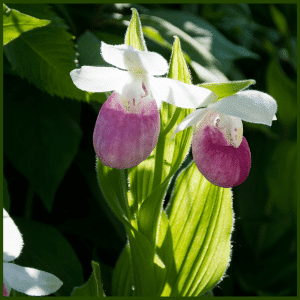
The Pink and White Lady’s Slipper has been growing in Minnesota’s forests and wetlands for thousands of years, long before the state was established. Native American communities were familiar with this beautiful orchid and valued the rich natural landscapes where it flourished. As settlers and botanists explored the region, the flower became widely admired for its striking appearance and rarity. In 1902, Minnesota officially adopted it as the state flower, recognizing it as a symbol of the state’s unique natural heritage. Today, it remains one of Minnesota’s most cherished native plants.

Why Was the Pink and White Lady’s Slipper Chosen?

The Pink and White Lady’s Slipper was chosen because it is one of the most beautiful and distinctive wildflowers native to Minnesota. Its elegant pink-and-white blooms represent the state’s scenic forests, wetlands, and commitment to preserving nature. At the time of its selection, many people believed the flower deserved protection due to increasing threats from over-picking and habitat loss. Choosing this orchid also encouraged public appreciation for Minnesota’s rich biodiversity.

Symbolic Meaning

The Minnesota State Flower symbolizes beauty, resilience, purity, and respect for nature. Despite its delicate appearance, the Lady’s Slipper survives in challenging woodland environments, representing strength and endurance. It also serves as a reminder that rare native plants should be protected for future generations. Many people see it as a symbol of harmony between people and the environment. .

Scientific Name and Classification

  • Scientific Name: Cypripedium reginae
  • Common Name: Pink and White Lady’s Slipper
  • Family: Orchidaceae (Orchid Family)
  • Genus: Cypripedium
  • Species: C. reginae

How Does the Minnesota State Flower Look Like?

The Pink and White Lady’s Slipper is a large, eye-catching orchid with broad white petals surrounding a bright pink, slipper-shaped pouch. It grows on upright stems with wide, deep-green leaves that have a slightly fuzzy texture. Mature plants usually reach 1 to 3 feet (30 to 90 cm) in height and may produce one to three flowers on each stem. The unusual pouch helps attract and guide pollinating insects.
How Does the Minnesota State Flower Look Like

Where Does It Grow?

The Minnesota State Flower grows naturally in cool, moist habitats throughout the state, especially in northern Minnesota. It thrives in cedar swamps, forest edges, peat bogs, marshes, and damp woodland areas with rich organic soil. The plant prefers partial shade and consistently moist conditions rather than direct sunlight. Because it depends on a special relationship with soil fungi, it cannot survive in just any location.

Blooming Season

The Pink and White Lady’s Slipper blooms during late May and June, bringing vibrant color to Minnesota’s forests each spring. The flowering period is relatively short, with individual blooms lasting around two weeks depending on weather conditions. Warm temperatures and adequate moisture help produce healthy flowers each year. During the blooming season, the orchid attracts bees and other pollinators that play an important role in its reproduction.

What Does it need to grow

Water: Keep the soil consistently moist but not waterlogged.
Soil & Nutrients: Rich, well-drained, slightly acidic soil with organic matter and natural soil fungi.
Light: Partial shade or filtered sunlight is ideal.
Mulching: Apply leaf mulch to retain moisture and protect the roots.
Space & Shelter: Grow in cool, undisturbed woodland areas with good air circulation and protection from harsh winds.

Environmental Importance

The Pink and White Lady’s Slipper contributes to healthy forest ecosystems by supporting native pollinators and increasing plant biodiversity. As a native orchid, it helps maintain ecological balance in wetlands and woodland habitats. Because it is sensitive to environmental changes, its presence often indicates a healthy and well-preserved ecosystem. Protecting this flower also helps conserve many other plants and animals that share the same habitat.

Tourism and Recreation

Every spring, the Minnesota State Flower attracts photographers, hikers, botanists, and nature enthusiasts from across the country. Visitors explore state parks, nature reserves, and forest trails to admire the orchid in its natural habitat. Guided wildflower walks and educational programs help people learn about the flower without disturbing it. Wildlife photography and eco-tourism related to native plants also benefit local communities. Responsible tourism helps raise awareness about protecting Minnesota’s unique natural resources.

Conservation and Protection

The Pink and White Lady’s Slipper is protected by Minnesota law because it is vulnerable to habitat loss and illegal collection. Picking, digging up, or damaging wild plants is prohibited, helping preserve natural populations for future generations. The orchid depends on specialized fungi in the soil, making it extremely difficult to transplant successfully. Conservation organizations and state agencies work together to protect wetlands and forests where the flower grows naturally. Public education also plays a key role in ensuring this iconic wildflower continues to thrive.

Interesting Facts About the Minnesota State Flower

  • The Pink and White Lady’s Slipper became Minnesota’s official state flower in 1902.
  • It is one of North America’s largest native orchids.
  • Individual plants may live for several decades under the right conditions.
  • The flower depends on specialized fungi in the soil to grow successfully.
  • Picking or digging up wild plants is illegal in Minnesota.
  • Its pouch-shaped bloom helps trap and guide pollinating insects.
  • The plant often takes many years to mature before producing its first flowers.
  • Healthy populations are considered signs of a thriving natural ecosystem.
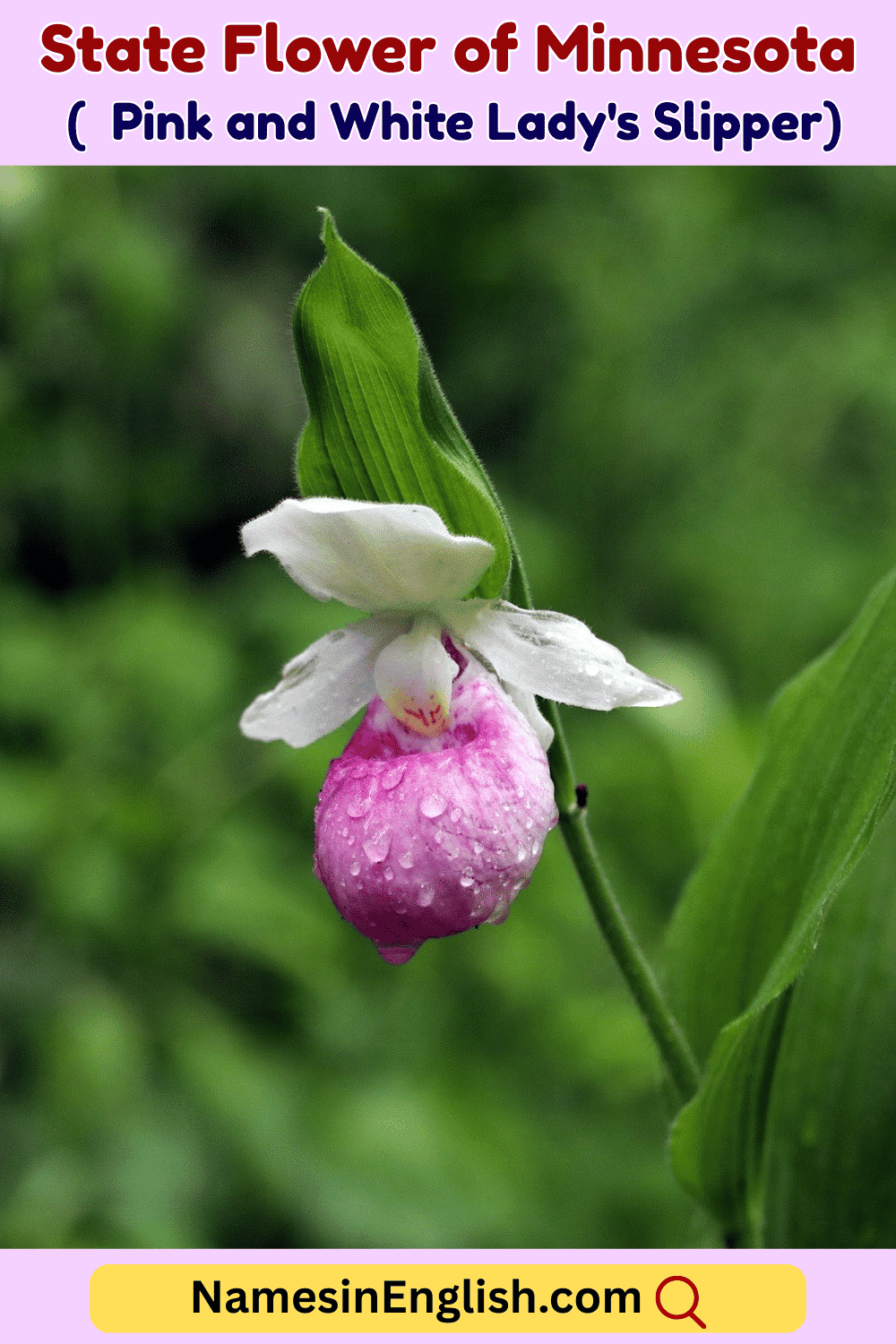
Name of State Flower of Minnesota

Name of State Flower of Minnesota


Learn More Helpful Articles
About the author

ch.ammar.tech@gmail.com

Ammar is a content researcher and vocabulary expert focused on explaining the world in English. The work covers flowers, plants, cultural symbols, and different types of everyday things, written in simple language to help readers name and understand what they see

Leave a Comment