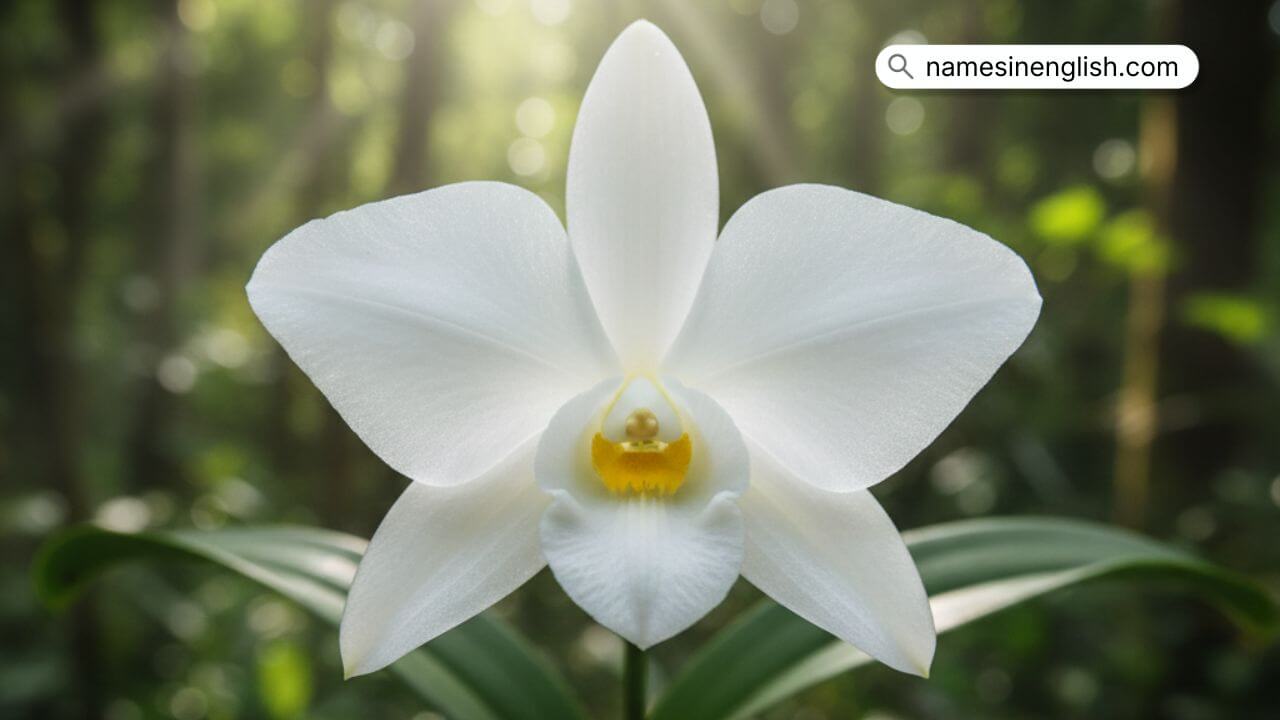

The National Flower of Guatemala, the rare and elegant White Nun Orchid, is one of the country’s most treasured natural symbols. Known for its pure white blooms and unique beauty, this remarkable orchid represents peace, resilience, and Guatemala’s rich biodiversity. In this article, you will learn why the National Flower of Guatemala was chosen, explore its history and symbolic meaning, learn what makes it so rare, and uncover fascinating facts about this extraordinary flower.
What Is Guatemala’s National Flower?
The National Flower of Guatemala is the White Nun Orchid, scientifically known as Lycaste virginalis and locally called Monja Blanca.
It became the national emblem in 1934 because it symbolizes purity, peace, and harmony with nature. This orchid naturally grows in cool cloud forests, especially in Alta Verapaz, where mist and shade create the perfect habitat.
The Origin and Meaning of Monja Blanca
The nickname White Nun Orchid comes from its shape. The petals look like a nun in prayer, wrapped in a white robe.
People in Guatemala see it as more than a flower. It represents:
- Spiritual calm
- Cultural identity
- Respect for nature
- Quiet strength
I find it fascinating how a single plant became a symbol of national character without loud colors or dramatic shapes.
Botanical Identity of Lycaste virginalis
This orchid belongs to the Lycaste genus, known for thick petals and strong fragrance.
Key features include:
- Pure white petals with soft ivory tones
- A gentle vanilla-like scent
- Symmetrical structure resembling folded hands
- Blooming season from November to February
Unlike flashy orchids, this one communicates elegance through restraint.
Where the White Nun Orchid Grows Naturally
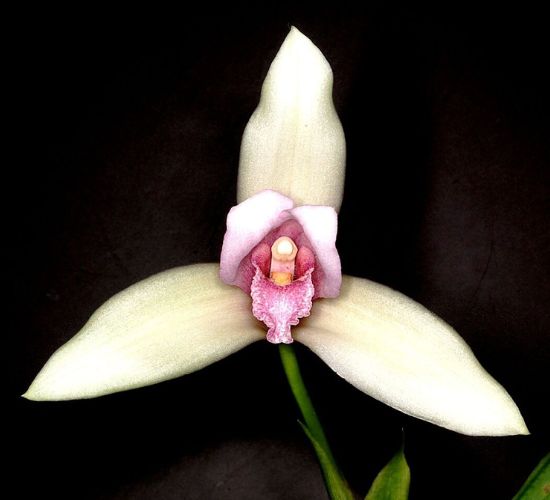
Image by Orchi, licensed under CC BY-SA 3.0 File Link: https://commons.wikimedia.org
The Alta Verapaz region is the heartland of Monja Blanca.
Ideal growing conditions include:
- Elevation between 1,300 and 2,000 meters
- Cool temperatures around 15–22°C
- Constant humidity from cloud forests
- Filtered sunlight under tall trees
Cloud forests act like living greenhouses. Moist air, shade, and steady temperatures create a rare microclimate perfect for orchids.
Why Guatemala Chose It as a National Symbol
In 1934, Guatemala officially declared Monja Blanca the national flower. Leaders wanted a symbol that reflected serenity and identity rather than power or wealth.
The orchid stood out because:
- It’s native to Guatemala
- It grows nowhere naturally outside Central America
- It represents harmony rather than dominance
This choice feels intentional and thoughtful, even by modern standards.
Cultural Stories and Local Traditions
Local communities treat the White Nun Orchid with deep respect.
In Alta Verapaz villages, people believe:
- Picking the flower brings bad luck
- Seeing it bloom predicts a good harvest
- The scent carries spiritual meaning
During regional festivals, artists paint or carve Monja Blanca into wood, pottery, and textiles. The flower quietly shapes visual culture across generations.
Scientific Value and Ecological Role
Beyond beauty, Lycaste virginalis plays a role in forest ecosystems.
Research from the Smithsonian Environmental Research Center on orchid pollinator diversity highlights how orchids serve as crucial players in supporting pollinator species and maintaining ecological balance in cloud forests.
Study Summary: This study watches which insects pollinate orchids using special cameras and photos from volunteers. Scientists found that many orchids have different pollinators depending on where they live. Some pollinators help orchids crossbreed naturally. Knowing this helps protect orchids and their pollinators for the future.
Explore the study: https://serc.si.edu/research/projects/orchid-pollinator-diversity
This orchid supports:
- Native bee species
- Specialized moth pollinators
- Microbial soil communities
Its roots also stabilize moss-covered tree bark, helping retain moisture in forest canopies.
Threats Facing the White Nun Orchid
Despite its symbolic status, the flower is not safe.
Major risks include:
- Illegal collection for ornamental trade
- Deforestation for agriculture
- Climate change altering cloud forest humidity
This makes Monja Blanca both iconic and vulnerable.
Why Rare Beauty Can Be Dangerous
Here’s a thought many skip.
The very qualities that make the White Nun Orchid special also put it at risk. Rarity attracts collectors. Symbolism attracts demand. Demand encourages exploitation.
Sometimes popularity doesn’t protect nature. It pressures it.
The smarter solution isn’t just legal protection. It’s controlled cultivation paired with storytelling that teaches respect instead of ownership.
How Can You Grow White Nun Orchid Responsibly
Growing Monja Blanca outside Guatemala is possible but tricky.
Basic care guidelines:
- Temperature: 16–22°C
- Light: Bright shade, never direct sun
- Humidity: 60–80 percent
- Medium: Bark-based orchid mix with moss
- Water: Keep moist but never soaked
One successful case comes from a greenhouse in Costa Rica where controlled misting increased bloom rates by 40 percent in 2023.
Responsible cultivation reduces pressure on wild populations.
Why We Love This Orchid
For cultural researchers, Monja Blanca offers a perfect study bridge between nature and identity.
For botanists, it provides insight into:
- Evolution of cloud forest orchids
- Pollinator specialization
- Climate sensitivity of high-altitude plants
Few species connect science and symbolism so seamlessly.
What Makes the White Nun Orchid Different From Other Orchids
Compared to common orchids like Phalaenopsis, Monja Blanca stands apart.
Key differences:
- Naturally alpine habitat rather than tropical lowlands
- Thick petals adapted to cool temperatures
- Cultural sacred status, not just decorative value
It’s less about color. More about meaning.
Why Alta Verapaz Remains the Orchid’s True Home
Even with modern cultivation, nothing compares to seeing the flower in its native forest.
Alta Verapaz provides:
- Constant mist
- Ancient tree cover
- Undisturbed soil ecology
When you stand in those forests, the orchid doesn’t feel planted. It feels born there.
FAQs About National Flower of Guatemala
What is the national flower of Guatemala?
The national flower of Guatemala is the White Nun Orchid (Lycaste virginalis), also known as Monja Blanca. It symbolizes purity and peace and grows naturally in Guatemala’s cloud forests.
What flowers are popular in Guatemala?
Besides the White Nun Orchid, popular flowers include the orchid family in general, bougainvillea, and hibiscus, all admired for their vibrant colors and cultural importance.
Where does the White Nun Orchid naturally grow?
The White Nun Orchid thrives in the Alta Verapaz region of Guatemala, especially in cool, humid cloud forests at high elevations.
Why is the White Nun Orchid called “Monja Blanca”?
It’s called “Monja Blanca” or “White Nun” because its white petals resemble a nun’s habit, giving it a peaceful and spiritual appearance.
How is the White Nun Orchid important to Guatemalan culture?
The orchid is a national symbol representing serenity, identity, and respect for nature. It is celebrated in festivals and traditional arts across Guatemala.
Final Thoughts About National Flower of Guatemala
The National Flower of Guatemala is not just a botanical marvel. It’s a quiet ambassador of identity, resilience, and respect for nature. The White Nun Orchid reminds us that beauty doesn’t always shout. Sometimes it whispers from shaded forests and asks only to be protected.
If this story moved you, explore other national flowers across the world and see how plants shape identity across cultures.