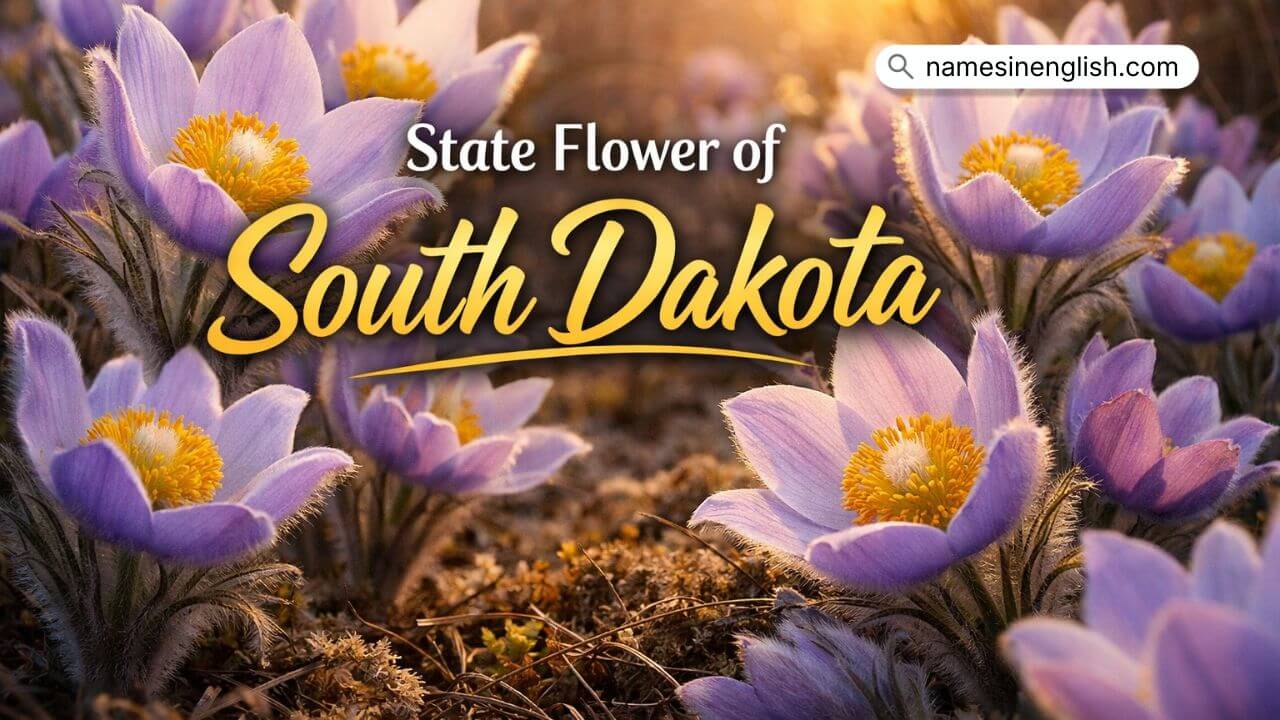

The South Dakota State Flower, the beautiful American Pasque Flower, is one of the first wildflowers to bloom each spring, bringing color to the prairie after a long winter. Its soft purple petals and golden center make it a favorite among nature lovers and a lasting symbol of hope and renewal. In this article, you will learn why the South Dakota State Flower was chosen, explore its history and symbolic meaning, learn interesting facts, and find simple growing tips to better appreciate this charming native wildflower.
What Is the South Dakota State Flower?
The State Flower of South Dakota is the American Pasque Flower, scientifically known as Pulsatilla patens.
It is a native wildflower that blooms very early in spring, often before most plants wake up. The flower has soft lavender petals, a bright yellow center, and fine white hairs that protect it from cold winds.
South Dakota officially adopted it as the state flower in 1903 because it represents strength, survival, and the prairie spirit.
The American Pasque Flower
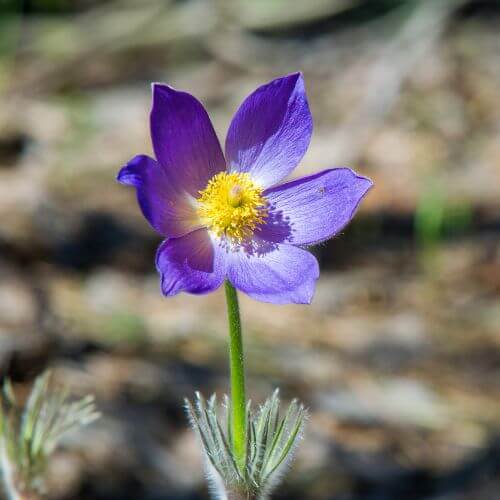
At first glance, the American Pasque Flower looks delicate. Look closer, and you’ll see how tough it really is.
Key features include:
- Purple to lavender petals
- Yellow center filled with pollen
- Silky hairs covering the stem and buds
- Low growth, hugging the ground
Those tiny hairs are not for beauty. They trap heat and protect the plant from frost.
Why It’s Often Called the Prairie Crocus
Many people in South Dakota call it the prairie crocus. Botanically, that’s not correct.
Here’s the simple explanation:
- True crocuses belong to a different plant family
- The Pasque Flower only looks similar
- The nickname stuck because it blooms early
The name reflects how locals experience the flower, not strict science. I actually like that. It shows how people connect emotionally with the land.
Where the Pasque Flower Grows Naturally
You won’t find this flower everywhere. It has preferences.
It grows best in:
- Native prairies
- Open grasslands
- Dry, well-drained soil
- Full sunlight
South Dakota State University Extension notes that native prairie plants like the Pasque Flower depend on undisturbed land to survive. When prairies disappear, these flowers vanish too.
Source: extension.sdstate.edu
Why It Blooms So Early in Spring
This flower does not wait for perfect conditions.
Its early bloom happens because:
- It stores energy from the previous year
- Hairy stems reduce heat loss
- Low growth avoids harsh winds
Cultural Meaning in South Dakota
The American Pasque Flower is woven into local identity.
Historically:
- Native communities recognized it as a seasonal signal
- Settlers saw it as hope after harsh winters
- Schools and festivals adopted it as a symbol
Choosing it as the South Dakota State Flower wasn’t about looks alone. It was about resilience. That choice still feels right today.
Conservation Status and Real Threats
The Pasque Flower is not officially endangered, but it is vulnerable.
Major threats include:
- Prairie conversion to farmland
- Road construction
- Overgrazing
- Climate shifts affecting bloom timing
The National Park Service reports that native prairie ecosystems are among the most endangered in North America. Less prairie means fewer native wildflowers. Specifically, the tallgrass prairie has been reduced to less than 4% of its original 170 million acres, largely due to agricultural conversion and urban development.
Source: nps.gov
Can You Grow the American Pasque Flower at Home?
This is where many guides get overly optimistic. I won’t.
Yes, it can be grown, but only if done responsibly.
Important points:
- Never dig plants from the wild
- Buy from native plant nurseries only
- Expect slow growth and patience
A Responsible Way to Enjoy It
If gardening feels risky, consider better options:
- Visit protected prairies in early spring
- Support local conservation groups
- Plant companion native species instead
Sometimes appreciation is better than ownership.
Why This Flower Is Best Left Where It Grows
Most people tell you how to grow it. Few ask whether you should.
The American Pasque Flower thrives because it belongs where it is. When we remove it from its ecosystem, even with good intentions, we weaken that balance.
I believe the flower teaches restraint. It reminds us that not everything beautiful needs to be brought home. Some things are meant to be visited, not collected.
That lesson feels especially relevant today.
FAQs About State Flower of South Dakota
What is South Dakota's state flower?
South Dakota's state flower is the American Pasque Flower (Pulsatilla patens). It was officially adopted in 1903 and is known for blooming early in spring, often while snow is still on the ground.
What is the purple flower in South Dakota?
The well-known purple flower seen in South Dakota during early spring is the American Pasque Flower. Its soft lavender-purple petals and yellow center make it one of the first signs that winter is ending on the prairie.
Why is the American Pasque Flower the state flower of South Dakota?
The American Pasque Flower was chosen because it represents strength and survival. It blooms in harsh conditions, reflecting the resilience of South Dakota’s people and its prairie landscape.
When does the Pasque Flower bloom in South Dakota?
The Pasque Flower usually blooms from late March to early May. It often appears before trees leaf out and sometimes even before the last snowfall has melted.
Is the American Pasque Flower native to South Dakota?
Yes, the American Pasque Flower is native to South Dakota. It naturally grows in prairie grasslands and open hillsides and has been part of the region’s ecosystem for thousands of years.
Final Thoughts About State Flower of South Dakota
American Pasque is much more than just an old state symbol. As the first flower to push through the lingering March snow, it stands as a real-world example of prairie resilience and the delicate balance of our native ecosystem.
If you’re ever in South Dakota during the early spring thaw, keep an eye on the ground. Catching a glimpse of these fuzzy purple blooms in the wild changes the way you look at the entire landscape. It’s a small reminder that life is already moving, even before the last of the frost is gone.
Curious about the history and meaning of other famous blooms? Explore National Flowers, State Flowers, and More