
Knowing which flowers are poisonous isn’t just for botanists or scientists. If you’re someone who loves gardening, owns pets, spends time outdoors hiking or camping, or even just curious about poisonous flowers, this is important. Some flowers are stunning to look at but can be very dangerous if touched or eaten. This article will introduce you to 15 poisonous flower names you should recognize, I have added pictures for your help. I’ll explain how toxic they really are, some even toxic enough to kill an elephant, and give you tips on how to stay safe. If you want to protect your family, your pets, or just learn something new, you’ll find clear and quick info here.
What Are Poisonous Flowers?
Poisonous flowers are plants that contain toxins harmful to humans or animals. These toxins can cause anything from mild irritation to death. Plants use these poisons as a defense against insects, animals, or even humans trying to eat them. The chemicals inside the flowers are what make them dangerous. Not all poisonous flowers are deadly, some are only mildly toxic, while others can cause severe harm.
Toxicity is usually measured by how much of the plant it takes to cause harm, and the kind of symptoms it produces. Some flowers are only irritating on contact, while others can poison if eaten or even if you just breathe in pollen. We usually classify toxicity as mild, moderate, or lethal based on these factors.
Poisonous Flower Names
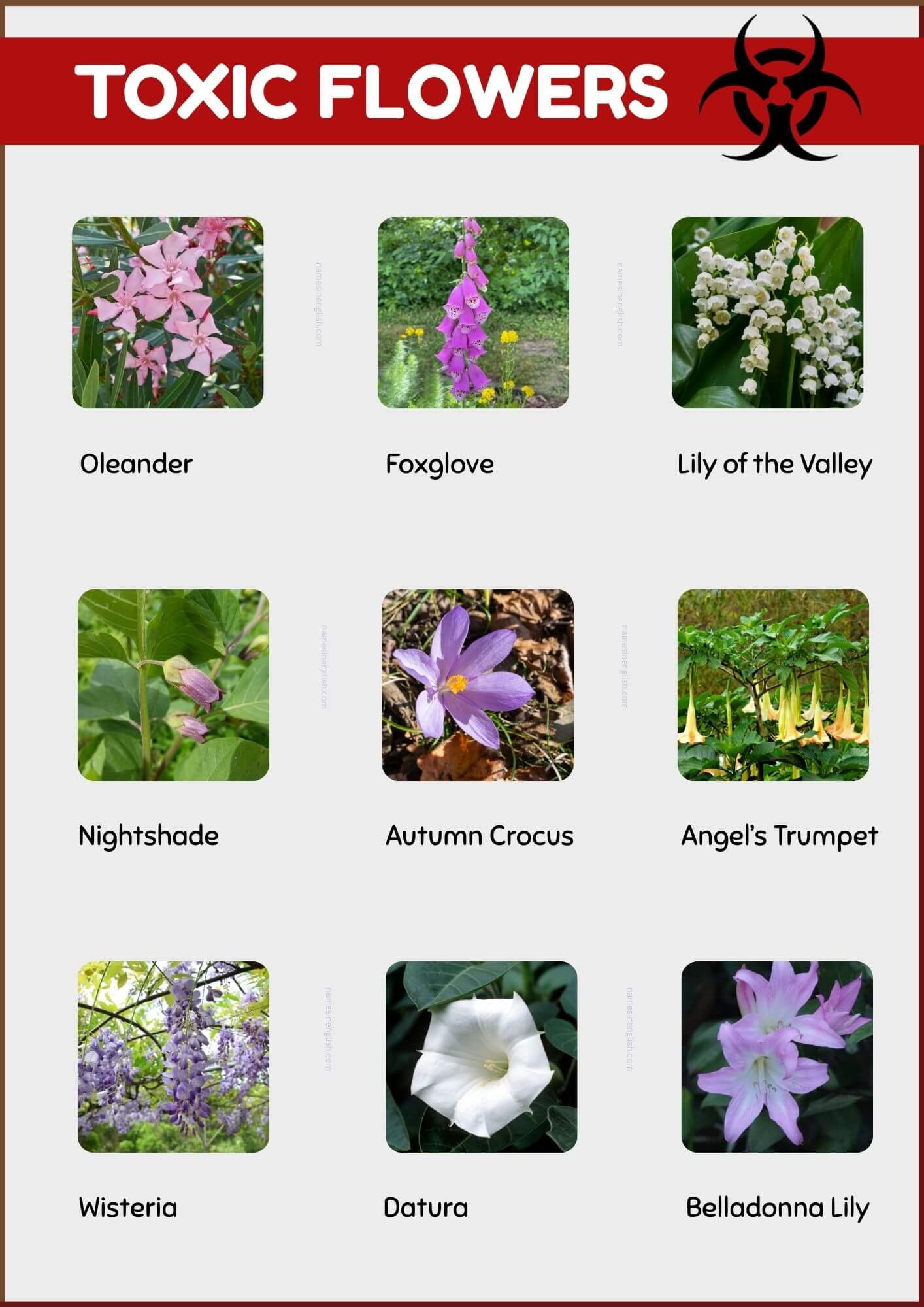
Here’s a quick list of the 15 poisonous flowers we will cover in detail:
- Oleander
- Foxglove
- Lily of the Valley
- Deadly Nightshade
- Autumn Crocus
- Angel’s Trumpet
- Wisteria
- Rhododendron
- Hydrangea
- Datura
- Monkshood
- Belladonna Lily
- Castor Bean
- Yellow Jessamine
- Bleeding Heart
15 Poisonous Flower Pictures You Must See
1. Oleander
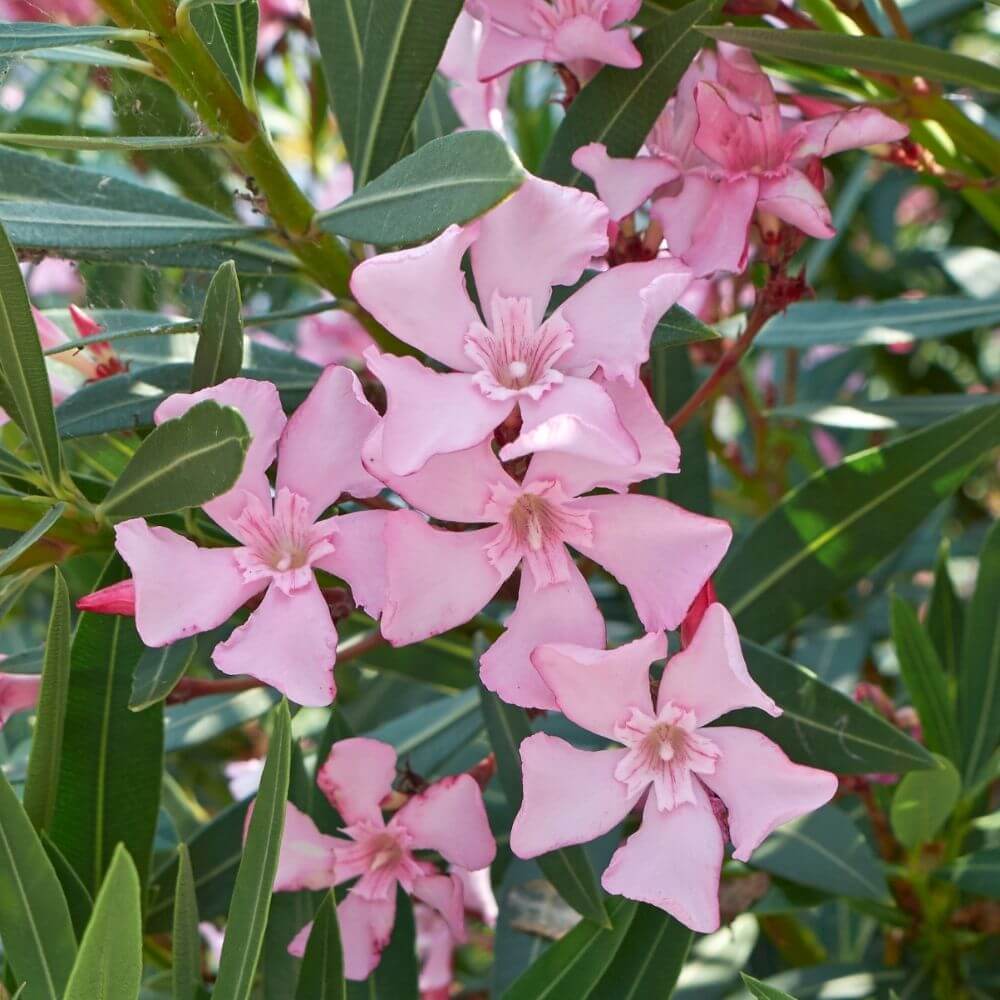
Oleander is a vibrant and popular shrub often seen in gardens and public spaces. Its clusters of pink, white, or red blossoms draw the eye easily. But this plant carries a dark secret. Every part of it is toxic. Even a tiny bite can have severe consequences. Its beauty has fooled many, leading to accidental poisonings.
- Scientific name: Nerium oleander
- Oleander has been used historically in folk medicine but is extremely risky.
- Pets are especially vulnerable, dogs and cats can get very sick fast.
- Handling oleander without gloves might cause skin irritation or rash.
- Burning oleander wood releases toxic smoke. Avoid inhaling it.
- Ingesting the plant affects heart rhythm and can be fatal if untreated.
2. Foxglove
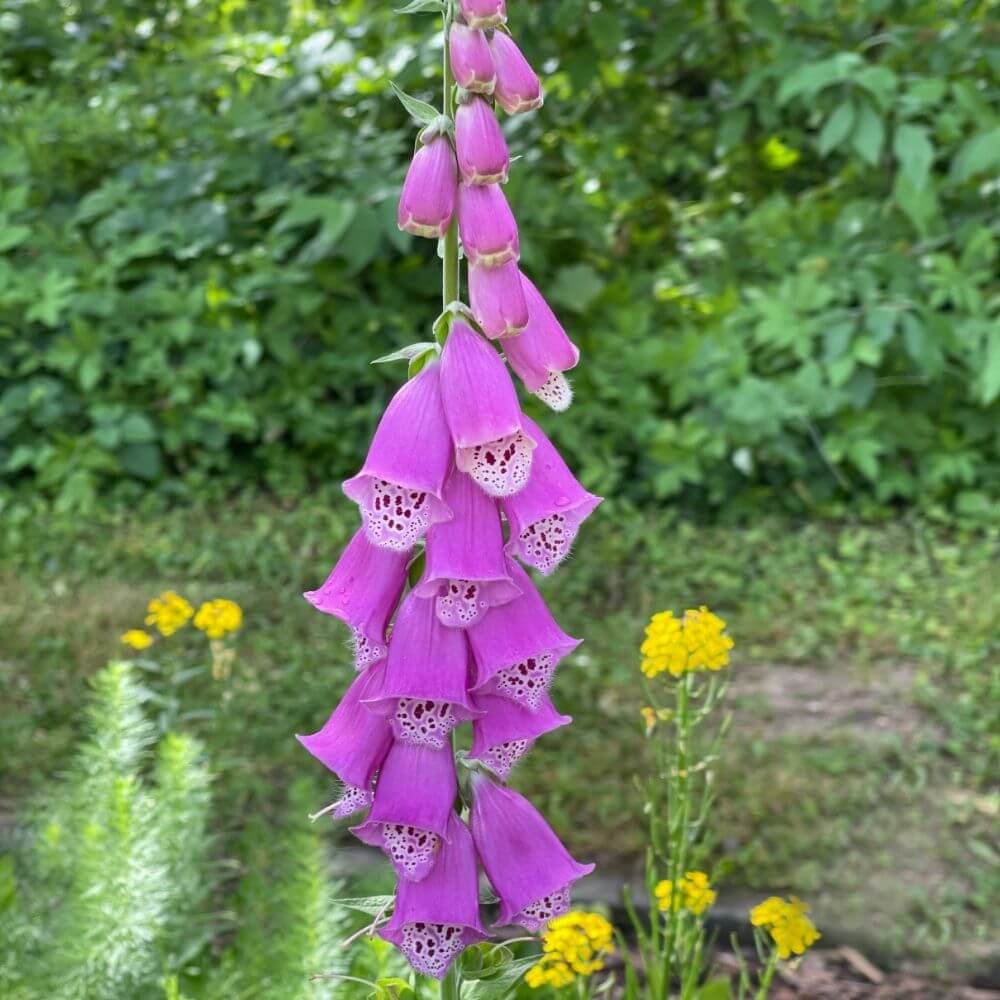
Foxglove is the classic garden flower with tall spikes and bell-shaped purple blooms. It’s famous as the natural source of digitalis, a heart medication, but the raw plant is a different story. This flower’s toxins disrupt heart function, which can lead to dizziness or worse if ingested. It’s a deadly reminder of nature’s double-edged sword.
- Scientific name: Digitalis purpurea
- Even children touching the leaves might experience mild poisoning symptoms.
- The plant’s compounds are valuable in controlled doses but lethal raw.
- Foxglove thrives in shaded woodlands and is common in temperate regions.
- Many poison control centers report cases of accidental ingestion yearly.
- It’s best admired from a distance, especially if you have curious kids or pets.
3. Lily of the Valley
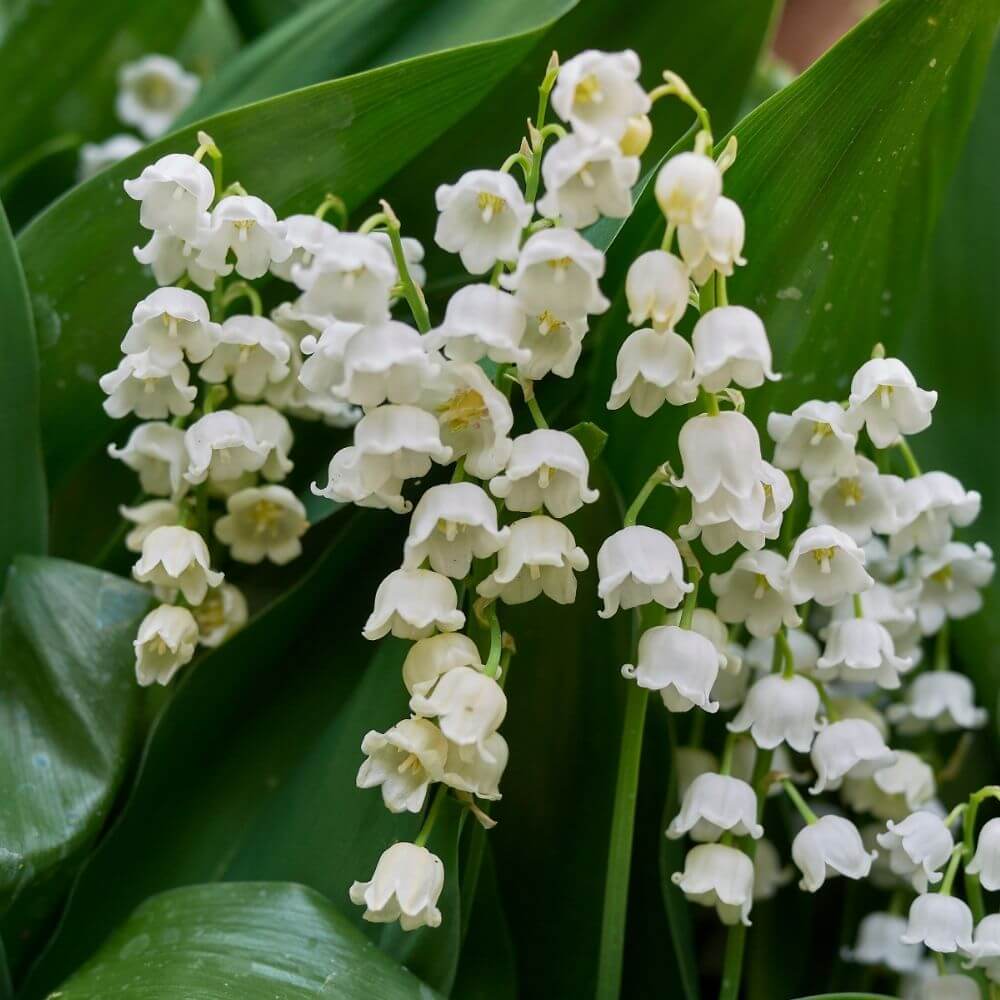
Lily of the Valley’s tiny, bell-shaped flowers have a sweet, nostalgic scent. It often signals spring’s arrival in gardens worldwide. Despite its delicate look and pleasant aroma, it’s highly poisonous. The toxins affect the heart and nervous system, and even small amounts can cause serious symptoms.
- Scientific name: Convallaria majalis
- The berries are especially tempting to children but extremely harmful.
- It has been used in homeopathy but requires expert handling.
- The plant can spread aggressively, so gardeners should be cautious.
- Mild skin irritation might occur on contact for sensitive individuals.
- Toxicity extends to pets. Dogs and cats should never come close to this plant.
4. Deadly Nightshade
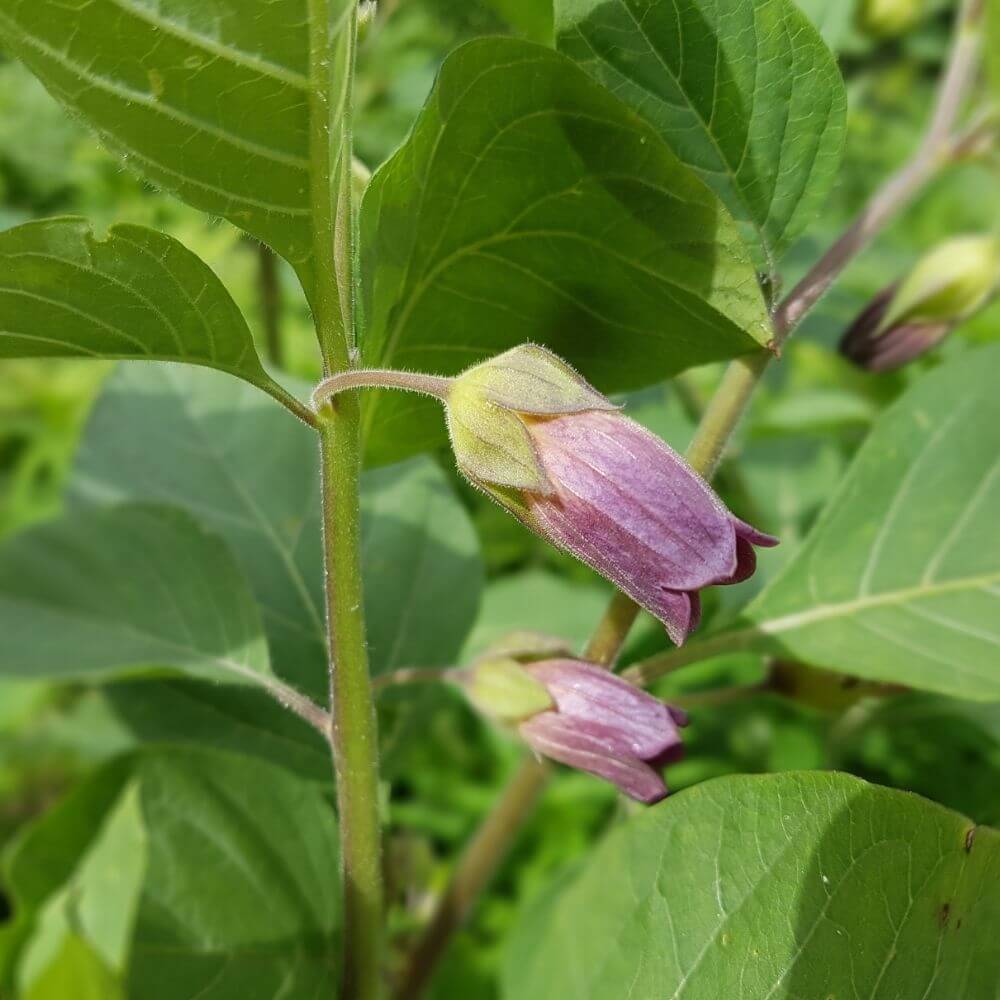
Deadly Nightshade is infamous for its haunting beauty. Glossy leaves, purple flowers, and shiny black berries. Its very name warns of its dangers. The plant contains powerful alkaloids that cause hallucinations and seizures. Historically, it was both a poison and a medicine, weaving mystery and fear through centuries.
- Scientific name: Atropa belladonna
- The berries are especially dangerous, often mistaken for edible fruit.
- Ancient assassins and healers alike used this plant’s potent toxins.
- Symptoms of poisoning can start with dilated pupils and confusion.
- It requires immediate medical attention if ingestion is suspected.
- The plant prefers shaded, forested areas but can appear in gardens.
5. Autumn Crocus
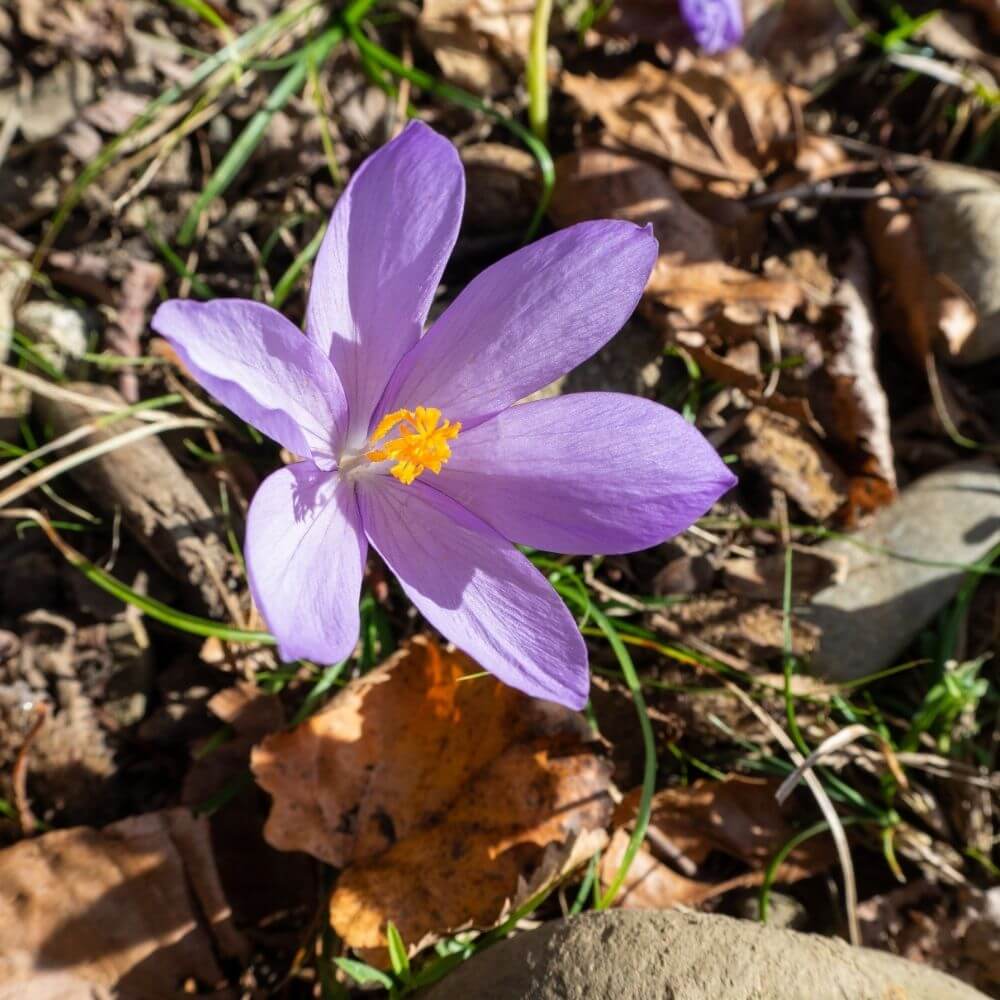
With its striking purple flowers that bloom in fall, Autumn Crocus is often mistaken for a harmless wildflower. However, it contains colchicine, a deadly toxin impacting multiple organs. Even brief exposure or ingestion can cause severe health issues. It’s a flower that demands respect despite its allure.
- Scientific name: Colchicum autumnale
- Poisoning symptoms can be delayed, making diagnosis tricky.
- Historically used to treat gout but now replaced by safer medicines.
- Gardeners often confuse it with spring crocuses, which are safe.
- Handling the plant may cause skin irritation or allergic reactions.
- Its bulbs are especially toxic and can cause fatalities if eaten.
6. Angel’s Trumpet
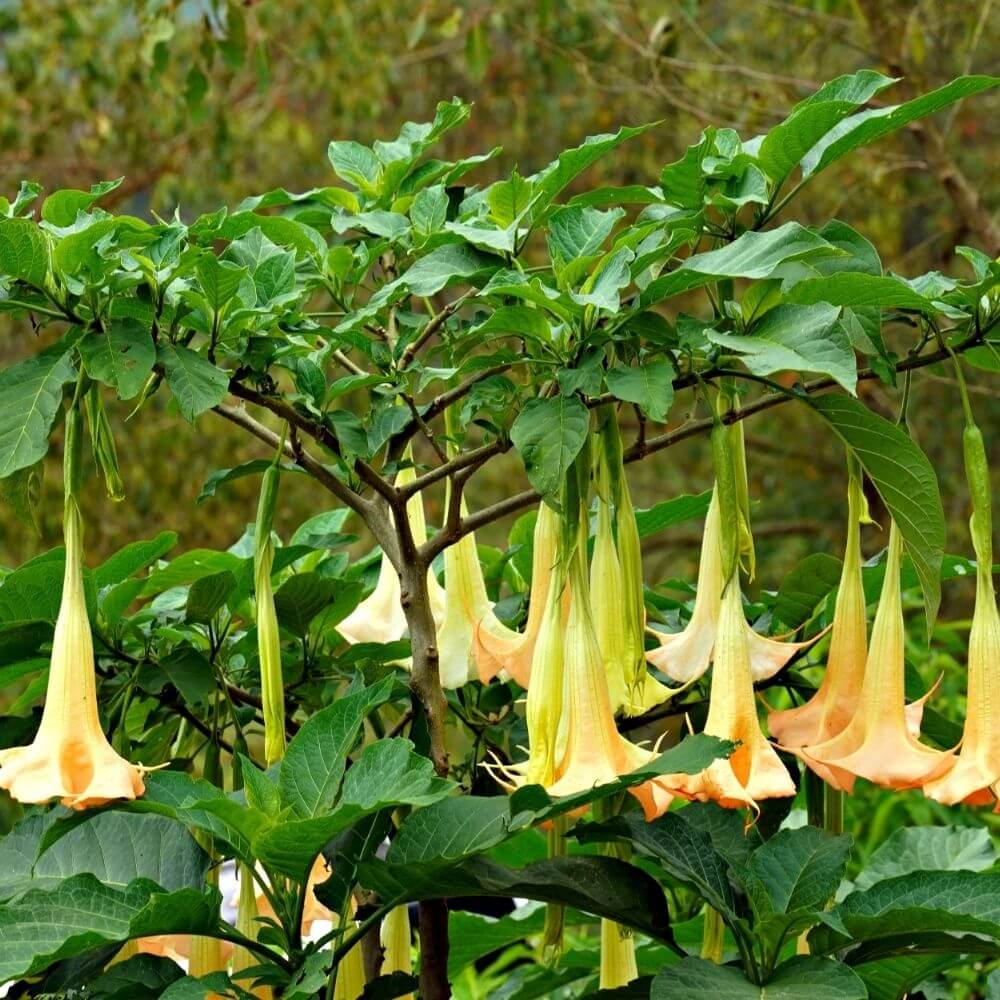
Angel’s Trumpet looks like something out of a fairy tale. Large, pendulous, fragrant flowers hanging like trumpets. Its sweet scent is enticing, but the plant is extremely toxic. The alkaloids it contains can cause hallucinations and paralysis, turning a garden favorite into a real hazard.
- Scientific name: Brugmansia species
- Poisoning can cause dry mouth, dilated pupils, and rapid heartbeat.
- All parts of the plant, especially seeds and flowers, are hazardous.
- The plant is often grown for ornamental use despite risks.
- It thrives in warm climates and can grow as a small tree or large shrub.
- Never use this plant for any self-medication or recreational use.
7. Wisteria
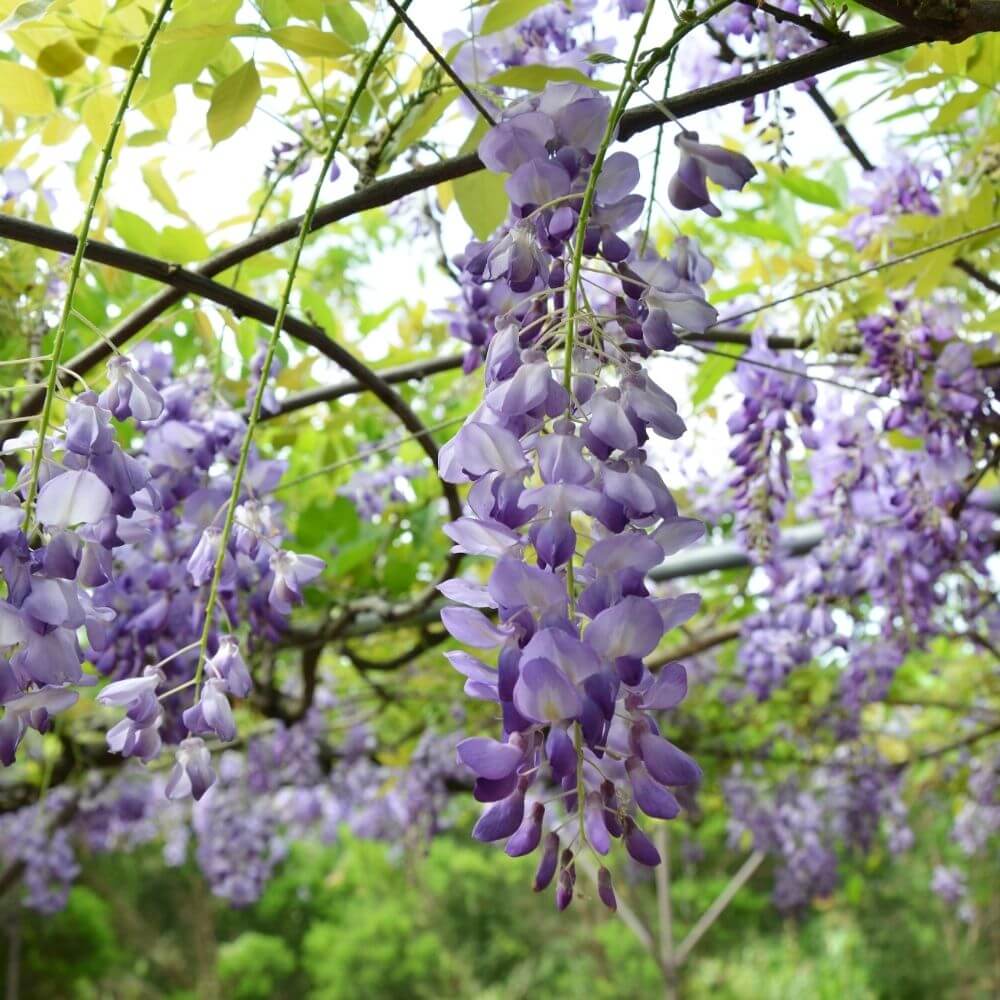
Wisteria’s cascading purple or white flowers are a beloved garden spectacle. Its beauty can distract from the fact that the seeds and pods are toxic. While generally safe if you avoid eating those parts, curiosity from kids or pets can be dangerous. The plant is vigorous and can overtake spaces if not managed.
- Scientific name: Wisteria sinensis
- Ingestion of seeds or pods causes nausea and vomiting.
- Wisteria is a climbing vine and can grow very large with proper support.
- The plant fixes nitrogen in the soil, sometimes beneficial for gardens.
- It attracts bees and butterflies but is harmful if consumed.
- Prune regularly to prevent damage to structures or nearby plants.
8. Rhododendron
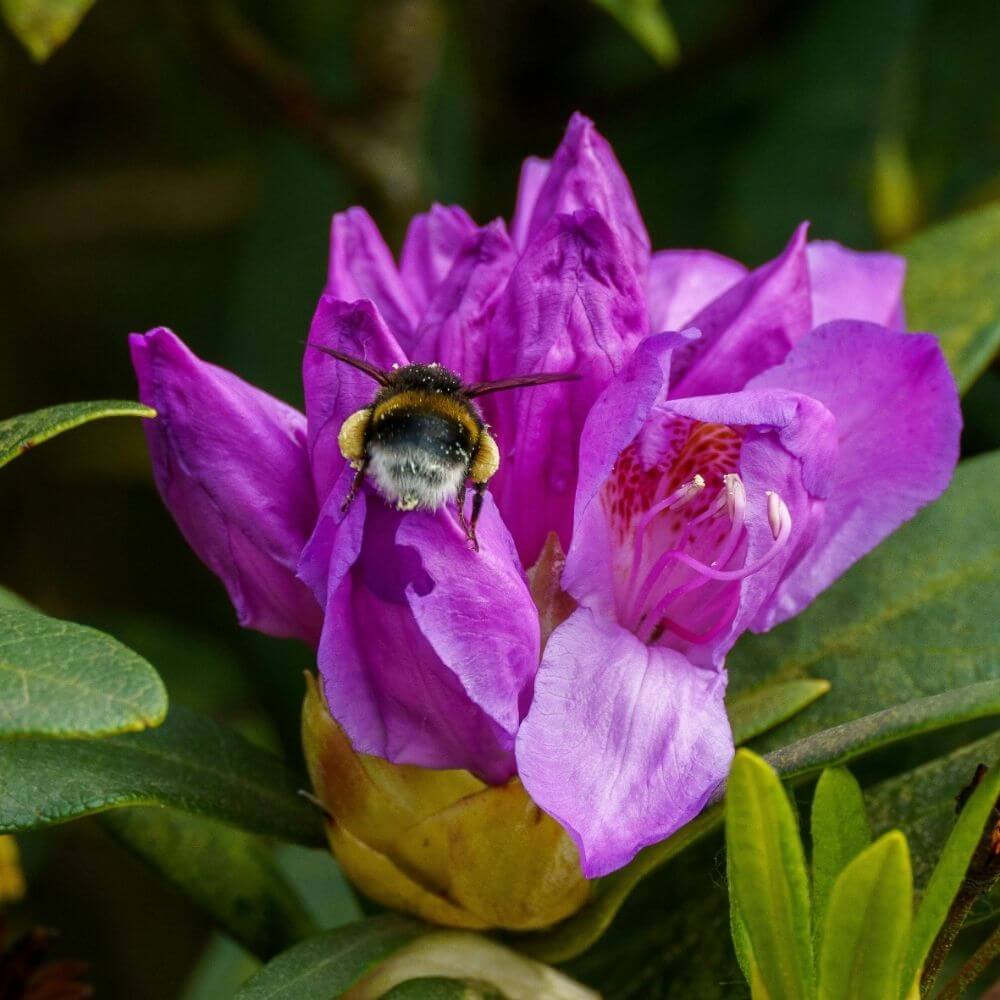
Rhododendron’s showy flowers brighten landscapes everywhere. But these attractive blossoms carry grayanotoxins, which can disrupt the heart and nervous system. Grazing animals are particularly susceptible, making it a concern on farms as well as in gardens.
- Scientific name: Rhododendron species
- Even honey made from rhododendron nectar can be toxic (called “mad honey”).
- Toxicity symptoms include dizziness, weakness, and low blood pressure.
- It prefers acidic soils and shaded areas.
- Rhododendrons are evergreen, providing year-round greenery.
- Avoid planting near livestock pastures to prevent accidental poisoning.
9. Hydrangea

Hydrangeas boast large, colorful flower heads that enhance many gardens. Despite their charm, the plants contain cyanogenic glycosides, which can cause stomach upset if ingested in quantity. While generally mild, children and pets should be discouraged from chewing on any part.
- Scientific name: Hydrangea macrophylla
- The flowers and leaves may cause mild poisoning but rarely fatal.
- Hydrangeas prefer partial sun and moist, well-drained soil.
- They can serve as good landscape hedges or focal points.
- Certain varieties change flower color based on soil pH.
- Regular pruning helps maintain shape and flower production.
10. Datura
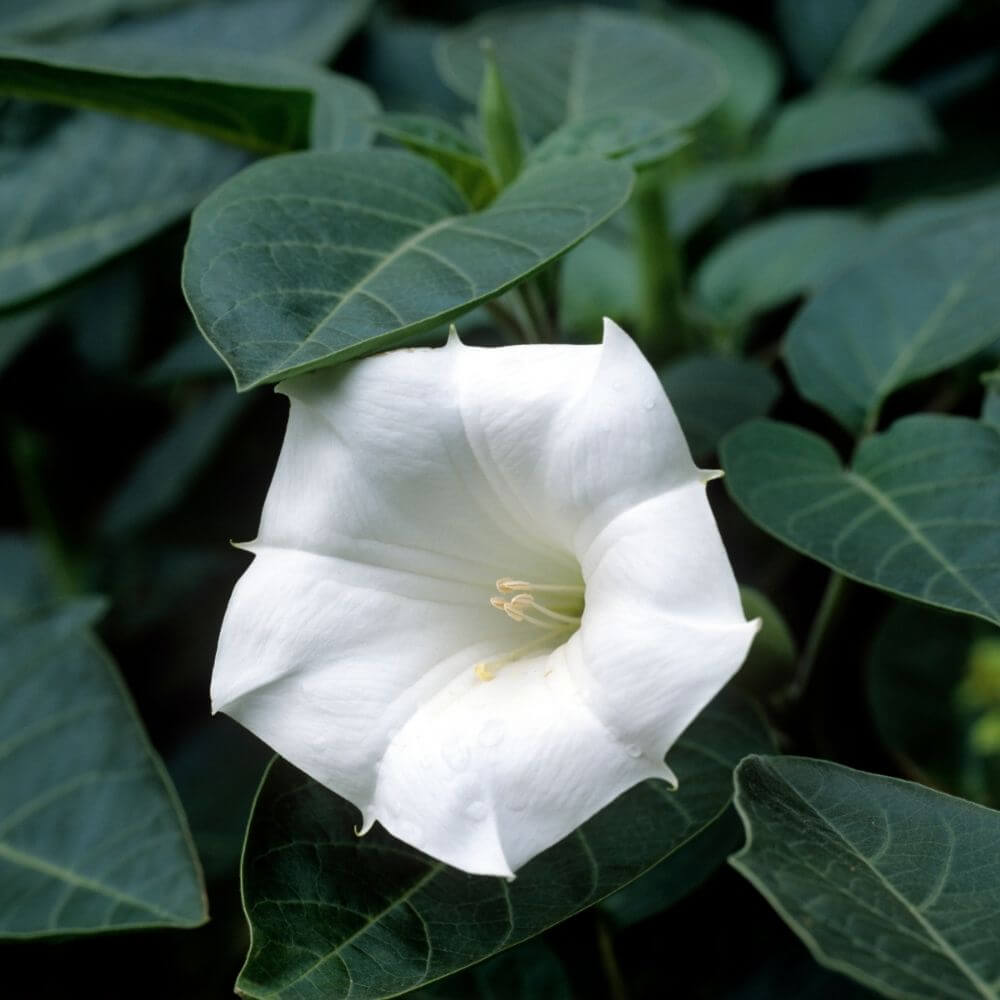
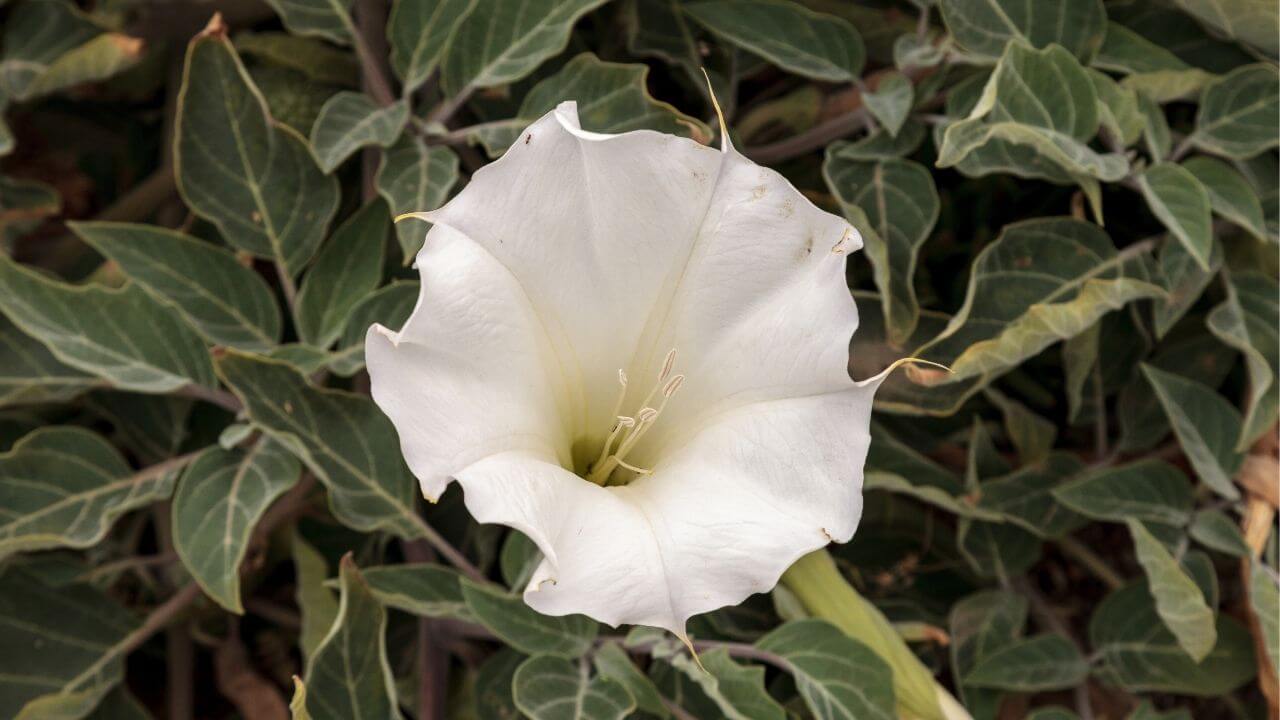
Datura, also known as Jimsonweed, is infamous for its dramatic white or purple trumpet flowers. It’s a plant steeped in folklore and caution, known for its powerful hallucinogenic and toxic properties. Accidental ingestion can lead to severe symptoms or death, so caution is paramount.
- Scientific name: Datura stramonium
- The seeds are the most toxic part and pose the greatest danger.
- Used in some traditional medicines, but highly risky without expertise.
- Can grow wild in disturbed soils, roadsides, and fields.
- Symptoms include hallucinations, rapid heartbeat, and paralysis.
- Keep away from children and pets. Even small amounts are dangerous.
11. Monkshood
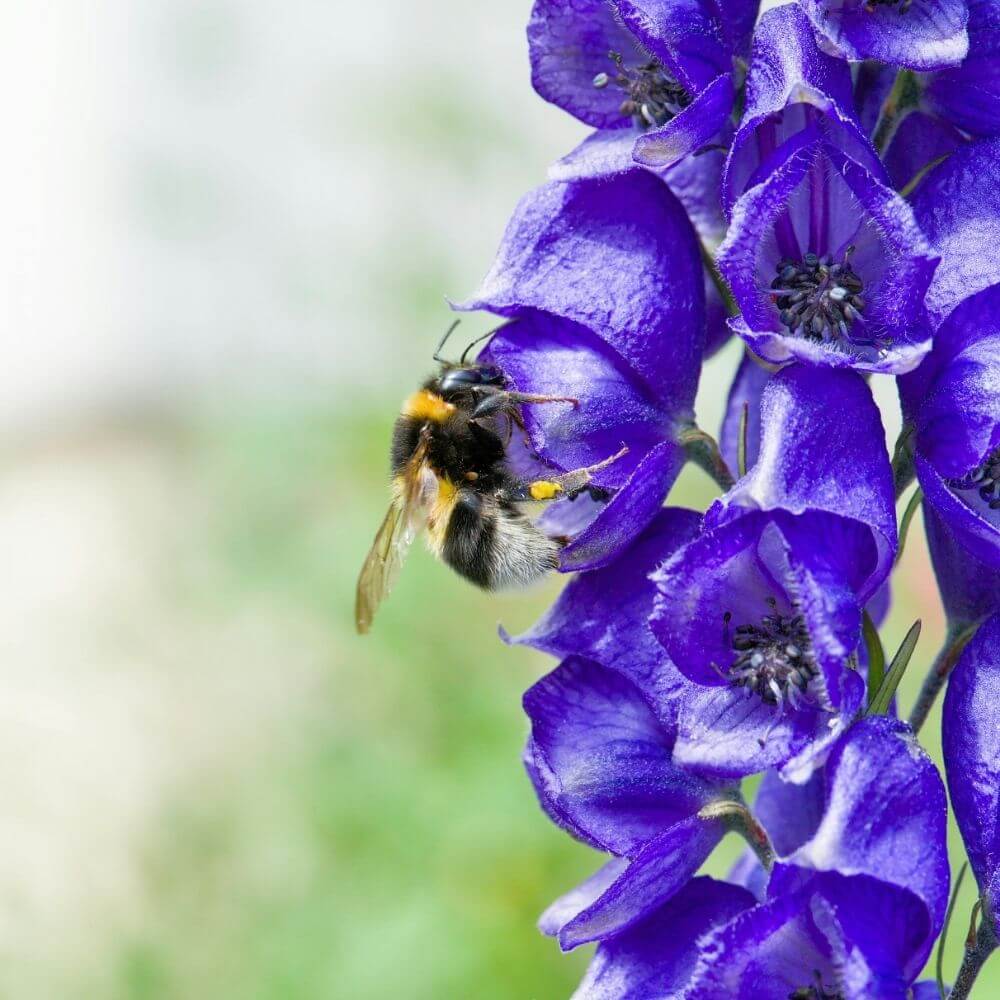
Monkshood’s tall spikes of striking blue flowers have a mysterious and almost magical appearance. However, this beauty conceals aconitine, one of the most potent plant neurotoxins. The risk extends beyond ingestion, skin contact alone can cause numbness or other symptoms.
- Scientific name: Aconitum napellus
- Used historically as poison on arrows and weapons.
- Requires gloves for handling to avoid accidental poisoning.
- Symptoms include numbness, muscle weakness, and cardiac issues.
- The plant grows in mountainous regions and moist soils.
- Often associated with folklore and mythical stories of witches and magic.
12. Belladonna Lily
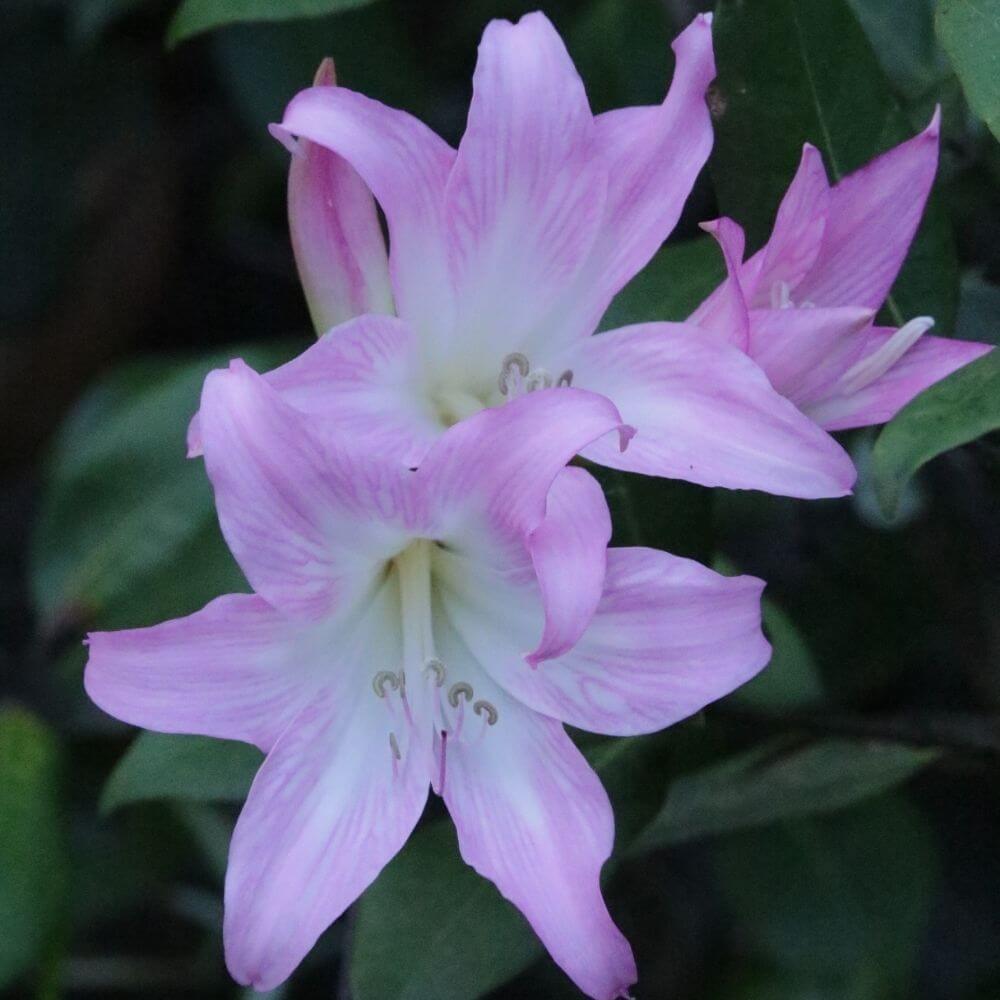
Belladonna Lily is known for its elegant pink trumpet-shaped flowers that bloom in late summer. Despite its graceful appearance, this flower contains toxins that can cause severe digestive and nervous system issues. It’s often mistaken for a harmless garden bulb but demands careful handling and placement away from pets and children.
- Scientific name: Amaryllis belladonna
- The bulbs are the most toxic part, causing nausea, vomiting, and diarrhea if ingested.
- Skin contact with the sap can sometimes cause irritation or allergic reactions.
- Native to South Africa, it has become popular in temperate gardens worldwide.
- Its toxins affect both humans and animals, so avoid planting where pets roam freely.
- Historically admired for beauty but feared for its hidden dangers.
13. Castor Bean
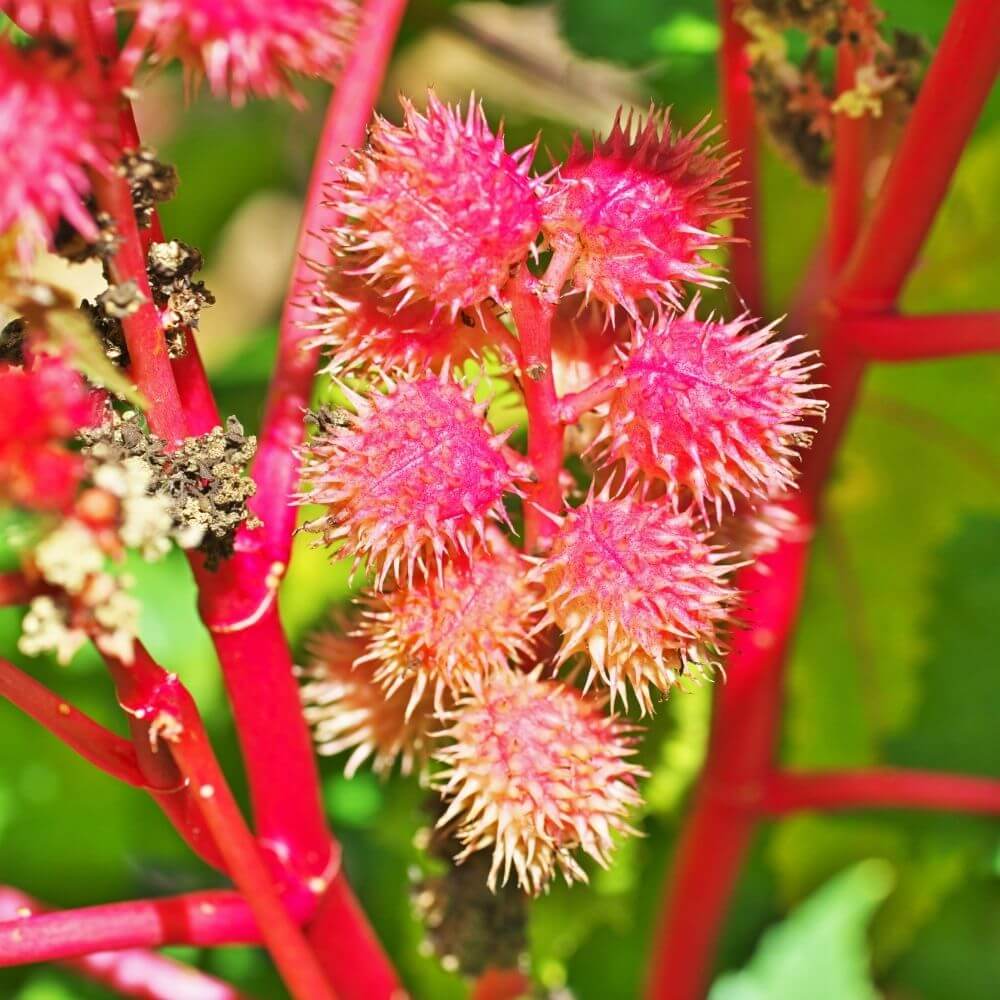
Castor Bean plants are striking with their spiky seed pods and large leaves. Yet inside those beautiful seeds lies ricin. One of the deadliest natural poisons known. Just a tiny amount can cause severe illness or death, making it crucial to keep these seeds far from children and pets.
- Scientific name: Ricinus communis
- Seeds are the primary source of ricin, a highly toxic protein.
- The plant itself is often grown commercially for castor oil production.
- Handling seeds is safe, but ingestion is extremely dangerous.
- Ricin has been studied as a biological weapon, highlighting its potency.
- Castor bean plants prefer tropical and subtropical climates.
14. Yellow Jessamine
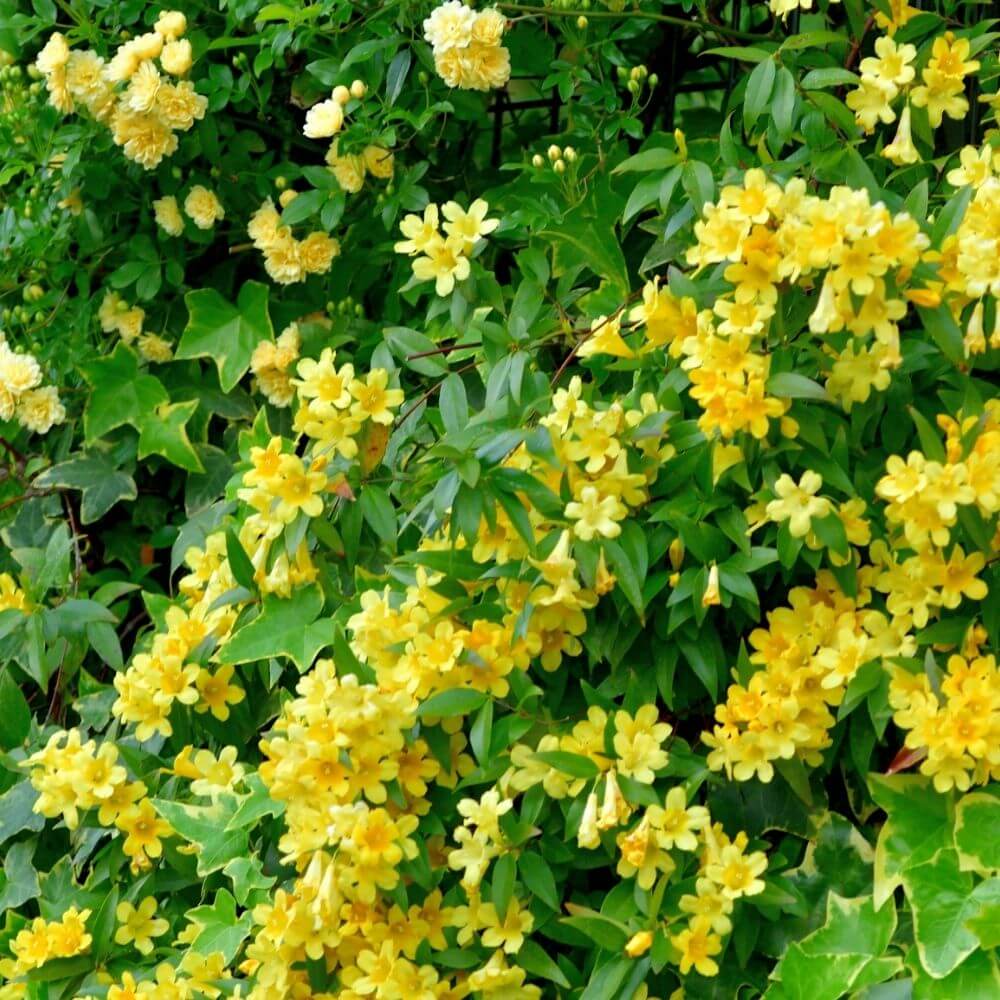
Yellow Jessamine’s bright, trumpet-shaped blooms light up southern landscapes. Its cheerful appearance belies a dangerous truth. The entire plant is poisonous. Ingesting it can cause paralysis and even death, so it’s important to admire this flower from a safe distance.
- Scientific name: Gelsemium sempervirens
- Common in the southeastern United States, often in wild areas.
- Symptoms of poisoning include dizziness, muscle weakness, and respiratory failure.
- Often used ornamentally but requires caution in homes with kids or pets.
- The plant’s nectar is toxic, so be careful around bees and pollinators.
- Avoid consuming any part of the plant.
15. Bleeding Heart
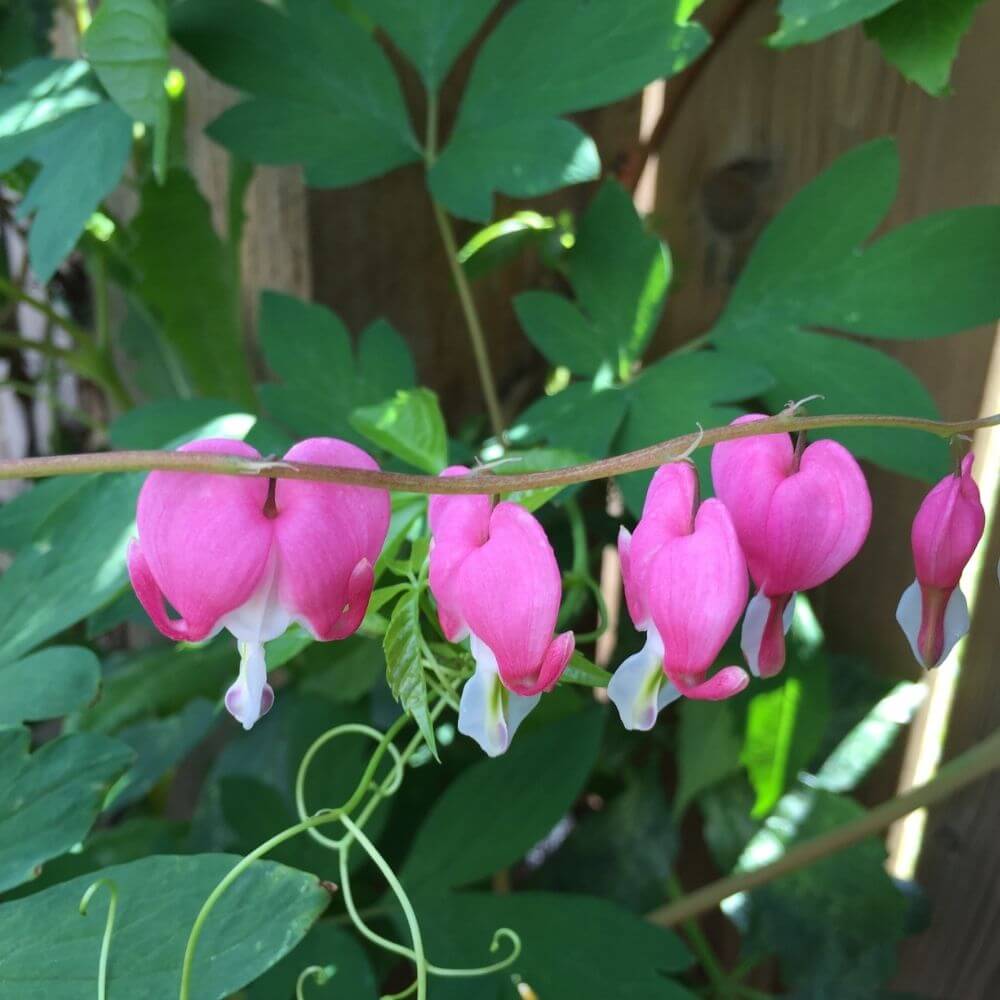
Bleeding Heart is beloved for its delicate, heart-shaped pink or white flowers. It symbolizes love and emotion in many cultures. While significantly less toxic than many others on this list, it still contains toxins that can upset the stomach or cause dizziness if ingested. Pets should especially be kept away from this flower.
- Scientific name: Lamprocapnos spectabilis
- Contains isoquinoline alkaloids responsible for mild toxicity.
- Often planted in shaded garden beds with rich, moist soil.
- Poisoning symptoms are usually mild but can cause discomfort.
- Deer and rabbits tend to avoid it due to its bitter taste.
- Safe handling but keep pets and children away from eating it.
How Dangerous Are These Poisonous Plants?
Not all poisonous plants are equally deadly. Some cause mild symptoms, others can kill. Toxicity depends on the plant’s chemicals and the amount you are exposed to. For example, some like Oleander or Castor Bean have enough poison to kill a large animal like an elephant if enough is ingested. Many cause symptoms like nausea, vomiting, dizziness, or heart problems before becoming fatal.
Exposure can happen through eating, touching, or breathing pollen. Ingestion is usually the most dangerous. Even skin contact can cause irritation or numbness with some plants.
Poisonous Flower Names Used for Girls
Some poisonous flowers have names that are also popular girl names. For example, Lily and Dahlia come from flowers, though not all are poisonous. These names carry a mix of beauty and a little mystery because the flowers can be both lovely and dangerous. Many parents choose these names because they sound pretty but also have a strong, unique meaning behind them.
Here are 7 poisonous flower names that are also used as girl names:
- Lily
- Azalea
- Delphinium (less common but used)
- Poppy (Some of its varieties are sources of opium and are highly toxic)
- Hyacinth
- Daphne
- Iris (mildly toxic but still considered poisonous)
Common Poisonous Plants That Can Kill a Human
Besides flowers, many plants are deadly. Trees like the Yew or shrubs like the Rosary Pea contain powerful toxins. Flowers fit into this larger list of plants you should know to avoid. Always learn about the plants in your area and take precautions, especially if you have children or pets.
- Olea nder
- Foxglove
- Lily of the Valley
- Deadly Nightshade
- Aconite (Wolfsbane)
- Castor Bean (Castor Oil Plant)
- Rhododendron
- Angel’s Trumpet
- Autumn Crocus
- Datura (Jimsonweed)
These flowers contain potent toxins that can cause serious illness or death, so it’s very important to handle them with care or avoid them entirely if you’re not experienced.
Identifying Poisonous Flowers
Spotting poisonous flowers can be tricky because many look harmless or beautiful. Using picture guides and apps can help. Look for warning signs like bitter smell, milky sap, or unusual berries. Always teach kids not to eat unknown plants, and wear gloves when gardening. Keeping a “poisonous plants list with pictures” handy is smart for safe gardening and outdoor activities.
Rare Beautiful Poisonous Flower Names
Some poisonous flowers are rare and unusual, like the Ghost Orchid or the Manchineel tree flowers. Their rarity makes them fascinating but also dangerous because people might not recognize them. These flowers often have conservation importance too, so learning about them means appreciating their beauty while respecting their risk.
- Ghost Orchid (Dendrophylax lindenii)
- Manchineel Tree Flowers (Hippomane mancinella) – Extremely poisonous, called the “death tree.”
- Aconite (Wolfsbane)
- Deadly Nightshade (Belladonna)
- White Snakeroot (Ageratina altissima)
- Rosary Pea (Abrus precatorius)
- Yellow Jessamine (Gelsemium sempervirens)
- Daphne species
- Hemlock Water Dropwort (Oenanthe crocata)
- Black Henbane (Hyoscyamus niger)
These flowers are not just toxic but also have a special rarity that makes them both fascinating and dangerous.
Conclusion
Knowing about poisonous flowers is more than a curiosity. It helps keep families, pets, and yourself safe. These poisonous flower names show how beauty and danger often mix in. When you know what to look for, you can enjoy flowers safely without worry. I encourage you to share this knowledge, learn more about your local plants and flowers, and always garden with care.
Related Reads