
The State Flower of Utah is the elegant Sego Lily, a beautiful wildflower that represents strength, hope, and survival. With its delicate white petals marked by soft purple accents, this native flower has played an important role in Utah’s history and remains a cherished symbol of the state. Learning about the Sego Lily offers a deeper appreciation of Utah’s natural beauty and cultural heritage. In this article, you’ll learn he history of the State Flower of Utah, the meaning behind the Sego Lily, its unique characteristics, where it grows, and why it continues to be one of Utah’s most treasured state symbols.
What Is the State Flower of Utah?
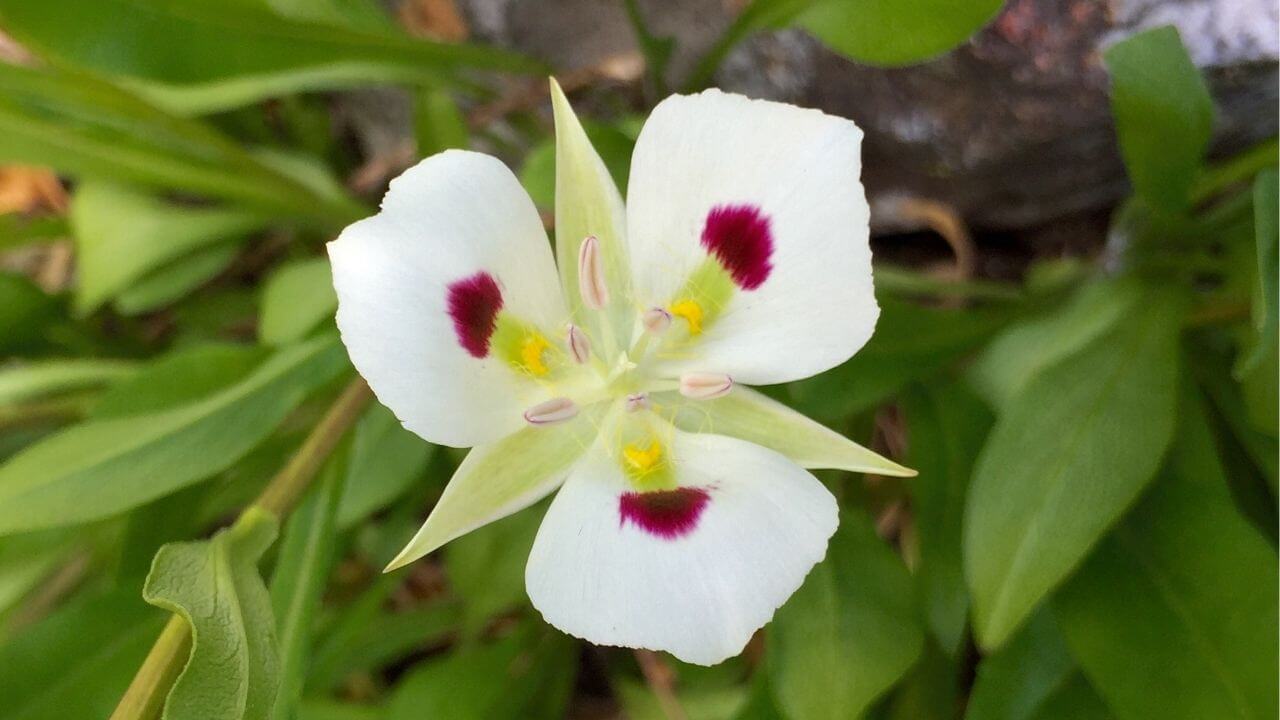
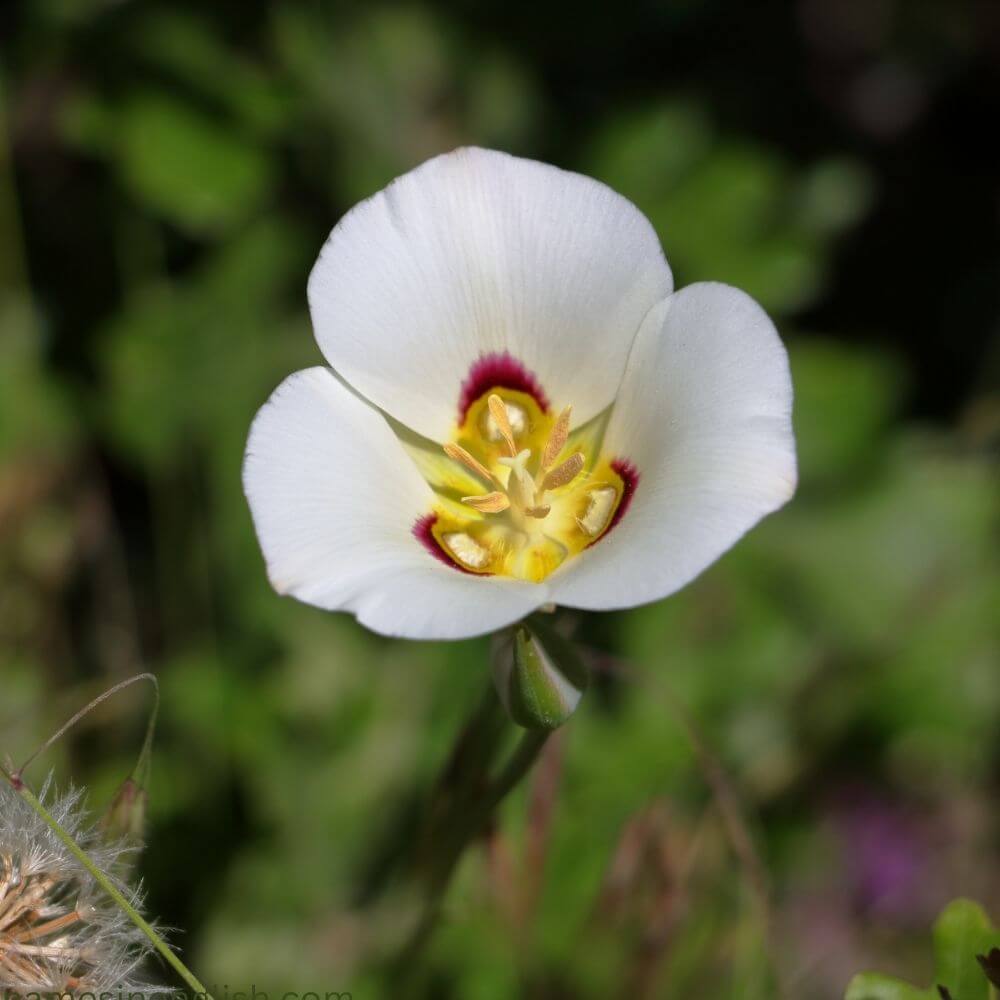
The state flower of Utah is the Sego Lily. It’s a white, cup-shaped flower native to the region and officially recognized as the symbol of Utah’s strength and survival. People like it not just because it’s pretty, but because of the story it tells.
History of the Sego Lily and Why Utah Chose It
The Sego Lily didn’t just become a symbol by chance. Long before Utah became a state, Indigenous communities used the plant for food and medicine. The bulbs were roasted, boiled, or ground, especially when other food sources were limited.
When pioneers arrived in the 1800s, harsh winters and crop failures made food hard to find. According to local stories, the Sego Lily helped many families survive. Its bulbs gave them something to eat until spring harvest. This story became part of Utah’s identity, and in 1911 the Utah State Legislature officially named the Sego Lily the state flower.
It wasn’t only chosen for beauty. It represented gratitude, endurance, and the spirit of starting again, even in hard times.
Sego Lily Meaning and Symbolism
The meaning of Utah’s state flower goes beyond how it looks. People often link the Sego Lily to:
- Resilience, because of its role in pioneer survival
- Purity, thanks to its soft white petals
- Hope, since it blooms in early summer after Utah’s long winters
- Community, because both pioneers and Indigenous peoples relied on it
In some Utah families, the flower is a reminder to kids to stay strong through hard times. Those simple ideas are part of why the Sego Lily remains deeply respected.
What Sego Lilies Look Like
The Sego Lily is small but eye catching. Its petals open into a gentle cup shape, usually white or creamy with hints of yellow or purple in the center. The plant stands about a foot tall, which makes it easy to recognize during hikes.
Where it grows:
You’ll find Sego Lilies mainly in dry meadows and desert slopes across Utah.
When it blooms:
Late spring into early summer.
How the Sego Lily Became a Cultural Icon in Utah
The Sego Lily appears in artwork, murals, logos, and school projects across Utah. Many students create drawings of the flower when learning state symbols, and teachers use its history to share lessons about gratitude. Some local events highlight the flower each summer, and it’s common to see it in handmade crafts or state souvenirs.
Utah State Flower and Bird: How They Connect
A lot of people look up both symbols, so it’s worth taking a moment to talk about them. The state bird of Utah is the California Gull. Utah chose this bird because of a famous event known as the Miracle of the Gulls, when the gulls helped protect pioneer crops by eating grasshoppers.
When you place the Sego Lily and the California Gull side by side, they tell a shared story. Both symbols represent survival and faith during difficult times. That’s why you’ll often see the phrase Utah State Flower and Bird in state educational materials.
Other Utah State Symbols to Know
State Tree of Utah
Utah’s state tree is the Blue Spruce. People appreciate it for its sturdy look and silver-blue needles. It grows well in cold mountain climates, which makes it a fitting tree for a high-elevation state like Utah.
Why States Choose Multiple Symbols
States choose flowers, birds, trees, and other icons to help children learn local history and to highlight the plants and animals that make the area unique. These symbols become part of a state’s identity, traditions, and school lessons.
How the Sego Lily Compares to Nearby States’ Flowers
Utah isn’t the only state with a meaningful blossom. Here’s how its flower fits into the region.
- State Flower of Nevada: The Sagebrush. Nevada’s choice represents the rugged desert landscape.
- Idaho State Flower: The Syringa, known for its sweet fragrance and bright white petals.
- State Flower of Vermont: The Red Clover, a symbol of hard work and agriculture.
These comparisons help readers place Utah’s Sego Lily within a bigger picture of western and northern state symbols. It also shows how each area chooses plants that reflect the land and people who live there.
How to Grow Sego Lilies at Home
Many gardeners love adding this flower to their yards. Growing it does take a bit of patience, but the results feel worth it.
Soil:
Dry, well draining soil works best.
Light:
Full sun gives the strongest blooms.
Water:
Use very light watering. These flowers prefer dry conditions and can struggle with too much moisture.
Climate:
They grow naturally in arid areas, so they do well in western gardens. Growing Sego Lilies gives you a small piece of Utah’s history right at home.
Key Takeaways
- The state flower of Utah is the Sego Lily.
- It became a symbol because it helped pioneers survive food shortages.
- The state flower of Utah meaning centers on resilience, purity, and hope.
- Utah’s symbols, including the state bird and state tree, reflect the state’s unique story.
- The Sego Lily stands out when compared with the state flowers of Nevada, Idaho, and Vermont.
Conclusion
The Sego Lily has an important story behind it, connected to Utah’s history and the people who live here. If you want to learn more, feel free to explore our guides about flowers from other states, national flowers, or even different types like red, black, or brown flowers. There’s plenty to discover, and these stories help us appreciate nature in many ways. Hopefully, this helped you understand why the Sego Lily is meaningful to many.