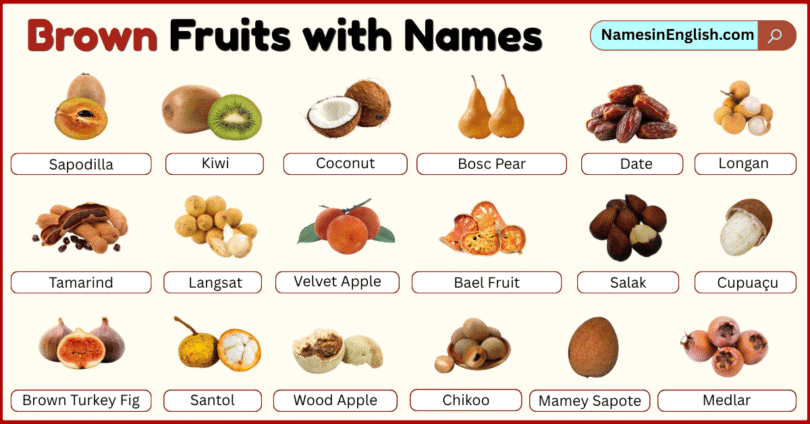

Brown fruits are naturally attractive fruits recognized by their brown skin, flesh, shell, or outer covering and are found in many regions around the world. They come in different varieties, including kiwifruit, dates, sapodilla, coconut, tamarind, and brown pears, each offering a unique appearance, flavor, and texture. Learning the names of brown fruits is a useful way to improve English vocabulary while becoming familiar with different fruits. In this article, you will learn brown fruit names in English with clear pictures, helping kids, students, teachers, food lovers, beginners, and English learners easily identify, understand, remember, and use these fruit names with confidence.
What Are Brown Fruits?
Brown fruits are fruits that naturally have brown, tan, beige, golden-brown, reddish-brown, or russet-colored outer skin, shell, husk, or covering when mature. Their inside does not necessarily have to be brown.
For example, a kiwi has fuzzy brown skin but usually has green or golden flesh. A mature coconut has a hard brown shell with white flesh inside. Similarly, many dates have brown skin surrounding lighter-colored flesh.
The shade of brown can vary considerably. Some fruits are pale tan, while others become chocolate brown or almost black when fully mature or dried.
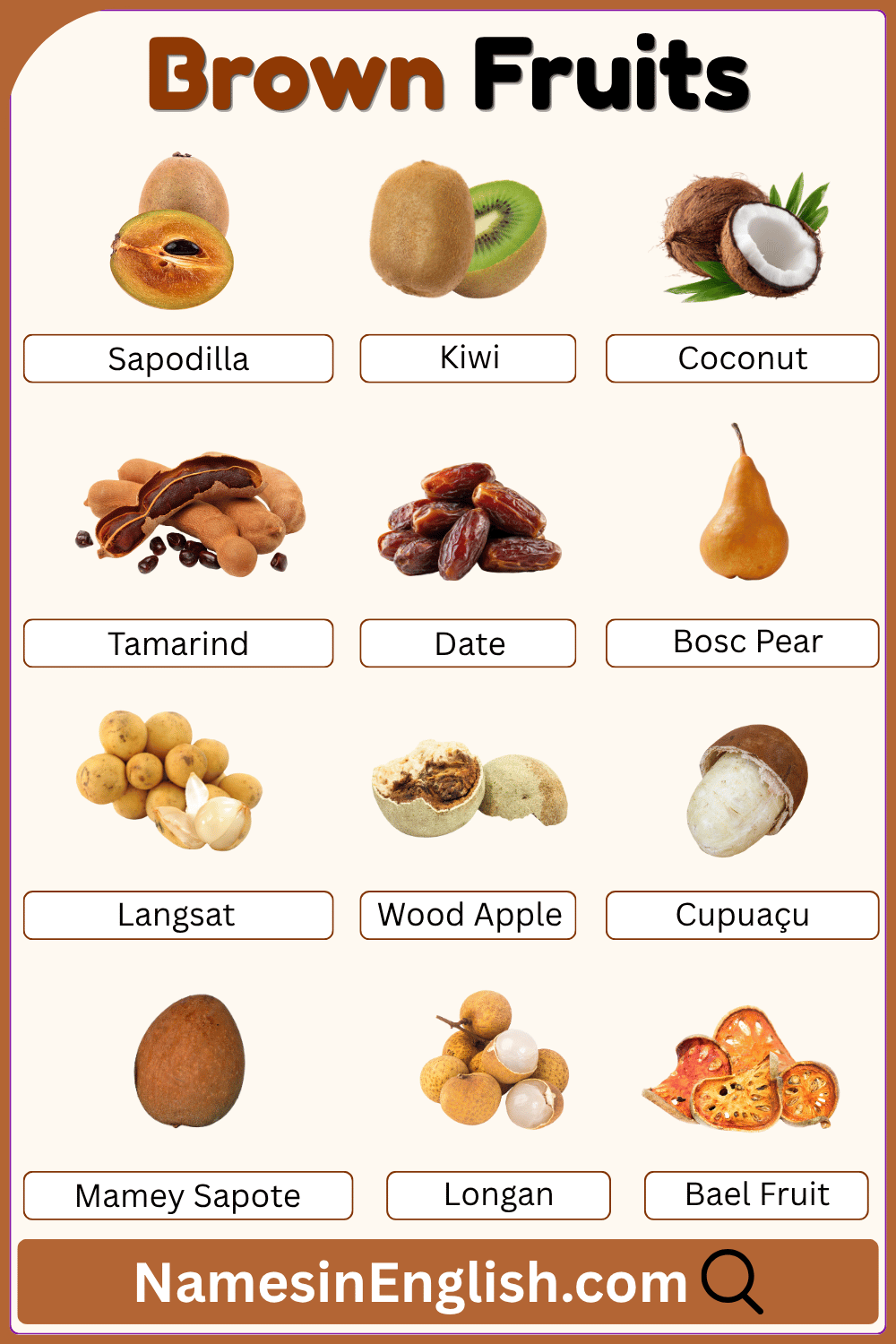
Brown Fruits Names in English
The following table contains common and less familiar fruits that naturally have brown or brownish outer coverings.
| No. | Brown Fruit Name | Typical Outer Color | Common Taste |
|---|---|---|---|
| 1 | Kiwi | Light brown | Sweet and tangy |
| 2 | Coconut | Brown | Mild and slightly sweet |
| 3 | Date | Golden-brown to dark brown | Very sweet |
| 4 | Sapodilla | Brown | Sweet |
| 5 | Tamarind | Brown | Sweet and sour |
| 6 | Bosc Pear | Brown to bronze | Sweet |
| 7 | Asian Pear | Tan to golden-brown | Sweet |
| 8 | Nashi Pear | Tan-brown | Sweet |
| 9 | Brown Turkey Fig | Brown-purple | Sweet |
| 10 | Longan | Light brown | Sweet |
| 11 | Langsat | Pale brown to yellow-brown | Sweet and tangy |
| 12 | Salak | Reddish-brown | Sweet and slightly acidic |
| 13 | Bael Fruit | Brownish-yellow when mature | Sweet and aromatic |
| 14 | Wood Apple | Brown | Sweet and sour |
| 15 | Cupuaçu | Brown | Sweet and tart |
| 16 | Mamey Sapote | Brown | Sweet |
| 17 | Chikoo | Brown | Very sweet |
| 18 | Medlar | Reddish-brown | Sweet when properly softened |
| 19 | Russet Apple | Golden-brown | Sweet to mildly tart |
| 20 | Golden Russet Apple | Golden-brown | Sweet and aromatic |
| 21 | Russet Pear | Brown-russeted | Sweet |
| 22 | Brown Fig | Brown | Sweet |
| 23 | Tamarillo | Brownish-red in some varieties | Tangy |
| 24 | Santol | Yellow-brown when ripe | Sweet and sour |
| 25 | Velvet Apple | Reddish-brown | Sweet |
| 26 | Cacao Pod | Brown when mature in some varieties | Pulp is sweet-tart |
| 27 | Canistel | Yellow-brown when very ripe | Sweet |
| 28 | Dried Jujube | Reddish-brown | Sweet |
| 29 | Dried Fig | Light to dark brown | Sweet |
| 30 | Dried Date | Brown to dark brown | Very sweet |
Common Brown Fruits with Their Characteristics
Learning each fruit together with its appearance, texture, shape, and taste makes vocabulary easier to remember. Here are some important brown fruits explained in simple English.
1. Kiwi
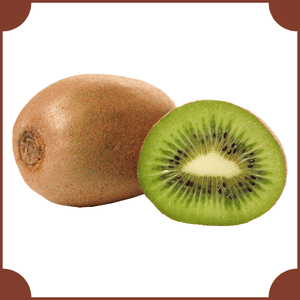
Kiwi, also called kiwifruit, is a small oval fruit with thin, fuzzy brown skin. Most common varieties have bright green flesh with numerous tiny black seeds arranged around a pale center.
Kiwi has a juicy texture and a sweet-tart flavor. Golden kiwi varieties usually have smoother skin and yellow flesh.
2. Coconut
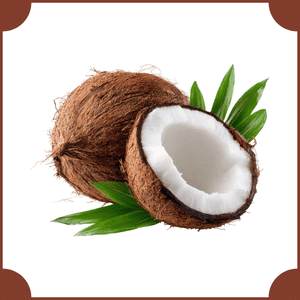
A mature coconut is a large fruit with a tough fibrous husk and a hard brown shell. Inside the shell is white edible flesh and a liquid commonly called coconut water.
Young coconuts are usually green or pale rather than brown. The familiar brown coconut is a mature coconut from which much of the outer husk has often been removed.
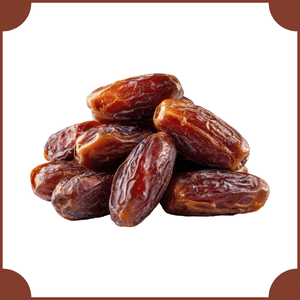
3. Date
A date is the fruit of the date palm. Dates are oval or elongated and can develop golden, amber, reddish-brown, or dark brown colors depending on their variety and ripeness.
They have soft or chewy flesh and a naturally sweet flavor. Each date generally contains one long, hard seed in the center.
4. Sapodilla
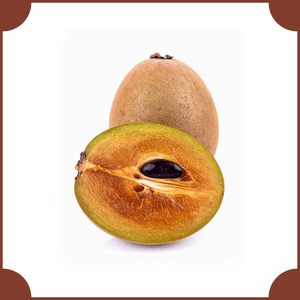
Sapodilla is a round or oval tropical fruit with rough brown skin. It is also widely known as chikoo or chikoo fruit in South Asia.
When ripe, its flesh becomes soft and sweet. The flavor is often described as rich and sugary, while the flesh usually contains several smooth, dark seeds.
5. Tamarind
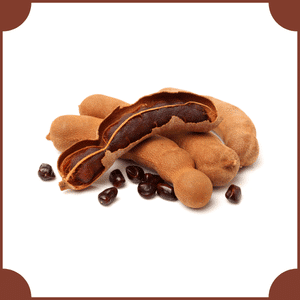
Tamarind grows inside a curved or slightly straight brown pod. The dry outer shell surrounds sticky brown pulp and hard seeds.
Its flavor ranges from sharply sour to sweet and sour, depending on the variety and maturity. Tamarind pulp is widely used in sauces, drinks, chutneys, candies, and cooking.
6. Bosc Pear
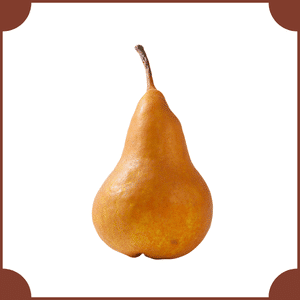
The Bosc pear is an elongated pear known for its brown or bronze-colored russeted skin. Its long neck makes it easy to distinguish from many rounder pear varieties.
The flesh is generally firm, juicy, and sweet. Bosc pears can be eaten fresh and are also suitable for baking and cooking.
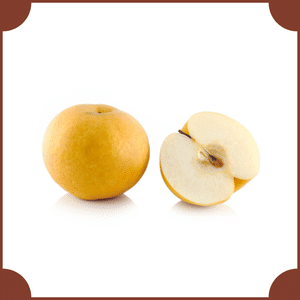
7. Asian Pear
An Asian pear is generally round like an apple rather than having the classic European pear shape. Many varieties have yellowish-brown, tan, bronze, or golden skin.
Its flesh is crisp, juicy, and mildly sweet. The crunchy texture is one of its most recognizable characteristics.
8. Longan
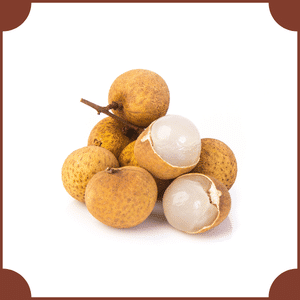
Longan is a small, round tropical fruit with thin, light brown or tan skin. It grows in clusters.
When the skin is removed, translucent whitish flesh surrounds a shiny dark seed. The fruit has a sweet, juicy flavor and is related to lychee and rambutan.
9. Salak
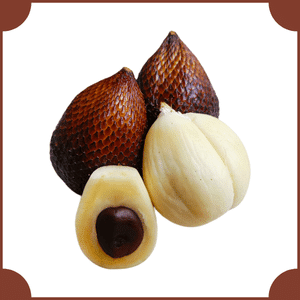
Salak, commonly called snake fruit, is a tropical fruit with reddish-brown, scaly skin. Its unusual skin resembles snake scales, which explains its common English name.
Inside are pale segments with a firm or crunchy texture. The taste can range from sweet to sweet-and-sour depending on the variety.
10. Wood Apple
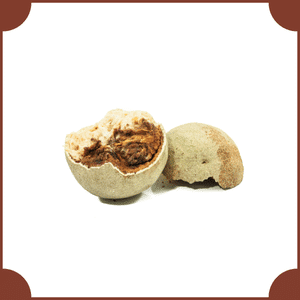
Wood apple is a round fruit with a very hard, rough shell that can appear grayish-brown or brown.
The pulp inside is aromatic and may have a sweet-and-sour flavor. Because of its hard exterior and unusual pulp, it looks very different from common soft-skinned fruits.
11. Mamey Sapote
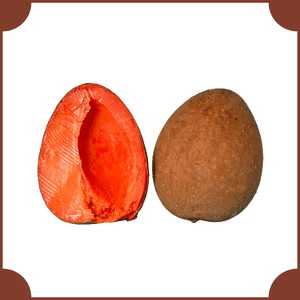
Mamey sapote is a tropical fruit with rough, brown outer skin. When cut open, it reveals orange, reddish-orange, or salmon-colored flesh.
Its flesh is soft and sweet when ripe and contains one or more large, dark seeds. This is another example of a brown fruit whose inner color is very different from its outer color.
12. Medlar
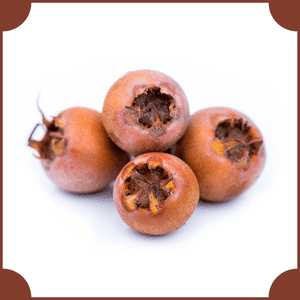
A medlar is a small fruit that develops a brown or reddish-brown appearance. It has a distinctive open end formed by persistent sepals.
Freshly harvested medlars can be hard and astringent. Traditionally, they are eaten after a natural softening process known as bletting, which makes the flesh softer and sweeter.
13. Russet Apple
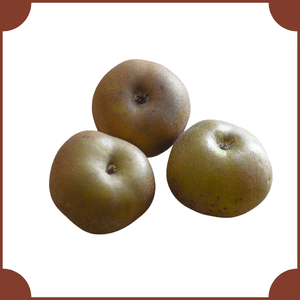
A russet apple has skin covered partly or mostly with a rough brown or golden-brown surface called russeting.
Russeting is a natural skin characteristic found in certain apple varieties. The fruit inside remains similar to other apples and may be crisp, juicy, sweet, or slightly tart.
14. Brown Turkey Fig
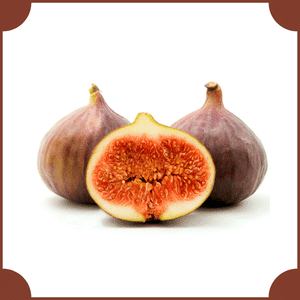
The Brown Turkey fig is a well-known fig cultivar. Its skin can develop brownish-purple, bronze, or reddish-brown shades as it ripens.
Inside, the flesh is soft and sweet and contains many tiny edible seeds. It can be eaten fresh or used in desserts and preserves.
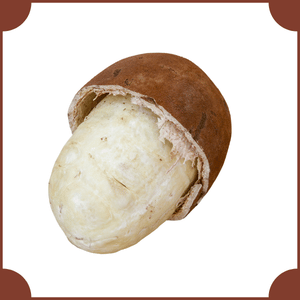
15. Cupuaçu
Cupuaçu is a tropical fruit related to cacao. It has a large, oblong shape and a hard brown outer covering.
Inside is pale pulp with a strong aroma and a sweet-tart taste. The pulp is used in drinks, desserts, sweets, and other food products, especially in South America.
Brown Fruits with Brown Skin
Many fruits are classified as brown mainly because of their external appearance. Their flesh can be green, white, orange, yellow, or another color.
| Fruit | Outer Color | Inner Color |
|---|---|---|
| Kiwi | Brown | Green or yellow |
| Coconut | Brown shell | White |
| Sapodilla | Brown | Light to medium brown |
| Bosc Pear | Brown-bronze | White to cream |
| Asian Pear | Tan-brown | White |
| Longan | Light brown | Translucent white |
| Salak | Reddish-brown | Cream |
| Mamey Sapote | Brown | Orange to reddish-orange |
| Cupuaçu | Brown | Pale cream |
| Wood Apple | Brown-gray | Brown pulp |
| Tamarind | Brown | Brown pulp |
| Medlar | Reddish-brown | Brownish when softened |
This distinction is important for ESL students because words such as skin, shell, husk, flesh, pulp, seed, and pod describe different parts of fruits.
Tropical Brown Fruits
Many interesting brown fruits grow in tropical or subtropical regions. Some may be unfamiliar to learners who have only studied common supermarket fruits.
Examples include:
- Coconut
- Sapodilla
- Tamarind
- Longan
- Salak
- Wood Apple
- Mamey Sapote
- Cupuaçu
- Langsat
- Santol
Learning regional and tropical fruit names can expand English vocabulary and help learners recognize foods mentioned in recipes, markets, travel content, and everyday conversations.
Small Brown Fruits
Some brown fruits are naturally small enough to hold easily between the fingers.
Common examples include:
- Dates
- Longan
- Medlar
- Dried Jujube
- Small Figs
- Langsat
Their similarities in size do not mean they are closely related. They can differ greatly in taste, texture, structure, and how they are eaten.
Large Brown Fruits
Some fruits with brown outer coverings are considerably larger.
Examples include:
- Coconut
- Wood Apple
- Cupuaçu
- Mamey Sapote
- Bael Fruit
For vocabulary practice, comparing small, medium-sized, and large fruits is an easy way to learn adjectives alongside fruit names.
Brown Fruits Names in English
Brown Fruits with Hard Outer Coverings
Not all fruits have soft, edible skin. Some brown fruits protect their edible parts with hard shells, pods, or tough coverings.
Coconut
A mature coconut has a fibrous husk and hard shell protecting the flesh inside.
Tamarind
Tamarind has a dry, brittle pod that surrounds sticky pulp and seeds.
Wood Apple
Wood apple has an extremely hard outer shell that must be broken to reach the pulp.
Salak
Salak has thin but scaly skin that is peeled away before the fruit segments are eaten.
Understanding these differences helps learners use words such as skin, shell, husk, and pod more accurately.
Why Do Some Fruits Look Brown?
Brown coloring in fruits can occur for several natural reasons. Some fruits simply develop brown or russet-colored outer surfaces as part of normal growth and maturation.
For example, the rough brown skin of a kiwi is a normal characteristic of the fruit. Similarly, Bosc pears naturally develop extensive brown russeting.
In other cases, fruits become darker as they ripen or dry. Dates and jujubes are good examples because their color can change considerably during maturation and drying.
It is important to distinguish a fruit that is naturally brown from fresh produce that has turned brown because of bruising, oxidation, decay, or damage.
Fresh Brown Fruits vs. Dried Brown Fruits
Some fruits are naturally brown while fresh, whereas others become brown mainly after drying.
| Naturally Brown or Brown-Skinned | Often Brown After Drying |
|---|---|
| Kiwi | Fig |
| Coconut | Jujube |
| Sapodilla | Grape/Raisin |
| Bosc Pear | Apricot |
| Salak | Plum/Prune |
| Longan | Some dates become darker |
| Wood Apple | Banana |
| Mamey Sapote | Persimmon |
Drying removes much of the fruit’s water. During processing and storage, its texture, color, and flavor may also change.
For accurate English vocabulary, it is useful to distinguish between the fresh fruit and its dried form, such as grape → raisin and plum → prune.
How to Describe Brown Fruits in English
When describing a fruit, students can mention its name, size, shape, color, texture, taste, and important parts.
For example:
A kiwi is a small oval fruit with fuzzy brown skin. It usually has juicy green flesh containing many tiny black seeds. Its flavor is sweet and slightly tangy.
A useful structure is:
Fruit name + size + shape + color + texture + taste + special feature
For example:
A coconut is a large round or oval fruit. A mature coconut has a fibrous brown exterior and a hard shell. It contains white flesh and coconut water.
Using the same pattern for different fruits helps ESL learners practice both vocabulary and sentence structure.
Brown Fruits and Their Shapes
Brown fruits come in many shapes. Learning these shapes provides additional descriptive vocabulary.
| Brown Fruit | Common Shape |
|---|---|
| Kiwi | Oval |
| Coconut | Round to oval |
| Date | Oval or elongated |
| Sapodilla | Round or oval |
| Tamarind | Curved pod |
| Bosc Pear | Pear-shaped |
| Asian Pear | Round |
| Longan | Round |
| Salak | Oval to teardrop-shaped |
| Wood Apple | Round |
| Mamey Sapote | Oval |
| Medlar | Round |
| Cupuaçu | Oblong |
| Fig | Pear-shaped |
| Jujube | Round or oval |
The exact shape can vary between varieties, but these terms describe their common appearance.
Brown Fruits and Their Tastes
Brown fruits can have very different flavors, from extremely sweet dates to sour tamarind.
Sweet Brown Fruits
Common sweet brown fruits include:
- Dates
- Sapodilla
- Longan
- Mamey Sapote
- Asian Pear
- Brown Fig
Sweet and Tart Brown Fruits
Fruits that may combine sweetness and acidity include:
- Kiwi
- Cupuaçu
- Langsat
- Santol
- Some tamarind varieties
Sour or Tart Brown Fruits
Some brown fruits have a noticeably sour or sharp flavor, particularly when unripe.
Examples include:
- Tamarind
- Wood Apple
- Unripe Medlar
- Some Langsat varieties
Taste can change with variety and ripeness, so these descriptions represent general characteristics.
Brown Fruits vs. Brown Vegetables
Brown fruits should not be confused with foods commonly described as brown vegetables. Kiwi, coconut, dates, sapodilla, and Bosc pears are examples of fruits with brown outer surfaces.
Potatoes, some mushrooms, and certain root vegetables may also have brown surfaces but are normally placed in different food categories in everyday English.
Botanically, a fruit develops from the flower of a plant and contains or is associated with seeds. Culinary categories, however, are often based on flavor and how foods are prepared.
Common Questions About Brown Fruits
What Are Some Common Brown Fruits?
Some common brown fruits include kiwi, coconut, dates, sapodilla, tamarind, Bosc pears, Asian pears, longan, and brown figs. Their shades can range from pale tan to deep brown.
Which Fruit Is Brown Outside and Green Inside?
Kiwi is the best-known example. The common green kiwifruit has fuzzy brown skin and bright green flesh containing small black seeds.
Which Fruit Is Brown Outside and White Inside?
A mature coconut has a brown exterior and white edible flesh. Longan also has light brown skin and translucent whitish flesh.
What Is Chikoo Called in English?
Chikoo is commonly called sapodilla in English. It is a tropical fruit with brown skin, soft flesh, a very sweet taste, and dark seeds.
Which Pear Has Brown Skin?
The Bosc pear is well known for its brown or bronze russeted skin. Several Asian pear varieties can also have tan, bronze, or brownish skin.
What Is Snake Fruit?
Snake fruit, or salak, is a tropical fruit known for its reddish-brown scaly skin. The skin resembles snake scales, which gives the fruit its English nickname.
Is Coconut a Brown Fruit?
A mature coconut commonly has a fibrous brown exterior and a hard brown shell. Young coconuts, however, are often green, yellowish, or pale before reaching full maturity.
Are Dates Brown Fruits?
Many varieties of ripe and dried dates have amber, reddish-brown, medium-brown, or dark brown skin. Their exact color depends on the variety and stage of maturity.
Are All Brown Fruits Brown Inside?
No. Brown color often appears only on the outer covering. Kiwi has green or yellow flesh, coconut has white flesh, Bosc pear has pale flesh, and mamey sapote has orange to reddish flesh.
Easy Brown Fruits List for Beginners
Beginners can start with these useful names:
- Kiwi
- Coconut
- Date
- Sapodilla
- Tamarind
- Bosc Pear
- Asian Pear
- Longan
- Salak
- Brown Fig
- Wood Apple
- Mamey Sapote
- Medlar
- Russet Apple
- Cupuaçu
It is easier to begin with familiar words such as kiwi, coconut, date, and pear before learning less common names such as salak, medlar, and cupuaçu.
Final Thoughts
Learning brown fruits with names in English is useful for building everyday food and descriptive vocabulary. Kiwi, coconut, dates, sapodilla, tamarind, brown pears, longan, salak, and other fruits show that brown fruits can have very different shapes, tastes, textures, and inner colors.
English learners should study the fruit names together with descriptive words such as brown, tan, russet, fuzzy, hard, soft, sweet, tart, juicy, shell, husk, pulp, flesh, and seed. Connecting each name with its appearance and characteristics makes the vocabulary easier to understand, remember, and use correctly in speaking and writing.
Learn More Helpful Articles