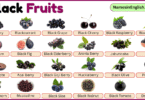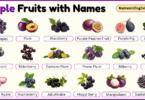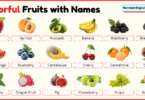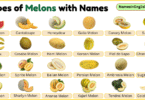


Fruits are an important part of our daily diet, offering different flavors, colors, textures, vitamins, and nutrients. They come in many varieties, including apples, bananas, cherries, grapes, mangoes, oranges, and watermelons, each having its own taste and appearance. Learning fruit names in English is a useful way to improve vocabulary while becoming familiar with fruits found around the world. In this article, you will learn A to Z fruits with names and pictures, helping kids, students, teachers, beginners, food lovers, and English learners easily identify, understand, remember, pronounce, and use these common fruit names with confidence.
What Are A to Z Fruits?
A to Z fruits are fruit names arranged according to the 26 letters of the English alphabet, beginning with A and ending with Z. This method helps learners connect letters with useful vocabulary and makes fruit names easier to organize and memorize.
For example:
A – Apple
B – Banana
C – Cherry
D – Date
Some letters, such as A, B, M, P, and S, have many common fruit names. Other letters, especially Q, U, X, and Z, have fewer familiar examples.
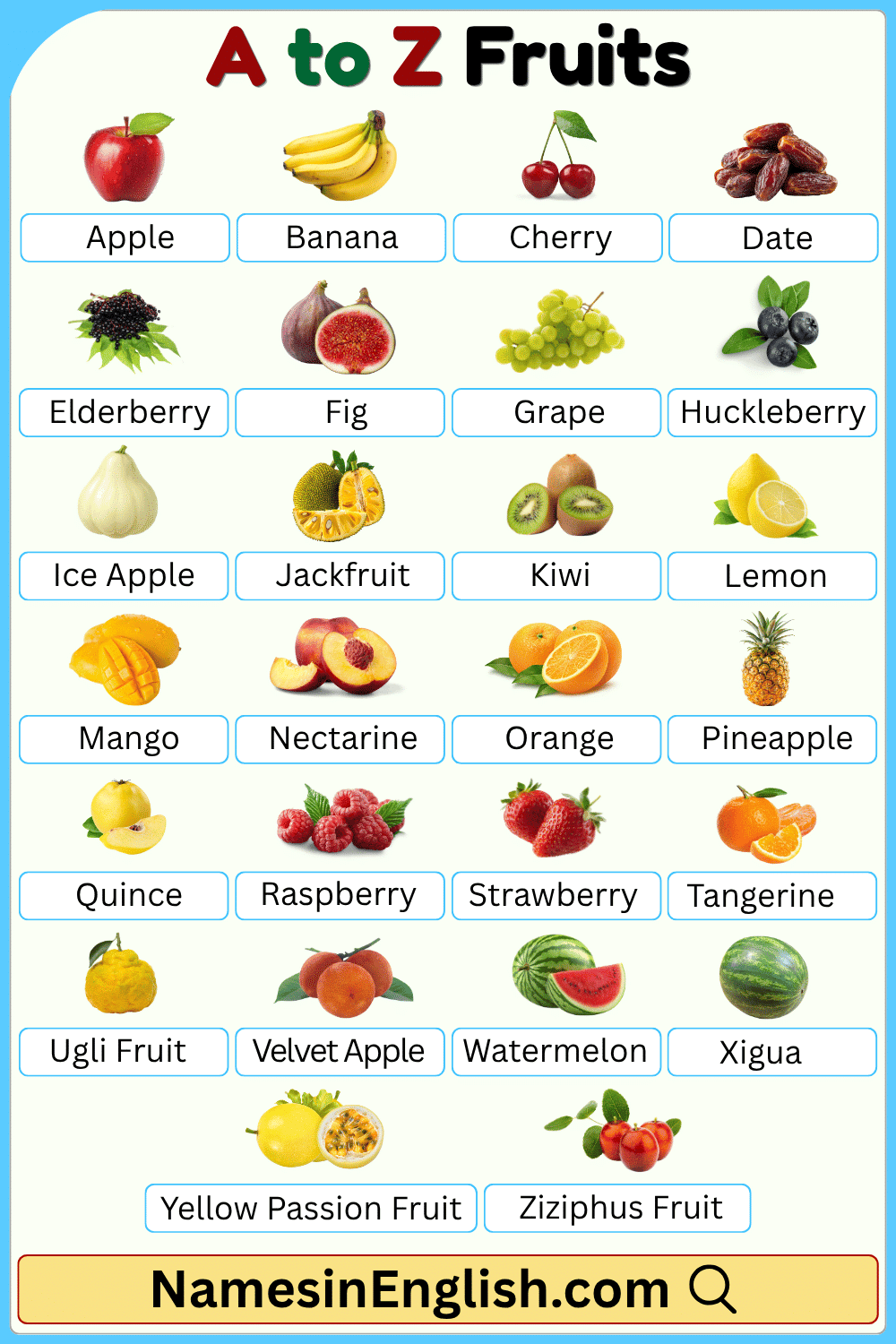
A to Z Fruits Names in English
The following table gives one useful fruit example for every letter of the alphabet.
| Letter | Fruit Name |
|---|---|
| A | Apple |
| B | Banana |
| C | Cherry |
| D | Date |
| E | Elderberry |
| F | Fig |
| G | Grape |
| H | Honeydew Melon |
| I | Indian Gooseberry |
| J | Jackfruit |
| K | Kiwi |
| L | Lemon |
| M | Mango |
| N | Nectarine |
| O | Orange |
| P | Pineapple |
| Q | Quince |
| R | Raspberry |
| S | Strawberry |
| T | Tangerine |
| U | Ugli Fruit |
| V | Velvet Apple |
| W | Watermelon |
| X | Xigua |
| Y | Yellow Passion Fruit |
| Z | Ziziphus Fruit |
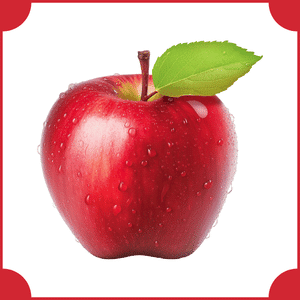
A for Apple
An apple is a round fruit that usually has red, green, yellow, or mixed-colored skin. Its flesh is firm and juicy, and its taste can range from sweet to tart.
Apples are among the most familiar fruits in English vocabulary and are commonly eaten fresh, baked, cooked, or made into juice.
Example: She ate a red apple after lunch.
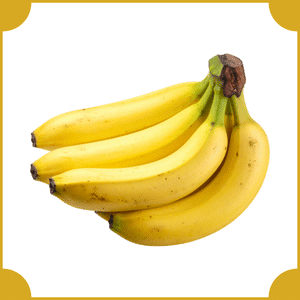
B for Banana
A banana is a long, curved fruit with soft flesh. Most bananas have green skin when unripe and yellow skin when ripe.
Bananas are naturally sweet and are commonly eaten fresh or added to smoothies, desserts, and breakfast foods.
Example: I put a banana in my school bag.
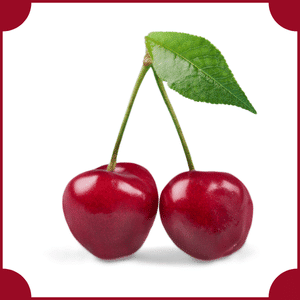
C for Cherry
A cherry is a small, round fruit with smooth skin and a hard stone inside. Cherries may be red, dark red, yellow, or almost black depending on the variety. Some cherries are sweet, while others are noticeably sour.
Example: The cake was decorated with a red cherry.
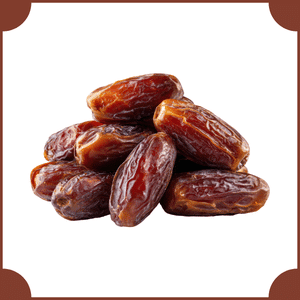
D for Date
A date is a small, sweet fruit produced by the date palm. Fresh dates can range from yellow to reddish-brown, while dried or fully ripe dates are usually brown. Dates have soft, sticky flesh surrounding a hard seed.
Example: He ate three dates with breakfast.
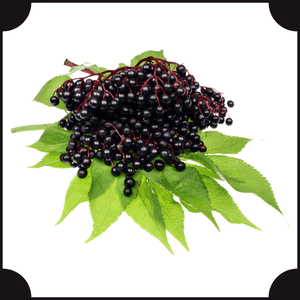
E for Elderberry
An elderberry is a small, dark purple or black fruit that grows in clusters on elder plants. Certain cooked elderberries are used in syrups, jams, and other foods. Raw or improperly prepared parts of some elder species should not be eaten because they can contain compounds that cause illness.
Example: She made jam from cooked elderberries.
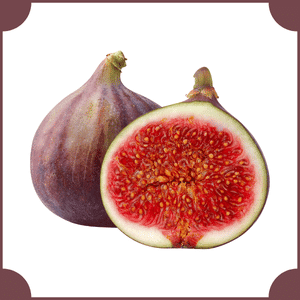
F for Fig
A fig is a soft fruit with thin skin and many tiny seeds inside. Depending on the variety, figs may be green, yellow, brown, red, or purple. They can be eaten fresh or dried.
Example: The ripe fig was soft and sweet.
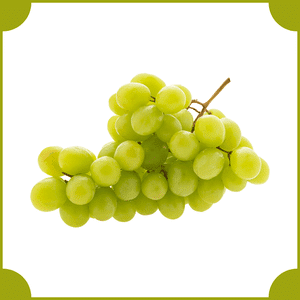
G for Grape
A grape is a small, round or oval fruit that grows in clusters. Grapes may be green, red, purple, or very dark purple. They are eaten fresh and are also used to make raisins, juice, and other products.
Example: She washed a bunch of grapes.
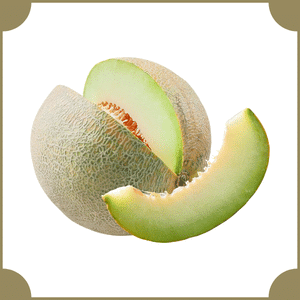
H for Honeydew Melon
A honeydew melon is a round melon with smooth, pale skin and sweet, juicy flesh. Its flesh is commonly pale green. It is usually eaten fresh and is often added to fruit salads.
Example: We cut the honeydew melon into small pieces.
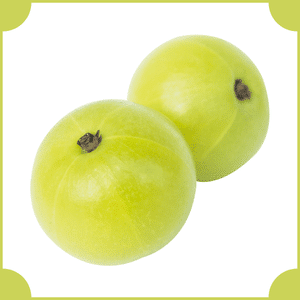
I for Indian Gooseberry
Indian gooseberry, also called amla, is a small, round fruit that is usually light green or yellow-green. It has a noticeably sour and astringent taste and is used in various foods and traditional preparations in South Asia.
Example: Indian gooseberry has a strong, sour flavor.
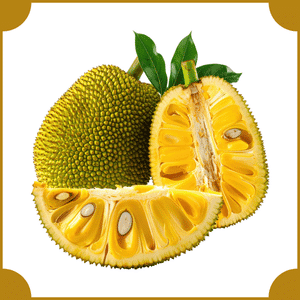
J for Jackfruit
A jackfruit is a very large tropical fruit with a rough, green or yellowish outer surface. Inside, it contains yellow edible bulbs surrounding large seeds. Ripe jackfruit is sweet, while young jackfruit is often cooked as a savory food.
Example: The jackfruit was too large to carry in one hand.
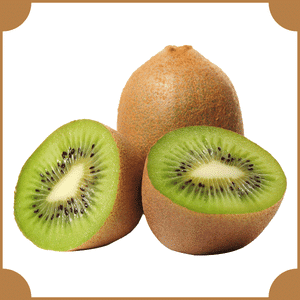
K for Kiwi
A kiwi is a small oval fruit with brown skin and green or golden flesh. It contains many tiny black seeds. Its flavor is usually sweet with a slightly tart taste.
Example: She sliced the kiwi into thin pieces.
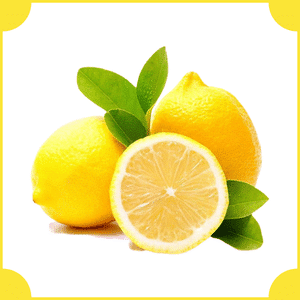
L for Lemon
A lemon is a yellow citrus fruit with a strong sour taste. It contains juicy segments and is widely used in drinks, cooking, baking, and flavoring.
Example: Add some lemon juice to the water.
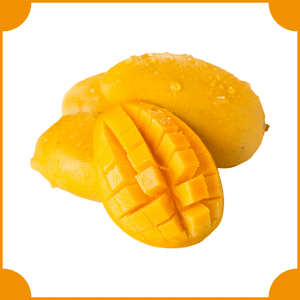
M for Mango
A mango is a tropical fruit with juicy flesh and a large flat stone. Its skin may be green, yellow, orange, red, or a mixture of colors. Ripe mangoes are generally sweet and aromatic.
Example: This mango is soft and ripe.
N for Nectarine
A nectarine is a round stone fruit closely related to the peach. Unlike most peaches, it has smooth skin rather than fuzzy skin. Its flesh may be yellow or white.
Example: He sliced a ripe nectarine for breakfast.

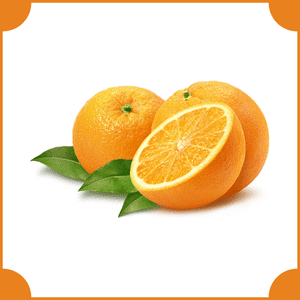
O for Orange
An orange is a round citrus fruit with an orange-colored peel and juicy segments inside. It usually has a sweet or slightly tart flavor and is commonly eaten fresh or made into juice.
Example: She peeled an orange after lunch.
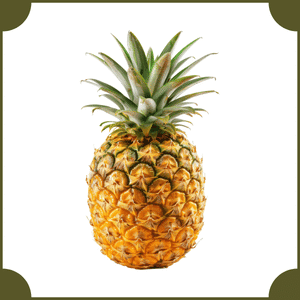
P for Pineapple
A pineapple is a tropical fruit with rough, patterned skin and a crown of stiff leaves at the top. Its flesh is usually yellow, juicy, and sweet-tart.
Example: We added fresh pineapple to the fruit salad.
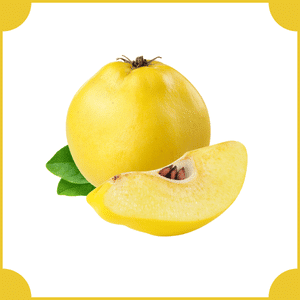
Q for Quince
A quince is a yellow fruit related to apples and pears. It is usually firm, aromatic, and tart when raw. Because of its firm texture and strong flavor, quince is often cooked before eating.
Example: They used quince to make jelly.
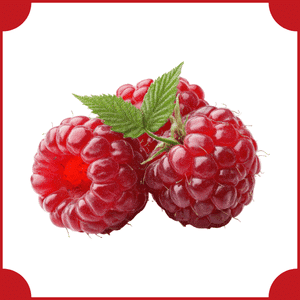
R for Raspberry
A raspberry is a small, soft fruit made up of many tiny sections called drupelets. Red raspberries are the most familiar, although black, purple, and yellow varieties also exist.
Example: She added a raspberry to the dessert.
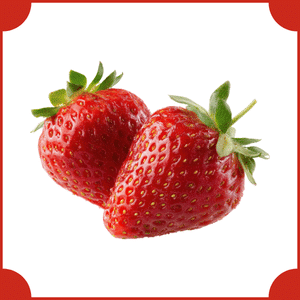
S for Strawberry
A strawberry is a soft, usually red fruit with many tiny structures commonly called seeds visible on its outer surface. It has a sweet or slightly tart flavor and is widely used in desserts, drinks, and salads.
Example: The strawberry was bright red and juicy.
T for Tangerine
A tangerine is a type of mandarin citrus fruit. It usually has orange skin that is relatively easy to peel and sweet, juicy segments inside.
Example: He peeled a tangerine during the break.
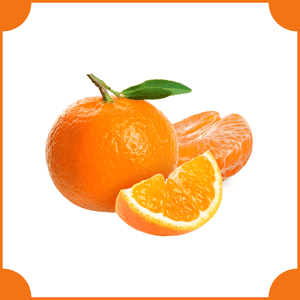
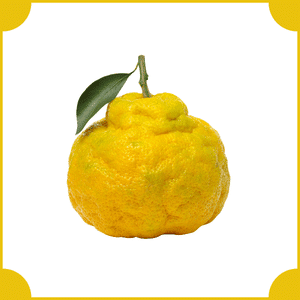
U for Ugli Fruit
Ugli fruit is a commercial name commonly associated with a Jamaican citrus fruit known as Jamaican tangelo. It typically has rough, loose greenish-yellow or orange skin. Its flesh is juicy and has a sweet-tart citrus flavor.
Example: The ugli fruit has rough skin but juicy flesh.
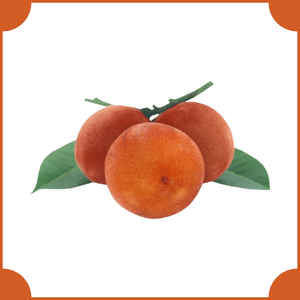
V for Velvet Apple
A velvet apple is a tropical fruit with reddish-brown skin that has a soft, velvety texture. It is related to persimmons. Its flesh is usually creamy and aromatic when ripe.
Example: The velvet apple has unusual fuzzy skin.
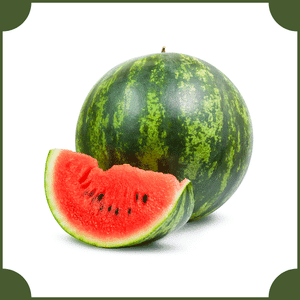
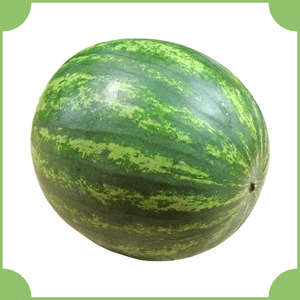
W for Watermelon
A watermelon is a large fruit with a thick rind that is usually green. The flesh is commonly red or pink, although yellow and orange varieties also exist. It contains a high amount of water and is often eaten fresh.
Example: We ate cold watermelon on a hot day.
X for Xigua
Xigua is a Chinese word commonly used in English-language fruit lists for watermelon. The word literally refers to the familiar watermelon fruit. Because very few common English fruit names begin with X, xigua is frequently used in A-to-Z vocabulary activities.
Example: Xigua is another name used for watermelon.
Y for Yellow Passion Fruit
Yellow passion fruit is a variety or form of passion fruit with yellow outer skin and juicy pulp containing many seeds. Its flavor is aromatic and usually sweet-tart.
Example: She used yellow passion fruit in the drink.

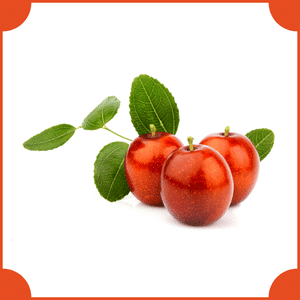
Z for Ziziphus Fruit
Ziziphus fruit refers to fruits produced by plants in the genus Ziziphus. One familiar example is the jujube, also called Chinese date. The fruit may be eaten fresh or dried, depending on the species and variety.
Example: The dried Ziziphus fruit had a sweet taste.
More A to Z Fruit Names
Many letters have several possible fruit names. This larger table can help learners expand their vocabulary beyond one fruit per letter.
| Letter | More Fruit Names |
|---|---|
| A | Apple, Apricot, Avocado, Acerola |
| B | Banana, Blackberry, Blueberry, Bilberry, Breadfruit |
| C | Cherry, Cranberry, Clementine, Cantaloupe, Coconut |
| D | Date, Damson, Dragon Fruit, Durian |
| E | Elderberry, Eggfruit, Entawak |
| F | Fig, Feijoa, Finger Lime |
| G | Grape, Grapefruit, Guava, Gooseberry |
| H | Honeydew Melon, Hackberry, Huckleberry |
| I | Indian Gooseberry, Indian Fig, Ilama |
| J | Jackfruit, Jujube, Java Plum |
| K | Kiwi, Kumquat, Kiwano |
| L | Lemon, Lime, Lychee, Longan |
| M | Mango, Mandarin, Mulberry, Mangosteen, Melon |
| N | Nectarine, Nance |
| O | Orange, Olive |
| P | Pineapple, Peach, Pear, Plum, Papaya, Pomegranate |
| Q | Quince, Quandong |
| R | Raspberry, Rambutan, Redcurrant |
| S | Strawberry, Star Fruit, Sapodilla, Soursop |
| T | Tangerine, Tamarind, Tangelo |
| U | Ugli Fruit |
| V | Velvet Apple, Velvet Tamarind |
| W | Watermelon, White Currant, Wax Apple |
| X | Xigua |
| Y | Yellow Passion Fruit, Yuzu |
| Z | Ziziphus Fruit, Zinfandel Grape |
A to Z Fruits Names in English with Pictures
List of Fruits A to Z for Kids and Beginners
Young learners and beginners do not need to memorize rare fruits immediately. They can start with simple and familiar words such as:
- Apple
- Banana
- Cherry
- Date
- Fig
- Grape
- Kiwi
- Lemon
- Mango
- Orange
- Peach
- Pear
- Pineapple
- Raspberry
- Strawberry
- Watermelon
After learning these words, students can gradually add less familiar names such as quince, rambutan, feijoa, mangosteen, kiwano, and velvet apple.
Fruit Names with Their Common Colors
Learning fruit names together with their colors can make vocabulary easier to remember.
| Fruit | Common Color |
|---|---|
| Apple | Red, Green, Yellow |
| Banana | Yellow |
| Cherry | Red |
| Date | Brown |
| Elderberry | Dark Purple |
| Fig | Green, Purple |
| Grape | Green, Red, Purple |
| Honeydew | Pale Green |
| Jackfruit | Green, Yellow |
| Kiwi | Brown and Green |
| Lemon | Yellow |
| Mango | Green, Yellow, Orange, Red |
| Nectarine | Red, Orange, Yellow |
| Orange | Orange |
| Pineapple | Green, Yellow, Brown |
| Quince | Yellow |
| Raspberry | Red |
| Strawberry | Red |
| Tangerine | Orange |
| Watermelon | Green and Red |
Fruit Names with Singular and Plural Forms
Most fruit names follow normal English plural rules, but some can also be used as uncountable or collective food nouns depending on context.
| Singular | Plural |
|---|---|
| Apple | Apples |
| Banana | Bananas |
| Cherry | Cherries |
| Date | Dates |
| Fig | Figs |
| Grape | Grapes |
| Kiwi | Kiwis |
| Lemon | Lemons |
| Mango | Mangoes / Mangos |
| Orange | Oranges |
| Peach | Peaches |
| Pear | Pears |
| Raspberry | Raspberries |
| Strawberry | Strawberries |
| Tangerine | Tangerines |
For example:
I ate an apple.
She bought six apples.
Both singular and plural forms are important for basic English grammar.
Useful Words for Describing Fruits
ESL learners can describe fruits using words related to color, taste, shape, texture, size, and ripeness.
| Word | Simple Meaning |
|---|---|
| Sweet | Having a sugary taste |
| Sour | Having an acidic taste |
| Tart | Sharply sour |
| Juicy | Containing plenty of juice |
| Ripe | Ready to eat |
| Unripe | Not fully mature |
| Soft | Easy to press or cut |
| Firm | Solid and not very soft |
| Crunchy | Making a crisp sound when bitten |
| Smooth | Having an even surface |
| Rough | Having an uneven surface |
| Round | Circular or nearly circular |
| Oval | Egg-shaped or elliptical |
| Tropical | Associated with warm tropical regions |
| Seedless | Having no developed seeds |
Parts of a Fruit in English
Learning the names of fruit parts helps students describe fruits more accurately.
| Fruit Part | Meaning |
|---|---|
| Skin | Outer covering of a fruit |
| Peel | Outer covering that can be removed |
| Flesh | Soft edible inner part |
| Pulp | Soft and often juicy interior |
| Seed | Reproductive structure inside or on a fruit |
| Pit | Hard stone-like seed in some fruits |
| Core | Central part of some fruits |
| Rind | Thick outer covering |
| Stem | Small stalk attached to the fruit |
| Segment | One separate section inside some fruits |
For example, you can say:
“The watermelon has a green rind and red flesh.”
How to Describe a Fruit in English
A basic fruit description can include its name, color, size, shape, taste, texture, and important physical features.
Apple
An apple is usually round and has smooth skin. Depending on the variety, it may be red, green, yellow, or multicolored. Its flesh is firm and juicy, and its flavor can be sweet or tart.
Banana
A banana is a long, curved fruit with a peel that is commonly yellow when ripe. Its flesh is soft, creamy, and naturally sweet.
Watermelon
A watermelon is a large, round or oval fruit with a thick green rind. Its flesh is usually red or pink and contains a large amount of water.
Pineapple
A pineapple has rough patterned skin and stiff leaves at its top. Its yellow flesh is juicy and has a sweet-tart flavor.
Common Grammar Patterns with Fruit Names
Fruit vocabulary can also help learners practice basic sentence structures.
This Is a/an + Fruit
This is an apple.
This is a mango.
Use an before a vowel sound and a before a consonant sound.
These Are + Plural Fruit
These are bananas.
These are oranges.
Use these are when talking about several fruits that are close to you.
Fruit + Is + Adjective
The lemon is sour.
The mango is sweet.
This structure is useful for describing taste, color, size, or condition.
I Like + Fruit
I like mangoes.
I like strawberries.
This is a simple pattern for expressing preferences.
Fruit + Has + Feature
The peach has a stone.
The pineapple has rough skin.
This structure helps learners describe physical characteristics.
Fruits and Botanical Meaning
In botany, a fruit is the mature ovary of a flowering plant, usually containing one or more seeds. This scientific meaning is broader than the everyday food meaning of the word fruit.
For example, tomatoes, cucumbers, peppers, pumpkins, and eggplants are botanically fruits because they develop from flowers and contain seeds, although they are often treated as vegetables in cooking.
Understanding this difference is useful for students studying both English vocabulary and basic science terminology.
Fruit or Vegetable: Why Can the Names Be Confusing?
Everyday English usually classifies foods according to taste and culinary use, while botany classifies them according to plant structure.
For this reason:
- Tomato is botanically a fruit.
- Cucumber is botanically a fruit.
- Pumpkin is botanically a fruit.
- Bell pepper is botanically a fruit.
- Eggplant is botanically a fruit.
However, these foods are commonly called vegetables in cooking because they are normally used in savory dishes.
Benefits of Learning Fruits Alphabetically
Alphabetical fruit vocabulary is especially useful for ESL learners because it combines several language skills at the same time.
Students can practice:
- Alphabet recognition
- Spelling
- Pronunciation
- Reading
- Singular and plural forms
- Descriptive adjectives
- Food vocabulary
- Sentence formation
- Alphabetical ordering
Using pictures alongside the words can also help learners connect the written name with the actual fruit.
How to Learn A to Z Fruit Names Easily
Start by learning one familiar fruit for each letter rather than trying to memorize every fruit at once.
For example:
A – Apple
B – Banana
C – Cherry
After these words become familiar, add two or three more fruits under each letter.
Pictures are particularly helpful because they allow learners to associate the fruit’s name, spelling, shape, and color with one visual reference.
Writing short sentences is another useful method. Instead of memorizing only mango, write:
“A mango is a sweet tropical fruit.”
This gives the word meaningful context.
Frequently Asked Questions About A to Z Fruits
What fruit starts with A?
Common fruits beginning with A include apple, apricot, avocado, and acerola.
What fruit starts with B?
Examples include banana, blackberry, blueberry, bilberry, and breadfruit.
What fruit starts with J?
Popular examples are jackfruit, jujube, and Java plum.
What fruit starts with K?
Common K fruits include kiwi, kumquat, and kiwano.
What fruit starts with Q?
Quince is the most familiar fruit beginning with Q. Quandong is another example.
What fruit starts with U?
Ugli fruit is one of the best-known fruit names beginning with U.
What fruit starts with X?
Xigua is commonly used in A-to-Z vocabulary lists. It is a Chinese term for watermelon.
What fruit starts with Y?
Examples include yellow passion fruit and yuzu.
What fruit starts with Z?
Ziziphus fruit is one example. Fruits of Ziziphus include the familiar jujube.
Which fruit is best for learning the alphabet?
There is no single best fruit. For beginners, familiar examples such as apple, banana, cherry, grape, mango, orange, strawberry, and watermelon are easier to recognize and remember.
Learn more helpful articles