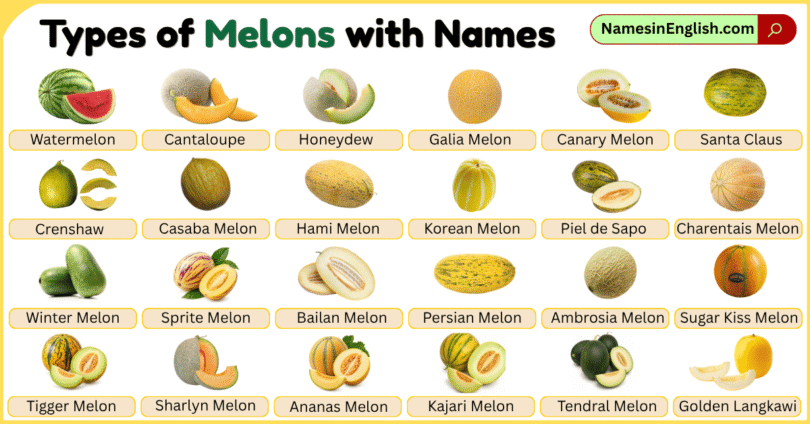

Melons are refreshing fruits enjoyed around the world for their juicy flesh, sweet flavor, and different colors, shapes, and sizes. They come in many varieties, including watermelon, cantaloupe, honeydew, Galia, Canary, and Korean melon, each having its own appearance, taste, and texture. Learning the names of different types of melons is a useful way to improve English vocabulary while becoming familiar with popular fruits found in markets and stores. In this article, you will learn melon names in English with clear pictures, helping kids, students, teachers, shoppers, food lovers, and English learners easily identify, understand, remember, and use these fruit names with confidence.
What Is a Melon?
A melon is a fleshy fruit that usually has a thick outer rind, juicy or soft flesh, and many seeds. Most fruits commonly called melons belong to the gourd family, Cucurbitaceae, the same plant family that includes cucumbers, pumpkins, and squash.
In everyday English, melon describes several sweet, juicy fruits. Scientifically, however, not every fruit called a melon belongs to the same species.
For example:
- Cantaloupe and honeydew belong to Cucumis melo.
- Watermelon belongs to Citrullus lanatus.
- Winter melon belongs to Benincasa hispida and is normally eaten as a vegetable.
This distinction is useful because everyday food names and botanical classifications do not always match exactly.
Types of Melons With Pictures and Names
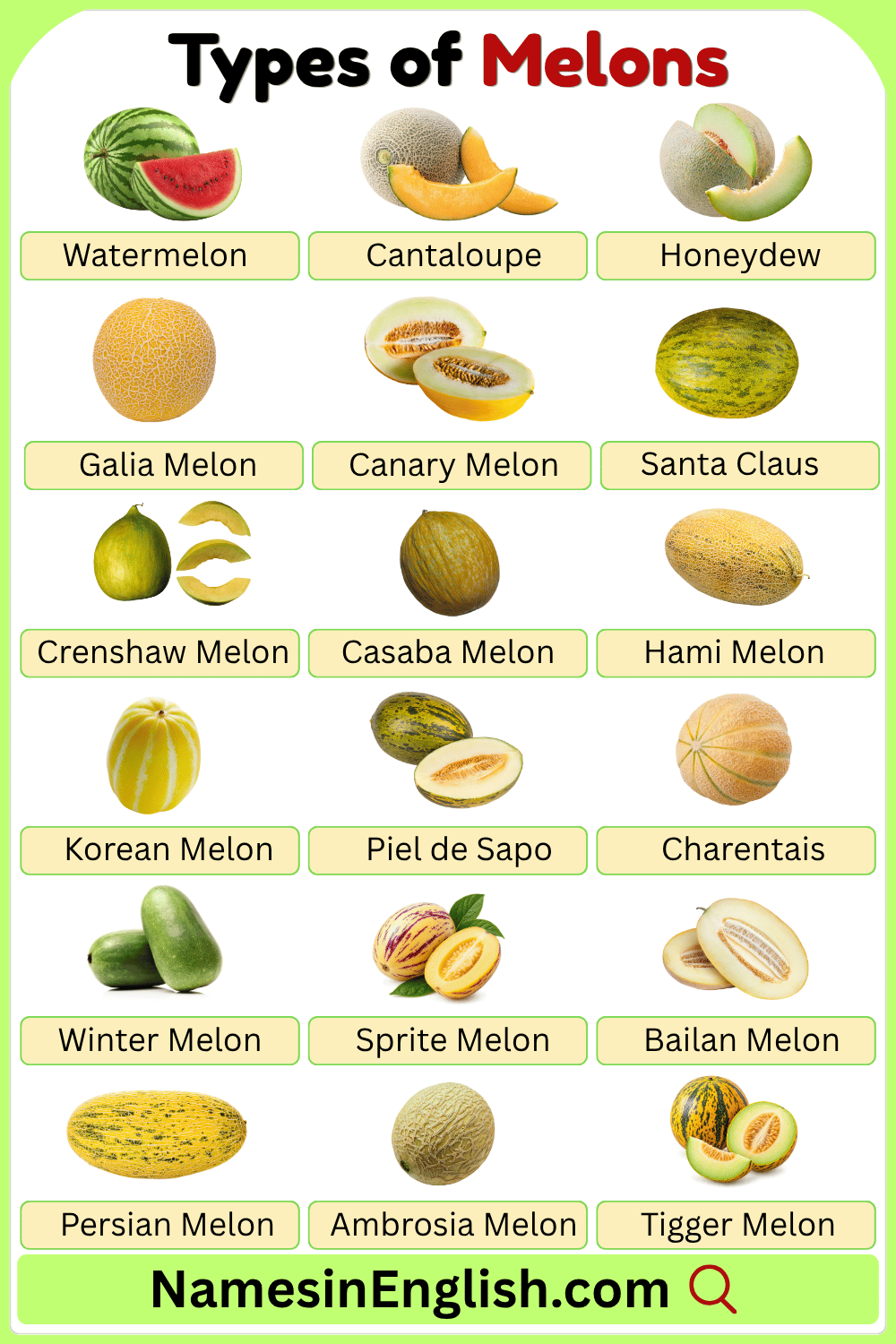
The following are common and interesting types of melons that learners may see in markets, supermarkets, recipes, gardens, and English vocabulary lessons.
| Melon Name | Typical Appearance | Flesh | Flavor |
|---|---|---|---|
| Watermelon | Green rind | Red, pink, yellow, or orange | Sweet and juicy |
| Cantaloupe | Netted tan rind | Orange | Sweet and aromatic |
| Honeydew | Smooth pale rind | Pale green | Mild and sweet |
| Galia Melon | Netted yellowish rind | Green | Sweet and fragrant |
| Canary Melon | Bright yellow rind | Pale green to white | Mild and sweet |
| Santa Claus Melon | Green-striped rind | Pale green or white | Mild and refreshing |
| Crenshaw Melon | Yellow-green rind | Peach to orange | Sweet and aromatic |
| Casaba Melon | Wrinkled yellow rind | Pale | Mildly sweet |
| Hami Melon | Yellowish or greenish rind | Pale green, white, or pinkish | Sweet and crisp |
| Korean Melon | Yellow with white stripes | White | Crisp and mildly sweet |
| Piel de Sapo | Mottled green rind | White to pale green | Sweet |
| Charentais Melon | Gray-green rind | Orange | Sweet and fragrant |
| Winter Melon | Green rind | White | Mild, not dessert-sweet |
| Sprite Melon | Pale yellow to white rind | White | Very sweet and crisp |
| Bailan Melon | Pale yellow or white rind | Pale green or white | Sweet and juicy |
1. Watermelon
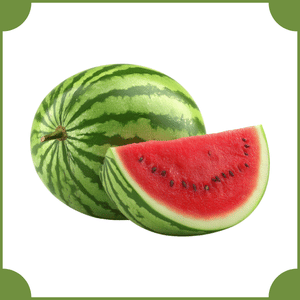
Watermelon is one of the most widely recognized melons. It usually has a green rind and juicy red or pink flesh, although yellow- and orange-fleshed varieties also exist. Most commercial watermelons are sweet and refreshing.
Example: We ate cold watermelon on a hot afternoon.
2. Cantaloupe
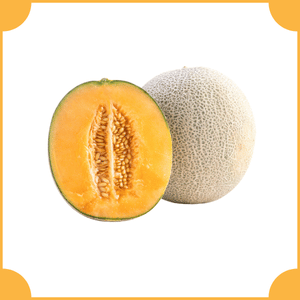
Cantaloupe is known for its sweet aroma and orange flesh. In North American usage, the name commonly refers to melons with rough, netted skin. Melon naming can vary by country, so cantaloupe does not always refer to exactly the same type everywhere.
Example: She cut the cantaloupe into small cubes.
3. Honeydew Melon
Honeydew generally has smooth, pale skin and light green flesh. It has a mild, sweet taste and is commonly served fresh or added to fruit salads.
Example: The honeydew melon tastes sweet and fresh.
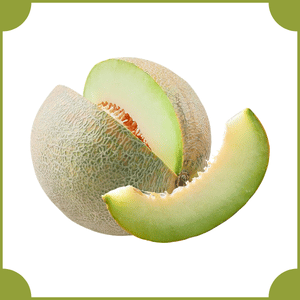
4. Galia Melon
Galia melon is a hybrid melon developed from cantaloupe-type and honeydew-type melons. It usually has netted skin and pale green flesh. A ripe Galia melon has a noticeable sweet aroma.
Example: We added Galia melon to the fruit bowl.
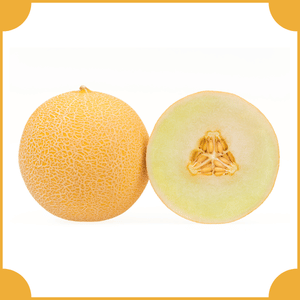
5. Canary Melon
The canary melon gets its name from its bright yellow rind, which resembles the color associated with a canary bird. Its flesh is usually pale green or whitish and has a mild sweetness.
Example: This yellow fruit is a canary melon.
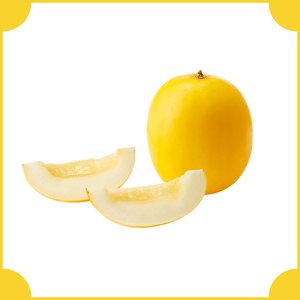
6. Santa Claus Melon
Santa Claus melon is an elongated melon with a mottled or striped green rind. It is also associated with the Spanish name Piel de Sapo. Its flesh is usually pale and pleasantly sweet.
Example: Dad sliced a Santa Claus melon for dessert.
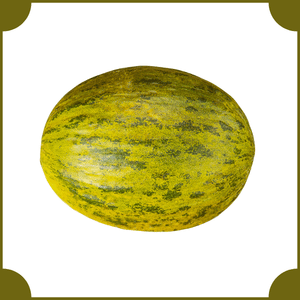
7. Crenshaw Melon
A Crenshaw melon is generally large with yellowish or yellow-green skin and peach-colored to orange flesh. It is valued for its rich sweetness and strong melon aroma.
Example: The ripe Crenshaw melon has soft, sweet flesh.
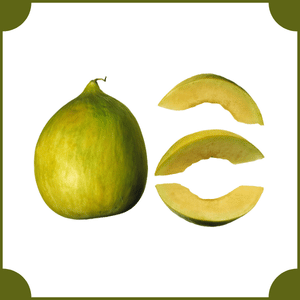
8. Casaba Melon
Casaba melon typically has a wrinkled yellow rind and pale flesh. Unlike strongly aromatic cantaloupes, it usually has a milder smell and flavor.
Example: I bought a Casaba melon at the market.
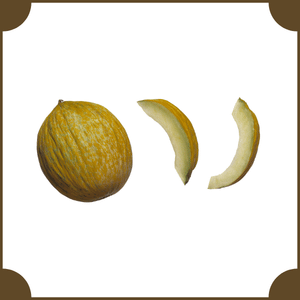
9. Hami Melon
Hami melon is associated with Hami in Xinjiang, China. Different cultivars exist, so its rind and flesh can vary. Many Hami melons have crisp, sweet flesh.
Example: The Hami melon was crisp and juicy.
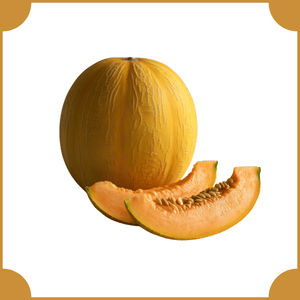
10. Korean Melon
The Korean melon, often called chamoe, is generally small and oval with bright yellow skin and distinctive pale stripes. Its flesh is crisp, light-colored, and mildly sweet.
Example: Korean melon is smaller than many common melons.
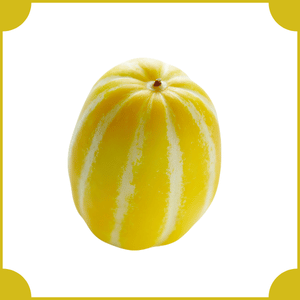
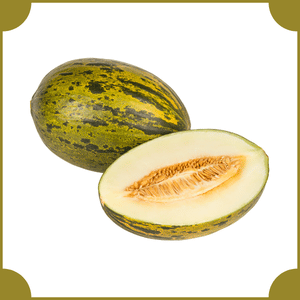
11. Piel de Sapo Melon
Piel de Sapo is a Spanish name meaning “toad skin,” referring to the melon’s mottled green exterior. It has pale flesh with a sweet, refreshing flavor. It is closely associated with the Santa Claus melon category.
Example: The Piel de Sapo melon has green patterned skin.
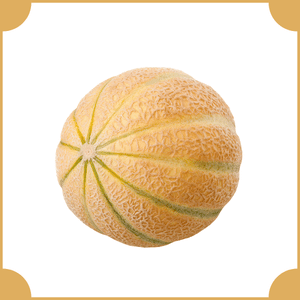
12. Charentais Melon
Charentais melon is a small, aromatic type of Cucumis melo traditionally associated with France. It commonly has smooth or lightly segmented gray-green skin and orange flesh.
Example: The Charentais melon has a strong, sweet aroma.
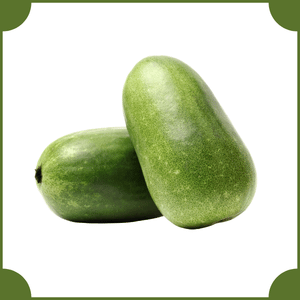
13. Winter Melon
Winter melon is an important exception. Despite having melon in its English name and belonging to the gourd family, it is generally cooked and eaten as a vegetable, rather than eaten as a sweet dessert fruit.
Example: Winter melon is often cooked in soups.
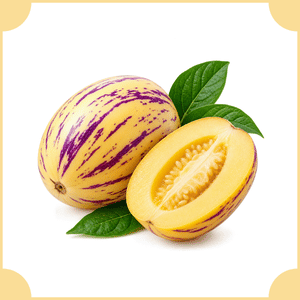
14. Sprite Melon
Sprite melon is a small melon with pale skin and white flesh. It is known for its crisp texture and high sweetness when ripe.
Example: The Sprite melon was small but very sweet.
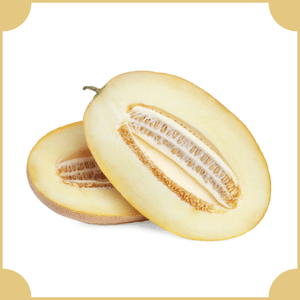
15. Bailan Melon
Bailan melon is a sweet melon associated particularly with Lanzhou in China. It generally has pale skin and light-colored flesh and is valued for its juicy, sweet taste.
Example: We tasted Bailan melon after lunch.
Common Types of Melons by Category
Melons can be grouped in several ways. Everyday categories are usually based on appearance, flavor, texture, season, or culinary use rather than strict botanical classification.
Sweet Dessert Melons
These melons are commonly eaten fresh because of their sweet flesh:
- Cantaloupe
- Honeydew
- Galia melon
- Canary melon
- Charentais melon
- Crenshaw melon
- Hami melon
- Sprite melon
- Korean melon
Watermelons
Watermelons belong to the species Citrullus lanatus, making them botanically different from cantaloupes and honeydews.
Common variations include:
- Red watermelon
- Yellow watermelon
- Orange watermelon
- Seeded watermelon
- Seedless watermelon
- Mini watermelon
The terms seeded and seedless describe characteristics rather than separate botanical species.
Muskmelons
The word muskmelon is broadly associated with Cucumis melo. This species includes numerous cultivated groups and varieties.
Familiar examples include:
- Cantaloupe
- Honeydew
- Galia
- Charentais
- Hami
- Casaba
- Canary melon
Therefore, muskmelon is not simply another name for cantaloupe in every context. Cantaloupe is one type within the much broader Cucumis melo species.
Melons Commonly Called Winter Melons
The terminology can be confusing. Winter melon usually refers to Benincasa hispida, a large gourd commonly cooked as a vegetable.
However, some sweet Cucumis melo varieties have historically been grouped as winter melons because they store well. Casaba and certain other late-season melons may appear in this broader horticultural category.
Melon Names for Kids and Beginners
Here are some useful melon words that are easy to learn:
| English Word | Simple Meaning |
|---|---|
| Melon | A fleshy fruit, usually with many seeds |
| Rind | The thick outside covering |
| Flesh | The soft or juicy part inside |
| Seed | The part from which a new plant can grow |
| Sweet | Having a sugary taste |
| Juicy | Containing a lot of juice |
| Ripe | Ready to eat |
| Unripe | Not fully developed or ready to eat |
| Slice | A thin, flat piece of food |
| Cube | A small block-shaped piece |
| Seedless | Having no mature hard seeds |
| Aroma | A noticeable, usually pleasant smell |
Main Parts of a Melon
Learning the parts of a melon can improve both food and plant vocabulary.
Rind
The rind is the outer covering of a melon. Depending on the variety, it can be smooth, rough, netted, striped, wrinkled, or mottled.
Flesh
The flesh is the edible inside portion. Melon flesh can be red, pink, orange, yellow, green, or nearly white.
Seeds
Many melons contain numerous seeds. In several Cucumis melo fruits, the seeds are concentrated in a central cavity. Watermelon seeds are distributed differently through the flesh, although modern seedless watermelons contain only small, soft, undeveloped seed structures.
Seed Cavity
Cantaloupes, honeydews, and many related melons have a hollow central area containing seeds and fibrous material. This part is usually scooped out before the melon is served.
Melons by Flesh Color
Color is another easy way for beginners to recognize and describe melons.
Red and Pink Flesh
The best-known example is watermelon. Red and pink colors are common in many watermelon cultivars.
Orange Flesh
Examples include:
- Cantaloupe
- Charentais melon
- Crenshaw melon
Green Flesh
Examples can include:
- Honeydew
- Galia melon
- Some Hami melons
White or Pale Flesh
Examples include:
- Korean melon
- Canary melon
- Piel de Sapo
- Winter melon
- Some Hami melons
Colors can vary between cultivars, so flesh color should not always be used as the only method of identifying a melon.
Differences Between Popular Melons
Cantaloupe vs. Honeydew
Cantaloupe commonly has orange flesh and netted skin, while honeydew usually has pale green flesh and smoother skin.
Cantaloupe also tends to have a stronger aroma, whereas honeydew often has a milder flavor.
Cantaloupe vs. Watermelon
Cantaloupe and watermelon are both members of the gourd family, but they belong to different genera.
Cantaloupe belongs to Cucumis, while watermelon belongs to Citrullus. Watermelon also generally contains much more freely distributed juice and has a different internal seed arrangement.
Honeydew vs. Galia Melon
Honeydew typically has smooth skin and pale green flesh. Galia melon generally has netted skin, green flesh, and a more noticeable aroma.
Piel de Sapo vs. Honeydew
Both can have pale flesh, but Piel de Sapo generally has a distinctive mottled dark-green rind. Honeydew usually has a smoother and more evenly colored exterior.
How Melons Are Used
Most sweet melons can be eaten raw and fresh. They are especially popular during warm weather because of their refreshing texture.
Common uses include:
- Fresh fruit slices
- Fruit salads
- Smoothies
- Chilled drinks
- Desserts
- Fruit skewers
- Breakfast bowls
- Sorbets
- Cold soups
Some melon-like gourds, particularly winter melon, are used differently. They are commonly cooked in soups, stews, and savory dishes.
How to Describe a Melon in English
ESL learners can describe melons by talking about their color, size, shape, texture, smell, and taste.
Useful descriptive words include:
- Sweet
- Juicy
- Fresh
- Ripe
- Soft
- Firm
- Crisp
- Round
- Oval
- Fragrant
- Smooth
- Netted
- Striped
For example:
- The watermelon is large and juicy.
- This cantaloupe smells sweet and fragrant.
- The honeydew has smooth skin.
- The Korean melon is small, yellow, and crisp.
- This melon is not ripe yet.
Useful English Sentences About Melons
These simple sentences can help beginners use melon vocabulary in everyday English:
- I like eating watermelon in summer.
- She bought a ripe cantaloupe.
- Please cut the melon into slices.
- This honeydew tastes sweet.
- The melon has a thick rind.
- Remove the seeds before serving it.
- This melon has pale green flesh.
- Which type of melon do you like?
- Is this melon ripe?
- We added melon cubes to the fruit salad.
How to Choose a Ripe Melon
Ripeness signs depend on the variety, so there is no single test that works for every melon.
For some aromatic melons, a pleasant fruity smell can indicate ripeness. Some varieties may feel slightly yielding at the appropriate end when ripe, while others remain relatively firm.
A good melon should generally be free from major cracks, deep cuts, mold, and badly damaged areas.
Watermelons require different selection methods because they do not develop the same strong external aroma as many muskmelons.
How to Store and Serve Melons
Whole melons should be handled according to their variety and stage of ripeness. Some can continue softening after harvest, while others do not significantly improve in sweetness after being picked.
Before cutting a melon, wash the outside rind under clean running water. This helps reduce the chance of transferring dirt or microorganisms from the rind to the edible flesh during cutting.
After cutting, keep melon pieces refrigerated in a clean, covered container and follow appropriate food-safety guidance for storage.
Interesting Facts About Melons
- Melons belong to the Cucurbitaceae, or gourd, family.
- Watermelon and cantaloupe are related but belong to different genera.
- Cucumis melo includes an exceptionally diverse range of cultivated melons.
- Watermelon flesh is not always red; some varieties have yellow or orange flesh.
- Melon rinds can be smooth, netted, wrinkled, striped, or mottled.
- The name Piel de Sapo literally refers to the fruit’s toad-skin-like appearance.
- Korean melon is widely known as chamoe in Korea.
- Winter melon is normally treated as a vegetable in cooking despite its English name.
- Different melon cultivars vary greatly in size, sweetness, aroma, texture, and storage life.
Frequently Asked Questions About Types of Melons
What are the most common types of melons?
Some of the best-known types are watermelon, cantaloupe, honeydew, Galia melon, Canary melon, Hami melon, Korean melon, and Piel de Sapo.
Are watermelon and melon the same thing?
Watermelon is a type of fruit commonly grouped with melons, but botanically it belongs to the genus Citrullus. Many familiar sweet melons, including cantaloupe and honeydew, belong to Cucumis melo.
Is cantaloupe a muskmelon?
Yes. Cantaloupe is part of the broad group of melons belonging to the species Cucumis melo, commonly called muskmelons.
What is a green-fleshed melon called?
Honeydew and Galia are two familiar examples of melons that commonly have green flesh. Some other cultivars can also have greenish flesh.
Which melon has orange flesh?
Cantaloupe and Charentais melon commonly have orange flesh. Crenshaw melons can also have peach-colored or orange flesh.
Is winter melon a sweet fruit?
Not in the usual culinary sense. Winter melon has mild flesh and is generally cooked as a vegetable in savory dishes.
What is the yellow melon with white stripes?
The Korean melon, or chamoe, commonly has bright yellow skin with pale or white longitudinal stripes.
Can melon names vary between countries?
Yes. Common names such as cantaloupe can be used somewhat differently between regions. Botanical names and cultivar information provide greater precision when exact identification is important.
Conclusion
Learning the types of melons helps English learners recognize useful fruit names and describe foods more confidently. Watermelon, cantaloupe, honeydew, Galia, Canary, Hami, Korean, Charentais, and Piel de Sapo are just some of the many melons found around the world.
Learners can also use words such as rind, flesh, seed, ripe, juicy, sweet, crisp, smooth, and fragrant to describe them. Remember that everyday melon categories do not always match scientific classification. Understanding both the common names and their basic differences makes melon vocabulary more accurate and useful in shopping, cooking, reading, and everyday English conversations.
Types of Melons with Names and Pictures
Learn more helpful articles