

Red flowers are among the most eye-catching blooms, bringing beauty, warmth, and bold color to gardens, bouquets, and landscapes. From classic roses to vibrant poppies and hibiscus, these flowers are loved for their rich shades and unique charm. In this article of Types of Red Flowers, you’ll learn popular red flower names, interesting facts, growing details, bloom times, and simple care tips to help you choose the right plants for your garden or home. Whether you’re a gardening beginner or a flower enthusiast, this article will help you explore the beauty and variety of stunning red flowers with confidence.
5 Foolproof Red Flowers That Practically Grow Themselves
1. Zinnia (Zinnia elegans)
Zinnias are one of the easiest red flowers for beginners. They germinate quickly, tolerate intense summer heat, and produce sturdy stems ideal for cutting gardens. Plant them in full sun and well-drained soil for nonstop blooms from mid-summer until frost.
Why it’s easy: Drought-tolerant, pest-resistant, and low maintenance once established.
Pro Tip: Sow seeds directly outdoors after the last frost for best results.
2. Geranium (Pelargonium spp.)
Red geraniums are reliable performers in pots, beds, and balconies. Their velvety leaves and bold flower clusters provide long-lasting color, even during dry spells. They thrive in moderate to full sun with minimal care.
Why it’s easy: Forgiving if you miss watering and blooms continuously with simple deadheading.
Best for: Windowsills, hanging baskets, and small patios.
3. Petunia (Petunia hybrida)
Petunias deliver months of bright, trumpet-shaped red blooms. Available in trailing and compact forms, they’re perfect for containers, borders, or ground cover. Full sun and regular watering keep them flowering heavily.
Why it’s easy: Adaptable to most soils and excellent for filling empty garden spaces.
4. Marigold (Tagetes patula ‘Red’)
Red marigolds are compact, heat-tolerant annuals that thrive in full sun. Their strong scent helps deter pests like aphids and whiteflies, making them useful companion plants in vegetable gardens.
Why it’s easy: Nearly indestructible and thrives in average, well-drained soil.
Best for: Garden edging and protective companion planting.
5. Nasturtium (Tropaeolum majus)
Nasturtiums are fast-growing, edible red flowers that spill beautifully from containers or spread as ground cover. They grow best in poor soil and require little attention once established.
Why it’s easy: No fertilizer needed. They actually perform better in low-nutrient soil.
Note: Excellent for suppressing weeds naturally.
7 Red Flowers That Provide Year-Round Color
Year-round blooming depends on climate. In Zones 10+, many bloom continuously. In colder areas, grow them indoors or treat as seasonal plants.
- Hibiscus (Hibiscus rosa-sinensis) – A tropical sun-lover that produces large red blooms repeatedly in warm, frost-free climates or bright indoor spaces.
- Ixora (Ixora coccinea) – An evergreen shrub with dense clusters of fiery red flowers that bloom consistently in warm, tropical gardens.
- Anthurium (Anthurium andraeanum) – A glossy indoor plant with long-lasting, heart-shaped red spathes that thrive in indirect light and high humidity.
- Geranium (Pelargonium spp.) – A reliable bloomer in mild climates, producing near year-round red clusters with regular deadheading.
- Wax Begonia (Begonia semperflorens) – A compact, shade-tolerant plant that delivers steady red color in humid or partially shaded areas.
- Poinsettia (Euphorbia pulcherrima) – A tropical shrub known for its vivid red bracts that stay vibrant for months in warm conditions.
- Lipstick Plant (Aeschynanthus radicans) – A trailing indoor vine that produces bright red tubular flowers in warm, humid environments with filtered light.
List of Red Flowers and Their Growing Zones
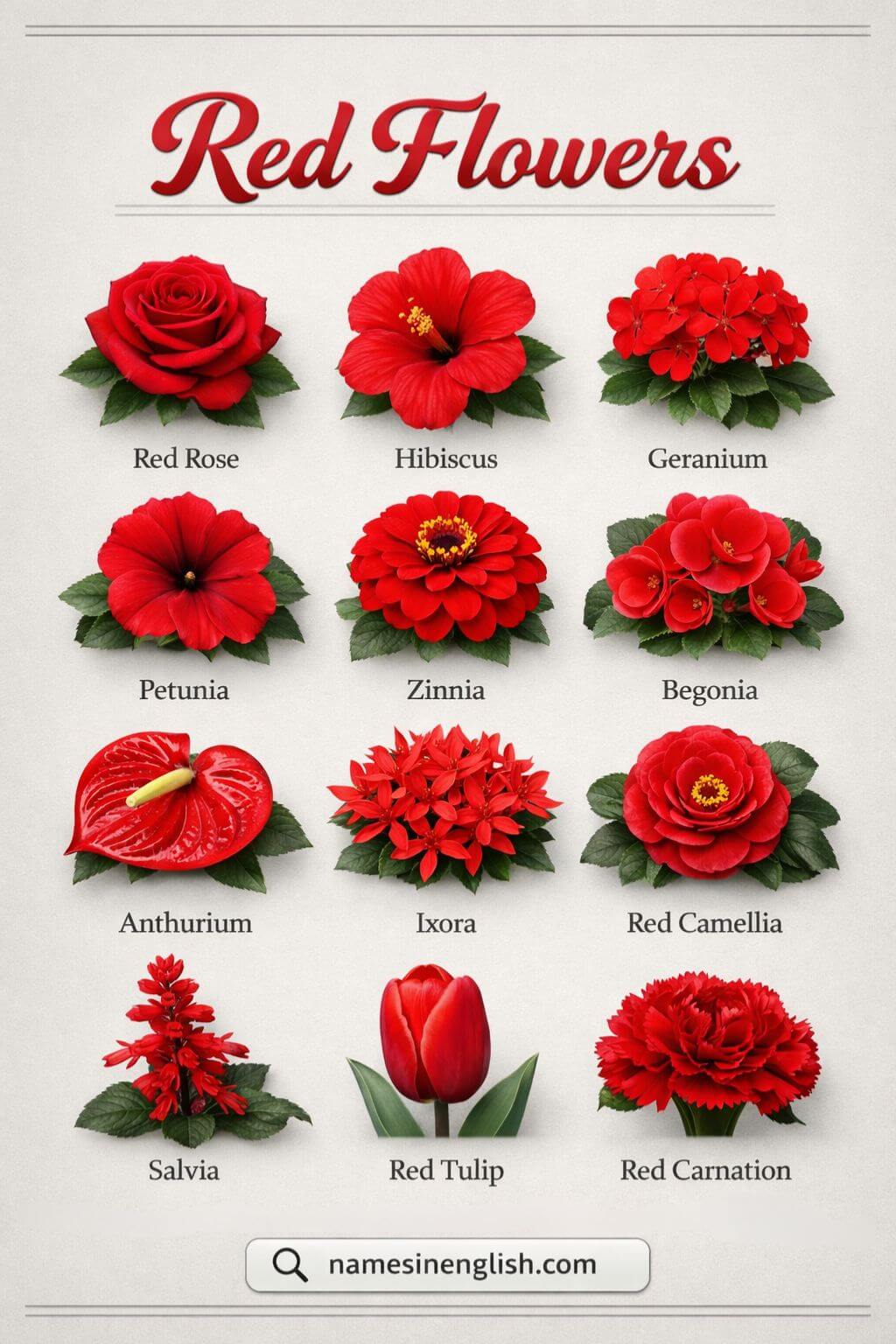
| Flower Name | Scientific Name | USDA Hardiness Zones |
|---|---|---|
| Red Rose | Rosa spp. | 4–9 |
| Hibiscus | Hibiscus rosa-sinensis | 9–11 |
| Geranium | Pelargonium spp. | 9–12 |
| Petunia | Petunia hybrida | 9–11 |
| Zinnia | Zinnia elegans | 2–11 |
| Begonia | Begonia semperflorens | 10–11 |
| Anthurium | Anthurium andraeanum | 10–12 |
| Ixora | Ixora coccinea | 9–11 |
| Red Camellia | Camellia japonica | 7–9 |
| Salvia / Scarlet Sage | Salvia splendens | 8–10 |
| Red Tulip | Tulipa gesneriana | 3–8 |
| Red Carnation | Dianthus caryophyllus | 5–9 |
| Red Poppy | Papaver rhoeas | 3–9 |
| Gerbera Daisy | Gerbera jamesonii | 8–11 |
| Red Marigold | Tagetes patula ‘Red’ | 2–11 (annual) |
| Canna Lily | Canna indica | 8–11 |
| Red Verbena | Verbena hybrida | 8–11 |
| Poinsettia | Euphorbia pulcherrima | 9–11 |
| Red Cosmos | Cosmos bipinnatus ‘Sonata Red’ | 2–11 (annual) |
| Nasturtium | Tropaeolum majus | 9–11 |
| Amaryllis | Amaryllis spp. | 8–11 |
| Red Dahlia | Dahlia spp. | 8–10 |
| Red Spider Lily | Lycoris radiata | 6–10 |
| Bottlebrush | Callistemon spp. | 8–11 |
| Protea | Protea cynaroides | 9–11 |
| Red Torch Ginger | Etlingera elatior | 10–11 |
| Bromeliad (Red) | Guzmania spp. | 10–12 |
| Lipstick Plant | Aeschynanthus radicans | 10–11 |
| Red Orchid | Orchidaceae (red varieties) | 10–12 |
| Peony | Paeonia spp. | 3–8 |
Types of Red Flowers with Names, Facts & Growing Details
These red flowers bring bold beauty and warmth to any garden. Whether you’re decorating your balcony, courtyard, or a large outdoor landscape, these red blooms can add instant charm. They attract pollinators like butterflies and hummingbirds while symbolizing love, energy, and passion. Below are some of the most stunning red flowers, along with growing tips and unique facts to help you choose the right ones for your garden. Lets begin :
Red Rose – The Timeless Symbol of Love
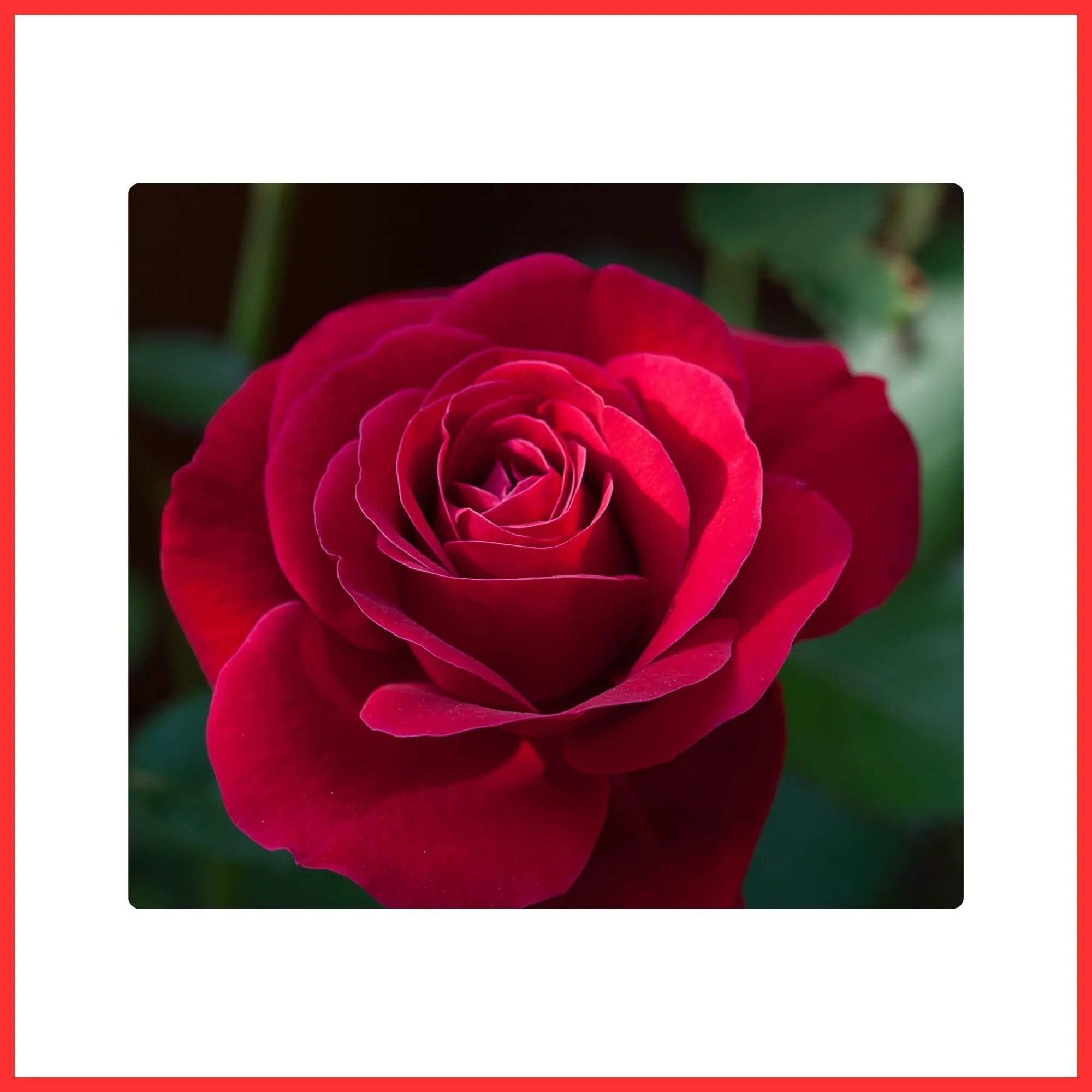
Red Rose (Rosa spp.) is instantly recognizable for its deep red petals and classic beauty. Native to Asia and Europe, it thrives in full sun and well-drained soil. Roses bloom repeatedly from spring to autumn and are perfect for gardens, bouquets, or skincare uses. Fragrant and versatile, they symbolize love, passion, and devotion.
- USDA Hardiness Zone: 4–9
- Sun: Full sun
- Soil: Rich, well-drained
Symbolism: Love, romance, and passion
The Amazing History of Red Roses
- Cleopatra’s Romantic Gesture: Cleopatra reportedly scattered rose petals across her palace floors to impress Mark Antony, making the flower a symbol of luxury and romance.
- England’s Iconic Symbol: During the 15th century Wars of the Roses, the red rose represented the House of Lancaster. Today, it remains a national emblem.
- Persian Traditions: Ancient Persians distilled rose water for perfumes, medicine, and rituals, seeing roses as sacred and symbolic of balance.
- Global Love Story: From weddings in Europe to love festivals in Asia, the red rose has been a universal symbol of affection for centuries.
Science Facts About Rose That Will Surprise You
- Over 300 wild species and more than 30,000 cultivated varieties exist, bred for color, fragrance, and resilience.
- Roses belong to the Rosaceae family, which also includes apples, cherries, and strawberries. Rose hips are edible and rich in Vitamin C.
- The world’s oldest living rose bush is over 1,000 years old, blooming each year in Hildesheim, Germany.
- Wild single-petal roses attract more pollinators than layered hybrids, making them important for gardens and ecosystems.
- Petal count ranges from 5 in wild species to over 100 in hybrids. Modern roses are bred for repeated flowering and disease resistance.
Buying Red Roses: Tips for a Blooming Success
- Bare-Root Roses: Affordable and strong. Plant in early spring when soil thaws for best growth.
- Container Roses: Flexible planting year-round in frost-free areas. Easy to move for sunlight or protection.
- Check the Graft Union: Firm and healthy graft union ensures strong growth and vibrant blooms.
- Garden Tips: Water deeply, mulch to retain moisture, and remove spent blooms to encourage more flowers.
- Choosing the Right Variety: For fragrance, try Damask or Bourbon roses. For multiple blooms, Hybrid Tea or Floribunda varieties work best.
Hibiscus

Hibiscus (Hibiscus rosa-sinensis) dazzles with large, silky red blooms. Native to Asia, it thrives in warm, humid climates with full sun. Blooms attract butterflies and hummingbirds, and flowers are used in teas and hair care. Hibiscus adds an exotic, tropical touch to gardens or backyards.
- USDA Hardiness Zone: 9–11
- Sun: Full sun
- Soil: Moist, well-drained
Symbolism: Beauty, delicate charm, and fleeting love
Facts About Hibiscus You’ll Love
- Hibiscus blooms are short-lived, often lasting only a day, but the plant produces flowers continuously through the season.
- The flowers are rich in antioxidants and vitamin C, making hibiscus tea a popular health drink worldwide.
- Hummingbirds, bees, and butterflies are naturally attracted to hibiscus flowers, supporting local pollination.
- The plant can grow as a shrub or small tree, reaching up to 4–6 meters in ideal conditions.
- Hibiscus leaves and flowers contain bioactive compounds used in traditional medicine for digestion and blood pressure regulation.
Geranium

Geranium (Pelargonium spp.) is cheerful and resilient, perfect for windowsills, balconies, or garden borders. Native to South Africa, it thrives in moderate sun and well-drained soil, blooming almost year-round. Velvety leaves add charm, and red blossoms symbolize comfort, friendship, and determination.
- USDA Hardiness Zone: 9–12 (as perennials)
- Sun: Full to partial sun
- Soil: Well-drained
Symbolism: Comfort, friendship, and determination
Fragrant Leaves, Hidden Powers
Rubbing a leaf releases a subtle citrusy scent. Beyond fragrance, geranium leaves are used in essential oils for skincare and natural remedies. This is one flower where even the foliage matters.
Petunia
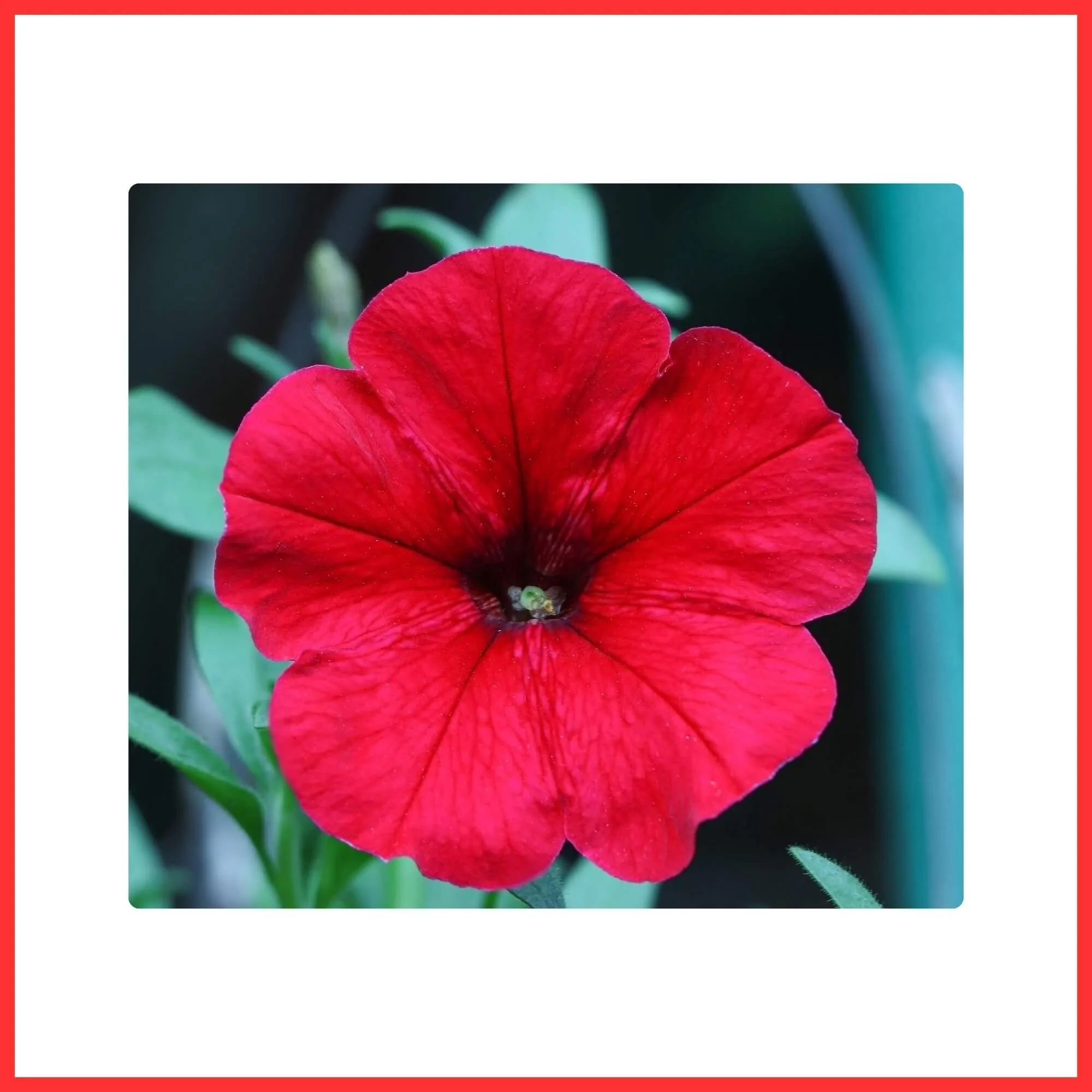
Petunia (Petunia hybrida) features trumpet-shaped red blooms that thrive in warm, sunny spots. Native to South America, it grows easily from seed and flowers continuously from spring to autumn. Trailing or bushy, petunias attract pollinators and brighten balconies or garden beds.
- USDA Hardiness Zone: 9–11
- Sun: Full sun
- Soil: Well-drained
Symbolism: Anger, resilience, and comfort
A Garden That Works Hard
- Continuous blooms from late spring to autumn.
- Easy to grow from seed, perfect for beginner gardeners.
- Attracts pollinators, helping nearby plants thrive.
Zinnia
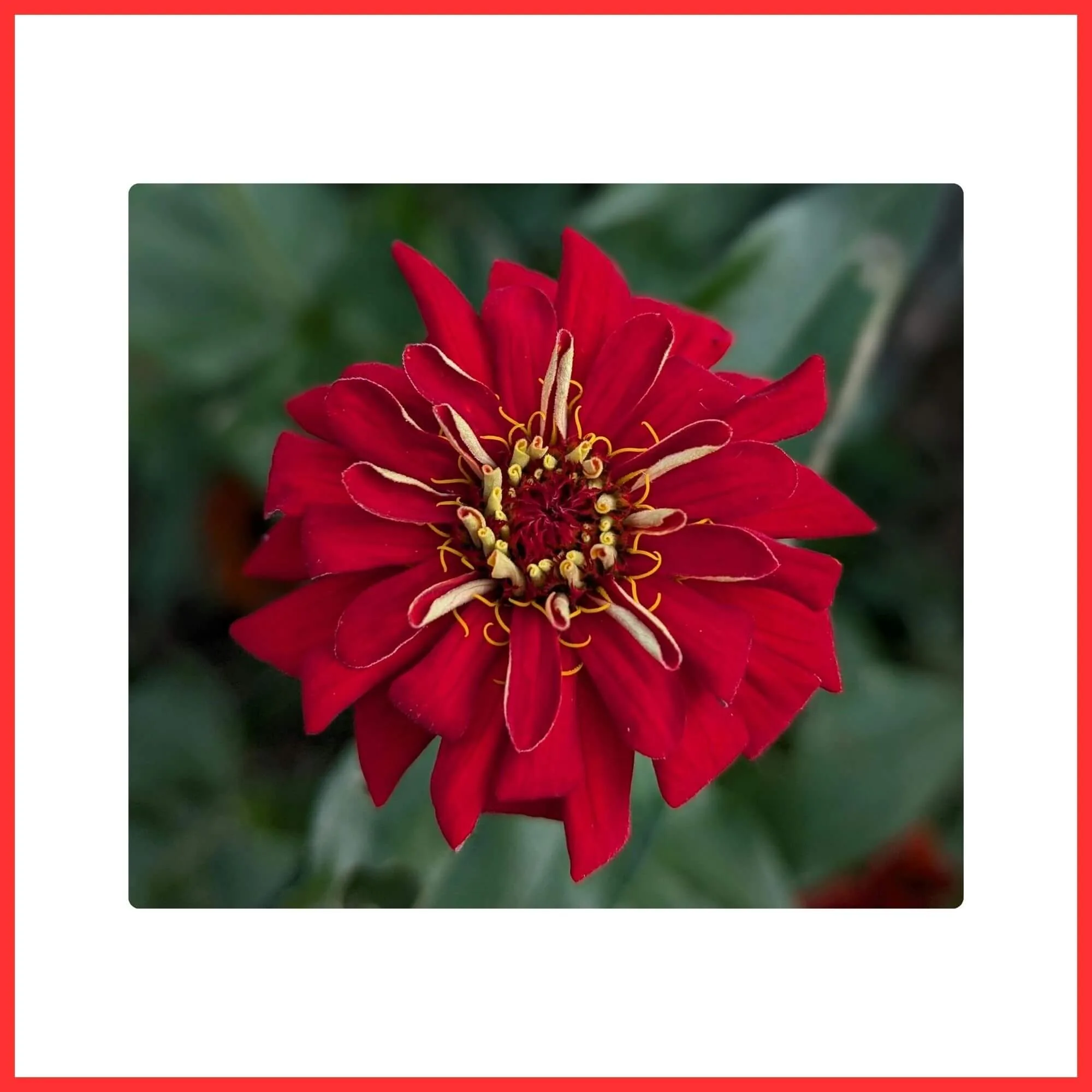
Zinnia (Zinnia elegans) brings bright, bold red blooms to summer gardens. Native to Mexico and Central America, it thrives in full sun and fertile soil. Long-lasting flowers attract butterflies and hummingbirds and are perfect for cut arrangements. Zinnias symbolize endurance, loyalty, and lasting friendship.
- USDA Hardiness Zone: 2–11 (annual)
- Sun: Full sun
- Soil: Fertile, well-drained
Symbolism: Enduring love, loyalty, and remembrance
A Pollinator Paradise
- Attracts butterflies, bees, and hummingbirds naturally.
- Creates a lively, buzzing garden without extra effort.
- A single bed of Zinnias can boost the health of nearby vegetables or herbs.
Begonia
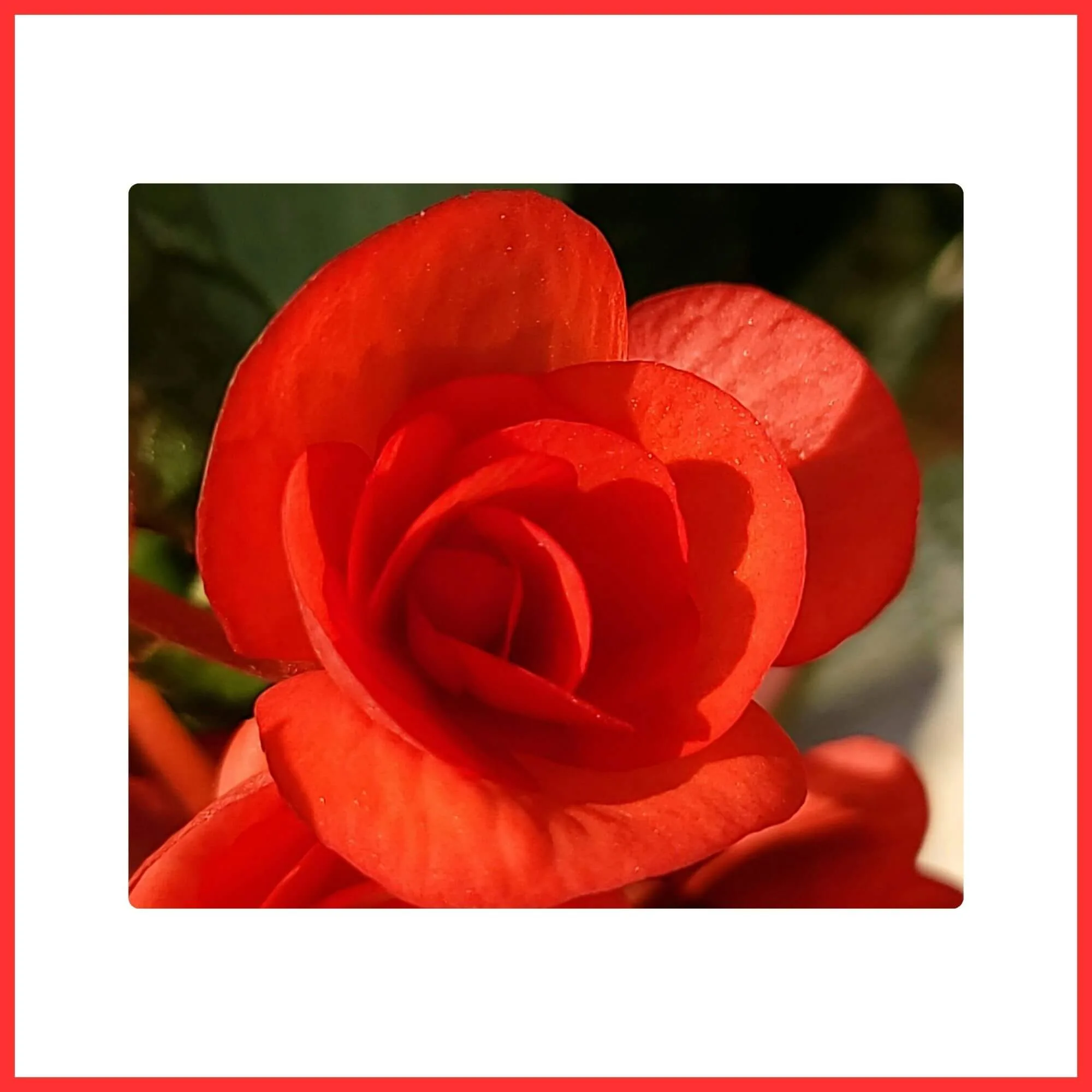
Begonia (Begonia semperflorens) shines in shade or indoors. Its red blooms pop against glossy leaves, thriving in indirect light and high humidity. Compact and low-maintenance, it works well in containers, hanging baskets, or shaded garden corners. Available in red, pink, and white, it symbolizes harmony and mutual love.
- USDA Hardiness Zone: 10–11
- Sun: Partial shade
- Soil: Moist, well-drained
Symbolism: Caution, mutual love, and harmony
Nature’s Little Trick
Begonias can grow from a single leaf. No seeds needed. Just one leaf can produce an entirely new plant, making them practically immortal in a gardener’s hands. Nature’s clone factory at work.
Anthurium
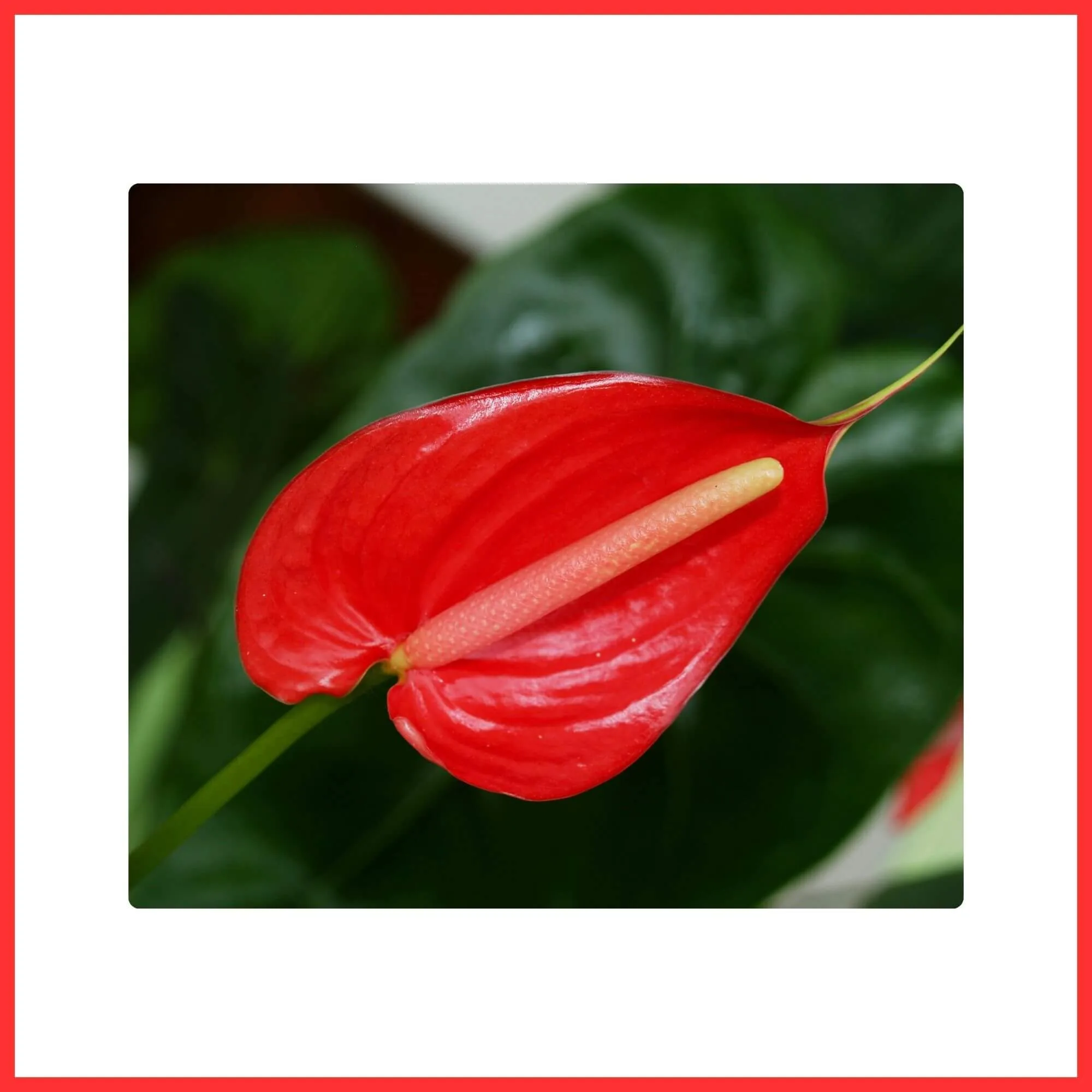
Anthurium (Anthurium andraeanum), also called the Flamingo Flower, dazzles with glossy, heart-shaped red blooms and a striking yellow spadix. Native to Central and South America, it thrives in warm, humid spots with filtered light. Anthuriums bloom year-round and are perfect for indoor décor, flower arrangements, and adding a tropical pop to any room. They prefer consistently moist but well-drained soil. This red flower symbolizes hospitality, love, and exotic charm.
- USDA Hardiness Zone: 10–12
- Sun: Indirect or filtered light
- Soil: Light, well-draining
Symbolism: Hospitality, love, and exotic allure
Anthurium’s Cultural & Lifestyle Connection
In parts of Costa Rica, giving an Anthurium is more than a gift. It’s believed to invite warmth, happiness, and positive energy into a home. This flower acts as a living symbol of hospitality and care.
Ixora – The Clustered Red Flowering Shrub

Ixora (Ixora coccinea) is a dense shrub known for its clusters of tiny, fiery-red flowers that bloom throughout the year. Native to South Asia, it’s a beloved red flowering plant for tropical gardens. Ixora loves full sunlight, warm temperatures, and slightly acidic soil. It’s often planted along fences or hedges, forming a natural colorful wall. Besides its ornamental use, Ixora has traditional medicinal value in Ayurveda. Its bright red clusters attract butterflies, while its dark green leaves provide a perfect contrast. With minimal pruning, Ixora grows into a compact, evergreen shrub ideal for gardens, verandas, or containers. The red Ixora flower symbolizes passion and strength, representing endurance in hot climates.
- USDA Hardiness Zone: 9–11
- Sun: Full sun
- Soil: Slightly acidic, well-drained
Symbolism: Devotion, unity, and sacred love
Cultural Significance: Ixora in Traditions and Rituals
In South Asia, Ixora is often used in temple rituals and sacred offerings. Its red blooms are considered a symbol of devotion and divine love. Locals sometimes call it the flame of the garden for how it lights up tropical landscapes with intense red beauty.
Red Camellia
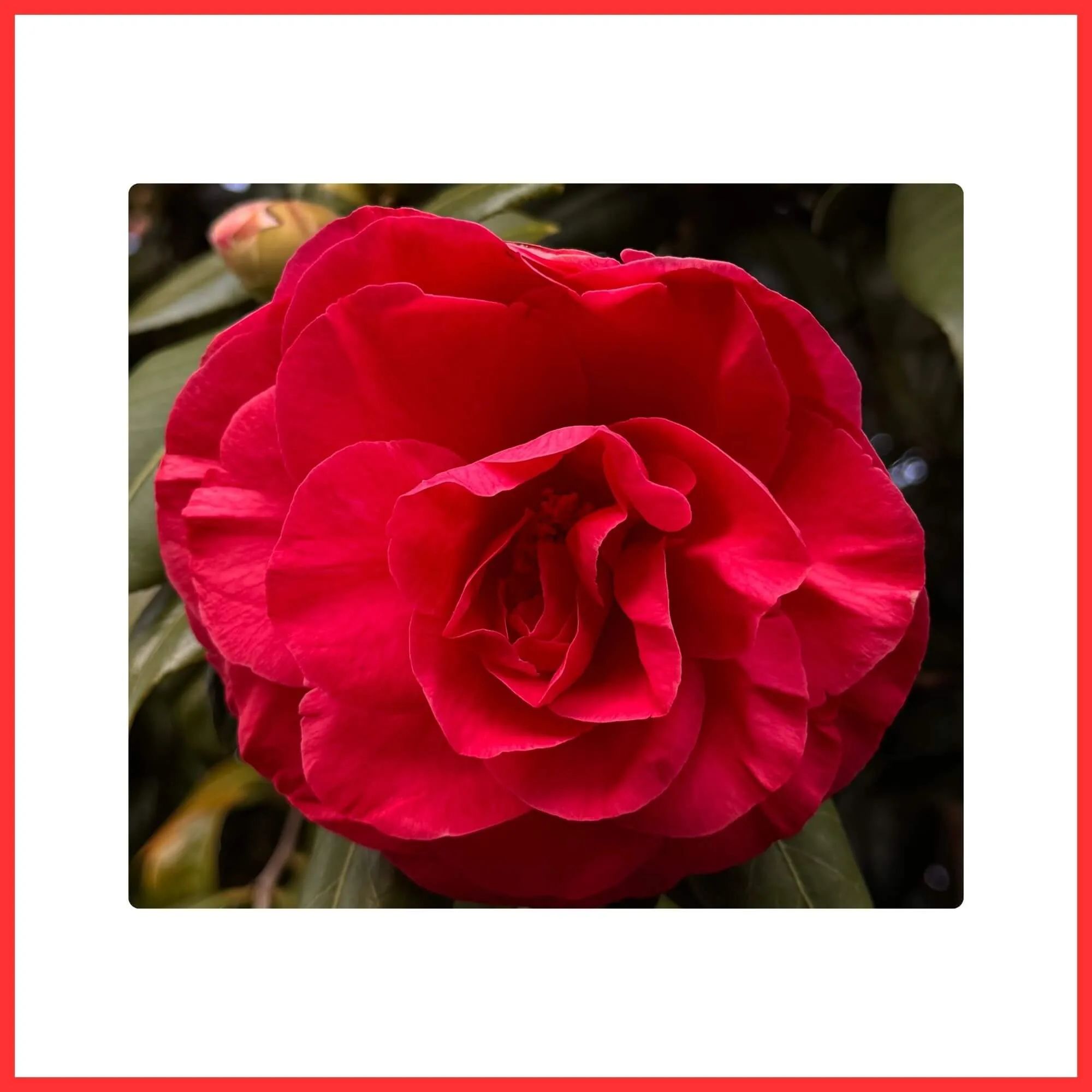
Camellia japonica, or Red Camellia, is a striking red flower native to East Asia that blooms when most other plants are dormant. Its lush, layered petals appear from late winter to spring, standing out against snow or frost. Camellias prefer partial shade and acidic soil, thriving under filtered light. Slow-growing and long-lived, they symbolize passion, admiration, and faithfulness. Their glossy evergreen leaves add year-round elegance to any shaded garden.
- USDA Hardiness Zone: 7–9
- Sun: Partial shade
- Soil: Acidic, well-drained
Symbolism: Desire, admiration, and excellence
Red Camellia Highlights
- Red Camellia Oil: Some rare cultivars produce seeds for luxurious oil used in skincare and cooking, nearly exclusive outside Japan.
- Natural Cold Protection: Petals contain antifreeze-like compounds (camellia saponins), allowing them to survive late frost.
- Eternal Beauty in History: In Japanese art and literature, the Red Camellia represents fleeting life and immortalized beauty simultaneously.
Salvia
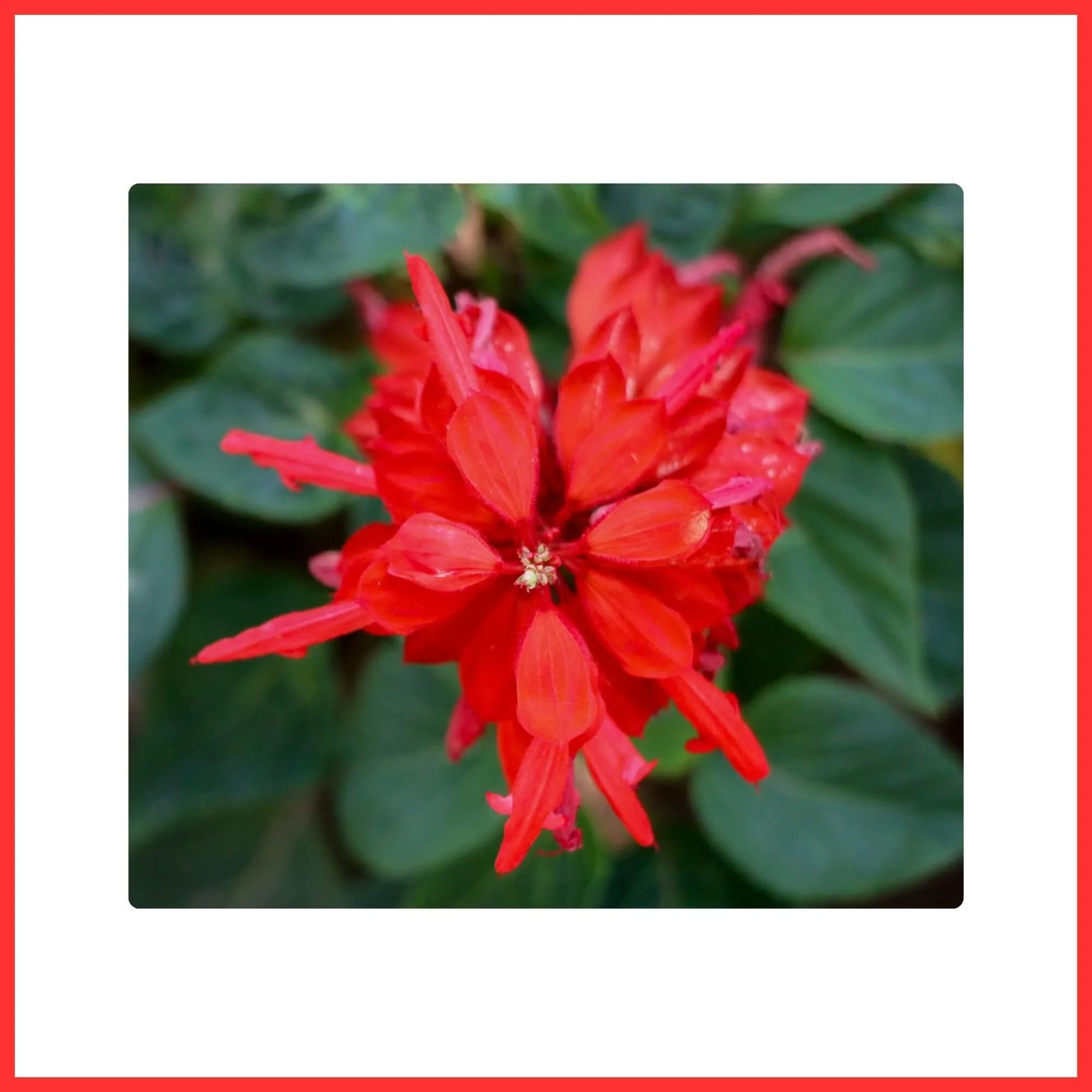
Salvia splendens, or Scarlet Sage, is a vivid red flower native to Brazil. Its upright spikes bring instant color to gardens, attracting hummingbirds, bees, and other pollinators. Thriving in full sun and well-drained soil, it blooms from summer to frost. Scarlet Sage symbolizes passion, energy, and creativity, making it a lively addition to any outdoor space.
- USDA Hardiness Zone: 8–10
- Sun: Full sun
- Soil: Well-drained
Symbolism: Energy, wisdom, and everlasting life
Scarlet Sage Fun Facts
- Pollinator Trick: Some flowers temporarily “trap” insect legs so pollen sticks. Nature’s high-five strategy for reproduction.
- Brazilian Folk Medicine: Locals historically used leaves in teas for digestion and minor inflammation.
- Rare Mutation Variants: Occasionally, streaked scarlet-and-white blooms appear, called “Painter’s Salvia,” highly prized by collectors.
Red Tulip
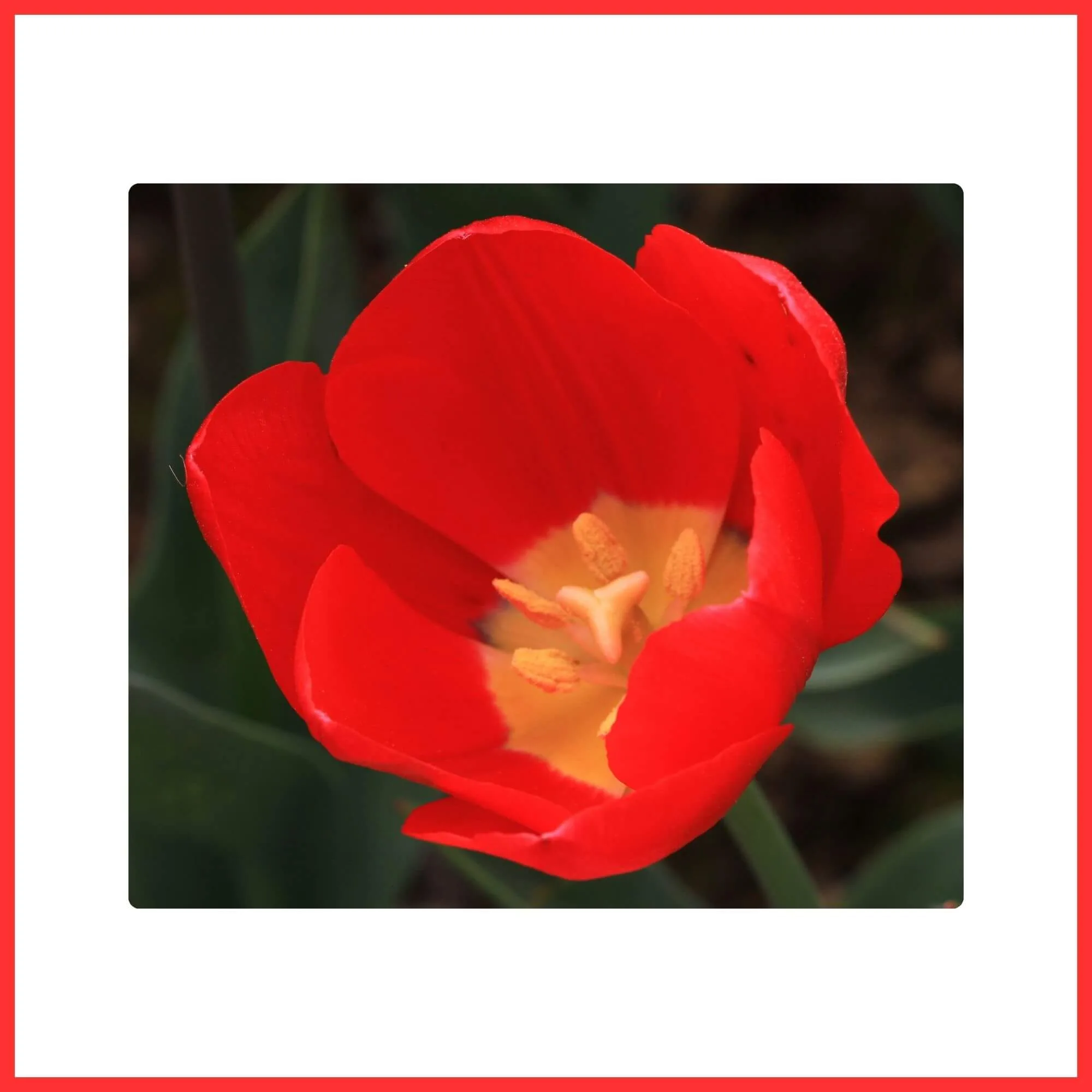
The Red Tulip (Tulipa gesneriana) is one of the most beloved red flowers, symbolizing perfect love and renewal. Originating from Central Asia and Turkey but famously cultivated in the Netherlands, tulips bloom beautifully in early to mid-spring. Their bold red petals and cup-shaped blossoms bring instant warmth to cool climates. Tulips prefer cool winters and sunny, well-drained beds, making them perfect for spring gardens. They grow from bulbs planted in autumn and return every year if cared for properly. Beyond beauty, red tulips represent passion and promise, often featured in floral gifts and wedding decorations. With hundreds of hybrid varieties, tulips are adaptable for borders, containers, or indoor forcing during winter.
- USDA Hardiness Zone: 3–8
- Sun: Full sun
- Soil: Well-drained, sandy or loamy
Symbolism: Perfect love and deep affection
Red tulips started in Central Asia and Turkey. After reaching Europe, they became a global obsession, influencing trade, culture, and fashion across continents.
Tulips Were Once Worth Their Weight in Gold
- In 17th century Netherlands, Tulip Mania made single red tulip bulbs as expensive as houses.
- Flowers literally shaped markets, causing economic bubbles and chaos, not your average garden story.
Red Carnation
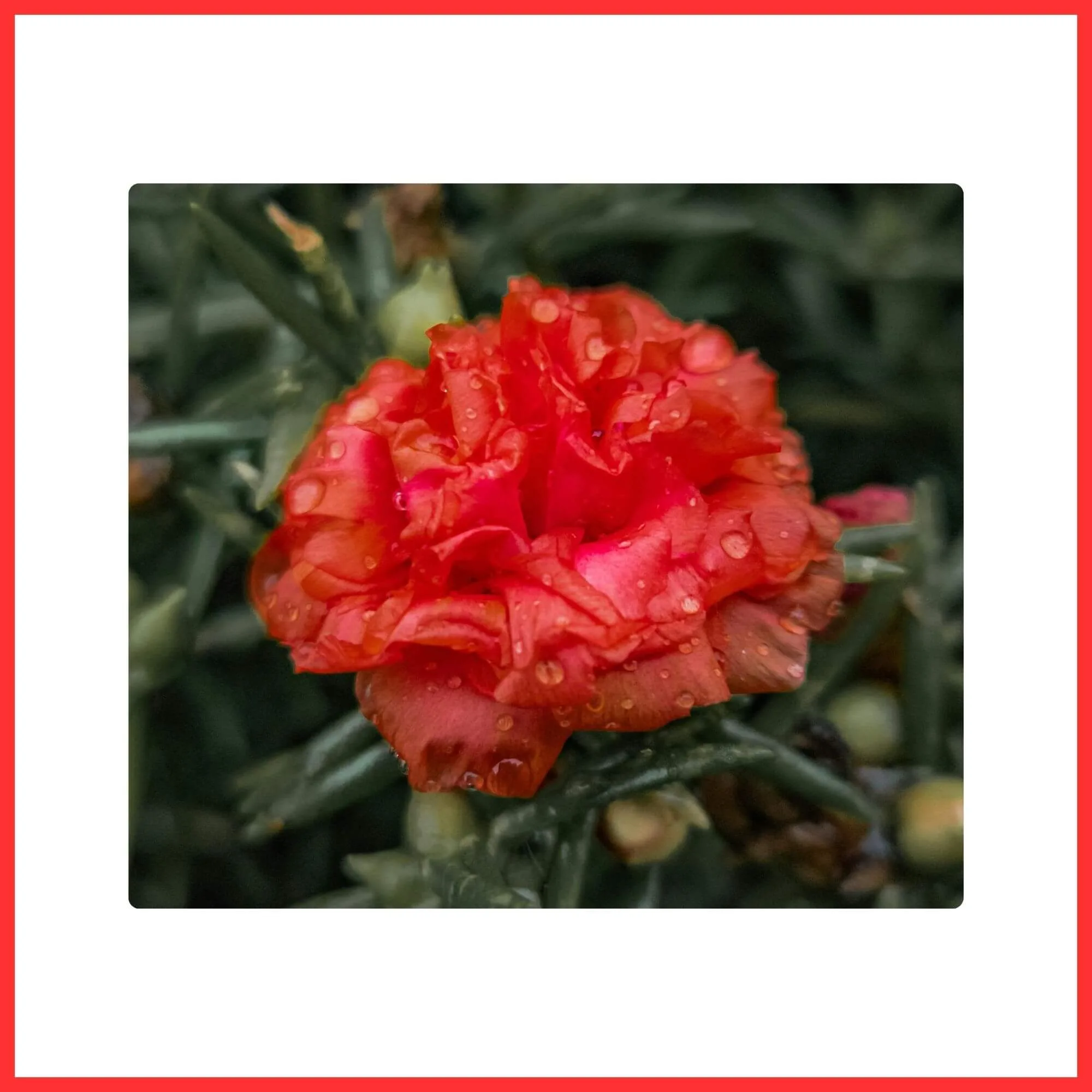
- USDA Hardiness Zone: 5–9
- Sun: Full to partial sun
- Soil: Alkaline, well-drained
Symbolism: Deep love, admiration, and affection
A Flower That Once Stopped Gun
The red carnation wasn’t just romantic. It became a revolutionary symbol. In the 1974 Carnation Revolution in Portugal, citizens placed red carnations in soldiers’ rifles to signal a peaceful uprising. A flower literally replaced bullets.
Red Poppy
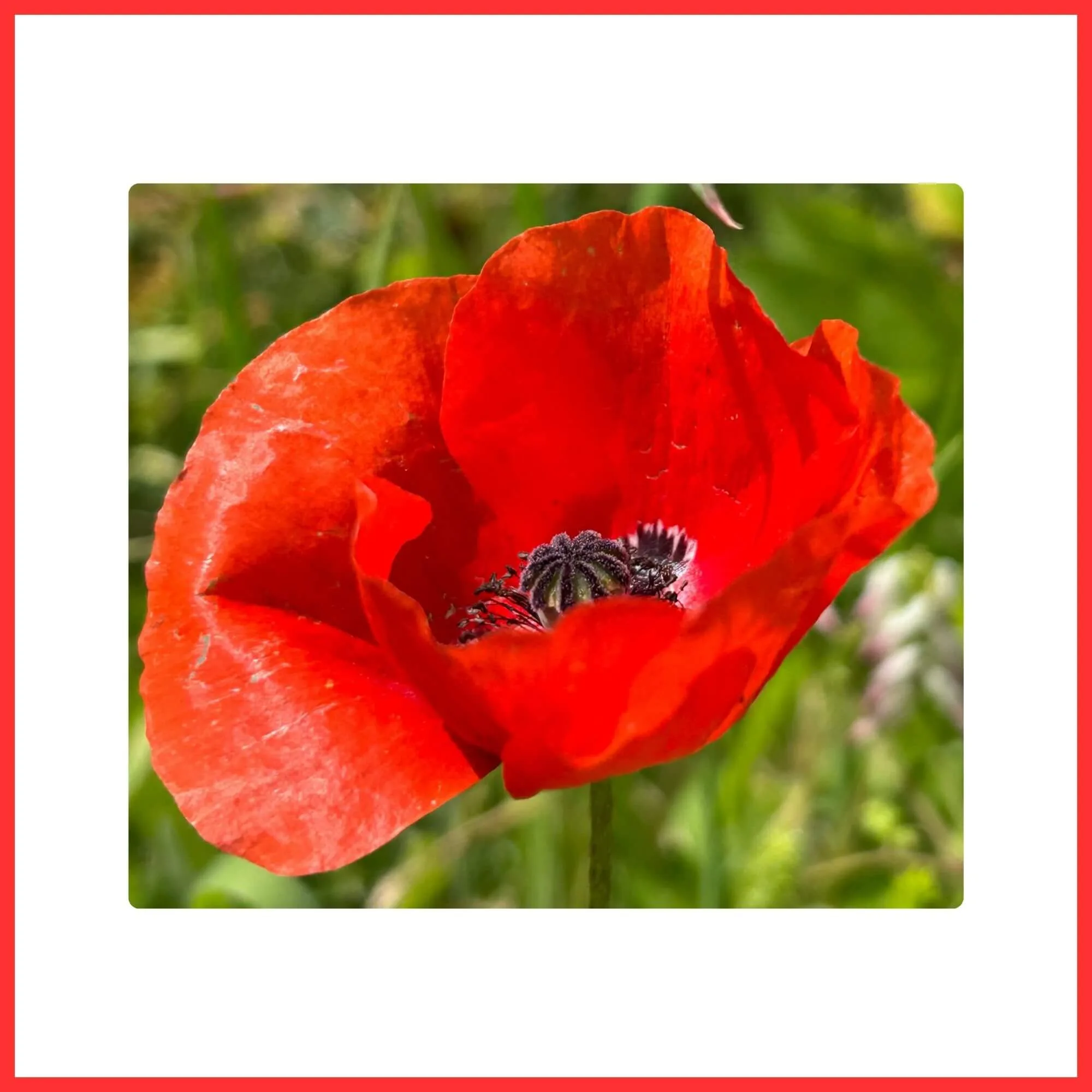
- USDA Hardiness Zone: 3–9
- Sun: Full sun
- Soil: Sandy or loamy, well-drained
Symbolism: Remembrance, peace, and sacrifice
It Thrives in Disturbed Soil – Especially After War
The reason red poppies exploded across European battlefields after World War I wasn’t random. Papaver rhoeas seeds can lie dormant in soil for decades. When the ground is violently disturbed, like by bombs, trenches, or plowing. They suddenly germinate. That means poppies didn’t just symbolize remembrance. They literally rose from destroyed earth. That’s chilling. That’s powerful.
Gerbera Daisy

- USDA Hardiness Zone: 8–11
- Sun: Full to partial sun
- Soil: Loamy, well-drained
Symbolism: Cheerfulness, purity, and innocence
It’s Not Actually a Single Flower
Like sunflowers, a Gerbera bloom is a composite flower made of hundreds of tiny individual florets. What looks like one flower head is actually:
- Outer ray florets (the petals)
- Inner disk florets
So when someone gifts a single Gerbera, they’re technically giving hundreds of tiny flowers arranged as one. That’s a beautiful metaphor.
Marigold (Red Variety)
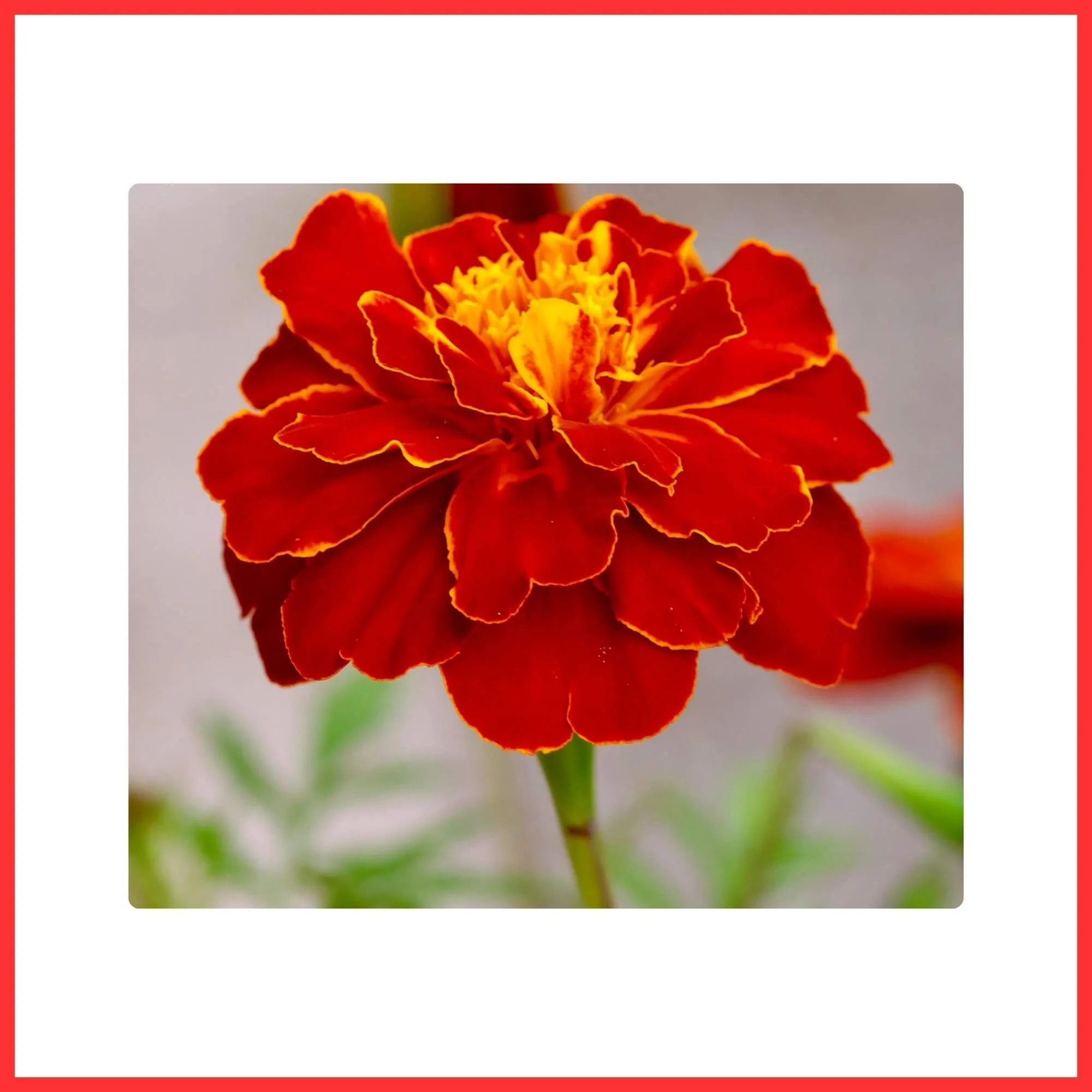
- USDA Hardiness Zone: 2–11 (annual)
- Sun: Full sun
- Soil: Average, well-drained
Symbolism: Creativity, warmth, and passionate remembrance
The Insect-Repelling Reputation Is Half-Myth, Half-Science
Marigolds don’t magically repel all insects in the air.
What they actually do:
- Repel certain root pests underground
- Confuse insects with strong volatile oils
- Attract beneficial predatory insects
Canna Lily
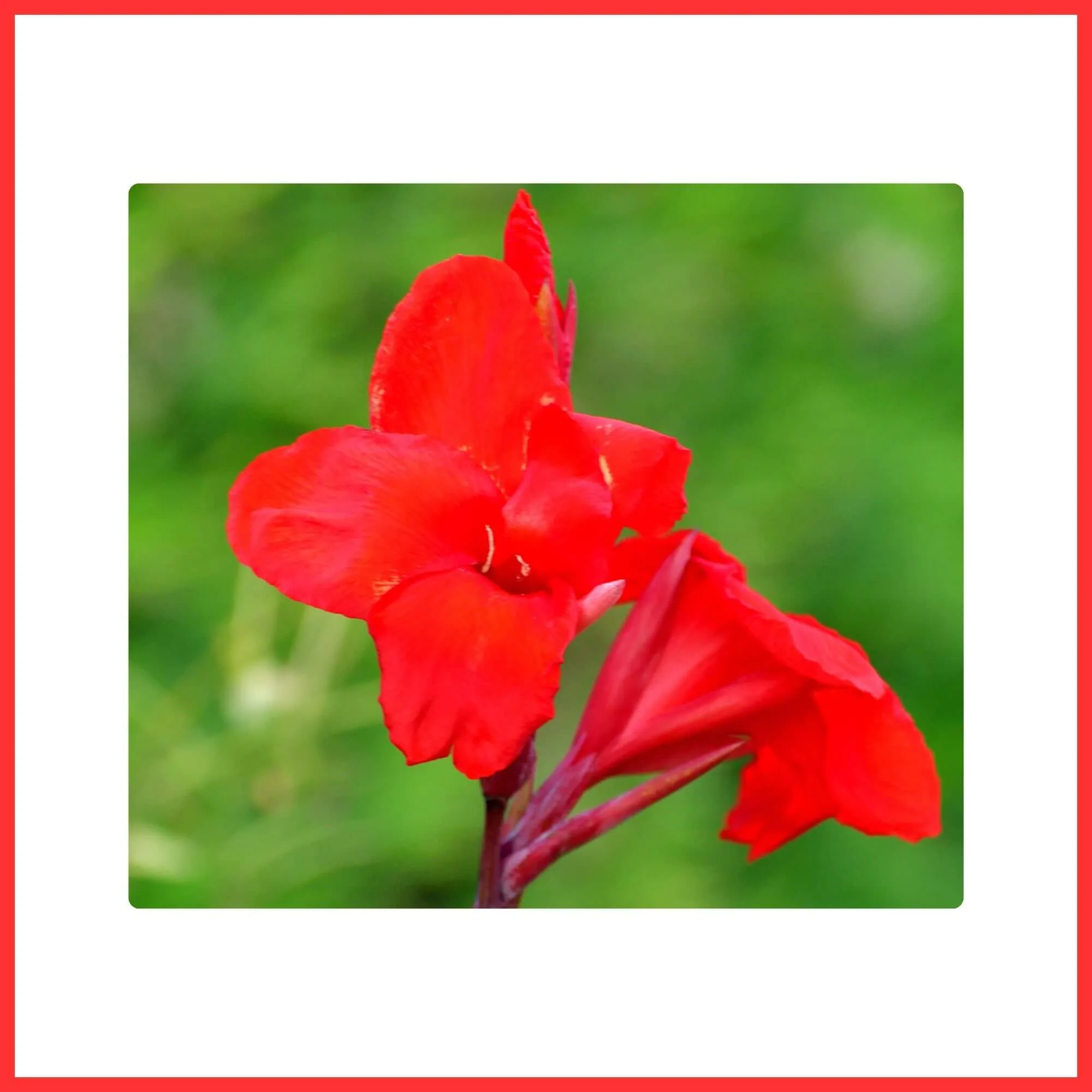
The Canna Lily ‘Red King Humbert’ (Canna indica) is a showstopping tropical plant that dazzles with its large crimson blooms and lush, banana-like leaves. Native to the Americas, it thrives in warm, humid environments with full sunlight. This variety is particularly prized for its dramatic contrast between red flowers and bronze-green foliage. Cannas bloom from mid-summer to early fall and can grow up to 5–6 feet tall, making them excellent focal points near ponds or in garden centers. Though tropical by nature, they can be grown in cooler regions if the rhizomes are lifted and stored in winter. The red Canna Lily flower represents confidence and vitality, bringing a sense of exotic charm to any outdoor space.
- USDA Hardiness Zone: 8–11
- Sun: Full sun
- Soil: Moist, rich, well-drained
Symbolism: Confidence, glory, and transformation
Tropical Oxygen Machine
Canna leaves aren’t just decorative. They’re highly efficient at photosynthesis, especially in humid, wet environments. Some research shows Canna beds can improve water quality in garden ponds by absorbing excess nutrients, almost acting as mini wetland purifiers. Your plant is literally eco-functional.
Red Verbena
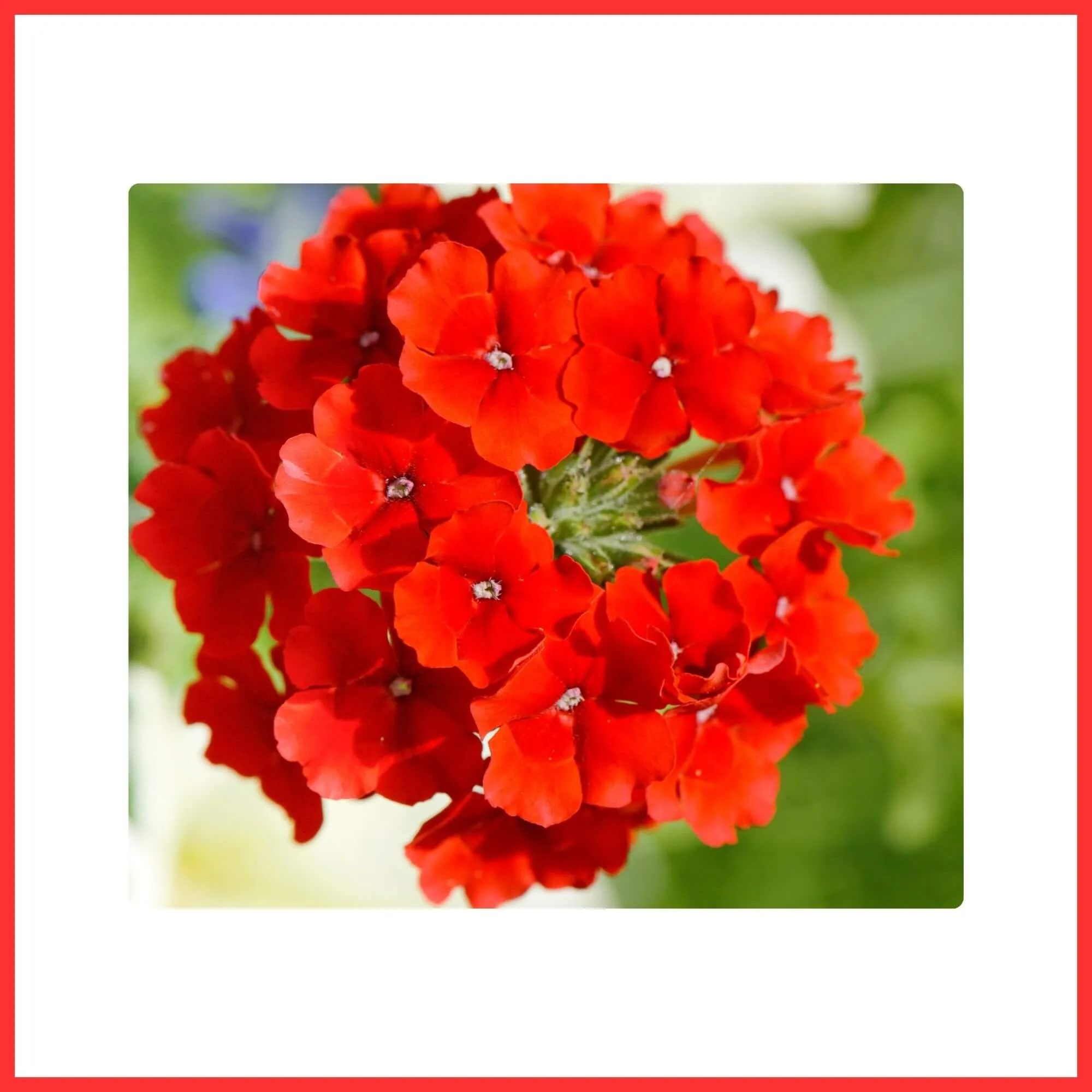
- USDA Hardiness Zone: 8–11
- Sun: Full sun
- Soil: Well-drained, moderately fertile
Symbolism: Healing, unity, and creativity
A Butterfly Magnet That Works Like a Beacon
Red Verbena produces nectar that glows under UV light, invisible to humans but highly visible to pollinators.
- Bees and butterflies can spot the flowers from meters away, even in hot sunlight.
- Its tight clusters act like landing pads, making pollination extremely efficient.
It’s not just beautiful, it’s a living pollinator highway.
Poinsettia
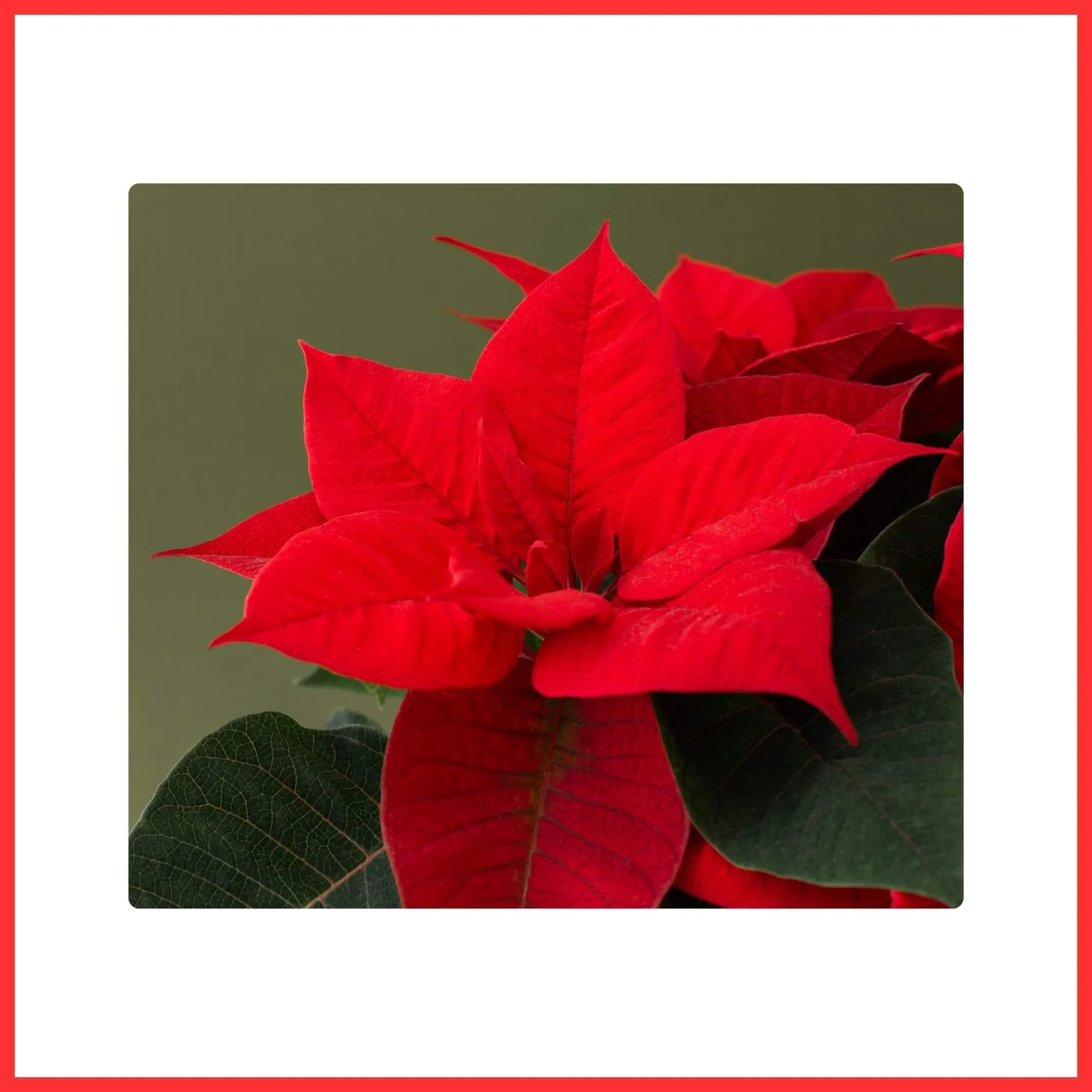
- USDA Hardiness Zone: 9–11
- Sun: Bright, indirect light
- Soil: Well-drained, light soil
Symbolism: Good cheer, celebration, and renewal of spirit
The Red You See Isn’t the Flower
Most people think the red part is a flower, it’s not.
- Those are bracts (modified leaves)
- The actual flowers are the tiny yellow clusters in the center
- The red bracts evolved to attract pollinators during the short winter daylight
Your icon is literally a colorful billboard for reproduction.
Red Cosmos
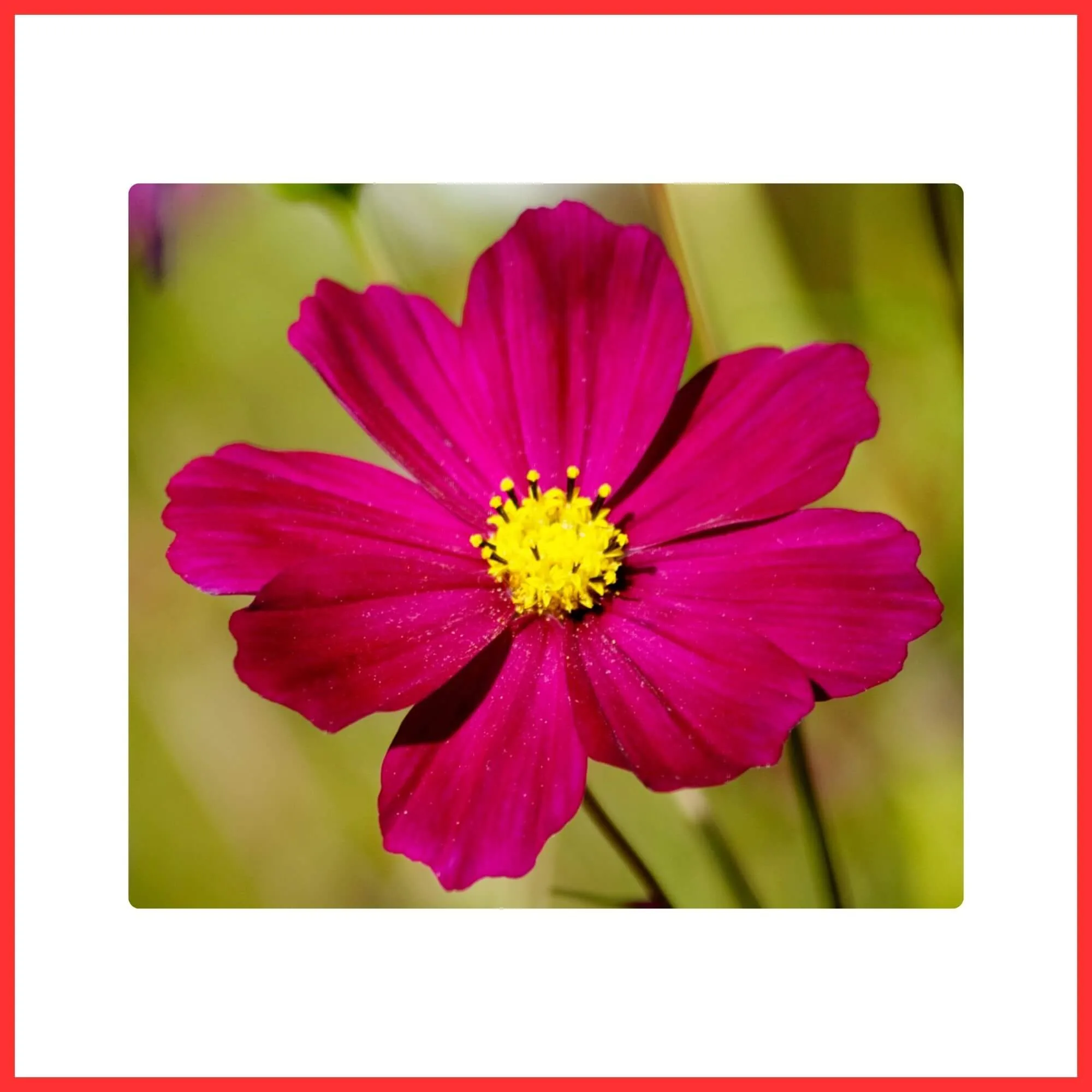
- USDA Hardiness Zone: 2–11 (annual)
- Sun: Full sun
- Soil: Poor to average, well-drained
Symbolism: Harmony, peace, and everlasting love
A flower that dances in the wind, thrives in poor soil, attracts butterflies like a magnet, and reseeds itself effortlessly. The Red Cosmos isn’t just cheerful. It’s a free-spirited master of survival and beauty.
Nasturtium
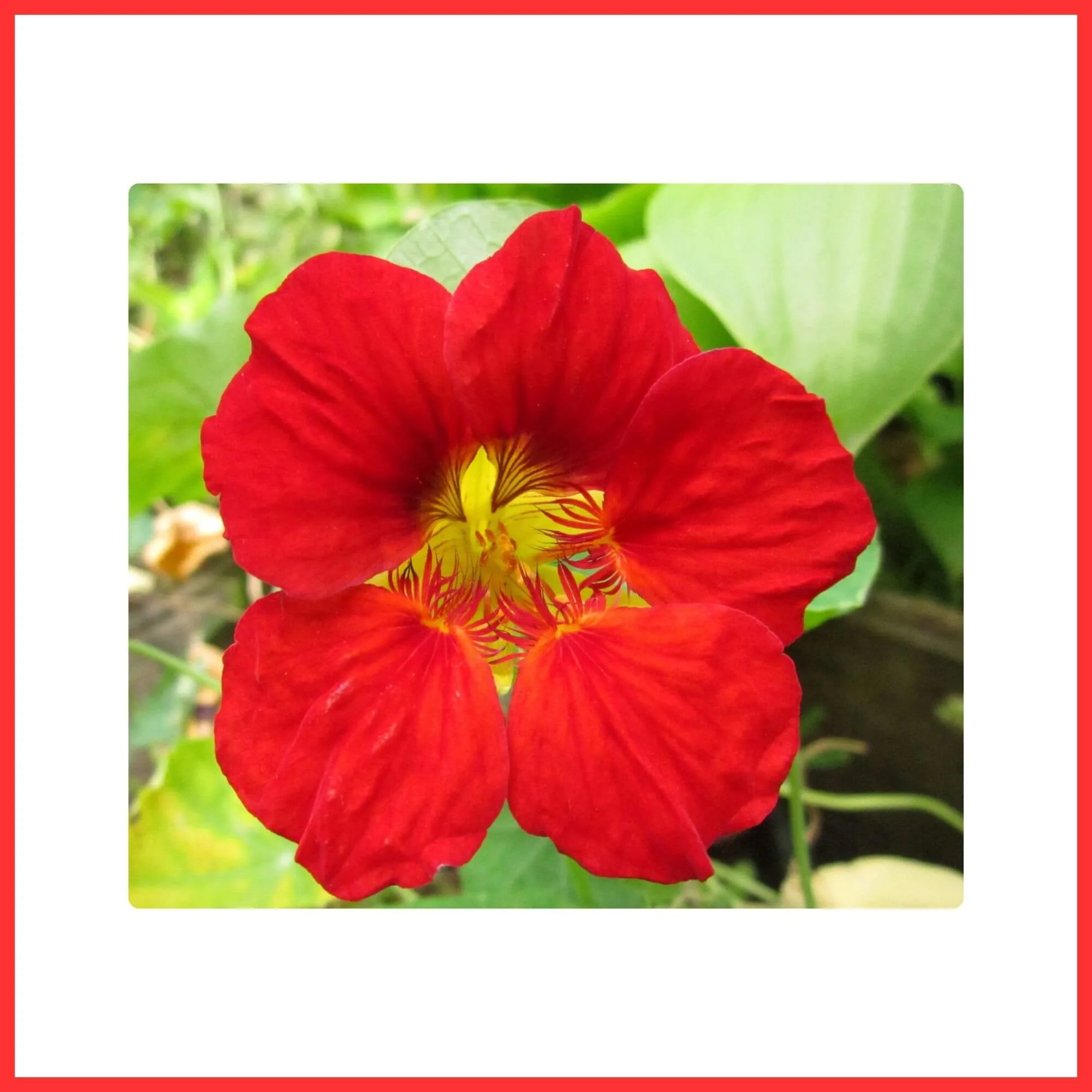
- USDA Hardiness Zone: 9–11
- Sun: Full sun
- Soil: Average, well-drained
Symbolism: Patriotism, victory, and strength through challenges
Edible Fire in Your Garden
Red Nasturtium flowers aren’t just decorative, they are spicy, peppery, and edible:
- Leaves, flowers, and seeds are all edible
- Seeds can even be pickled like capers
- Chefs prize them for visual pop and subtle heat
It’s a flower you can eat, not just admire.
Some of The World’s Most Unique Red Flowers
These red flowers are less common but equally captivating, often found in tropical regions or as prized ornamental plants in curated gardens. Their rare shapes and vivid tones make them unforgettable choices for collectors and those who love a touch of the exotic. Let’s explore some of these stunning and unique red flowers with close-up pictures:
Amaryllis
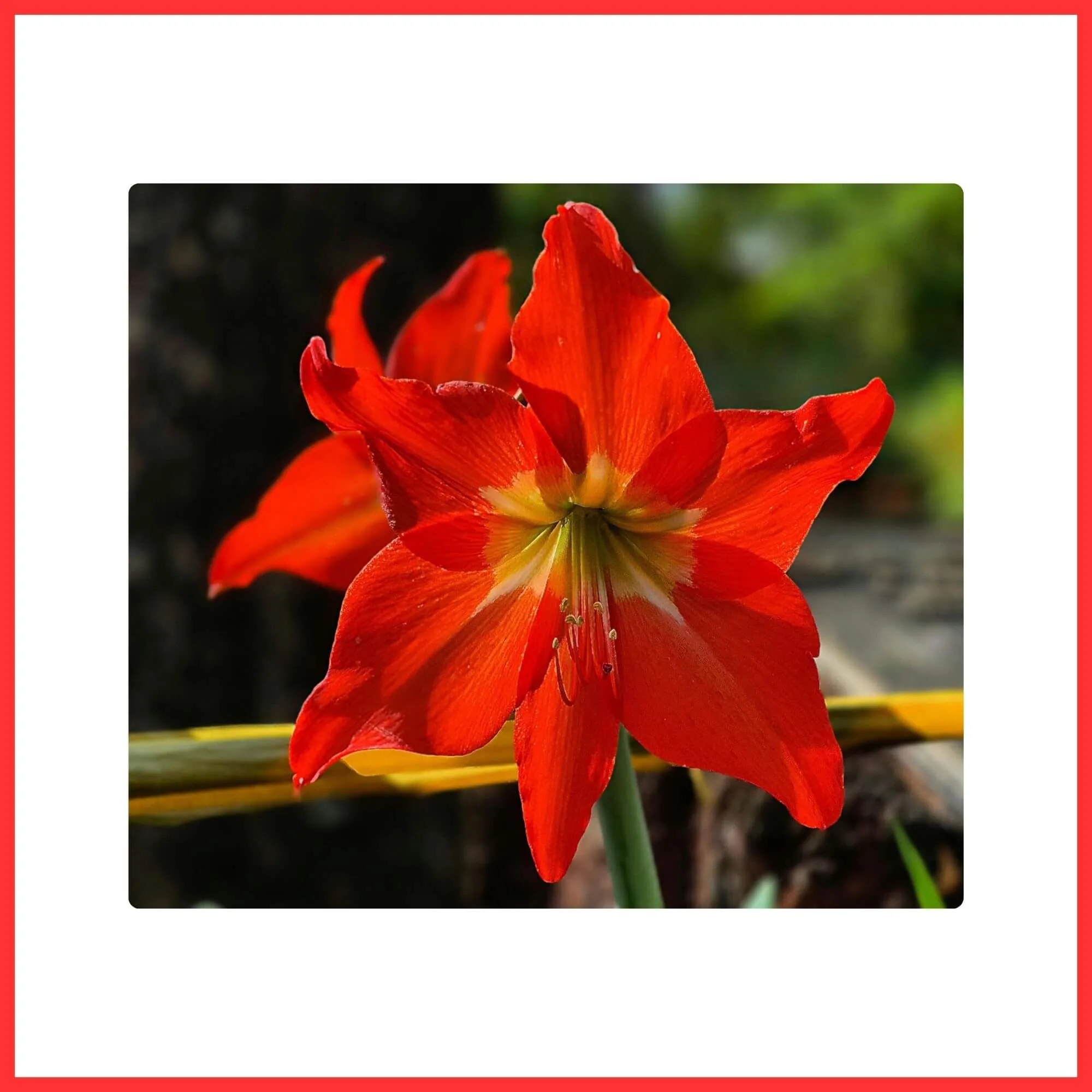
Amaryllis produces large, trumpet-shaped red blooms during winter, brightening indoor spaces when most plants rest. Each bulb can send up multiple tall stems, creating a bold centerpiece. Symbol of pride and radiant beauty, perfect for festive décor or gift-giving.
USDA Zone: 8–11 | Sun: Indirect | Soil: Well-drained
Red Dahlia
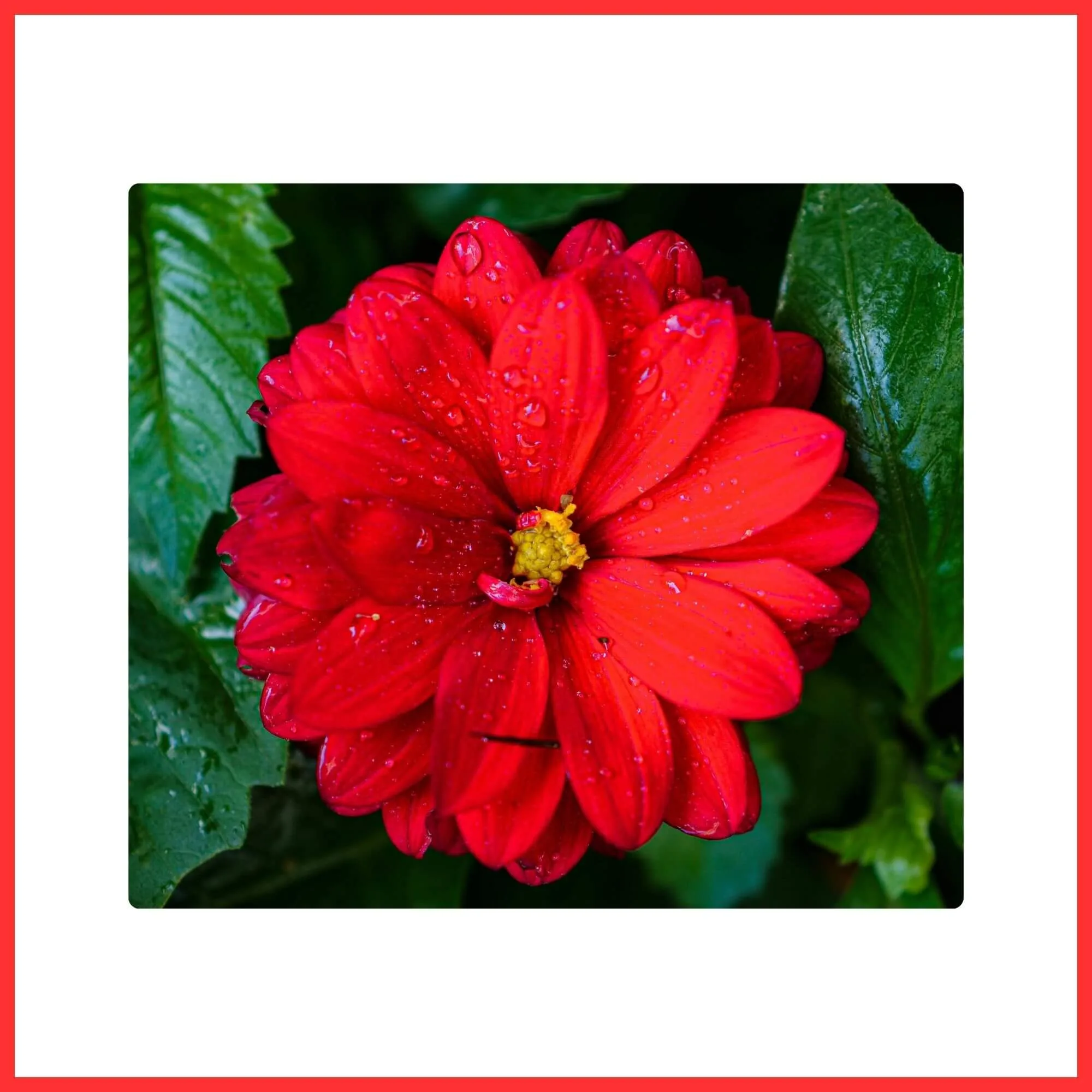
Layered, intricate petals form striking geometric patterns, making red dahlias artistic focal points in gardens and arrangements. Blooms midsummer through autumn in sunny spots, offering long-lasting color. Symbol of inner strength, elegance, and creativity.
USDA Zone: 8–10 | Sun: Full sun | Soil: Rich, well-drained
Red Spider Lily
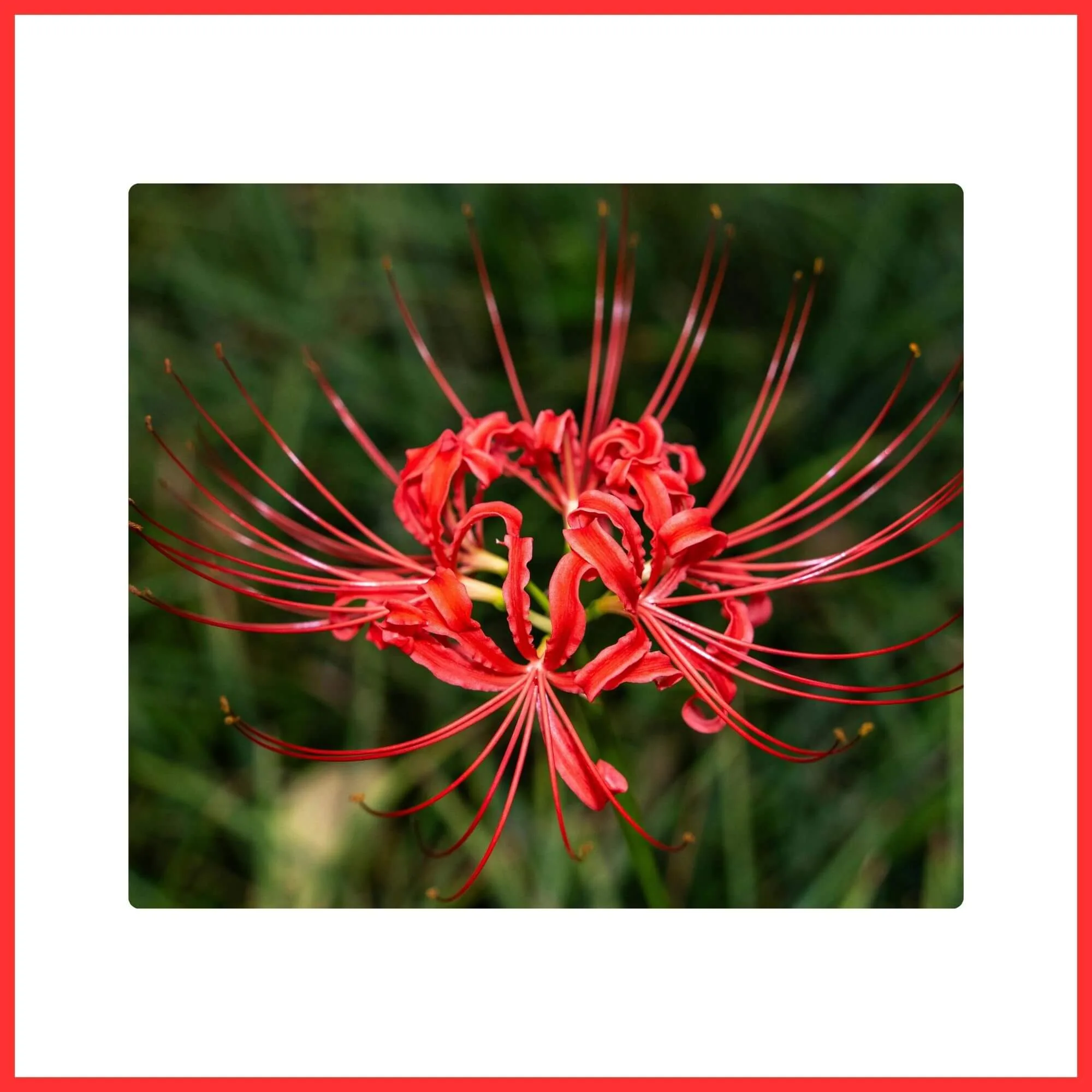
Spidery, curved petals and long stamens create a dramatic, almost otherworldly appearance. Blooms late summer to early fall, often appearing suddenly after rain. In Japan and China, it symbolizes farewell and renewal, adding cultural depth to gardens.
USDA Zone: 6–10 | Sun: Partial shade | Soil: Moist, well-drained
Bottlebrush

Cylindrical red spikes resemble bottle brushes and attract hummingbirds, bees, and butterflies. Evergreen, drought-tolerant, and low-maintenance, thriving even in hot, dry soils. Adds vibrant color year-round and energizes tough landscapes with minimal care.
USDA Zone: 8–11 | Sun: Full sun | Soil: Dry to well-drained
Protea
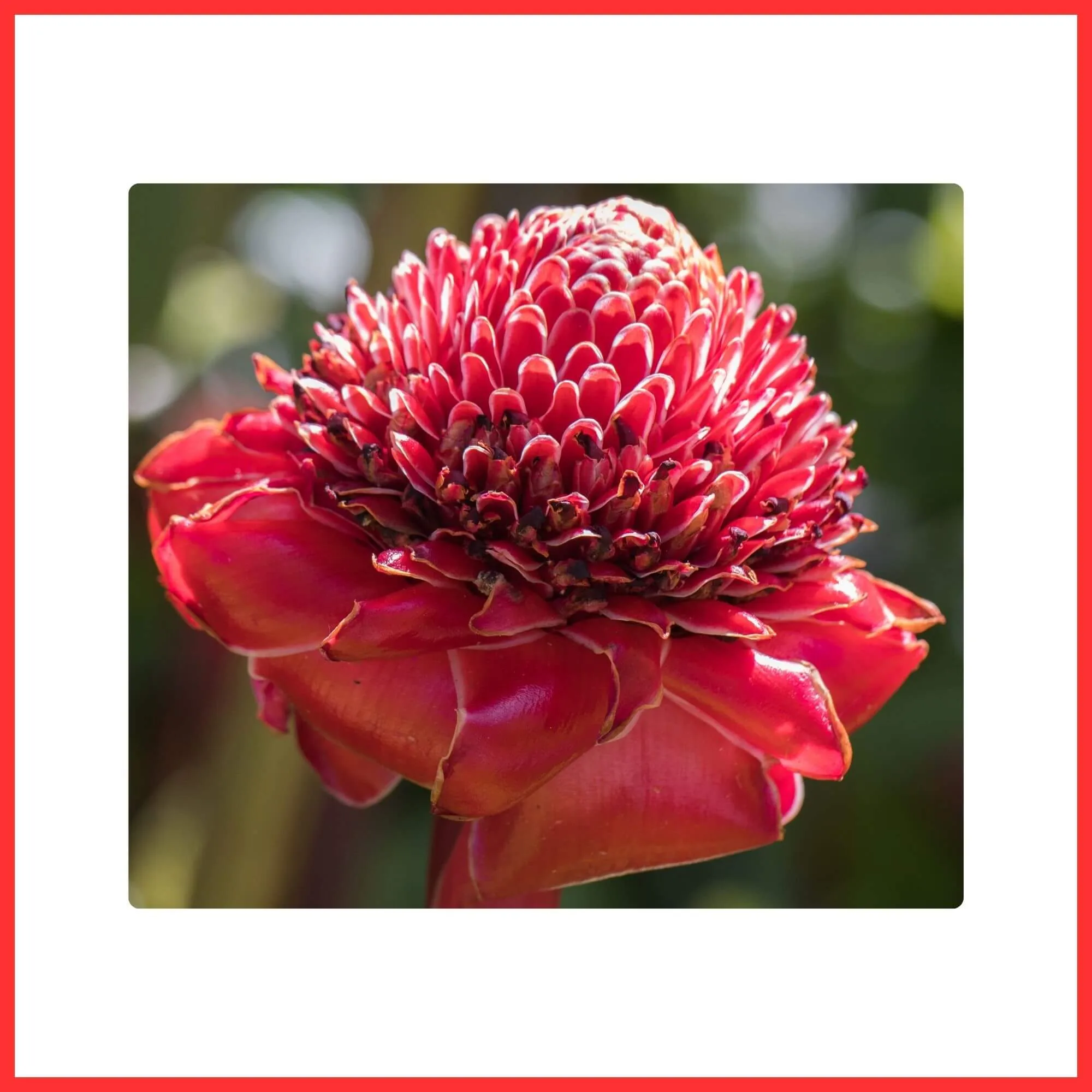
Crown-like red petals surround a central cone, creating a dramatic, exotic bloom. Thrives in sunny, sandy soil and tolerates drought once established. Symbolizes courage, transformation, and bold beauty, making it a standout in tropical gardens or floral arrangements.
USDA Zone: 9–11 | Sun: Full sun | Soil: Sandy, well-drained
Red Torch Ginger
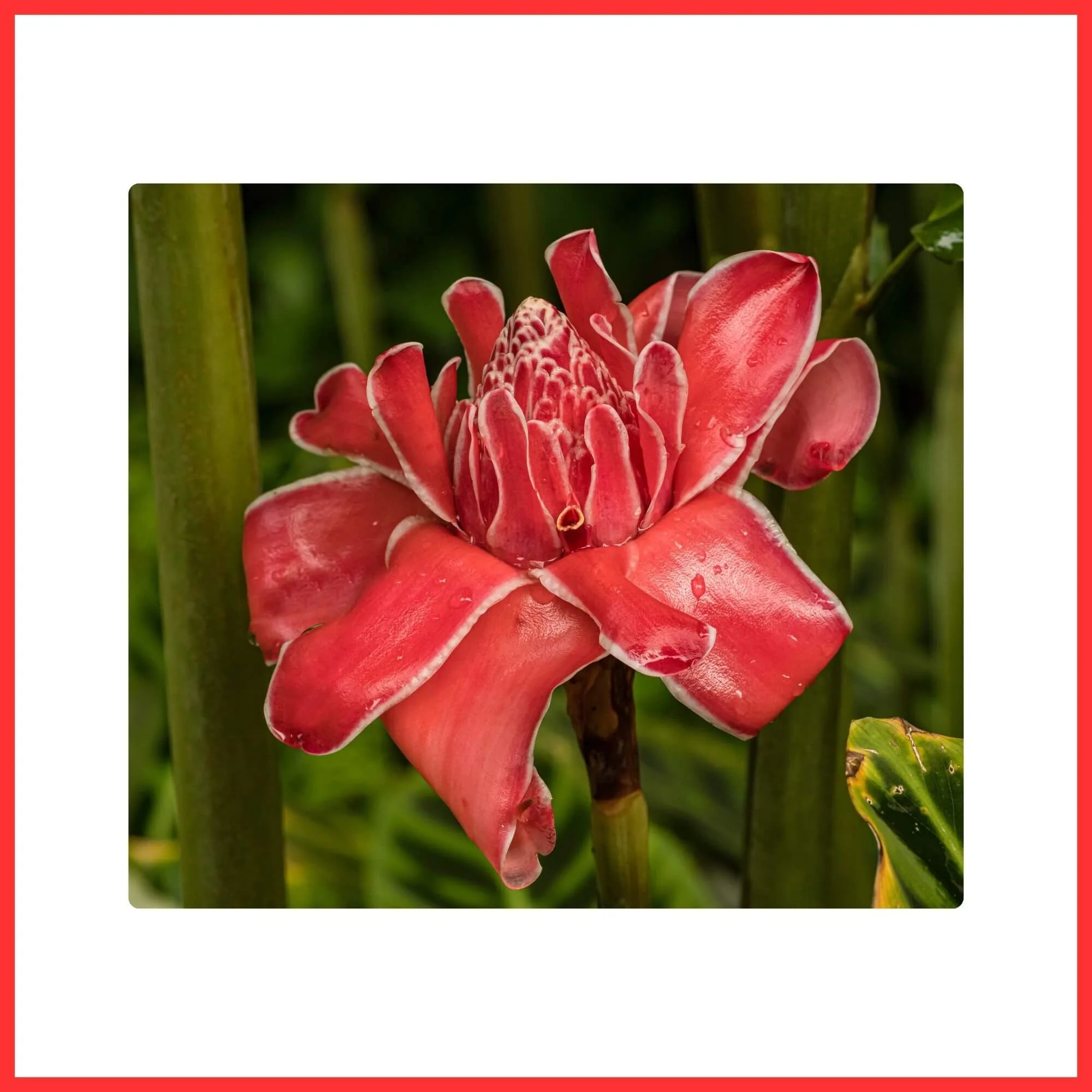
Towering up to 15 feet, this tropical giant produces waxy, torch-shaped red blooms. Loves warmth, humidity, and partial shade, making it ideal for tropical gardens. Its edible buds are also used in Southeast Asian cooking, adding fragrance and flavor.
USDA Zone: 10–11 | Sun: Partial shade | Soil: Moist, rich
Bromeliad (Guzmania Red)
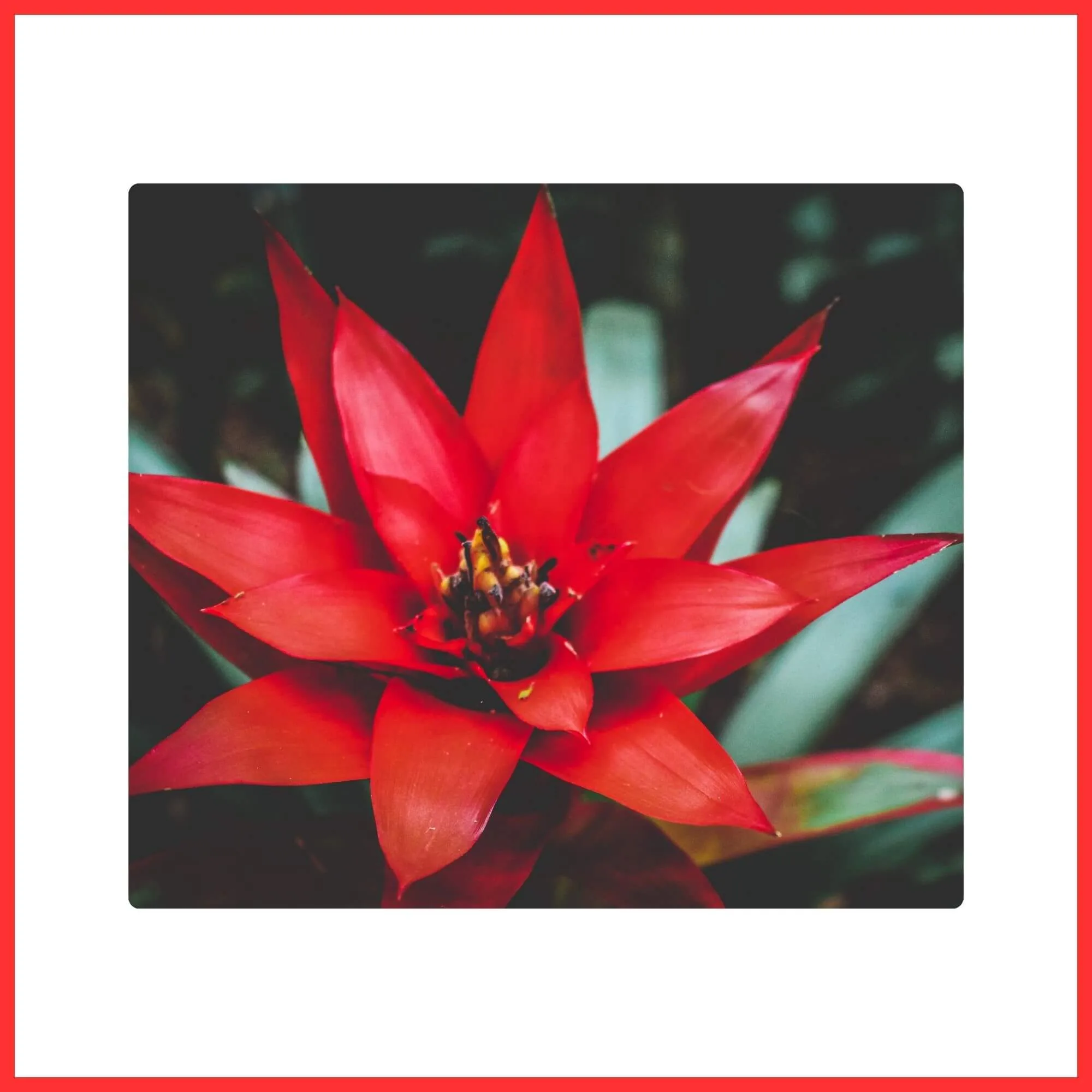
Vivid red bracts last for months indoors, creating a long-lasting splash of color. Thrives in humid conditions with indirect sunlight and minimal care. Air-purifying and stylish, perfect for homes, offices, or modern interior décor.
USDA Zone: 10–12 | Sun: Indirect | Soil: Moist, well-draining mix
Lipstick Plant
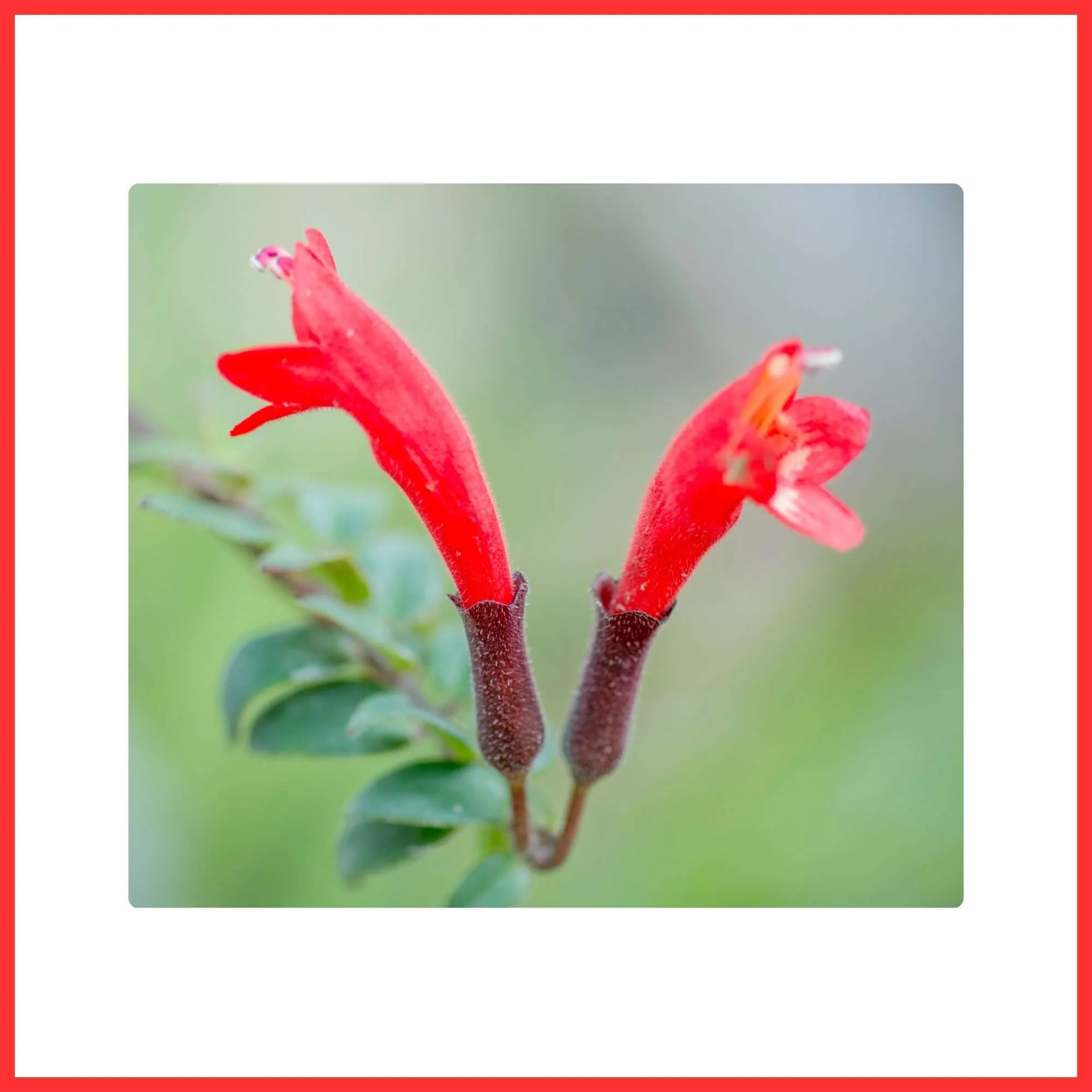
Tubular red flowers emerge from dark bud-like casings, resembling tubes of lipstick. Trailing vines are perfect for hanging baskets or shaded patios. Adds a playful, tropical charm to indoor and outdoor spaces alike.
USDA Zone: 10–11 | Sun: Indirect | Soil: Moist, well-drained
Red Orchid
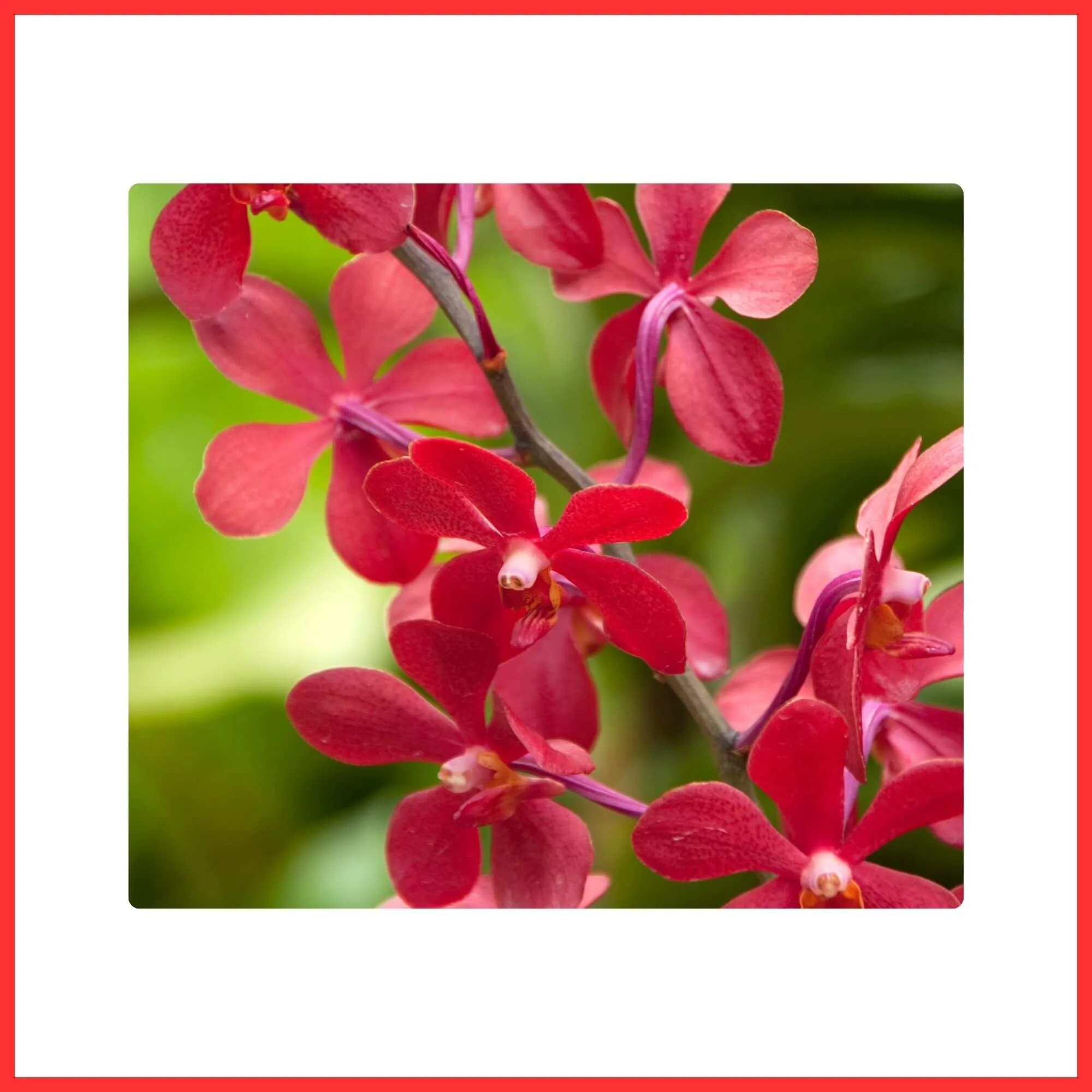
Orchids with intricate red blooms symbolize love, refinement, and luxury. Epiphytic growth means they thrive on other plants or in loose media with good airflow. Ideal for greenhouses, indoor collections, or elegant floral displays.
USDA Zone: 10–12 | Sun: Filtered | Soil: Orchid bark
Peony
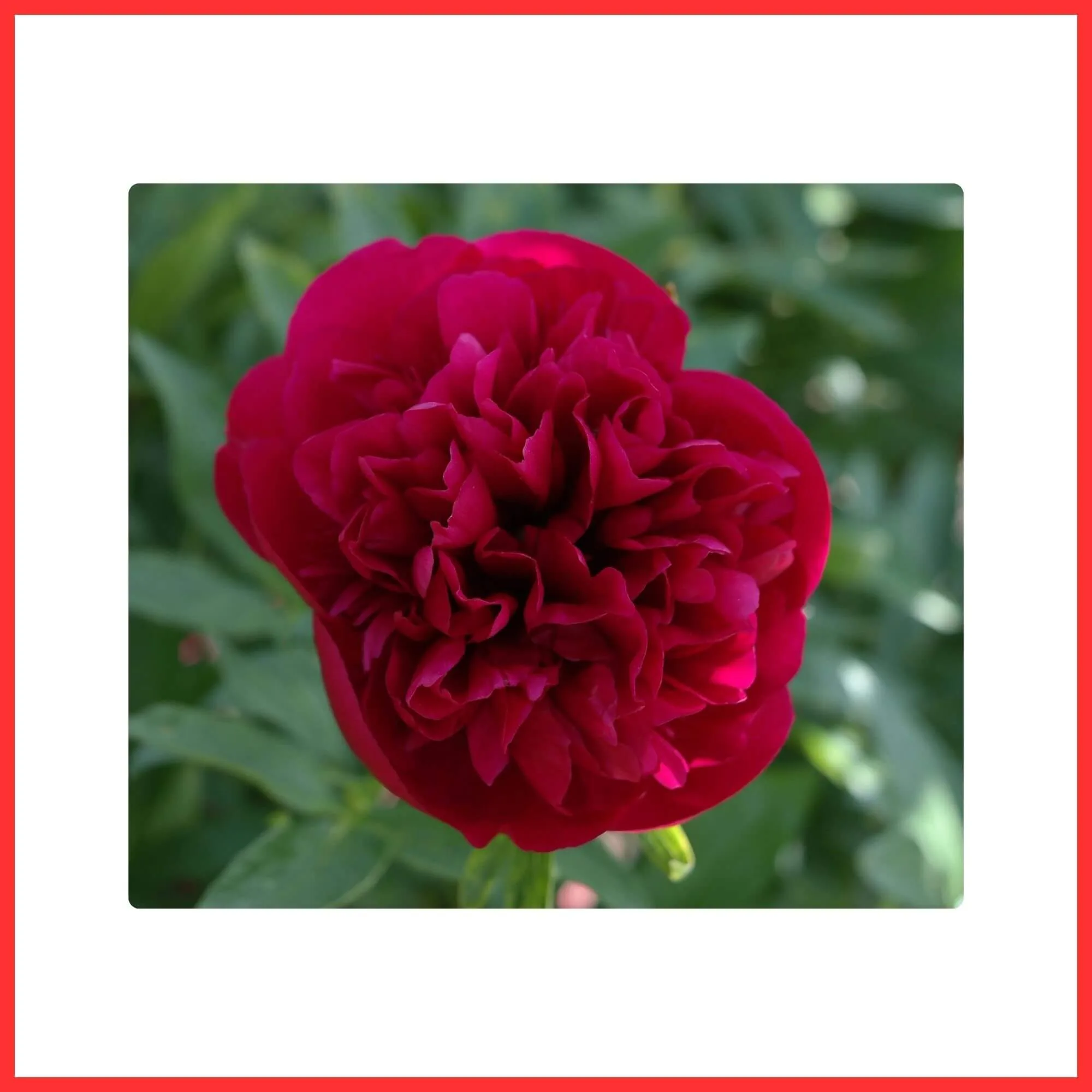
Full, layered red petals and intoxicating fragrance bloom in late spring to early summer. Thrives in cool, sunny climates with fertile, well-drained soil. Symbolizes romance, prosperity, and honor, rewarding gardeners for decades with timeless beauty.
USDA Zone: 3–8 | Sun: Full sun | Soil: Fertile, well-drained
If you loved exploring these rare and exotic red blooms, you’ll definitely enjoy our detailed guide on Rare Flowers , where we uncover some of the world’s most unusual and breathtaking blossoms. Including the legendary Middlemist’s Red, one of the rarest flowers on Earth.
Common Questions About Red Flowers
What are the best red flowers?
The best red flowers vary by preference, but Roses, Poppies, Tulips, Dahlias, and Amaryllis are consistently favored for their vibrant color and garden performance.
What does the red 🌹 mean?
A single red rose emoji (🌹) is universally recognized as a symbol of romantic love, passion, and deep desire.
What is a rare red flower?
The 'Middlemist Red' Camellia is arguably the rarest red flower in the world; only a few specimens are known to exist globally.
What flowers are naturally red?
Many flowers appear naturally red due to pigments called anthocyanins. Common examples include Red Poppies, Hibiscus, Roses, Carnations, and Geraniums.
What do 7 red roses mean?
In the language of flowers, gifting 7 red roses signifies an intense 'I am infatuated with you' message.
What red flower symbolizes love?
The Red Rose is the primary symbol of love. Other red flowers like the Red Tulip and Red Carnation can also symbolize deep love and passion.
Which red flower is easiest to grow?
Red Petunias and Red Geraniums are generally the easiest for beginners, as they are hardy, bloom prolifically, and are widely available in most nurseries.
Final Thoughts
Red flowers have always caught people’s eyes. From the classic Red Rose to the bright Hibiscus, they bring beauty, color, and meaning to gardens and homes. Some are easy to grow like Zinnias and Petunias, while others are rare and special like the Middlemist Red Camellia. Each flower has its own story and charm.
If you enjoyed learning about red flowers, check out our guides on orange, yellow, blue, and purple flowers. You will find more beautiful blooms and tips to grow them in your garden.