
What Is the National Animal of Italy?
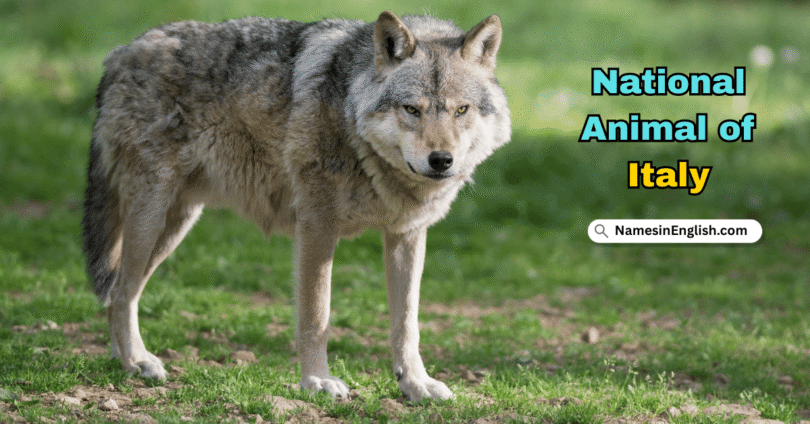
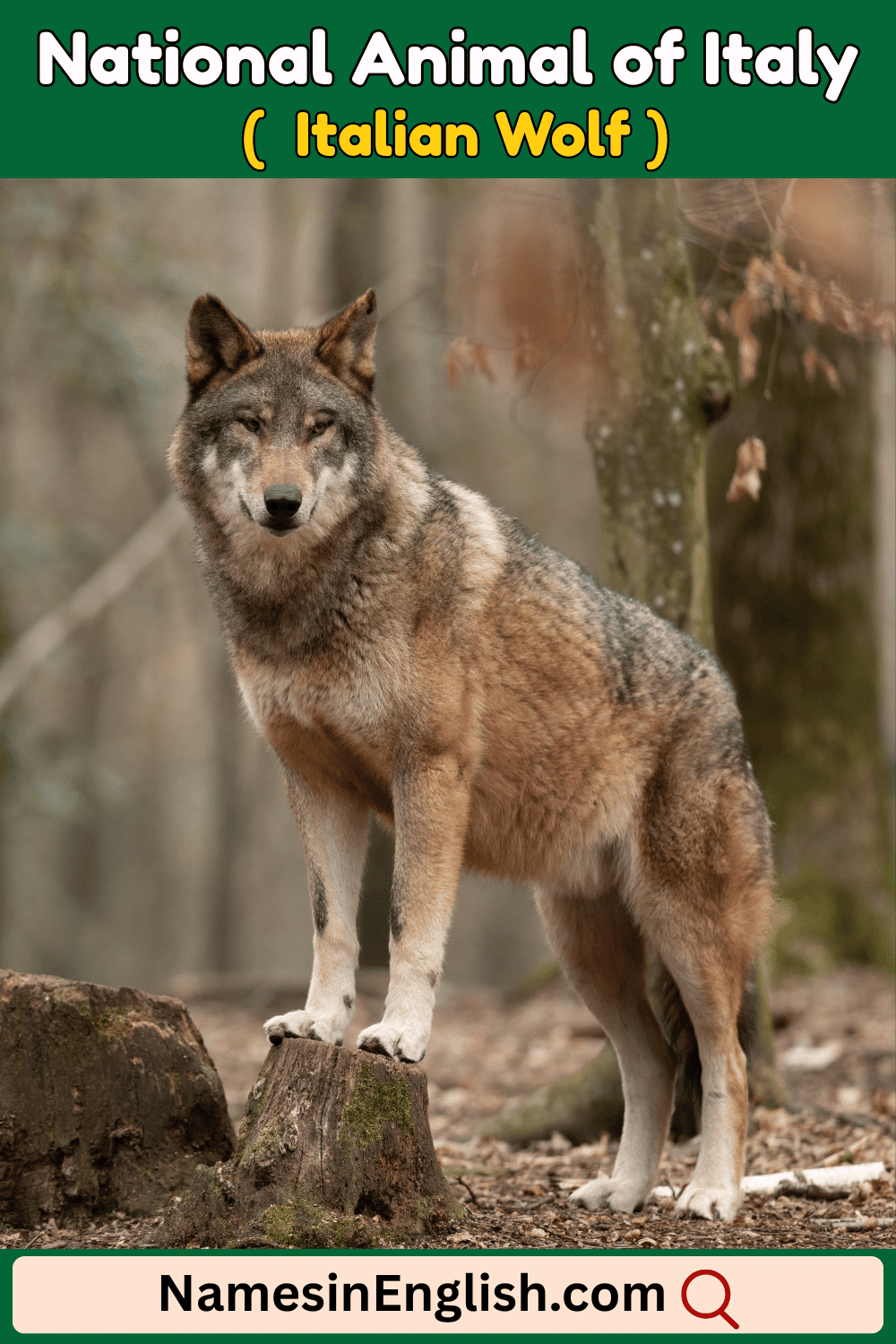
The national animal of Italy is the Italian Wolf (Canis lupus italicus), a subspecies of the grey wolf native to the Italian Peninsula. Unlike many national animals chosen for their beauty alone, the Italian Wolf reflects the country’s ancient history and enduring spirit. It has lived in Italy for thousands of years and continues to survive in the forests and mountains despite many challenges.
History of the Italian Wolf
The Italian Wolf has lived in the forests and mountains of the Italian Peninsula for thousands of years. It became a famous symbol through the ancient Roman legend of the she-wolf that cared for Romulus and Remus, the founders of Rome. Although its population declined due to hunting and habitat loss, conservation efforts have helped the species recover in recent decades.
Why is the wolf a symbol of Italy?
The Italian Wolf was chosen because it represents courage, resilience, intelligence, and loyalty. Its strong connection to Roman history and the founding legend of Rome makes it one of Italy’s most meaningful national symbols. The wolf also reflects the country’s commitment to protecting its natural heritage and wildlife.
Symbolic Meaning of the Italian Wolf
The Italian Wolf symbolises strength, unity, protection, and perseverance. It represents the ability to survive and adapt even during difficult times, making it an inspiring national emblem. In Italian culture, the wolf also reflects leadership, family bonds, and the enduring spirit of the nation.
How Does the Italian Wolf Look Like?
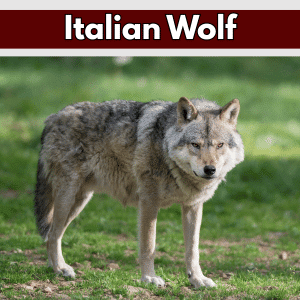
The Italian Wolf has thick grey-brown fur with lighter shades on its chest and belly. It has pointed ears, bright amber or yellow eyes, a long bushy tail, and powerful legs built for travelling across rugged mountain terrain. Slightly smaller than many other grey wolf subspecies, it is agile, lean, and well adapted to life in the wild.
Habitat and Distribution
The Italian Wolf is mainly found in the Apennine Mountains and the Italian Alps, where forests and rocky landscapes provide ideal shelter. It also lives in national parks, protected reserves, and remote woodland areas with abundant prey. As conservation has improved, wolves have gradually expanded into neighbouring regions of Europe.
Baby Italian Wolf
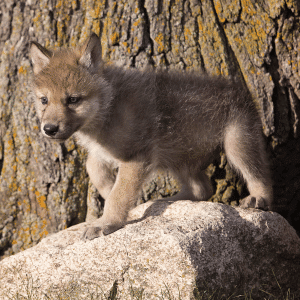
A baby Italian Wolf is called a pup, and it is usually born in spring after a gestation period of about two months. Wolf pups are born blind and rely completely on their parents and other pack members for food and protection. As they grow, they learn hunting and survival skills by observing and following the adults.
Behaviour and Lifestyle
The Italian Wolf is a highly social animal that lives in family groups known as packs. Pack members work together to hunt, defend their territory, and care for their young, showing strong cooperation and loyalty. They communicate through howls, body language, and scent markings, allowing them to stay connected across large distances.
Cultural Importance
The Italian Wolf has been an important cultural symbol since ancient Roman times and continues to hold a special place in Italy’s identity. The famous image of the she-wolf with Romulus and Remus appears in art, monuments, literature, and historical emblems. Today, it remains a powerful reminder of Italy’s rich history, traditions, and national pride.
Environmental Importance
As an apex predator, the Italian Wolf plays a key role in maintaining the balance of natural ecosystems. It helps control populations of deer, wild boar, and other herbivores, preventing overgrazing and supporting healthy forests. Its presence is considered a sign of a thriving and well-balanced environment.
Educational Value
The Italian Wolf helps students and researchers learn about wildlife conservation, predator behaviour, and ecosystem balance. It is often featured in educational programmes, museums, and nature documentaries that promote environmental awareness. Studying the species also highlights the importance of protecting endangered wildlife and preserving biodiversity.
Tourism Value
The Italian Wolf attracts wildlife enthusiasts, photographers, and nature lovers to Italy’s national parks and mountain regions. Many visitors join guided tours and educational programmes to learn about wolves and their habitats without disturbing them. This form of eco-tourism supports local communities while encouraging the conservation of Italy’s natural landscapes.
Conservation Status of the Italian Wolf
The Italian Wolf is protected under Italian and European wildlife laws, and its population has increased thanks to conservation efforts. However, it still faces threats such as habitat fragmentation, illegal hunting, road accidents, and conflicts with livestock farming. Continued habitat protection, public education, and responsible wildlife management are essential for ensuring the long-term survival of this iconic species.
Interesting Facts About Italy’s National Animal
- The Italian Wolf is found only on the Italian Peninsula and nearby regions.
- It is a subspecies of the Grey Wolf.
- Wolves usually avoid humans whenever possible.
- A wolf’s howl can travel several kilometres.
- Packs work together to hunt efficiently.
- The legendary she-wolf that raised Romulus and Remus became a lasting symbol of Rome.
- The species has made a remarkable recovery after nearly disappearing during the 1900s.
Name of National Animal of Italy
Learn More Helpful Articles