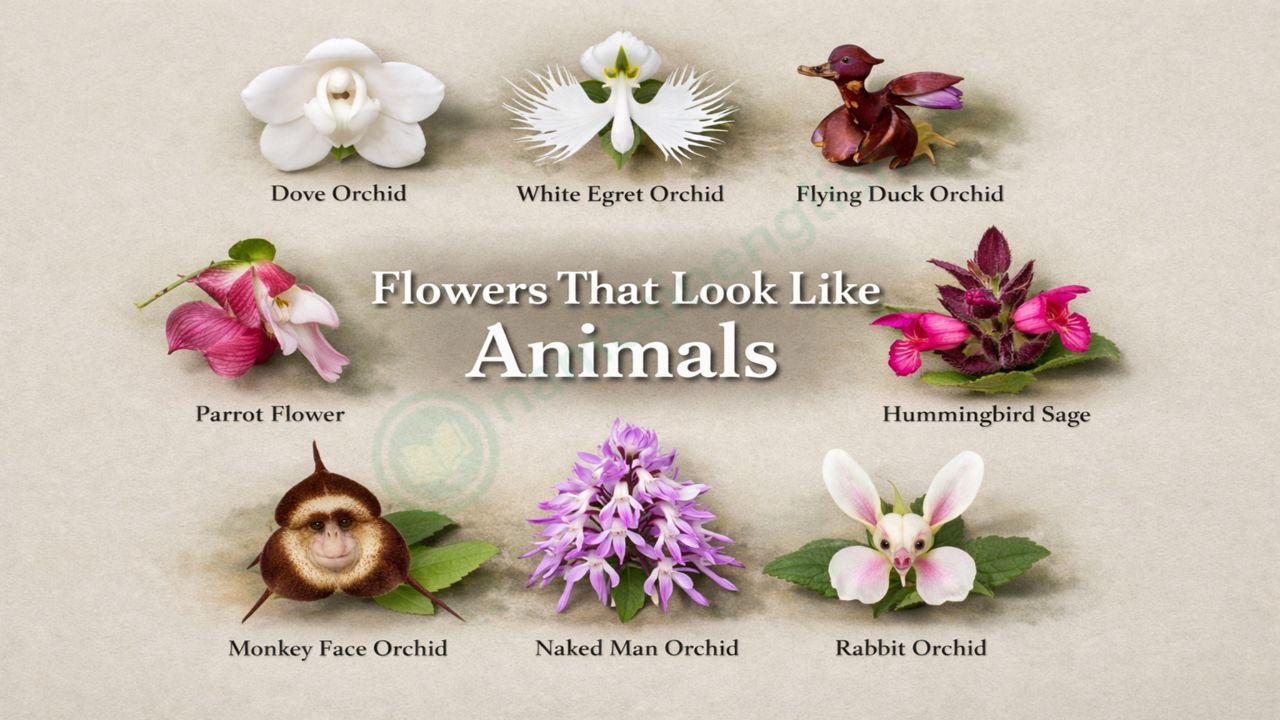

Nature is full of surprises, and some flowers are so unusual that they look just like animals. From blossoms that resemble monkeys and birds to orchids shaped like bees, doves, and even flying ducks, these incredible plants showcase the amazing creativity of nature. Learning about these unique blooms is not only fascinating but also helps gardeners, students, and plant lovers recognize some of the world’s rarest flowers. In this article, you’ll learn flowers that look exactly like animals, learn why they evolved these unusual shapes, and explore 20 amazing flowers that will leave you amazed.
Animal Look-Alike Flower Identification Table
Note: Difficulty ratings are based on general botanical and horticultural research.
| Flower Name | Animal Resemblance | Native Region | Orchid? | Difficulty | Fun Fact |
|---|---|---|---|---|---|
| Dove Orchid | Dove bird | Panama, Central America | Yes | Hard | Panama’s national flower. |
| White Egret Orchid | Flying egret | Japan, Korea | Yes | Medium | Fringed petals look like wings. |
| Flying Duck Orchid | Duck in flight | Australia | Yes | Hard | Traps insects briefly during pollination. |
| Parrot Flower | Parrot | Thailand, Myanmar | No | Hard | Extremely rare in the wild. |
| Hummingbird Sage | Hummingbird | California, USA | No | Beginner | Attracts real hummingbirds. |
| Monkey Face Orchid | Monkey face | Peru, Ecuador | Yes | Hard | Smells like ripe oranges. |
| Naked Man Orchid | Tiny human figure | Mediterranean Europe | Yes | Medium | Flowers resemble small people. |
| Rabbit Orchid | Rabbit head | South Africa | No | Medium | Two petals resemble upright ears. |
| Elephant Flower | Elephant head | North America | No | Hard | Alpine wildflower found in meadows. |
| Bat Flower | Bat wings | Southeast Asia | No | Hard | Long whisker-like filaments. |
| Bee Orchid | Bee insect | Europe | Yes | Medium | Mimics female bees for pollination. |
| Spider Orchid | Spider | Europe | Yes | Medium | Attracts insects through mimicry. |
| Moth Orchid | Flying moth | Southeast Asia | Yes | Beginner | One of the most common house orchids. |
| Darth Vader Begonia | Mask-like face | Borneo | No | Hard | Famous for dark dramatic leaves. |
| Skull Flower (Snapdragon) | Skull seed pods | Europe | No | Beginner | Seed pods look like tiny skulls. |
| Tiger Orchid | Tiger pattern | Southeast Asia | Yes | Hard | One of the largest orchids on Earth. |
| Lobster Claw Flower | Lobster claw | Tropical Americas | No | Medium | Bright red hanging bracts. |
| Parrot Beak Flower | Parrot beak | Canary Islands | No | Medium | Known for curved fiery petals. |
| Green Birdflower | Small green bird | Australia | No | Medium | Bloom resembles a perched bird. |
| Swaddled Babies Orchid | Wrapped baby | Andes Mountains | Yes | Hard | Inner petals look like a tiny baby. |
Conservation Status of These 20 Flowers
| Flower | Conservation Status | Quick Note |
| Dove Orchid | Endangered (CITES I) | International trade is strictly prohibited due to severe wild decline. |
| White Egret Orchid | Endangered (Japan) | Threatened by habitat loss; protected specifically in its native Japan. |
| Flying Duck Orchid | Not Evaluated | No official global status, but protected by regional laws in Australia. |
| Parrot Flower | Rare / Protected | Strictly protected in Thailand; illegal to collect from the wild. |
| Hummingbird Sage | Least Concern | Common in the wild and very widely used in California landscaping. |
| Monkey Face Orchid | Threatened | Populations are declining due to cloud forest habitat destruction. |
| Naked Man Orchid | Least Concern | Widespread across the Mediterranean and not currently at risk. |
| Rabbit Orchid | Not Evaluated | No global threat level, though local South African populations vary. |
| Elephant Flower | Least Concern | Stable and common throughout high-altitude wetlands in North America. |
| Bat Flower | Data Deficient | Rare in the wild; mostly known through its popularity in horticulture. |
| Bee Orchid | Least Concern | Widely distributed, though sensitive to local land management changes. |
| Spider Orchid | Locally Threatened | Rare in the UK and Northern Europe but more common further south. |
| Moth Orchid | CITES Appendix II | Wild species are trade-regulated; most store-bought plants are clones. |
| Darth Vader Begonia | Critically Rare | Limited to one specific area in Borneo; highly vulnerable to poaching. |
| Skull Flower | Least Concern | A common garden snapdragon with no conservation concerns. |
| Tiger Orchid | Vulnerable | The world’s largest orchid; rare in the wild due to its size and value. |
| Lobster Claw Flower | Least Concern | Abundant in tropical rainforests and extremely common in cultivation. |
| Parrot Beak Flower | Extinct in the Wild | No longer found in its native Canary Islands; exists only in gardens. |
| Green Birdflower | Least Concern | Secure and widespread across the northern half of Australia. |
| Swaddled Babies Orchid | Not Evaluated | Like most orchids, it is trade-regulated but lacks a specific threat rank. |
Is it Legal to Own These “Animal Flowers”? Understanding CITES
If you’re looking for flowers that look like Monkeys or Ducks, you need to know about CITES. This is a global “Border Patrol” that protects rare plants from being over-sold.
Here is how they rank the risk in simple terms:
Appendix I: The “Strictly Protected” List
- Status: In danger of disappearing forever.
- The Rule: No buying or selling for profit. Only scientists can move these across borders.
- Example: The Dove Orchid.
Appendix II: The “Watch” List
- Status: Not dying out yet, but could be if we aren’t careful.
- The Rule: You can buy them, but you need legal permits to ship them to another country.
- Example: Most Orchids.
Appendix III: The “Local Help” List
- Status: A specific country is worried about a local plant and wants help tracking it.
- The Rule: Trade is monitored only when coming from that specific country.
- Example: Certain local wild turtles or timber.
20 Flowers That Look Exactly Like Animals
Below are the Flowers orgnized by categories.
Category A: The Avian & Flying Look-alikes
1. Dove Orchid (Peristeria elata)
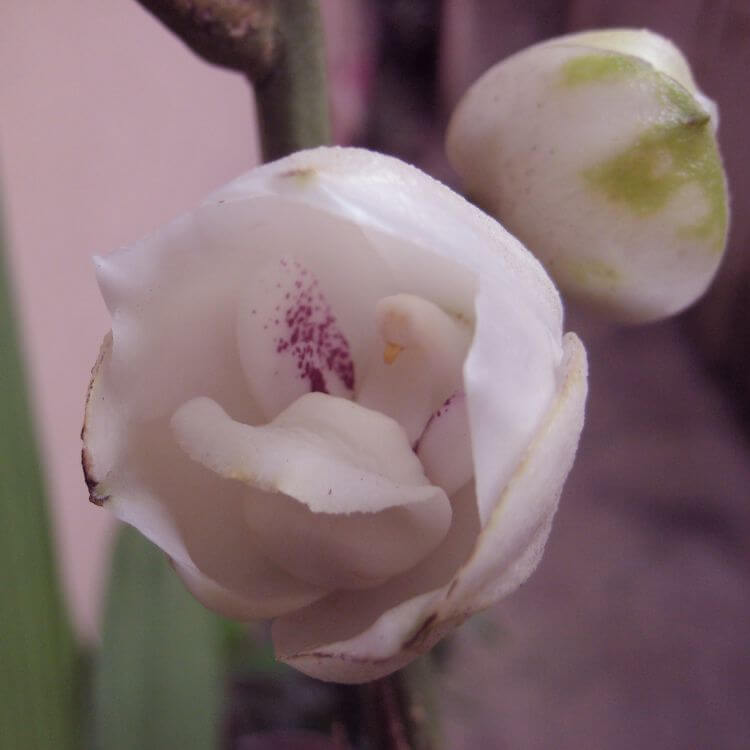
The Dove Orchid produces a waxy white bloom that looks like a tiny dove sitting in the center of the flower. The bird shape appears clearly within the inner petals, almost as if a small dove is resting quietly inside the bloom. Collectors admire this orchid for its delicate fragrance. The scent is gentle and slightly sweet, which makes the flower noticeable even before people see its unusual shape.
2. White Egret Orchid (Habenaria radiata)
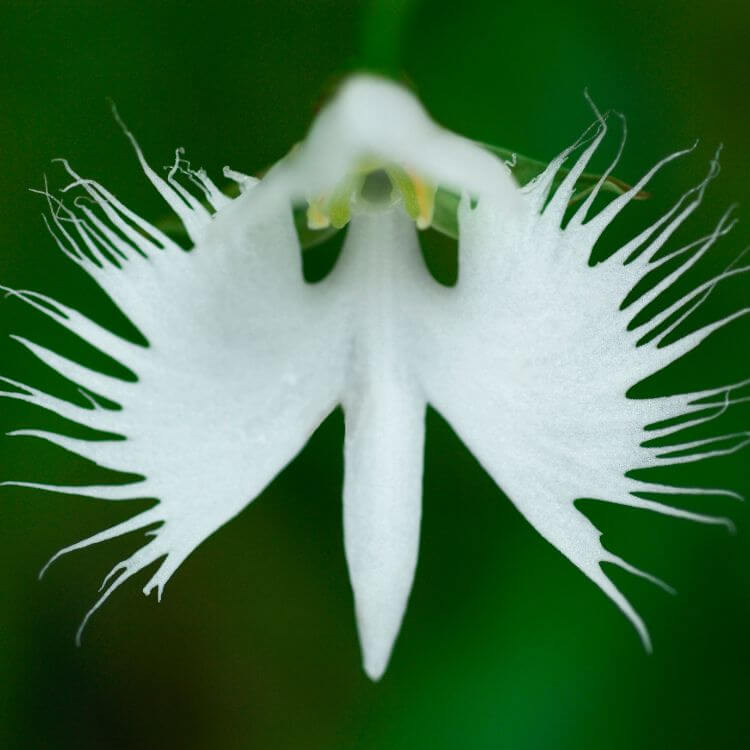
The White Egret Orchid creates a striking illusion of a bird in mid-flight. Its delicate structure gives the flower a very light and graceful appearance when viewed closely. In natural conditions, the plant usually blooms during the rainy season when pollinating insects are more active. Because of its delicate structure, many plant enthusiasts grow it in carefully controlled environments where moisture and temperature can be maintained consistently.
3. Flying Duck Orchid (Caleana major)
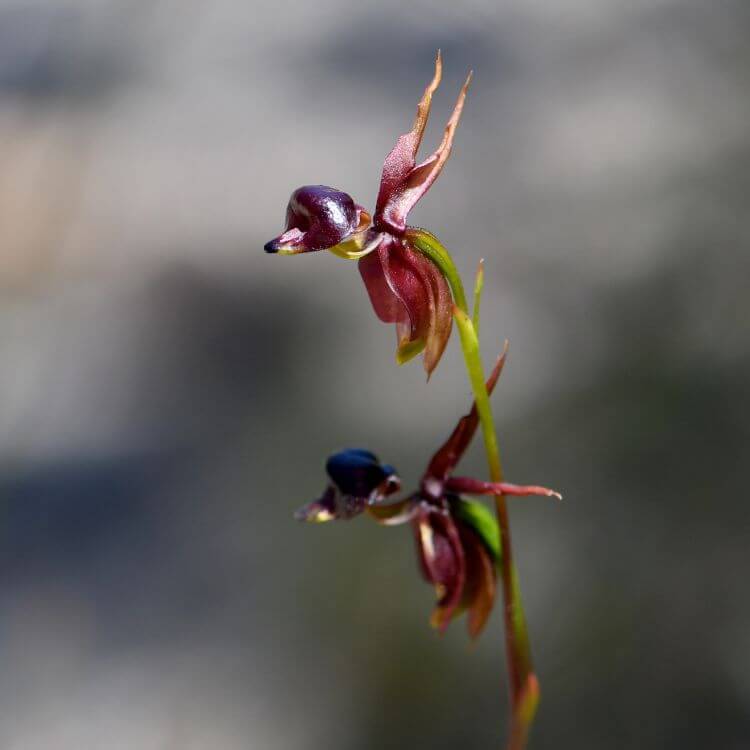
This unusual orchid is often considered one of the most striking plant illusions in nature. The flower has a curved structure that creates a very convincing shape when viewed from the side, which makes it famous among plant photographers and orchid enthusiasts. Botanists often study this species because of its highly specialized flower structure. The design helps ensure that pollen is effectively transferred between plants, making the species a fascinating example of how orchids adapt their shapes for successful reproduction.
4. Parrot Flower (Impatiens psittacina)
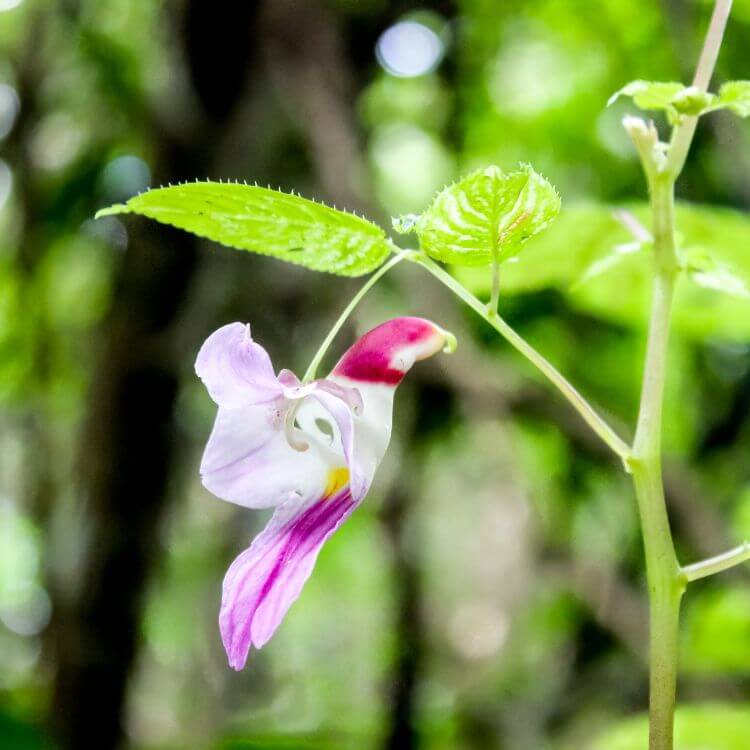
This flower is known for its bright pink and purple petals and its very unusual structure. When the bloom opens fully, the curved shape creates a striking visual appearance that makes it popular in botanical photography. Because of its unique form, the plant often attracts attention from plant enthusiasts and researchers who study rare flowering species. Many photographers and nature lovers search for this plant just to document its remarkable shape.
5. Hummingbird Sage Flower (Salvia spathacea)
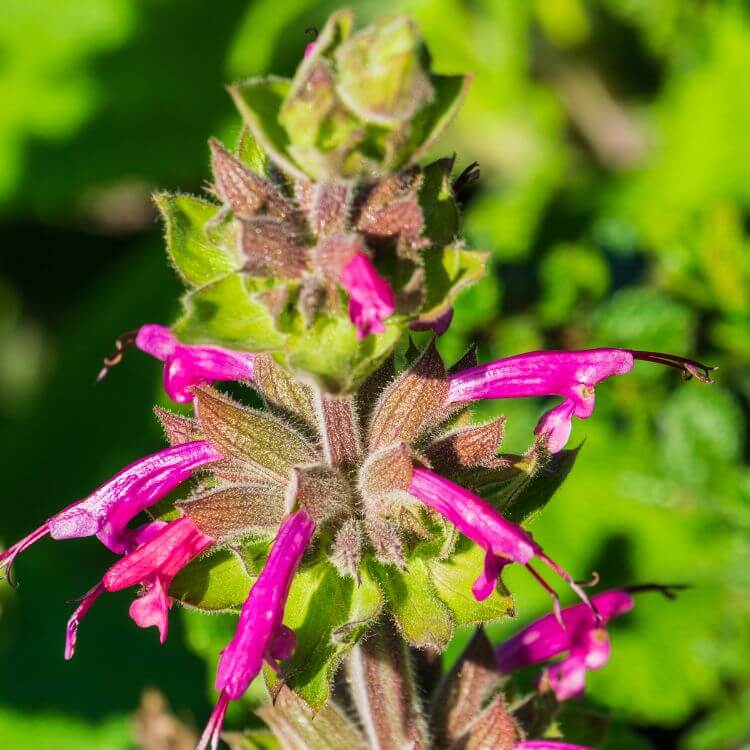
This plant produces curved tubular flowers that have a very distinctive structure. The bloom design allows nectar to sit deep inside the flower, which helps certain pollinators reach it more easily. Scientists use this plant explaining how flower shapes evolve to support specific pollination behaviors. The structure helps ensure that pollen transfer happens efficiently when visitors reach the nectar.
Category B: The Primates & Mammals
6. Monkey Face Orchid (Dracula simia)
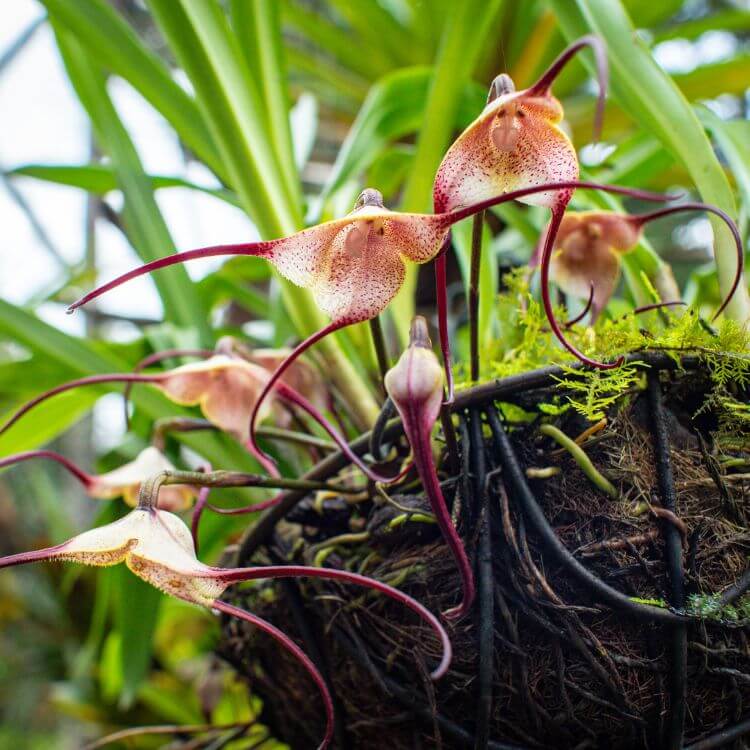
The Monkey Face Orchid has petals patterned in dark lines and spots that perfectly mimic a tiny monkey’s face. Its bloom seems almost alive, with the “eyes” and “mouth” formed naturally by the petal markings. The flower thrives in the cool, misty cloud forests of Ecuador and Peru. It also releases a scent reminiscent of ripe oranges, adding an unexpected sweetness to its eerie appearance.
7. Naked Man Orchid (Orchis italica)
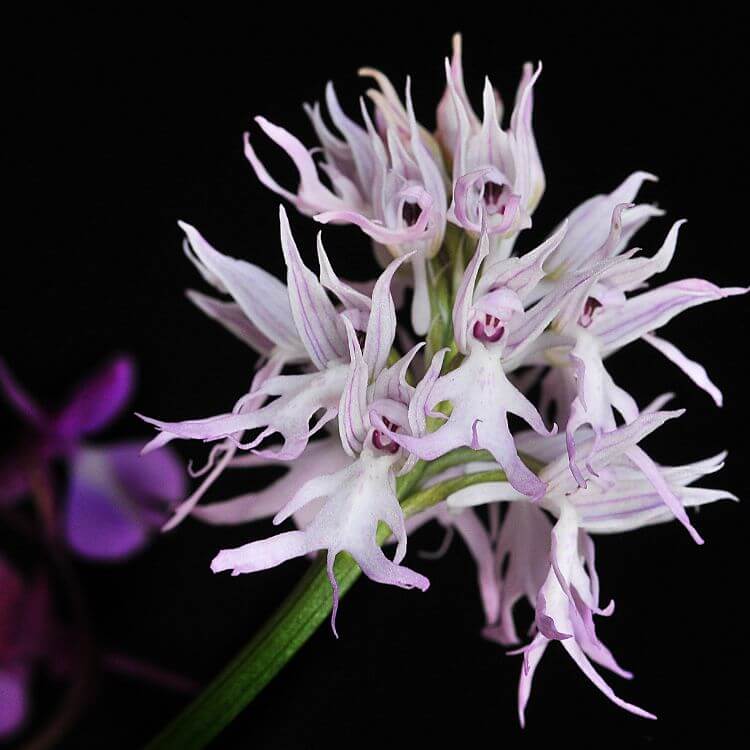
This orchid produces clusters of soft pink blooms that naturally form shapes reminiscent of tiny human figures. The illusion becomes especially striking when several flowers appear together on the same stem, giving the impression of a miniature crowd of “little people.” Each bloom is delicate and intricately formed, making it one of the most unusual floral curiosities in Mediterranean landscapes.
8. Rabbit Orchid (Leucospermum erubescens)
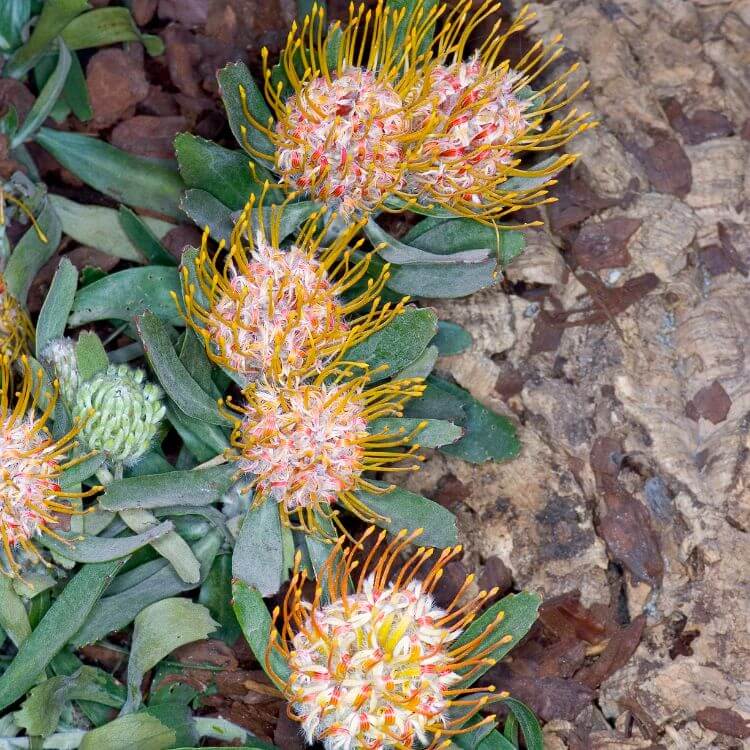
The Rabbit Orchid’s bloom forms a compact head with two petals standing upright like ears, giving it the unmistakable appearance of a tiny rabbit peeking through the leaves. Its vivid colors and nectar create a striking contrast against the surrounding foliage, making the flower look almost animated as it sits among the greenery.
9. Elephant Flower (Pedicularis groenlandica)
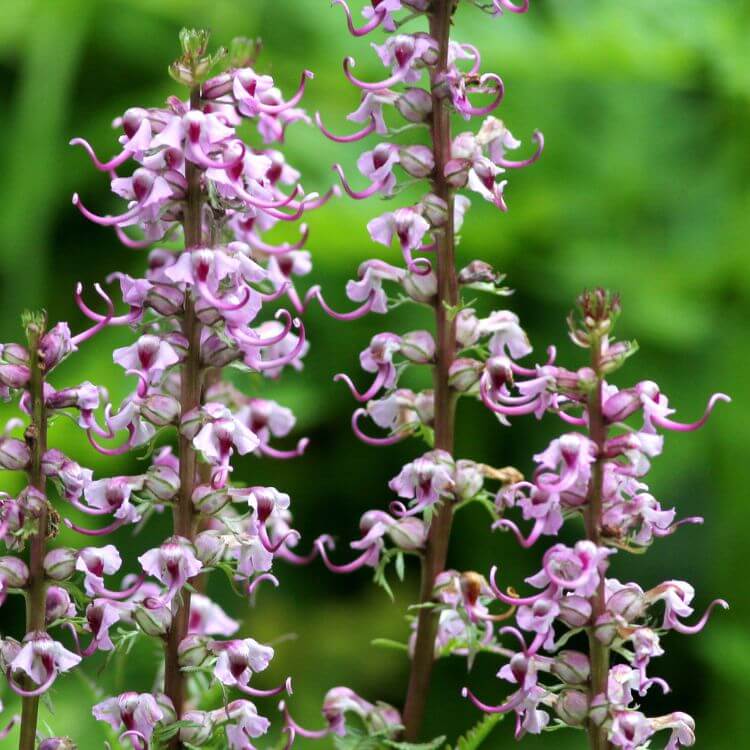
The Elephant Flower has a bloom shaped like a tiny elephant head, complete with a trunk extending forward. Its unusual form sits atop slender stems in mountain meadows, often catching the eye of hikers in full summer bloom. Interestingly, this plant is partially parasitic, drawing some nutrients from neighboring plants while still photosynthesizing, which adds a surprising twist to its charming appearance.
10. Bat Flower (Tacca chantrieri)
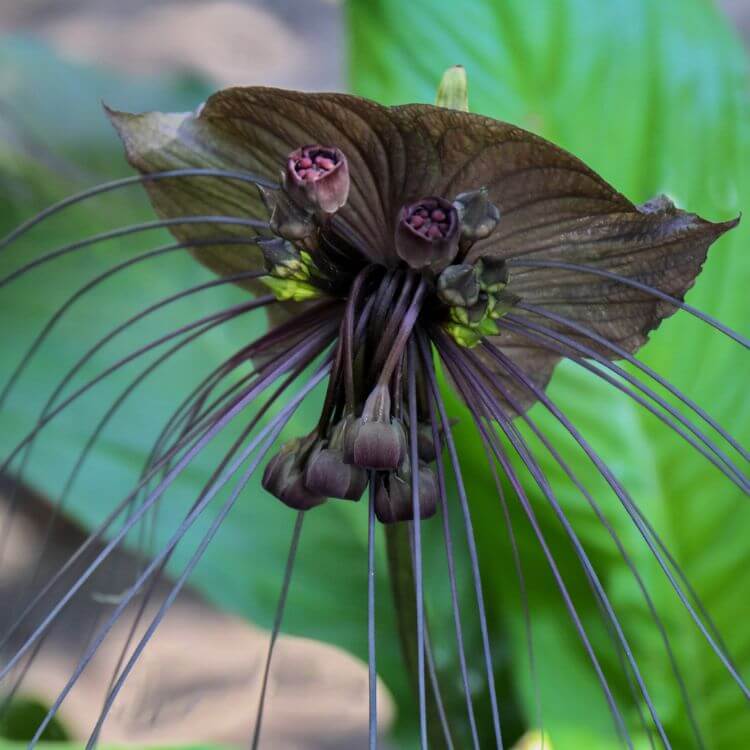
The Bat Flower opens dark, dramatic petals that stretch outward like wings in flight. From the center, long, thread-like filaments hang down, giving the bloom a mysterious, almost eerie appearance. Its unusual shape and deep color make it stand out vividly among the surrounding greenery in humid tropical forests.
Category C: The Creepy Crawlies & Others
11. Bee Orchid (Ophrys apifera)
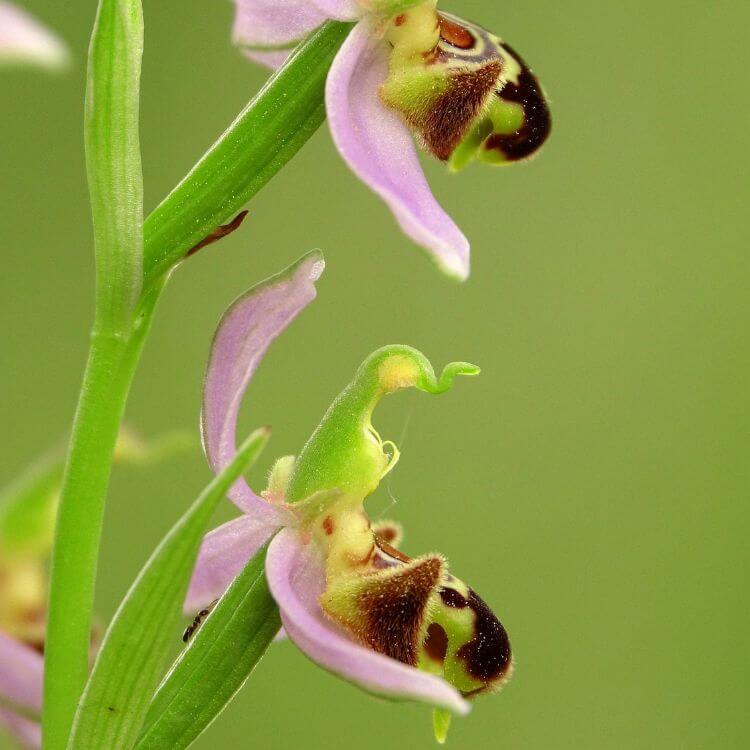
The Bee Orchid features petals that strikingly resemble a female bee, complete with textured patterns and subtle color variations. This visual trick lures male bees, which unwittingly pick up pollen while attempting to interact with the flower. Such a specialized strategy, known as sexual deception, highlights the remarkable ways orchids have evolved to ensure reproduction. Source: Royal Botanic Gardens Kew
12. Spider Orchid (Ophrys sphegodes)
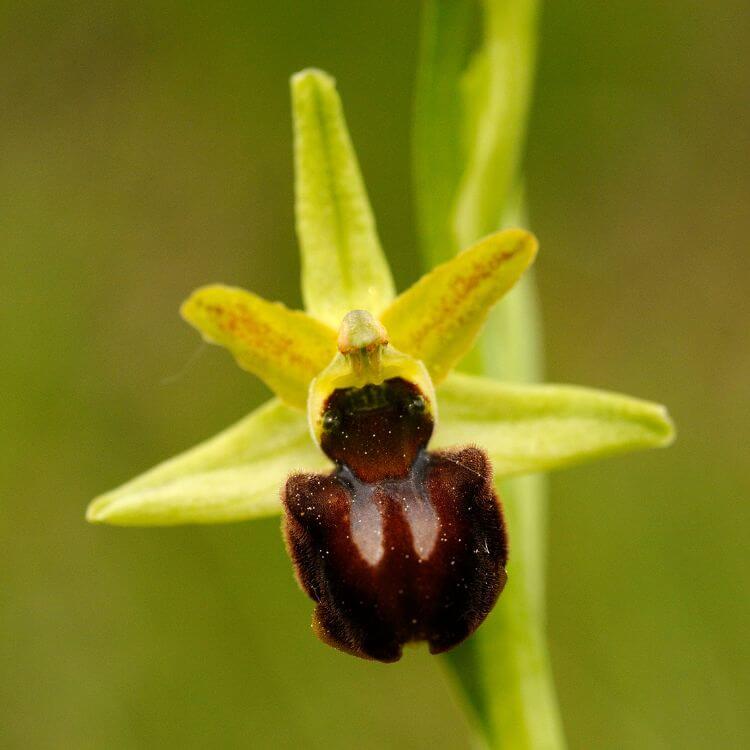
The Spider Orchid’s bloom gives the uncanny appearance of a tiny spider perched in the center. Dark markings form the “body,” while slender petals radiate outward like delicate legs. This clever natural design helps the flower interact with specific insects, ensuring that pollen is transferred effectively without relying on random visits.
13. Moth Orchid (Phalaenopsis)
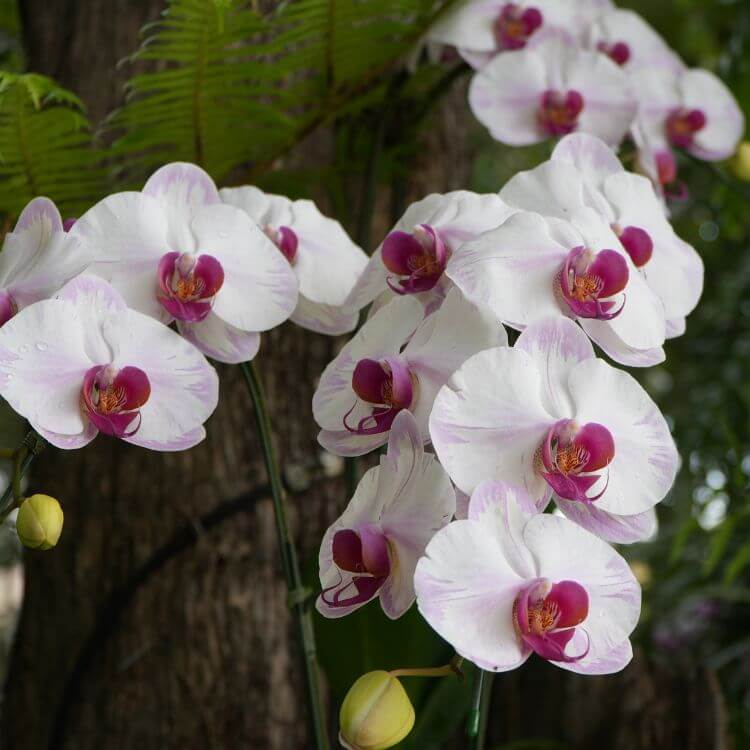
The Moth Orchid opens broad, elegant petals that mimic the shape of a moth in mid-flight. Its blooms appear delicate yet symmetrical, creating a gentle, airy effect that brightens any indoor space. The orchid’s resilience and adaptability make it a familiar sight in homes worldwide, where its long-lasting flowers can persist for several weeks.
14. Darth Vader Begonia (Begonia darthvaderiana)
The Darth Vader Begonia has a striking dark center that immediately recalls a mask-like shape. Its leaves shimmer with subtle metallic blue tones, catching even small beams of light in the shadowy rainforest understory. The contrast between the dark center and vibrant foliage makes this plant a dramatic and unforgettable sight.
15. Skull Flower (Antirrhinum majus)
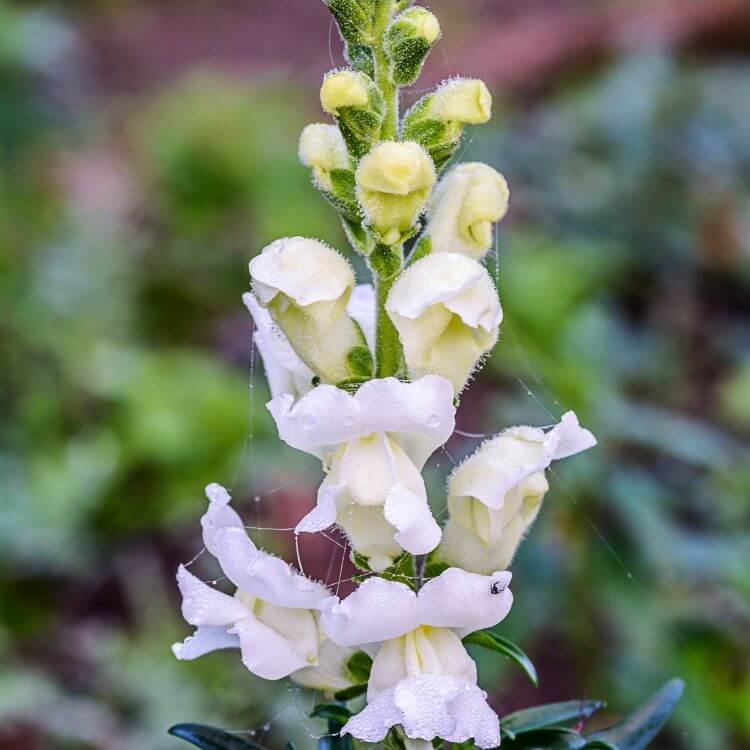
After the Snapdragon blooms fade, the dried seed pods take on an eerie resemblance to tiny skulls. This surprising transformation completely changes the plant’s appearance, turning a cheerful garden flower into something unexpectedly striking as the season progresses.
16. Tiger Orchid (Grammatophyllum speciosum)
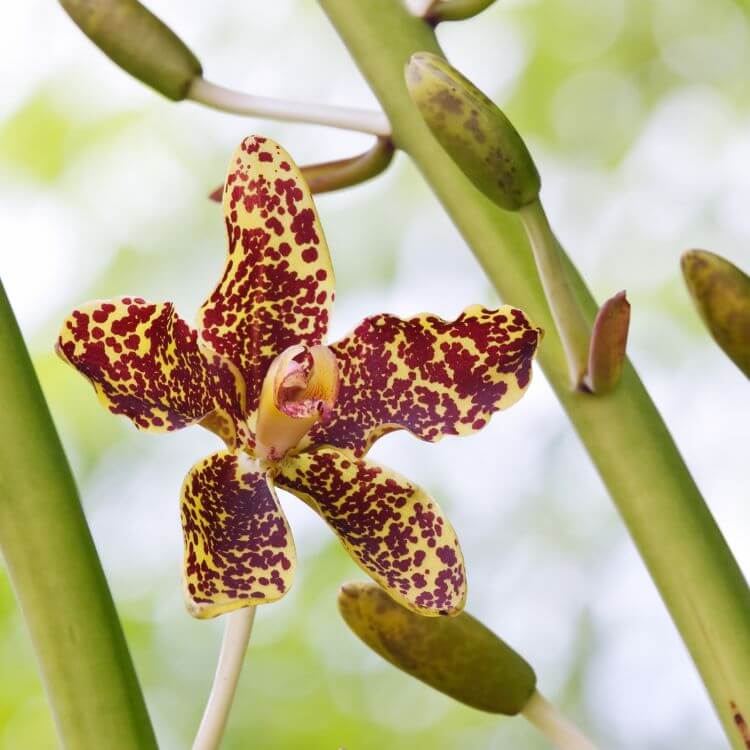
The Tiger Orchid displays broad petals covered in bold, irregular spots that recall the stripes of a tiger. Its massive blooms can grow to impressive sizes, making the plant one of the largest orchids in the world. The striking pattern and sheer scale give it a commanding presence in its natural Southeast Asian habitats.
17. Lobster Claw Flower (Heliconia rostrata)
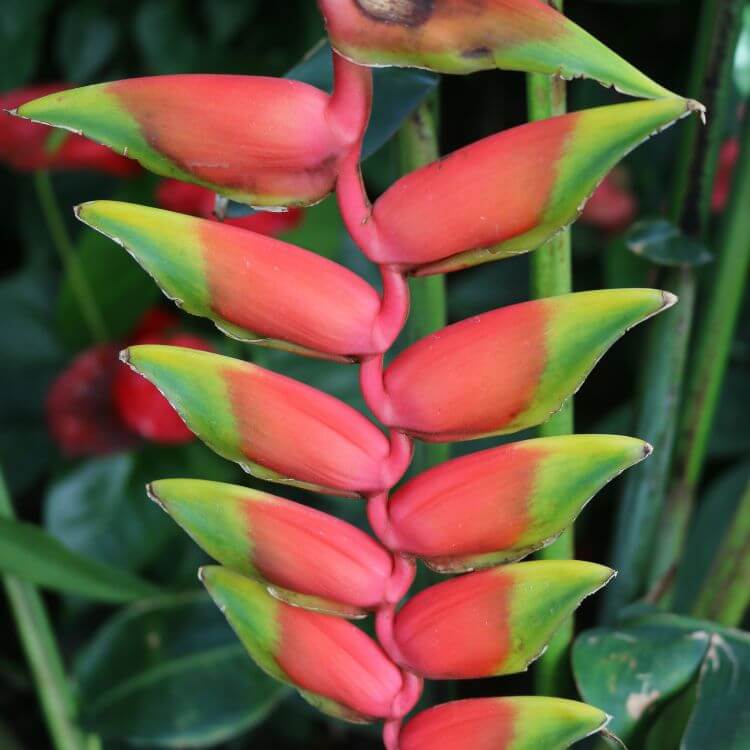
The Lobster Claw Flower features vibrant red bracts that curve downward like a row of miniature claws. Inside these protective structures, nectar is safely held, inviting birds and insects while keeping the sweet reward secure. The dramatic shape and bright color make it stand out vividly in tropical landscapes.
18. Parrot Beak Flower (Lotus berthelotii)
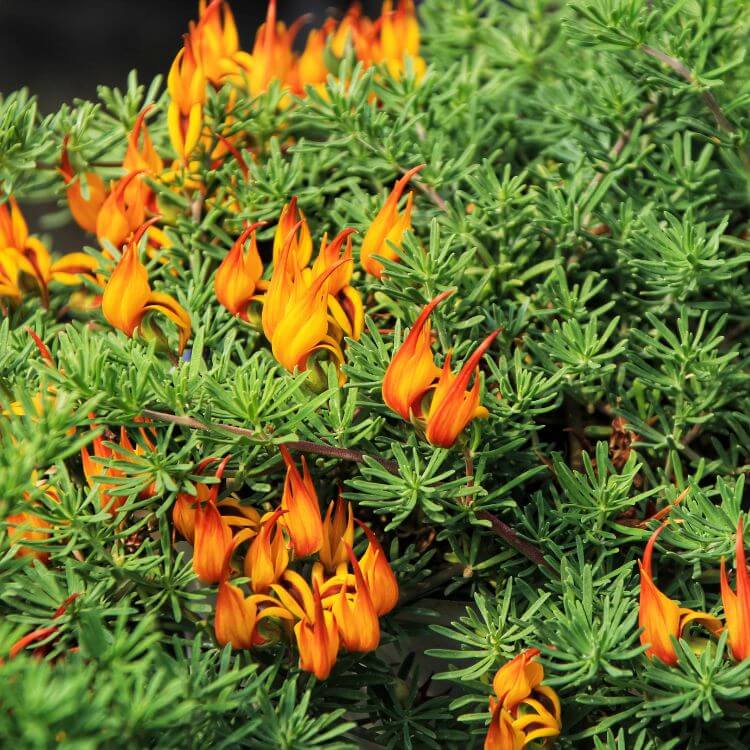
The Parrot Beak Flower has sharply curved petals that resemble a parrot’s hooked beak. Its vivid orange-red hue creates a striking contrast against green foliage, making it instantly eye-catching in any garden or natural setting. The unique shape and color combination give the bloom a lively, almost animated appearance.
19. Green Birdflower (Crotalaria cunninghamii)
The Green Birdflower produces blooms that curve and twist to form shapes reminiscent of tiny birds resting on the stems. When several flowers appear together, the illusion of a small flock becomes strikingly clear. Its unusual form has long been noted and appreciated by local communities in Australia.
20. Swaddled Babies Orchid (Anguloa uniflora)
The Swaddled Babies Orchid features inner petals that curl tightly, forming a shape strikingly similar to a tiny infant wrapped in a blanket. This delicate illusion gives the flower its charming nickname. Found in the misty Andean forests, the blooms stand out for their unusual form and soft, creamy colors.
Why These Flowers Look Like Animals
Many flowers mimic animals to attract the right pollinators. Insects, birds, and other animals move pollen between flowers, which is essential for the plant to reproduce. To succeed, plants have developed clever strategies:
Sexual deception
Some orchids trick male insects by imitating female insects. When the males try to mate with the flower, they pick up pollen and carry it to the next bloom.
Visual mimicry
Certain flowers simply look like animals or insects that pollinators already recognize, making them irresistible landing spots.
Pollination syndromes
Plants evolve colors, shapes, and patterns that match the feeding habits of specific pollinators, like bees or hummingbirds, increasing the chances of successful pollination.
FAQs About Flowers Resembling Animals
These are blooms shaped like animals, such as the Monkey Face Orchid or Flying Duck Orchid.
Some flowers copy the appearance or behavior of animals to attract pollinators, like the Bee Orchid.
Yes, Dracula simia naturally forms markings resembling a monkey’s face in the wild.
The Bee Orchid has petals shaped like a female bee to trick male bees into pollinating it.
The Naked Man Orchid has blooms that resemble tiny human figures, giving it this nickname.
Some rare orchid varieties have markings that loosely resemble a cat’s face, though it’s uncommon.
Certain dramatic flowers, like the Darth Vader Begonia, have shapes and markings reminiscent of mythical faces.What is the flower that looks like an animal?
Do any plants mimic animals?
Is the monkey face flower real?
What flower looks like a bee?
What flower is called the dude flower?
What flower looks like a cat's face?
What flower looks like a dragon face?
Final Thoughts
Nature’s creativity never ceases to amaze. These 20 flowers show just how playful and intricate evolution can be, turning petals into animals and shapes that spark our curiosity.
Which flower from this list looks the most realistic to you? And have you ever spotted a plant that looked like an animal in your own backyard?
Explore our related posts to discover even more incredible plant wonders.