
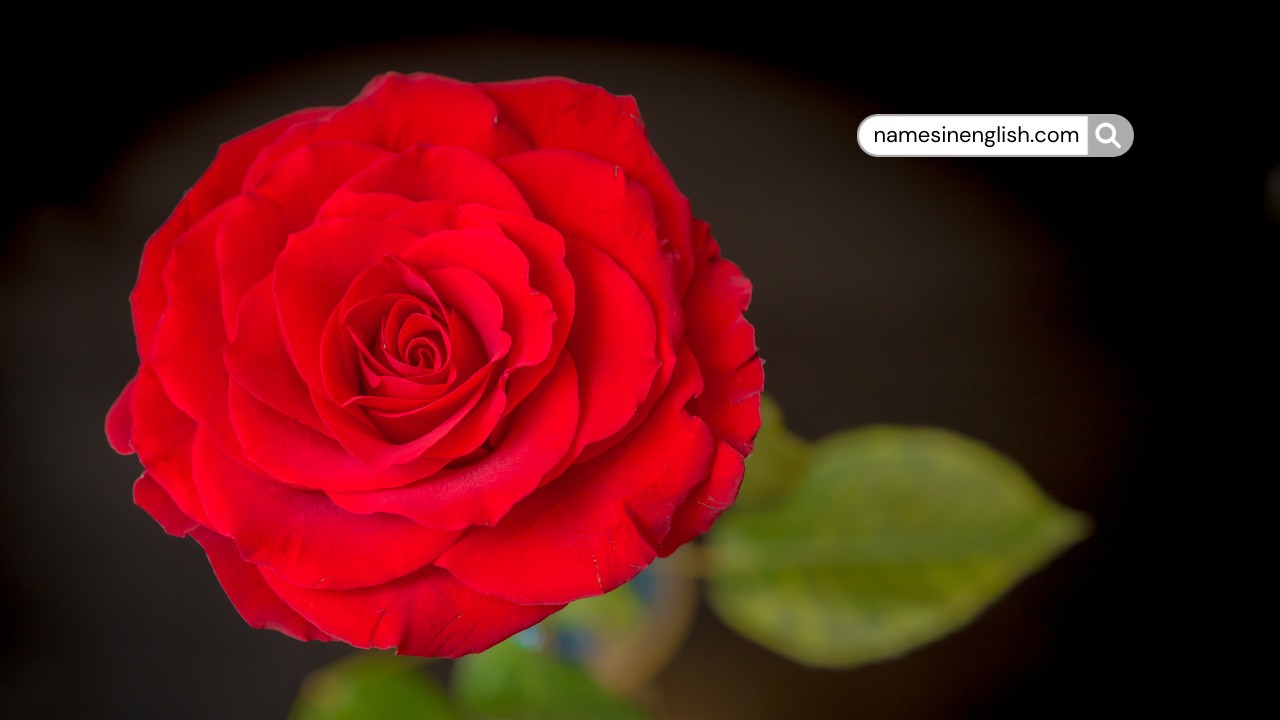

A rose is one of the most famous flowers in the world, but have you ever wondered why the rose is called Rose? The name has a long and fascinating history that stretches back through ancient languages, cultures, and civilizations. Understanding its origin helps us appreciate not only the flower itself but also the rich stories and symbolism connected to it. In this article, you’ll learn where the name “rose” came from, how it evolved over time, what it means, and why this timeless flower continues to symbolize love, beauty, and admiration across the world.
The Story Behind the Word “Rose”
The word rose has a long journey, just like the flower itself. People have cultivated roses for thousands of years for beauty, fragrance, medicine, and ceremonies. Some of the earliest rose gardens were in Persia, where petals were used to make perfumes and rose water. Merchants carried these fragrant products across the Middle East, Greece, and Rome, spreading both the flower and its name.
Romans loved roses in festivals, decorations, and special ceremonies. Their admiration helped the flower and its name travel further into Europe. Over time, as roses appeared in poetry, art, and gardens, the word became familiar across many cultures.
Why Is the Rose Called Rose?

The English word rose comes from the Latin rosa, used by the Romans to describe the flower. The term passed into Old French as rose and then entered English during the medieval period, after the Norman Conquest introduced French vocabulary. Over centuries, the spelling and pronunciation remained mostly unchanged, which is why modern English still closely resembles its Latin origin.
Rose vs Rosa
“Rose” is the English name we use every day. “Rosa” is the Latin word and the name used in scientific classification. While rose appears in literature and conversation, Rosa is used in botany to name species, like Rosa damascena or Rosa gallica. Both refer to the same flower, but one is common language and the other is scientific.
A Journey Through Languages
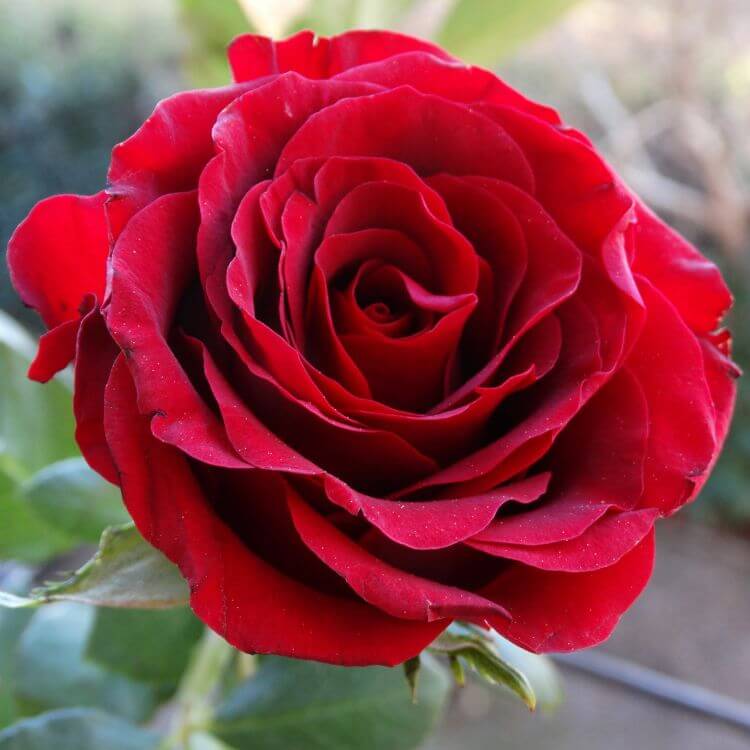
The rose name has roots that go even further back:
- Ancient Greek: The word rhodon appears in Greek texts, showing the flower’s early spread across the Mediterranean.
- Latin: Rosa became the dominant term in Roman Europe.
- Old French → English: By the Middle English period, writers and poets were using rose consistently, and the word became firmly established in literature and conversation.
Timeline of the word:
| Language Stage | Word Form | Period |
|---|---|---|
| Ancient Greek | rhodon | Before Roman Empire |
| Latin | rosa | Roman Empire |
| Old French | rose | Early medieval Europe |
| Middle English | rose | 12th–15th centuries |
| Modern English | rose | Present day |
The Symbolic Meaning Behind the Rose Name
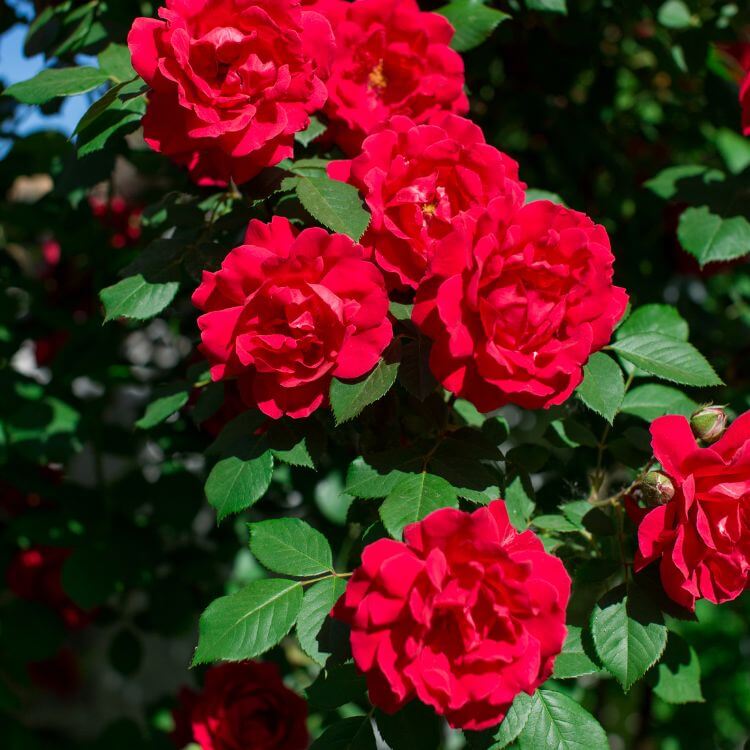
The rose name survived in part because the flower held strong symbolic meaning. Across cultures, roses became linked to feelings and ideas that people valued deeply.
Some of the most common symbolic meanings include:
- Love and romance in literature and art
- Beauty and elegance in gardens
- Secrecy and privacy in medieval times
- Royal power in historical emblems
Romans often used roses in celebrations and decorations. At banquets, guests sometimes sat under ceilings covered with rose petals. The flower became a sign of luxury and special occasions.
One famous reference is in Shakespeare’s Romeo and Juliet. Juliet says a rose would smell just as sweet even if it had a different name. This shows that the true value of something does not depend on its label. Over time, the quote became one of the most well-known literary references to roses. Because of this strong cultural meaning, the name rose became deeply rooted in art, poetry, and storytelling.
How Different Languages Use the Word Rose
One fascinating detail about the rose name is how little it changes between languages. Many European languages use a word that closely resembles the original Latin form.
| Language | Word for Rose |
|---|---|
| English | Rose |
| Spanish | Rosa |
| Italian | Rosa |
| French | Rose |
| Portuguese | Rosa |
| German | Rose |
This similarity exists because many of these languages developed from Latin or absorbed Latin vocabulary over time. When a word becomes culturally significant, speakers often preserve its original form rather than replacing it with something new.
Even outside Europe the flower often retains a recognizable version of the name. In many languages the word appears in poetry, personal names, and traditional songs. The global recognition of the rose helped maintain the stability of its name.
Botanical Science and the Name Rosa
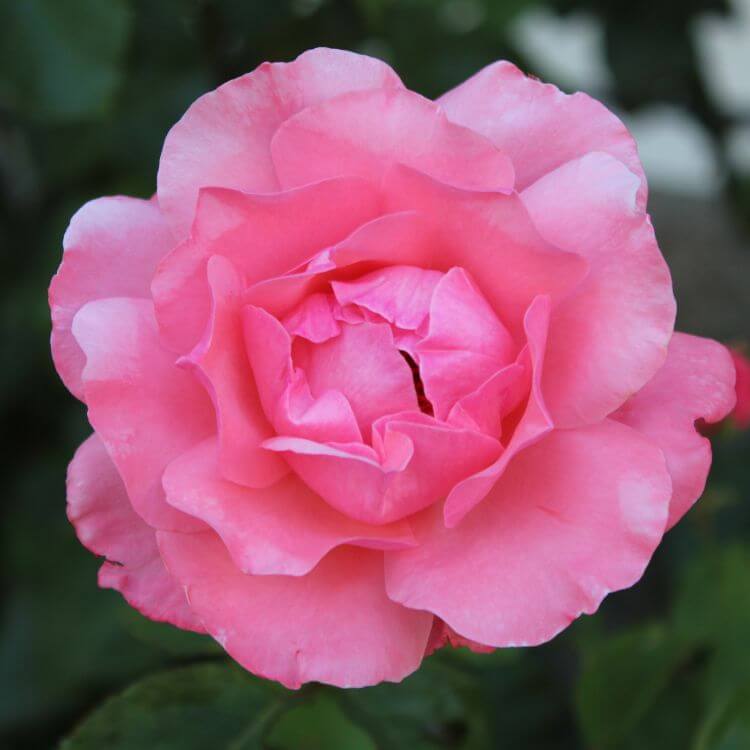
Science helped keep the rose name alive. When botanists created systems to classify plants, they used Latin. This made it easy for researchers around the world to understand each species.
All true roses belong to the genus Rosa, which has over a hundred species. Some examples include:
- Rosa gallica – a historic European species
- Rosa damascena – famous for rose oil used in perfumes
- Rosa chinensis – from China, it helped create modern garden roses
Using Latin names kept the word Rosa consistent in books, plant catalogs, and research. Today, roses are found across Asia, Europe, and North America, and the name continues to connect science and everyday language.
Source: Royal Botanic Gardens, Kew
The Name Rose Stayed the Same for Centuries
Most words change over time, but rose is different. It has stayed almost unchanged for thousands of years. Several reasons explain this:
- Cultural importance: Roses appear in literature, art, and religious traditions, making the word meaningful and memorable.
- Trade and use: Roses were sold as perfumes, oils, and medicines across Persia, the Ottoman Empire, and Europe, so merchants needed a consistent name.
- Literature and poetry: Poets in Persia and Europe repeatedly used the word, linking it to love, beauty, and devotion.
- Science and botany: Latin names preserved the word in botanical classification, connecting modern research to ancient language.
Together, these factors made rose one of the few plant names to survive history almost unchanged.
Rose Name: Meaning, Origin & FAQs
Why is the rose called the rose?
The word rose comes from Latin 'rosa', passed through Old French before becoming English.
Who said a rose is a rose?
Shakespeare wrote in Romeo and Juliet that a rose would smell as sweet by any name.
What do roses symbolize?
Roses commonly symbolize love, beauty, secrecy, and royalty.
What is the other meaning of rose?
Besides the flower, 'rose' can refer to the color or symbolic references in literature.
Conclusion
The story of the word rose shows how a simple name can carry centuries of culture, trade, and knowledge. Its journey from ancient languages to modern English is a reminder of how deeply plants are woven into human history.
Exploring the origins of different flower names uncovers equally fascinating stories, revealing the rich connection between language, culture, and the natural world: