Flowers State

North Carolina State Flower with Name and Picture

North Carolina State Flower with Name and Picture
Written by Ammar Ch

Every U.S. state has an official flower that reflects its natural beauty, history, and cultural heritage. These state flowers are often chosen because they are native to the region or hold special significance for local communities. Learning about the North Carolina State Flower with Name and Picture is a great way to expand your English vocabulary while discovering interesting facts about the state’s official symbol. In this article, you will learn the name of North Carolina’s state flower, see its picture, and explore simple information about its appearance, meaning, and importance.

What Is the North Carolina State Flower?

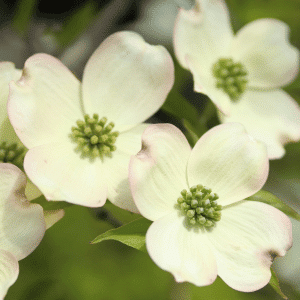
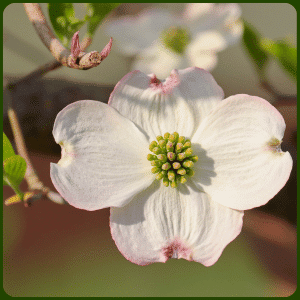
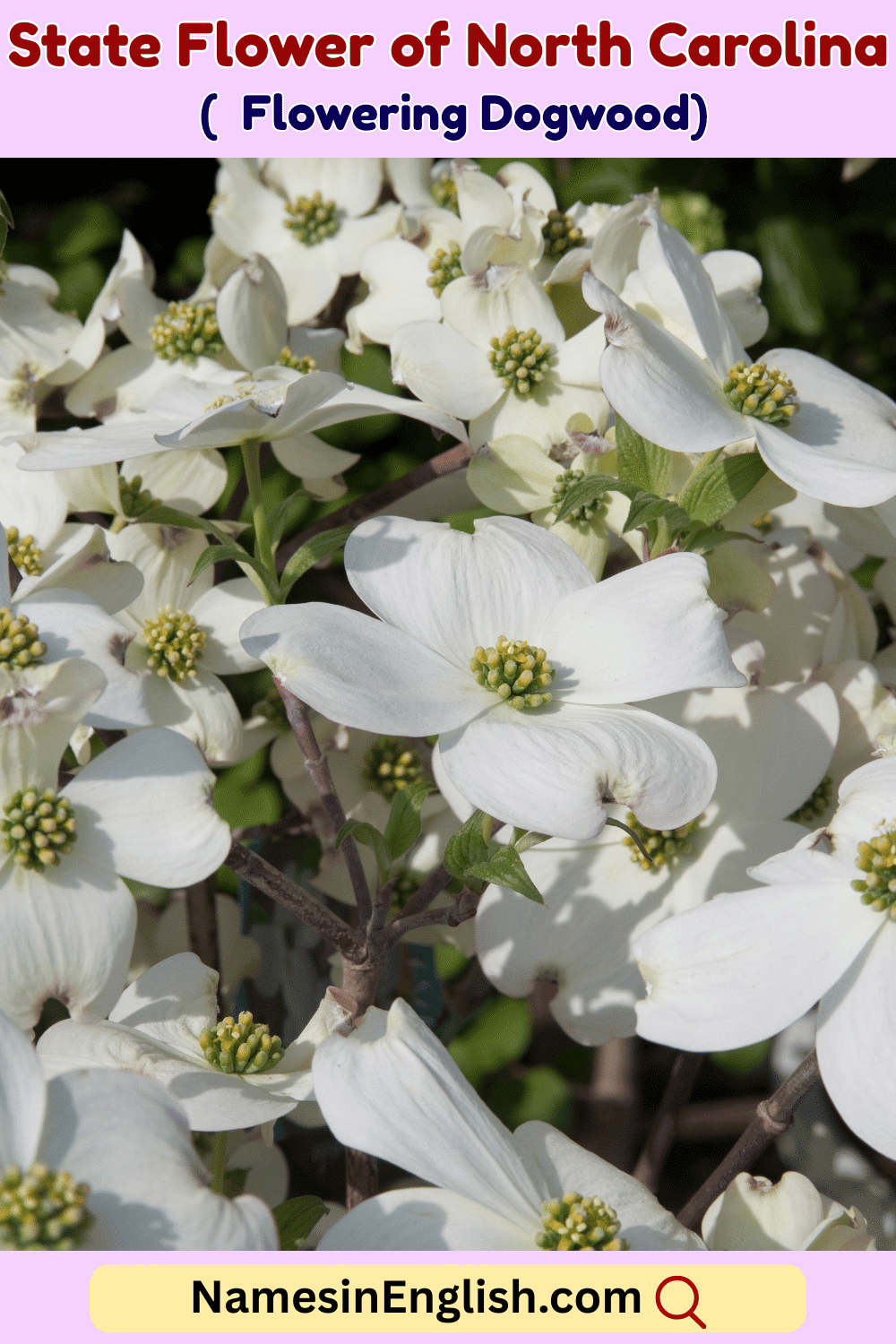
The Flowering Dogwood (Cornus florida) is the official North Carolina State Flower. Although commonly called a flower, it is actually a small deciduous tree that produces clusters of tiny yellow-green flowers surrounded by four large white or pink bracts that look like petals.
What Is the North Carolina State Flower

When Did the Flowering Dogwood Become North Carolina’s State Flower?

The Flowering Dogwood was officially adopted as the North Carolina State Flower in 1941 by the North Carolina General Assembly. Lawmakers selected it because the tree was already growing naturally across the state and was widely admired for its graceful appearance, seasonal beauty, and importance in local landscapes.

Why Was the Flowering Dogwood Chosen?

Several qualities made the Flowering Dogwood the perfect choice as the state flower.

Native Beauty

The tree grows naturally throughout North Carolina, making it a true representation of the state’s native forests.

Spectacular Spring Blooms

Its bright blossoms transform woodlands and gardens each spring, creating one of the state’s most beautiful seasonal displays.

Symbol of Renewal

The annual bloom represents hope, new beginnings, and the arrival of spring after winter.

Long-Lasting Appeal

Besides its flowers, the tree also offers colorful berries, rich autumn foliage, and attractive branching throughout the year.
Symbolic Meaning of the North Carolina State Flower

The Flowering Dogwood symbolizes hope, renewal, purity, and resilience, making it a meaningful emblem of North Carolina. Its blossoms appear each spring, representing new beginnings after the winter season. The tree also reflects the state’s appreciation for natural beauty, strength, and enduring traditions.

Scientific Name and Classification

  • Common Name: Flowering Dogwood
  • Scientific Name: Cornus florida
  • Kingdom: Plantae
  • Clade: Angiosperms
  • Order: Cornales
  • Family: Cornaceae
  • Genus: Cornus
  • Species: Cornus florida
  • Plant Type: Deciduous flowering tree
  • Native Range: Eastern North America

What Does the Flowering Dogwood Look Like

The Flowering Dogwood is a small deciduous tree that typically grows between 15 and 30 feet tall with graceful, spreading branches. It produces clusters of tiny yellow-green flowers surrounded by four large white or pink bracts that resemble petals. In autumn, its leaves turn brilliant shades of red and purple, while bright red berries add seasonal color.
What Does the Flowering Dogwood Look Like

Where Does Flowering Dogwood Bloom

The Flowering Dogwood grows naturally throughout North Carolina, from the mountains to the Piedmont and coastal regions. It is commonly found in deciduous forests, woodland edges, parks, gardens, and residential landscapes. The tree thrives in well-drained soils with partial shade but also adapts to sunny locations.

Blooming Season of Flowering Dogwood

The Flowering Dogwood blooms in early spring, usually from March through May, depending on the local climate. Its showy white or pink bracts cover the branches before the leaves fully emerge, creating a stunning display. The blossoms signal the arrival of spring and are one of North Carolina’s most admired seasonal sights.

What Does Flowering Dogwood Need to Grow

Water: Moderate watering, especially during dry weather.
Soil & Nutrients: Well-drained, fertile, slightly acidic soil rich in organic matter.
Light: Partial shade to full sun for healthy growth and flowering.
Mulching: Apply organic mulch to retain moisture and protect the roots.
Space & Shelter: Plant in an open area with good air circulation, away from crowded trees and strong winds.

Educational Value of Flowering Dogwood

The Flowering Dogwood helps students learn about native plants, tree identification, and the importance of biodiversity. It is often included in school lessons about North Carolina’s official state symbols and natural heritage. Studying this tree also teaches the role of flowering plants in supporting wildlife and healthy ecosystems.

Environmental Importance in North Carolina

The Flowering Dogwood provides nectar for bees and other pollinators while its bright red berries serve as food for birds and small mammals. Its branches offer shelter and nesting sites, helping support local wildlife throughout the year. As a native species, it contributes to healthy forests and promotes ecological balance.

Tourism Importance in North Carolina

The blooming Flowering Dogwood attracts thousands of visitors to North Carolina each spring to enjoy its breathtaking floral displays. Parks, botanical gardens, scenic byways, and mountain trails become popular destinations during the blooming season. This seasonal beauty supports local tourism, benefiting hotels, restaurants, and nearby businesses.

Interesting Facts About the Flowering Dogwood

  • The Flowering Dogwood is actually a flowering tree, not a single flower.
  • Its true flowers are the tiny greenish-yellow blooms found at the center.
  • The large white “petals” are specialized leaves called bracts.
  • The tree produces bright red berries that provide food for many bird species.
  • It offers beauty during every season with spring flowers, summer leaves, autumn color, and attractive winter branches.
Name of State Flower of North Carolina

Name of State Flower of North Carolina


Learn More Helpful Articles

About the author

Ammar Ch

Ammar is a 27 year old English teacher and professional article writer from the United Kingdom. He has over five years of experience in English education and content writing. He enjoys sharing his knowledge through well-researched educational articles and currently works as a writer and contributor at Names in English.

Leave a Comment