

The National Flower of Bangladesh, known as the Shapla (Water Lily), is a beautiful symbol of the country’s natural beauty, culture, and national identity. Found blooming across ponds, lakes, and wetlands, this graceful flower represents purity, peace, and the close connection between the people of Bangladesh and nature. In this article, you’ll learn about the National Flower of Bangladesh, its scientific name, appearance, cultural importance, habitat, interesting facts, and why the Shapla (Water Lily) continues to hold a special place in the hearts of Bangladeshis.
What Is the National Flower of Bangladesh?
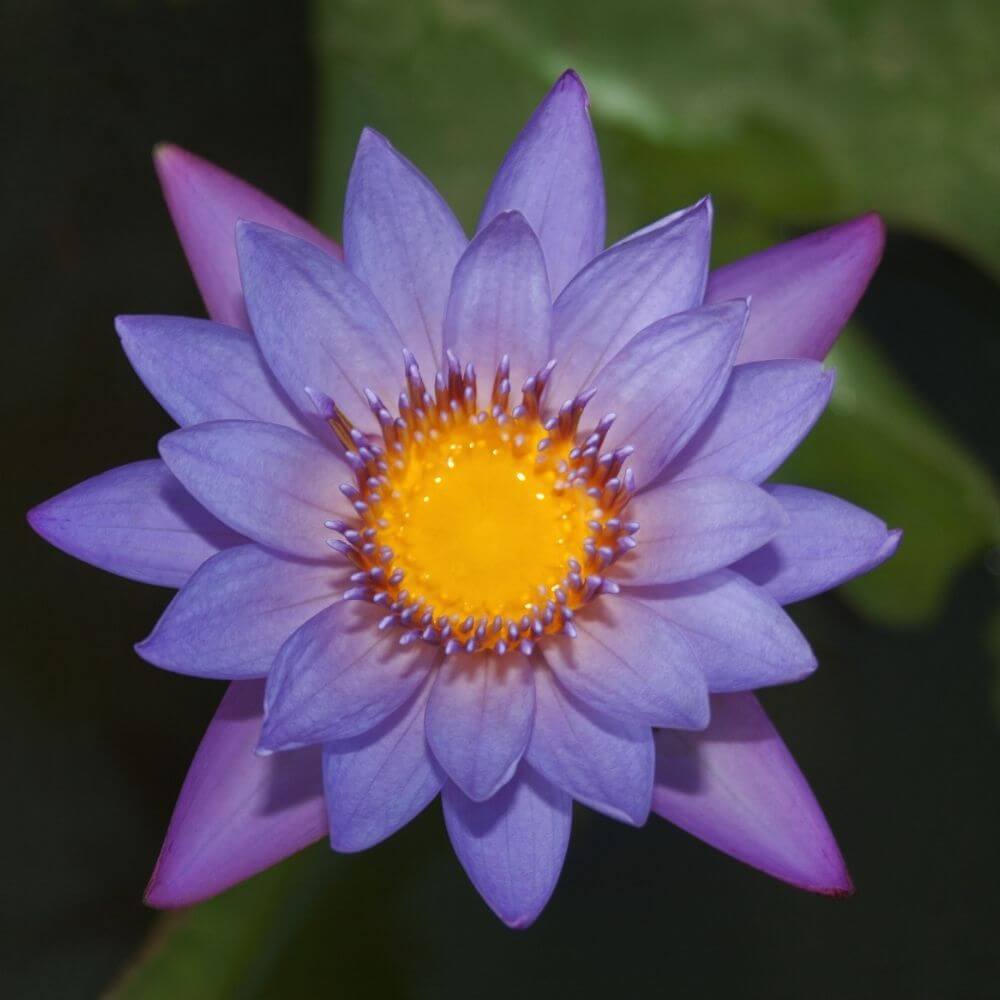
The national flower of Bangladesh is the Shapla, which is the water lily. It is a beautiful flower that grows in ponds, rivers, and wetlands all over the country. People know it well because it is part of Bangladesh’s nature and culture. The Shapla matters more than just a flower. It shows the heart and spirit of Bangladesh.
What People Don’t Usually Know About Bangladesh’s National Flower
Here are five simple facts about the Shapla that many people do not know:
- It Was Never Officially Declared in One Big Event
Bangladesh did not have a special day or ceremony to make Shapla the national flower. It became the national flower slowly over time. - Shapla Shows Rural Life, Not Royalty or Religion
Unlike other national flowers that are rare or linked to kings and temples, Shapla grows naturally in village ponds and rivers. It represents the simple life of the people. - It Became a National Symbol After Independence
Shapla became very important after Bangladesh won independence in 1971. It stands for hope and new life after hard times. - In the National Emblem, Shapla Means More Than Decoration
The flower in the national emblem is not just a pretty picture. It shows life, hope, and the rivers that are very important to Bangladesh. - Shapla Is Becoming Rare, Which Adds New Meaning
Pollution and city growth are making Shapla harder to find. This makes it a symbol of both beauty and loss, reminding us to protect the environment.
How Shapla Became the National Flower
The shapla became the national flower without an official declaration:
Many countries have a clear day when they say what their national flower is. Bangladesh did not do this. Instead, Shapla became a symbol slowly. You can see it on money notes, government signs, school books, and many artworks. Because it was everywhere, people accepted it as the national flower even without a formal announcement.
Symbolism Rooted in Rural Life and Simplicity
Most national flowers are rare or connected to kings or religion.
Shapla is different:
- It grows naturally in ponds and wetlands near villages. It is familiar to farmers, fishermen, and children.
- Shapla shows the simple and strong life of rural Bangladesh.
- It is not about power or wealth, but about everyday beauty and survival.
Shapla’s Rise as a National Symbol After Independence
After the war of independence in 1971, Bangladesh needed new symbols. Shapla became one.It showed life growing from water, just like Bangladesh growing after tough times.
The flower stands for peace, hope, and the connection of people to their land and rivers. It is a sign of a fresh start for the country.
The Meaning Behind Shapla in the National Emblem
The Shapla flower is in the middle of Bangladesh’s national emblem.
This is important because:
- It shows life and hope for the country.
- It reminds us of the rivers and wetlands that are part of Bangladesh’s identity.
- Around the flower, there are rice sheaves and stars, which connect to farming and dreams for the future.
The flower is the heart of the emblem, not just decoration.
Shapla’s Declining Presence and Environmental Significance
Today, Shapla faces a big problem:
- Pollution and city growth are reducing the places where it grows.
- What was once common in every pond is now becoming rare.
- This makes the flower a new symbol. One of loss and the need to protect nature.
- Conservation groups are working to save Shapla and the wetlands it lives in.
Why is the Shapla Disappearing?
What was once common in every village pond is now a rare sight near cities. The decline is driven by three main factors:
- Urban Encroachment: Wetlands are being filled with sand to build houses.
- Pollution: Industrial waste in rivers makes the water too toxic for lilies to bloom.
- Agricultural Runoff: Pesticides from nearby farms change the chemistry of the ponds.
“Protecting the Shapla isn’t just about a flower, it’s about saving the water that sustains Bangladesh.”
A comprehensive environmental assessments, such as this Study on the Threatened Wetlands and Ecosystems of Bangladesh, highlight that nearly 50% of the country’s wetlands are under threat, directly impacting the survival of aquatic flora like the Shapla.
Positive Sightings Still Exist in Some Places
In some places like Sananda Beel in Moulvibazar, the Shapla flower still blooms a lot. Many people visit these areas to see the beautiful flowers during the season. This means Shapla can grow well when the water is clean and healthy. But in most parts of the country, the flower is not as common anymore.
Why Protecting Shapla Means Protecting Bangladesh’s Soul
Shapla is very important to us especially for Bengali people.It holds memories, culture, and identity for Bangladesh. Losing Shapla would mean losing part of Bangladesh’s story.
Here are some ways you can help:
- Support local groups that protect rivers and wetlands.
- Learn about native plants and share this knowledge with others.
- Talk about the importance of Shapla and the environment in your community.
By caring for Shapla, we care for Bangladesh itself.
FAQs About National Flower of Bangladesh
What Is the National Flower of Bangladesh?
The national flower of Bangladesh is the Shapla, also known as the water lily in English. It grows naturally in ponds and wetlands throughout the country. Shapla is a symbol of hope, peace, and the simple beauty of rural life. Many see it as a reflection of Bangladesh’s natural heritage and spirit.
What is the most famous flower in Bangladesh?
Shapla is the most famous flower in Bangladesh and is widely recognized across the nation. It features on currency, the national emblem, and in many cultural artworks. The flower represents the close relationship between the people and their land. It symbolizes calmness, purity, and resilience.
What is Shapla in English?
In English, Shapla is called the water lily. It is a floating flower that grows on the surface of ponds and rivers. The flower has broad green leaves and beautiful white petals. It’s admired for its simple elegance and natural charm.
Why is Shapla important to Bangladesh?
Shapla is important because it reflects the country’s rural lifestyle and connection to water. After independence, it became a symbol of hope and renewal. The flower also represents peace and the resilience of the people. It reminds Bangladeshis of their roots and natural beauty.
Is Shapla becoming rare in Bangladesh?
Yes, Shapla is becoming rare due to pollution, urbanization, and loss of wetlands. Its shrinking presence has raised concerns among environmentalists and locals. This decline adds urgency to conservation efforts. Protecting Shapla means protecting Bangladesh’s rivers and natural heritage.
Final Thoughts
The Shapla isn’t just Bangladesh’s national flower. It is a simple beauty of rural life. It quietly became part of the nation’s heart. Now, as Shapla faces threats from pollution and urban growth, it reminds us to protect our environment. Take a moment to appreciate the Shapla, and think about how you can help keep Bangladesh’s natural beauty alive. If you are interested, you can explore more of my flowers related guides below: