
Flowers often represent a country’s history, culture, and natural beauty, making them much more than colorful plants. The National Flower of Austria is a perfect example, carrying deep symbolic meaning while reflecting the country’s stunning alpine landscapes and rich traditions. Whether you’re a traveler, student, gardening enthusiast, or simply curious about national symbols, learning about Austria’s floral emblem is both interesting and rewarding. In this article, you’ll learn the National Flower of Austria, explore five fascinating facts about its history and symbolism, and learn why it continues to hold a special place in Austrian culture today.
What Is the National Flower of Austria?
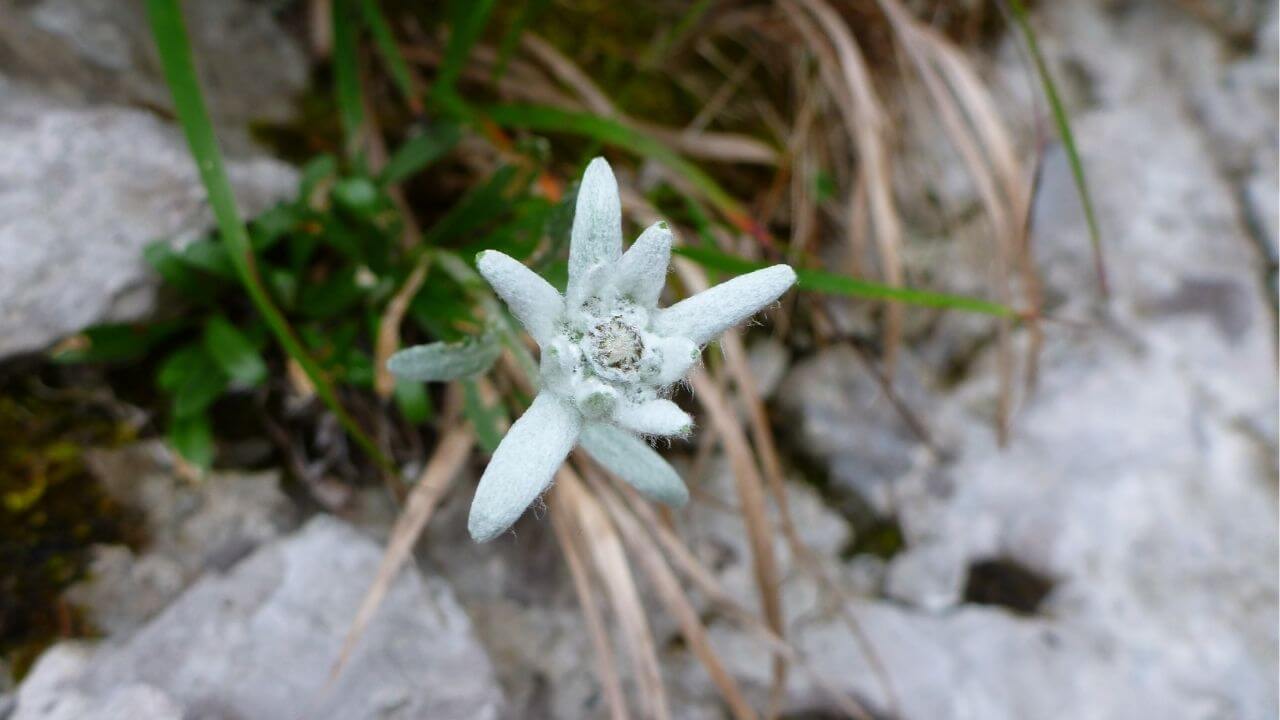
The national flower of Austria is the Edelweiss. Known scientifically as Leontopodium alpinum, Edelweiss grows high up in the alpine regions, thriving on rocky cliffs and mountain slopes where few other plants dare to survive. In English, “Edelweiss” translates to “noble white,” a fitting name for its star-shaped, snowy-white appearance that looks almost otherworldly against the rugged backdrop of the Alps.
5 Fascinating Facts About Austria’s National Flower
1. The Meaning Behind the Edelweiss
Edelweiss isn’t just admired for its looks. It carries a deep meaning. For Austrians, it represents purity, courage, and enduring love. Growing in harsh, high-altitude conditions, it’s seen as a symbol of strength and resilience. Historically, young men would risk their lives climbing dangerous cliffs just to pick Edelweiss as a token of affection for their loved ones. This act made the flower a romantic emblem and a badge of bravery.
2. Edelweiss in Austrian Culture and Tradition
The flower appears in countless Austrian folk songs, poems, and traditions. You might recognize the famous “Edelweiss” song from The Sound of Music. A tune that celebrates Austrian pride and beauty. In traditional Austrian dress, small Edelweiss motifs are often embroidered on hats and costumes, especially in Tyrol and other alpine regions. The flower’s image has long been a part of Austrian identity, often used in artwork, souvenirs, and official symbols.
3. Where to Find Edelweiss in Austria’s Natural Landscape
If you want to see Edelweiss in its natural home, head to Austria’s alpine areas like the Hohe Tauern National Park or the regions around Innsbruck. Edelweiss blooms from late June through August, growing mostly between 1,500 and 3,000 meters above sea level. Due to its delicate nature and popularity, conservation efforts have helped protect wild Edelweiss, so picking it is generally discouraged or even prohibited to ensure it thrives for future generations.
4. Is Edelweiss the National Flower of Austria and Switzerland?
Both Austria and Switzerland proudly claim Edelweiss as a national symbol, which sometimes causes confusion. While the flower is beloved in both countries, Austria officially recognizes it as its national flower. Switzerland also holds it in high regard but tends to emphasize the Alpine rose in other regional emblems. Comparing this to other national flowers like the tulip (commonly associated with the Netherlands) or the lily (linked to countries like France and Italy) shows how floral symbols reflect unique cultural histories.
5. Unique Uses and Modern Applications of Edelweiss
Beyond its symbolic role, Edelweiss has practical uses too. Recent studies highlight its antioxidant and anti-inflammatory properties, leading to its inclusion in skincare products designed to protect the skin from harsh environmental factors. Austrian brands often use Edelweiss imagery in tourism campaigns, promoting the country’s natural purity and alpine charm. This blend of tradition and modernity keeps Edelweiss relevant both culturally and commercially.
How Can You Grow Edelweiss?
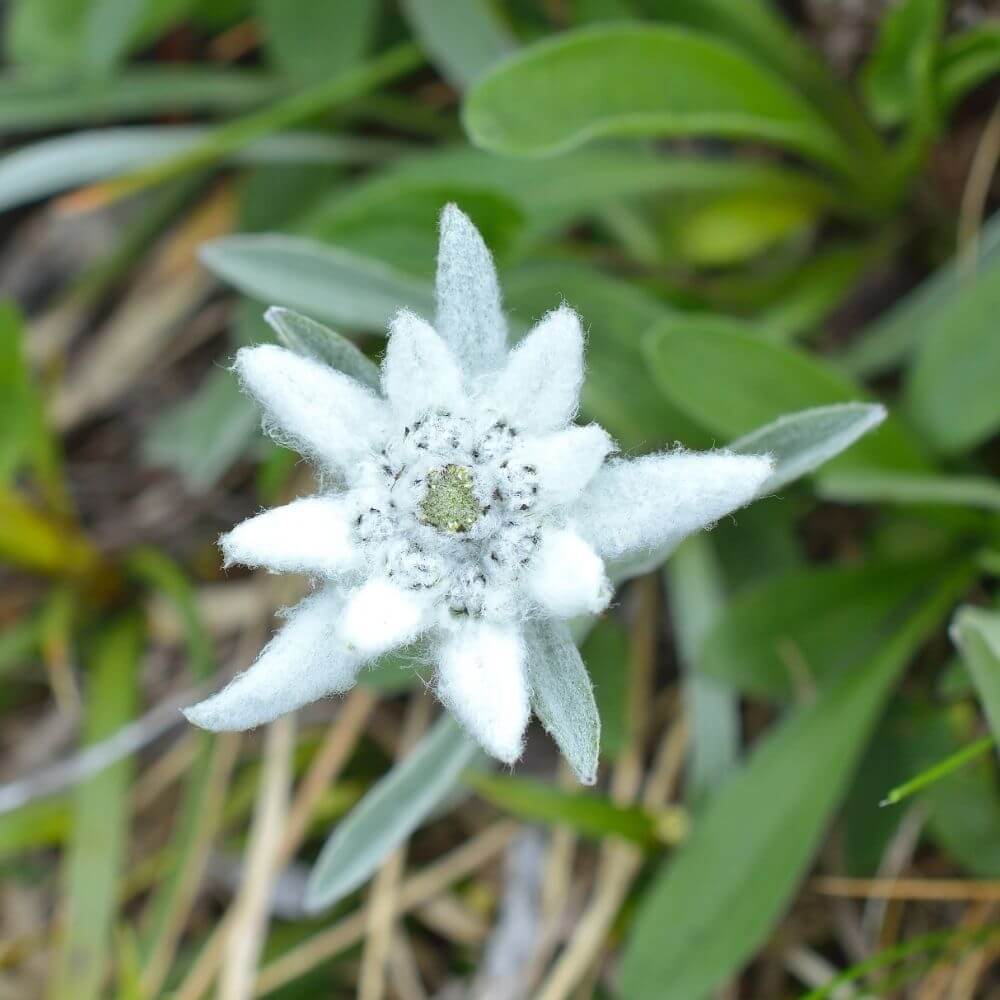
Many people want to grow Edelweiss and they wonder if they can grow it at home. Yes, you can. As long as you recreate the conditions it loves in the wild. Edelweiss naturally grows in rocky, well-drained, alkaline soil high in the mountains, so the trick is to mimic that environment.
Start with gritty, sandy soil or a rock garden setup. Good drainage is essential because Edelweiss dislikes standing water. Choose a spot that gets full sun and stays slightly dry rather than damp. If you live in a hot, humid climate, try growing it in a pot so you can control the soil better.
The seeds need a cold period to germinate. Many gardeners place seeds in the fridge for a couple of weeks before sowing. Once planted, avoid overwatering. With the right setup, Edelweiss grows surprisingly well and blooms with the same soft, star-like beauty it shows in the Alps.
Learn more in this dedicated Guide on How to Grow Edelweiss-thespruce.com
Why Knowing the National Flower of Austria Matters for Visitors
Understanding the significance of the Edelweiss can enrich your trip to Austria. When hiking in the Alps, spotting this rare flower adds a layer of connection to the land and its people. Visiting museums, local festivals, or souvenir shops with Edelweiss motifs can reveal stories that go beyond sightseeing. Giving you a glimpse into Austrian heritage. So if you plan to explore Austria’s mountains, keep an eye out for this humble yet iconic flower. It’s not just nature’s decoration. It’s a piece of Austria’s soul.
FAQs About National Flower of Austria
The national flower of Austria is the Edelweiss, a small white alpine bloom. It’s admired for its star-like shape and soft, woolly petals. The flower symbolizes purity, bravery, and deep cultural pride. Austrians see it as a powerful emblem of their mountain heritage.
Edelweiss is the flower most strongly associated with Austria. It represents courage due to its harsh alpine growing conditions. Its image appears in songs, traditional clothing, and national symbols. For many locals, it feels like a reminder of home and identity.
Edelweiss is one of the most famous native flowers found in the Austrian Alps. It grows naturally in rocky, high-altitude limestone regions. Its resilience makes it a beloved symbol of Austrian mountain life. Many travelers look for it while hiking in alpine parks.
In many protected regions of Austria, picking Edelweiss is illegal. The rules help preserve the species, which was once over-harvested. Visitors are encouraged to enjoy the flower without touching it. This ensures Edelweiss remains part of Austria’s natural beauty.
Yes, Edelweiss can be grown at home with the right conditions. It prefers rocky, well-drained soil and plenty of sunlight. Gardeners often use pots or rock gardens to mimic alpine terrain. With proper care, it blooms beautifully even outside the Alps.What is the national flower for Austria?
What flower represents Austria?
What flower is native to Austria?
Is picking Edelweiss illegal?
Can I grow Edelweiss?
Final Thoughts and Next Steps
Austria’s national flower, the Edelweiss, is a small but mighty symbol full of history, beauty, and cultural depth. Whether you’re a nature lover, a history buff, or simply curious, learning about the Edelweiss opens a window into Austria’s unique alpine spirit. Next time you visit, let the sight of this delicate flower remind you of the courage and purity that define this remarkable country.
If you’re inspired, start planning your trip to the Austrian Alps and experience the magic of Edelweiss in its natural home. And don’t forget to share your discoveries. There’s always more to learn when we connect with the stories behind the symbols. Also Check these my flowers related guides: