
Flowers have always represented more than simple beauty in the United Kingdom. They are worn during celebrations, honored in traditions, and studied for their historical and cultural importance. In schools, students learn how these flowers connect to important moments in history. Gardeners cherish them as living symbols of national identity, while researchers see them as lasting reminders of cultural heritage. Each nation within the UK has its own floral emblem, and every one has a unique story to tell. When you explore these stories, the National Flowers of United Kingdom become much more than decorative plants. They represent courage, pride, renewal, and resilience while reflecting the rich heritage and traditions of the United Kingdom.
What Are the National Flowers of United Kingdom?
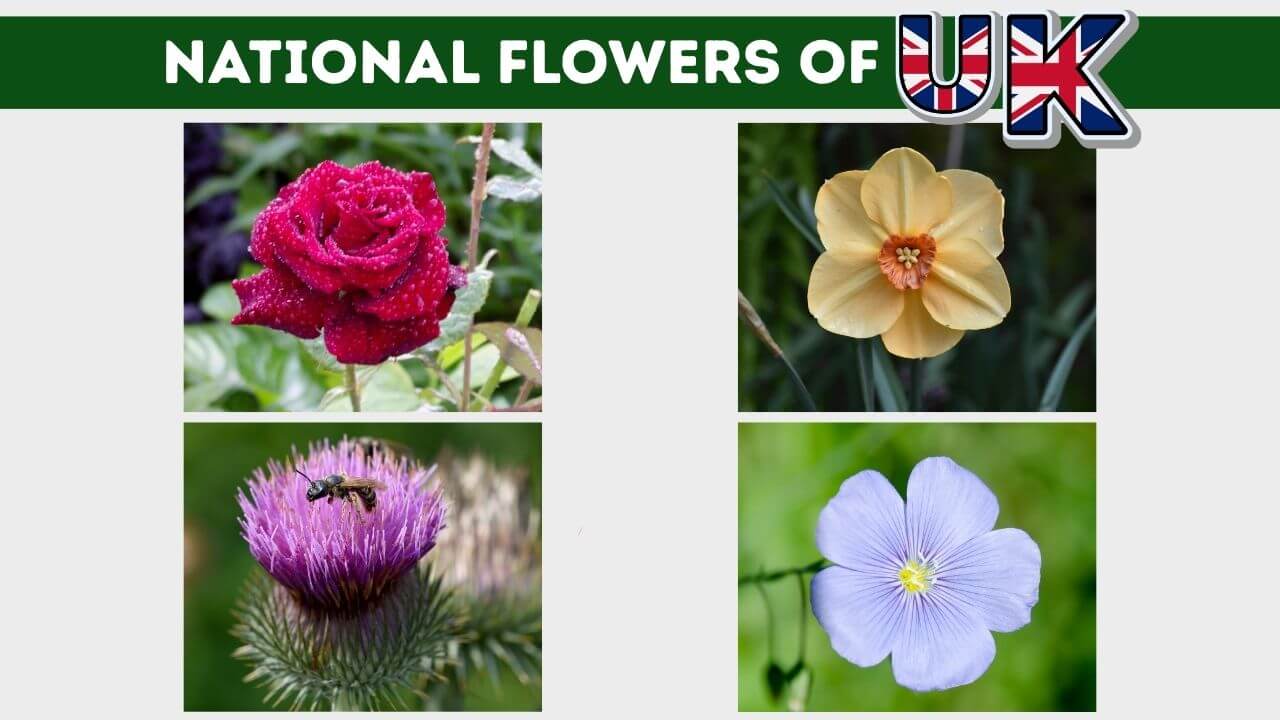
The National Flowers of United Kingdom refer to the four floral emblems of its individual nations. England is represented by the red rose, Scotland by the thistle, Wales by the daffodil and Northern Ireland by the flax flower. Together they reflect the cultural identity, history and shared values of the UK.
England’s National Flower: The Red Rose and Its Legacy
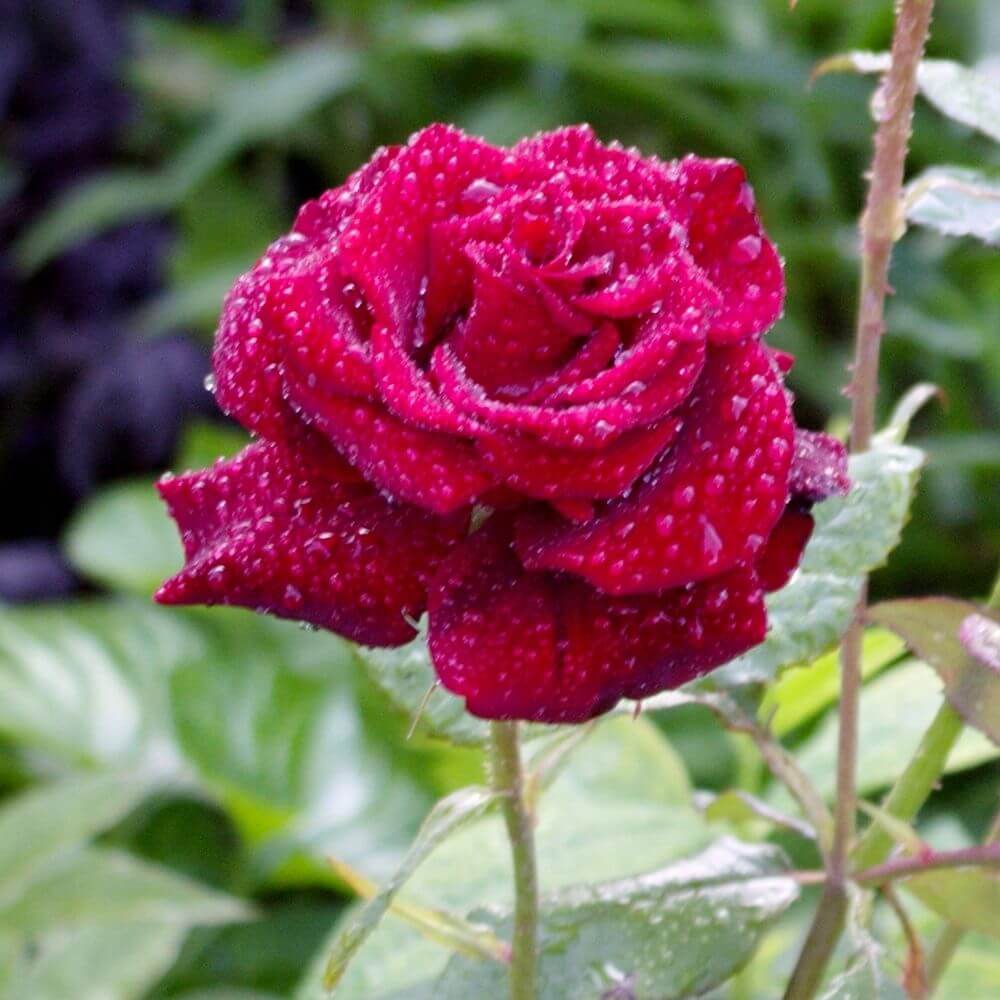
The red rose is one of the most recognised floral emblems in the world. People often associate it with love, but its role in England’s story goes much deeper. Historians often point to the Wars of the Roses between the House of York and the House of Lancaster. When the conflict ended, the rose became a symbol of unity and peace across the kingdom.
You can still see the red rose everywhere. It appears on football kits, on English tourist branding and even on London merchandise.
Why England’s National Flower Is the Rose
People chose the rose because it represented beauty, strength and reconciliation. Its long association with English royalty also strengthened its position. Many modern tattoo designs use this flower to express English heritage, which explains why searches for England national flower tattoo continue to rise every year.
Scotland’s National Flower: The Thistle and Its Story
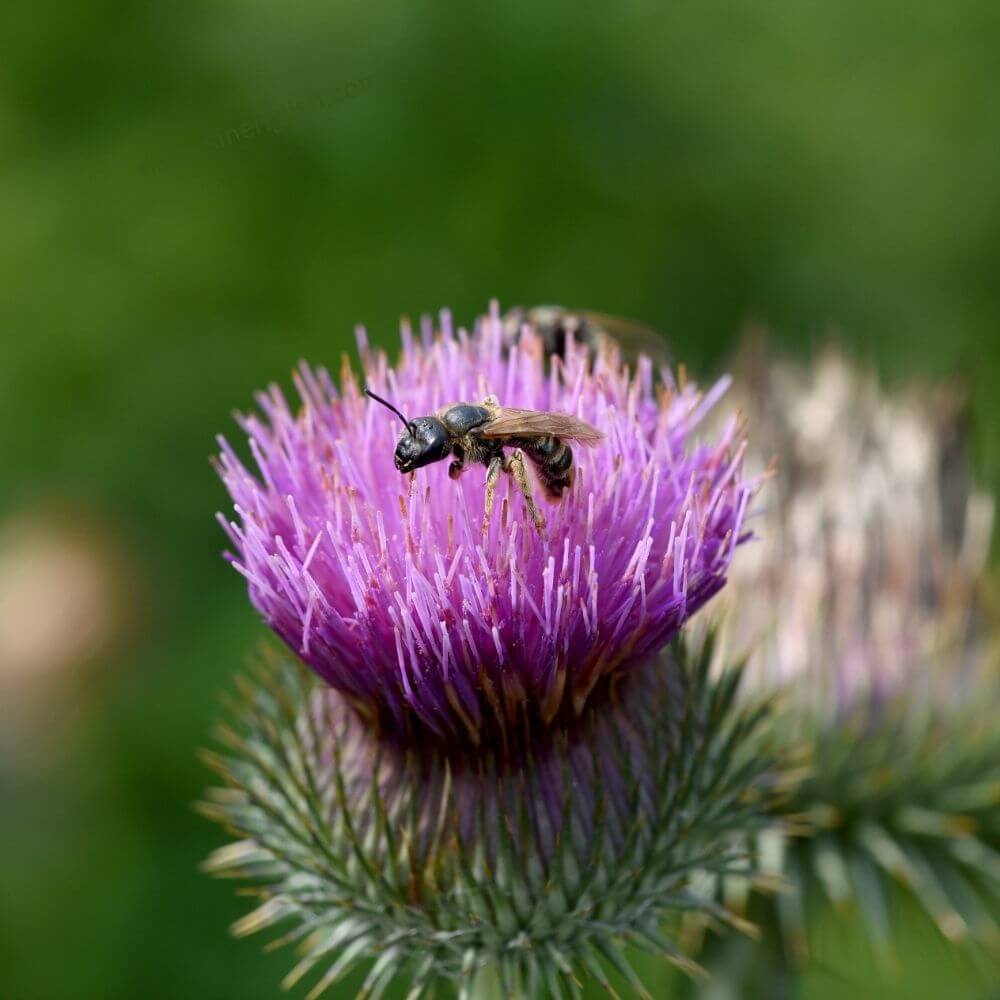
The thistle might look tough and prickly, but that toughness is exactly why Scotland embraced it. The old story goes that a group of invaders tried to approach Scottish warriors at night without shoes. One attacker stepped on a thistle, cried out in pain and alerted the Scots. Whether the legend is completely true or not, the thistle became a symbol of protection and quick thinking.
Today the thistle appears on coins, uniforms and national art. Scots often say the thistle represents resilience. You will understand why if you ever try to remove one from a garden. It grows back stronger, almost as if it refuses to give up. Learn More
Wales’ National Flower: The Daffodil and Its Spring Identity
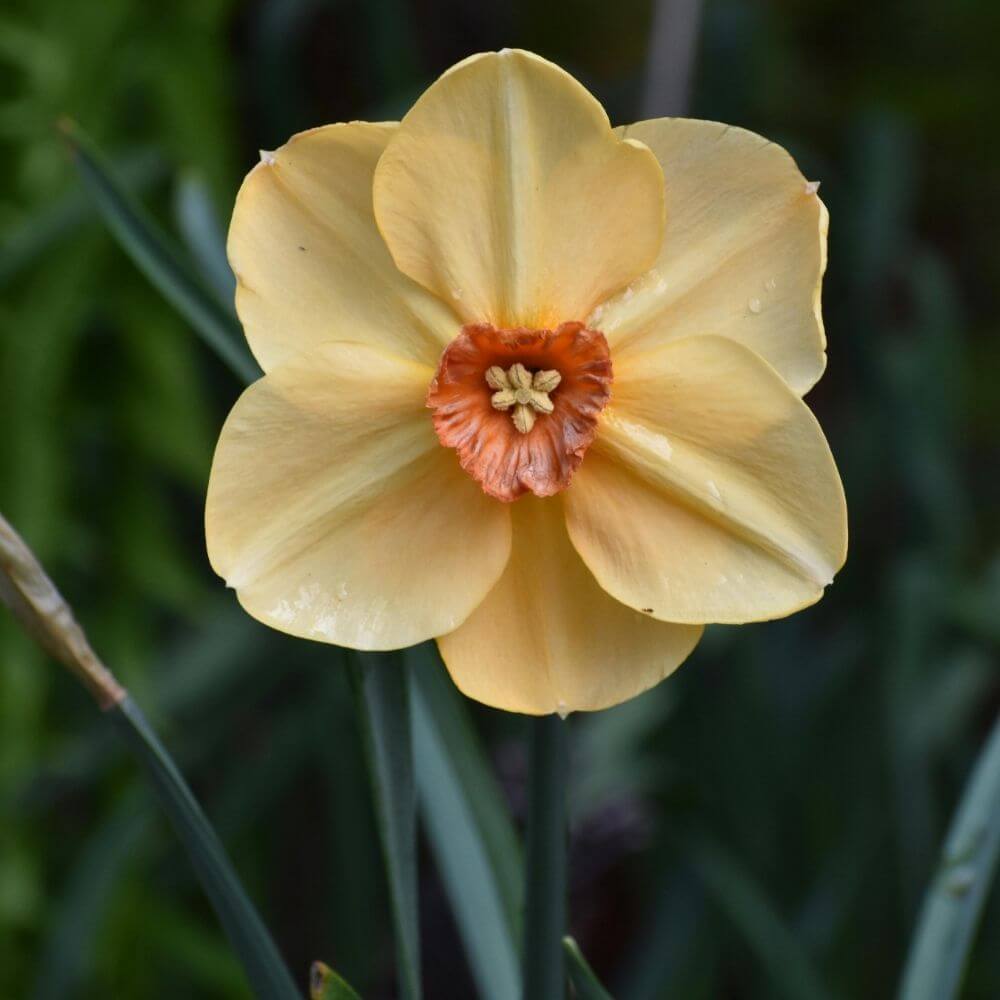
Wales welcomes spring with bright yellow daffodils. They appear around Saint David’s Day when many Welsh people wear the flower proudly. There is sometimes confusion with the leek, another national emblem. The daffodil became more popular in the 1800s because it grew abundantly in Wales and brought colour right after a long winter. Gardeners love it for its simple maintenance. Students love it for its strong, positive symbolism.
You might see daffodils lining roads, school entrances or city parks. They feel like a yearly reminder that brighter days always return.
Northern Ireland’s National Flower: Flax Flower
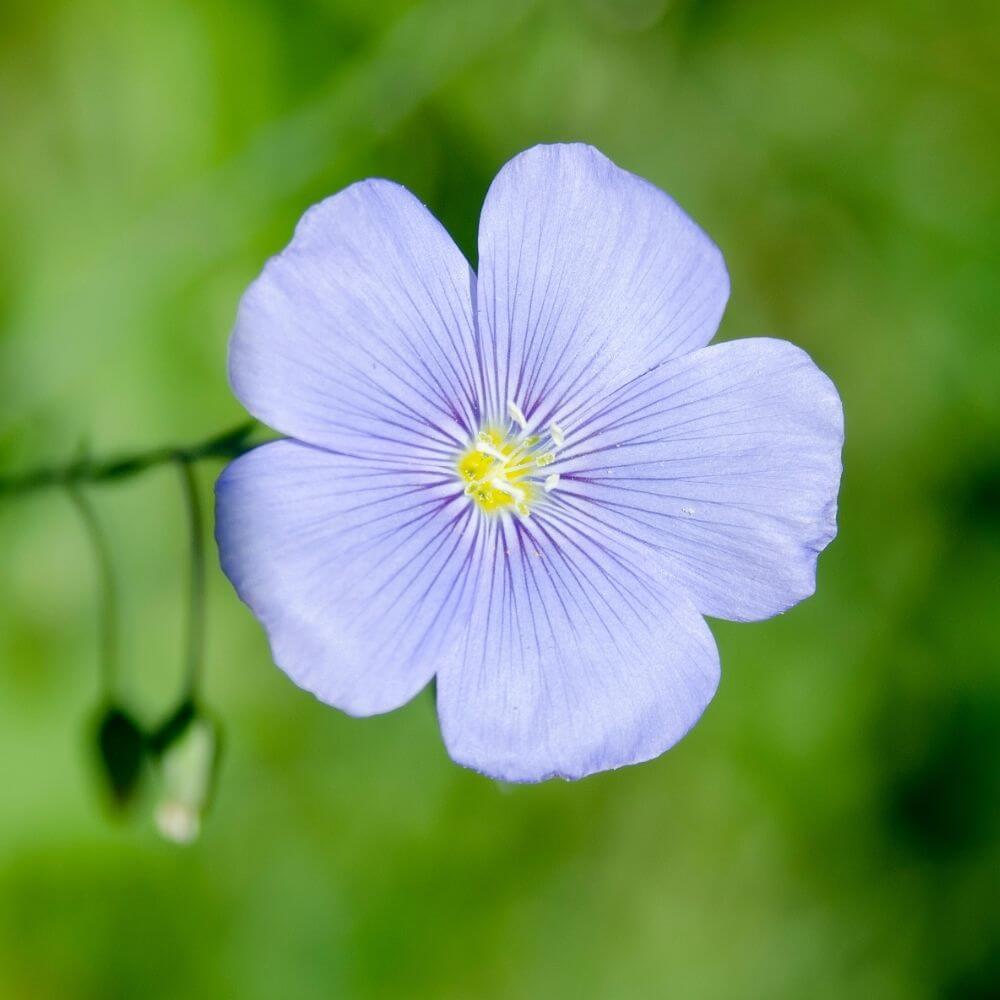
The flower carries meanings of productivity, craftsmanship and pride. Its blue petals might look delicate, but flax is incredibly strong when processed. That contrast is part of its quiet charm. Learn About National Flower of Republic Ireland
What Flower Is the UK Known For Globally?
When people outside the UK imagine a national flower, the red rose usually comes to mind. England dominates global media, sports coverage and tourism branding, which increases rose visibility. Broadcasters frequently show it during rugby and cricket events, and it appears on flags, badges and products sold across Europe.
Although each nation has its own flower, the rose often acts as the international face of UK floral identity.
Symbolism Breakdown: What These Four Flowers Reveal About the UK
Flowers give small clues about how nations see themselves.
Here is what these four emblems suggest:
- Red rose reflects unity, beauty and historical strength.
- Thistle reflects resilience, alertness and courage.
- Daffodil reflects renewal, optimism and cultural pride.
- Flax flower reflects industry, patience and craftsmanship.
You can see these values in daily life. Look at the floral badges on school uniforms in Wales. Notice the rose stitched on English sports jerseys. Spot thistle motifs on Scottish souvenirs. Even postage stamps highlight these flowers.
For students and researchers, these symbols show how nature can preserve whole chapters of history.
UK National Flower Pictures
UK national flower pictures often help people identify these emblems quickly. A sharp, bright daffodil instantly signals Wales. A deep red rose signals England. The dramatic silhouette of the thistle represents Scotland. The pale blue flax flower ties to Northern Ireland’s historic linen towns.
Images are powerful teaching tools. If you are building a school project or a research presentation, try using high resolution images from the Royal Horticultural Society.
Source: https://www.rhs.org.uk/plants
They often provide accurate colours, petal shapes and growth forms.
A Different Way to Think About National Flowers
Most articles treat national flowers as symbols from the past. I find it helpful to see them as living archives. These plants grow, bloom and change through the seasons. Climate change is already shifting blooming cycles across the UK. This could reshape how future generations interpret their meaning.
A gardener in Wales might notice daffodils blooming earlier than they did decades ago. A researcher in Scotland might record how thistles spread differently due to warmer winters. These changes create new chapters in the story of national flowers. That perspective is rarely discussed, yet it adds depth to the topic.
FAQs About National Flowers of United Kingdom
Does the UK have a national flower?
The United Kingdom doesn’t have a single national flower that represents the entire country. Instead, each of the four nations within the UK has its own floral emblem. These flowers symbolize their unique cultural identities and histories. So, when talking about UK national flowers, it’s important to consider England, Scotland, Wales, and Northern Ireland separately. This diversity reflects the rich heritage of the UK as a whole.
What is the national flower of the kingdom?
There isn’t one flower for the whole United Kingdom, but each nation has its own recognized emblem. England’s national flower is the red rose, Scotland’s is the thistle, Wales uses the daffodil, and Northern Ireland’s floral symbol is the flax flower. These flowers represent the individual histories and traditions of their nations. Together, they form the collective floral identity of the UK.
What flower is the UK known for?
Internationally, the UK is most commonly associated with the English red rose. This flower appears often in global media, sports, and cultural references connected to England and the wider UK. It symbolizes love, beauty, and historical unity, making it a strong emblem recognized worldwide. Though each nation within the UK has its own flower, the rose stands out as the most familiar symbol abroad.
Why is the national flower of England a rose?
The red rose became England’s national flower largely because of its historical significance during the Wars of the Roses, a series of conflicts between rival royal houses. After the wars ended, the rose symbolized peace and unity between the factions. It also has strong ties to English royalty and has been used in heraldry for centuries. Beyond history, the rose represents beauty and strength, making it a fitting emblem.
What are the 4 flowers of the UK?
The four main flowers representing the nations of the UK are: the red rose for England, the thistle for Scotland, the daffodil for Wales, and the flax flower for Northern Ireland. Each of these flowers holds cultural and historical importance for its nation. Together, they reflect the diversity and shared heritage of the United Kingdom. These floral emblems appear in official symbols, celebrations, and everyday life.
Final Thoughts
These four national flowers tell a story of resilience, hope, unity and heritage. They appear in art, sports, history lessons and even modern gardening. When you look at them closely, you see a full picture of the United Kingdom’s identity.
If you want to explore more, I recommend checking out related flower guides of different countries national flower, USA state symbols, or gardening tips. They add even more context to the story behind these iconic flowers.