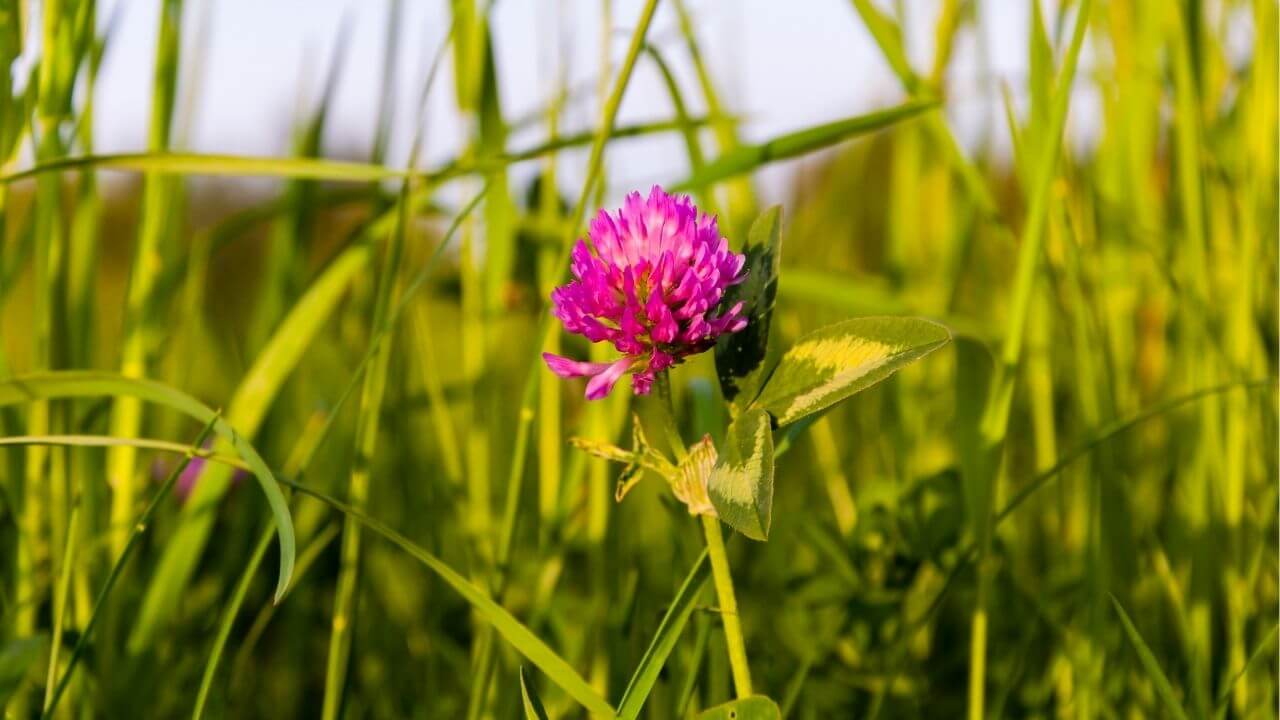

Every U.S. state has a flower that reflects its history, landscape, and local identity, and Vermont is no exception. The Vermont State Flower, the cheerful Red Clover, is more than a beautiful wildflower growing in open fields. It has long been valued for its role in farming, wildlife, and the state’s rural heritage. Whether you’re researching state symbols, learning about native plants, or simply curious about Vermont, this flower has an interesting story to tell. In this article, you’ll learn what makes the Vermont State Flower uniquely Vermont, explore the history behind its selection, and learn why Red Clover remains an important symbol of the Green Mountain State.
What Makes Red Clover Unique to Vermont?
Red Clover thrives surprisingly well in Vermont’s climate. According to the University of Vermont Extension, its adaptability demonstrates just how well this flower suits the region. It tolerates a range of soils (including somewhat poor drainage), grows under typical New England seasonal temperatures, and fits well into the agricultural landscape of the state. University of Vermont
One of the most meaningful traits of Red Clover is its ability to improve the soil. As a member of the legume family, it forms a partnership with beneficial soil bacteria (rhizobia). These bacteria live in root nodules and convert atmospheric nitrogen into a form plants can use. This “nitrogen fixation” can contribute roughly 75 to 175 pounds of usable nitrogen per acre.
Because of this property, Red Clover has been widely used in Vermont (and beyond) as a cover crop or rotational crop to enhance soil fertility, reduce the need for synthetic fertilizers, and maintain healthy agricultural lands. University of Vermont
In fact, a 2019 trial conducted by the University of Vermont Extension confirmed that Red Clover. Alongside other legumes, Red Clover Remains a robust choice for forage and soil improvement in Vermont’s dairy and grass-based farm systems.
What Is the Vermont State Flower?
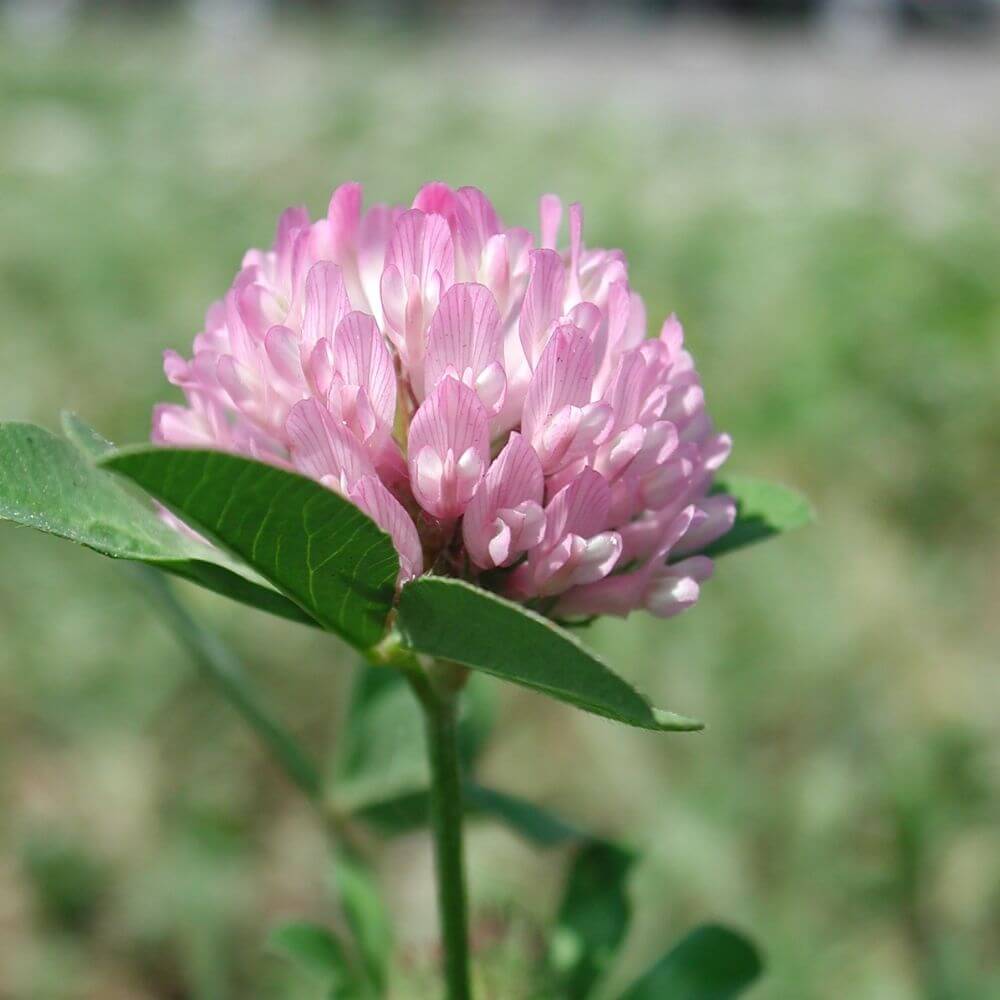
The official state flower of Vermont is Red Clover (scientific name: Trifolium pratense). The designation dates back to a public vote in 1894.
The flower itself features compact, globular heads comprised of many small pea‑like florets. Typically a rose-purple shade. Even though Red Clover isn’t originally native to Vermont (it was introduced from Europe), it became “naturalized” over time and is now a familiar sight across meadows, hay fields, and roadsides around the state.
Vermont State Flower Meaning and Symbolism
Red Clover carries meaningful symbolism in Vermont’s culture. Traditionally, clover is associated with luck and protection, but in Vermont, it represents far more growth, community, and sustainability. The flower’s endurance through Vermont’s often challenging weather reflects the resilience of Vermonters themselves.
When placed alongside other state symbols. The vibrant Vermont state bird (the Hermit Thrush), the stately Vermont state tree (the Sugar Maple), and the bold Vermont state animal (the Morgan horse), Red Clover completes a natural portrait of the state’s identity. Each symbol tells a story about Vermont’s natural beauty and values, from the forest canopy to the wildflower-strewn fields.
Even Vermont’s state flag, featuring a green pine tree on a blue field, echoes the themes of nature and endurance that Red Clover embodies. Together, these emblems remind us of Vermont’s deep-rooted connection to the environment and tradition.
What Makes Red Clover the Vermont State Flower?
- Officially designated in 1895 as Vermont’s state flower.
- Thrives naturally in Vermont’s cool climate and soil conditions.
- Vital to Vermont agriculture due to nitrogen-fixing properties.
- Supports native pollinators and biodiversity.
- Symbolizes resilience, growth, and community values in Vermont.
Red Clover’s Hidden Role in Vermont’s Bee Conservation
While many guides focus on Red Clover’s beauty or historical significance, its role in supporting Vermont’s bee populations deserves more attention. Vermont has seen alarming declines in native bee species, which threatens both wild ecosystems and agriculture. Red Clover provides a reliable nectar source during critical parts of the growing season when other flowers may be scarce.
Organizations like the Vermont Pollinator Conservation Partnership have initiated programs encouraging farmers and gardeners to plant Red Clover as part of pollinator-friendly practices. For instance, a local farm near Middlebury uses Red Clover cover crops not only to enrich the soil but also to support its thriving bee hives, increasing honey yields and promoting environmental sustainability.
This dual benefit agriculture and conservation. Which makes Red Clover uniquely valuable beyond its traditional symbolism. It’s an ecological powerhouse quietly supporting Vermont’s environmental health.
How To Grow Red Clover
If you want to experience the charm of Vermont’s state flower firsthand, here are a few tips:
- Spotting Red Clover: The best time to see Red Clover in bloom is late spring through early fall. Look in open fields, along rural roadsides, and in meadow-like areas. Keep an eye out for the flower’s distinctive rounded pink heads and the characteristic three-leaf pattern.
- Growing Red Clover: It’s an easy-to-grow wildflower for home gardens or farms. Plant seeds in well-drained soil with moderate sunlight. Red Clover enriches the soil naturally and attracts pollinators.
- Environmental Benefits: Planting Red Clover can reduce the need for chemical fertilizers and boost pollinator health. Consider including it in garden beds or as a cover crop.
- Community Engagement: Join local conservation groups or visit Vermont botanical gardens during Red Clover’s peak bloom to learn more about this flower’s role in the local ecosystem.
FAQs About State Flower of Vermont
What is Vermont's state fruit?
Vermont’s state fruit is the apple. Apples have a long history in Vermont, thriving in its cool climate and rocky soils. The state is known for producing a variety of apple types, which are celebrated every fall during harvest festivals. Apples symbolize Vermont’s agricultural heritage and seasonal beauty.
What is the Vermont state bird and flower?
The Vermont state bird is the Hermit Thrush, known for its beautiful, flute-like song heard across Vermont’s forests. The state flower is the Red Clover, a hardy wildflower common in Vermont fields, symbolizing resilience and natural beauty. Both reflect Vermont’s rich natural environment and rural character.
What is the Vermont state plant?
The official Vermont state plant is the Sugar Maple (Acer saccharum). This tree is famous for producing the sap used to make Vermont’s iconic maple syrup. The Sugar Maple’s vibrant fall foliage colors also contribute to Vermont’s stunning autumn landscapes, making it a cherished natural symbol.
What is Vermont's state bug?
Vermont’s state insect is the Western Honeybee (Apis mellifera). It plays a crucial role in pollinating many of Vermont’s plants and crops, supporting both natural ecosystems and agriculture. The honeybee symbolizes productivity and the importance of environmental stewardship in the state.
What is a Vermont state animal?
The Vermont state animal is the Morgan Horse, one of the earliest horse breeds developed in the United States. Renowned for its versatility, strength, and gentle nature, the Morgan Horse has historical ties to Vermont and embodies the state’s rural heritage and hardworking spirit.
What is the state vegetable of Vermont?
Vermont does not officially designate a state vegetable. However, local agriculture commonly features sweet corn and potatoes as important crops. These vegetables are staples in Vermont farming communities and local cuisine, reflecting the state’s farming traditions and seasonal eating.
Winding-Up
The Red Clover is very important to Vermont. it’s a symbol of the state’s agricultural heritage, environmental stewardship, and enduring spirit. If you’re a local resident, a visitor exploring Vermont’s natural beauty, or a student learning about native plants, the Red Clover offers a meaningful connection to the land.
Next time you come across those soft, pink blooms swaying in a Vermont meadow, take a moment to appreciate the quiet but powerful role they play in the state’s ecology and culture. Maybe even plant some in your garden to keep Vermont’s legacy blooming strong.
If you have a favorite spot or story about Vermont’s Red Clover, share it with your community or local nature groups. You’ll be helping keep this unique symbol alive for generations to come. I encourage you to explore more about U.S. state flowers, national flowers of different countries, or simply about flowers in general: