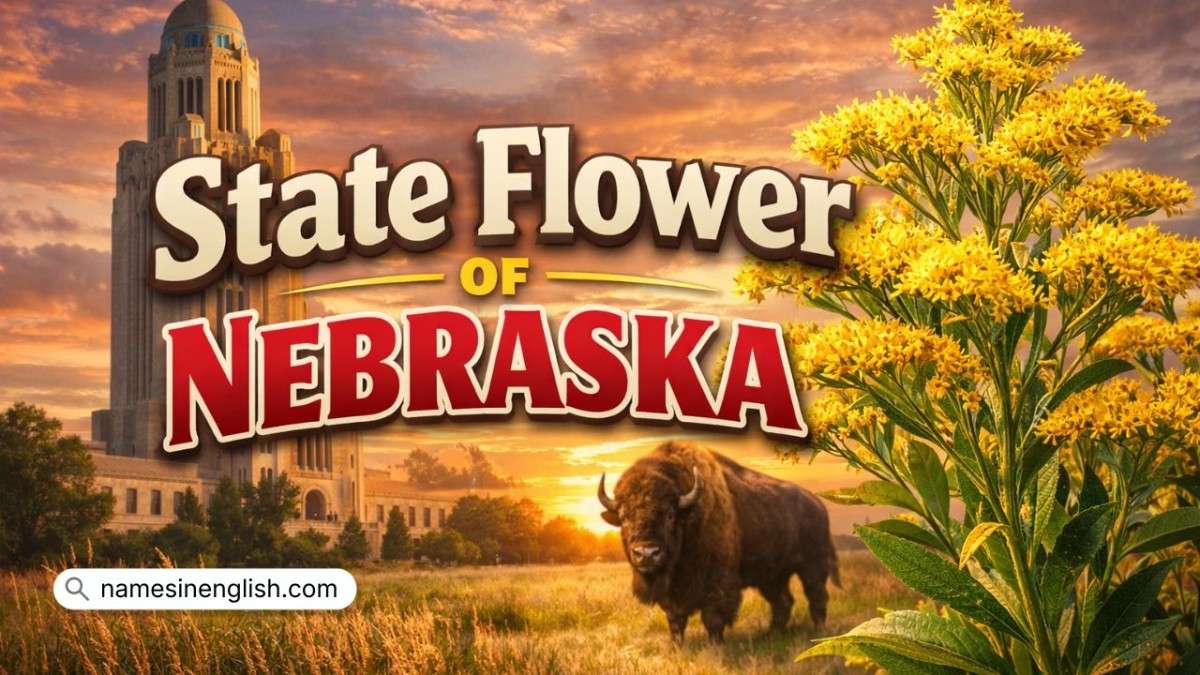

The Nebraska State Flower, the bright and resilient Goldenrod (Solidago species), is much more than a cheerful wildflower that colors the prairies each fall. For centuries, it has been valued in traditional herbal practices for its potential health-supporting properties and natural beauty. While modern research is still exploring many of its benefits, goldenrod remains an important part of North America’s botanical heritage. In this article, you’ll learn why Nebraska State Flower is so special, discover five well-known traditional health uses of goldenrod, explore its history and symbolism, and find out how to identify and grow this remarkable native plant safely.
What is State Flower of Nebraska
The Nebraska State Flower is Goldenrod (Solidago species).
It was officially adopted in 1895 because it grows widely across Nebraska, survives harsh prairie conditions, and symbolizes resilience, health, and natural abundance.
Goldenrod is also known for its long history in traditional herbal medicine, especially for urinary health, inflammation, and seasonal allergies.
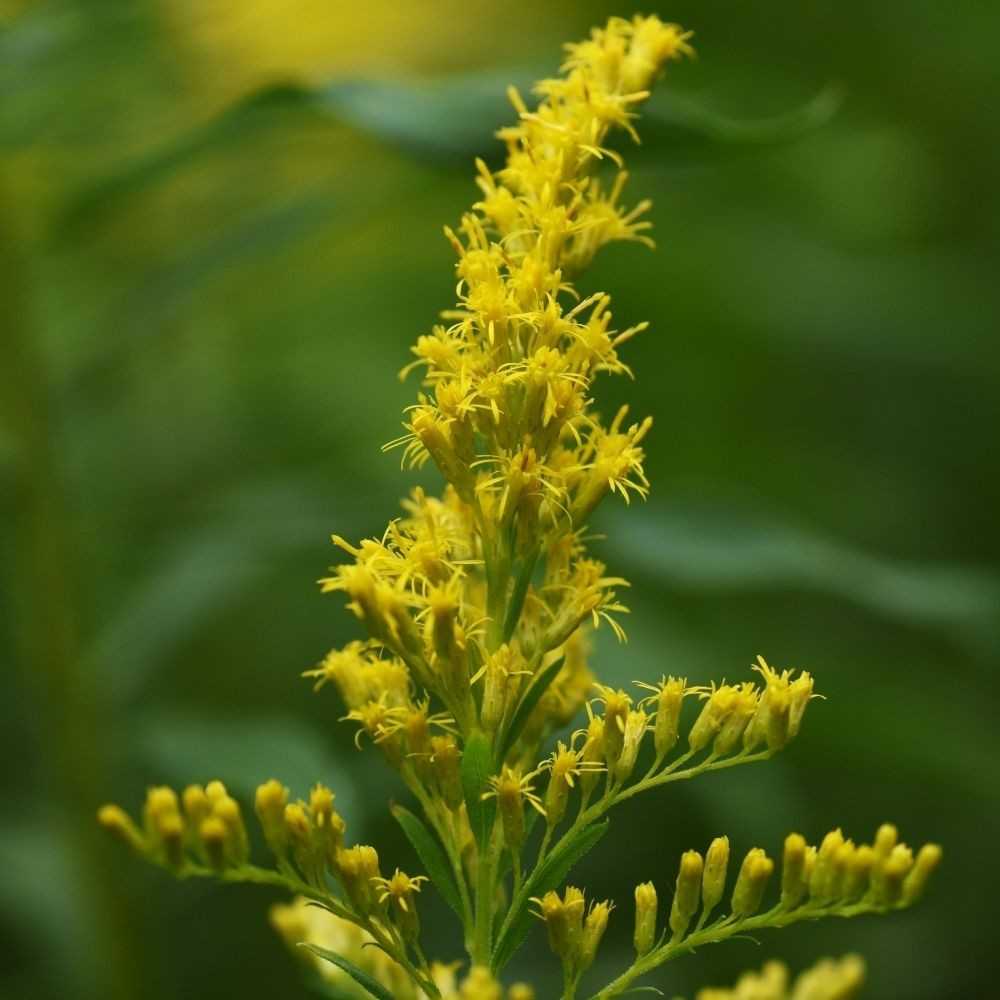
Goldenrod Meaning and Symbolism
The Nebraska state flower meaning goes deeper than its bright yellow color.
Goldenrod represents:
- Strength and endurance in tough climates
- Renewal and late-season vitality
- The deep connection between Nebraska’s land and its people
Unlike fragile ornamental flowers, goldenrod thrives where the soil is dry, the wind is strong, and seasons change fast. Many locals see it as a quiet reminder that survival often comes from adaptability, not beauty alone.
Nebraska State Flower History: Why Goldenrod Was Chosen
Understanding why Goldenrod was chosen as Nebraska State Flower helps explain its importance.
Goldenrod became Nebraska’s state flower in 1895 after strong support from educators and botanists. At the time, Nebraska wanted a native plant that truly reflected the state’s landscape. Goldenrod met every requirement.
Key historical reasons:
- It grows naturally across Nebraska prairies
- It blooms in late summer when most plants fade
- Native tribes and settlers already used it medicinally
This made goldenrod both symbolic and practical, which was rare for state symbols back then.
Debunking the Goldenrod Allergy Myth
Many people avoid the Nebraska State Flower Goldenrod because they fear seasonal allergies. However, it’s time to clear the air: Goldenrod does not cause hay fever.
- The Culprit: Ragweed (blooms at the same time, but has invisible, wind-blown pollen).
- The Truth: Goldenrod pollen is heavy and sticky. It travels via bees, not the wind, making it nearly impossible to inhale.
- Expert Consensus: Leading allergy associations confirm that Goldenrod is unfairly blamed for fall sneezing fits.
Source: Asthma and Allergy Foundation of America: Ragweed vs. Goldenrod
5 Proven Health Uses of Goldenrod
Goldenrod has been studied more seriously in recent decades. While it is not a cure-all, research and long-standing herbal practice agree on several benefits.
1. Supports Urinary Tract Health
Goldenrod is best known for urinary support.
It acts as a mild diuretic, which helps flush bacteria from the urinary system. Herbal practitioners often use goldenrod tea for:
- Mild urinary tract discomfort
- Bladder irritation
- Kidney support
One of the proven health uses of Goldenrod includes adjuvant therapy for urinary system relief, as documented by European health authorities.
Note: Although the linked report focuses on Solidago virgaurea, researchers agree that both species share the same medicinal properties due to their identical active compounds like flavonoids and saponins.
Source: European Medicines Agency Summary
2. Natural Anti-Inflammatory Support
Goldenrod contains flavonoids and saponins that reduce inflammation.
People traditionally used it for:
- Joint stiffness
- Muscle soreness
- Mild arthritis discomfort
Modern lab studies show these compounds help calm inflammatory responses, especially in connective tissue. This explains why goldenrod salves were common among early Midwest settlers.
3. Helps With Seasonal Allergies, Not Causes Them
Here is a misconception worth clearing up. Goldenrod does not cause hay fever.
Its pollen is heavy and insect-carried, unlike ragweed pollen. In fact, goldenrod has been used to ease allergy symptoms.
Common uses include:
- Reducing nasal irritation
- Supporting sinus drainage
- Calming allergic inflammation
I find this especially interesting because many Nebraskans still blame goldenrod when ragweed is the real culprit.
4. Supports Digestive Comfort
Goldenrod was often used as a digestive bitter.
In small amounts, it may help:
- Reduce bloating
- Stimulate digestion
- Ease mild stomach cramps
This use was common among Native American tribes who valued plants that supported digestion during seasonal food changes.
5. Promotes Skin Healing and Wound Care
Topical goldenrod preparations were widely used on the frontier.
Applied as a poultice or infused oil, it helped with:
- Minor cuts and scrapes
- Insect bites
- Skin irritation
Its mild antimicrobial and anti-inflammatory effects made it useful when medical supplies were limited.
A Perspective You Miss About Goldenrod
Most of us focuses on goldenrod as either a symbol or a supplement. What is often ignored is how place matters.
Goldenrod grown in Nebraska’s prairie soil develops under stress from wind, drought, and temperature swings. Herbalists believe this environmental pressure increases certain protective compounds in the plant.
In simple terms, Nebraska-grown goldenrod may be more potent than cultivated varieties grown in gentle conditions. This idea is gaining attention in regional herbal medicine, but few mainstream articles mention it.
Is Goldenrod Safe to Use?
For most healthy adults, goldenrod is considered safe when used in moderate amounts.
However, avoid goldenrod if:
- You have severe kidney disease
- You are allergic to plants in the Aster family
- You are pregnant or breastfeeding without medical advice
Always choose properly identified products, since wild harvesting without experience can lead to plant confusion.
FAQs About State Flower of Nebraska
What is Nebraska's state flower?
Nebraska’s state flower is Goldenrod (Solidago species), officially adopted in 1895. It was chosen because it grows naturally across the state and represents strength and resilience.
What does the goldenrod flower mean?
Goldenrod symbolizes endurance, positivity, and renewal, especially during late summer and fall. In Nebraska, it also reflects survival and adaptability in tough prairie conditions.
What is a goldenrod used for?
Goldenrod is commonly used in herbal medicine to support urinary tract health, reduce inflammation, and ease seasonal allergy symptoms. It has also been used traditionally for digestive and skin support.
What is the psychology of goldenrod color?
The goldenrod color is linked to optimism, warmth, and mental clarity. Psychologically, it can promote feelings of energy, confidence, and emotional balance.
Is goldenrod edible for humans?
Yes, goldenrod is edible in small amounts when properly identified. Its young leaves and flowers are sometimes used in teas, but it should be consumed moderately.
What are some interesting facts about goldenrod?
Goldenrod is often blamed for allergies, even though it is not the cause. It also supports pollinators and includes over 100 species native to North America.
What's another name for goldenrod?
Another common name for goldenrod is Solidago, which comes from Latin meaning “to make whole.” This name reflects its traditional healing uses.
Goldenrod causes allergies?
No, goldenrod does not cause allergies in most people. The real trigger is usually ragweed, which blooms at the same time and has airborne pollen.
Final Thoughts
Goldenrod earned its place as the Nebraska State Flower not only because it grows everywhere, but because it serves a purpose. From urinary health to inflammation support, its benefits are rooted in both research and real-world use.
If you live in Nebraska or care about Midwest plant traditions, goldenrod deserves more than a glance on the roadside. It deserves understanding and respect.
If you found this helpful, explore other U.S State Flowers & National Flowers of different countries or share this article with someone curious about natural wellness rooted in local history.