
What Is the National Flower of Japan?
Japan does not have a single national flower declared by law.
Instead, two flowers represent Japan in different ways:
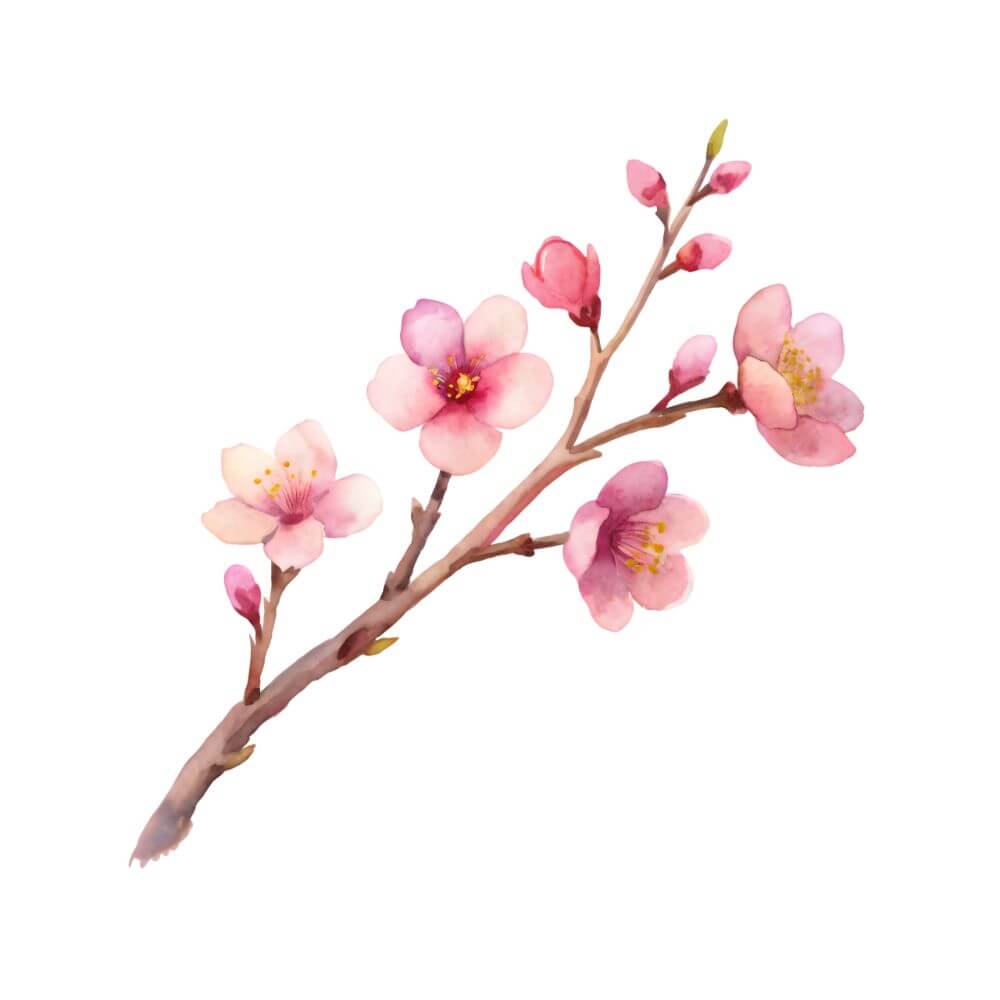
Cherry Blossom (Sakura) is the cultural and emotional symbol of Japan
Chrysanthemum (Kiku) is the official imperial symbol of Japan
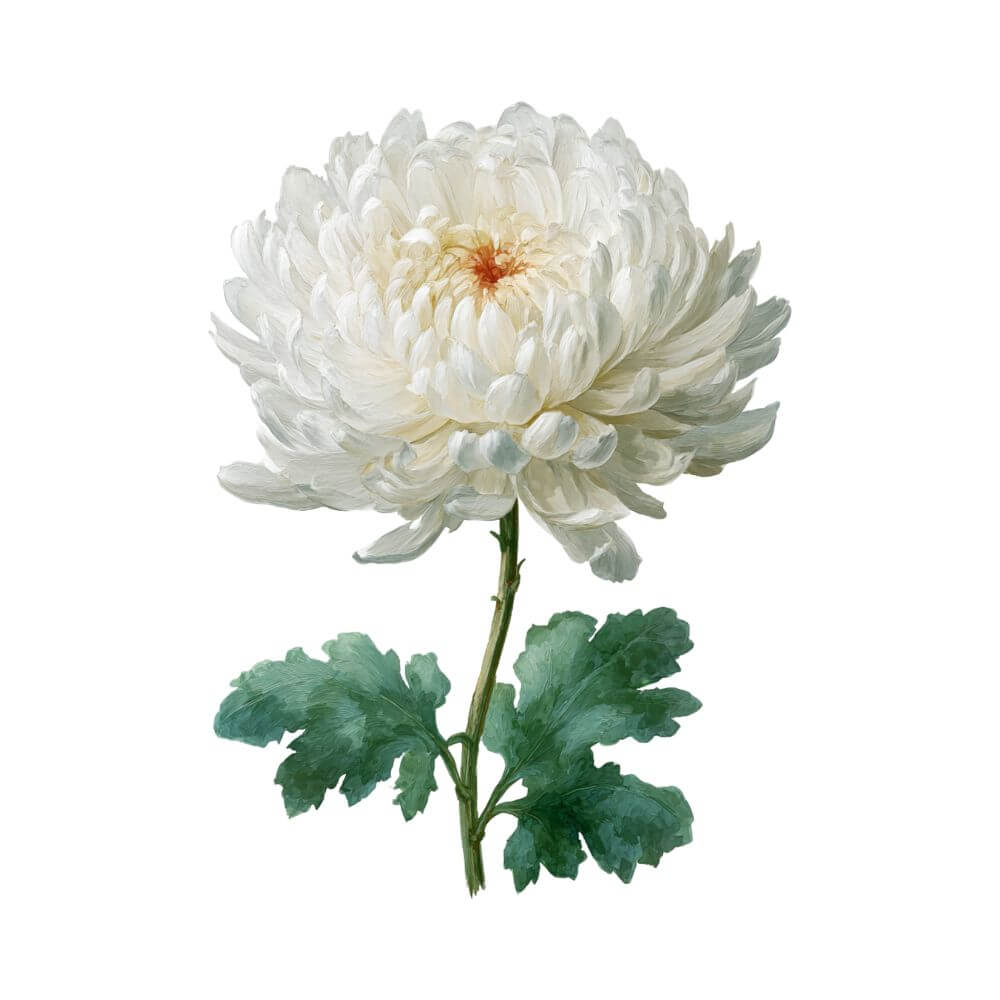
Both are correct depending on context, and that distinction matters.
This dual identity is why many people ask whether the national flower of Japan is cherry blossom or chrysanthemum.
Why Cherry Blossom Is Widely Called the National Flower of Japan
Cherry blossom trees bloom for only a short time each spring. Their beauty is intense, brief, and unforgettable. That fleeting nature is exactly why sakura became so deeply rooted in Japanese philosophy.
Cultural meaning of cherry blossoms
The national flower of Japan meaning, when people refer to cherry blossom, is closely linked to:
- Impermanence of life
- Renewal and hope
- Beauty that exists without permanence
This idea aligns with mono no aware, a core Japanese concept that accepts life’s transience with quiet appreciation.
This is why festivals like Hanami exist. Families, students, and even corporate teams gather under blooming trees to eat, laugh, and reflect together.
No government decree is needed when a flower lives this deeply in everyday life.
Why Chrysanthemum Holds Official Status in Japan
While cherry blossoms dominate streets and postcards, the chrysanthemum carries formal authority.
The imperial connection
The chrysanthemum is known as the Imperial Seal of Japan. It appears on:
- The Japanese passport
- Official imperial documents
- Government insignia connected to the Emperor
The Chrysanthemum Throne is literally the name used for the Japanese monarchy.
Historically, chrysanthemums were introduced from China and later adopted by the imperial family during the 12th century. Over time, the flower became inseparable from the Emperor’s authority and continuity.
This is why some sources, including Wikipedia, list chrysanthemum as the official national flower. They’re referring to state symbolism, not popular culture.
Cherry Blossom vs Chrysanthemum: Cultural vs Official Symbolism
This table helps make sense of the confusion:
| Aspect | Cherry Blossom | Chrysanthemum |
|---|---|---|
| Legal status | Not official | Official imperial emblem |
| Cultural presence | Extremely strong | Limited to formal use |
| Public festivals | Yes (Hanami) | Rare |
| Emotional symbolism | Life, beauty, impermanence | Longevity, authority |
| Common global association | Very high | Low |
Both flowers matter. They simply serve different roles.
Is There Any Truth to “3 National Flower of Japan”?
You may come across claims about 3 national flower of Japan. This idea usually comes from confusion, not official recognition.
Here’s what’s actually happening:
- Cherry blossom represents cultural identity
- Chrysanthemum represents imperial authority
- Plum blossom is sometimes mentioned because it predates cherry blossom in early poetry
However, Japan officially recognizes only the chrysanthemum symbolically, and culturally embraces cherry blossom. Plum blossom has historical value but no national designation.
So no, Japan does not have three national flowers.
National Flower of Japan Images
Search for national flower of Japan images and you’ll notice something immediately. Almost every result shows cherry blossoms.
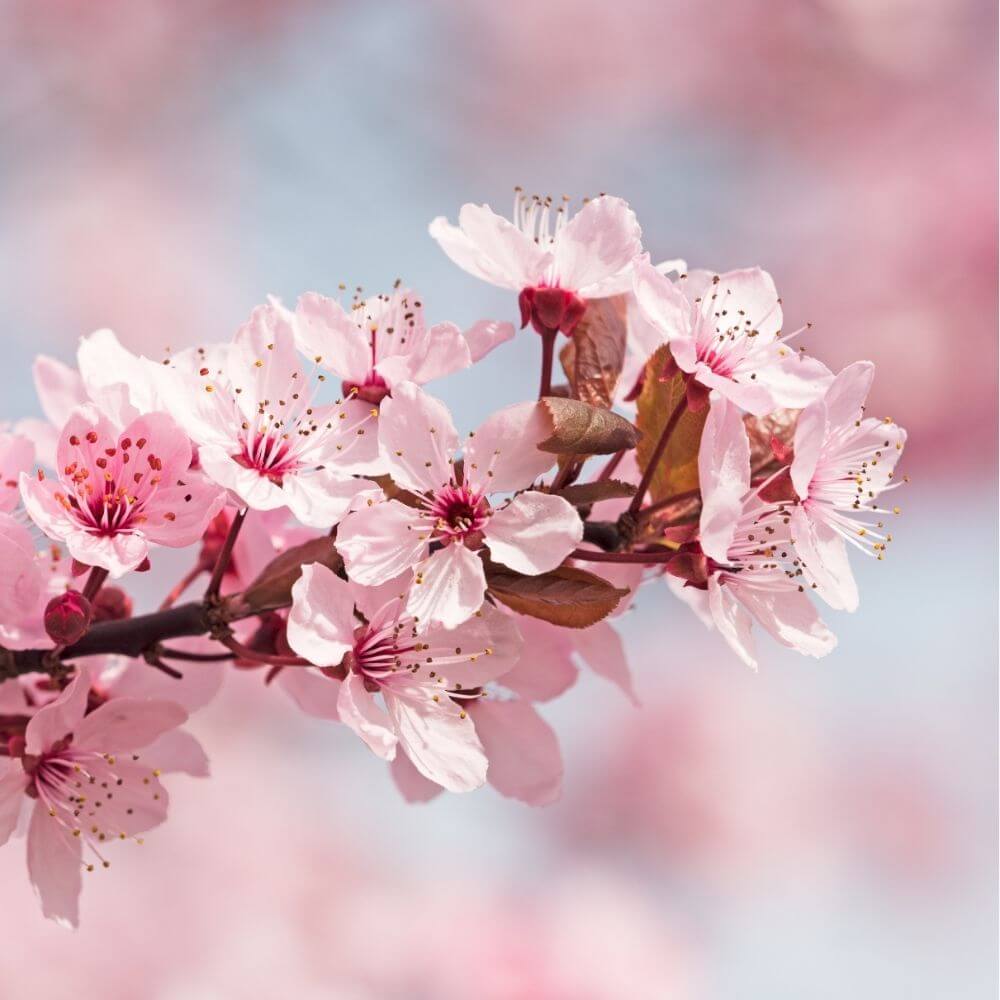
That’s because:
- Sakura trees are planted across cities and countryside
- Spring tourism campaigns focus on cherry blossom season
- Photography, films, and anime heavily feature sakura
Chrysanthemums rarely appear in travel imagery because they’re associated with formality, not seasonal celebration
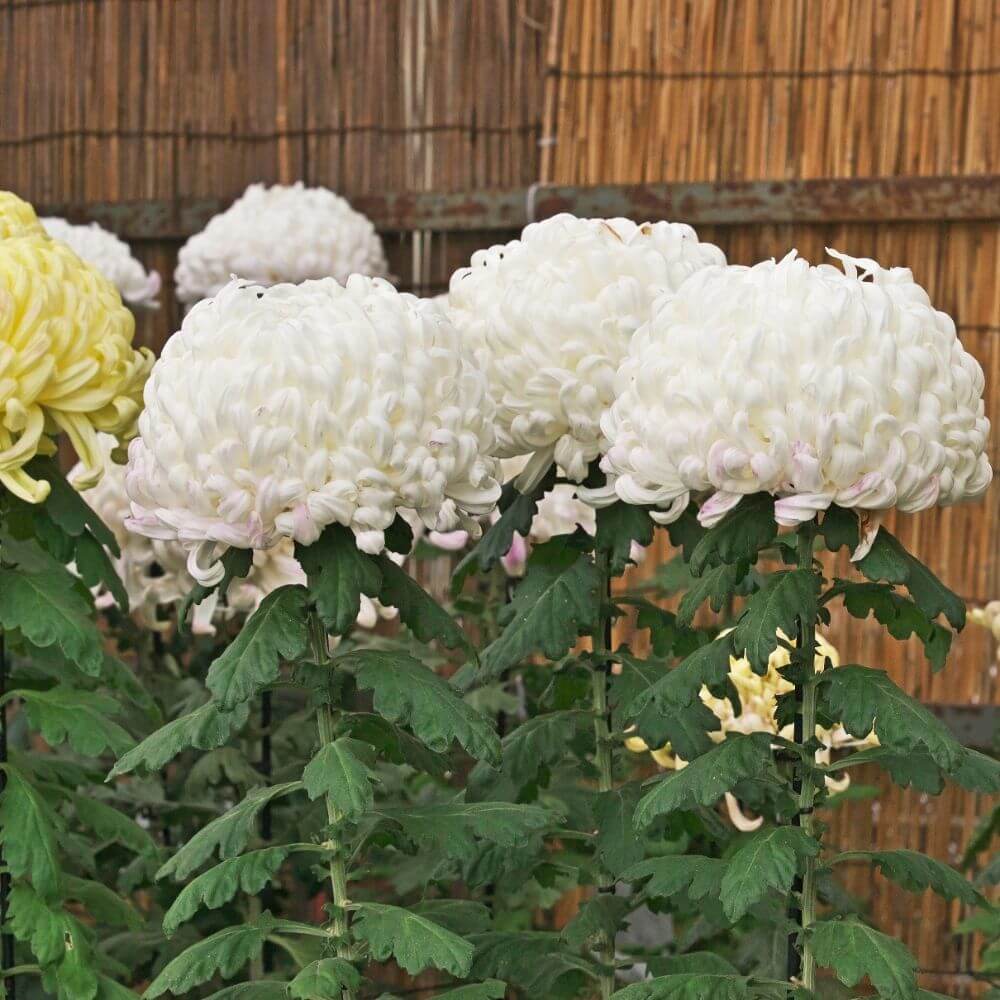
This visual dominance reinforces why people emotionally accept cherry blossom as Japan’s national flower, even without legal status.
Why Japan Never Chose One Flower
Here’s something rarely discussed.
Japan’s identity has always balanced emotion and order. Cherry blossoms speak to the heart. Chrysanthemums speak to continuity and structure. Declaring one national flower would diminish the role of the other.
In my view, this dual symbolism is intentional. It mirrors Japanese society itself, where tradition and feeling coexist without needing to compete.
That nuance is often lost in simplified blog answers.
Cherry Blossom or Chrysanthemum?
So, what is the national flower of Japan?
Japan has two symbolic national flowers. Cherry blossom represents cultural identity and emotional values, while chrysanthemum serves as the official imperial emblem. Both are correct depending on context.
Why This Matters for Students, Travelers, and Researchers
If you’re a student, this distinction helps you avoid incorrect exam answers. If you’re a traveler, it deepens your appreciation of Japanese festivals and symbols. If you’re a culture enthusiast, it reveals how Japan expresses identity without rigid definitions.
Understanding this topic properly also helps when reading academic references that seem to contradict each other at first glance.
FAQs About National Flower of Japan
What is the national flower of Japan?
Japan does not have one official national flower. However, cherry blossom (sakura) and chrysanthemum both hold strong cultural and symbolic significance.
What flower represents Japan?
Cherry blossom (sakura) is widely recognized as Japan’s cultural symbol, while chrysanthemum represents the imperial family and official state emblem.
Is sakura the national flower of Japan?
Sakura is not legally declared as the national flower, but it is popularly regarded as Japan’s unofficial floral symbol due to its cultural importance.
What does 'sakura' symbolize?
Sakura symbolizes the fleeting beauty of life, renewal, and the acceptance of change, reflecting the Japanese concept of mono no aware.
Why do Japanese love sakura?
Japanese people love sakura because its brief, stunning bloom reminds them to appreciate life’s precious, transient moments and gather with loved ones.
Japan’s National Flower Is a Reflection, Not a Label
Japan doesn’t reduce itself to one flower. It never needed to. The cherry blossom teaches us to value moments. The chrysanthemum reminds us of continuity and legacy. Together, they form a complete picture of what Japan values most. If you enjoyed this cultural deep dive, explore more national flowers, state flowers, and symbolic plants from around the world to see how nature reflects identity across cultures.