
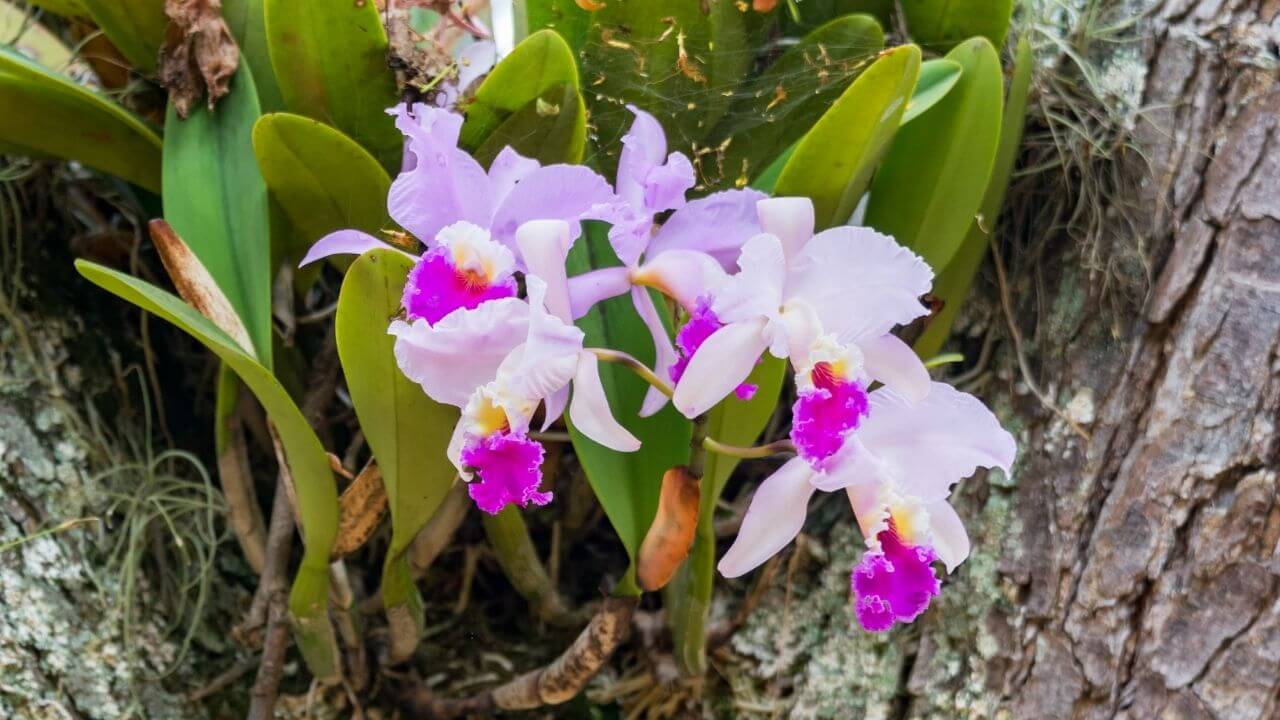

The National Flower of Colombia is the elegant May Flower, a beautiful orchid admired for its delicate blooms and rich symbolism. Officially known as Cattleya trianae, this stunning flower represents the country’s incredible biodiversity, natural beauty, and national pride. In this article, you’ll learn the fascinating history behind the National Flower of Colombia, explore 3 surprising secrets of the May Flower, learn why it was chosen as Colombia’s floral emblem, and uncover the cultural and botanical facts that make this orchid one of the world’s most treasured flowers.
What Is the National Flower of Colombia?
The National Flower of Colombia is Cattleya trianae, a rare orchid native to Colombia. It was officially declared the national flower in 1936 and symbolizes beauty, resilience, and national pride. The flower blooms in May, which is why it is commonly called the May Flower.
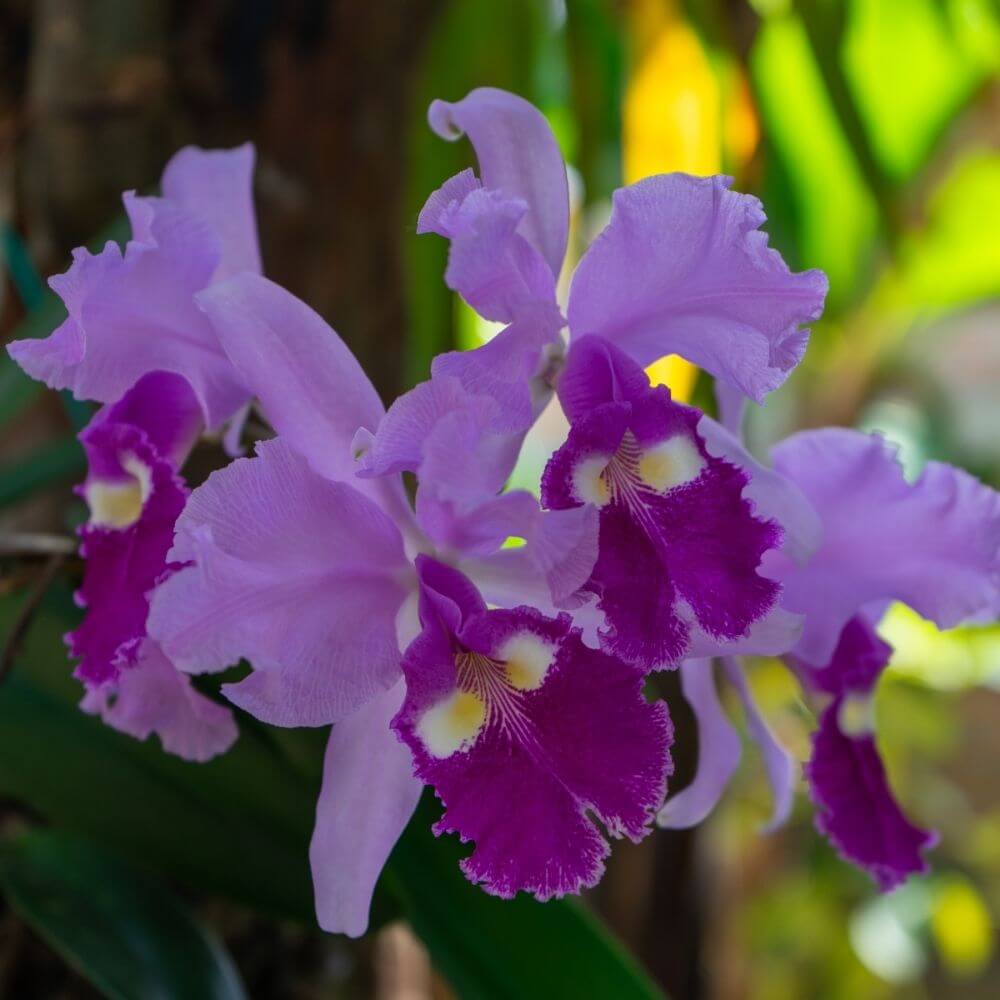
3 Secrets About National Flower of Colombia
1. The May Flower Is Named After a Colombian Scientific Icon
Many guides mention the orchid’s name, but few explain its deeper meaning. The Cattleya trianae is named after José Jerónimo Triana, one of Colombia’s most respected botanists and explorers of the 19th century.
Triana played a major role in documenting Colombia’s plant life during a time when much of it was unknown to science. By naming the national flower after him, Colombia quietly honored knowledge, research, and intellectual contribution, not just beauty.
This makes the national flower of Colombia meaning richer than it first appears. It represents curiosity, education, and respect for scientific heritage, values that still shape Colombia today.
According to the Royal Botanic Gardens, Kew, Colombia is the world’s richest country for orchids, home to 4,000+ species, more than any other nation. This incredible diversity is why the May Flower (Cattleya trianae) holds such strong national and cultural importance. Kew explains how Colombia’s climate and geography make it a global hotspot for orchids.
If you want a clear expert explanation from scientific source, you can explore the full research on Kew Gardens’ official page here: Colombia’s most interesting orchids – Kew Gardens
2. It Blooms During a Month of Cultural Renewal
The May Flower isn’t just named after the month randomly. May holds deep emotional and cultural significance across Colombia. It marks renewal, rainfall, agricultural growth, and several regional festivals.
In rural areas, people often associate the orchid’s bloom with fresh beginnings. Farmers see it as a sign of balance in nature. Artists use it as a metaphor for patience and reward, since orchids can take years to bloom.
This seasonal symbolism is why the national flower of Colombia tattoo has become increasingly popular. Many Colombians choose orchid tattoos not just for aesthetics, but to represent personal growth after hardship. Unlike roses or lotuses, the May Flower tells a story of slow strength.
I’ve noticed that tattoo artists in Medellín and Bogotá often customize orchid designs using the yellow, blue, and red of the Colombian flag, blending national identity with personal meaning.
3. The May Flower Reflects Colombia’s Fragile Ecosystem
Here’s a perspective missing from most top-ranking articles. The May Flower is not just a celebration of beauty. It is also a quiet warning.
Cattleya trianae is highly sensitive to environmental changes. Deforestation, illegal plant trade, and climate shifts have reduced its natural habitat in the Andean cloud forests. Conservation groups now treat the flower as a flagship species to raise awareness about ecosystem protection.
This connects the orchid to Colombia’s broader natural symbols. The national tree of Colombia, the wax palm, and the national animal of Colombia, the Andean condor, face similar threats. Together, these symbols reflect a nation rich in biodiversity but vulnerable without protection.
In schools, students are often asked to create a Colombia national flower drawing as part of environmental education. The exercise isn’t about art alone. It’s about teaching responsibility toward nature from an early age.
How the National Flower Fits Colombia’s Symbol System
Colombia’s national symbols were carefully chosen to tell a unified story.
- The Andean condor represents freedom and power in the skies.
- The wax palm represents endurance and longevity on land.
- The May Flower represents grace, balance, and hidden strength.
When viewed together, the national flower of Colombia becomes part of a narrative about harmony between humans and nature. It’s not accidental symbolism. It’s intentional storytelling through biology.
Influence of the May Flower
To ground this in reality, here are a few ways the May Flower shows up in everyday Colombian life:
- Currency and stamps: Orchids have appeared on commemorative stamps to promote biodiversity awareness.
- Education: Biology textbooks use Cattleya trianae as an example of endemic species.
- Tourism: Orchid festivals in regions like Antioquia attract international visitors.
- Fashion and crafts: Designers incorporate orchid patterns into textiles and jewelry.
- Personal identity: The rise of orchid-themed tattoos among younger Colombians reflects modern patriotism.
These examples show that the flower isn’t frozen in history. It’s alive in modern culture.
Beauty Is Not the Main Reason It Matters
Most articles focus on how beautiful the May Flower looks. I’d argue that its true importance lies elsewhere.
Its fragility forces Colombians to confront uncomfortable questions about development, conservation, and responsibility. A flower that can disappear reminds a nation that progress without balance has a cost.
That’s a more powerful symbol than beauty alone.
Why This Flower Still Matters
In a digital world, national symbols can feel outdated. But the May Flower remains relevant because it speaks to modern concerns: sustainability, identity, and cultural continuity.
For readers outside Colombia, learning about the national flower of Colombia offers more than trivia. It provides insight into how a country sees itself through nature.
FAQs About National Flower of Colombia
What is the famous flower in Colombia?
The most famous flower in Colombia is the Cattleya trianae, commonly known as the May Flower. It is celebrated for its beauty and vibrant colors and is highly regarded across the country.
What is the national flower of Colombia?
The national flower of Colombia is the Cattleya trianae, also called the May Flower. It was declared the national flower because of its unique beauty and cultural significance in Colombia.
What does the cataleya flower symbolize?
The cataleya flower symbolizes love, beauty, and pride in Colombia. It is often seen as a representation of the country’s rich natural heritage and is cherished for its elegance.
Is Catalina a flower in Colombia?
Catalina is not the name of a flower in Colombia; the correct name is Cattleya trianae. Sometimes it is mistakenly called Catalina, but it refers to the orchid species that is the national flower.
Does Colombia have a national flower?
Yes, Colombia has a national flower, which is the Cattleya trianae, known as the May Flower. It represents the country’s biodiversity and is a symbol of national pride.
What is the Colombian flower called?
The Colombian flower is called the Cattleya trianae or the May Flower. It is a stunning orchid species unique to Colombia and celebrated for its beauty and cultural importance.
Final Thoughts and What You Can Do Next
The May Flower is not just an orchid. It’s a story of science, culture, patience, and responsibility wrapped into one delicate bloom.
If you’re exploring national symbols, consider comparing Colombia’s flower with its national animal or tree to see how nature shapes identity differently across countries. If you’re a creator, artist, or educator, use the May Flower as a storytelling tool rather than a decorative element.
Explore how other national flowers reflect their countries’ values, and you’ll start seeing global culture through a surprisingly human lens.