
The state flower of Hawaii carries a story that began long before tourists filled the beaches or cameras captured sunsets. You’ll find this bloom woven into island identity, but its name isn’t always the first thing people know. What most visitors and even many new residents eventually realize is that this flower represents more than beauty. It reflects the spirit of the islands and the people who protect it.
What Is the State Flower of Hawaii
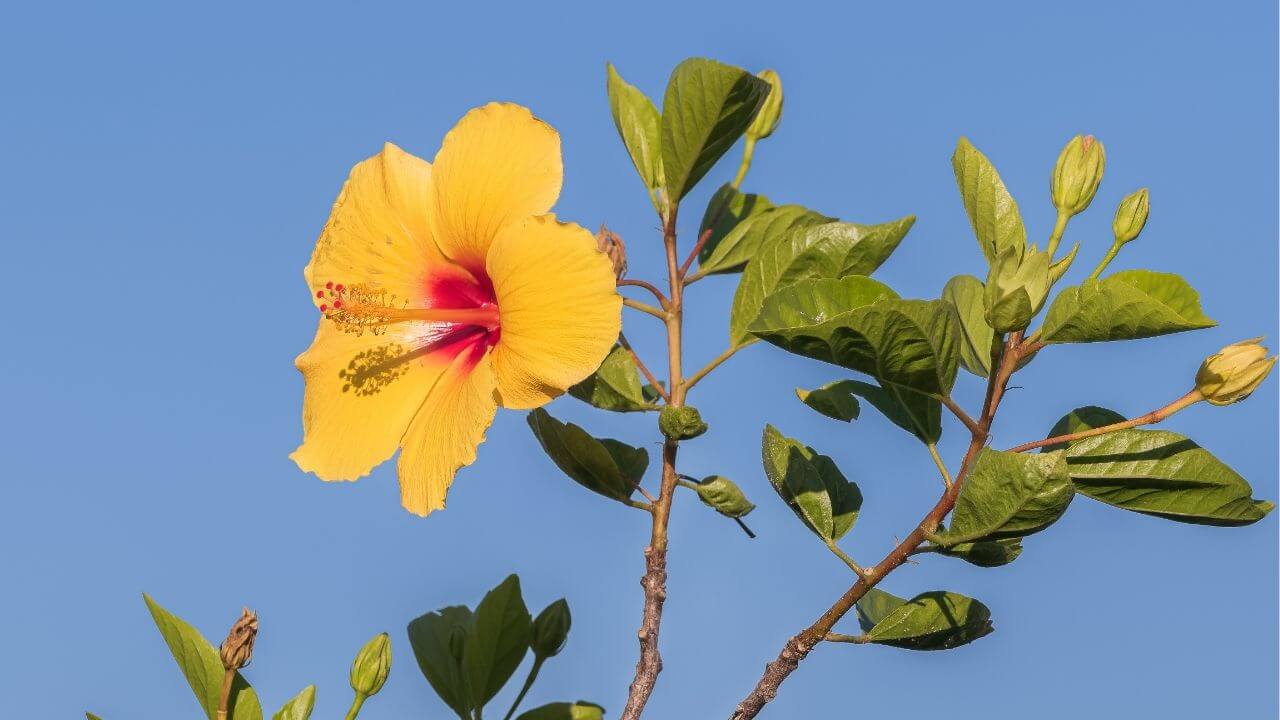
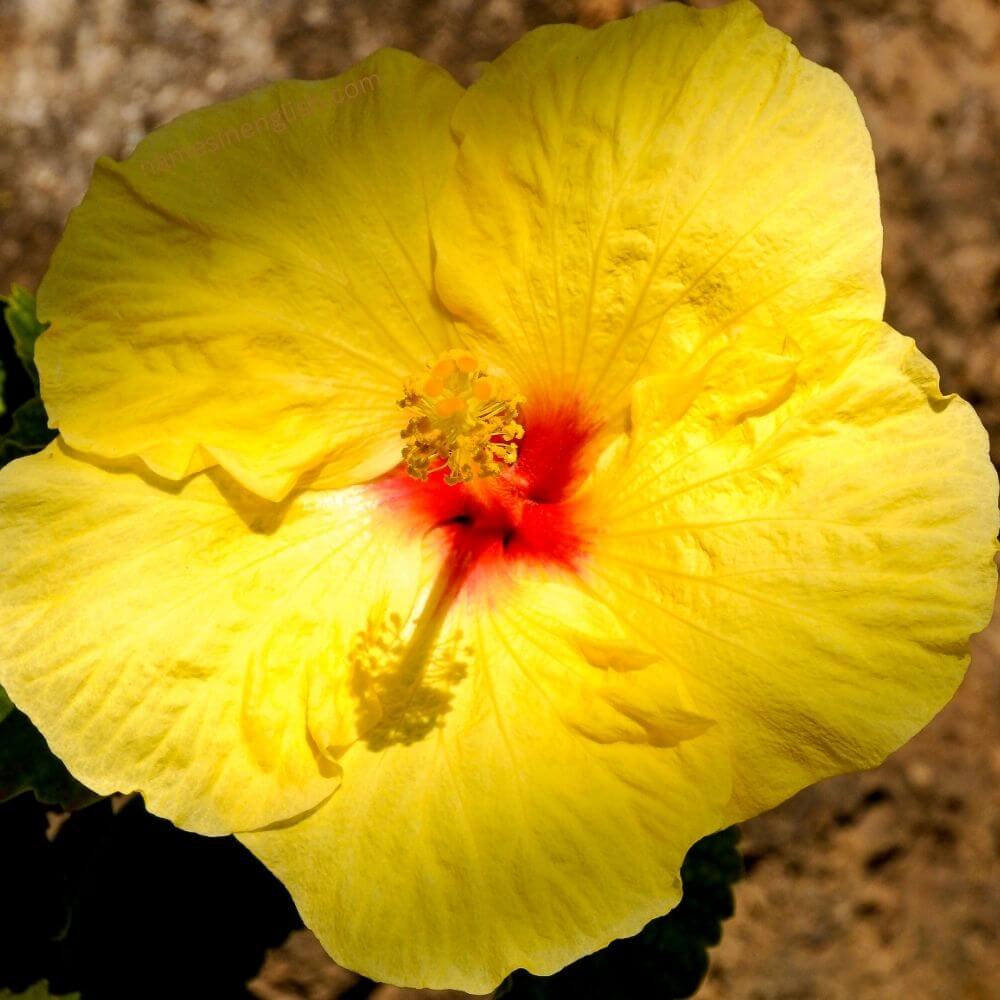
The state flower of Hawaii is the yellow hibiscus, a native plant officially recognized in 1988. It’s known locally as pua aloalo or Hawaiian hibiscus. This flower stands out because it’s one of the few hibiscus species naturally found in the islands, and its golden petals symbolize joy, renewal, and connection to the land.
What Makes the Yellow Hibiscus Unique Compared to Other Hibiscus Varieties
Many hibiscus flowers around the world come in reds, pinks, purples, and bold hybrids. The Hawaiian yellow hibiscus is different because it’s native and grows naturally in the wild, not in gardens or tropical resorts alone. It also has softer, more delicate petals with a subtle scent compared to other varieties. Some species in this native group are even endangered, which makes the yellow hibiscus culturally and ecologically important.
Meaning of the State Flower of Hawaii
Every island in Hawaii has a deep relationship with its plants, and the yellow hibiscus is tied to emotions and values that locals recognize instantly. People often associate it with sunlight, new beginnings, and the sense of warmth that Hawaiian culture is known for. The flower reflects how the islands recover through storms, volcanic cycles, and generations of change.
Symbolism in Hawaiian Traditions
In Hawaiian traditions, flowers aren’t just decoration. They’re part of chants, stories, and celebrations. The yellow hibiscus has been connected with expressing respect, hospitality, and the idea of living in harmony with nature. It’s also used in gifting, especially when someone wants to wish another person good energy or a fresh start. Elders in rural communities often say that seeing a blooming yellow hibiscus at the start of the day brings good luck.
Why Is the Yellow Hibiscus the State Flower of Hawaii
Before 1988, Hawaii recognized a general hibiscus as the state flower, which created confusion because many hibiscus species are not native. When botanists and cultural experts reviewed Hawaiian flora, they recommended selecting a species that represented the islands’ natural heritage. The yellow hibiscus fit perfectly because it grows only in Hawaii and carries cultural meaning found in chants, old songs, and local art. The decision reflected a desire to preserve native plants at a time when development and imported species were spreading quickly.
Conservation studies have found that some yellow hibiscus species have fewer than a few hundred plants left in the wild, highlighting the importance of protecting this flower.
Is Plumeria the State Flower of Hawaii
A lot of travelers assume the state flower is plumeria because they’re everywhere. Plumeria leis greet visitors at airports, weddings, and hotel entrances. But plumeria isn’t native to Hawaii. It was brought by settlers and grows easily in warm climates, which is why it’s so common today.
Still, plumeria does play a strong role in Hawaiian culture and appears in many local traditions. The confusion happens because the general public sees plumeria more often than the native hibiscus. But the official state flower remains the yellow hibiscus, not plumeria.
Bottinical Facts and Appearance of Hawaiian Hibiscus
The Hawaiian yellow hibiscus usually features five overlapping petals and a long central stamen that gives it its iconic look. The petals often open early in the morning and wilt by late afternoon, which means each bloom lasts only a single day. The plant itself can grow as a small shrub or medium sized bush depending on the species.
Here are a few quick facts that add clarity:
- Hibiscus belongs to the mallow family.
- Native Hawaiian hibiscus species are part of the Hibiscus brackenridgei group.
- Some species have bright lemon yellow petals, while others have deeper golden tones.
- The leaves tend to be slightly rough, with a heart shaped base.
Botanists often point out how responsive these native hibiscus species are to changes in their environment. The petals can react quickly to shifts in sunlight, sometimes curling slightly at the edges when the light fades. Observations like these show why conservationists consider the Hawaiian yellow hibiscus such an important and fascinating native plant to study.
Yellow Hibiscus Benefits You May Not Know
People often think of hibiscus only as a pretty flower, but Hawaiians have used native plants for generations. The yellow hibiscus has several practical and cultural benefits:
- Mild skin soothing properties: While more common in other hibiscus types, locals have historically used the yellow hibiscus in gentle remedies for minor skin discomfort.
- Environmental value: Native species help maintain healthy ecosystems. Birds, insects, and native pollinators depend on them.
- Cultural continuity: The flower appears in local artwork, festivals, and school projects that help children learn about native plants.
- Symbol of conservation: Choosing a native flower as the state emblem encourages protection efforts, especially for endangered varieties.
- Visual appeal in landscaping: Gardeners working on hotels or community projects plant yellow hibiscus to highlight native beauty rather than imported species.
Key Takeaways
- The state flower of Hawaii is the yellow hibiscus, a native and culturally significant bloom.
- It symbolizes sunlight, positivity, and renewal in Hawaiian traditions.
- Plumeria is popular but not the official state flower.
- Native hibiscus species are important for local ecosystems.
- Several varieties of the yellow hibiscus are rare and deserve protection.
- Its color, shape, and single day lifespan make it one of Hawaii’s most delicate native blooms.
Conclusion
Hawaii’s yellow hibiscus isn’t just something you admire on a walk. It’s a link to the land and a reminder to protect what’s native. When you learn the story behind it, you start noticing how much meaning a single flower can carry across generations. If you enjoy exploring the history and symbolism behind iconic blooms, you’re welcome to read more of our flower guides and discover how plants shape cultures around the world.
Related Reads