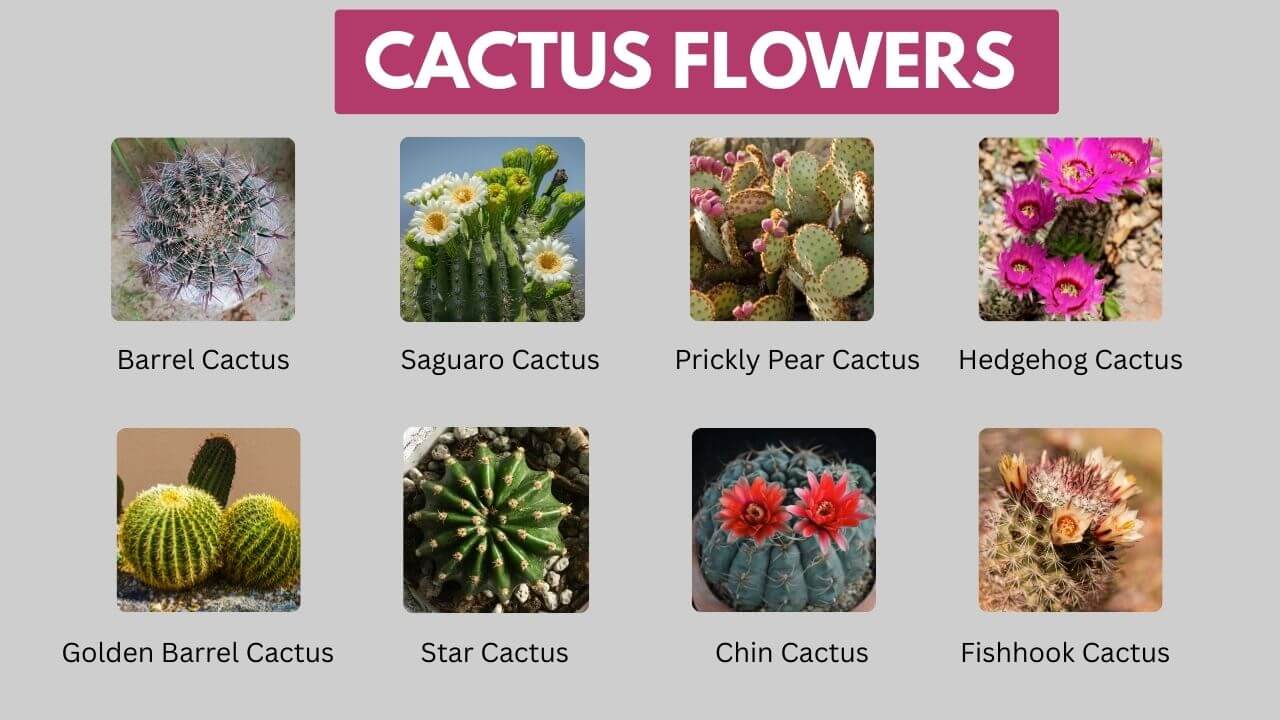

24 Types of Cactus Flowers
There are hundreds of cactus species across deserts and tropical regions, each with unique flower colors, blooming times, and growth habits. Below are 24 admired cactus flowers:
Easter Cactus Flower (Hatiora gaertneri)
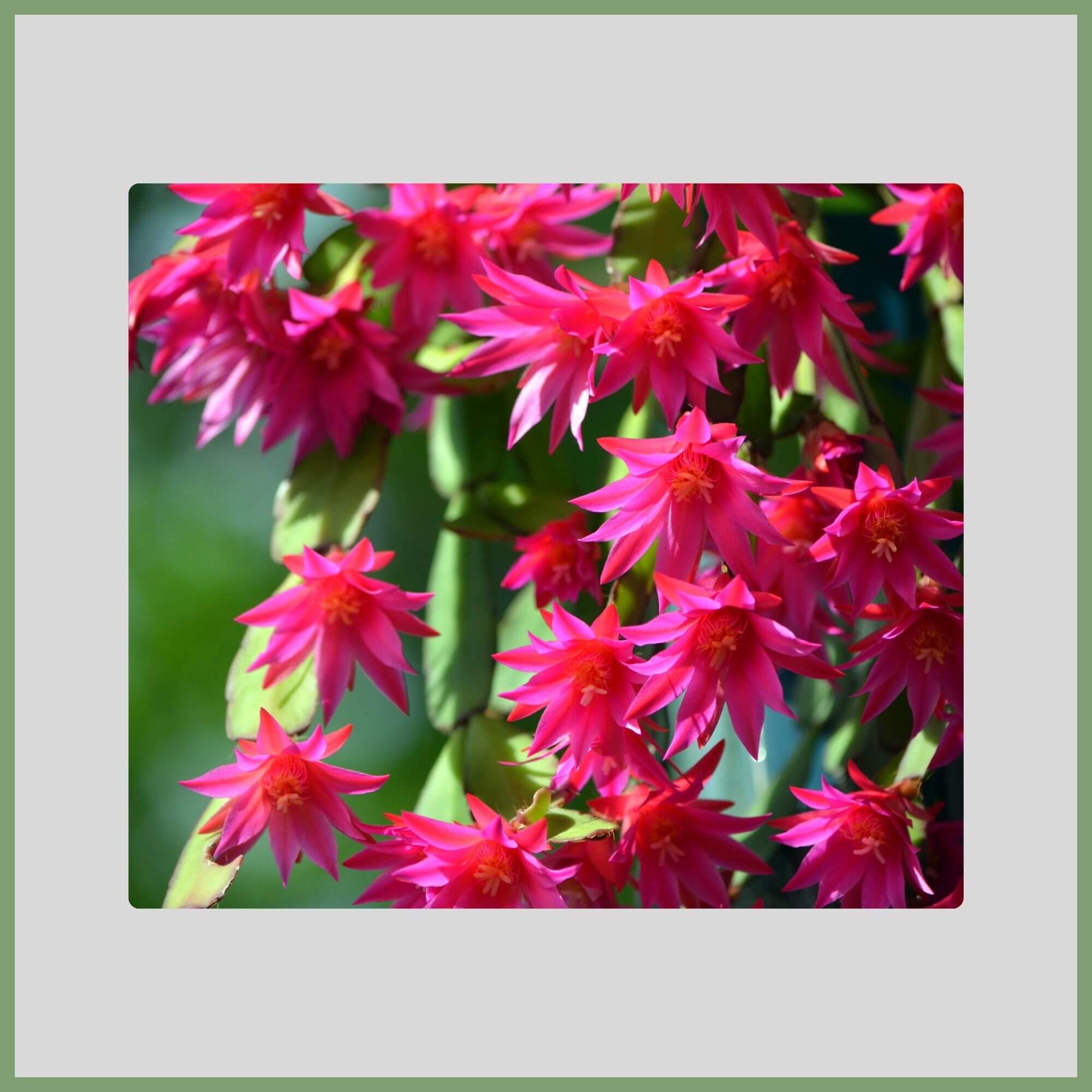
Easter Cactus blooms bright red or pink in early spring. It grows in humid, shaded rainforests rather than deserts. It needs indirect light and a cool rest in autumn to flower well.
USDA Hardiness Zone: 10–12
Temperature Range: Day 60–75 °F, Night 55–65 °F, Cool rest 50 °F
- Needs high humidity compared to most cacti
- Avoid direct midday sun to prevent stem burn
Christmas Cactus Flower (Schlumbergera bridgesii)
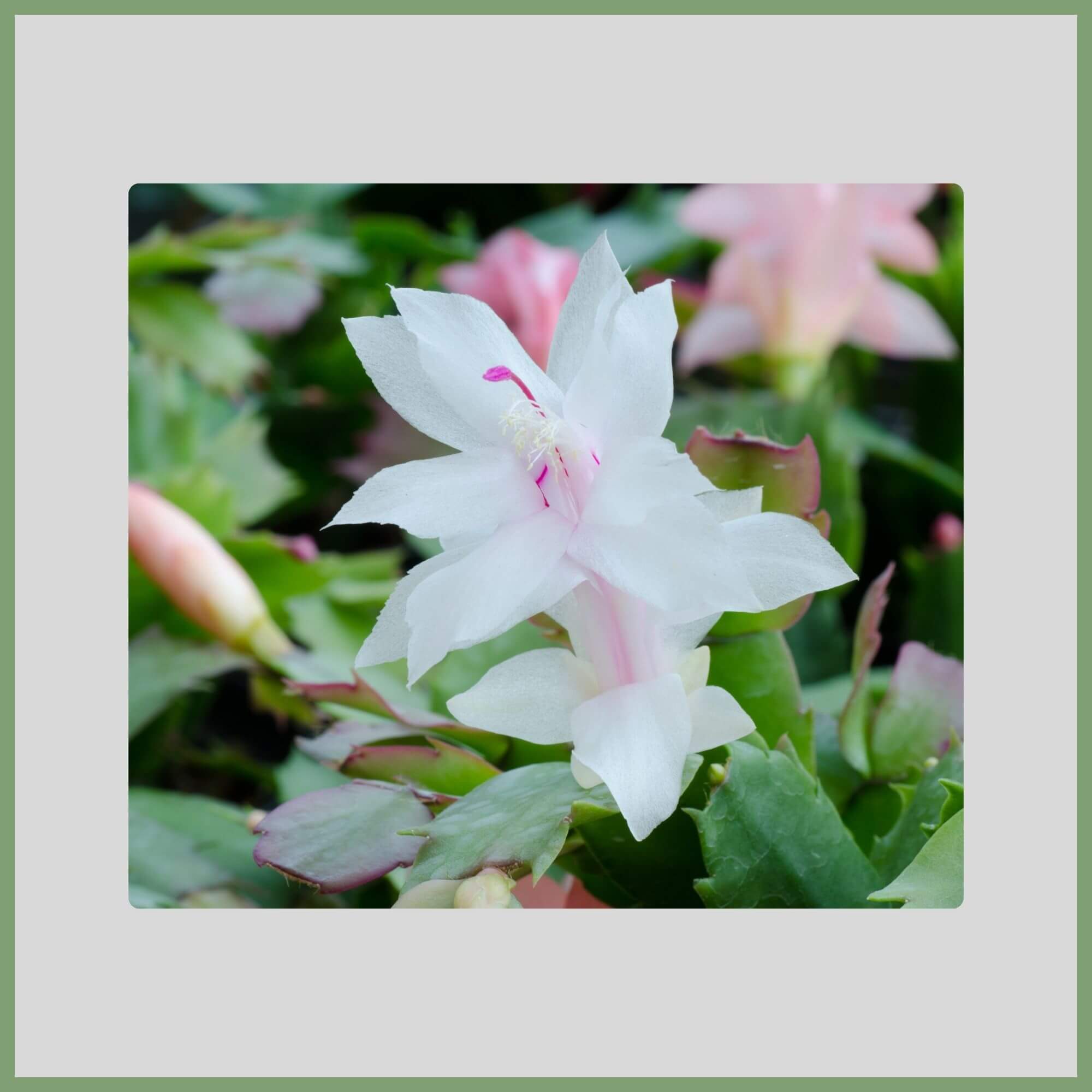
This cactus flowers indoors around winter holidays with pink, red, or white blooms. It prefers bright indirect light and cooler nights to trigger buds. Overwatering during bud set causes flower drop.
USDA Hardiness Zone: 10–12
Temperature Range: Day 65–70 °F, Night 55–60 °F
- Requires 12–14 hours of darkness for weeks to bloom
- Sensitive to excessive watering during flowering phase
Thanksgiving Cactus Flower (Schlumbergera truncata)
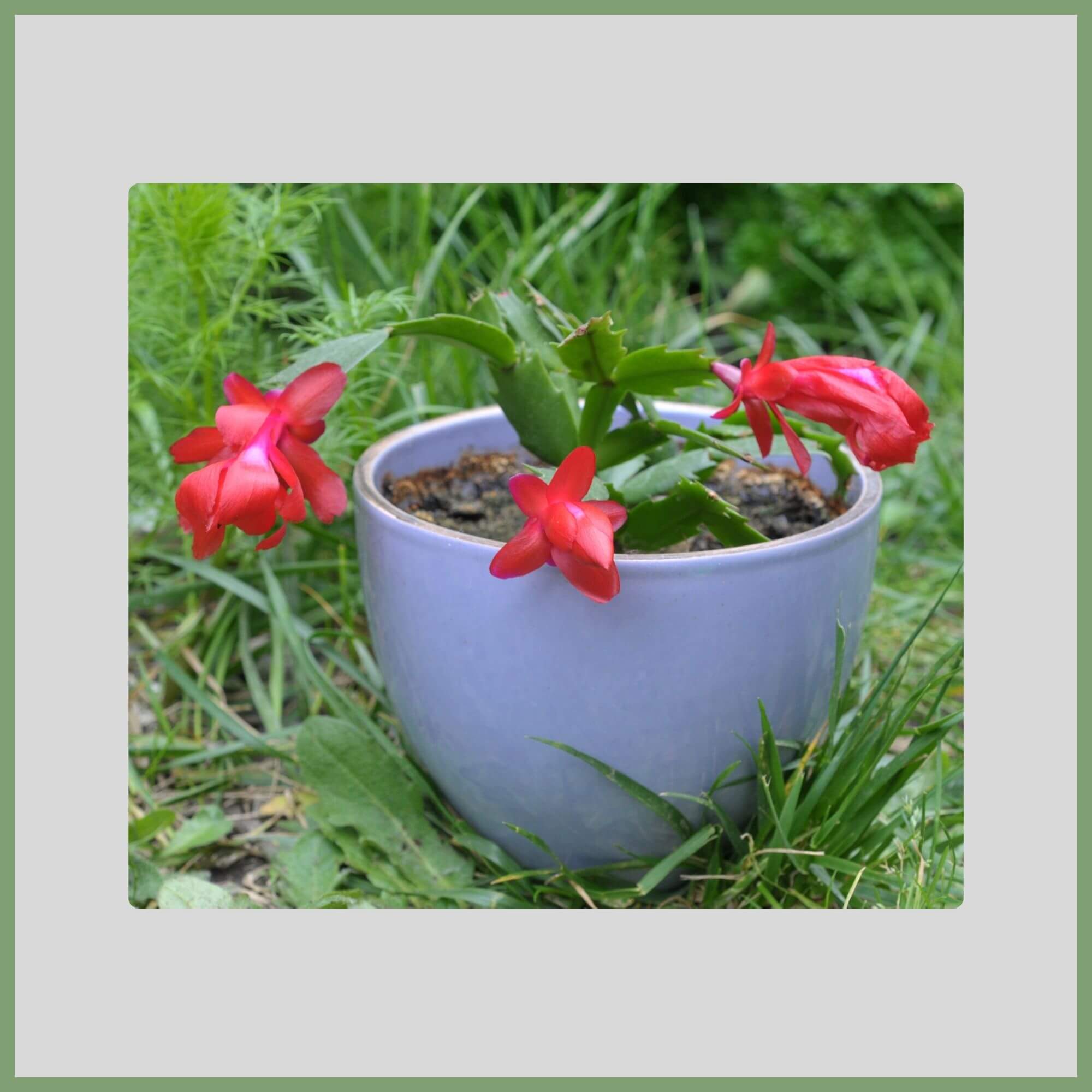
Thanksgiving Cactus has pointed stems and blooms in late autumn. It needs bright indirect light and cooler nights to start buds. It tolerates room temps during growth but requires a moist, airy soil.
USDA Hardiness Zone: 10–12
Temperature Range: Day 65–70 °F, Night 50–55 °F
- Prefers soil that dries slightly between waterings
- Buds form best with cooler nights and stable light
Prickly Pear Cactus Flower (Opuntia spp.)
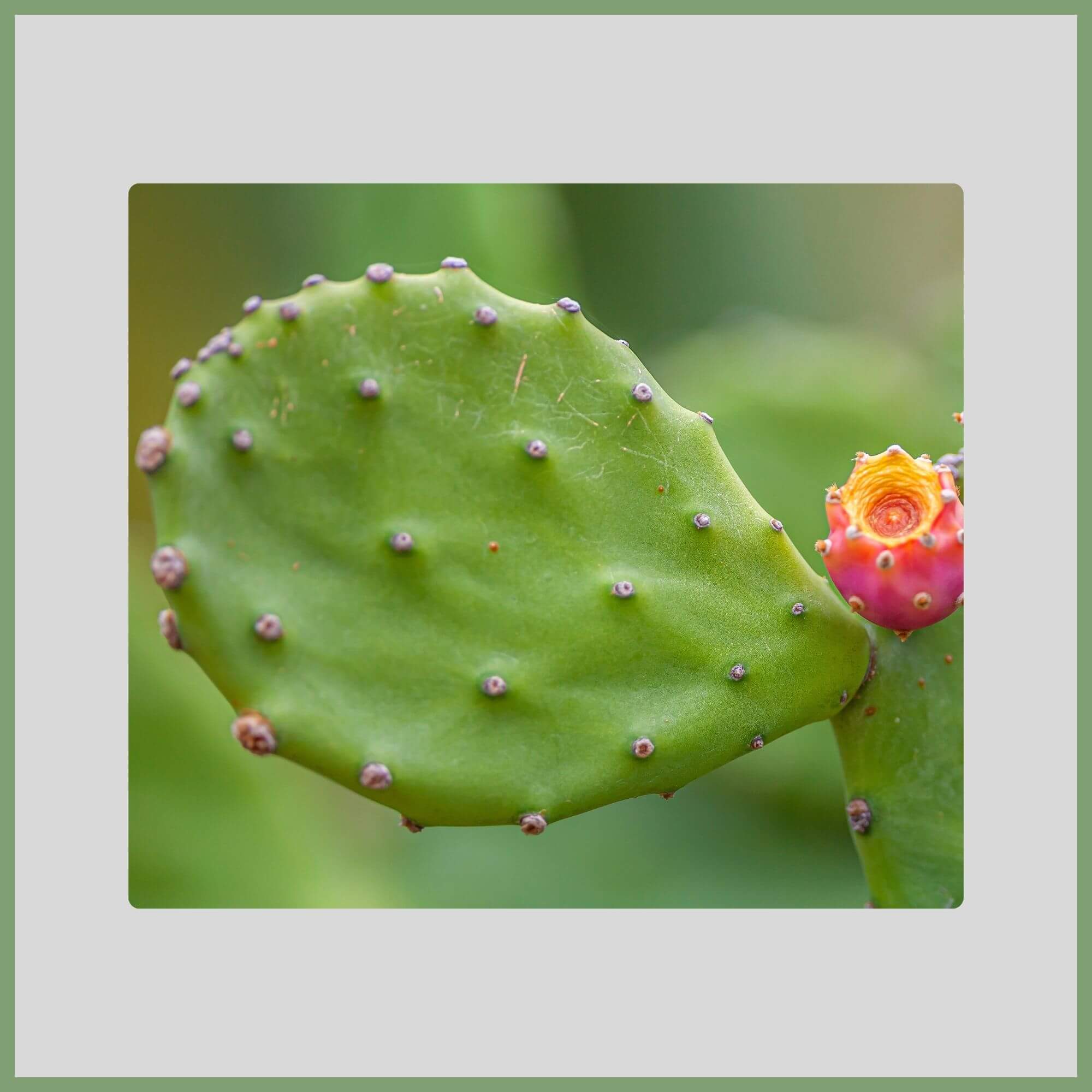
Prickly Pear is known for flat pads and yellow to pink flowers. It grows well in full sun and sandy soils. Many species bear edible fruits after flowering.
USDA Hardiness Zone: 8–11 (some tolerate zones 4–7 if dry)
Temperature Range: Up to 100+ °F, tolerates down to 20–25 °F dry
- Requires well-drained soil to avoid root rot
- Fruit production adds ecological and economic value
Saguaro Cactus Flower (Carnegiea gigantea)
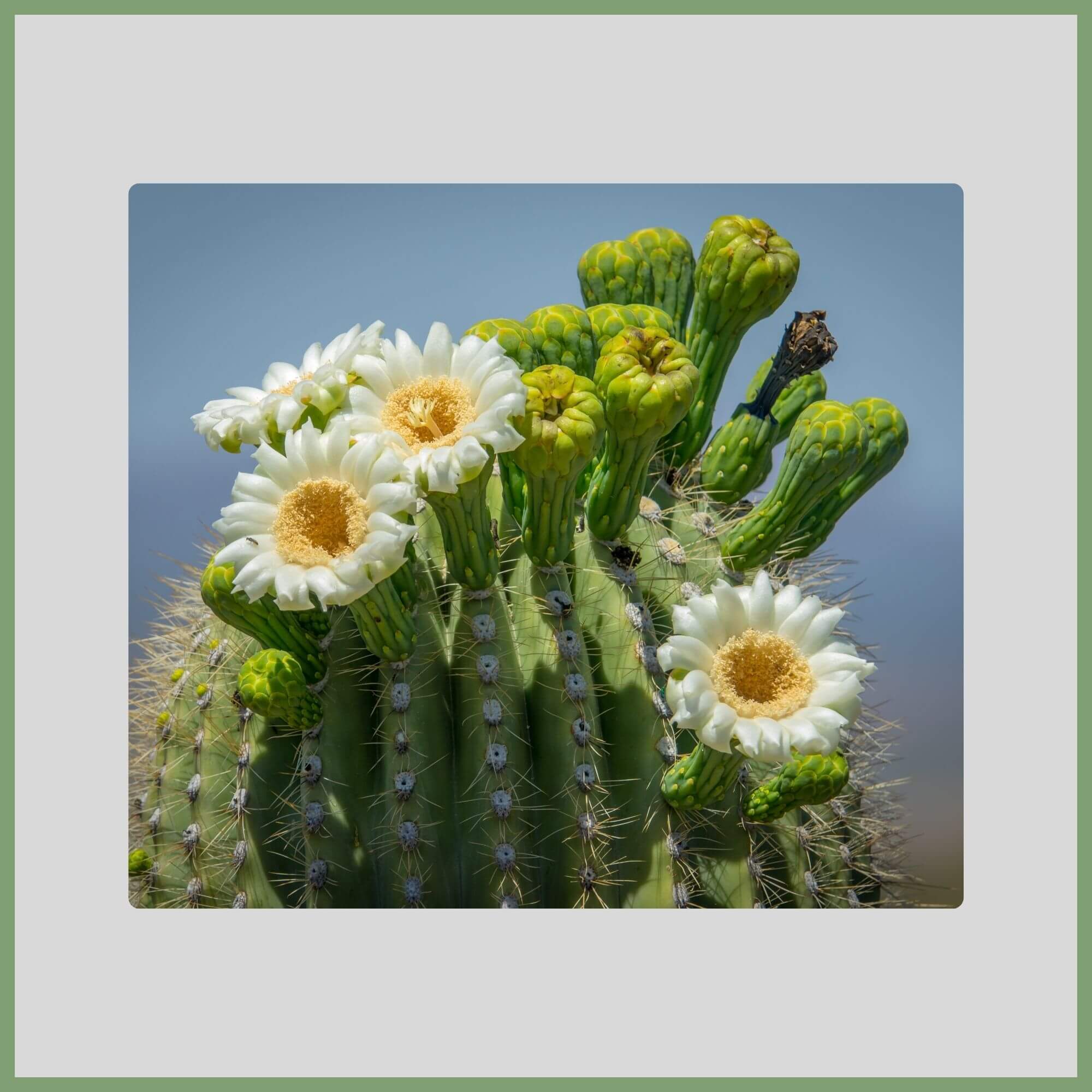
The iconic Saguaro produces large white flowers at night from late spring to early summer. It thrives in rocky desert soils and intense sunlight. Mature plants withstand brief frosts.
USDA Hardiness Zone: 8–11
Temperature Range: Day 85–100 °F, Night 60–70 °F, tolerates 25 °F
- Needs rocky, gritty soil for drainage
- Flowers open at night to attract bats and pollinators
Barrel Cactus Flower (Ferocactus spp.)
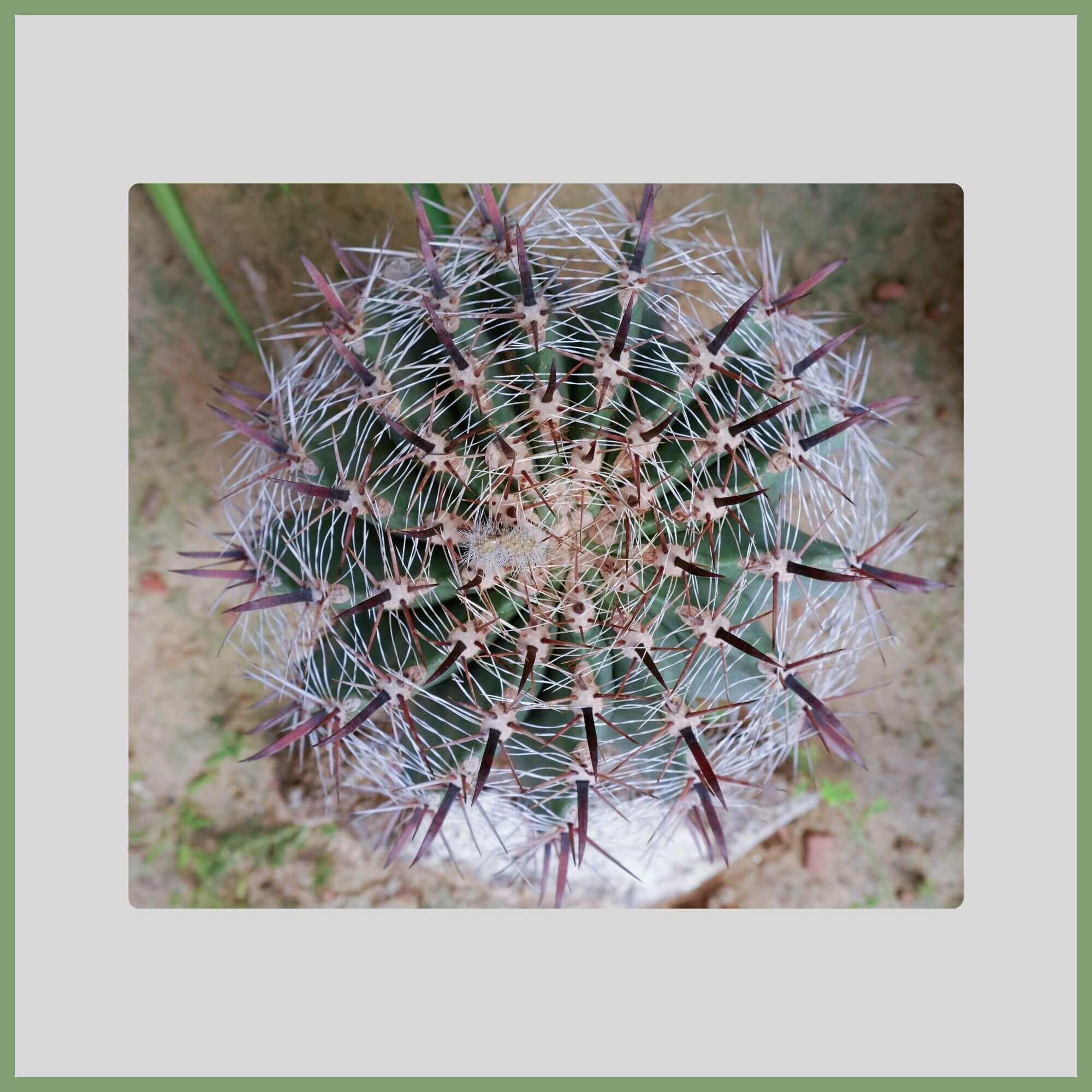
Barrel Cactus forms a bright flower crown in summer atop its round body. It grows in hot, dry deserts and handles cool nights if soil stays dry. Overwatering can cause root rot.
USDA Hardiness Zone: 9–11
Temperature Range: Day 80–100 °F, Night 55–65 °F;,tolerates 45 °F dry
- Prefers sharply draining sandy soil
- Leaning growth habit aids sun tracking
Hedgehog Cactus Flower (Echinocereus spp.)
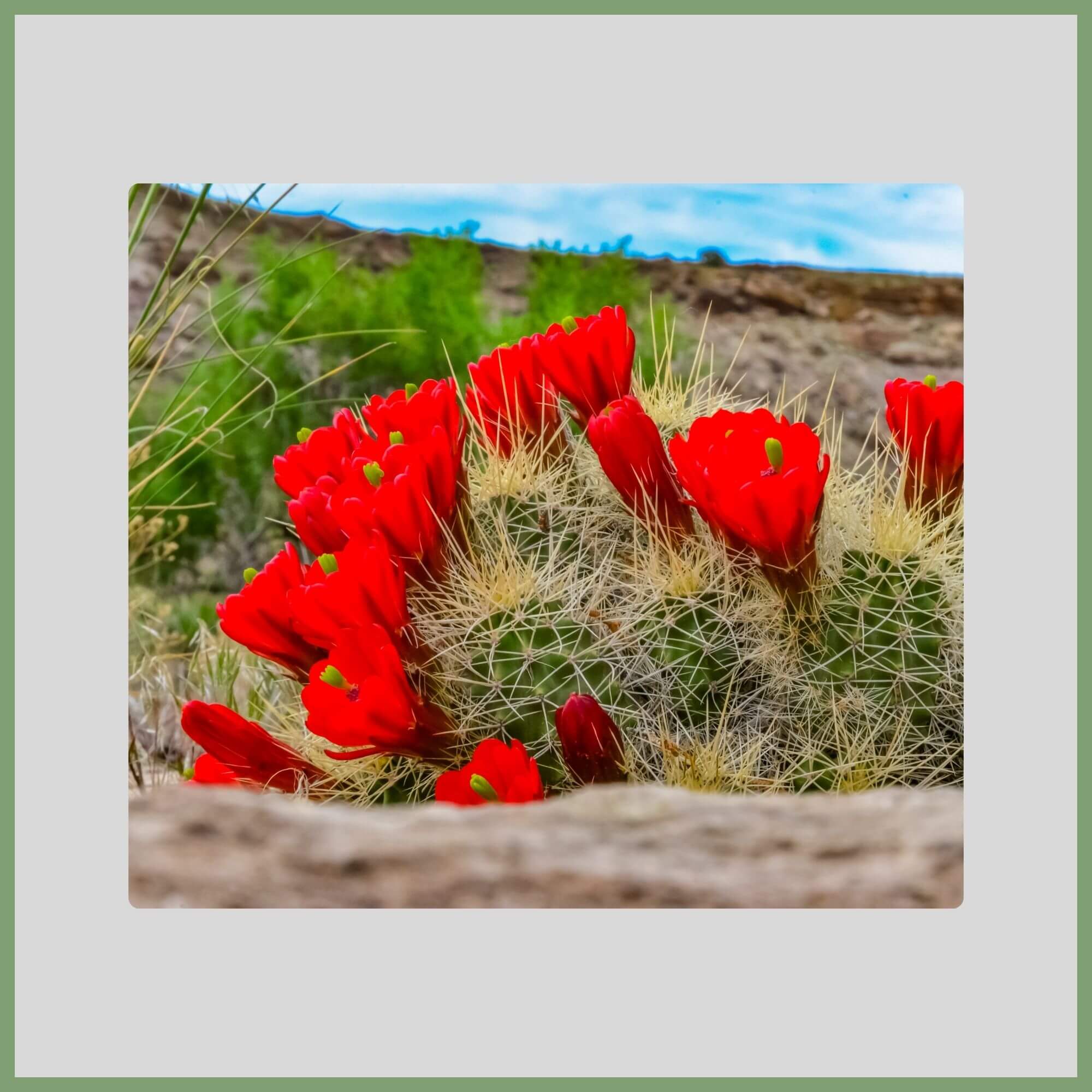
Hedgehog Cactus has spiny cylindrical stems with vivid magenta or pink flowers in spring. It grows well in full sun or partial shade and rocky soil.
USDA Hardiness Zone: 8–10
Temperature Range: Day 75–95 °F, Night 50–65 °F, tolerates 25 °F dry
- Requires fast-draining, gritty soil
- Flowers last several days, attracting hummingbirds
Moon Cactus Flower (Gymnocalycium mihanovichii)
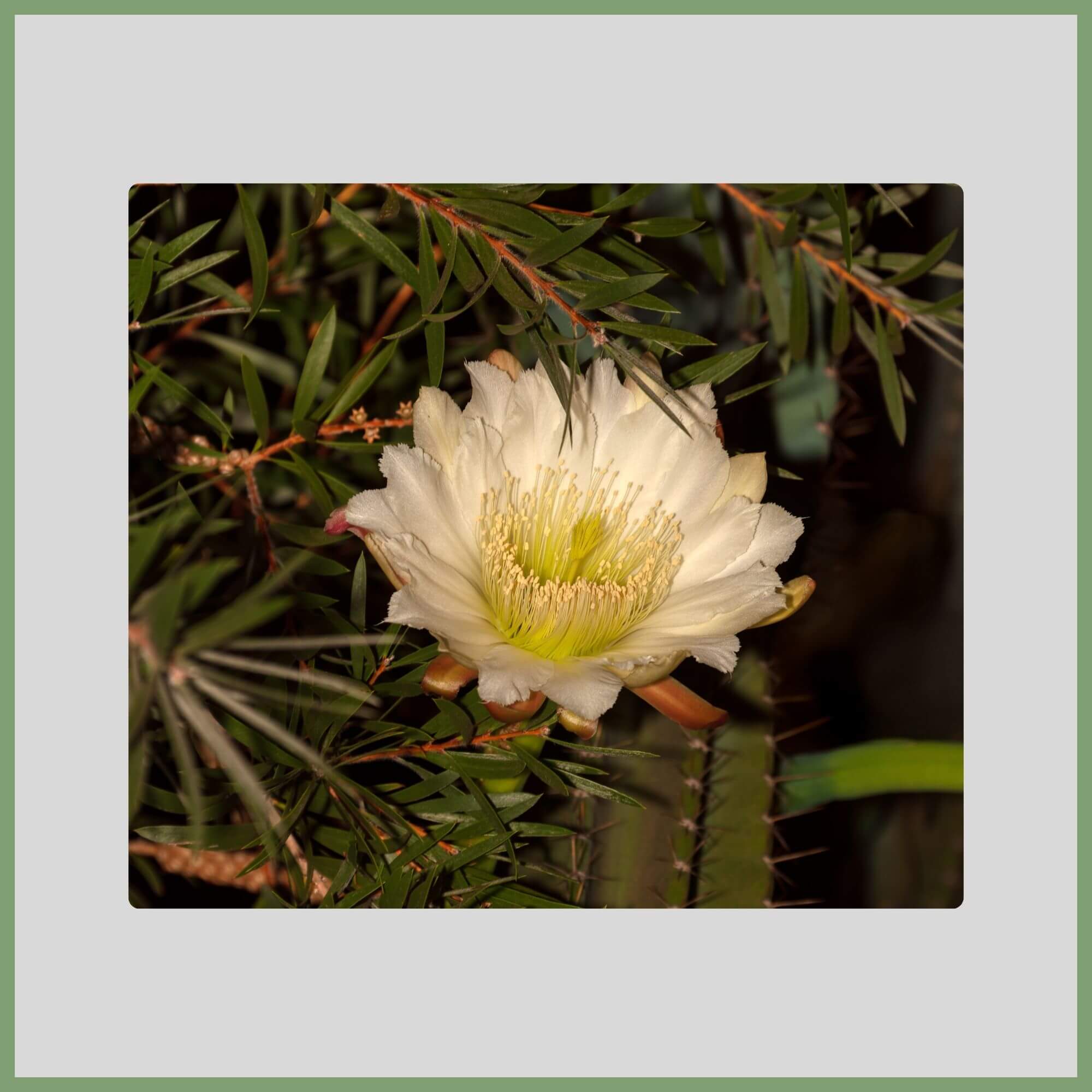
Moon Cactus features colorful grafted tops with small funnel-shaped flowers. It prefers warm temps and bright indirect light. Sensitive to cold, it must stay above 50 °F.
USDA Hardiness Zone: 11–12
Temperature Range: Day 70–90 °F, Night 55–65 °F, avoid below 50 °F
- Needs well-draining potting mix
- Cannot produce chlorophyll, relies on rootstock
Old Lady Cactus Flower (Mammillaria hahniana)
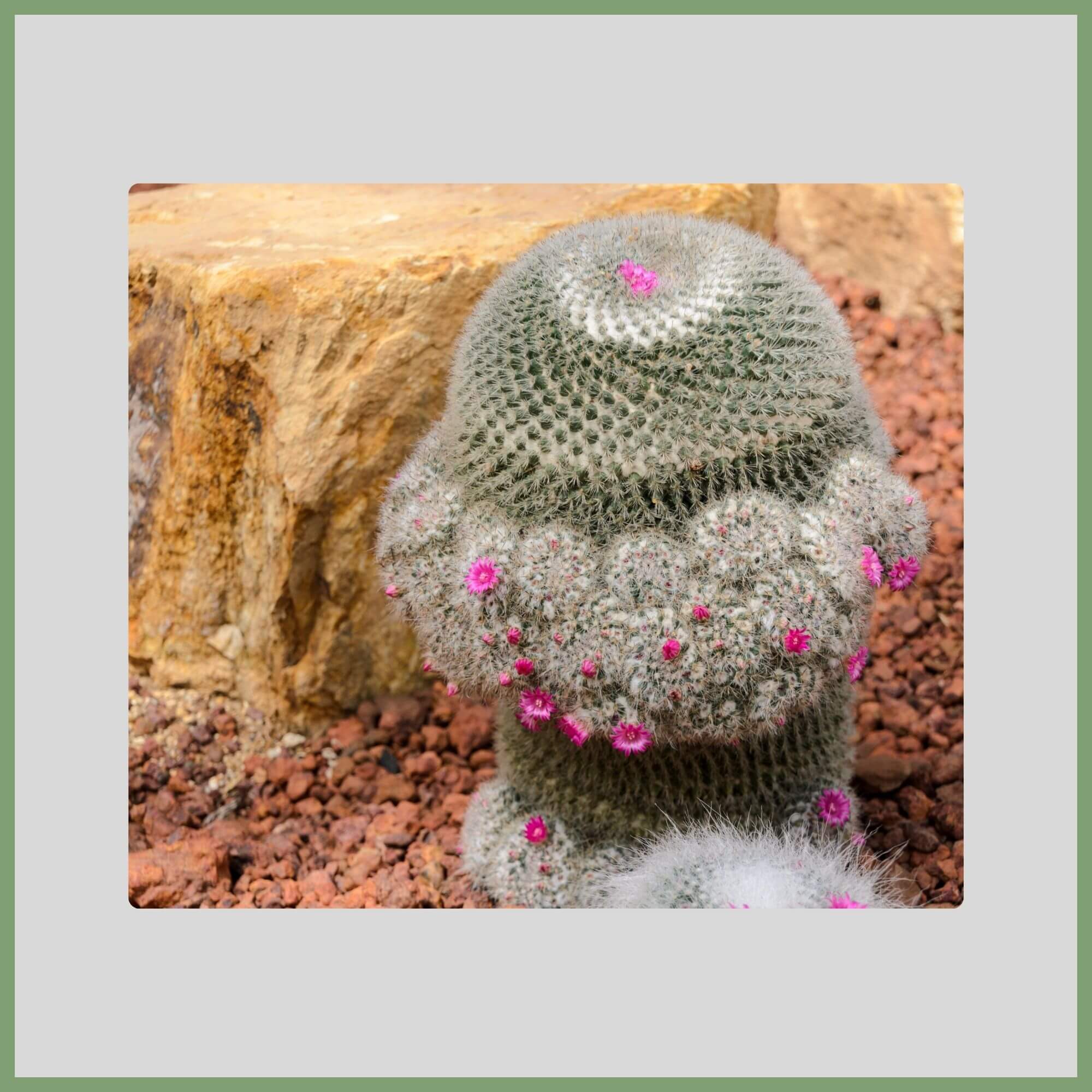
This fuzzy cactus blooms with a pink or purple flower crown in spring. It thrives in bright light and tolerates short dry spells but dislikes frost and too much water.
USDA Hardiness Zone: 9–11
Temperature Range: Day 75–90 °F, Night 55–65 °F, min 45 °F
- Dense spines protect from sun and moisture loss
- Prefers porous, sandy soil
Golden Barrel Cactus Flower (Echinocactus grusonii)
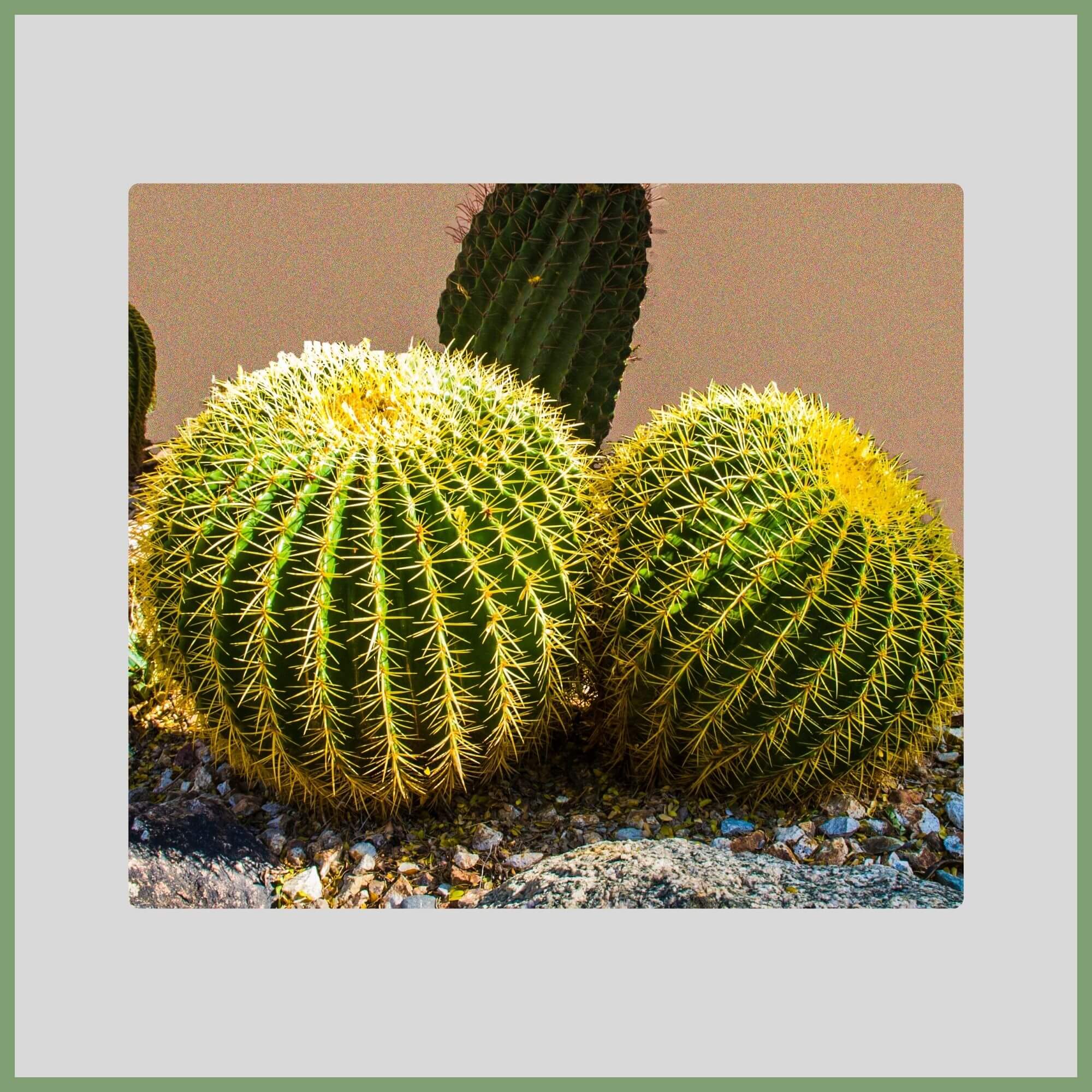
Golden Barrel shows clusters of yellow flowers in summer near its crown. It grows slow in rocky soil and full sun. Not frost hardy and prefers drought once established.
USDA Hardiness Zone: 9–11
Temperature Range: Day 80–100 °F, Night 55–65 °F, tolerates 40 °F dry
- Requires gritty soil with excellent drainage
- Popular as a symmetrical focal plant
Star Cactus Flower (Astrophytum asterias)
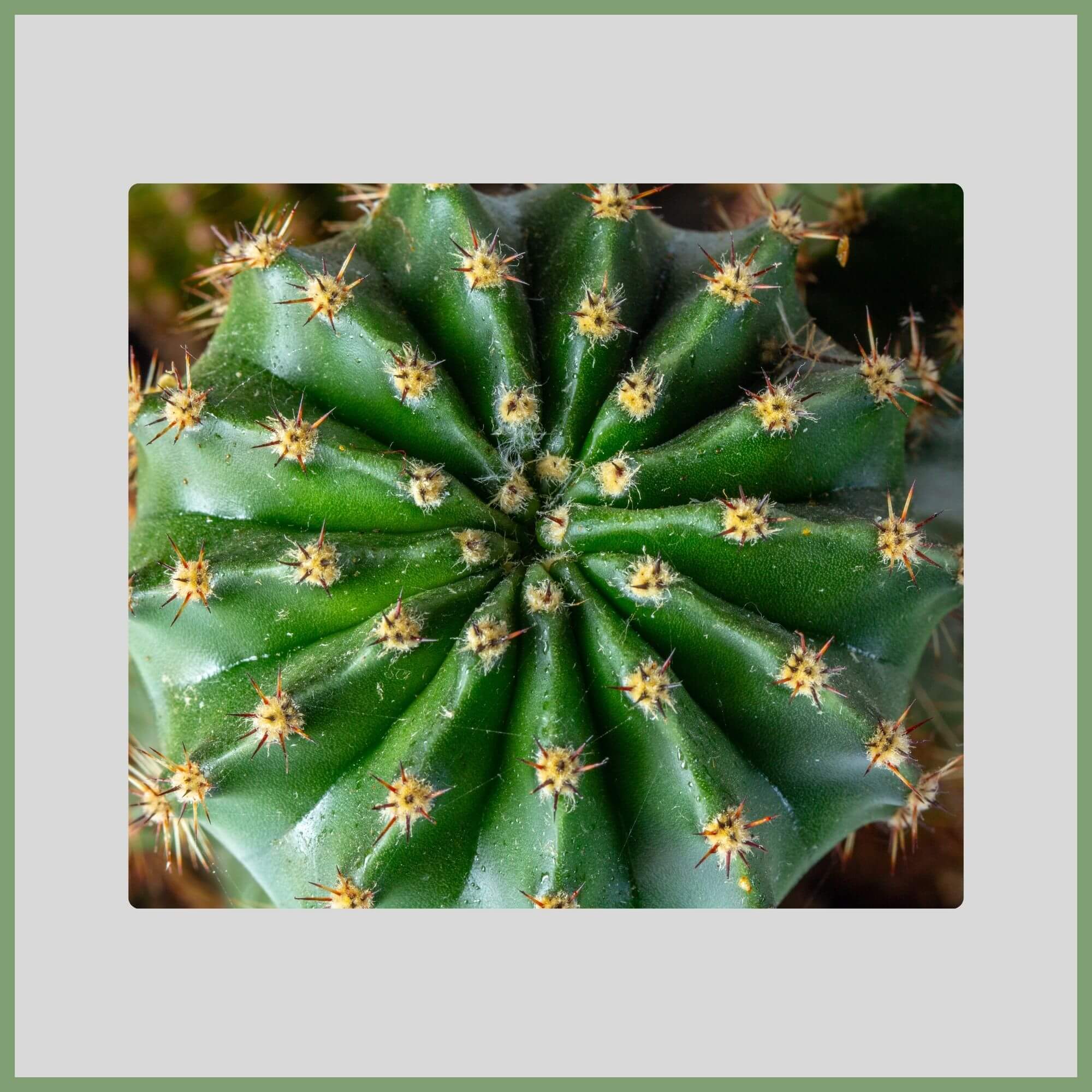
Small, round cactus with white dots and bright yellow flowers. Native to Texas and Mexico, it likes sandy alkaline soil and sun to light shade.
USDA Hardiness Zone: 9–11
Temperature Range: Day 75–90 °F, Night 55–65 °F, avoid below 45 °F
- Sensitive to humidity; prefers dry conditions
- Flowers triggered by warm days and cool nights
Orchid Cactus Flower (Epiphyllum spp.)
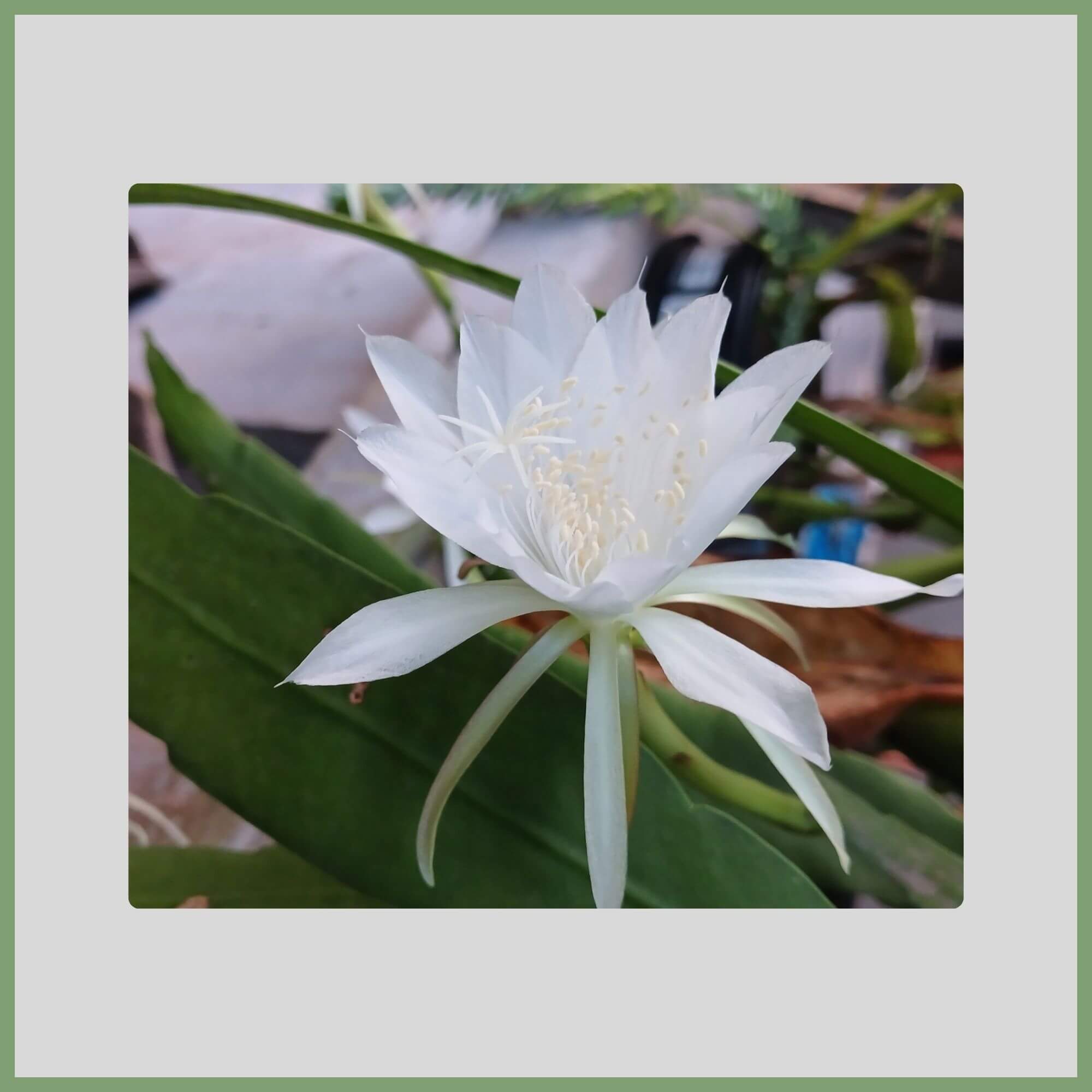
Epiphyllum produces large, fragrant blooms in various colors. It grows as an epiphyte in tropical forests, needing indirect light and high humidity.
USDA Hardiness Zone: 10–12
Temperature Range: Day 70–85 °F, Night 55–65 °F, cooler rest 50–55 °F
- Requires rich, organic, well-draining soil
- Needs humidity and moderate watering
Fishhook Cactus Flower (Mammillaria dioica)
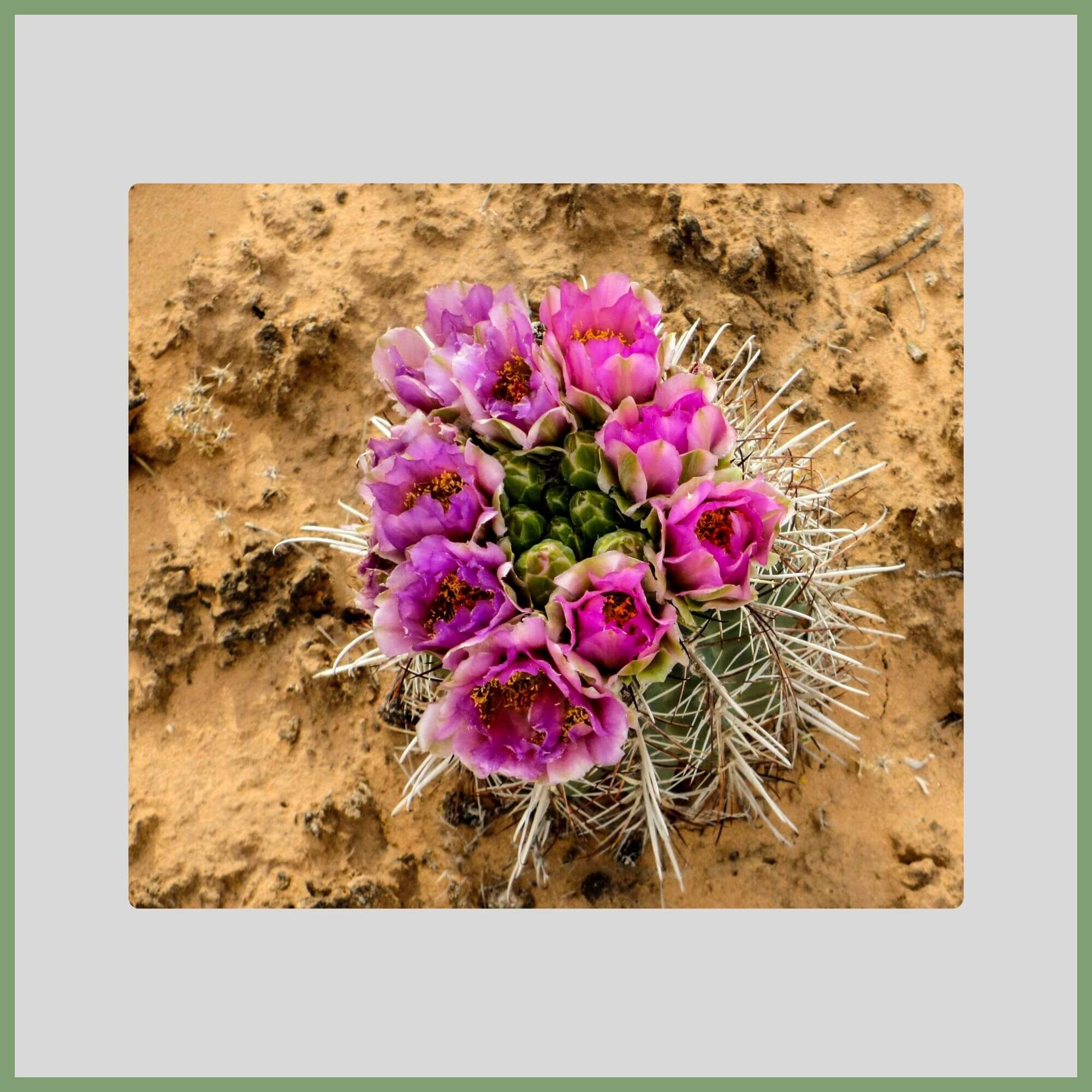
Small cactus with curved spines and pink to pale red flowers. It thrives in hot, dry conditions and sandy soil with excellent drainage.
USDA Hardiness Zone: 9–11
Temperature Range: Day 80–100 °F, Night 50–65 °F, tolerates 40 °F dry
- Prefers full sun
- Blooms create bright contrast to spiny body
Queen of the Night Cactus Flower (Selenicereus grandiflorus)
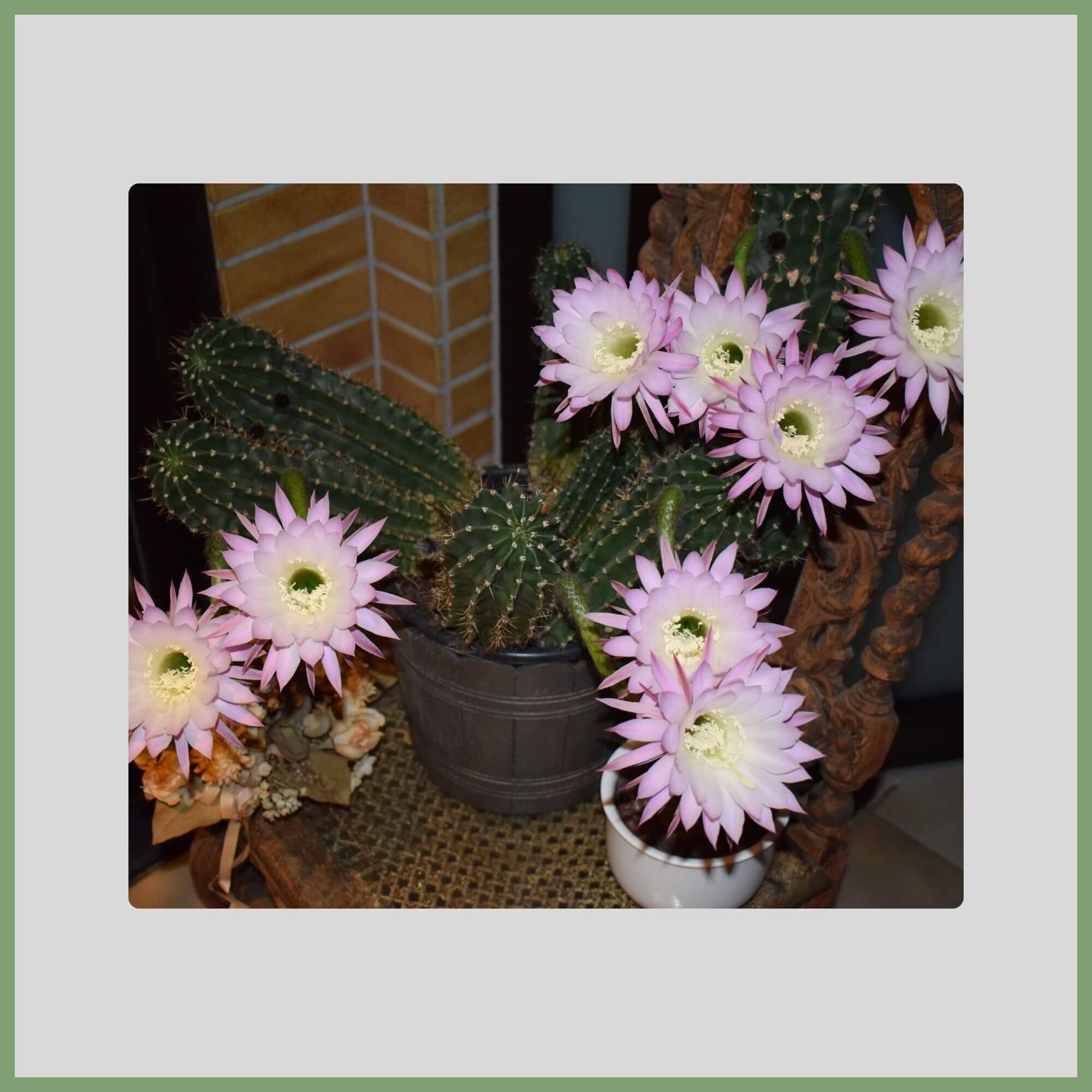
Famous for huge, fragrant white flowers that bloom once a year at night. It climbs on trees in tropical regions and likes filtered light.
USDA Hardiness Zone: 10–12
Temperature Range: Day 75–90 °F, Night 60–70 °F, avoid below 50 °F
- Needs loose, organic soil and moderate watering
- Night bloom lasts only till dawn
Claret Cup Cactus Flower (Echinocereus triglochidiatus)
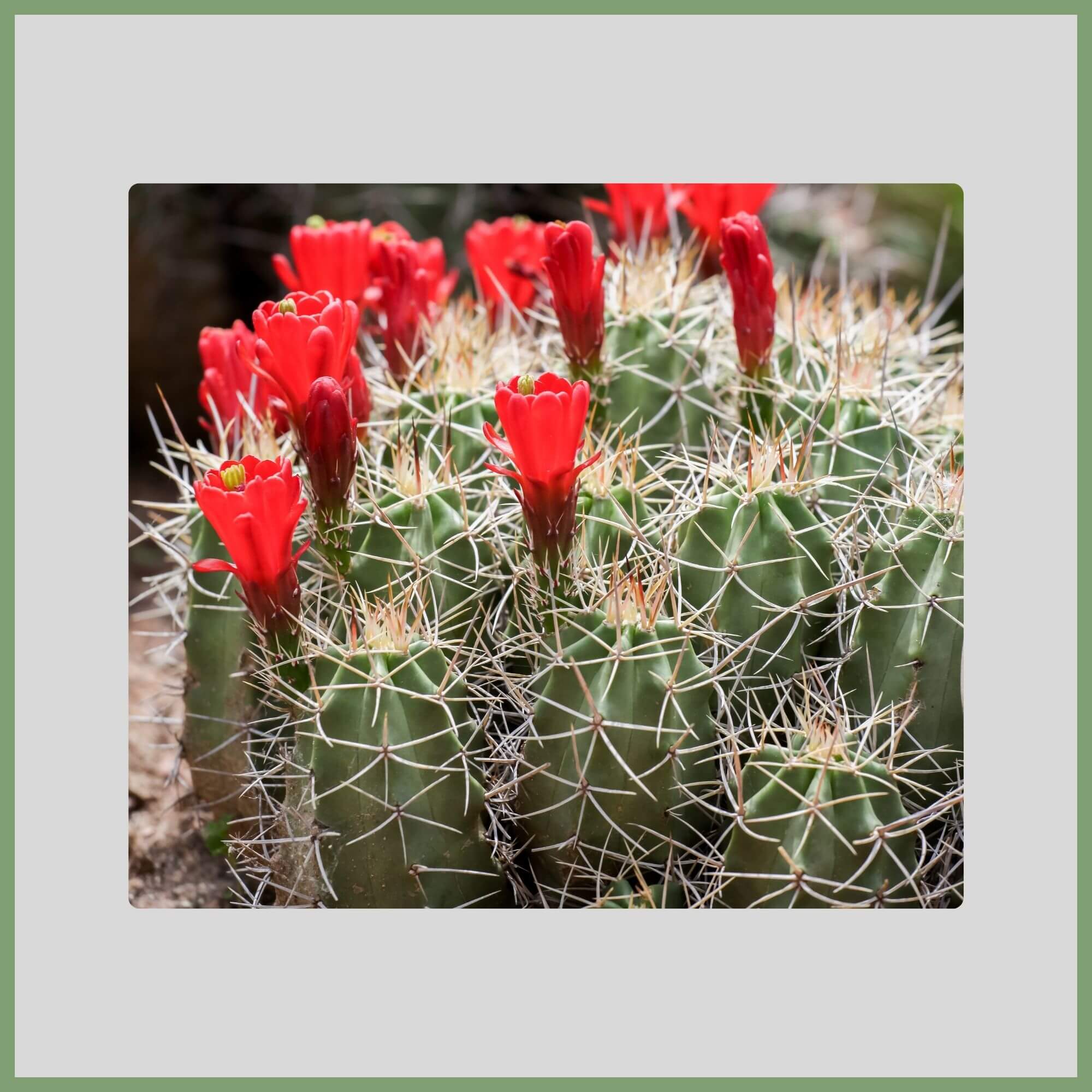
Known for bright red cup-shaped flowers that attract hummingbirds. It forms dense mounds in desert areas and thrives in rocky, sunny spots.
USDA Hardiness Zone: 8–10
Temperature Range: Day 80–100 °F, Night 55–65 °F, tolerates 25 °F dry
- Extremely drought tolerant
- Requires fast-draining rocky soil
Peanut Cactus Flower (Echinopsis chamaecereus)
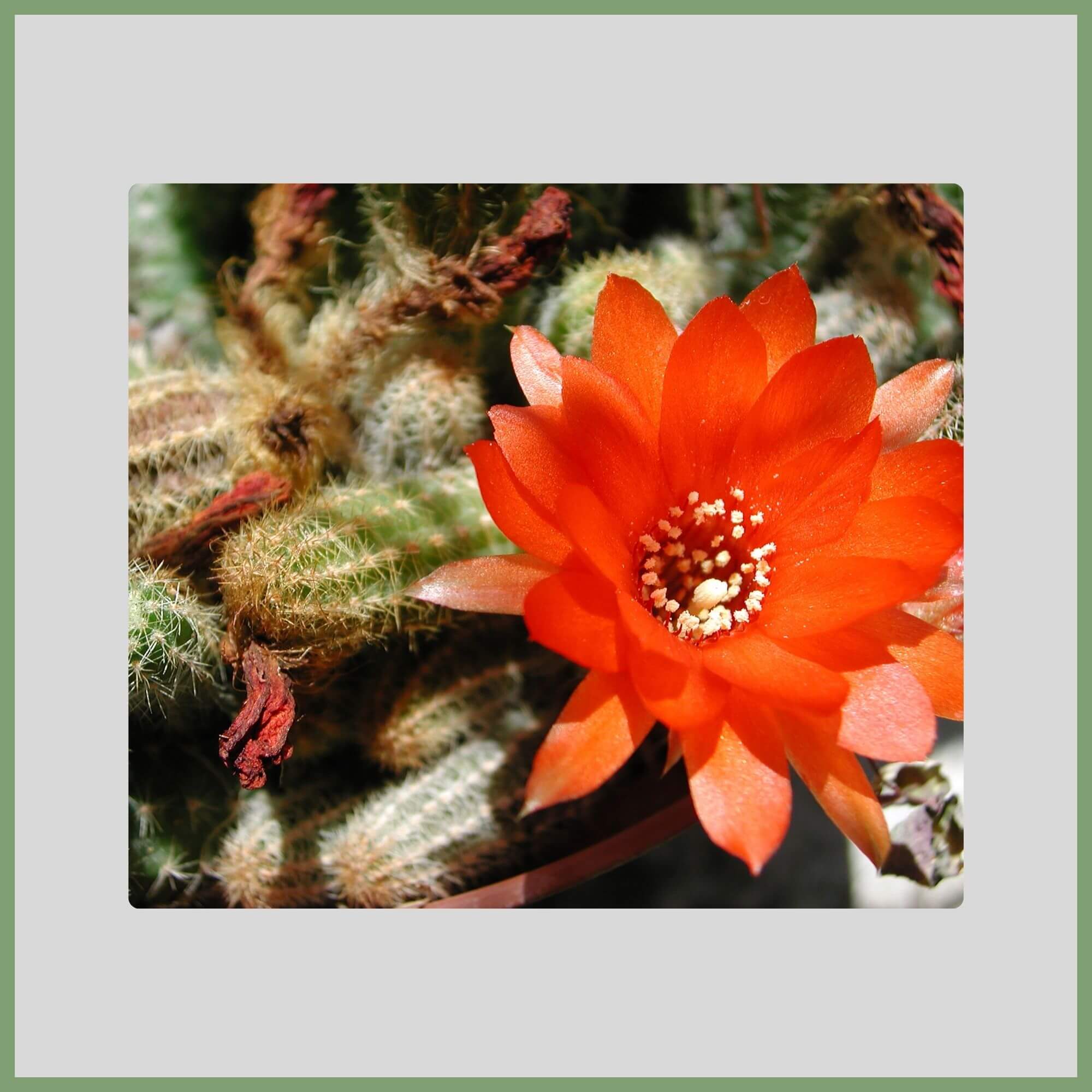
Named for peanut-like stems, it produces clusters of vivid orange-red flowers in spring. Perfect for pots and indoor spaces with bright light.
USDA Hardiness Zone: 9–11
Temperature Range: Day 70–90 °F, Night 50–65 °F, tolerates 45 °F
- Must dry out between watering
- Spreads quickly by offsets
Chin Cactus Flower (Gymnocalycium baldianum)
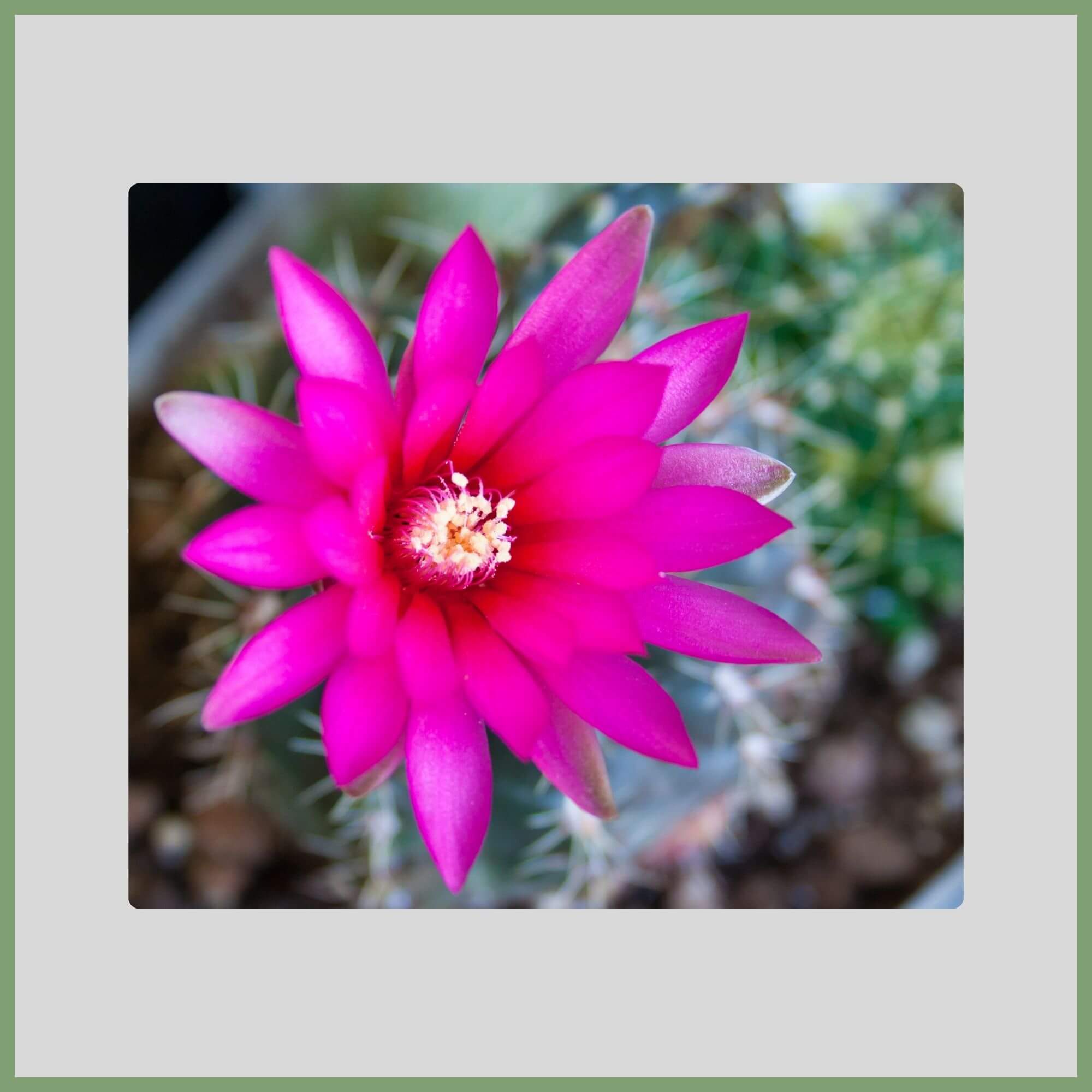
Small globe cactus with satin-textured flowers in many colors. It tolerates partial shade and prefers cooler nights.
USDA Hardiness Zone: 9–11
Temperature Range: Day 75–90 °F, Night 55–65 °F, sensitive below 45 °F
- Likes loamy, well-drained soil
- Flower lasts up to a week
Parodia Cactus Flower (Parodia leninghausii)
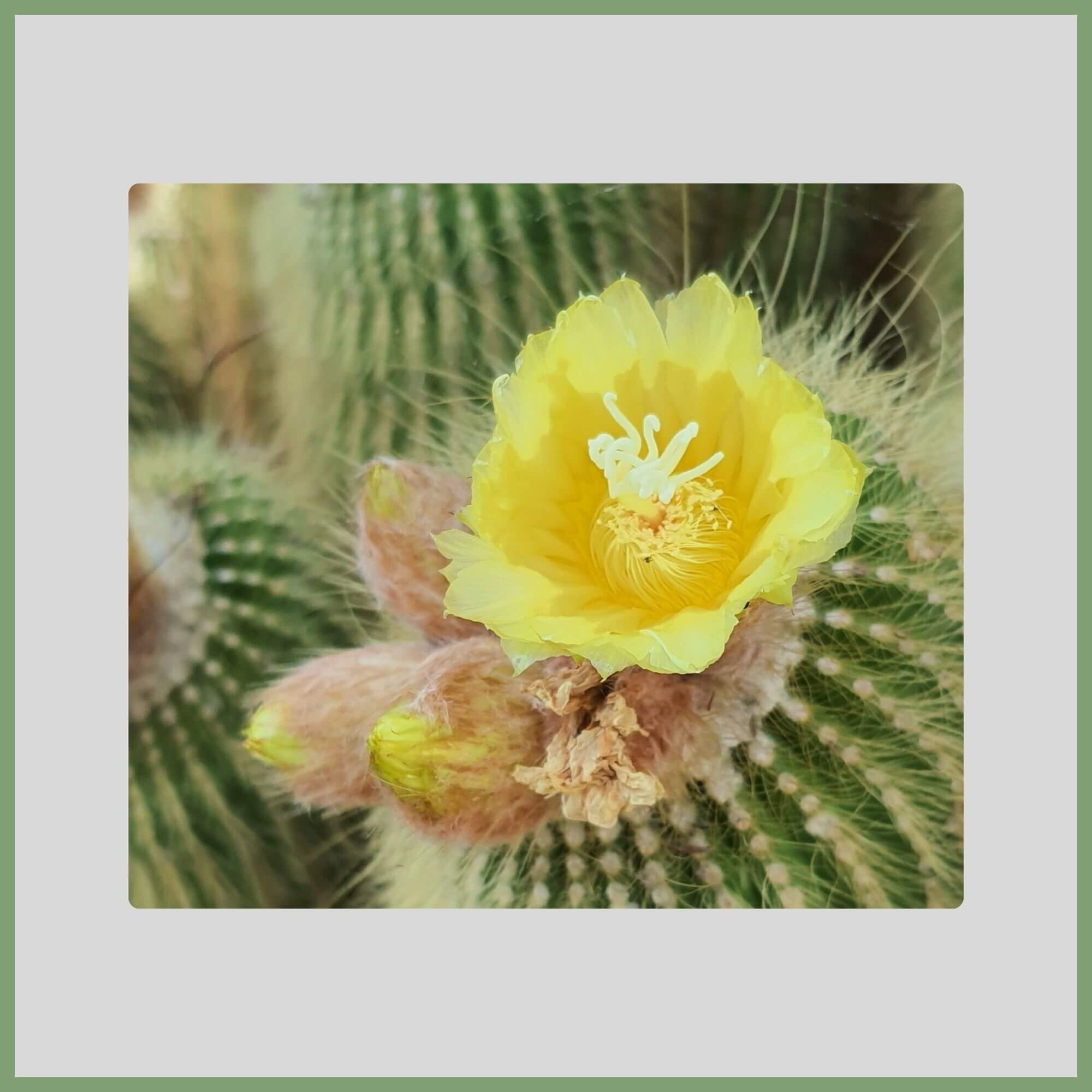
Golden spined cactus with yellow summer flowers. It tolerates mild humidity better than most desert species.
USDA Hardiness Zone: 9–11
Temperature Range: Day 75–95 °F, Night 55–65 °F, avoid below 45 °F
- Forms clumps with offsets
- Prefers moderate watering during growth
Bishop’s Cap Cactus Flower (Astrophytum myriostigma)
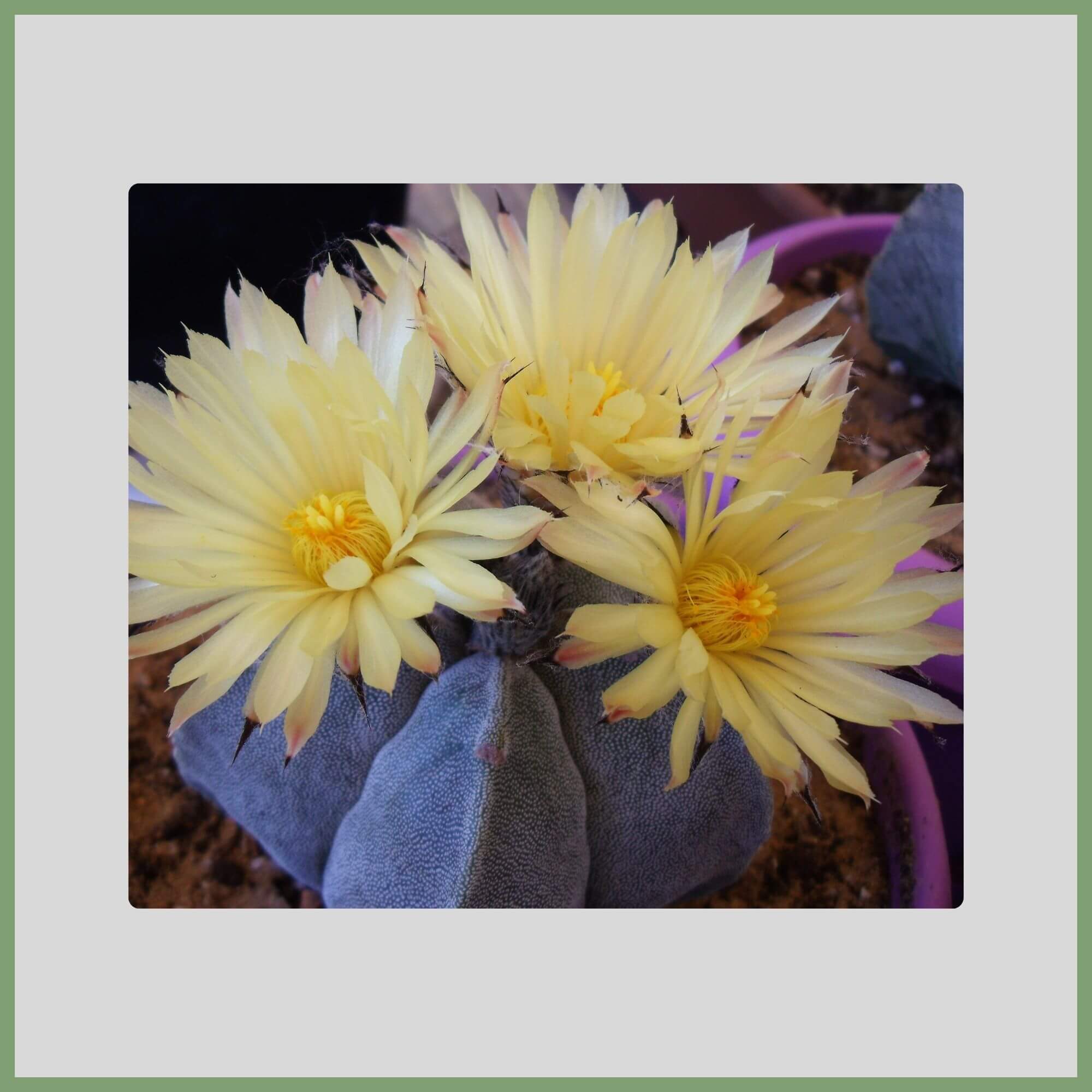
Star-shaped, spineless cactus with white speckled dots and pale yellow flowers. It grows slowly and prefers dry, gritty soil.
USDA Hardiness Zone: 9–11
Temperature Range: Day 75–95 °F, Night 55–65 °F, tolerates 40 °F dry
- Very drought tolerant
- Ideal for containers with mineral-rich soil
Beavertail Cactus Flower (Opuntia basilaris)
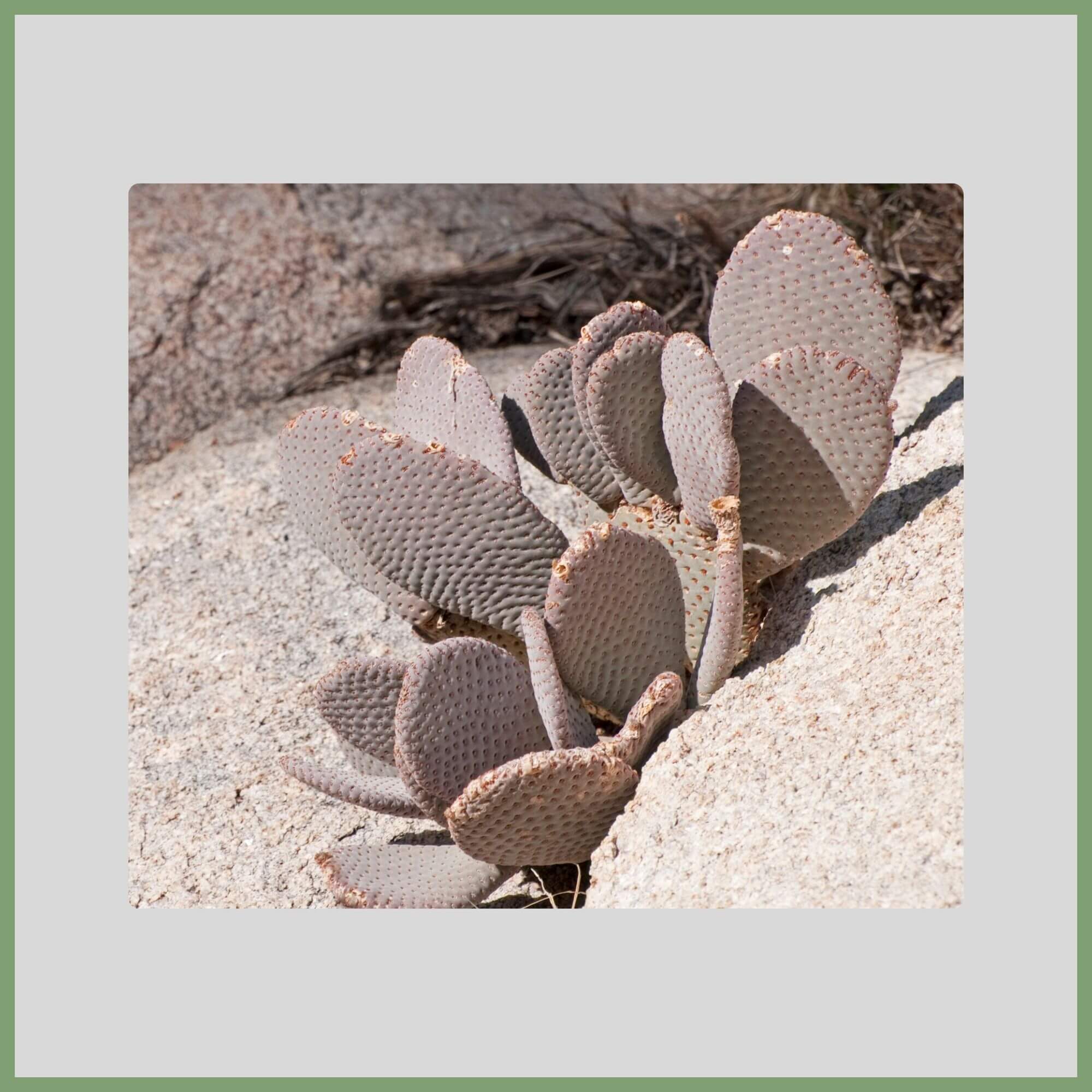
Spineless prickly pear with flat pads and large magenta flowers. It spreads low and wide in desert gardens.
USDA Hardiness Zone: 8–10
Temperature Range: Day 80–100 °F, Night 50–65 °F, tolerates 20 °F
- Grows best in sandy, well-drained soil
- Tolerates brief frost
Cholla Cactus Flower (Cylindropuntia imbricata)
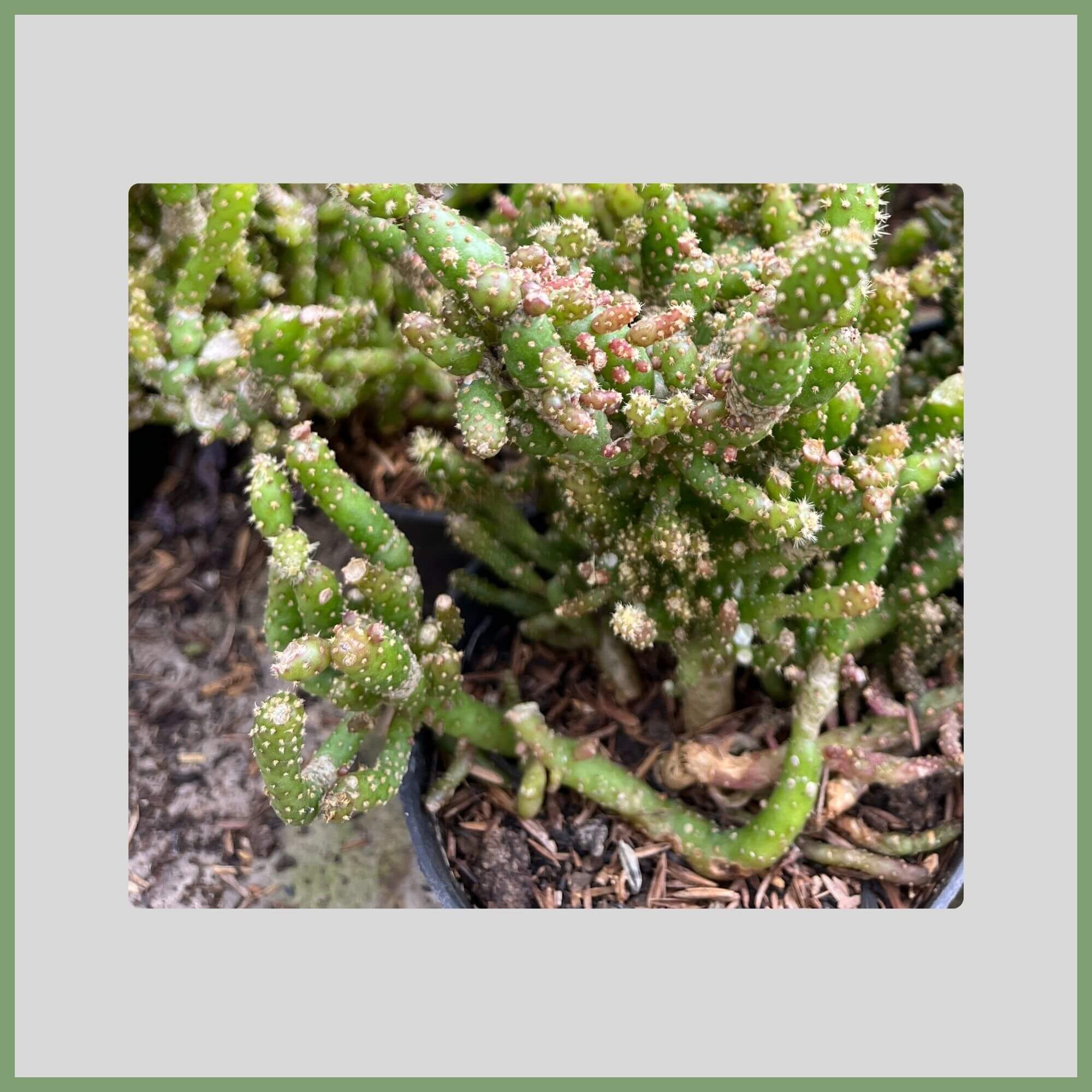
Tall cactus with cylindrical, chain-like stems and pink-purple flowers. It has sharp detachable spines.
USDA Hardiness Zone: 7–10
Temperature Range: Day 80–100 °F; Night 45–65 °F; tolerates 15 °F dry
- Needs rocky, sandy soil
- Handle with care due to spines
Rebutia Cactus Flower (Rebutia fiebrigii)
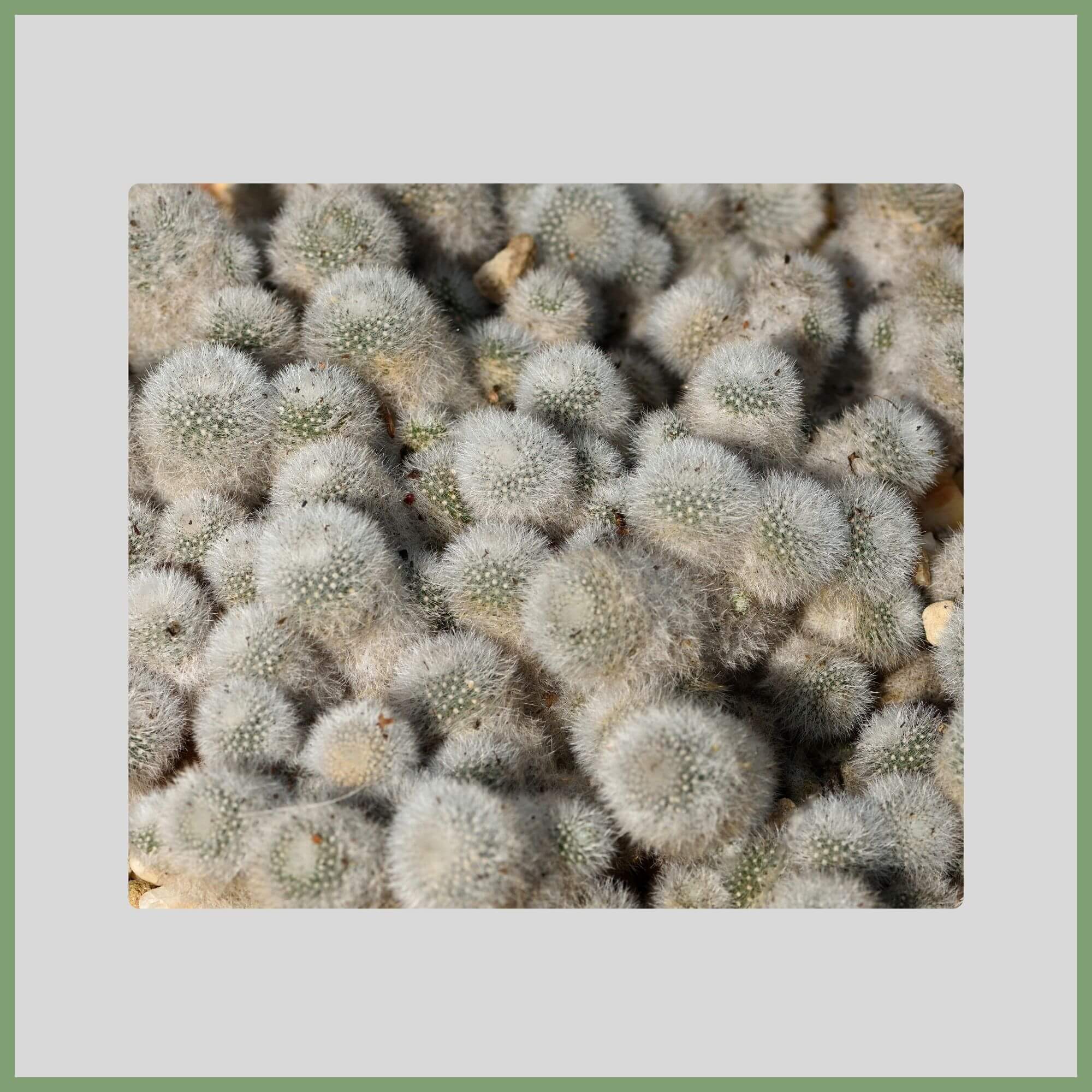
Small globular cactus with red, orange, or pink flowers lasting over a week. Easy to grow and blooms frequently.
USDA Hardiness Zone: 9–11
Temperature Range: Day 70–90 °F, Night 50–65 °F, tolerates brief 40 °F
- Likes bright but indirect light
- Prefers dry winters for flowering
Totem Pole Cactus Flower (Lophocereus schottii var. monstrosus)
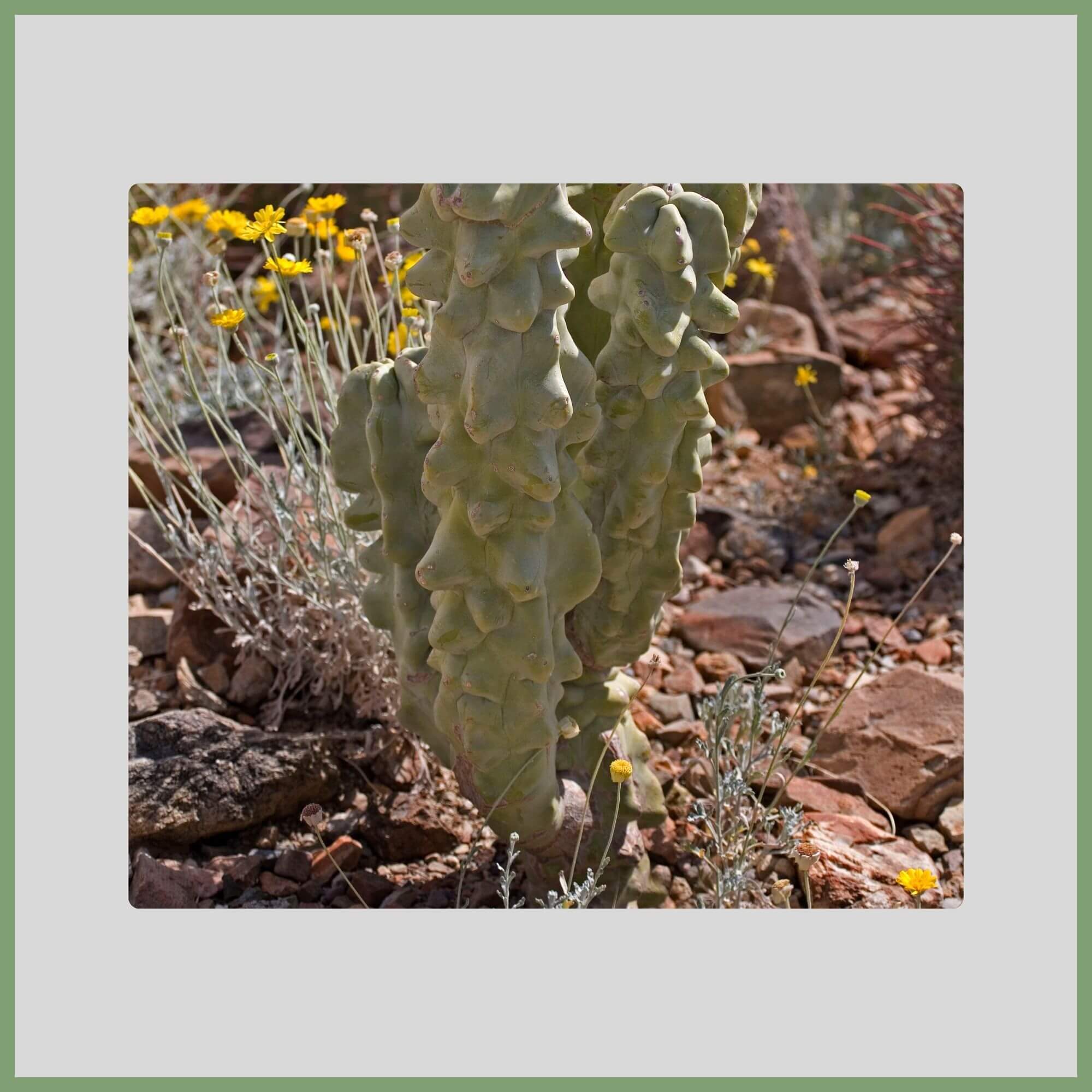
Columnar cactus with smooth, bumpy stems. Rarely blooms, but flowers are pale pink or white near tips.
USDA Hardiness Zone: 9–11
Temperature Range: Day 85–105 °F, Night 55–70 °F, tolerates 45 °F
- Very low water needs
- Unique sculptural form
Bunny Ear Cactus Flower (Opuntia microdasys)
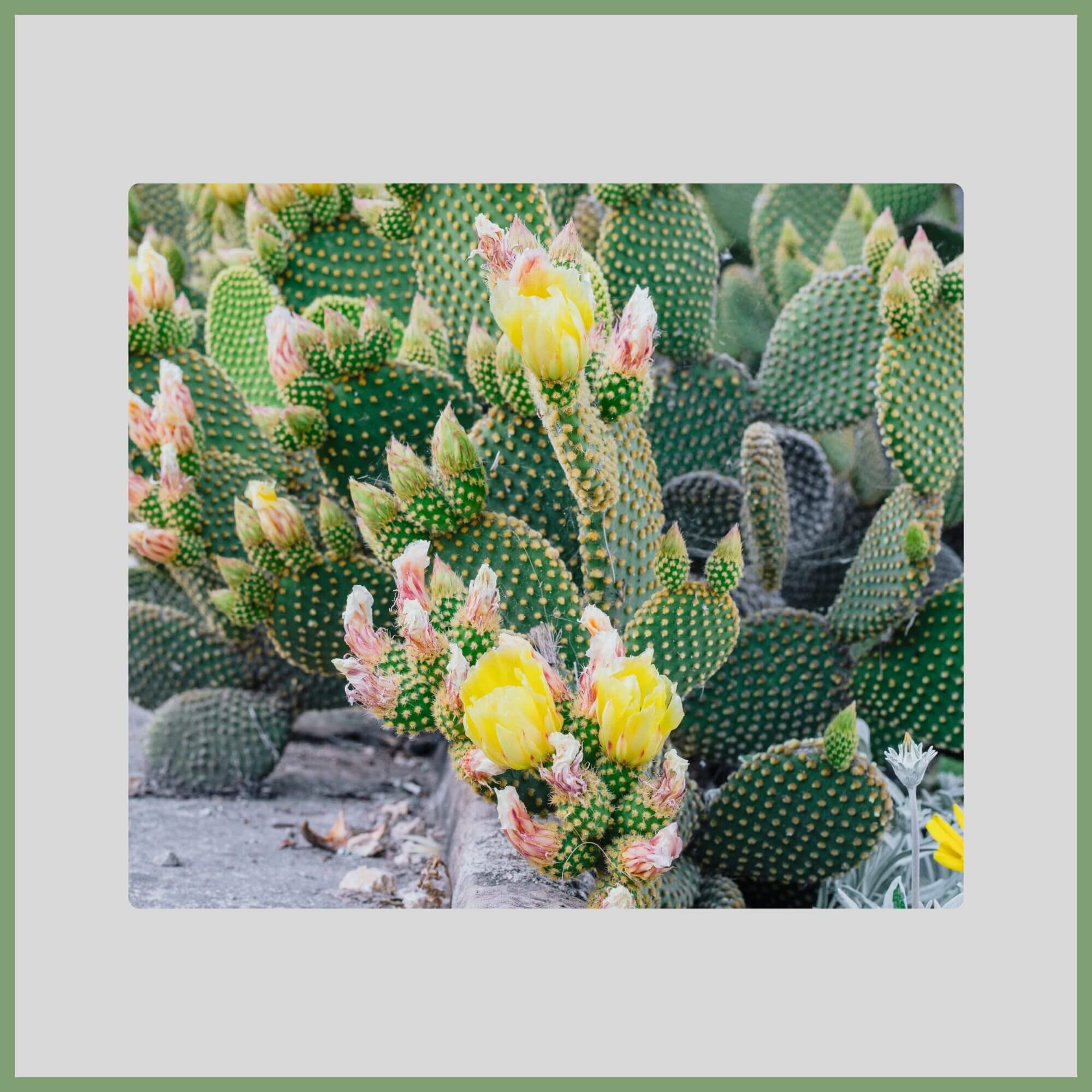
Oval pads covered with tiny golden glochids and bright yellow flowers. Popular and easy to grow indoors.
USDA Hardiness Zone: 9–11
Temperature Range: Day 80–100 °F, Night 55–65 °F, avoid below 45 °F
- Requires sandy, gritty soil
- Sensitive to frost, keep indoors in cold
Each of these cactus flower types has its own personality some bloom for only a night, others for weeks. Some fill a room with fragrance, while others rely on color to attract pollinators. Once you start recognizing them, you’ll notice how deserts are not empty lands but living galleries of hidden beauty.
For more verified information on different cactus species and their flowering habits, you can visit the Britannica Cactus Plant Overview.
Most Beautiful Types of Cactus Flowers
While all cactus blooms are unique, a few stand out for their exceptional colors or rarity:
- The Orchid Cactus, with its giant, colorful petals, is often considered one of the most beautiful cactus flowers in the world.
- The Saguaro produces pure white blooms that symbolize purity and strength in desert culture.
- The Claret Cup and Hedgehog Cactus showcase vivid reds and pinks that seem to glow under sunlight.
- Even smaller varieties, like the Old Lady Cactus, can charm anyone with their delicate crown of blossoms.
These flowers are not just admired for their looks they symbolize resilience and the balance between toughness and beauty.
FAQs About Types of Cactus Flowers
Are there different types of cactus flowers?
Yes, cactus flowers vary widely depending on the species. They come in many colors like red, yellow, pink, and white. Each type blooms in different seasons and environments. This variety makes cacti fascinating and beautiful to grow.
What are the flowers on cactus called?
Cactus flowers are simply called cactus flowers, but some species have unique names based on their cactus type. They are often large, colorful, and showy, designed to attract pollinators. Many bloom for only a short time, making them special to observe.
What cactus has the prettiest flowers?
The Orchid Cactus and Queen of the Night are known for their stunning, large, and fragrant flowers. Easter and Christmas cacti also have bright, attractive blooms indoors. Beauty varies by personal taste and the cactus environment.
What type of cactus has pink flowers?
Several cacti have pink flowers such as the Easter Cactus, Old Lady Cactus, and Hedgehog Cactus. These flowers range from soft pastel to bright pink shades. Pink blooms are common and add a lovely splash of color in cactus collections.
Do cactus flowers only bloom once?
Some cactus flowers bloom only once per year, like the Queen of the Night, while others bloom multiple times or for weeks. Bloom cycles depend on species and growing conditions. With proper care, many cacti can flower repeatedly.
What is a ghost cactus?
The Ghost Cactus is a rare, leafless cactus native to desert caves. It looks pale or translucent and often grows without direct sunlight. Its unusual appearance and growth habits make it a mysterious and prized plant among collectors.
Final Thoughts
Cactus flowers offer an incredible range of colors, shapes, and blooming habits that reflect their hardy origins and diverse habitats. From bright indoor bloomers to desert giants, each type has unique needs and charm. Exploring these resilient plants can deepen your appreciation for nature’s adaptability and artistry. Don’t stop here. Discover other fascinating flower types and rare flowers to expand your garden and knowledge.