

The National Flower of Chile is the beautiful Copihue (Lapageria rosea), a graceful climbing vine known for its striking bell-shaped flowers and deep cultural significance. Native to Chile’s temperate forests, the Copihue has long been a symbol of resilience, freedom, and national pride. Its connection to Chilean history has also led many people to ask why rebels once carried this iconic flower. In this article, you’ll learn the story behind the National Flower of Chile, why it became linked with rebels, its symbolism, unique features, and the important role it continues to play in Chilean culture.
What is the National Flower of Chile?
The official national flower of Chile is the Copihue. Scientifically classified as Lapageria rosea, it is the only species in its genus. This evergreen climbing vine is celebrated for its pendulous, bell-shaped flowers that can reach up to 10 centimeters in length. While it was formally declared the national emblem in 1977, its presence in Chilean culture dates back thousands of years, appearing in the earliest oral histories of the South American cone.
Quick Facts About The National Flower of Chile
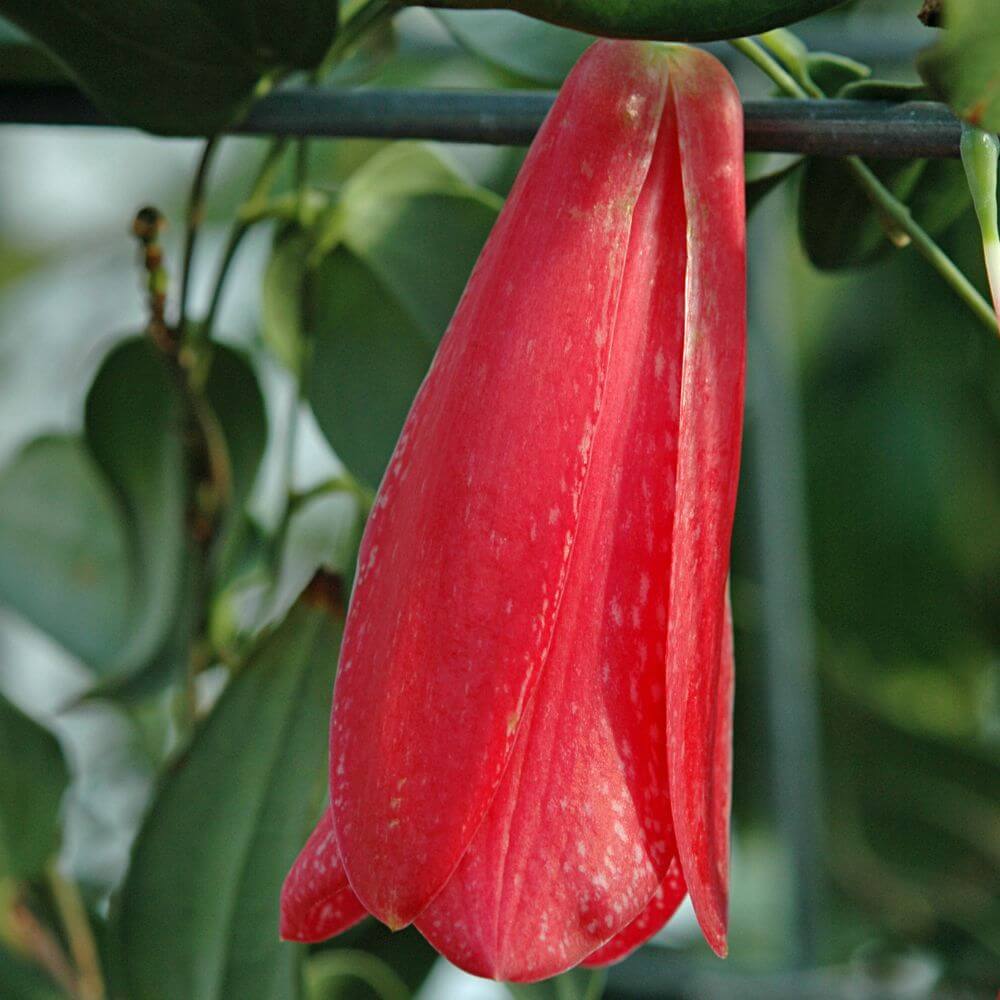
| Feature | Specification |
| Scientific Name | Lapageria rosea |
| Family | Philesiaceae |
| Origin | Valdivian Temperate Rainforests |
| Blooming Season | February to May (Chilean Autumn) |
| Conservation Status | Protected / Endangered in the wild |
The Rebel Connection: A Symbol of Mapuche Resistance
One of the most powerful reasons the Copihue became the national flower of Chile lies in its deep connection to Mapuche legend and indigenous resistance. During the Arauco War, a conflict that lasted nearly three centuries between the Spanish and the Mapuche, the dense Valdivian forests became natural strongholds for indigenous communities.
According to Mapuche oral traditions documented in cultural records, including encyclopedic sources such as Wikipedia, the Copihue’s red flowers symbolize the blood and sacrifice of fallen warriors. Cultural legends describe the flower as a living reminder of the Mapuche bond with the land and their refusal to be uprooted or erased. While these accounts belong to folklore rather than written military records, the symbolism endured. Over time, the red Copihue came to represent resilience, identity, and quiet defiance, transforming a forest vine into a lasting cultural emblem.
Botanical Deep-Dive: A Gondwanan Relic
To understand why the Lapageria rosea is so unique, one must look at its evolutionary history. It is a Gondwanan relic, a survivor from the ancient supercontinent.
- The Pollinator Connection: The flower’s long, sturdy bells aren’t just for show; they are perfectly engineered for the Green-backed Fire-crown hummingbird (Sephanoides sephaniodes). The thick, waxy tepals protect the nectar from the heavy Valdivian rains, ensuring the hummingbird has a reliable food source even in storms.
- The Edible Fruit: Surprisingly, the flower produces a green, fleshy berry. Historically, the Mapuche consumed these sweet fruits, and they are still occasionally used today to make local refreshments or marmalades.
- Slow-Motion Growth: Unlike common garden vines, the Copihue is a test of patience. It can take up to 10 years for a seed-grown plant to produce its first bloom, making every flower a hard-won victory.
Source: Wikipedia.org
Habitat and Distribution: Where the Copihue Thrives
The Copihue is endemic to Chile, meaning it grows naturally nowhere else on Earth. It is specifically found in the Valdivian temperate rainforests, stretching from the Maule region down to the Palena River. These forests provide the perfect micro-niche for the plant: high humidity, consistent rainfall, and deep shade provided by ancient Alerce trees. It typically grows at elevations from sea level up to 1,000 meters, clinging to trees for support as it reaches toward filtered sunlight.
Why the Copihue is the Holy Grail for Gardeners
For exotic plant collectors, the national flower of Chile is a high-stakes challenge. Because it evolved in a very specific environment, it is notoriously difficult to cultivate outside its home range. Success requires replicating the cool, damp Chilean forest floor.
- Soil pH: It demands acidic soil (pH 5.5 to 6.5) rich in organic matter.
- Temperature: It thrives in temperatures between 7°C and 25°C; extreme heat or hard frost will kill the vine.
- The Cool Feet Rule: Collectors must keep the roots shaded and cool while allowing the vine to climb into brighter, humid air.
The Myth of Copih and Hues: A Tale of Two Tribes
While many associate the flower with general resistance, its name is rooted in a specific, tragic Mapuche legend. It tells the story of Prince Copih, leader of the Mapuche, and Princess Hues, the daughter of a rival Pehuenche chief.
The two fell in love despite the bloody war between their tribes. When their fathers discovered them meeting secretly at a lagoon, they were both struck down by spears. As they sank into the dark waters, their blood merged. A year later, the tribes returned to the lagoon and discovered a vine growing from the depths, sprouting bell-shaped flowers in the colors of the lovers’ blood: deep red and pure white. They named the flower Copihue. A portmanteau of their names. As a symbol of a unity that could only be achieved in death.
The Protection Paradox and Legal Cultivation
The Copihue was officially declared the national flower in 1977, but its legal status is complex. Because it is an endangered species in the wild, Chilean law (Decree 129) strictly prohibits the picking, cutting, or commercialization of wild-grown flowers.
However, there is a thriving legal market. Specialist nurseries have spent decades developing cultivated hybrids. These domestic Copihues come in a wider variety of shades. From speckled creams to deep purples. And are the only ones legal to purchase. This creates a fascinating dynamic where the flower is simultaneously a untouchable wild treasure and a highly-coveted luxury garden item.
Why it Stands Alone: The Monotypic Wonder
I mentioned it has no close relatives, but the context is even more striking: the Copihue is the only species in the genus Lapageria. Its closest relative is the Philesia buxifolia (Coicopihue), but they are different enough that they cannot be easily compared.
This isolation makes it a living fossil. While other plant families branched out into thousands of variations over millions of years, the Copihue remained specialized to its tiny, humid niche in the Chilean rainforest. To lose the Copihue wouldn’t just be the loss of a flower; it would be the permanent deletion of an entire evolutionary branch that has survived since the age of the dinosaurs.
How to See the National Flower of Chile Today
If you are traveling to Chile to see the Copihue, timing is everything. It typically blooms during the Chilean autumn, between February and May. The best places to see it in its natural habitat are protected reserves like Parque Oncol or the Alerce Andino National Park. For those who cannot make the trek, the botanical gardens in Valdivia offer the best-curated displays of all the color variants of this legendary rebel bloom.
FAQs About National Flower of Chile
What is the national flower of Chile?
The national flower of Chile is the Copihue (Lapageria rosea). It is a beautiful, bell-shaped evergreen climbing vine that was officially declared the national flower in 1977.
What is the meaning and symbolism of the Copihue flower?
In Chilean culture, the Copihue symbolizes love, sacrifice, and resilience. According to Mapuche legend, the flower was born from the blood of a Mapuche prince and a Pehuenche princess, making it a symbol of national unity.
How do you pronounce Lapageria?
The botanical name Lapageria is pronounced 'lap-uh-JEER-ee-uh.' The local name, Copihue, is pronounced 'ko-PEE-way.'
What are the most common colors of the Chilean national flower?
The most iconic Copihue is a deep rosy red, though they also naturally occur in white and pale pink varieties. The red color is the most famous and is a key part of Chilean folklore.
Is the Copihue related to the blue flowers found in Chile?
No. While Chile has many stunning blue flowers like the Tecophilaea cyanocrocus (Blue Crocus), the Copihue is strictly in the Philesiaceae family and does not produce blue blooms.
Why is it rare to see Copihues in gardens outside of Chile?
The Copihue is notoriously difficult to grow because it requires very specific conditions: acidic soil, high humidity, and 'cool roots' found only in the Chilean temperate rainforests. It can also take up to 10 years to flower from seed.
Is it legal to pick Copihues in the wild?
No. The Copihue is a protected species in Chile. It is illegal to pick, transport, or sell wild Copihue flowers or plants without a permit, as the species is considered endangered in parts of its natural habitat.
Final Thoughts About Chile’s National Flower
If you’re fascinated by Chile’s unique flora and history, I encourage you to learn more about native plants like the Copihue. Visiting a botanical garden or Chilean nature reserve can deepen your appreciation. Sharing these stories helps keep the legacy of the Copihue. And what it represents. Alive for generations to come.
Explore more guides about flowers below: