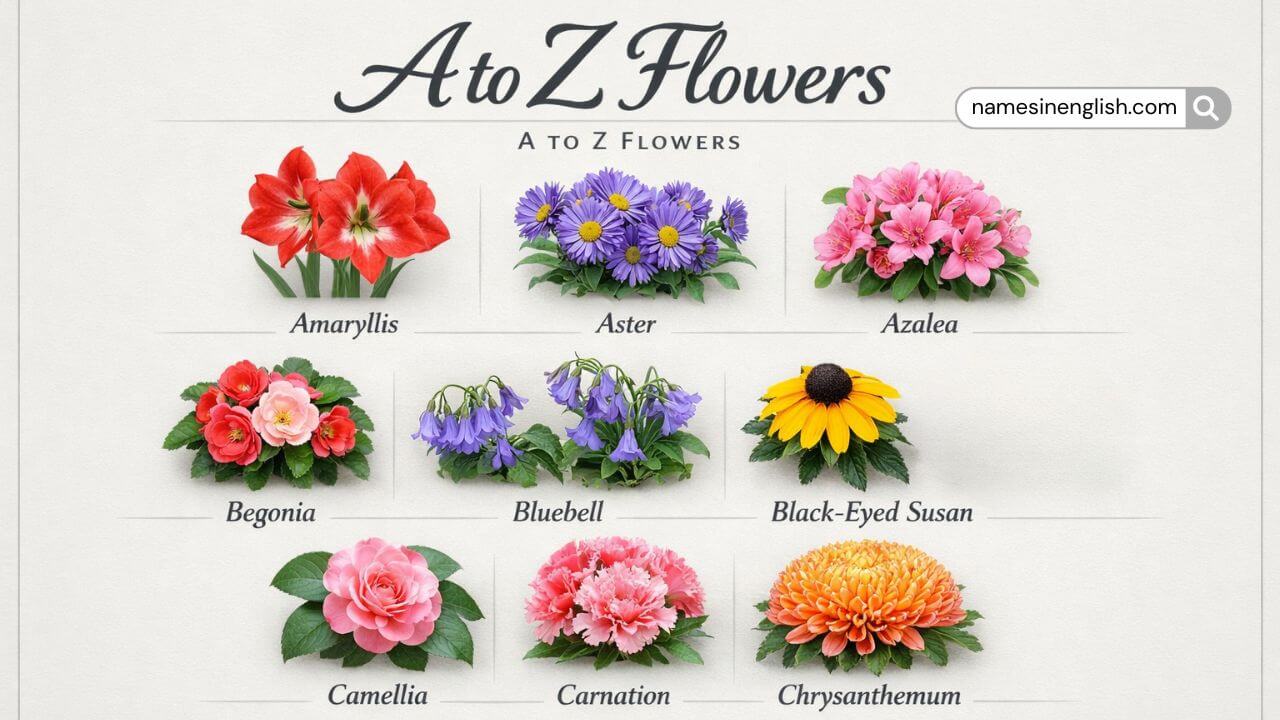

Flowers bring beauty, color, and life to every garden, but choosing the right ones can sometimes feel overwhelming with thousands of varieties around the world. In this article of 78 Amazing A to Z Flowers, you’ll learn beautiful flower names from A to Z, along with pictures, interesting facts, and basic care tips to help you understand each bloom better. Whether you are a gardening beginner, a flower lover, or simply curious about different plant varieties, this article will help you explore popular and unique flowers, learn how they grow, and find inspiration for your own garden.
Table of Contents
ToggleGrowing A to Z Flowers
Before choosing from these A to Z Flowers, understanding climate and soil makes everything easier. The table below gives you a quick growing reference for all 78 flowers.
Difficulty explained:
- Easy: Reliable, forgiving, and perfect for beginners.
- Medium: Requires some attention to soil, pruning, or winter care.
- Hard: Needs specific climate conditions, precise soil management, or consistent maintenance.
Growing Reference Table
| Flower | USDA Zones | Soil Requirement | Bloom Time | Difficulty |
| Amaryllis | 8–11 | Well-drained, rich | Spring | Medium |
| Aster | 3–8 | Loamy, well-drained | Late Summer–Fall | Easy |
| Azalea | 5–9 | Acidic, moist | Spring | Medium |
| Begonia | 9–11 | Rich, well-drained | Summer | Easy |
| Bluebell | 4–8 | Moist, well-drained | Spring | Easy |
| Black-Eyed Susan | 3–9 | Average, well-drained | Summer–Fall | Easy |
| Camellia | 7–10 | Acidic, rich | Winter–Spring | Medium |
| Carnation | 5–9 | Neutral, well-drained | Spring–Summer | Medium |
| Chrysanthemum | 5–9 | Fertile, well-drained | Fall | Easy |
| Dahlia | 8–11 | Rich, well-drained | Summer–Fall | Medium |
| Daisy | 4–9 | Well-drained | Spring–Summer | Easy |
| Delphinium | 3–7 | Rich, moist | Summer | Hard |
| Echinacea | 3–9 | Well-drained | Summer | Easy |
| Edelweiss | 4–7 | Rocky, well-drained | Summer | Hard |
| Evening Primrose | 4–9 | Sandy, well-drained | Summer | Easy |
| Freesia | 9–10 | Sandy, well-drained | Spring | Medium |
| Foxglove | 4–9 | Moist, rich | Spring–Summer | Medium |
| Forget-Me-Not | 3–8 | Moist, well-drained | Spring | Easy |
| Gardenia | 8–11 | Acidic, moist | Summer | Hard |
| Geranium | 9–12 | Well-drained | Spring–Summer | Easy |
| Gladiolus | 7–10 | Sandy, well-drained | Summer | Medium |
| Hibiscus | 9–11 | Rich, moist | Summer | Medium |
| Hydrangea | 3–9 | Moist, rich | Summer | Medium |
| Hyacinth | 4–8 | Well-drained | Spring | Easy |
| Iris | 3–9 | Well-drained | Spring | Easy |
| Impatiens | 10–11 | Moist, rich | Summer | Easy |
| Indian Blanket | 3–10 | Sandy, well-drained | Summer | Easy |
| Jasmine | 7–10 | Well-drained | Spring–Summer | Medium |
| Jonquil | 4–8 | Well-drained | Spring | Easy |
| Japanese Anemone | 4–8 | Moist, well-drained | Late Summer | Medium |
| Kalanchoe | 10–12 | Sandy, well-drained | Winter–Spring | Easy |
| Kangaroo Paw | 9–11 | Sandy, well-drained | Spring | Hard |
| King Protea | 9–12 | Sandy, acidic | Spring | Hard |
| Lavender | 5–9 | Sandy, well-drained | Summer | Medium |
| Lily | 4–9 | Well-drained | Summer | Medium |
| Lupine | 4–8 | Slightly acidic | Spring–Summer | Medium |
| Magnolia | 4–9 | Moist, rich | Spring | Medium |
| Marigold | 2–11 | Well-drained | Summer | Easy |
| Morning Glory | 3–10 | Average, well-drained | Summer | Easy |
| Narcissus | 4–8 | Well-drained | Spring | Easy |
| Nasturtium | 2–11 | Poor, well-drained | Summer | Easy |
| Nigella | 2–11 | Well-drained | Spring–Summer | Easy |
| Orchid | 10–12 | Orchid mix | Varies | Hard |
| Oleander | 8–11 | Well-drained | Summer | Easy |
| Oxeye Daisy | 3–8 | Average | Summer | Easy |
| Peony | 3–8 | Rich, well-drained | Spring | Medium |
| Petunia | 9–11 | Fertile | Summer | Easy |
| Poppy | 3–9 | Well-drained | Spring–Summer | Easy |
| Queen Anne’s Lace | 3–9 | Average | Summer | Easy |
| Quince Blossom | 5–9 | Well-drained | Spring | Medium |
| Quaking Grass | 4–8 | Well-drained | Summer | Easy |
| Rose | 3–11 | Rich, well-drained | Spring–Fall | Hard |
| Ranunculus | 8–11 | Sandy | Spring | Medium |
| Rudbeckia | 3–9 | Well-drained | Summer | Easy |
| Sunflower | 2–11 | Well-drained | Summer | Easy |
| Snapdragon | 7–11 | Well-drained | Spring–Fall | Easy |
| Sweet Pea | 2–11 | Rich, well-drained | Spring | Medium |
| Tulip | 3–8 | Well-drained | Spring | Easy |
| Tuberose | 7–10 | Sandy | Summer | Medium |
| Trillium | 4–9 | Moist, rich | Spring | Hard |
| Ulex (Gorse) | 7–10 | Sandy | Spring | Easy |
| Ursinia | 8–10 | Well-drained | Summer | Medium |
| Utricularia | 6–10 | Wet, acidic | Summer | Hard |
| Verbena | 7–11 | Well-drained | Summer | Easy |
| Violet | 3–9 | Moist | Spring | Easy |
| Vinca | 9–11 | Well-drained | Summer | Easy |
| Wisteria | 5–9 | Well-drained | Spring | Hard |
| Water Lily | 4–10 | Aquatic soil | Summer | Hard |
| Wallflower | 6–9 | Well-drained | Spring | Medium |
| Xanthoceras | 5–8 | Well-drained | Spring | Medium |
| Xeranthemum | 2–9 | Sandy | Summer | Easy |
| Xerochrysum | 8–11 | Well-drained | Summer | Easy |
| Yarrow | 3–9 | Well-drained | Summer | Easy |
| Yellow Archangel | 4–8 | Moist | Spring | Easy |
| Yucca | 4–10 | Sandy | Summer | Easy |
| Zinnia | 2–11 | Well-drained | Summer | Easy |
| Zephyranthes | 7–10 | Well-drained | Summer | Medium |
| Zantedeschia | 8–10 | Moist | Spring–Summer | Medium |
List of A to Z Flowers
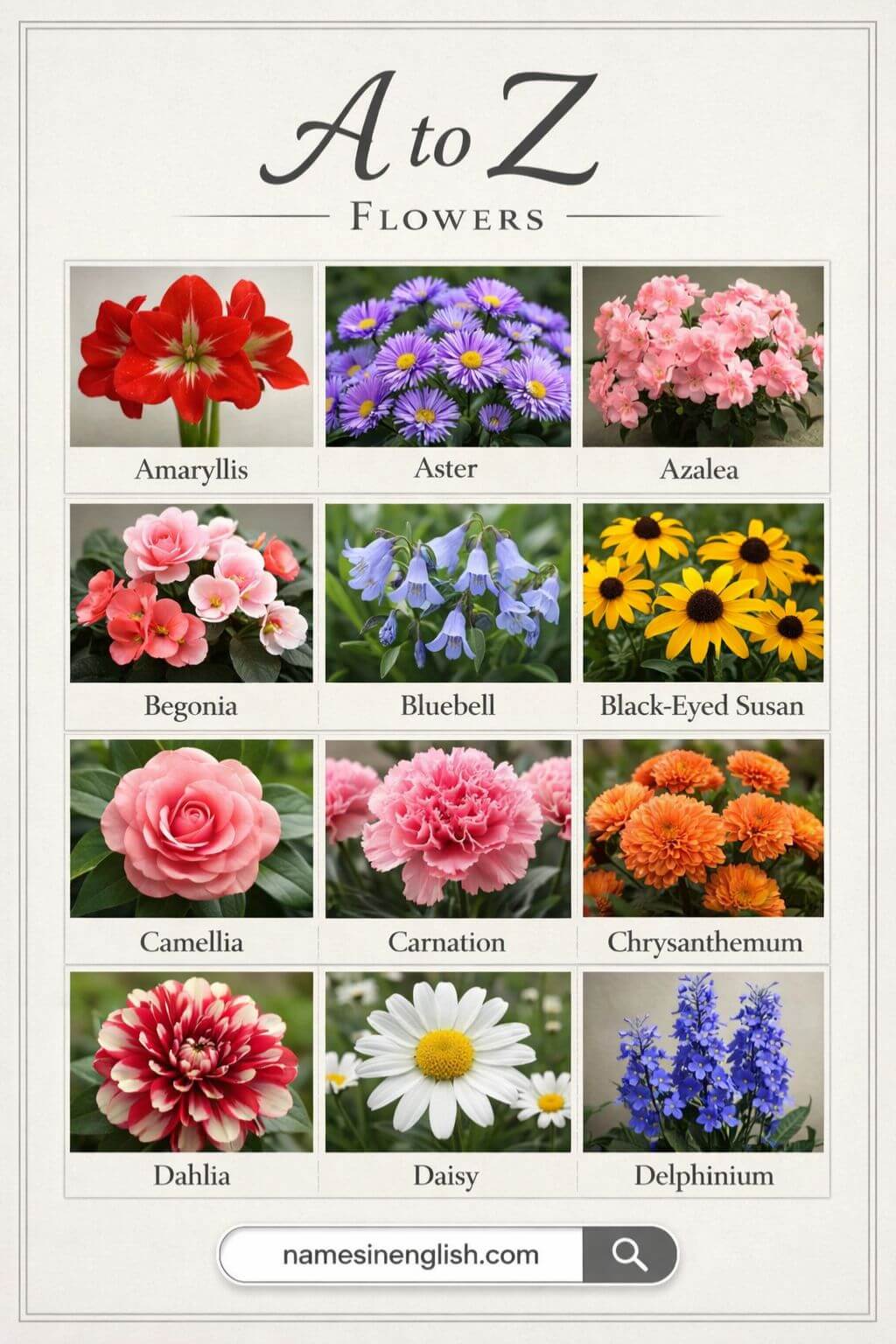
Lets explore each of these flowers in details with thier close-up pictures.
Letter A Flowers
1. Amaryllis
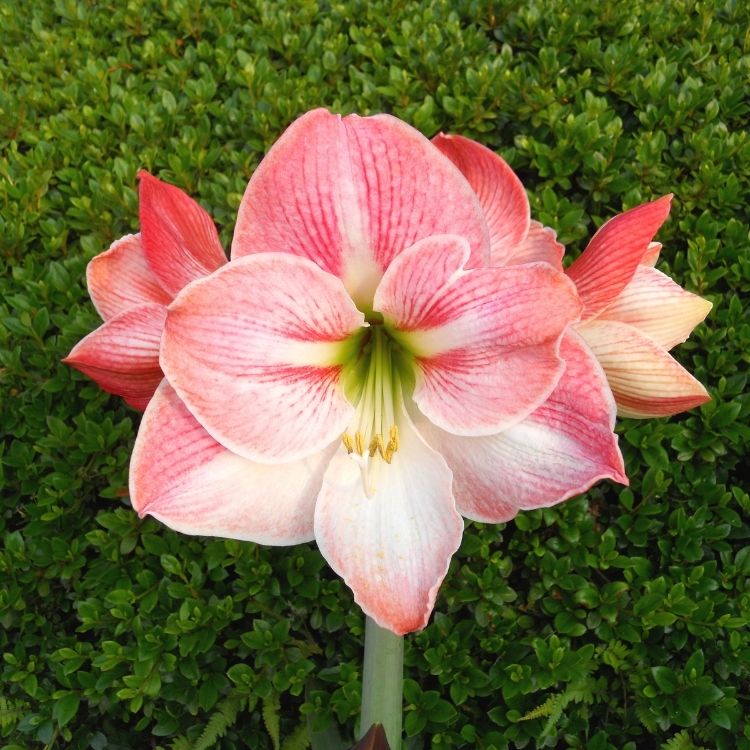
Amaryllis is known for its oversized, trumpet-shaped blooms that rise dramatically from a single sturdy stem. It often flowers in the heart of winter, when most plants are dormant, which makes it feel almost theatrical indoors. One healthy bulb can produce multiple blooms at once, creating instant impact near a bright window.
- Thrives as a winter showpiece indoors
- Let the leaves grow after blooming – that’s how it recharges for next year
- Large bulbs usually produce multiple flower stalks
2. Aster
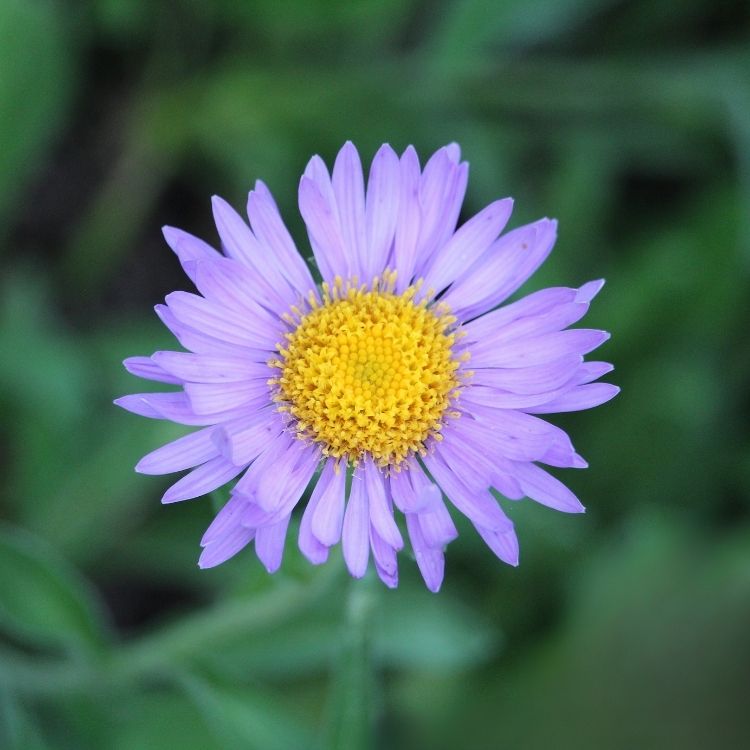
Aster carries gardens into autumn with clusters of star-like blooms in purple, pink, or white. When summer perennials begin to fade, it quietly takes over and restores energy to borders that might otherwise look tired.
- A true late-season lifeline for bees
- Benefits from good airflow to avoid mildew
3. Azalea
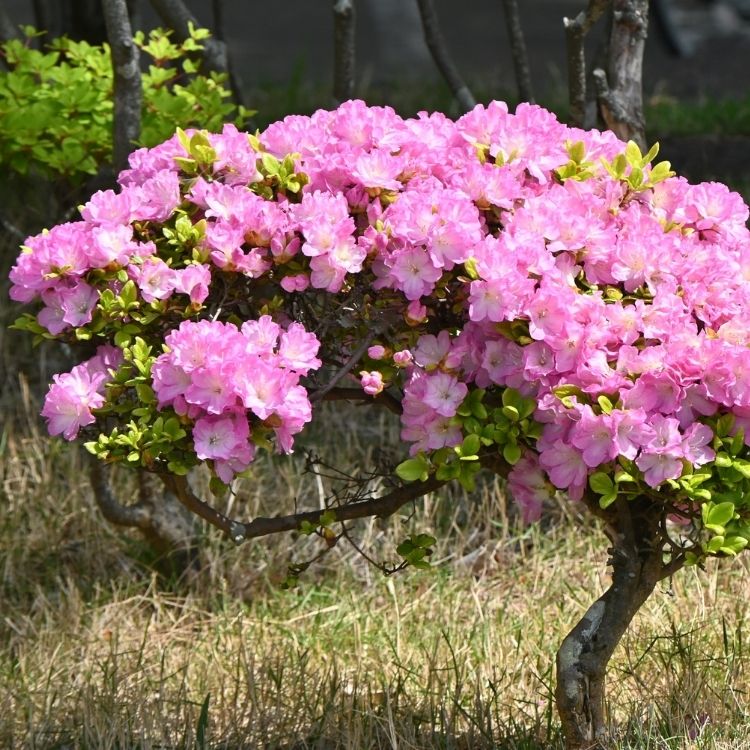
Azalea erupts into dense clusters of spring color, sometimes covering the entire shrub so completely that the leaves disappear beneath the blooms. It performs best in acidic soil and partial shade, where it can mature into a long-living landscape anchor.
- In the right soil, it can bloom reliably for decades
- Too much sun can cause leaf scorch
Flowers Starting With B
4. Begonia
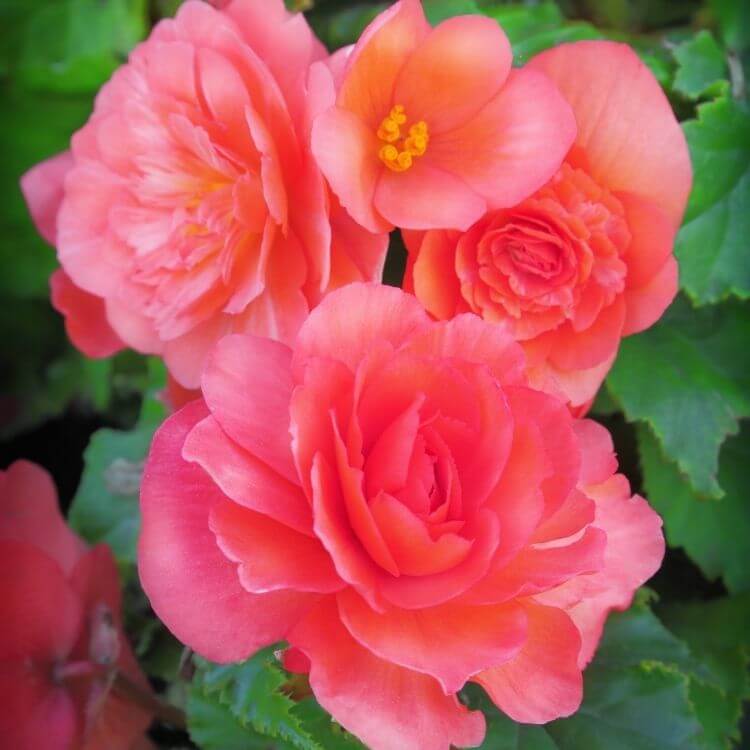
Begonia adapts beautifully to containers, hanging baskets, and shaded garden beds. Its waxy leaves and steady bloom production make it one of the most dependable warm-season flowers for low-light spaces.
- Ideal for shady balconies
- Overwatering is the most common mistake
- Some varieties are grown as much for their ornamental foliage as their flowers
5. Bluebell
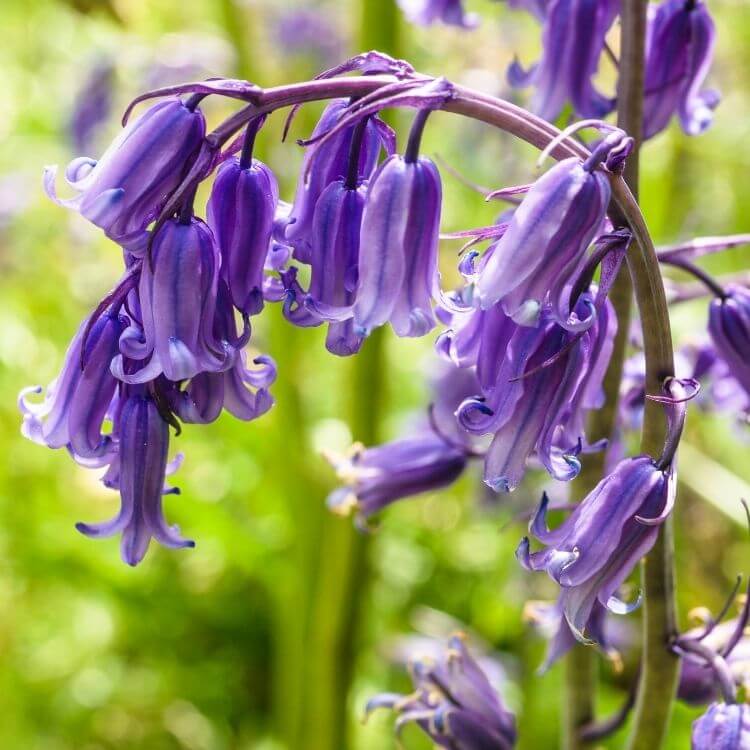
Bluebell creates one of spring’s most enchanting scenes, carpeting woodland floors in cool shades of blue. It thrives in moist soil and partial shade, spreading gradually in naturalized settings.
- Best planted in clusters, not rows
- Many wild species are legally protected in parts of Europe
6. Black-Eyed Susan
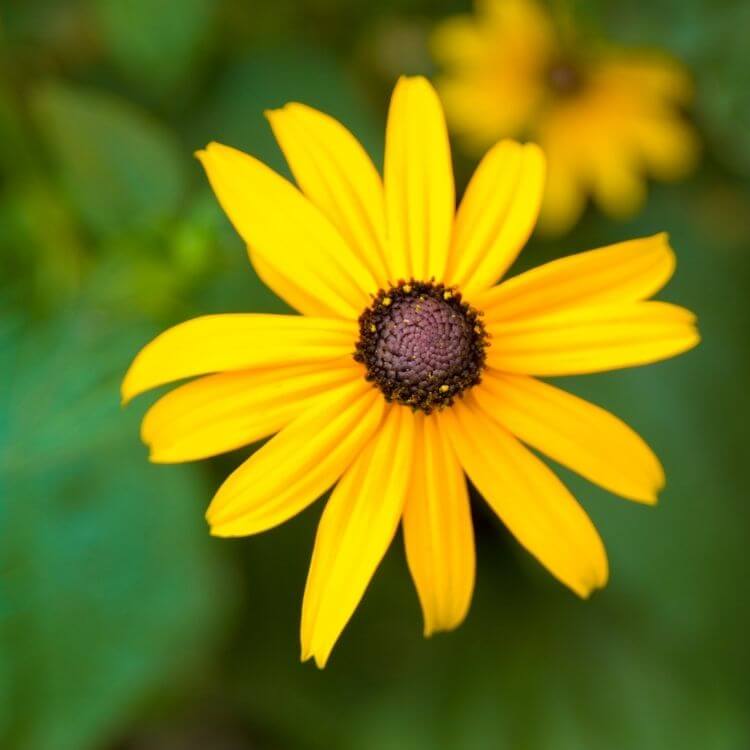
Black-Eyed Susan brings bold contrast with its golden petals and dark central cone. It thrives in sunny spaces and tolerates heat better than many flowering plants, making it a reliable summer staple.
- Extremely drought tolerant once established
- Leaving seed heads encourages self-seeding next season
- A magnet for butterflies
C Flowers Collection
7. Camellia
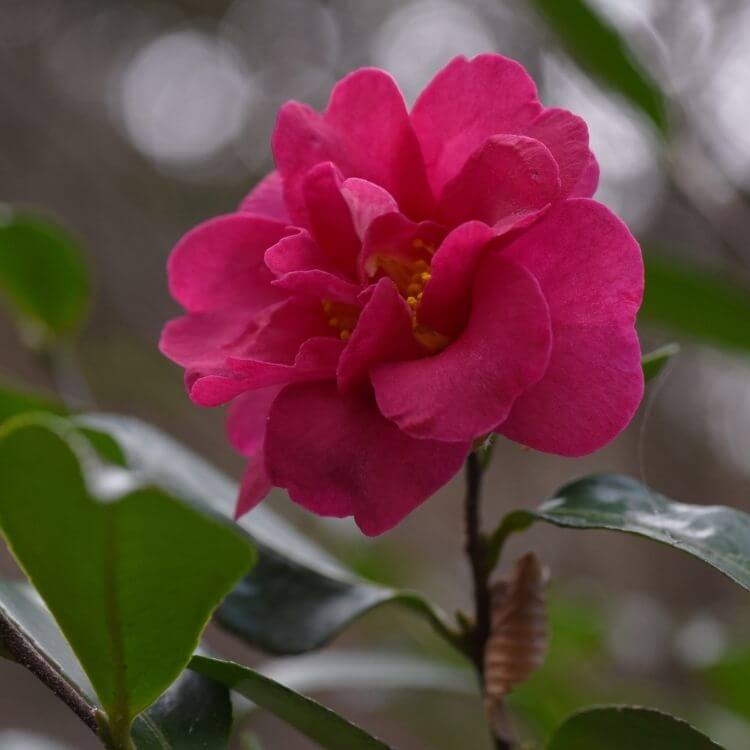
Camellia blooms when most of the garden is quiet, often opening in late winter or early spring. Its glossy evergreen leaves provide structure year-round, while its layered blossoms can resemble roses.
- Prefers acidic soil, similar to azalea
- Flowers can last surprisingly long on the plant
8. Carnation
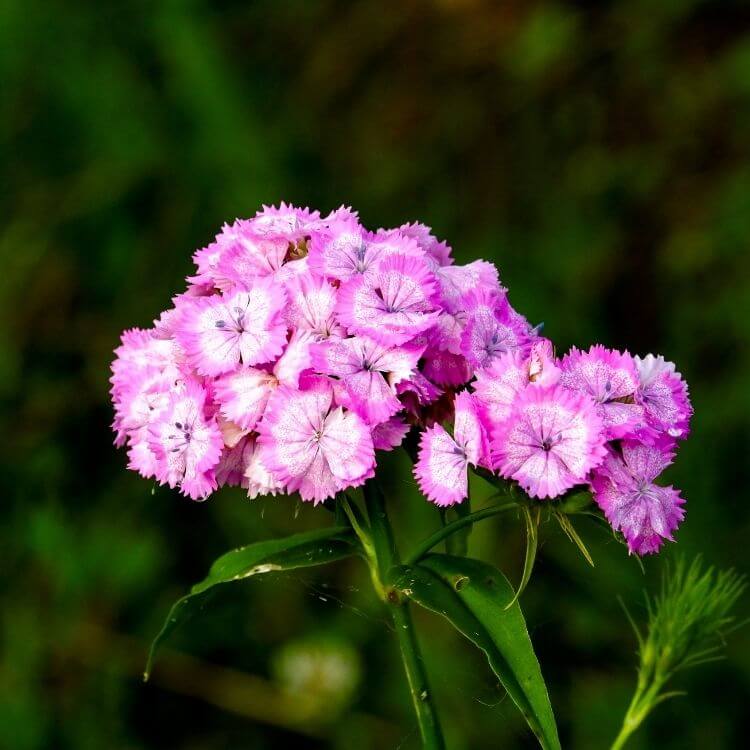
Carnation is valued for its ruffled petals and remarkable vase life. Garden varieties bloom steadily in sunny beds, while cut stems are known to last far longer than many other flowers.
- Often associated with symbolism in different cultures
- Light, spicy fragrance in traditional varieties
- Regular deadheading extends blooming
9. Chrysanthemum
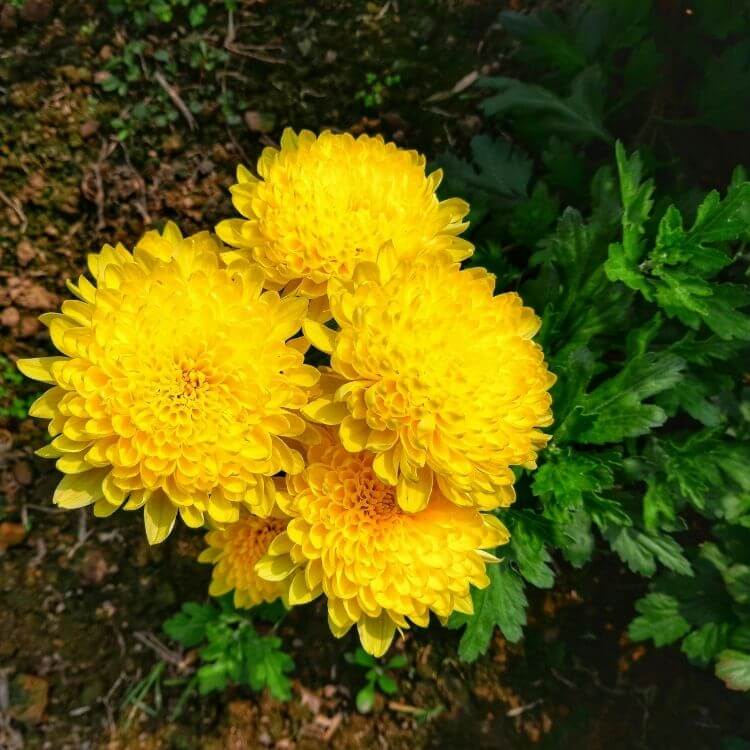
Chrysanthemum dominates autumn displays with rounded, densely petaled blooms in rich seasonal colors. It handles cooler temperatures well and often continues flowering until the first frost.
- A true fall powerhouse
- In several Asian cultures, it represents longevity
- Needs full sun for compact growth
- Can struggle in poorly drained soil
See more – Majestic C letter flowers
D Letter Flowers
10. Dahlia
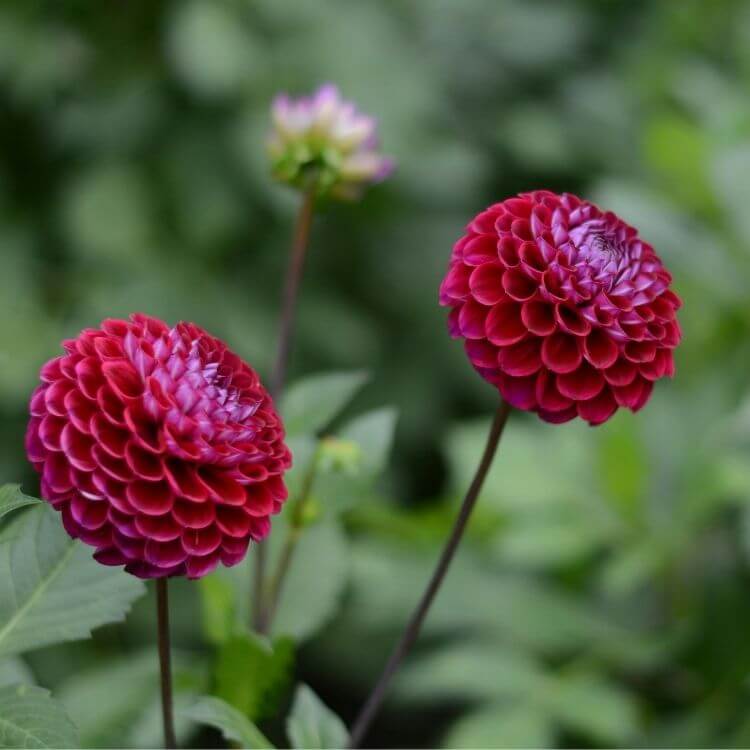
Dahlia offers extraordinary diversity, from tight pom-poms to dinner-plate-sized blooms. It flowers heavily through summer and adds bold texture to borders and arrangements.
- Tubers must be lifted in colder climates before hard frost
- One plant can produce dozens of blooms in a single season
- Stunning in cut flower gardens
11. Daisy
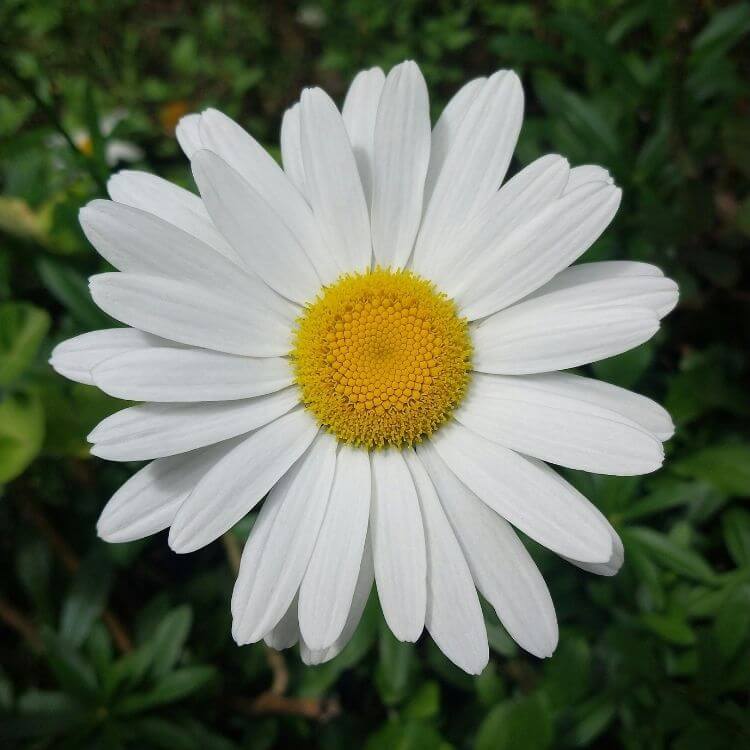
Daisy may look simple, but its clean white petals and bright yellow center create timeless appeal. It fits effortlessly into cottage gardens and wildflower mixes.
- Exceptionally easy to grow
- Great choice for children’s gardens
12. Delphinium
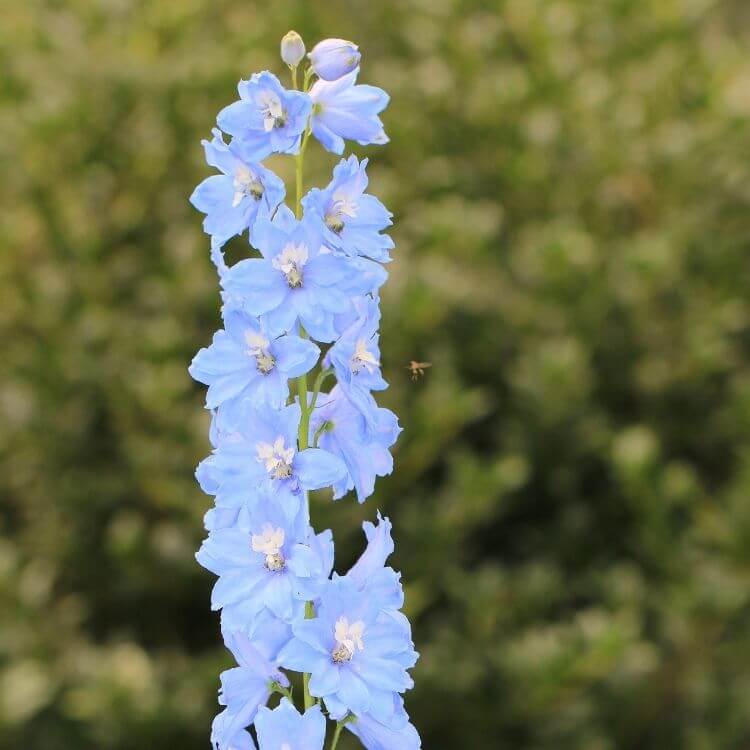
Delphinium sends tall, elegant spires upward, adding vertical drama to garden beds. Its blue shades are especially prized because true blue flowers are relatively uncommon.
Short-lived but visually striking
Flowers That Start With E
13. Echinacea
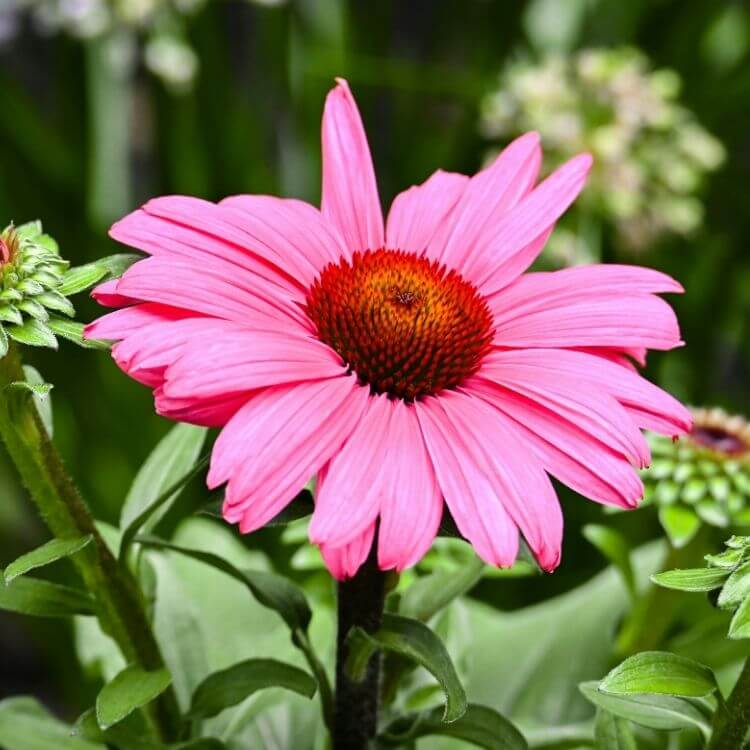
Echinacea combines ornamental structure with ecological value. Its raised cone center attracts pollinators throughout summer, and its sturdy stems tolerate dry conditions.
- Highly attractive to native bees
- Commonly used in traditional herbal remedies
14. Edelweiss
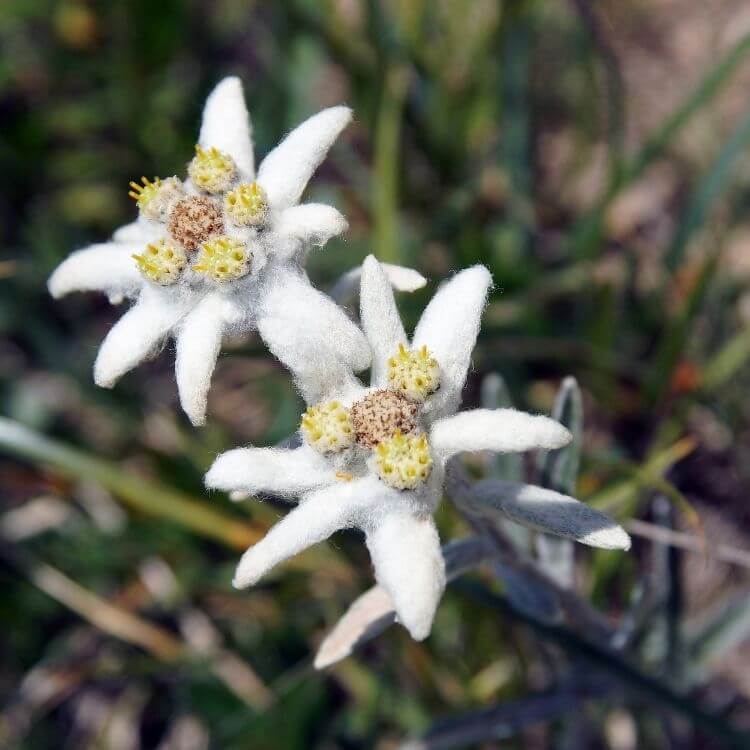
Edelweiss survives in rocky alpine environments where many plants would fail. Its fuzzy, star-shaped blooms evolved to withstand cold winds and intense mountain sunlight.
- Symbol of resilience in European folklore
- Requires excellent drainage
- Not suited for humid climates
15. Evening Primrose
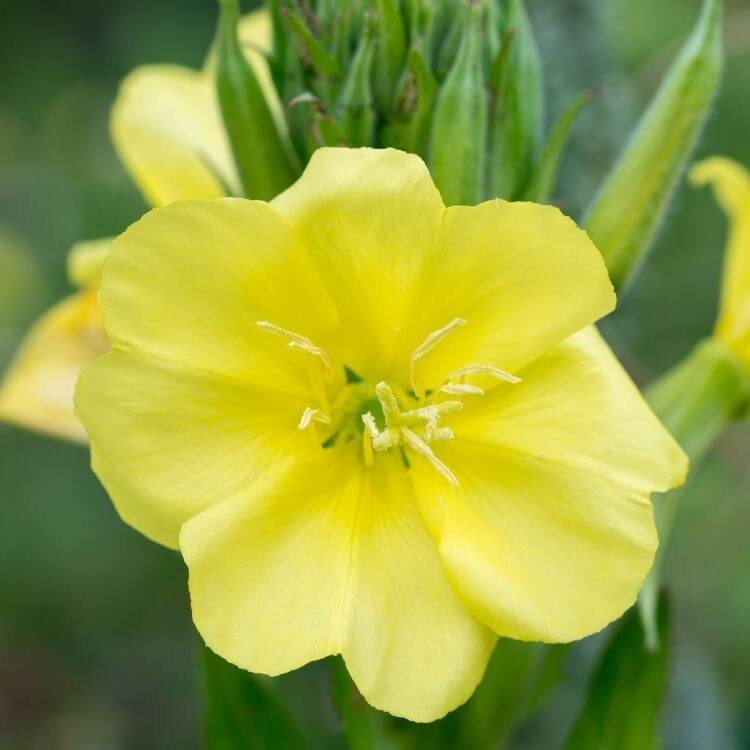
Evening Primrose opens at dusk, revealing delicate yellow blooms that glow softly in fading light. It thrives in sandy or poor soil and naturalizes easily in open areas.
- Some varieties open in near real-time
- Attracts night-flying moths
F Flower Varieties
16. Freesia
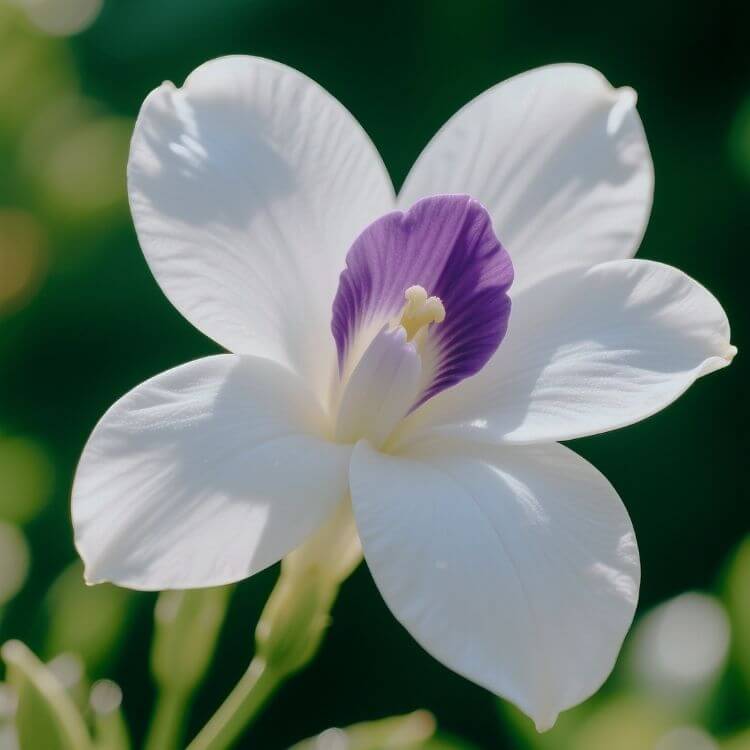
Freesia is treasured for its strong, sweet fragrance and graceful arching stems. It performs best in well-drained soil and bright light.
- Popular in wedding bouquets
- Sensitive to excess moisture
- Known for long-lasting cut stems
17. Foxglove
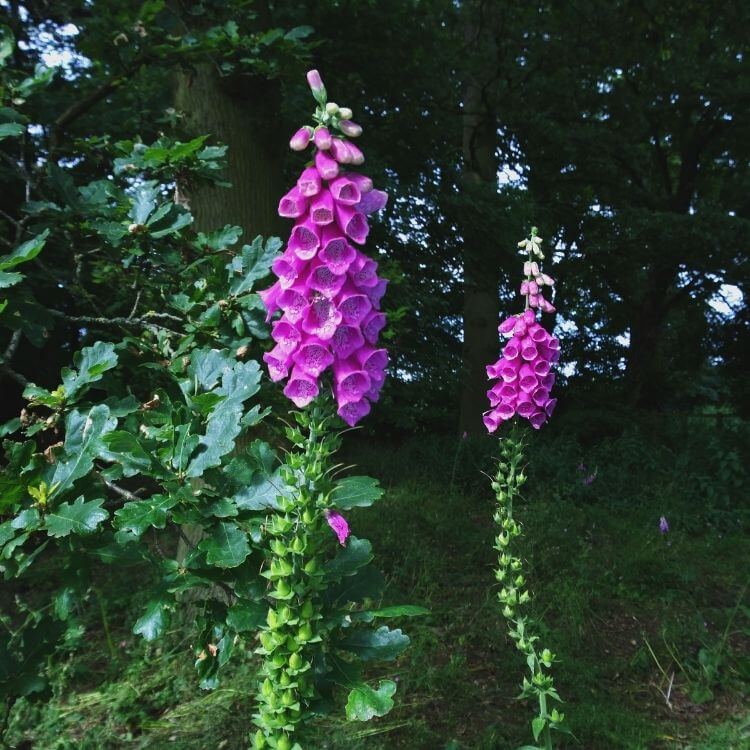
Foxglove produces tall spikes lined with tubular flowers, creating a dramatic vertical accent in cottage-style gardens. Despite its beauty, it must be handled carefully.
- All parts are toxic if ingested
- Loved by bumblebees
- Often self-seeds naturally
18. Forget-Me-Not
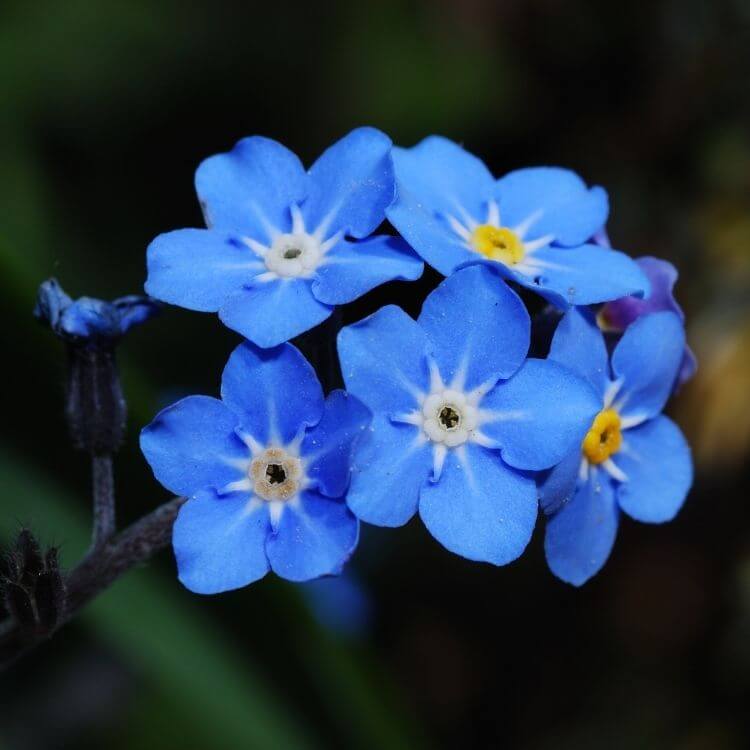
Forget-Me-Not forms soft clusters of tiny blue flowers in spring. It spreads gently in moist, shaded areas and pairs beautifully with larger spring bloomers.
- Associated with remembrance
- Can self-seed quite freely
The Beginner Friendly Flowers
For gardeners who want wow-worthy blooms without constant babysitting, these picks survive heat, drought, or irregular watering.
- Zinnia (Z Flowers): Easy to grow, fast flowering, and highly attractive to butterflies. Deadheading boosts bloom count.
- Marigold (M Flowers): Heat-loving, pest-resistant, and brightens any garden with minimal care.
- Petunia (P Flowers): Thrives in containers and hanging baskets; consistent blooms with little fuss.
- Vinca (V Flowers): Tolerates heat and drought, keeping color even under tough conditions.
- Daisy (D Flowers): Simple, cheerful, and extremely easy to grow, perfect for beginner-friendly borders.
- Begonia (B Flowers): Flourishes in partial shade with minimal attention, making it ideal for shaded spots.
Tip: Even low-maintenance plants benefit from well-draining soil, periodic fertilization, and sunlight awareness. These flowers reward attention but forgive lapses.
Gorgeous G Flowers
19. Gardenia
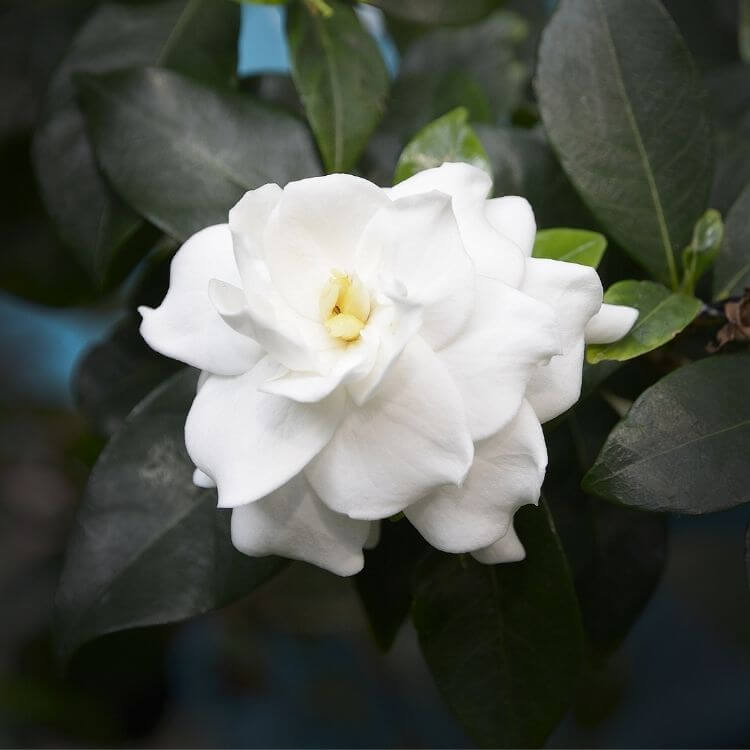
Gardenia fills warm summer nights with one of the most intense fragrances in the garden. Its glossy, dark green leaves contrast beautifully with creamy white blooms, creating a sense of elegance in small courtyards or large patios. While it demands careful watering and humidity control, the payoff is a head-turning bloom that can perfume an entire room.
- Fragrance so strong it can carry across a patio
- Buds may drop if the plant experiences stress or sudden temperature changes
20. Geranium
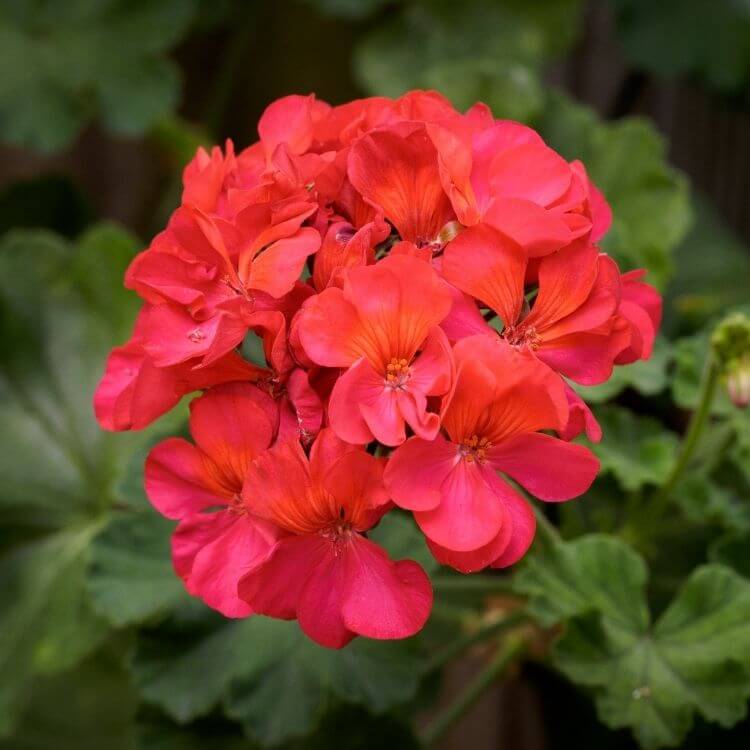
Geranium is a classic garden and container flower, known for being forgiving to beginners. Its colorful blooms can brighten a balcony, window box, or garden bed and keep flowering through summer. Some varieties also release scented leaves when touched, adding another sensory layer.
- Thrives in sunny spots with minimal care
- Can tolerate irregular watering schedules
- Scented leaves release a mild aroma
21. Gladiolus
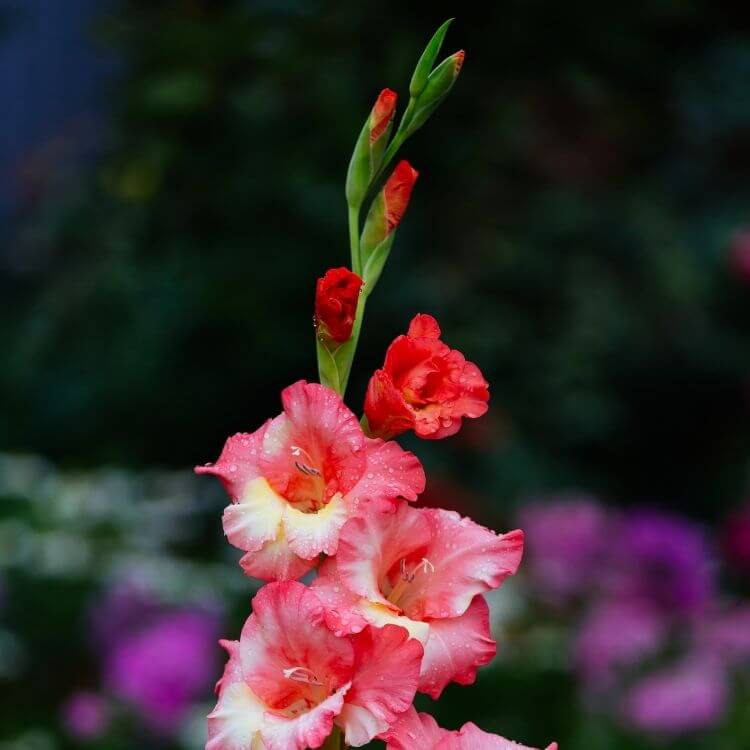
Gladiolus is dramatic. Its tall, vertical spikes produce blooms from bottom to top, creating a natural progression that’s perfect for cut flower arrangements. Each spike can hold a dozen flowers, and the range of colors is almost endless.
- Creates natural vertical drama in gardens
- Corms should be lifted in regions with frost
See more – Brilliant Flowers That Start With G
H Blooming Beauties
22. Hibiscus
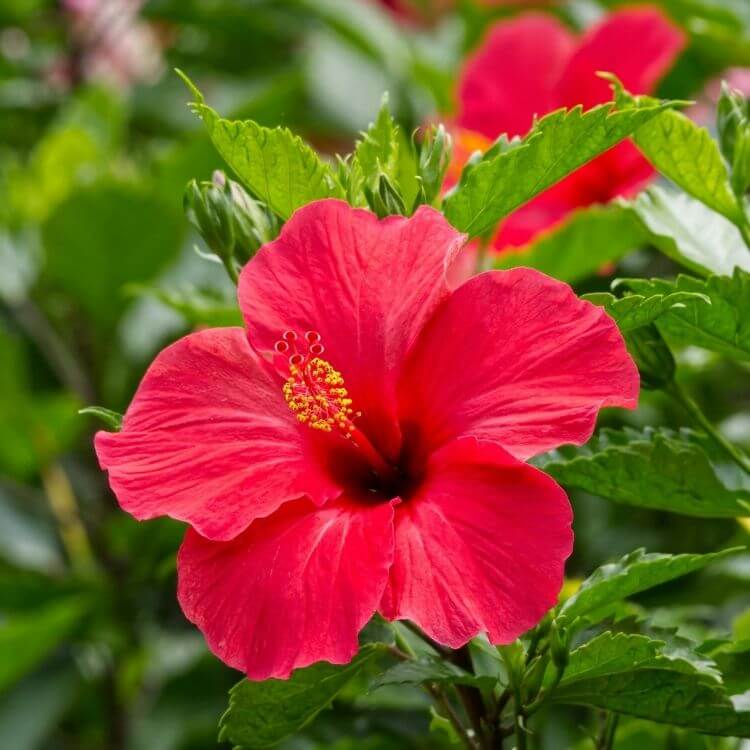
Hibiscus thrives in the heat, producing bold, tropical blooms that can dwarf a human hand. Some species are repeat bloomers and can provide a steady display through summer. Hummingbirds love the large, open flowers, making them a dynamic addition to a lively garden.
- Heat-loving plant that flowers best under full sun
- Flowers may last only a day, but new buds continue emerging
23. Hydrangea
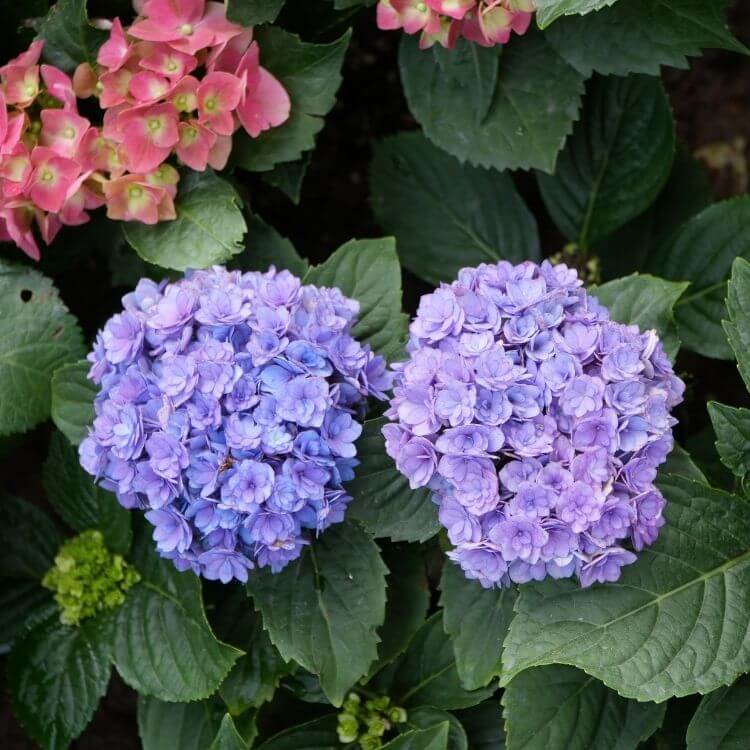
Hydrangea fascinates gardeners because its flowers shift color depending on soil acidity. Large, globe-shaped clusters dominate summer landscapes, and dried blooms can be preserved for winter arrangements.
- Can bloom on old or new wood depending on variety
- Soil adjustments allow blue or pink blooms
24. Hyacinth
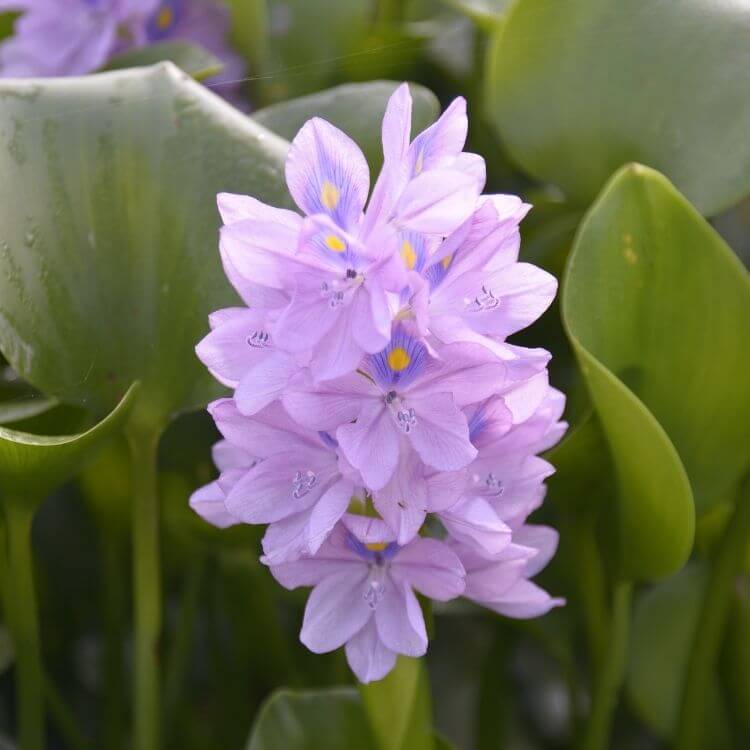
Hyacinth bursts into early spring with a dense spike of fragrant flowers. Its scent is strong enough to perfume a room if grown indoors, and the tight clusters create visual impact even in small garden beds.
- Known for intense spring fragrance
- Excellent for forcing indoors
Incredible I Flowers
25. Iris
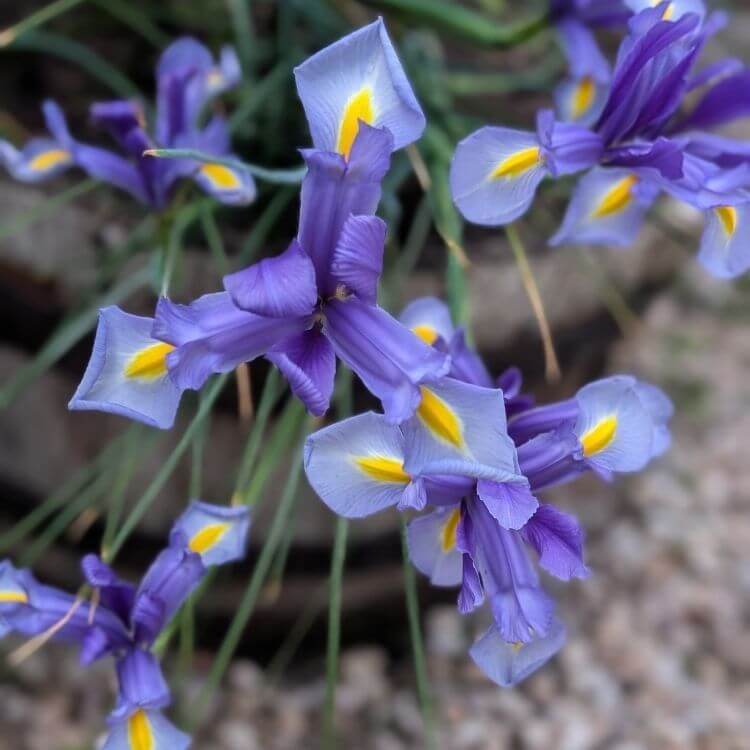
Iris is legendary for its beauty and symbolism. Bearded varieties, Siberian types, and water-loving species offer immense color diversity. The flowers range from soft pastels to deep, almost black tones.
- Symbol of wisdom and royalty
- Rhizomes prefer slightly exposed soil
- Some varieties tolerate wet conditions
26. Impatiens
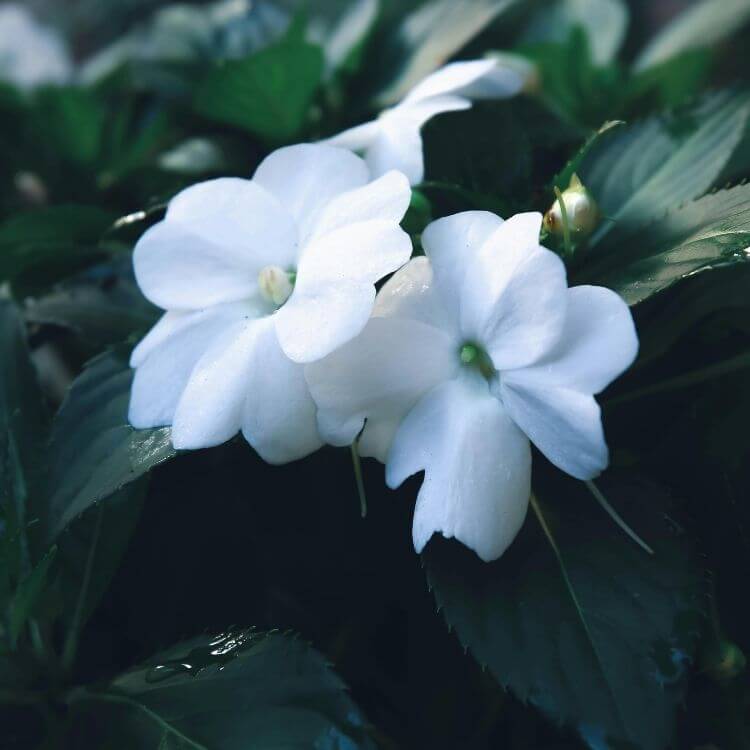
Impatiens are ideal for shaded gardens, offering consistent color where sun-loving plants fail. Their small flowers may look delicate, but they bloom steadily as long as temperatures remain moderate.
Fills dark corners with reliable blooms
27. Indian Blanket
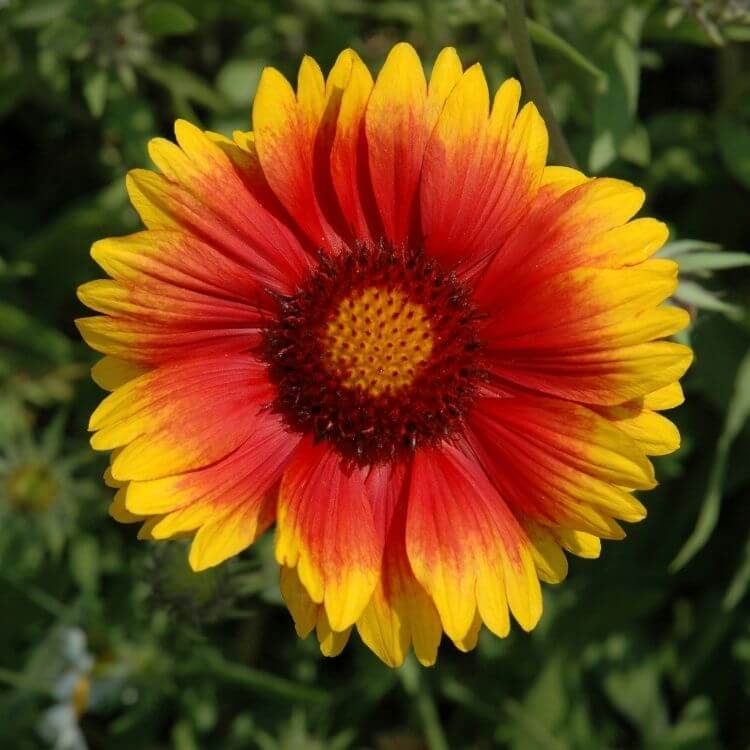
Indian Blanket dazzles with its fiery blend of red and gold petals. It thrives in poor, sandy soil and full sun, making it a resilient choice for wildflower meadows or low-maintenance borders.
- Extremely sun and drought tolerant
- Often self-seeds, creating natural spreads
- Short-lived perennials but persistent through reseeding
Joyful J Flowers
28. Jasmine
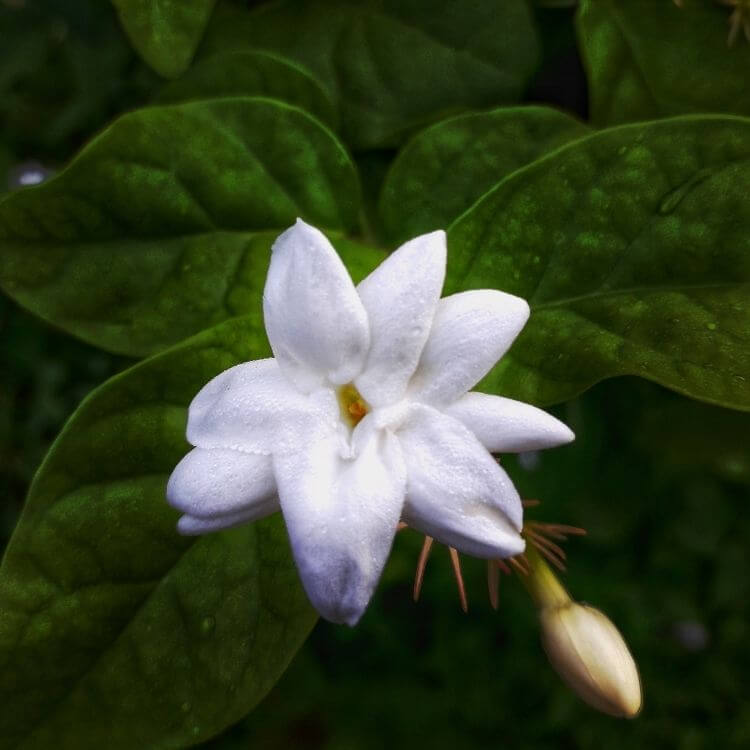
Jasmine enchants with small, delicate blooms whose fragrance intensifies in the evening. Beyond aesthetics, it has culinary and perfumery uses, making it versatile in the garden and home.
- Best planted near patios for evening scent
- Tiny white flowers can perfume large spaces
29. Jonquil
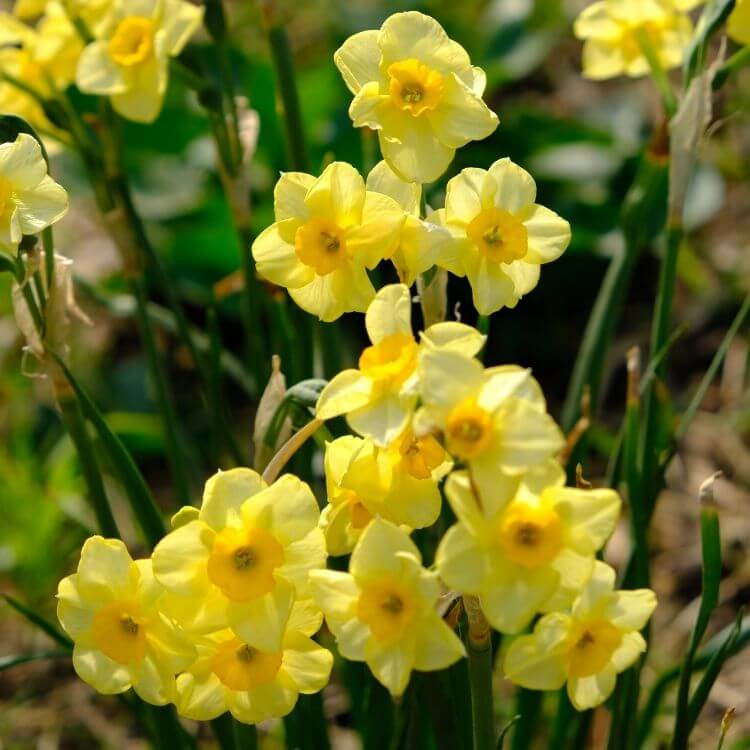
Jonquil produces clusters of small, golden flowers early in the season. Its sweet scent and compact size make it perfect for borders, pots, or spring displays.
- Fragrance is strong and heady
- Often blooms before larger daffodils
30. Japanese Anemone
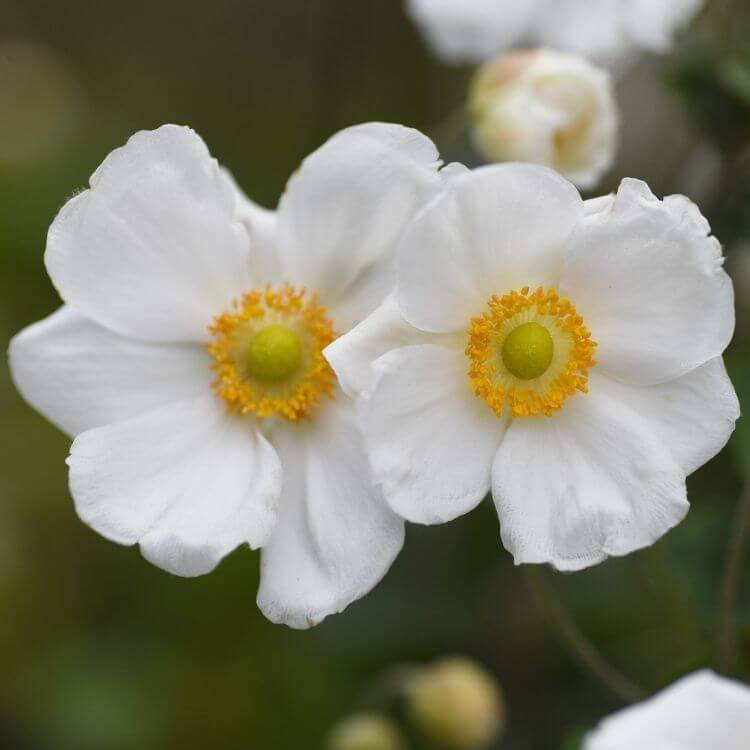
Japanese Anemone blooms late in summer, providing soft pastel colors when most perennials fade. Its tall, elegant stems bring subtle movement to borders.
A late-season star in mixed beds
K Flower Highlights
31. Kalanchoe
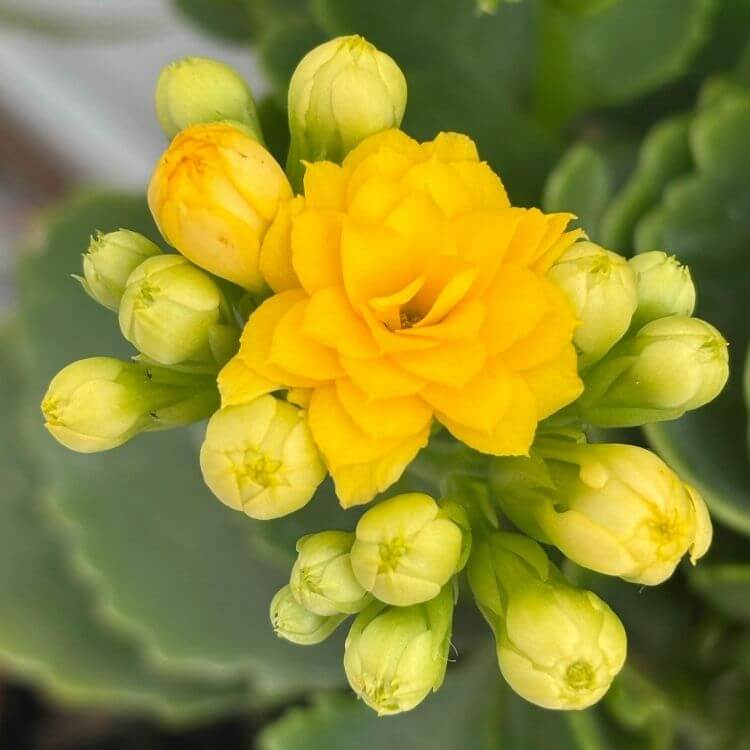
Kalanchoe thrives indoors, requiring minimal watering. Its small, clustered flowers can last for weeks, offering a splash of color in sunny windows.
Low-maintenance indoor favorite
32. Kangaroo Paw
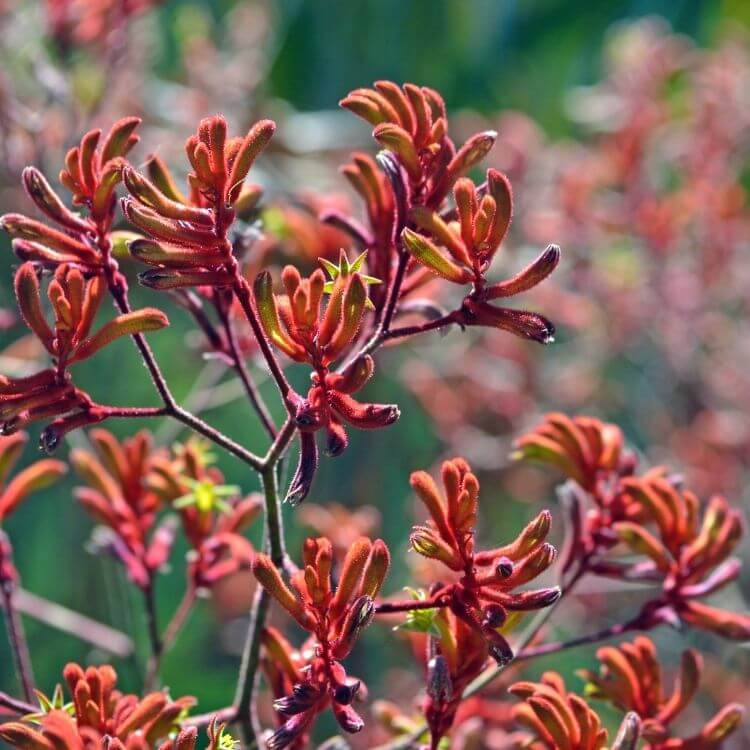
Kangaroo Paw is instantly recognizable by its claw-shaped flowers. Native to Australia, it thrives in dry, sunny gardens and attracts nectar-feeding birds.
- Distinctive fuzzy flowers
- Highly attractive to birds
33. King Protea
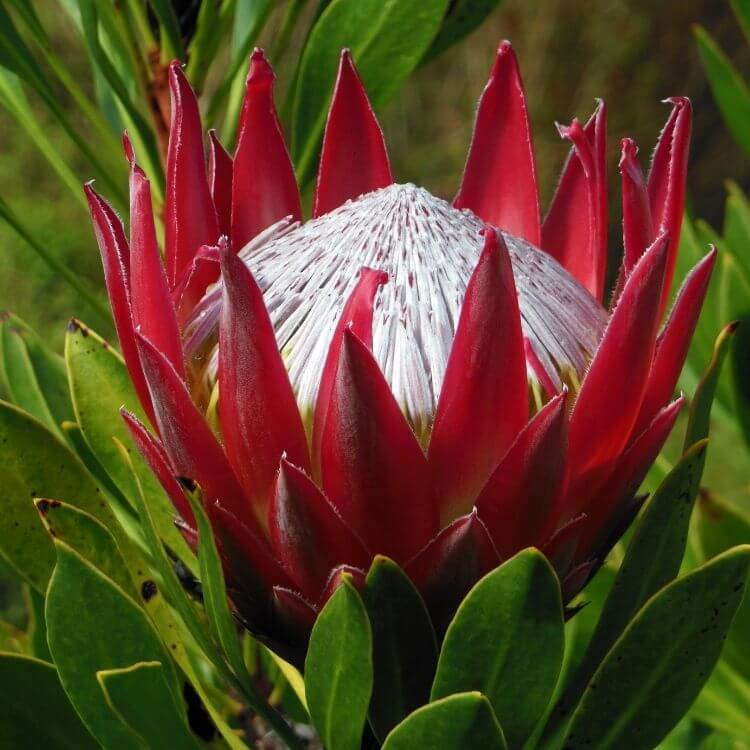
King Protea delivers one of the most dramatic floral displays on earth. Its massive blooms resemble crowns, and each flower is a study in architectural form.
- Massive flower heads
- Symbol of strength and transformation
- Needs excellent drainage
The Shade Lover Flowers
Some flowers don’t need blazing sun to thrive. For patios, balconies, or woodland-style corners, these blooms bring color and life to low-light spaces:
- Impatiens (I Flowers): Perfect for shady nooks, these blooms fill dark corners with a steady cascade of color. Leaves are lush, and flowers keep coming if soil stays moist.
- Hydrangea (H Flowers): Thrives in partial shade, offering globe-shaped blooms that can last all summer. Adjust soil pH for a magical color shift.
- Begonia (B Flowers): Waxy leaves and vibrant flowers shine even without direct sun. Some varieties are prized more for foliage than blooms.
- Yellow Archangel (Y Flowers): Works beautifully as a ground cover, brightening shady spots with subtle yellow flowers and variegated leaves.
Tip: Shade lovers prefer consistent moisture and good soil drainage. Add mulch to keep roots cool and healthy.
Lovely L Flowers
34. Lavender
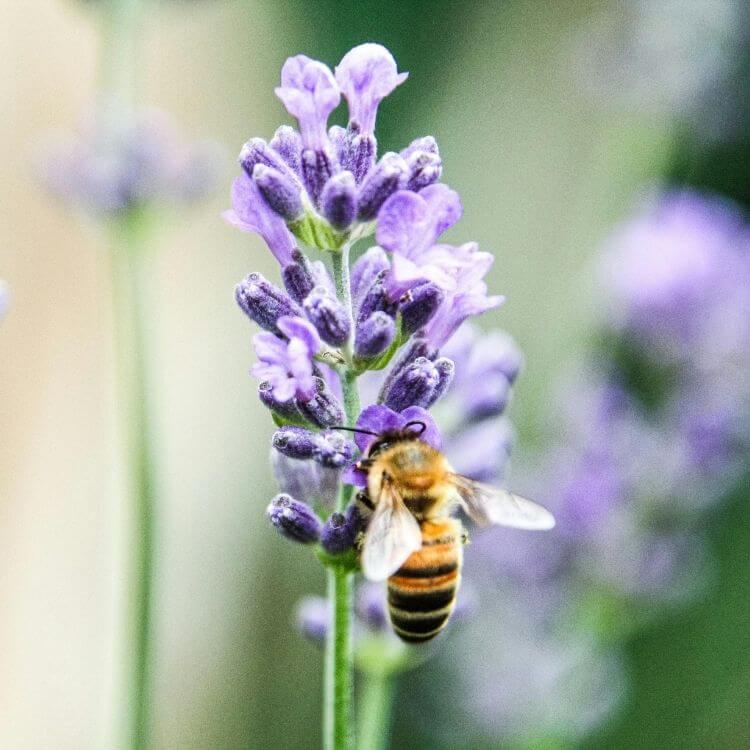
Lavender offers soft purple spikes, silver foliage, and an unmistakable calming scent. It thrives in dry, sunny conditions and is perfect for pollinator gardens.
- Attracts bees and repels pests
- Requires excellent drainage
35. Lily
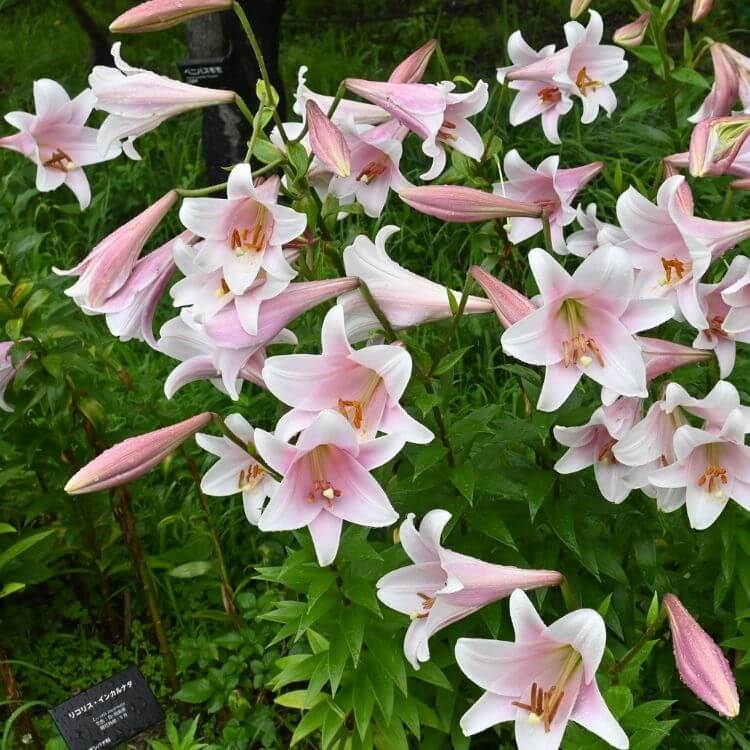
Lily is a timeless garden favorite with bold, trumpet-shaped or elegantly recurved petals. Blooms sit high on strong stems, making them perfect for borders and cut flowers. Fragrance ranges from soft and sweet to richly intense, depending on the variety.
- Many varieties are toxic to cats
- Some carry an overpowering fragrance
36. Lupine
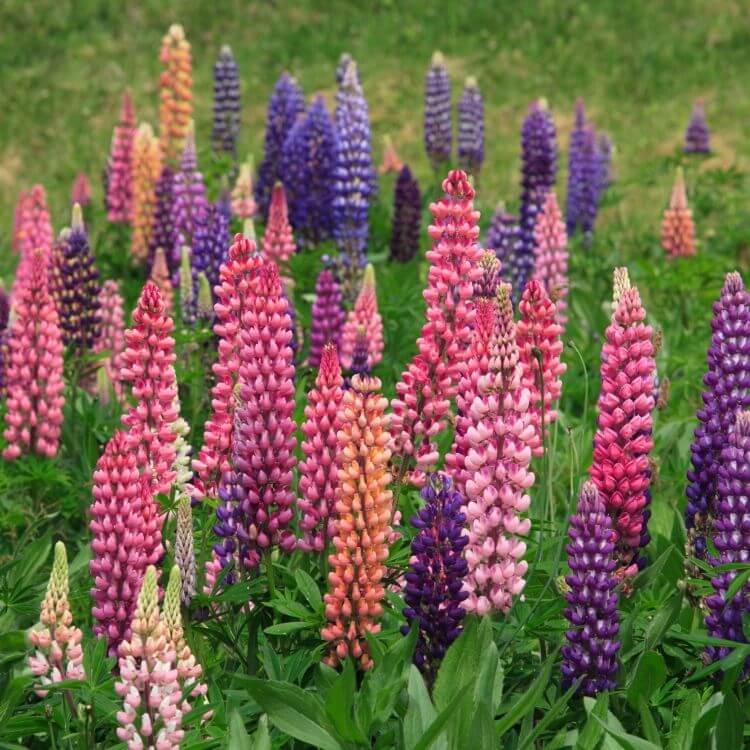
Lupine grows tall spikes packed with pea-like blooms in rich blues, purples, pinks, and whites. It naturally improves soil by fixing nitrogen, helping nearby plants thrive. A bold vertical accent for wildflower meadows and structured garden beds alike.
- Thrives in cooler climates
- Adds natural soil enrichment
Magnificent M Flowers
37. Magnolia
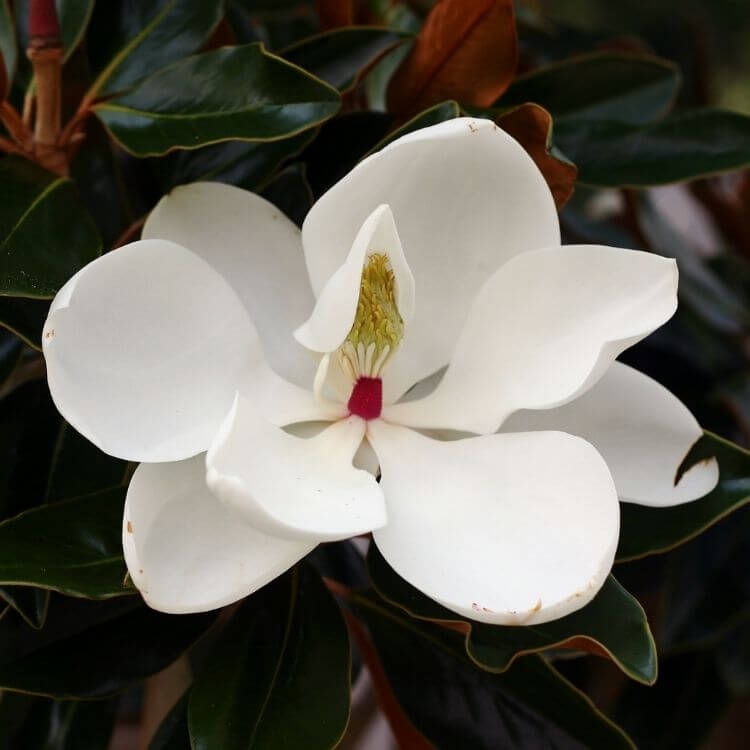
Magnolia trees can live over a century and bloom with huge, waxy flowers, often before the leaves appear. Their early blossoms create a dramatic spring display on bare branches. Once mature, they become a commanding focal point in any landscape.
- Known for impressive longevity
- Sensitive to late frost
38. Marigold
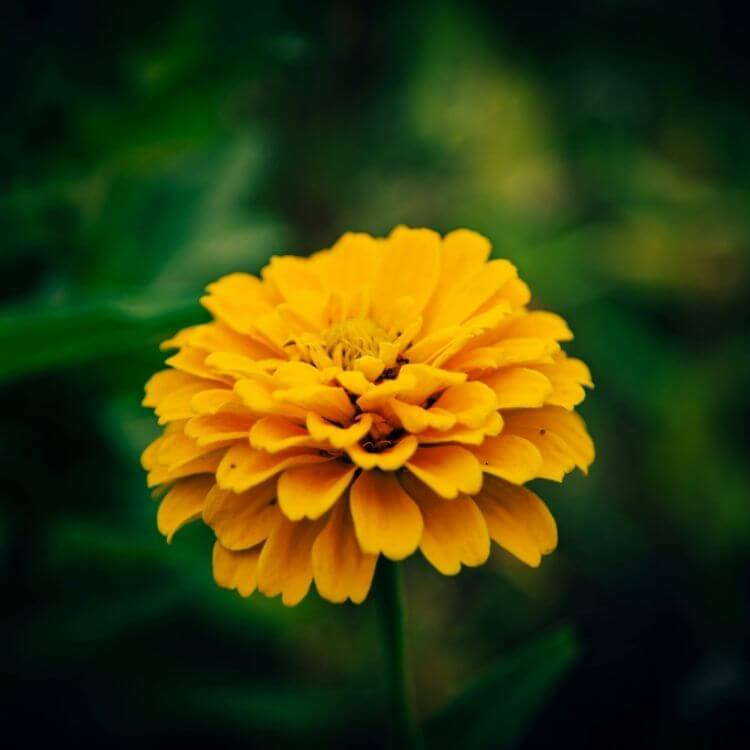
Marigold thrives in full sun and hot, dry conditions, rarely fading even in peak summer heat. Its bold golden and orange blooms bring steady color to beds, borders, and containers. Beyond beauty, it naturally helps deter certain garden pests, making it a smart companion plant.
- Pest-deterrent blooms
- Easy to grow from seed
39. Morning Glory
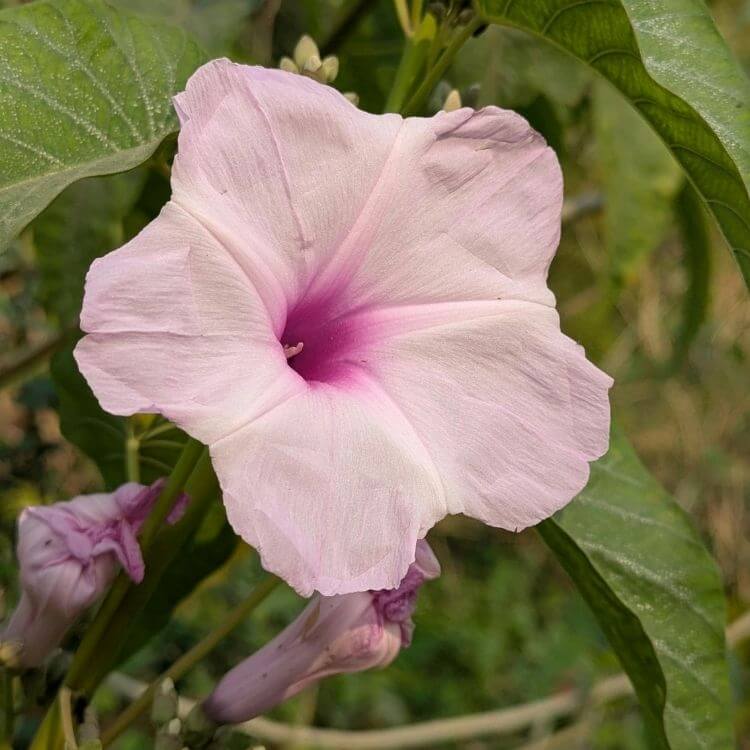
Morning Glory races upward, wrapping its vines around fences, trellises, and arches with ease. Its trumpet-shaped blooms greet the sunrise, then quietly close by afternoon. That daily cycle gives the garden a fresh look every single morning.
- Fast-growing climber
- Can become invasive if unchecked
N Nature Blooms
40. Narcissus
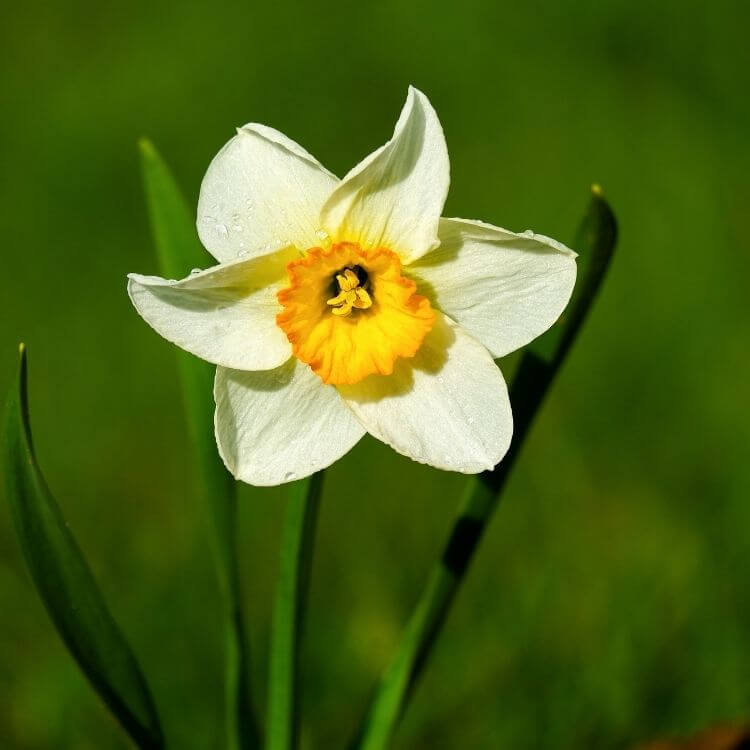
Narcissus is one of the first flowers to announce spring with bright, cheerful blooms. Its trumpet-centered flowers stand out in borders, lawns, and naturalized drifts. Once planted, the bulbs return year after year with little care. A dependable perennial that rewards you with reliable early-season color.
41. Nasturtium
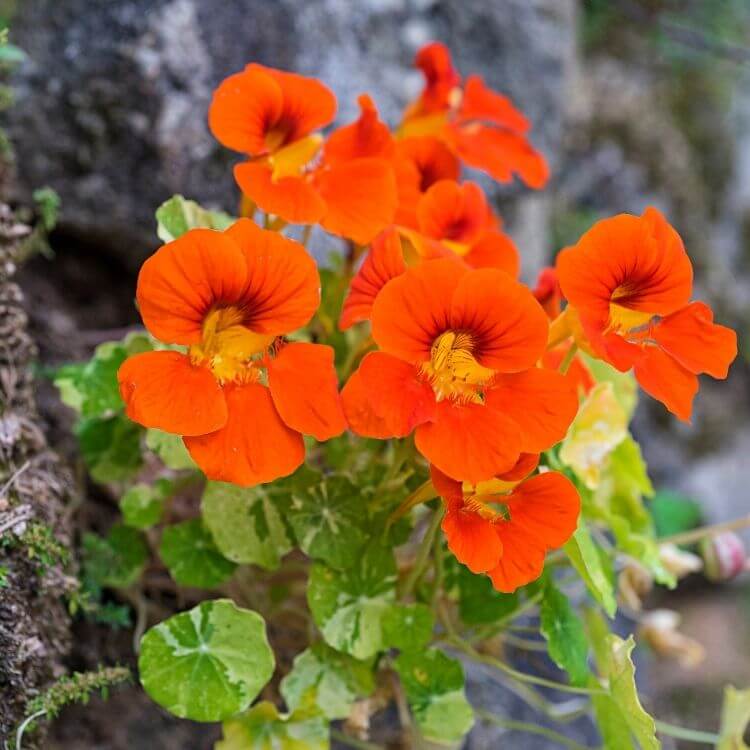
Nasturtium offers bright, round blooms and soft lily-pad leaves that spill beautifully from beds or containers. Both flowers and foliage are edible, adding a fresh peppery kick to salads. It thrives in poor soil and actually blooms better without rich fertilizer, making it easy and unfussy.
- Entire plant is edible
- Trails beautifully from containers
42. Nigella
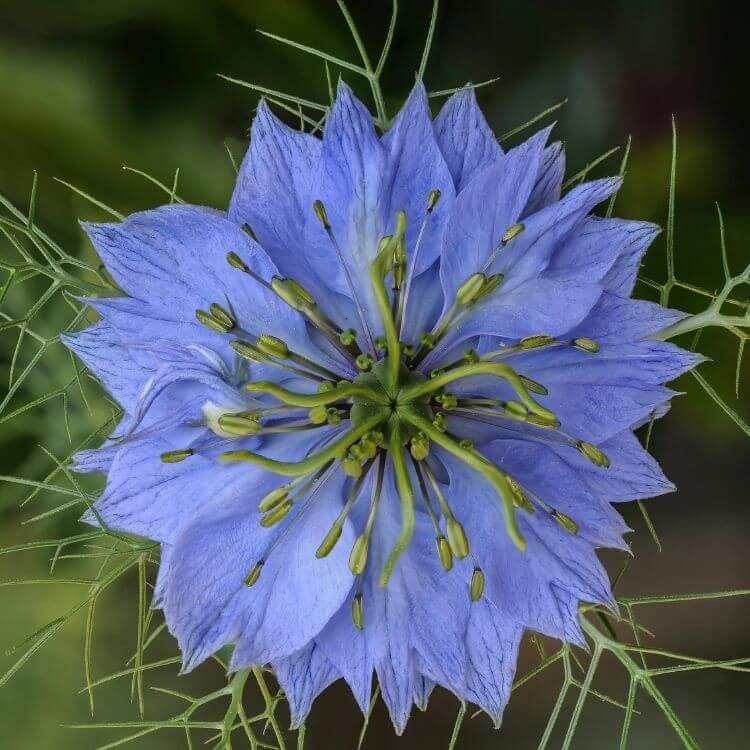
Nigella features airy, feathery foliage that frames its delicate, star-shaped blooms. Its flowers range from soft blues to whites, creating a light, whimsical touch in gardens. After flowering, unique seed pods develop, adding interest to dried arrangements and bouquets
- Ornamental seed pods are prized
- Self-seeds easily
Outstanding O Flowers
43. Orchid
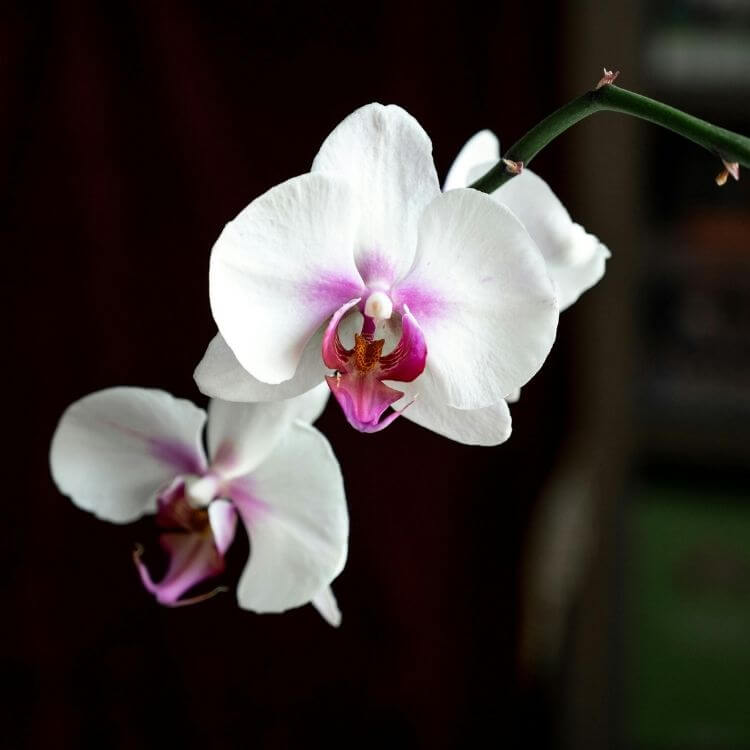
Orchid boasts incredible diversity, from simple elegance to exotic, intricate blooms. With over 25,000 species, each has unique shapes and colors to attract pollinators. They bring a touch of luxury and sophistication to any garden or indoor space.
- Among the most diverse plant families
- Some species bloom for several months
44. Oleander
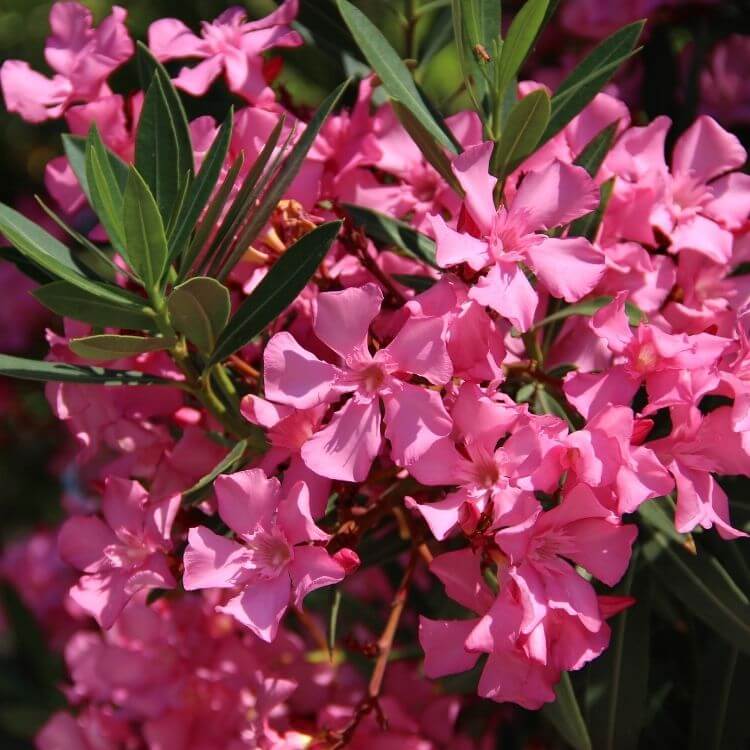
Oleander thrives in heat and drought, showcasing clusters of vibrant flowers all season. Its tough nature makes it ideal for low-water landscapes and hedges. Caution is key, as all parts of the plant are highly toxic if ingested.
- Extremely drought tolerant
- Requires caution due to toxicity
45. Oxeye Daisy
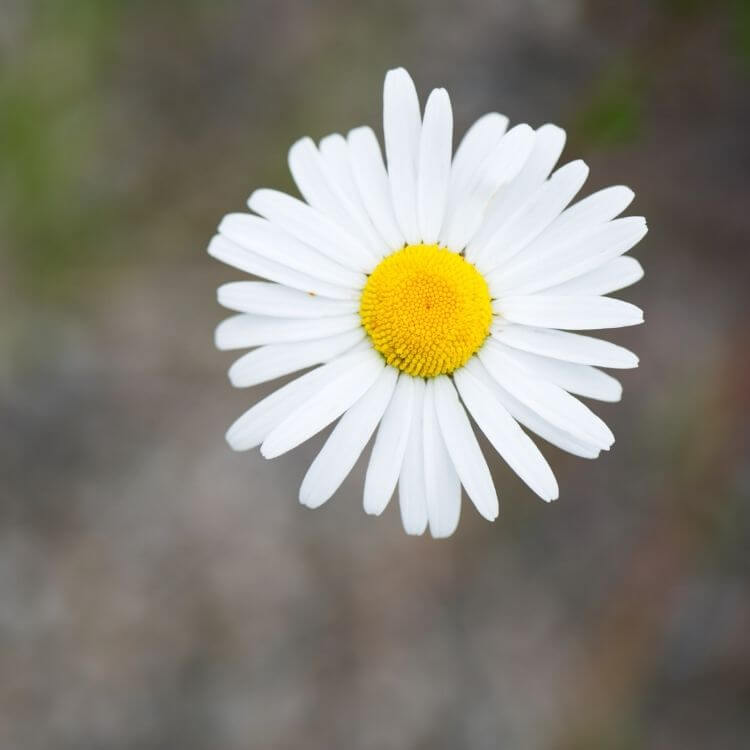
Oxeye Daisy carpets meadows with cheerful white petals and sunny yellow centers. It spreads easily, creating a natural, carefree look without much effort. Perfect for wildflower gardens, it adds timeless, casual charm to any landscape.
- Ideal for wildflower meadows
- Adds casual, naturalized beauty
The Pollinator Magnets
These flowers don’t just look pretty-they actively support pollinators, keeping bees, butterflies, and hummingbirds happy.
- Aster (A Flowers): Late-season star-shaped blooms provide nectar when most other plants fade.
- Lavender (L Flowers): Its fragrant spikes attract bees and butterflies while offering a calming aroma for gardeners.
- Sunflower (S Flowers): Beyond their dramatic height, they feed pollinators with pollen and seeds.
- Peony (P Flowers): Nectar-rich buds entice bees, adding both beauty and ecological value.
- Verbena (V Flowers): Spreads rapidly, providing months of nectar for butterflies.
- Queen Anne’s Lace (Q Flowers): Airy white umbels create habitat for lacewings and ladybugs, supporting beneficial insects naturally.
Tip: Plant early, mid, and late bloomers together for a continuous pollinator-friendly garden.
P Flower Favorites
46. Peony
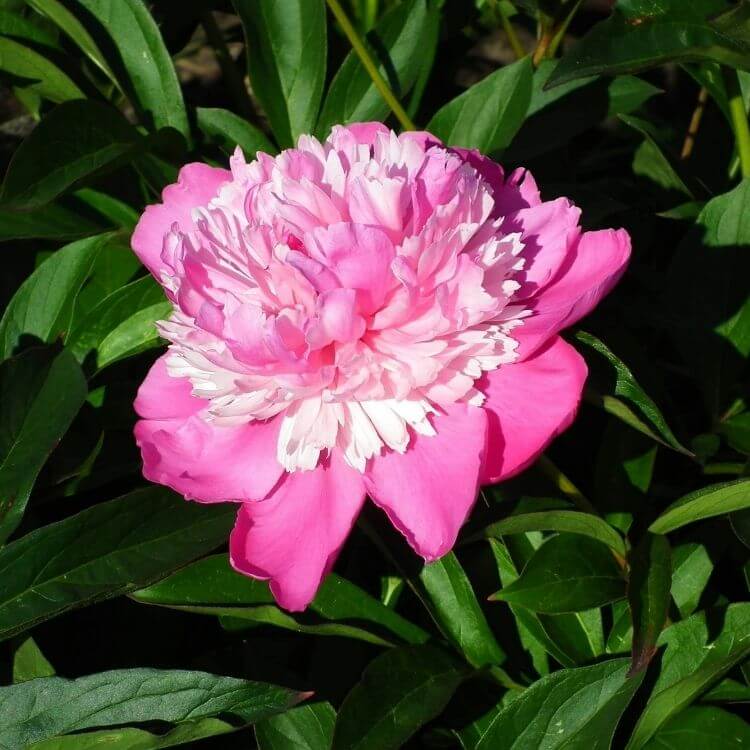
Peony is long-lived and dramatic, producing enormous, layered blooms that can dominate a garden bed. A single plant can live for decades and reliably produce spring flowers each year. The soft petals seem almost fragile, yet the plant withstands frost and occasional neglect. Its large blossoms create a focal point that draws both gardeners and pollinators alike.
- Can live 50+ years with minimal care
- Buds attract tiny ants, which help pollinate
- Prefers well-draining soil
- Flowers may weigh down stems in heavy rain
47. Petunia
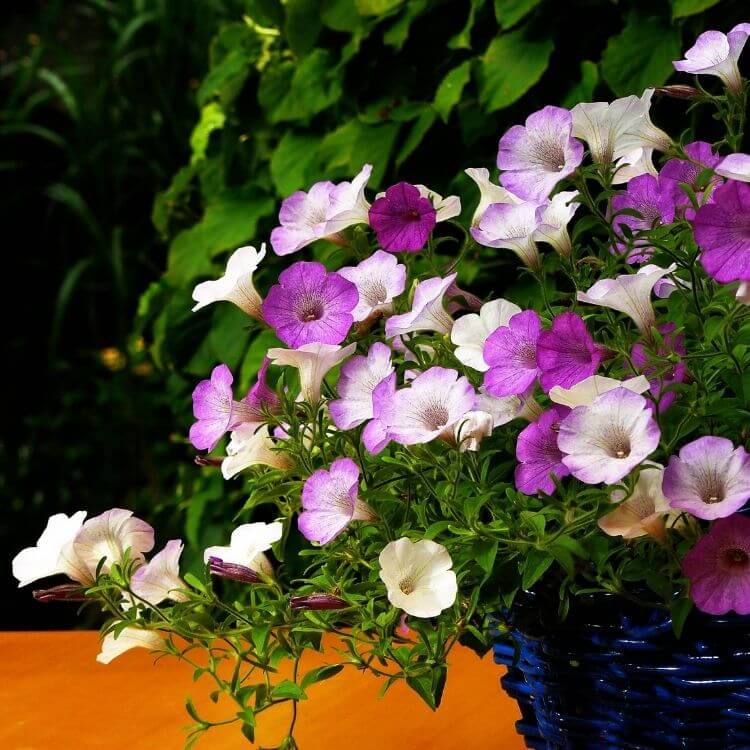
Petunia spills vibrant colors from containers, hanging baskets, or garden beds. Its flowers open throughout the day, creating a consistent display in sunny locations. Some varieties release a mild fragrance, adding sensory appeal to balconies or patios.
- Thrives in full sun
- Deadheading ensures continuous blooms
- Performs well in containers or hanging baskets
48. Poppy
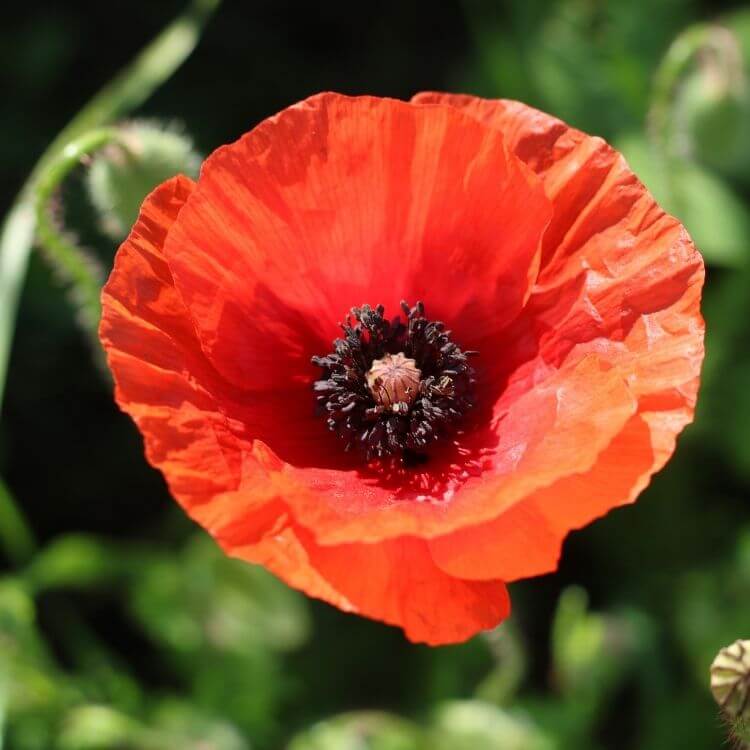
Poppy produces delicate, tissue-like petals in fiery reds, oranges, and pastels. Though seemingly fragile, it is remarkably resilient in poor soil and full sun. Its symbolic role in remembrance ceremonies adds cultural significance beyond its beauty.
- Self-seeding varieties naturalize easily
- Blooms are short-lived but dramatic
- Attracts pollinators
- Can tolerate hot, dry conditions
Q Letter Flower Picks
49. Queen Anne’s Lace
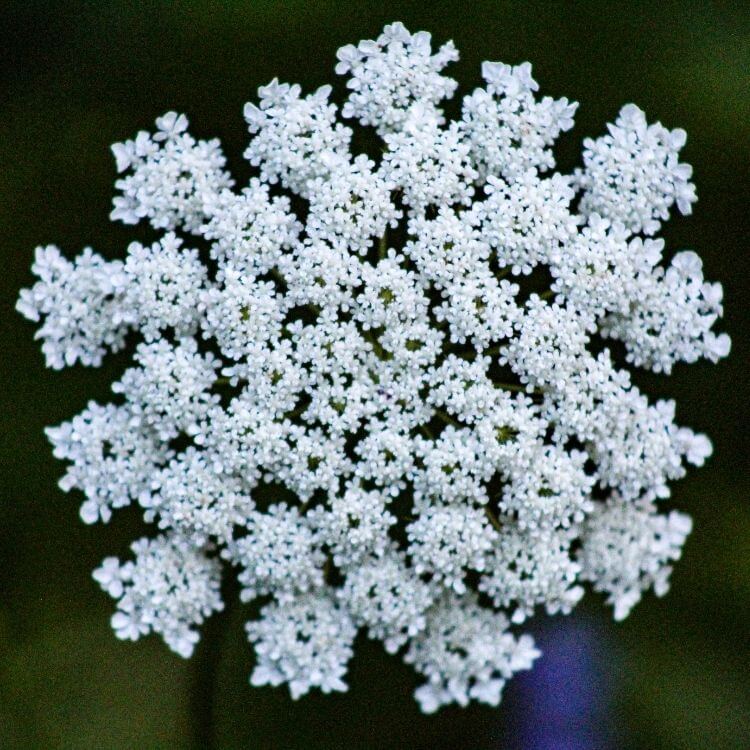
Queen Anne’s Lace has delicate white umbels that resemble lace. Its airy form adds subtle elegance to wild gardens and borders, attracting beneficial insects with ease.
- Supports ladybugs, lacewings, and pollinators
- Flowers mature into decorative seed heads
50. Quince Blossom
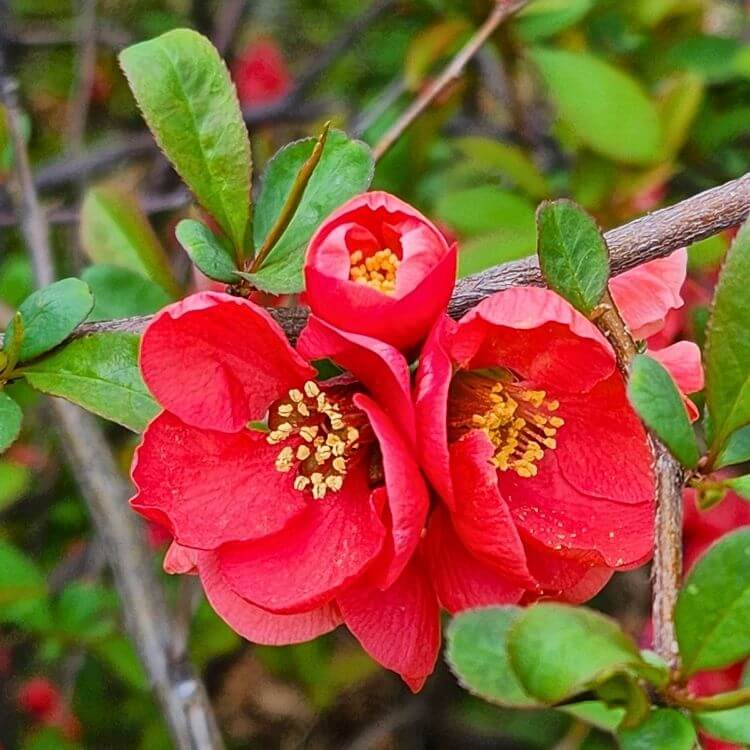
Quince Blossom emerges in early spring, often before leaves appear. The soft pink or coral flowers cling to bare branches, creating a striking early-season display. Its delicate scent fills nearby air, hinting at the fruit to follow.
- Flowering occurs before foliage, enhancing visibility
- Produces small, aromatic fruit
- Pollinators love the early blooms
51. Quaking Grass
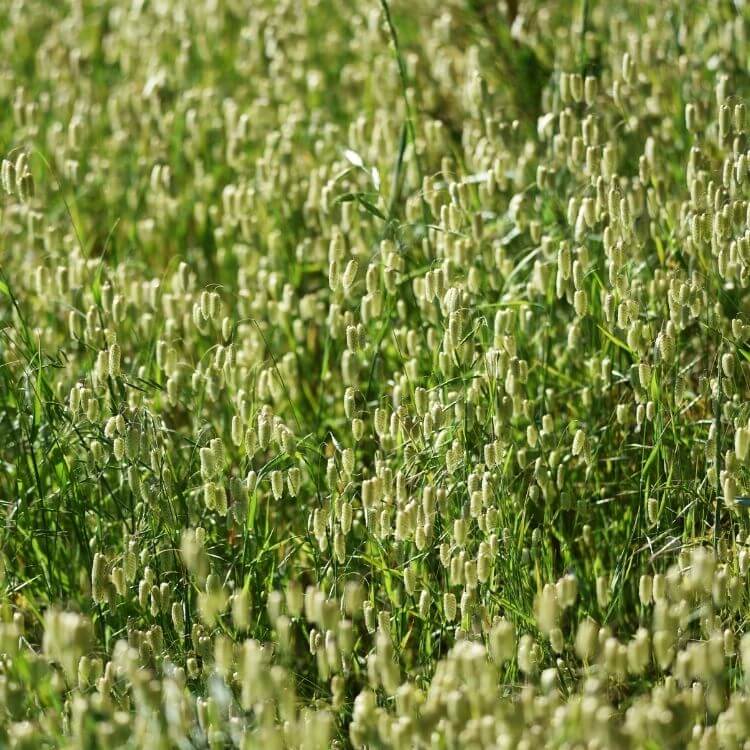
Quaking Grass is a whimsical ornamental grass with seed heads that tremble in the wind. Its subtle motion creates a dynamic effect in borders or floral arrangements.
- Perfect for adding kinetic energy
- Excellent in cut or dried arrangements
- Low-maintenance, drought tolerant
Radiant R Flowers
52. Rose
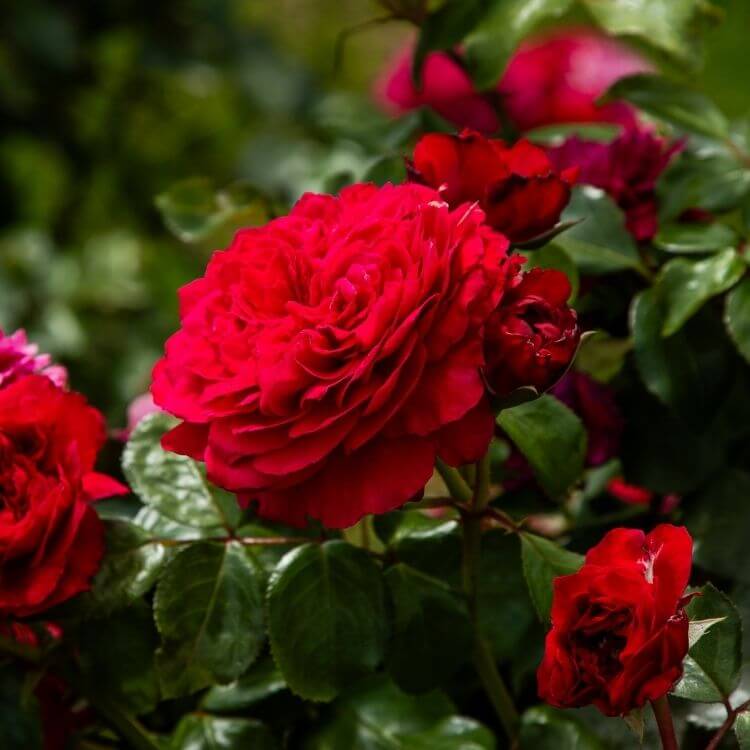
Rose is the ultimate ornamental flower, grown worldwide for its layered petals and intoxicating fragrance. While it can be challenging, careful pruning, fertilization, and airflow reward gardeners with abundant, colorful blooms. Roses symbolize love, beauty, and history, making them essential for classic gardens.
- Thousands of cultivars with unique fragrance and form
- Flowers attract pollinators
- Requires consistent care and pruning
- Susceptible to diseases if neglected
53. Ranunculus
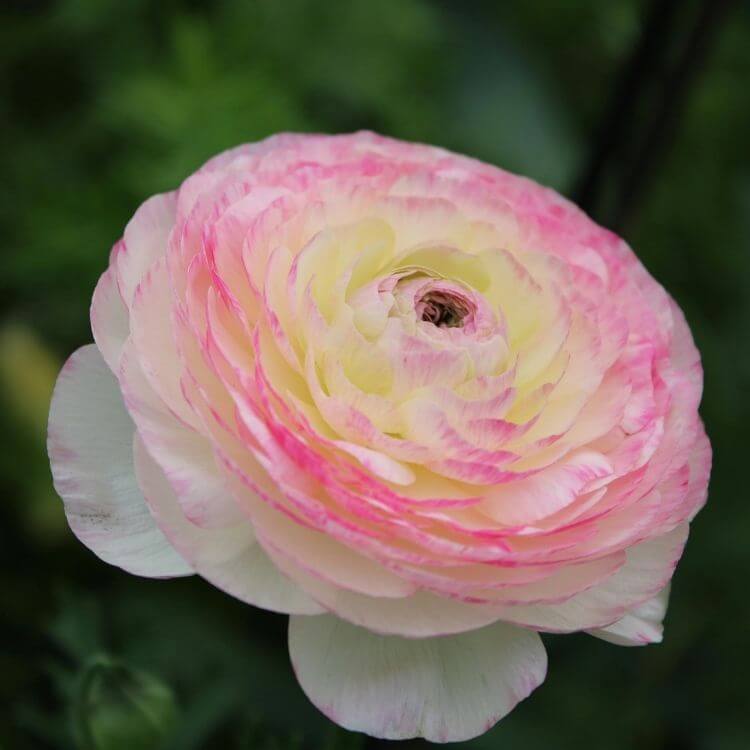
Ranunculus offers intricately layered petals in vivid shades. Perfect for bouquets, it adds texture and depth. It grows from tubers and thrives in cool, well-drained soil.
- Short-lived blooms with intense color
- Prefers cool, sunny locations
- Ideal for cut flower arrangements
54. Rudbeckia
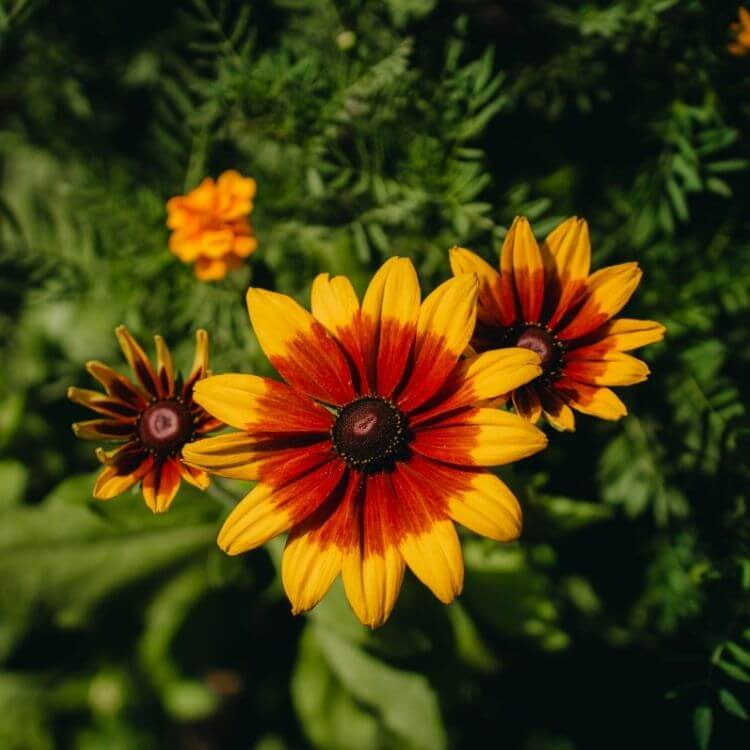
Rudbeckia lights up late-season gardens with bold yellow petals and dark centers. It tolerates many soil types, providing long-lasting color for pollinators and gardeners alike.
- Attracts bees and butterflies
- Blooms when most perennials fade
- Easy to grow from seed or division
Stunning S Flowers
55. Sunflower
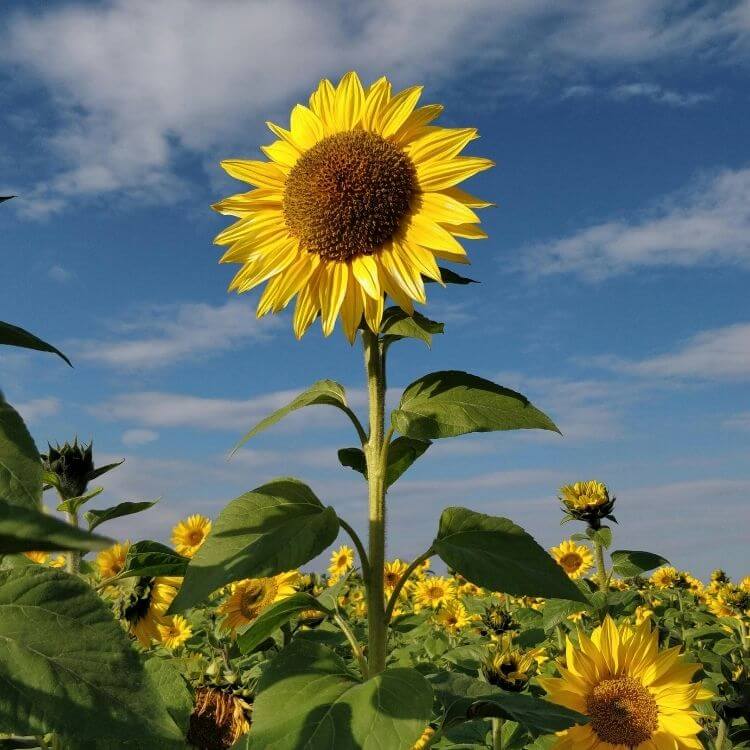
Sunflower follows the sun during early growth, a phenomenon called heliotropism. Later, its large seeds feed both wildlife and people. The towering stems make dramatic garden statements.
- Provides food for birds and humans
- Tall, bold displays for summer gardens
- Sunflowers can be cut for bouquets
56. Snapdragon
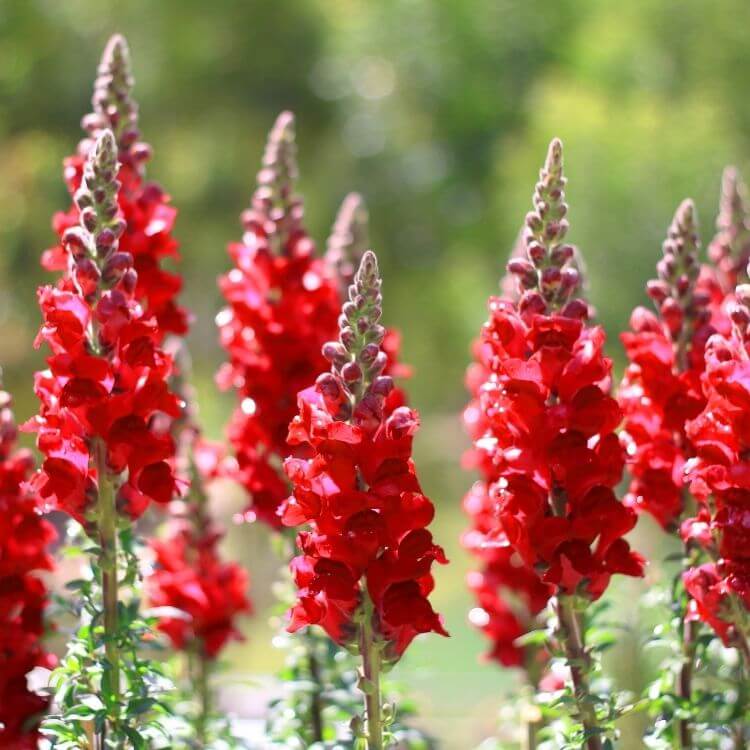
Snapdragon produces tall spikes of uniquely shaped flowers that resemble little dragons. They thrive in cooler seasons, adding vibrant color when many plants slow down. Children and gardeners alike enjoy gently snapping the blooms open for playful fun.
- Adds vertical interest
- Resistant to light frost
- Blooms in rich, vivid colors
57. Sweet Pea
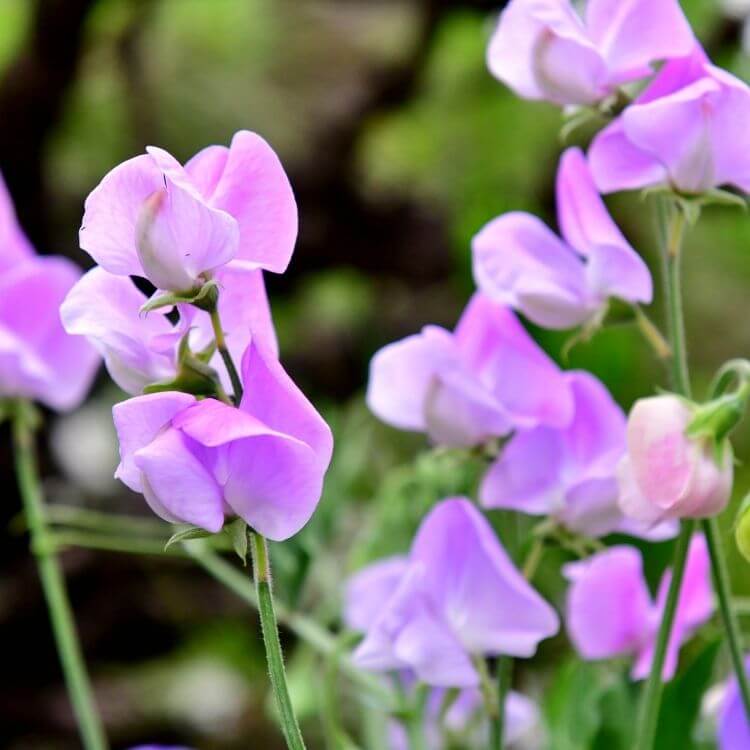
Sweet Pea climbs fences and trellises with delicate, ruffled blooms in pastel and vibrant shades. Its sweet, heady fragrance makes it a favorite for weddings and scented gardens. A charming, climbing annual that adds both color and perfume to any space.
- Strong, intense fragrance
- Vines need support structures
- Blooms encourage pollinators
T Timeless Flowers
58. Tulip
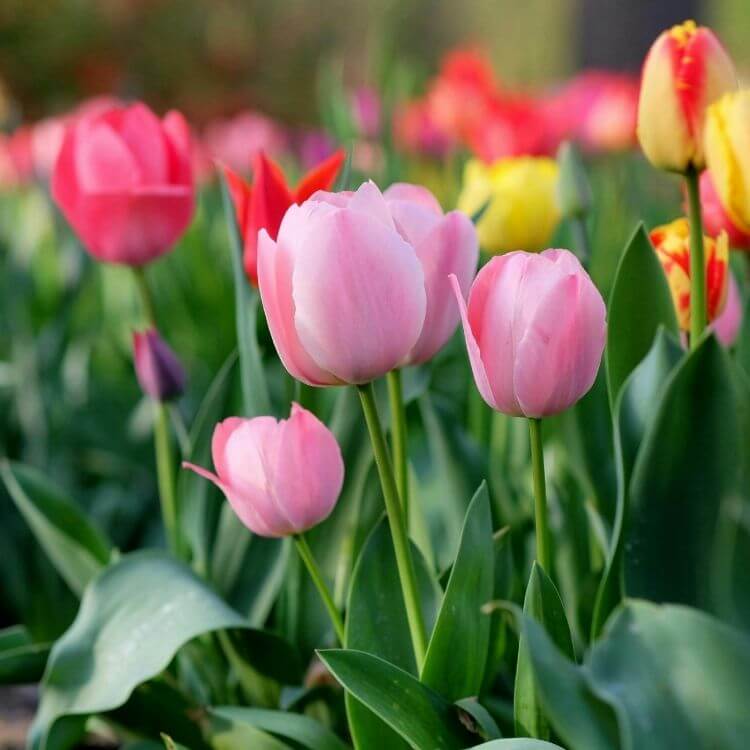
Tulip offers thousands of cultivars in every imaginable hue. Each bulb requires a winter chill to bloom, making them a herald of spring. Their iconic form has inspired art and history for centuries.
- Central to historic Tulip Mania
- Bulbs require well-draining soil
- Available in dwarf and giant varieties
59. Tuberose
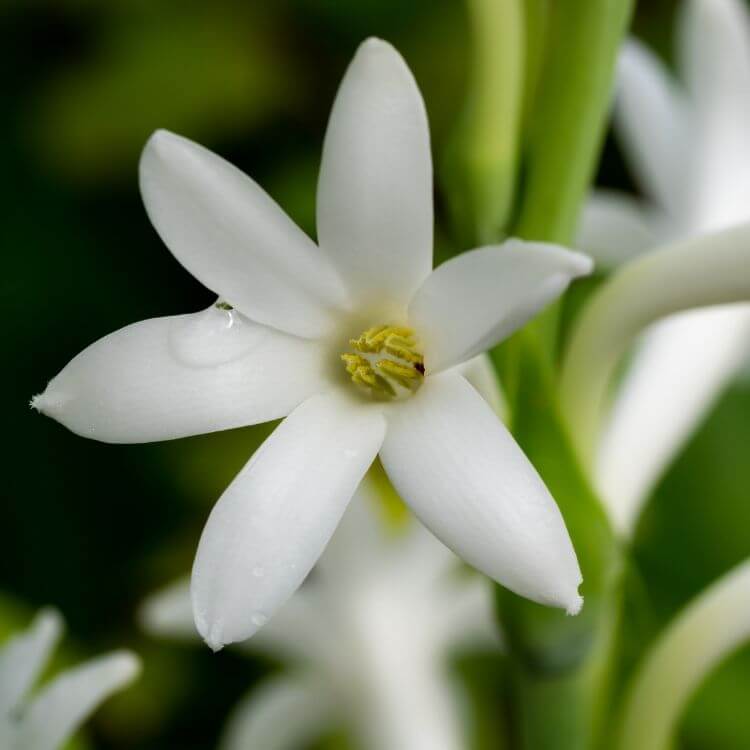
Tuberose produces tall spikes of creamy-white flowers that glow in evening gardens. Its powerful, sweet fragrance intensifies at night, filling the air with a rich perfume. Widely prized in perfumery, it’s both visually striking and aromatically enchanting.
- Night-time fragrance
- Long-lasting blooms for floral arrangements
- Requires warm soil
60. Trillium
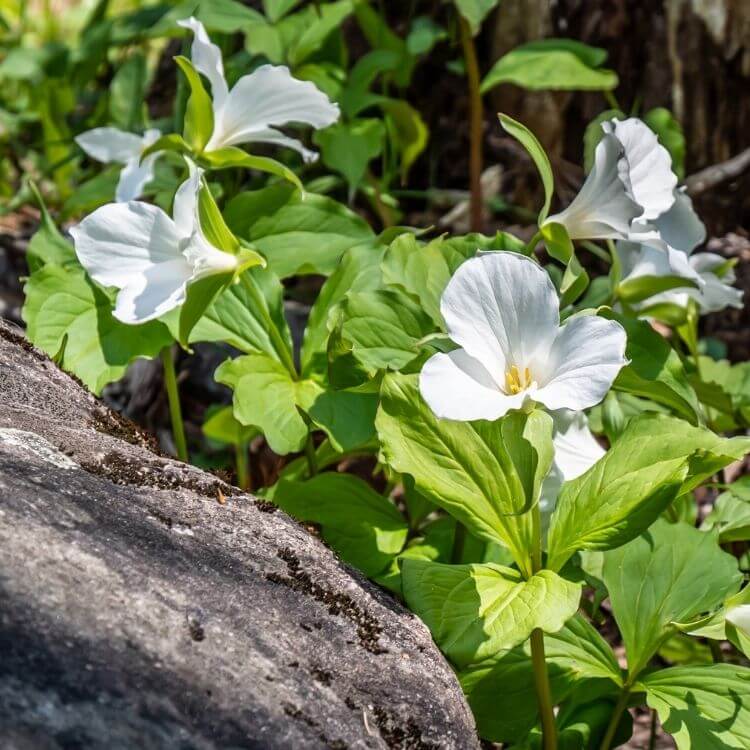
Trillium flourishes in shaded, undisturbed woodland soils, offering a touch of woodland charm. Its distinctive three-petaled flowers sit gracefully above whorled leaves. Slow-growing and delicate, it requires patience to see it bloom. When it does, it brings understated elegance to natural garden settings.
Unique U Flowers
61. Ulex
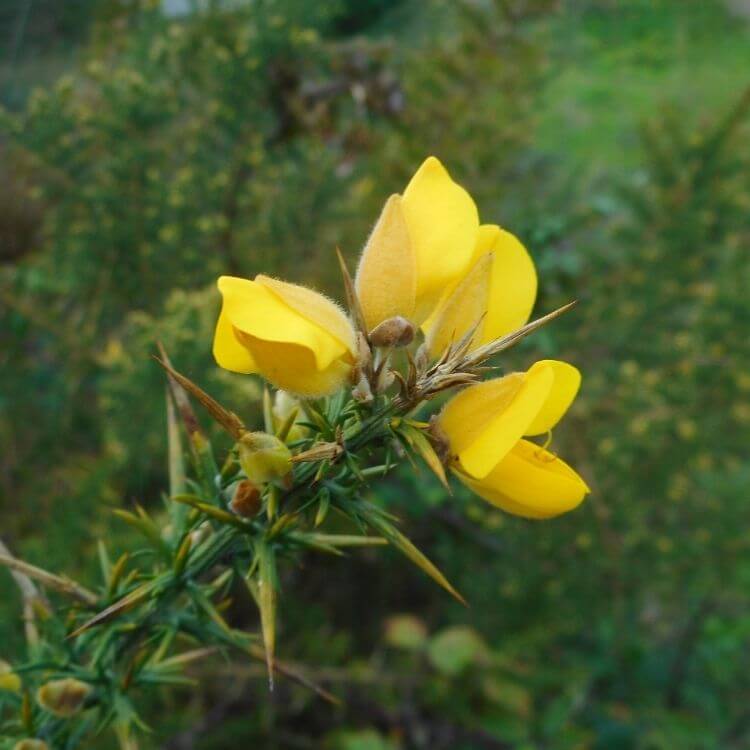
Ulex (gorse) grows vigorously in sandy, sun-drenched soils, often near coasts. Its bright yellow flowers release a surprising coconut-like fragrance. The spiny shrubs provide shelter for wildlife while adding resilient, cheerful color to the landscape.
- Extremely resilient
- Flowers are highly fragrant
- Spiny structure protects wildlife
62. Ursinia
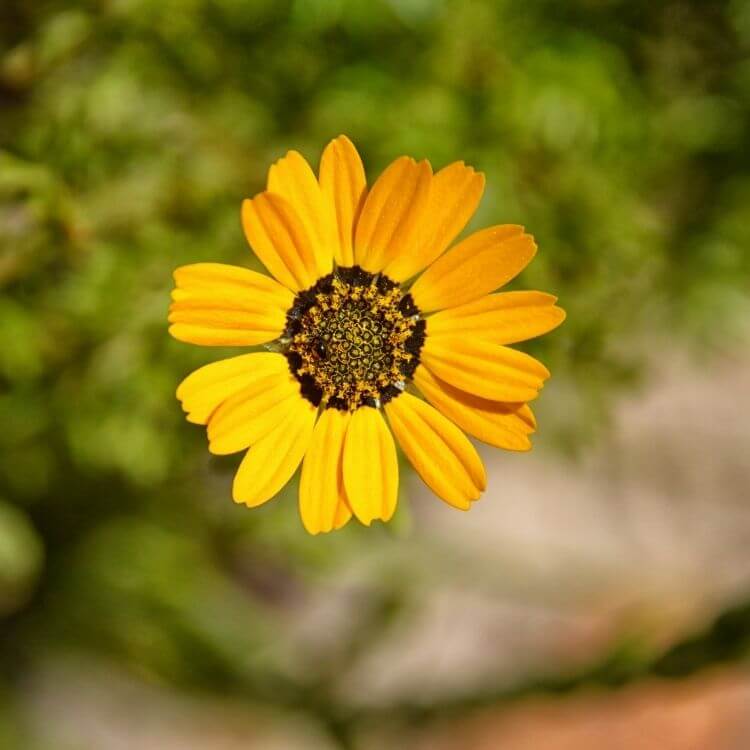
Ursinia showcases bright, daisy-like flowers in bold oranges and yellows that thrive in full sun. It blooms profusely, creating lively color in borders and containers. Easy to grow and low-maintenance, it’s perfect for seasonal garden displays.
- Thrives in full sun
- Provides bright color for months
63. Utricularia
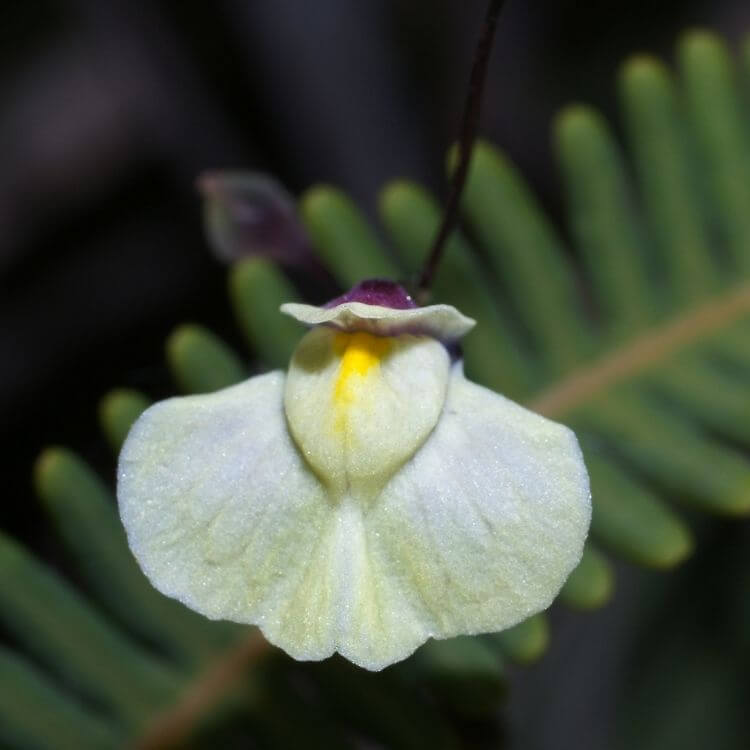
Utricularia is a unique aquatic plant with tiny bladder-like traps. These traps capture microscopic prey, showcasing a fascinating carnivorous strategy. Its unusual form and behavior make it a favorite among botanists and plant enthusiasts.
- Carnivorous aquatic plant
- Bladders act as vacuum traps
- Can survive in shallow water or bogs
Vibrant V Flowers
64. Verbena
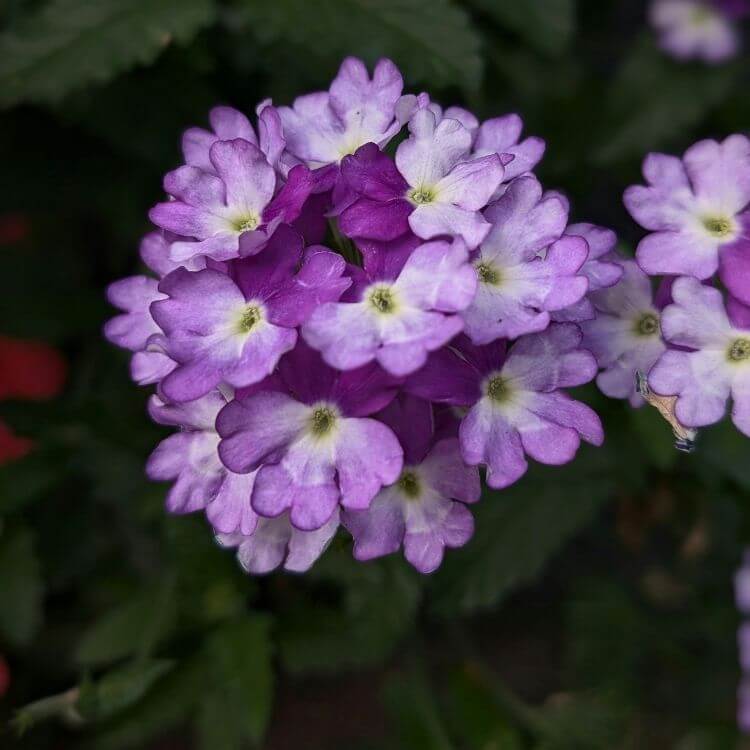
Verbena carpets gardens with clusters of vivid, long-lasting flowers. It thrives in heat, staying colorful through the hottest summer months. A fast-spreading, low-maintenance choice for borders, containers, and ground cover.
- Attracts butterflies and pollinators
- Spreads quickly
- Long bloom period of several months
65. Violet
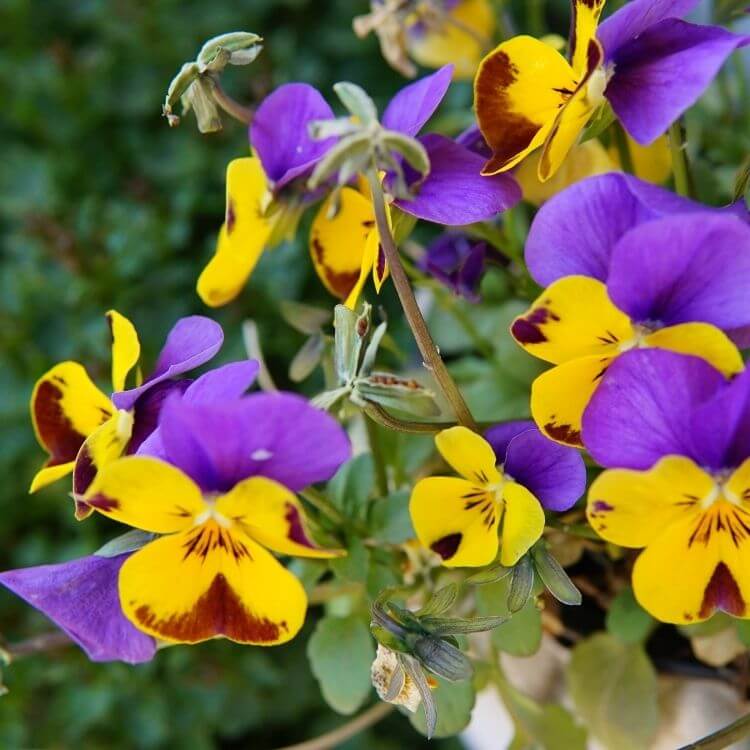
Violet thrives in cool, shaded spots, bringing delicate color to hidden garden corners. Its small, charming flowers are often edible, adding a sweet touch to salads and desserts. A low-growing perennial that brightens shade with subtle elegance.
- Thrives in cool, shady locations
- Flowers can be used in culinary dishes
66. Vinca
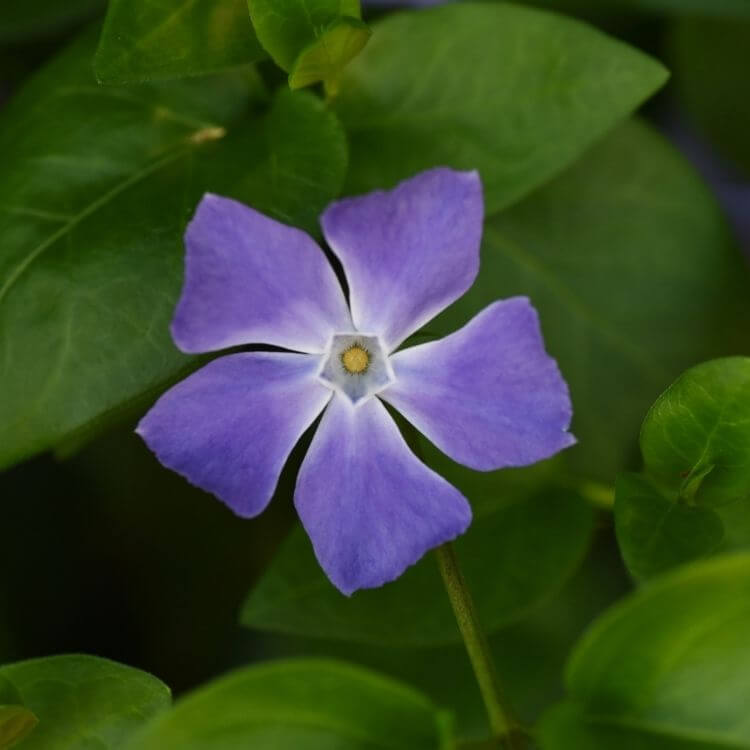
Vinca flourishes in heat and drought, offering continuous blooms throughout the season. Its versatile nature suits containers, garden beds, and borders alike. A hardy, low-maintenance plant that brings reliable color to sunny spots.
- Excellent heat tolerance
- Minimal care required
- Flowers last weeks on a single plant
W Wild and Wonderful Flowers
67. Wisteria
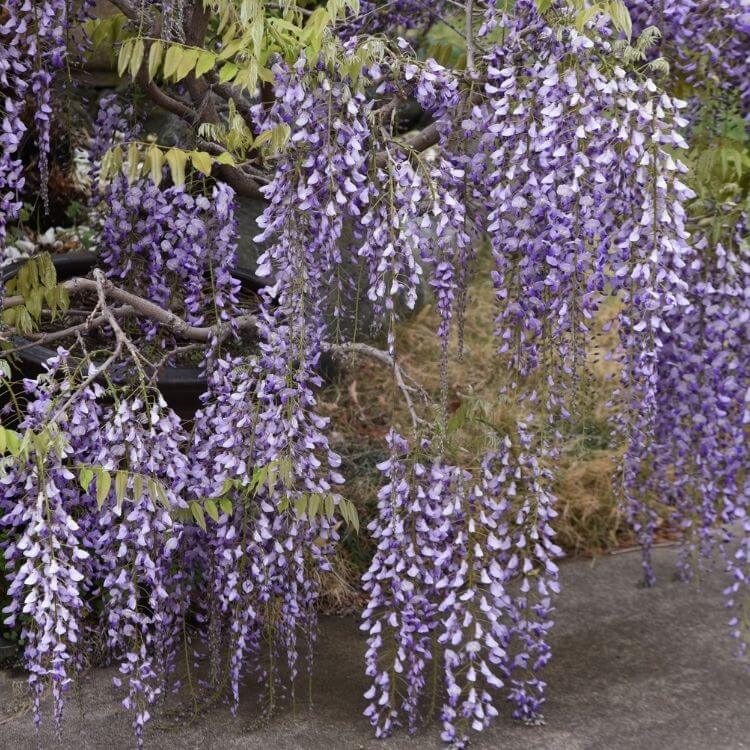
Wisteria produces cascading blooms in shades of lavender, violet, or white, creating a surreal floral waterfall. Its vigorous growth can cover pergolas and walls, adding drama and fragrance to any garden. While stunning, it demands pruning to prevent it from taking over spaces.
- Dramatic hanging clusters
- Flowers emit a sweet, intoxicating scent
- Requires strong supports and regular pruning
- Can live for decades with proper care
68. Water Lily
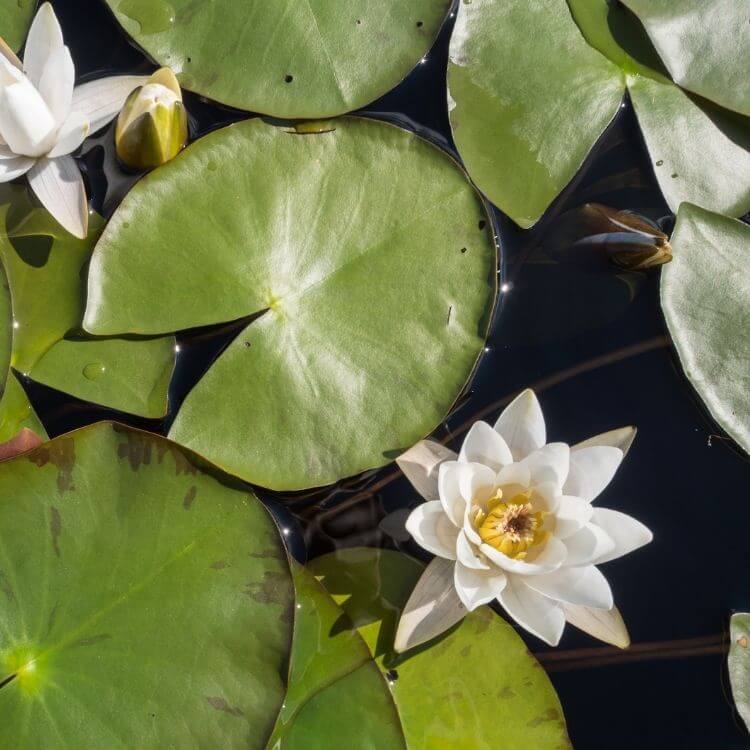
Water Lily floats gracefully on ponds, its glossy leaves providing shelter for aquatic wildlife. Flowers rise above the water surface, blooming in white, pink, or yellow. They create a serene, almost meditative water garden atmosphere.
- Essential for pond ecosystems
- Provides habitat for frogs, insects, and fish
- Blooms open in morning light and close at dusk
69. Wallflower
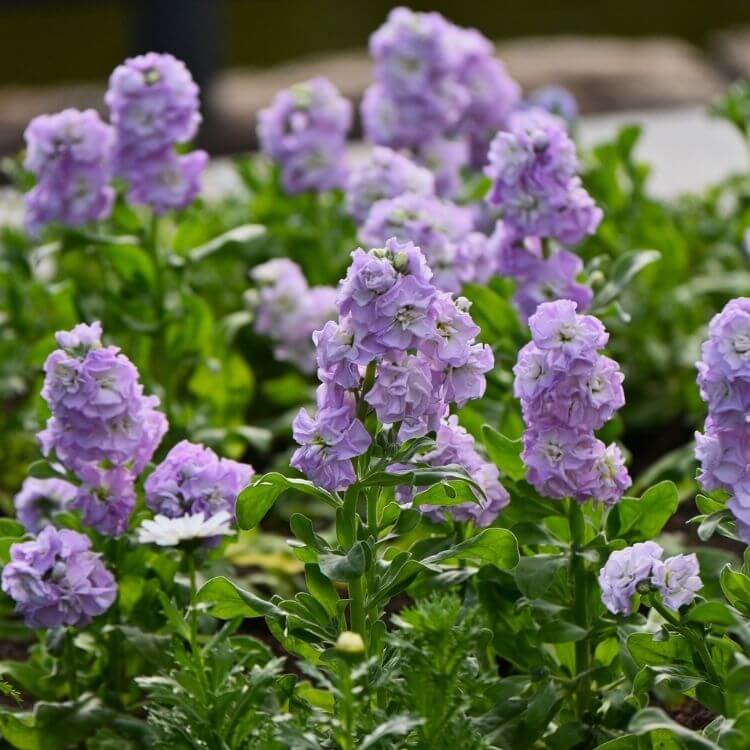
Wallflower thrives in cooler seasons, offering clusters of warm-colored, fragrant blooms. It brightens walls, fences, and garden edges with rich, cheerful tones. A resilient perennial that adds both scent and color to seasonal landscapes.
- Sweet fragrance noticeable even from a distance
- Can tolerate frost better than many annuals
X Exotic Flowers
70. Xanthoceras
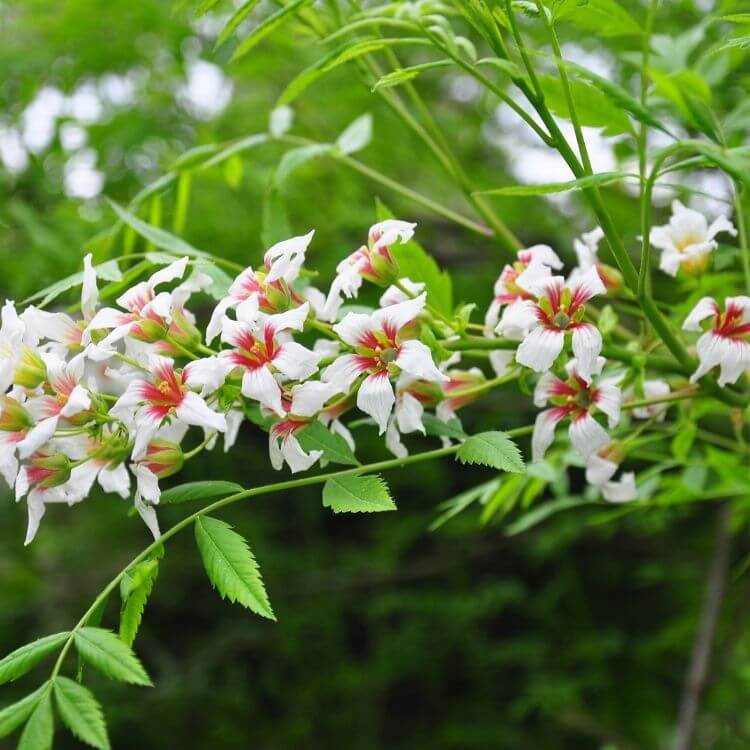
Xanthoceras is a rare ornamental tree with star-shaped white flowers tinged with red or yellow at the center. Its blooms emerge in spring, creating a visually striking display. Once established, it tolerates cold winters and attracts pollinators.
- Cold-tolerant ornamental tree
- Flowers have distinctive star shape
- Attracts bees and butterflies
71. Xeranthemum
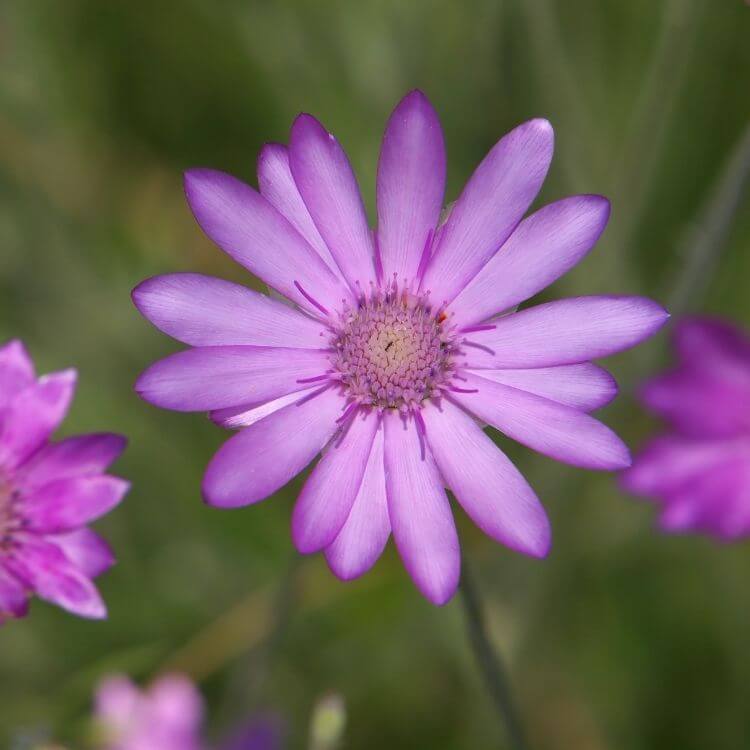
Xeranthemum produces papery flowers that maintain shape and subtle color when dried, making them perfect for long-lasting arrangements. Its hardy nature allows it to thrive in poor soils.
- Ideal for dried arrangements
- Blooms remain vibrant for months
- Low maintenance and drought tolerant
72. Xerochrysum
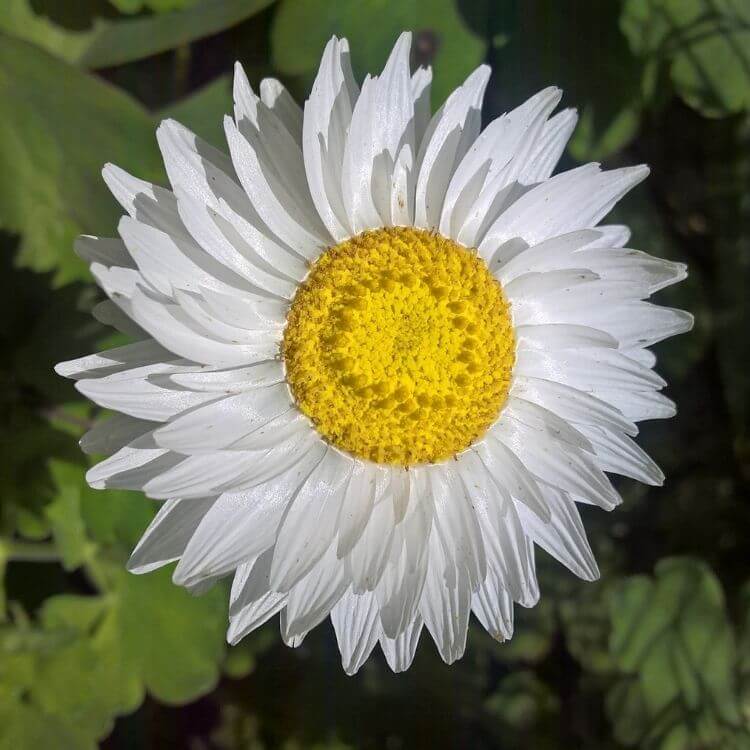
Xerochrysum, also called strawflower, produces bright everlasting blooms. Its petals retain color and texture even after drying, making it a florist favorite for wreaths and bouquets.
- Everlasting blooms
- Flowers resist fading and wilting
- Can grow in sunny, dry locations
Y Yard Favorites
73. Yarrow
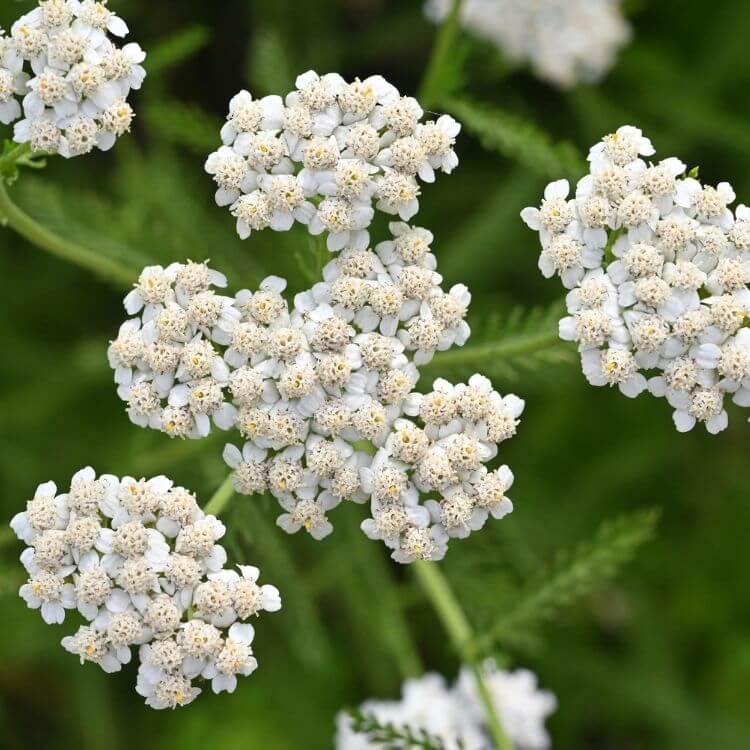
Yarrow is a tough, drought-tolerant plant producing clustered flowers in white, yellow, or pink. Its feathery foliage and medicinal properties make it a staple in cottage gardens and wildlife-friendly landscapes.
- Attracts beneficial insects
- Historically used for medicinal purposes
- Extremely resilient and low-maintenance
- Can thrive in poor soils
74. Yellow Archangel
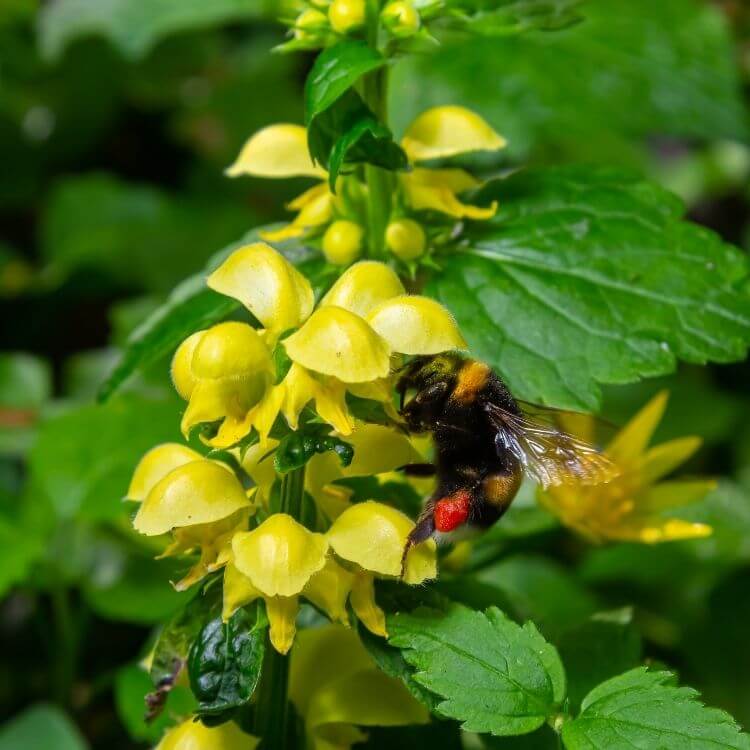
Yellow Archangel spreads as an attractive ground cover with variegated foliage and small yellow blooms. It works well in shady spots where other plants struggle.
- Shade-tolerant ground cover
- Provides textural contrast in garden beds
75. Yucca
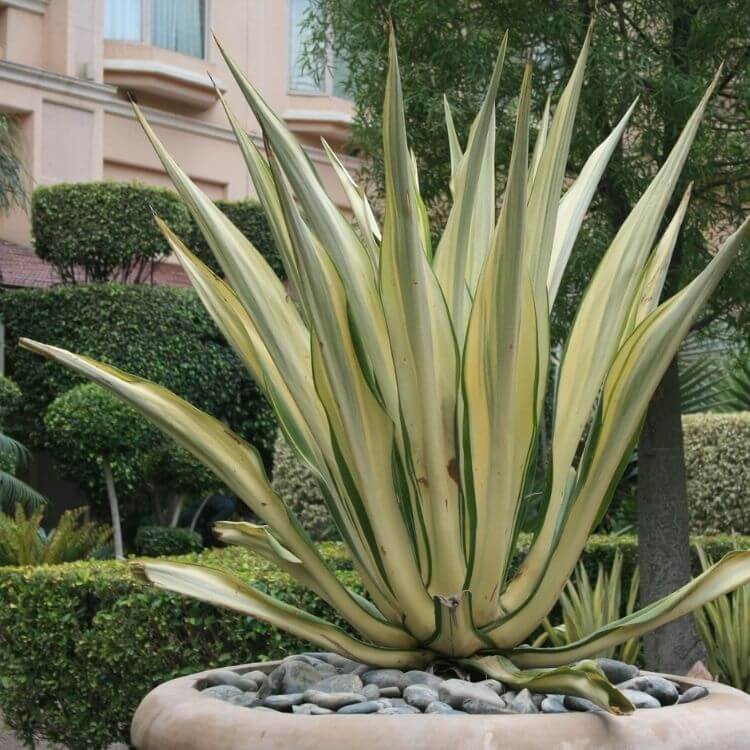
Yucca thrives in arid climates with sword-shaped leaves and dramatic flower spikes. Its architectural form makes it a focal point, while the white bell-shaped flowers add elegance.
- Drought-resistant
- Architectural focal point in xeriscapes
- Flowers attract hummingbirds and moths
Z Stunning Final Flowers
76. Zinnia
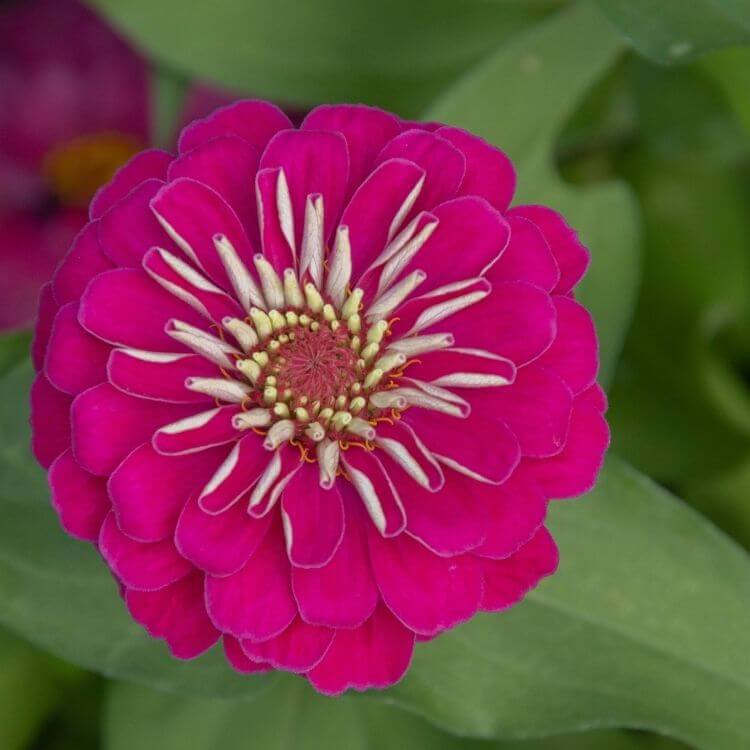
Zinnia is colorful, fast-growing, and beginner-friendly. It thrives in sunny spots and is loved by butterflies. Its bold blooms make gardens vibrant throughout summer.
- Deadheading increases flower production
- Attracts pollinators like butterflies and bees
- Blooms for months in warm conditions
77. Zephyranthes
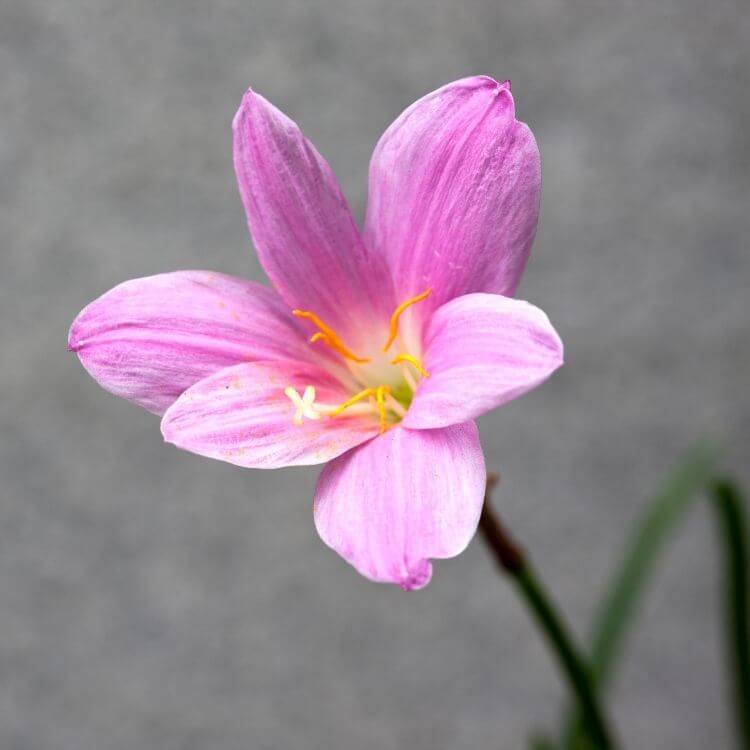
Zephyranthes, or rain lily, bursts into bloom after rainfall, surprising gardeners with its delicate flowers. Its sudden flowering habit makes it a charming addition to lawns and borders.
- Flowers appear after rain
- Low-maintenance bulbous plant
78. Zantedeschia
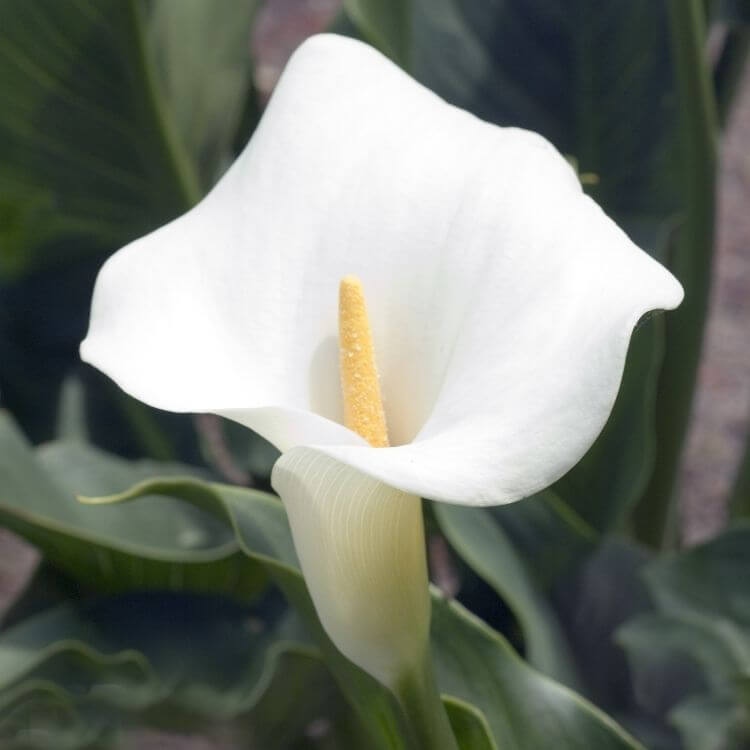
Zantedeschia, commonly called calla lily, produces sculptural, trumpet-shaped flowers. Its smooth foliage and dramatic blooms make it a staple in modern floral design.
- Recognized for architectural form
- Prefers moist, well-drained soil
- Blooms last weeks indoors or outdoors
- Popular in weddings and arrangementss
The Science Behind Flower Diversity
Flowering plants dominate nearly 90 percent of all plant species on Earth, forming the backbone of ecosystems. Their blooms are not just for aesthetics-pollinators like bees, butterflies, and hummingbirds rely on specific flowering times to survive. When a plant flowers early or late due to climate shifts, it can disrupt pollination and even reduce food crop yields.
Understanding these natural cycles helps gardeners make informed choices. Planting regionally appropriate flowers isn’t just about matching your landscape to trends. It supports biodiversity, stabilizes local ecosystems, and ensures pollinators have consistent resources. Even small actions, like including spring-flowering native perennials, can create a ripple effect that strengthens your garden’s ecological health.
- Seasonal bloom timing impacts pollinator populations
- Native species require less maintenance and thrive naturally
- Mixing species enhances ecosystem stability and beauty
A Smart Way to Choose the Right Flower From This List
Choosing flowers solely by color can lead to frustration: blooms might die early, grow poorly, or fail to attract pollinators. A smarter approach starts with your climate and USDA zone, followed by bloom timing, and then the visual design you want to achieve.
For instance, a small balcony in USDA Zone 9 could layer marigolds for the hot summer months, snapdragons for cooler periods, and vinca for enduring heat. This combination provides continuous blooms, pollinator visits, and minimal upkeep. Prioritizing native plants ensures your garden thrives naturally, while carefully selected exotic species can add drama without excessive effort. Balance these elements and your garden becomes both beautiful and sustainable.
- Start with climate suitability before color choices
- Layer plants by bloom season for year-round interest
- Include natives first, then exotic varieties for flair
- Consider maintenance requirements to match your schedule
FAQs About A to Z Flowers
Are flowers easy to grow?
Difficulty varies by species. For example, Zinnias are incredibly easy to grow from seed, while rare flowers like the Xeranthemum require specific soil and light conditions. Most annuals are beginner-friendly, while many perennials take more patience.
What flowers start with the letter A?
Popular A-flowers include Amaryllis, Aster, Anemone, and Alstroemeria. These are staples for any A–Z guide due to their wide availability and distinct visual appeal.
What do the letter A and a flower have in common?
In botanical terms, they share a naming convention. A capital A often denotes the Genus (like Amaryllis), while a lowercase a might appear in the species name. Understanding this is key to reading garden tags correctly.
What is a rare flower that starts with A?
The Adonis (Adonis vernalis) is a rare, yellow, buttercup-like flower. It is significantly harder to find in standard garden centers than the common Amaryllis, making it a perfect rare entry for your guide.
What are floral letters?
Floral letters are decorative arrangements where fresh blooms are packed into foam letters, often used for celebratory events or memorials. This is distinct from your A–Z flower list, which focuses on botanical species.
Which flowers start with the letters X, Y, Q, U, and Z?
X is for Xeranthemum, a papery everlasting flower. Y is for Yucca, which produces tall white spikes. Q is for Quince, a woody shrub with early spring blooms. U is for Uvularia, known for its elegant drooping bells. Z is for Zinnia, the garden favorite for beginners.
Which flower grows every 12 years?
The Neelakurinji (Strobilanthes kunthianus) is famous for blooming en masse only once every 12 years, creating a phenomenon that turns mountainsides blue.
What flowers have five letters?
Flowers with five letters are perfect for quick trivia. Popular examples include Tulip, Pansy, Aster, Lotus, and Lilac.
Final Thoughts
A to Z Flowers are a roadmap in a garden full of choices. With 78 carefully selected flowers organized alphabetically, this guide helps you plan with confidence, whether it’s planting your very first seed, designing a colorful backyard, or arranging blooms for your tenth event. Each letter opens a world of possibilities, showing you which flowers thrive in your climate, bloom when you need them, and bring pollinators and beauty into your life. This guide is designed to empower both beginners and seasoned gardeners. By following the alphabetical structure, you can explore new species without feeling overwhelmed. You can mix and match, experiment with layering blooms by season, or focus on creating a pollinator-friendly haven.
Save this guide. Share it with fellow plant lovers. Bookmark it for reference. And start building your own living alphabet, one bloom at a time. Every flower in this list has a story, a bloom time, and a special quality. Let it inspire your garden and spark curiosity every season.
Explore Flowers by Letter in detail:
A Flowers
B Flowers
D Flowers
J Flowers
I Flowers
K Flowers
P Flowers
V Flowers
Z Flowers