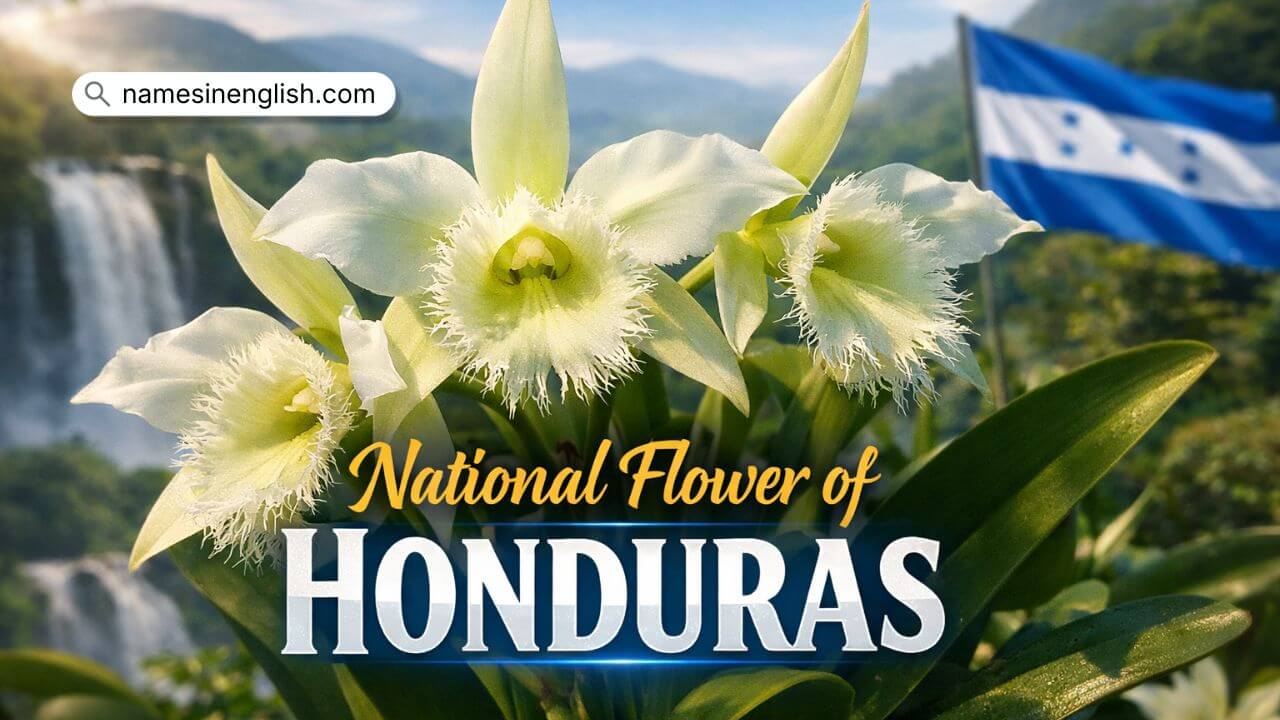

National Flower of Honduras: Rhyncholaelia Digbyana Orchid is more than just a beautiful bloom, it is a proud symbol of the country’s rich natural heritage, biodiversity, and cultural identity. Known for its striking white petals and delicate fringed lip, this rare orchid has captured the hearts of nature lovers around the world. In this article, you’ll learn why the National Flower of Honduras: Rhyncholaelia Digbyana Orchid is so special, learn about its history, unique features, symbolic meaning, natural habitat, and interesting facts. Whether you’re a student, traveler, or flower enthusiast, this guide will help you understand why this remarkable orchid holds such an important place in Honduras.
What Is the National Flower of Honduras?
The National Flower of Honduras is Rhyncholaelia digbyana, a rare epiphytic orchid native to Central America. It was officially declared the national flower in 1969 because of its uniqueness, native origin, and cultural importance. The orchid is known for its pale green petals and a large, deeply fringed white lip that releases a strong fragrance at night.
A Brief History Behind Honduras’ National Flower
Honduras didn’t always recognize Rhyncholaelia digbyana as its national symbol. Before 1969, the rose briefly held that title. The decision to replace it was intentional and symbolic.
Leaders and botanists wanted a flower that truly belonged to Honduras, not one imported from Europe. Rhyncholaelia digbyana grows naturally in Honduran forests, especially in warm, humid lowland regions. Declaring it the National Flower of Honduras was a statement of ecological pride.
This shift also reflected a broader cultural movement in Central America during the mid-20th century. Countries began emphasizing native species as part of national identity rather than colonial-era symbols.
What Makes Rhyncholaelia Digbyana Special
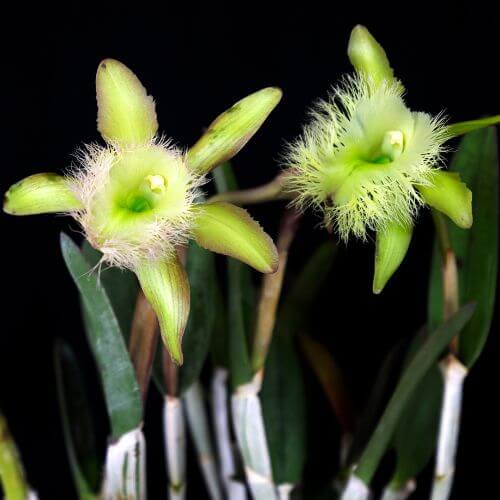
From a scientific perspective, this orchid is fascinating.
Key characteristics include:
- Epiphytic growth, meaning it grows on trees rather than soil
- Thick, leathery leaves adapted to humid forests
- Large flowers, often 15–18 cm wide
- A dramatic, lace-like labellum (lip) unlike most orchids
- Strong nocturnal fragrance designed to attract night pollinators
Botanists value Rhyncholaelia digbyana because it has been used in orchid hybridization worldwide. Many modern fragrant orchid hybrids trace part of their lineage back to this species.
According to the botanical records at the Royal Botanic Gardens, Kew, Rhyncholaelia digbyana is taxonomically classified within the Cattleya-group, as detailed in their Plants of the World Online database.
Source: powo.science.kew.org
This research is widely referenced in academic and horticultural circles.
Where This Orchid Grows Naturally
In the wild, the National Flower of Honduras prefers:
- Low to mid-elevation tropical forests
- High humidity with good airflow
- Bright, filtered sunlight
- Tree canopies rather than forest floors
You’ll find it growing in parts of northern Honduras, often clinging to old trees near rivers or forest edges. It also appears in neighboring countries like Guatemala and Belize, but Honduras remains one of its most important natural strongholds.
Cultural Meaning Beyond the Biology
Unlike brightly colored national flowers chosen for visual impact, Rhyncholaelia digbyana symbolizes subtle strength.
For many Hondurans, this orchid represents:
- Resilience in harsh environments
- Quiet beauty rather than loud display
- A deep connection to land and forests
I find it interesting that this flower blooms without shouting for attention. In a way, it mirrors rural Honduran culture, where endurance and patience are often valued more than outward show.
Why Orchid Enthusiasts Love This Species
Amateur orchid hobbyists often seek out Rhyncholaelia digbyana for reasons beyond patriotism or symbolism.
Real-world examples include:
- Collectors prize it for its fragrance, especially at night
- Breeders use it to enhance scent in hybrid orchids
- Botanical gardens display it as a teaching species
- Conservation groups use it to educate about habitat loss
However, it’s not an easy orchid to grow. It demands stable humidity and excellent airflow. Many beginners fail with it, which has ironically increased its mystique.
Should National Flowers Be Rare?
Here’s a perspective rarely discussed.
By choosing a rare orchid as the National Flower of Honduras, the country elevated awareness, but also increased pressure on wild populations. Illegal collection surged in the decades following its designation.
Some conservationists quietly argue that common native plants make better national symbols because they can’t be overharvested into extinction.
We believe this tension makes Rhyncholaelia digbyana even more meaningful. It forces a conversation about responsibility. A national symbol isn’t just something to admire. It’s something to protect.
Modern Challenges Faced by Honduras
Today, the National Flower of Honduras faces several threats:
- Deforestation for agriculture and cattle ranching
- Illegal orchid trade
- Climate-driven changes in humidity patterns
According to data summarized by Kew Gardens, habitat loss is the primary risk factor for epiphytic orchids across Central America. Honduras is no exception.
Local conservation programs now focus on:
- Educating rural communities
- Promoting nursery-grown orchids instead of wild collection
- Protecting old-growth forest corridors
These efforts are small but essential.
FAQs About National Flower of Honduras
What is the national flower of Honduras?
The national flower of Honduras is Rhyncholaelia digbyana, a native orchid officially adopted in 1969.
Why is Rhyncholaelia digbyana Honduras’ national flower?
It was chosen because it is native, rare, and unique, representing Honduras’ natural heritage.
What does the national flower of Honduras symbolize?
It symbolizes natural beauty, resilience, and environmental pride.
Is Honduras’ national flower an orchid?
Yes, Rhyncholaelia digbyana is a native orchid species.
Where does Rhyncholaelia digbyana grow naturally?
It grows in humid tropical forests, often on trees in Honduras.
Final Thoughts About National Flower of Honduras
If you’re studying national symbols, Rhyncholaelia digbyana fits neatly into a broader Central American pattern.
Neighboring countries also chose orchids as national flowers, but each reflects a different cultural emphasis:
- Guatemala highlights spiritual purity
- Costa Rica emphasizes biodiversity
- Honduras focuses on rarity and native resilience
Understanding the National Flower of Honduras becomes richer when viewed alongside these regional choices. Explore these also: