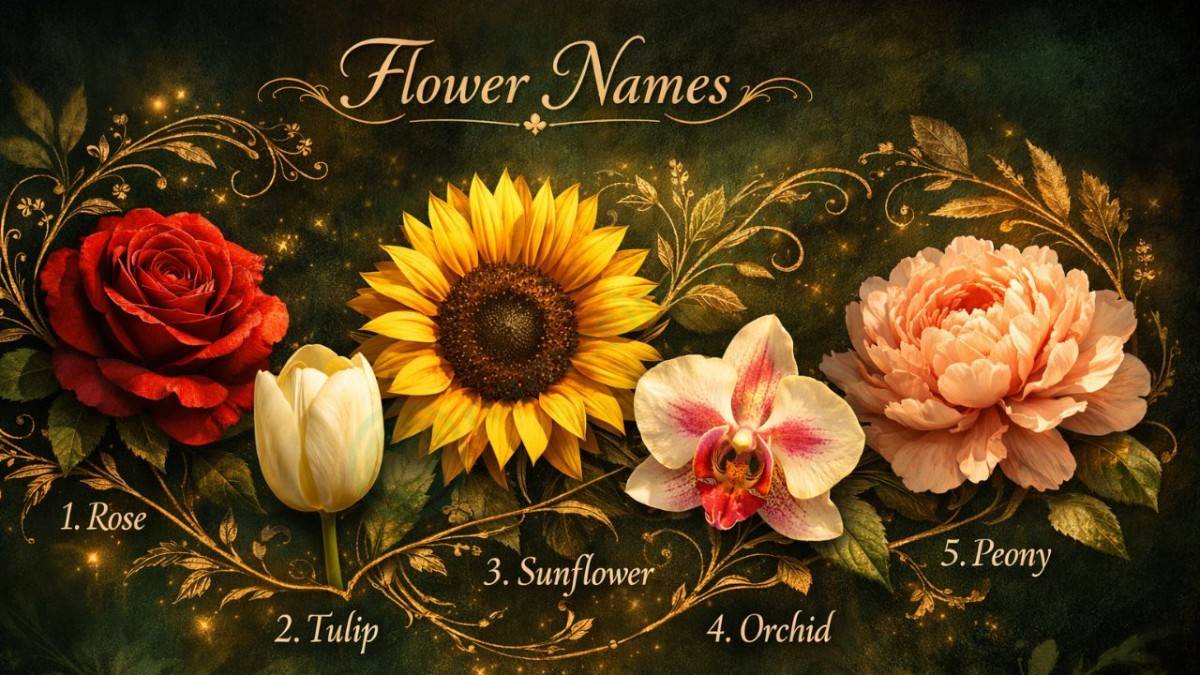

In this article, we explore why the sunflower earned its sunny name, uncovering the science, history, and symbolism behind one of nature’s most iconic flowers. Sunflowers have captivated humans for centuries, not just for their bright yellow petals, but for the stories and meanings behind their name. From ancient myths to cultural symbolism, the connection between this flower and the sun has fascinated people across the world.
Why Sunflowers Are Named After the Sun
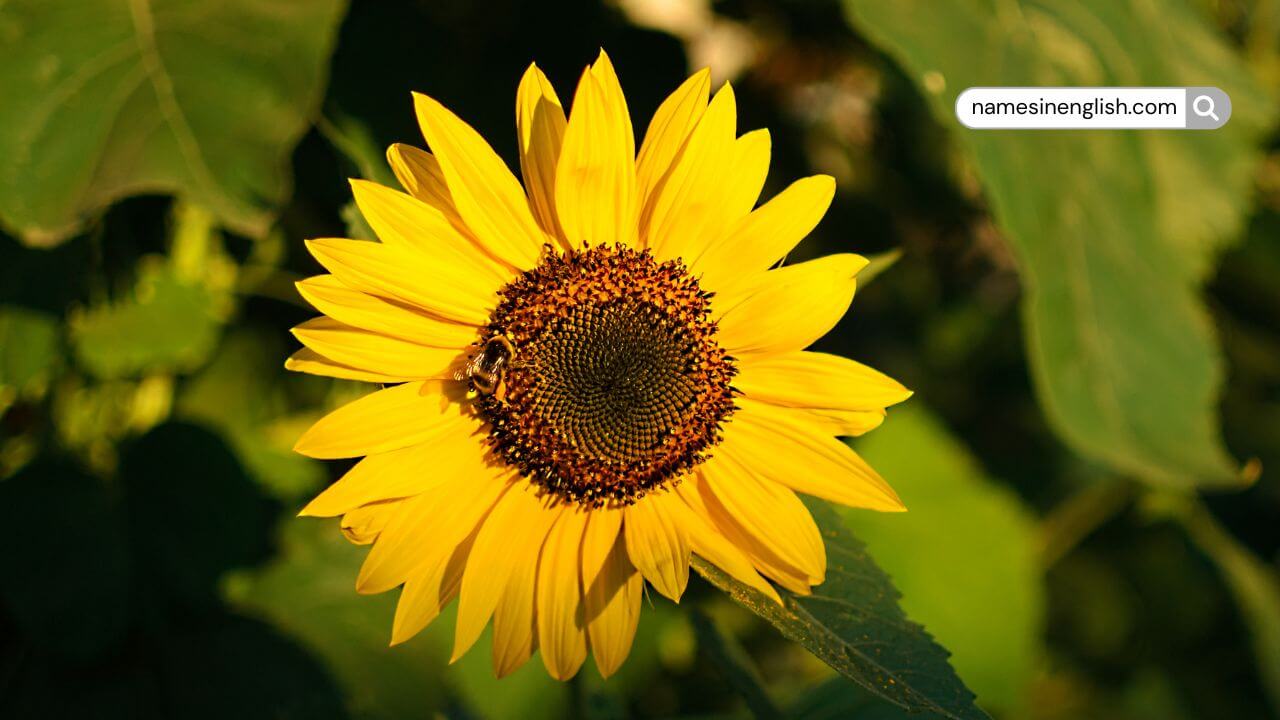
Sunflowers are named after the sun because their large yellow flower heads resemble the sun and young plants track sunlight across the sky in a movement called heliotropism. Early observers noticed both the sun-like shape and the flower’s tendency to follow sunlight, which naturally led to the name “sunflower.”
Key Reasons the Sunflower Is Associated With the Sun
| Why Sunflowers Are “Sun” Flowers | Key Explanation |
|---|---|
| Bright Sun-Mimicry | Their large yellow petals and central disk make them look like a miniature sun. |
| Sun-Like Seed Pattern | he sunflower’s spiral seed disk resembles the radiant sun. |
| East-Facing Adults | Mature sunflowers stop moving but face east to soak up morning warmth. |
| Name from Greek Roots | “Helianthus” comes from helios (sun) + anthos (flower), literally “sun flower.” |
| Observed by Early Farmers | Ancient farmers noticed the sun-following behavior and associated it with the sun. |
| Cultural Sunshine | Across the world, sunflowers symbolize happiness, warmth, and positivity. |
| Sunflower in Words | The English name directly reflects its sun-like look and solar habits. |
A Flower That Follows the Light
Few plants capture attention the way sunflowers do. Their tall stems, large faces, and bright yellow petals make them instantly recognizable. But what truly fascinated early observers was their movement. Young sunflowers appear to follow the sun as it moves across the sky. In the morning they face east. Throughout the day they gradually turn westward. During the night they slowly reset their position again toward the east.
For early farmers and gardeners, this behavior felt almost magical. A plant that seemed to watch the sun naturally inspired a name connected to it. Even today, many people discover this behavior for the first time while growing sunflowers in their gardens. Watching a flower subtly shift its direction across the day can feel surprisingly alive, almost like the plant is aware of the light it depends on.
This simple observation is one of the biggest reasons the sunflower received its solar name.
Heliotropism: The Botanical Behavior That Inspired the Name
Young sunflowers have a fascinating ability to track the sun, a phenomenon known as heliotropism. This motion occurs because the stem grows unevenly-hormones trigger cells on one side to elongate faster than the other. Causing the flower to slowly bend toward sunlight. This daily bending helps the plant capture maximum light, supporting healthy growth and seed development.
Young Sunflowers Actually Track the Sun
Research from the University of California, Davis shows young sunflowers face east at sunrise, follow the sun westward, and reset at night. This cycle relies on a built-in circadian rhythm and differential stem growth. East-facing flowers warm faster in the morning, attracting more pollinators and improving reproductive success.
Research Source: You can read the full study on the Science Journal website.
Why Mature Sunflowers Stop Moving
As sunflowers grow heavier, their heads stop moving and remain east-facing. This position ensures early morning warmth, enhancing pollen release and pollination efficiency. The solar-tracking behavior of sunflowers, therefore, is not only striking but also essential for their survival and reproduction.
The Sun-Like Structure of Sunflowers
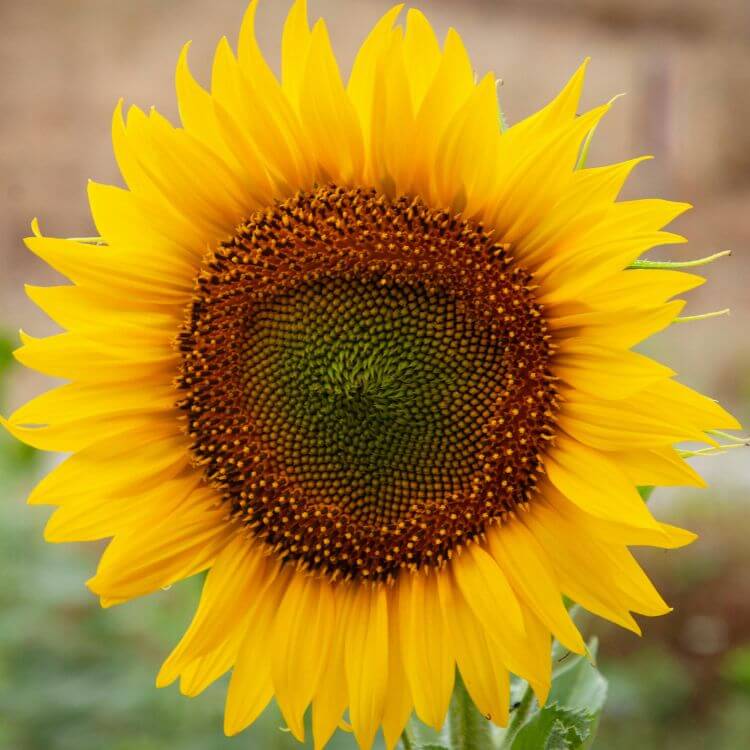
The sunflower’s appearance also plays a major role in its name.
At the center of the flower is a large circular disk made up of hundreds or even thousands of tiny individual flowers called disc florets. Surrounding this center are bright yellow ray florets, which look like the sun’s rays. Together they create a striking resemblance to a shining sun in the sky. There is also something mathematically fascinating hidden inside this structure. The spiral arrangement of seeds in the sunflower head often follows patterns related to the Fibonacci sequence. These spirals help pack seeds efficiently while maximizing space.
Nature often uses this pattern in pinecones, pineapples, and other plants because it allows maximum density with minimal wasted space. The result is a flower that looks both visually radiant and mathematically elegant.
Ancient Civilizations and the First Sunflower Fields
Sunflowers did not originate in Europe where the English name developed. They were cultivated long before that by indigenous peoples in North America. Archaeological evidence suggests sunflowers were domesticated over 4,000 years ago. Native American communities grew them as an important food crop alongside corn and squash. Sunflower seeds provided nutritious oil and protein. The plant was also used to create natural dyes, medicines, and ceremonial decorations. For many tribes, the sunflower symbolized harvest, nourishment, and warmth. Its association with the sun likely held spiritual significance as well.
Long before modern gardeners admired their beauty, sunflowers were already deeply woven into agriculture and cultural traditions.
Sunflower Origin Country and Its Journey Around the World
The sunflower origin country is widely believed to be the United States and parts of Mexico, where wild sunflowers still grow naturally today. When Spanish explorers arrived in the Americas during the 1500s, they encountered these striking plants and brought sunflower seeds back to Europe. Initially, Europeans grew sunflowers mainly as ornamental plants in gardens. Their tall stems and bright blooms made them popular among aristocratic estates.
Later, sunflower cultivation expanded dramatically in Russia during the 18th and 19th centuries. Russian farmers began breeding varieties specifically for oil production.
Today Russia and Ukraine remain among the world’s largest producers of sunflower oil, demonstrating how a plant once domesticated in North America eventually became a global agricultural crop.
Sunflower Scientific Name and What It Actually Means
The sunflower scientific name is Helianthus annuus.
The name comes from two Greek words:
Helios meaning sun
Anthos meaning flower
Together they literally translate to sun flower, reinforcing the same idea found in the common English name.
The species name annuus refers to the plant’s life cycle. Sunflowers complete their entire growth cycle in a single year, which classifies them as annual plants. Scientific naming often preserves ancient linguistic roots, and in this case the Greek influence perfectly captures the flower’s solar connection.
The Greek Myth That Gave Sunflowers a Romantic Backstory
Long before scientists studied heliotropism, ancient storytellers created their own explanation for the sunflower’s sun-following behavior.
In Greek mythology, a water nymph named Clytie fell deeply in love with the sun god Helios. According to legend, she spent days watching him drive his golden chariot across the sky. Helios did not return her affection. Heartbroken, Clytie continued staring at the sun until she slowly transformed into a flower that forever followed his path across the heavens. Although the myth originally referred to a different plant, later European storytellers connected the tale to sunflowers because the imagery matched their behavior so well.
The story helped strengthen the symbolic relationship between sunflowers and devotion.
Common Questions About Sunflower Meaning and Origins
How did the sunflower get its name?
It is named for its sun-like appearance and its ability to track the sun's movement across the sky, a behavior called heliotropism.
What does sunflower mean in flower language?
In floral symbolism, it represents unwavering loyalty and adoration, symbolizing a person who always looks on the bright side.
Is sunflower considered a romantic flower?
Yes; it symbolizes a deep, joyful bond and lasting devotion, essentially telling someone, 'I only have eyes for you.'
Where did sunflower seeds originate?
Sunflowers are native to North America, where Indigenous groups began cultivating them for food and oil as early as 3000 BC.
Conclusion: The Flower That Carries the Sun’s Legacy
The story behind the sunflower’s name brings together science, history, and human imagination. Its bright circular shape mirrors the sun. Young plants turn toward sunlight in a graceful daily rhythm. Ancient cultures admired its warmth and strength. Myths even imagined it as a flower devoted to a sun god. All these elements helped strengthen the connection between sunflowers and the sun itself.
If you enjoy discovering the fascinating origins of flower names and meanings, there are many more botanical stories worth exploring. You might enjoy learning where the Forget-Me-Not flower got its name or discovering the symbolism behind national flowers of countries around the world.
You can also browse our Complete List of Flowers from A to Z to discover 78 beautiful species.