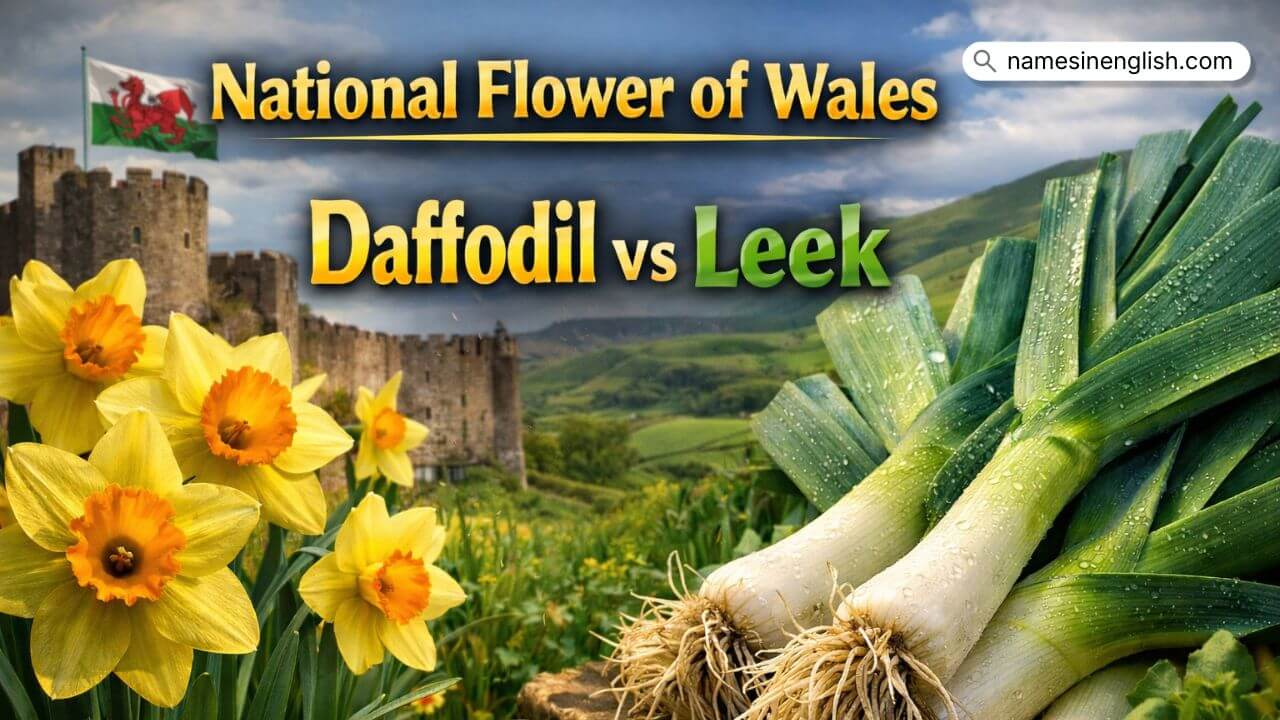

The National Flower of Wales is widely recognized as the cheerful Daffodil, but many people are surprised to learn that the Leek is also an important national symbol. This unique connection has sparked a long standing debate about which one truly represents Wales. In this article, you will learn why both symbols are linked to Welsh history, explore their meanings and traditions, learn how the daffodil became the more popular choice, and uncover fascinating facts about the National Flower of Wales.
Table of Contents
ToggleWales Has Two National Symbols ?
Wales is unusual because it proudly embraces two national emblems rather than forcing a single winner. This isn’t indecision. It reflects how Welsh identity developed across different eras.
- The leek comes from medieval history, warfare, and survival.
- The daffodil represents renewal, language revival, and modern Welsh pride.
Both symbols coexist, and that coexistence says a lot about Wales itself.
What Is the National Flower of Wales?
The officially recognized national flower of Wales is the daffodil.
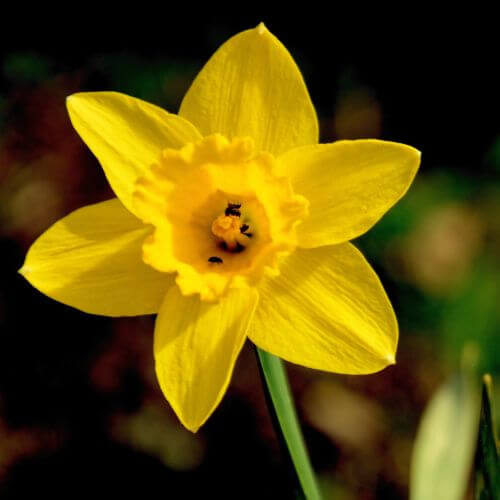
However, the leek is an older national emblem and still holds equal cultural importance, especially in historical and ceremonial contexts.
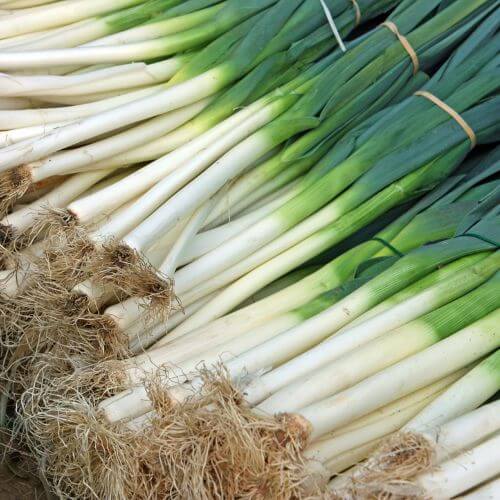
This is why both symbols appear on St David’s Day.
The Leek: Wales’ Old National Emblem
The leek’s story begins long before the daffodil gained popularity.
A Symbol Born on the Battlefield
Welsh legend traces the leek to St David, the patron saint of Wales. According to tradition, he advised Welsh soldiers to wear leeks on their helmets during a battle against Saxons so they could identify one another. Practical? Yes. Memorable? Absolutely.
By the 14th century:
- Welsh soldiers were already wearing leeks as identity markers.
- The leek appeared in royal ceremonies.
- Shakespeare even referenced Welshmen proudly wearing leeks in Henry V.
Why the Leek Still Matters
Even today, the leek symbolizes:
- Resilience and simplicity
- Working-class heritage
- Rural Welsh life
On St David’s Day, many Welsh people still wear a leek, especially in traditional communities.
The Daffodil: Modern Wales’ National Flower
The daffodil’s rise is more recent, but its impact is powerful.
How the Daffodil Took Root
By the late 19th and early 20th centuries, the daffodil became linked with Wales due to:
- Its peak bloom around March 1st
- Linguistic connections (the Welsh word cenhinen Bedr connects leek and daffodil)
- Its cheerful, hopeful appearance during early spring
In 1911, Prime Minister David Lloyd George promoted the daffodil during the investiture of the Prince of Wales, cementing its national status.
Why People Prefer the Daffodil Today
Let’s be honest. Wearing a flower is easier than pinning a vegetable.
The daffodil is:
- Visually striking
- Easy to grow and gift
- Widely used in tourism and branding
That’s why it’s the most recognized answer when people ask about the National Flower of Wales.
Daffodil vs. Leek: Cultural Roles Compared
Here’s how they function side by side in real life.
Leek
- Historical and ceremonial
- Military traditions
- Strong rural symbolism
Daffodil
- Modern national identity
- Festivals, schools, and tourism
- International recognition
They don’t cancel each other out. They tell different chapters of the same story.
How March 1st Celebrants Actually Choose
If you’re celebrating St David’s Day and wondering what to wear, here’s what I’ve observed over the years.
- Formal events or schools often prefer daffodils.
- Traditional parades may feature leeks.
- Families sometimes use both, especially for children.
One practical planner trick I like:
- Wear a daffodil pin.
- Add leek-themed food to the meal.
It respects tradition without sacrificing comfort.
A Question You Won’t See Elsewhere
Most of us ask, “Which is the real symbol?” That’s the wrong question.
The better question is why Wales never replaced the leek when the daffodil became popular.
Many nations erase old symbols to modernize. Wales didn’t.
Keeping both reflects:
- Respect for history without being trapped by it
- A bilingual, layered national identity
- Cultural confidence rather than confusion
In my view, that dual symbolism is exactly why Welsh identity feels so authentic today.
Where We Will See These Flowers in Wales
- The Welsh Rugby Union uses leek imagery in historical crests.
- Tourism Wales promotes daffodils in international campaigns.
- St David’s Day school events often teach children about both symbols.
- Welsh coins and badges alternate between leek and daffodil designs.
This dual presence isn’t accidental. It’s intentional.
FAQs About Wale’s National Flower
What are the 4 flowers of the UK?
England: Rose, Scotland: Thistle, Wales: Daffodil (and traditionally the Leek), Northern Ireland: Shamrock
What is the Welsh national flower?
Wales has two national symbols: The daffodil, which is the nationally recognized flower and widely used today. The leek, an older historical emblem linked to St David and Welsh military tradition. Both are worn on St David’s Day (March 1st).
Why does Wales have both a daffodil and a leek?
Wales retained both symbols because they represent different eras. The leek reflects medieval history and survival, while the daffodil symbolizes renewal, national pride, and modern Welsh identity.
Is the daffodil officially the national flower of Wales?
Yes. The daffodil is officially recognized as the national flower of Wales, especially in modern cultural, educational, and international contexts.
Why is the daffodil associated with St David’s Day?
Daffodils naturally bloom in late February and early March, aligning with St David’s Day on March 1st, which made them a natural seasonal symbol of Wales.
Final Thoughts About National Flower of Wales
The National Flower of Wales isn’t about choosing sides. The daffodil represents modern Welsh pride, while the leek carries centuries of history. Together, they offer a fuller picture of what Wales stands for.
If you’re celebrating March 1st:
- Choose the daffodil for visibility and symbolism.
- Honor the leek for tradition and respect.
And if you’re exploring national symbols across cultures, keep going. These stories reveal far more than flowers.
👉Official RHS page on daffodils (Narcissus)
Page explains their general blooming season: planted in autumn and then flowers typically develop from February through May.